Amphiprion akindynos
Find Barrier Reef Anemonefish in Queensland and New Caledonia, in waters of 21-27 °C. Best sightings February to May. ID tips inside.
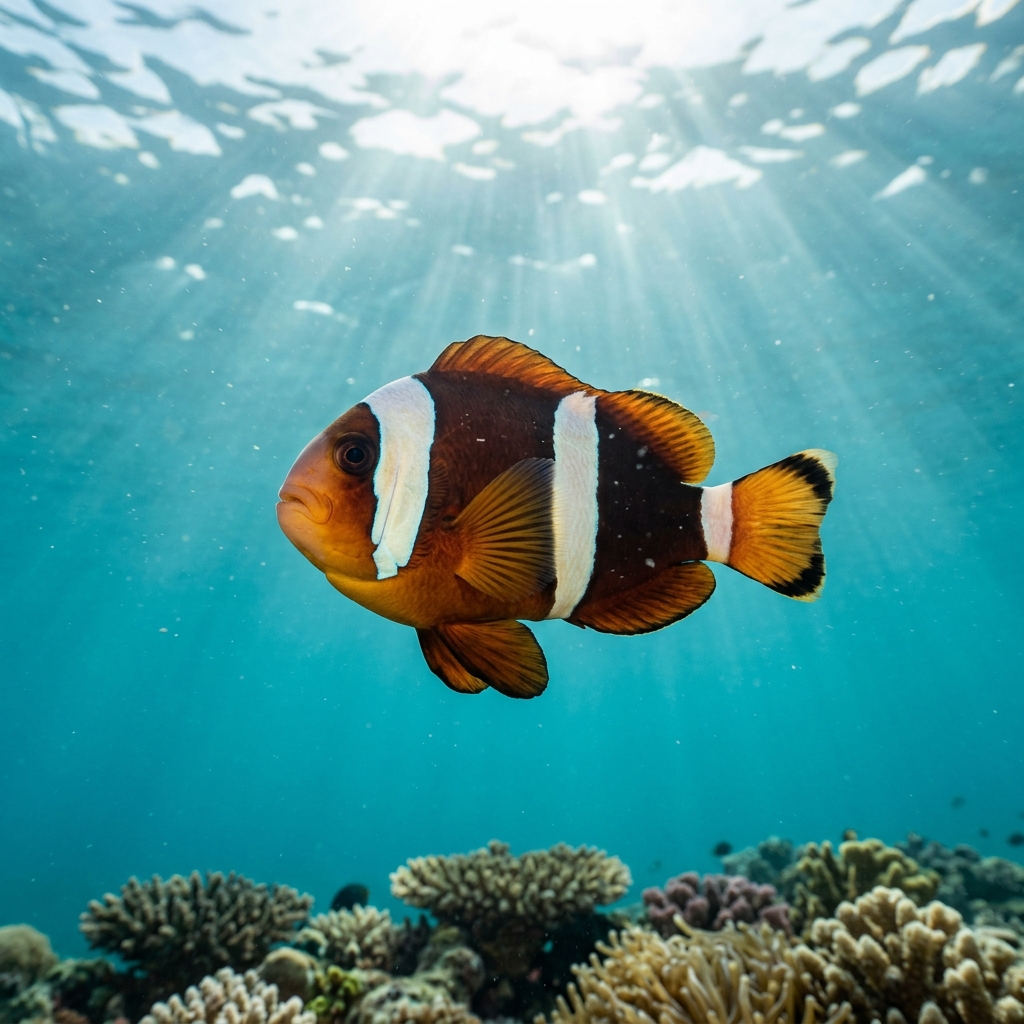
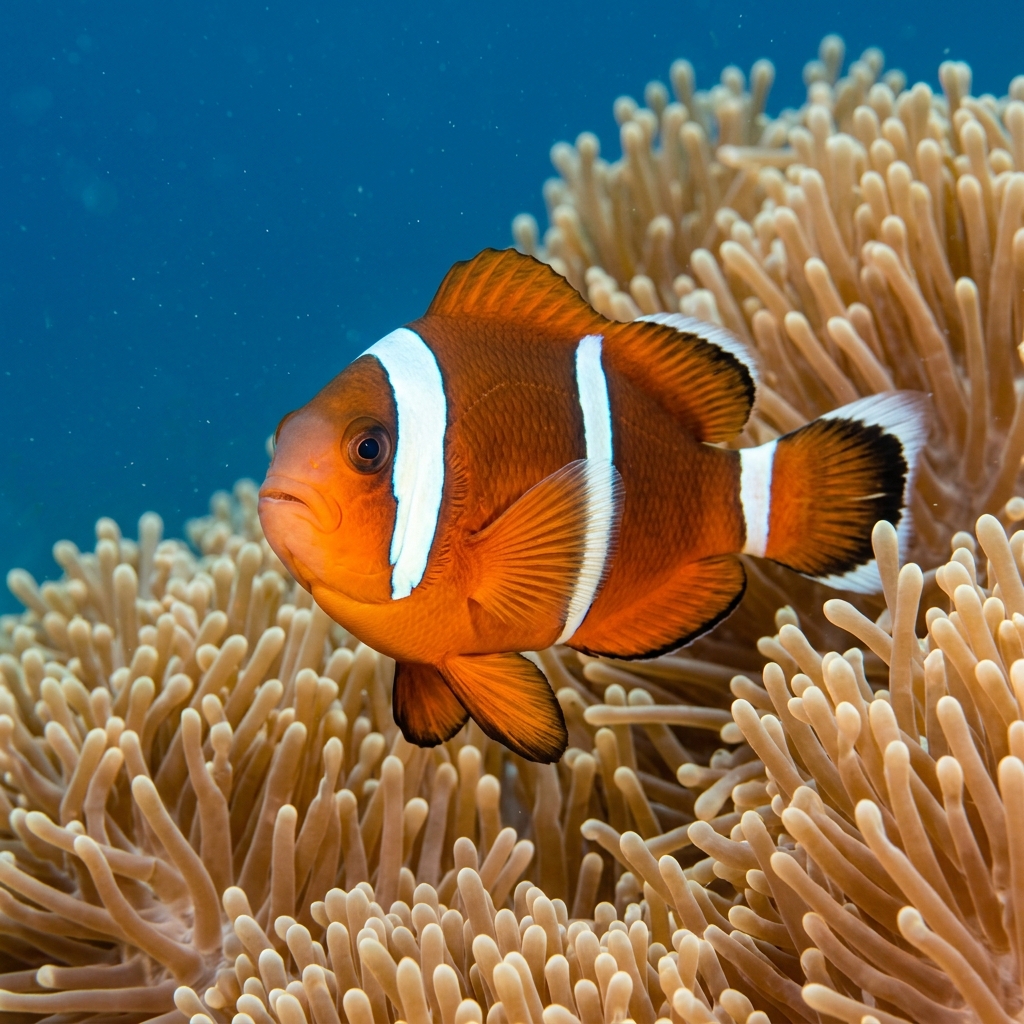
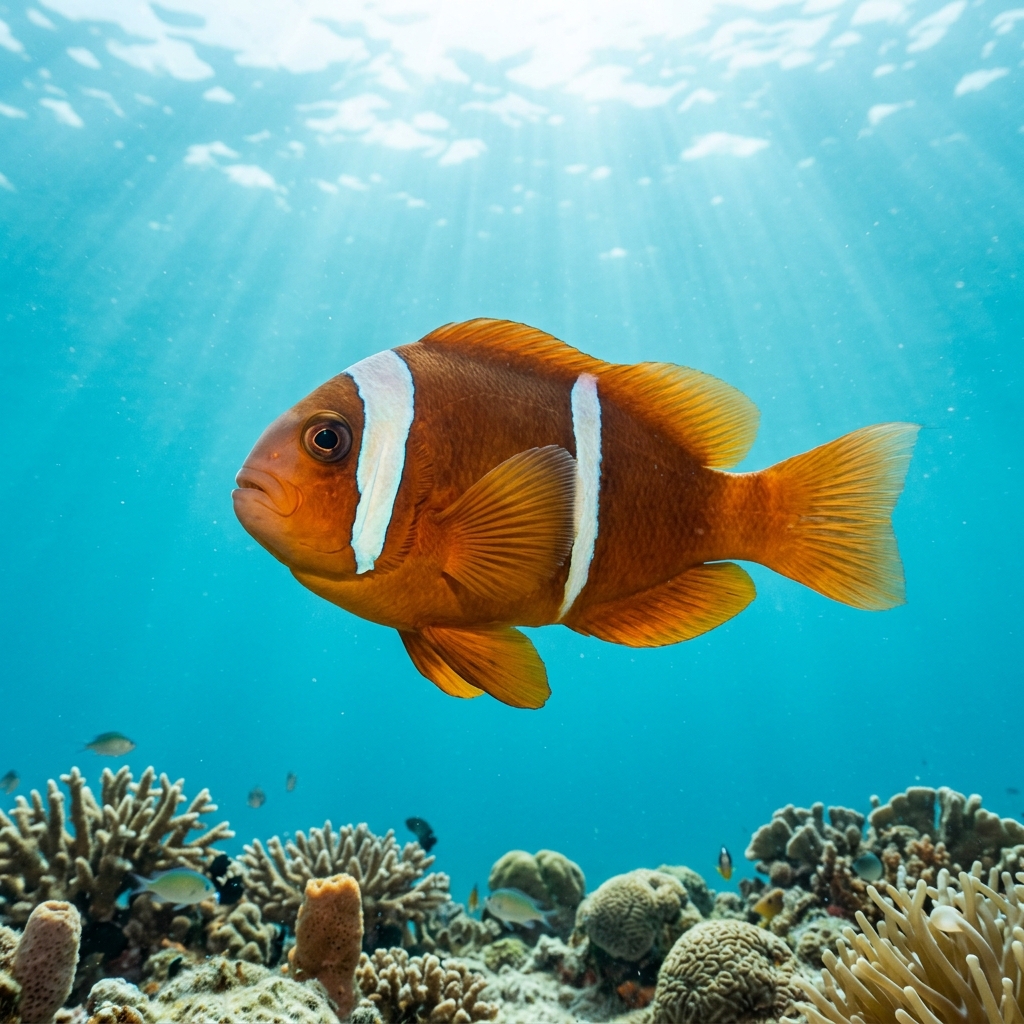
A mid-sized anemonefish with a warm brown to orange-brown body and two or three pale white bars: one broad bar just behind the head, a narrower partial bar mid-body (often incomplete or absent in adults), and a white tail base. The brown colouration distinguishes it from the bright orange clownfish many divers expect. Look for it sitting close to or inside a large carpet or bubble-tip anemone, rarely venturing far from the tentacles.
You will almost always find this fish within centimetres of its host anemone, darting between the tentacles or hovering just above them in a characteristic bobbing motion. Like most anemonefish, it will face off against approaching divers that get too close, tilting towards you and sometimes making short mock-charges to defend the anemone. Sightings are typically at recreational diving depths on sheltered coral reef sections rather than in open water.
All anemonefish are protandrous hermaphrodites (born male, with the capacity to become female): the largest individual in a group will become or remain the dominant female, and if she disappears, the next largest male transitions to take her place.
Sighting records from Southern Hemisphere sites concentrate between February and May, suggesting this is the most productive window to look for them. Outside that period encounters become patchier, though the species' observed temperature range of roughly 22 to 27 °C fits year-round conditions on many Queensland reefs.
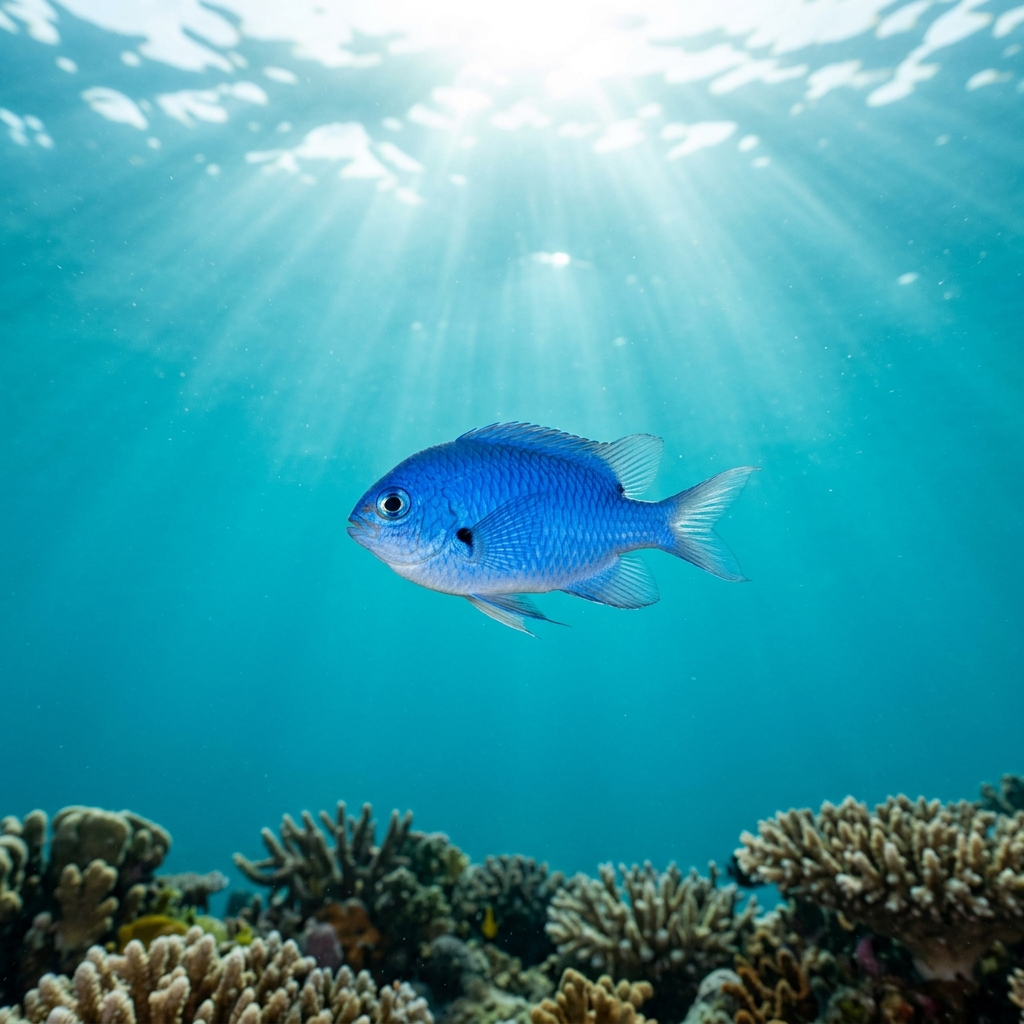
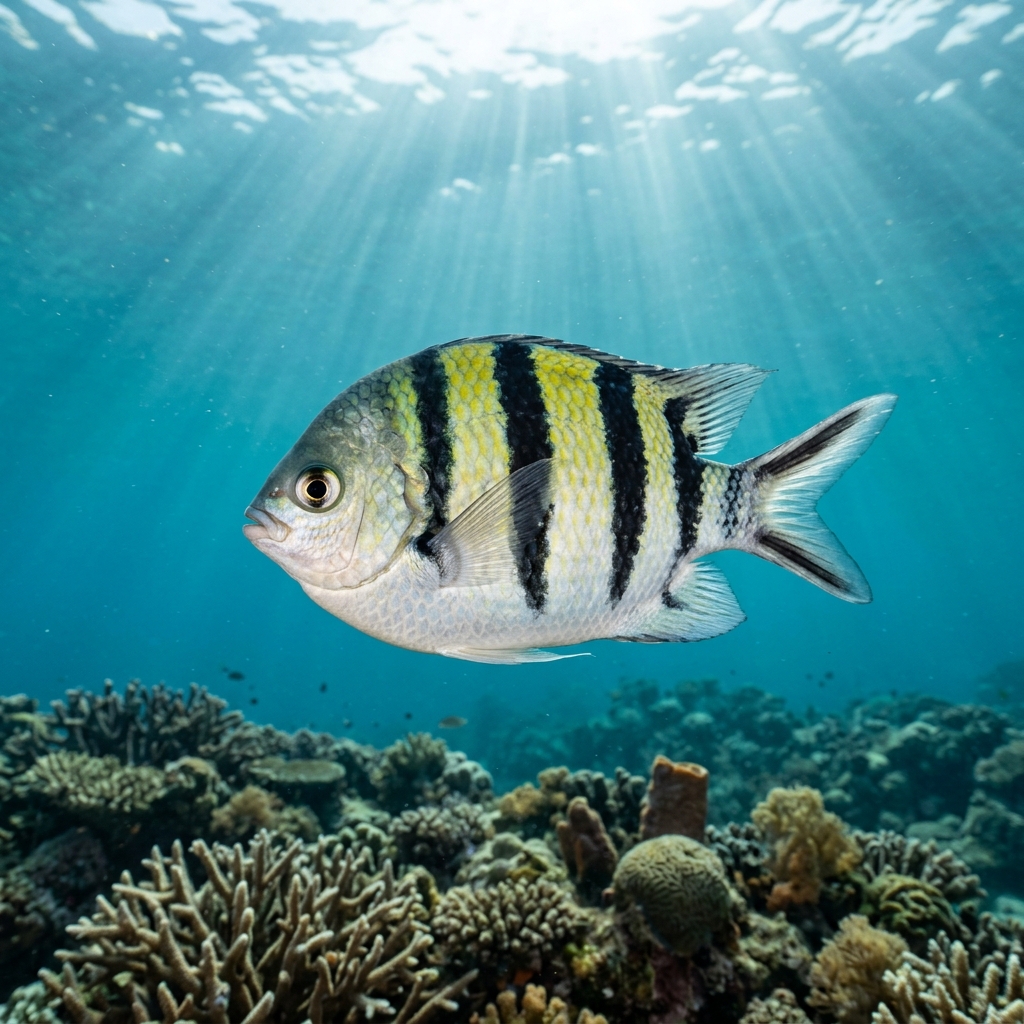
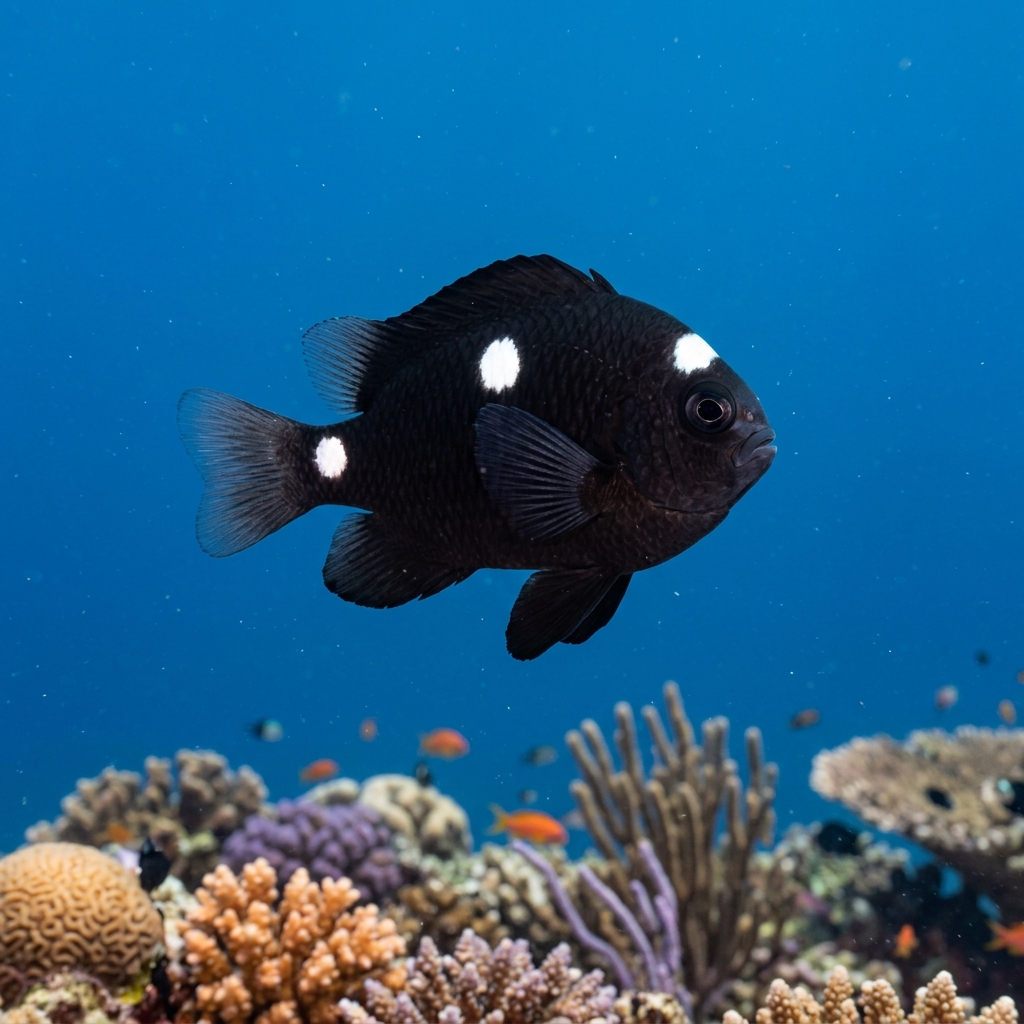
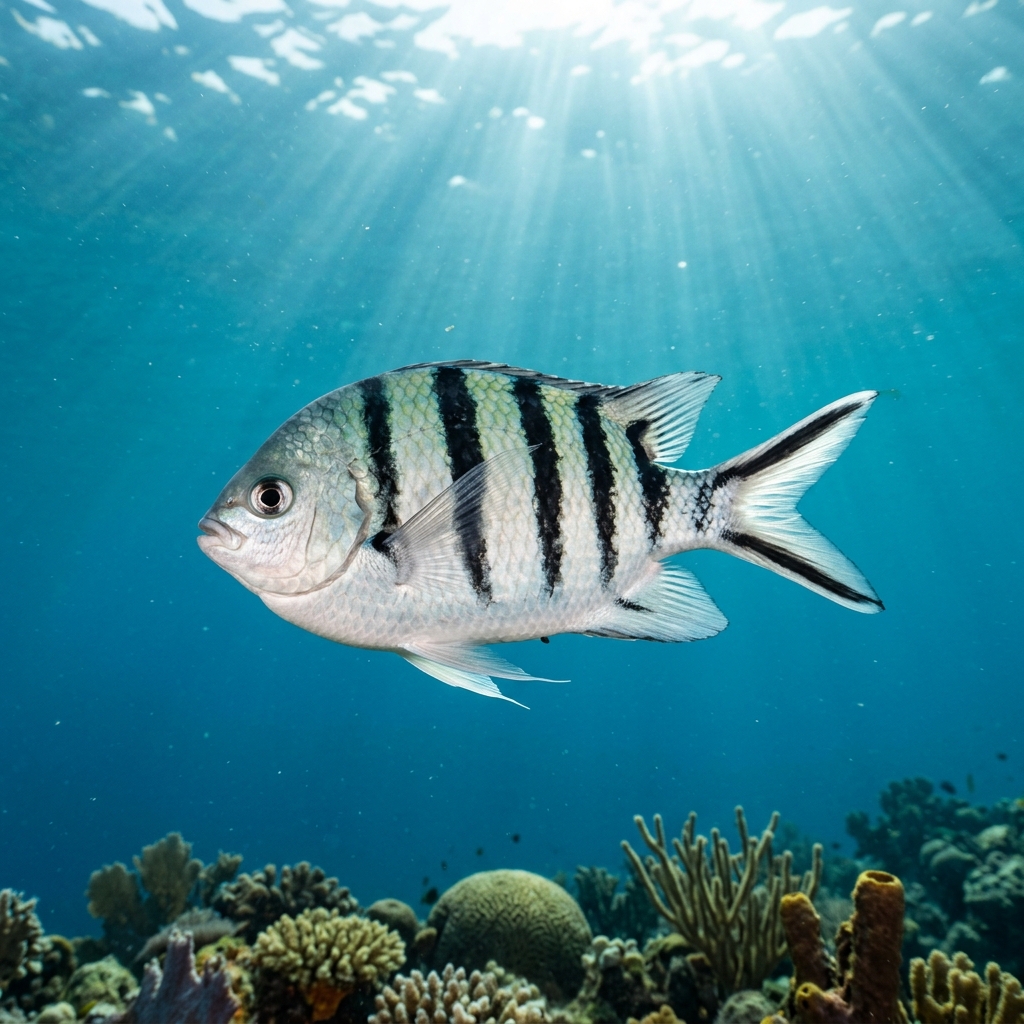
Reef neighbours a diver could mistake it for. Use the identification notes above to tell them apart.
Barrier Reef Anemonefish are most commonly logged in Queensland, Australia, where the Great Barrier Reef and surrounding coastal reefs hold the large majority of recorded sightings. New Caledonia, particularly around Nouméa and Île des Pins, provides a solid second range with reliable records across a number of reef sites. New South Wales, Australia, rounds out the known range at the southern edge.
Mapping where Barrier Reef Clownfish is logged…
Queensland, Australia, is the stronghold, with sightings spread across Great Barrier Reef reef systems and inshore sites. New Caledonia, especially around Nouméa and Île des Pins, is the next best area. A smaller number of records come from New South Wales, at the southern limit of the range.
Seasonality data from Southern Hemisphere sites points to February through May as the period when sightings are most concentrated. Queensland's warm reef conditions mean encounters are possible outside this window too, but February to May offers the best odds.
Look for a brown to orange-brown body with a wide white bar just behind the head and a white tail base. The mid-body bar is partial or absent in adults, which helps separate it from similar species. It is almost always found inside a host anemone rather than free-swimming.
Yes. Like all anemonefish, they are protandrous hermaphrodites, meaning individuals are born male and the dominant fish in a group becomes female. If the female is lost, the largest remaining male will transition to become the new female.
Site and sighting data is aggregated from diver logs, iNaturalist and GBIF. For taxonomy and conservation status:
Dascyllus
3,697 sites