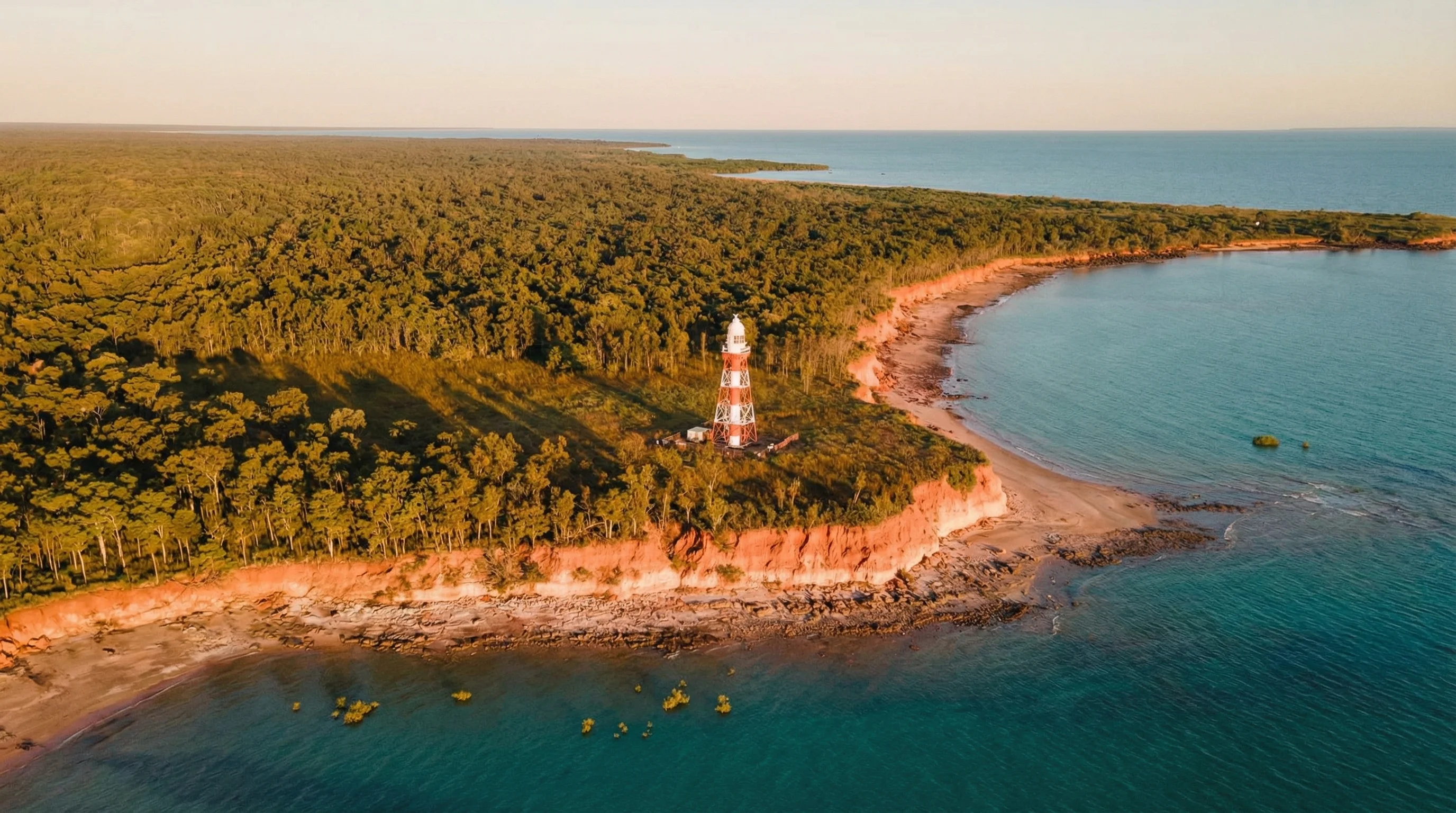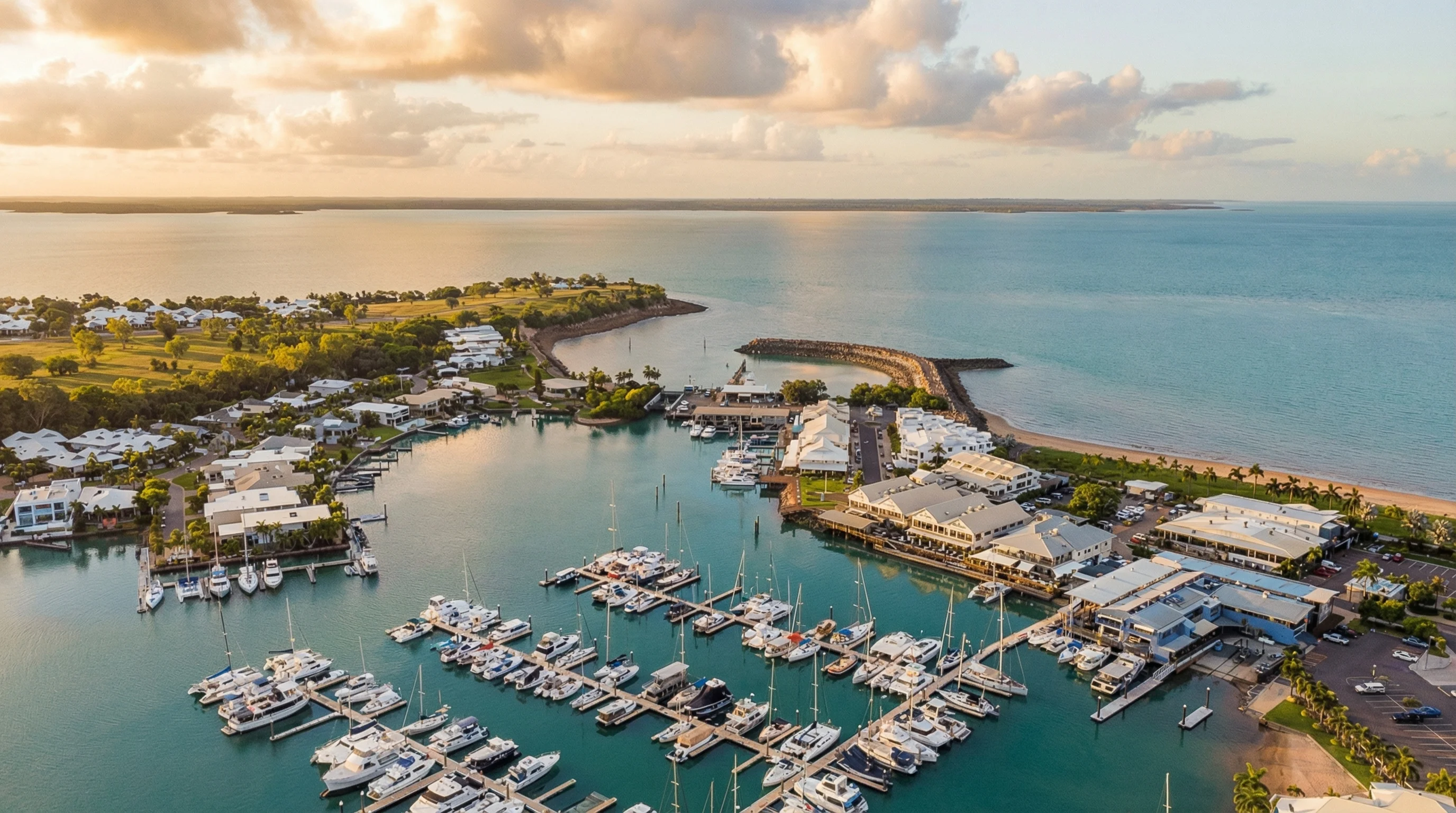
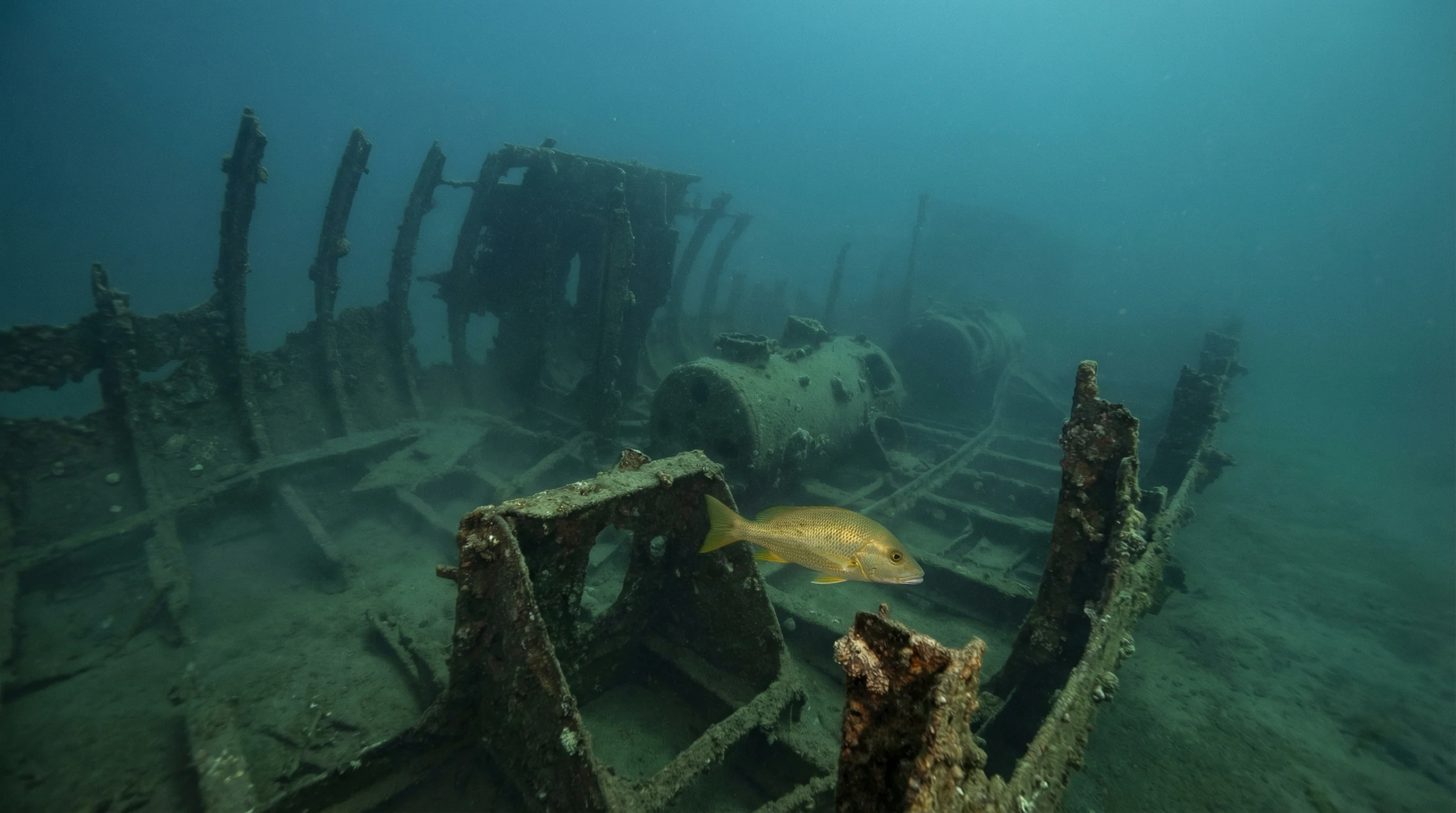
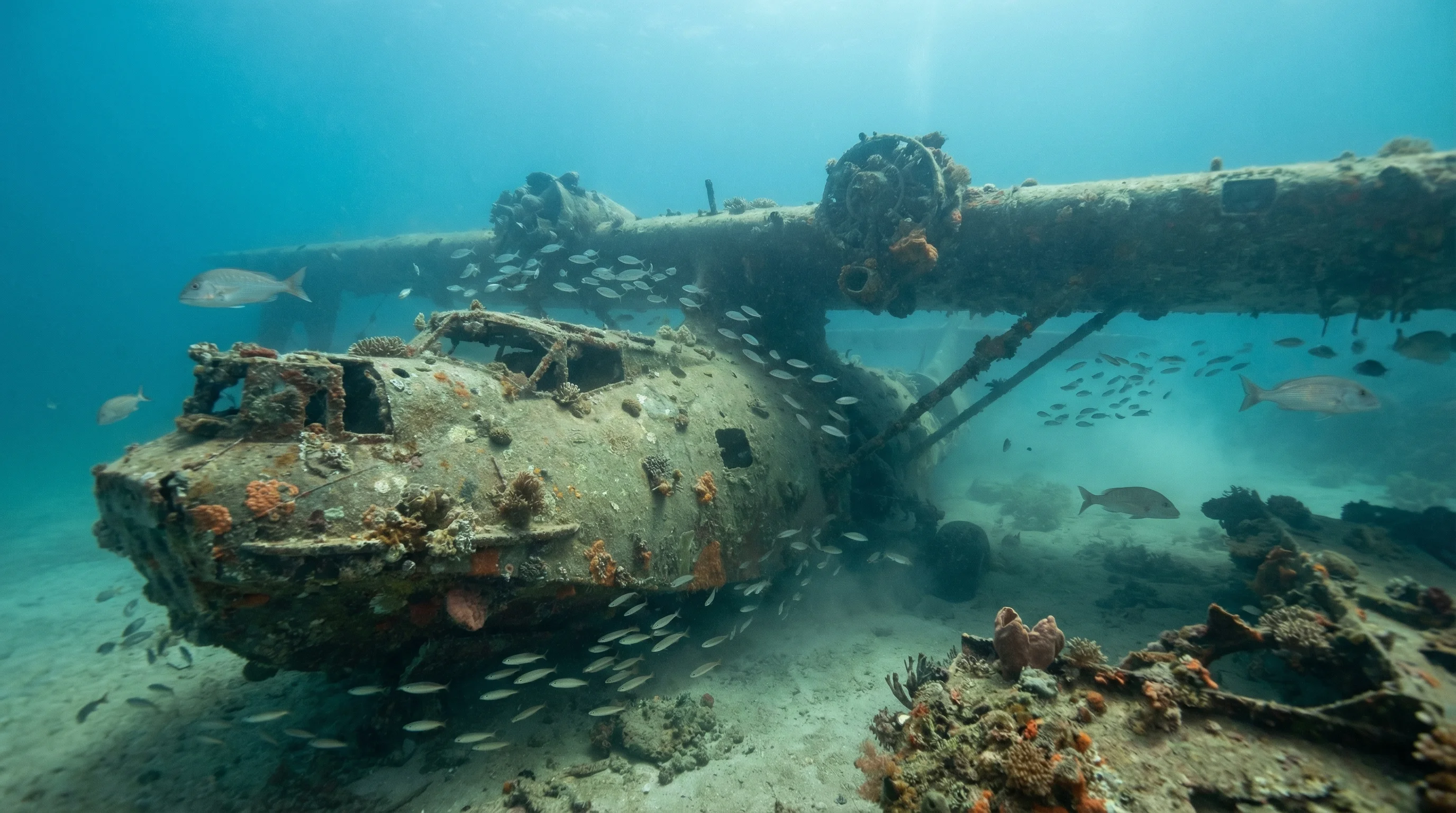
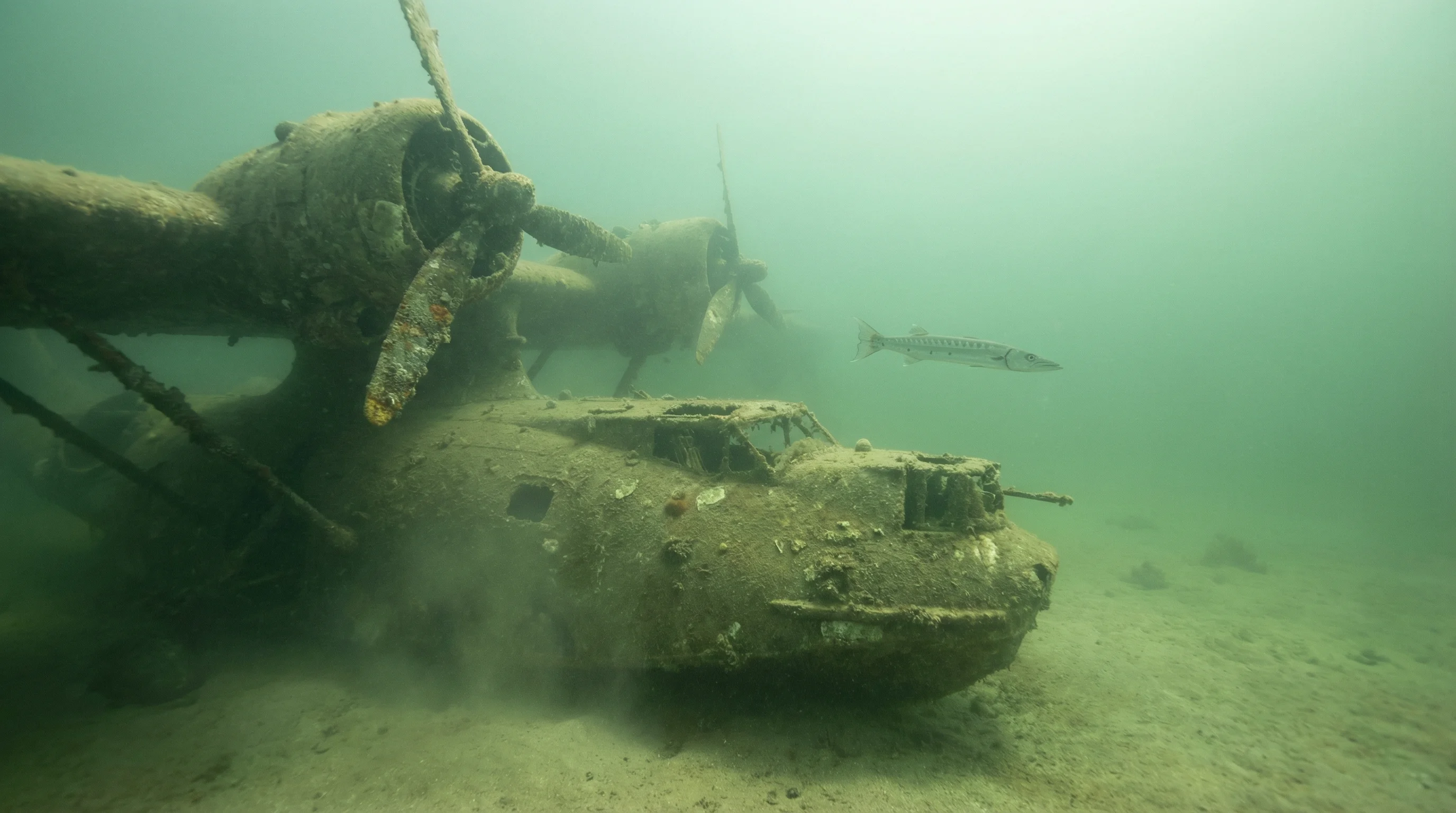
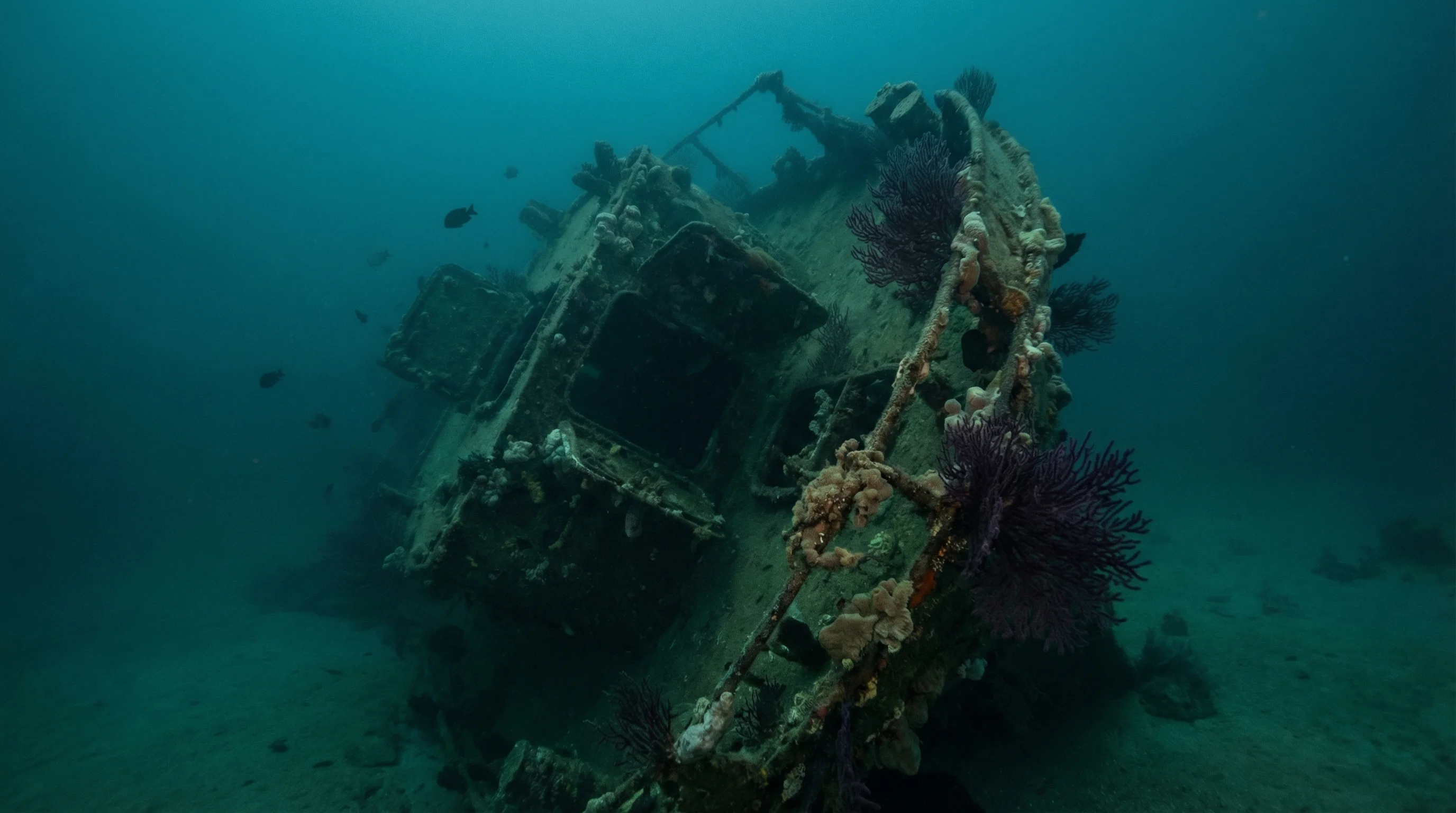
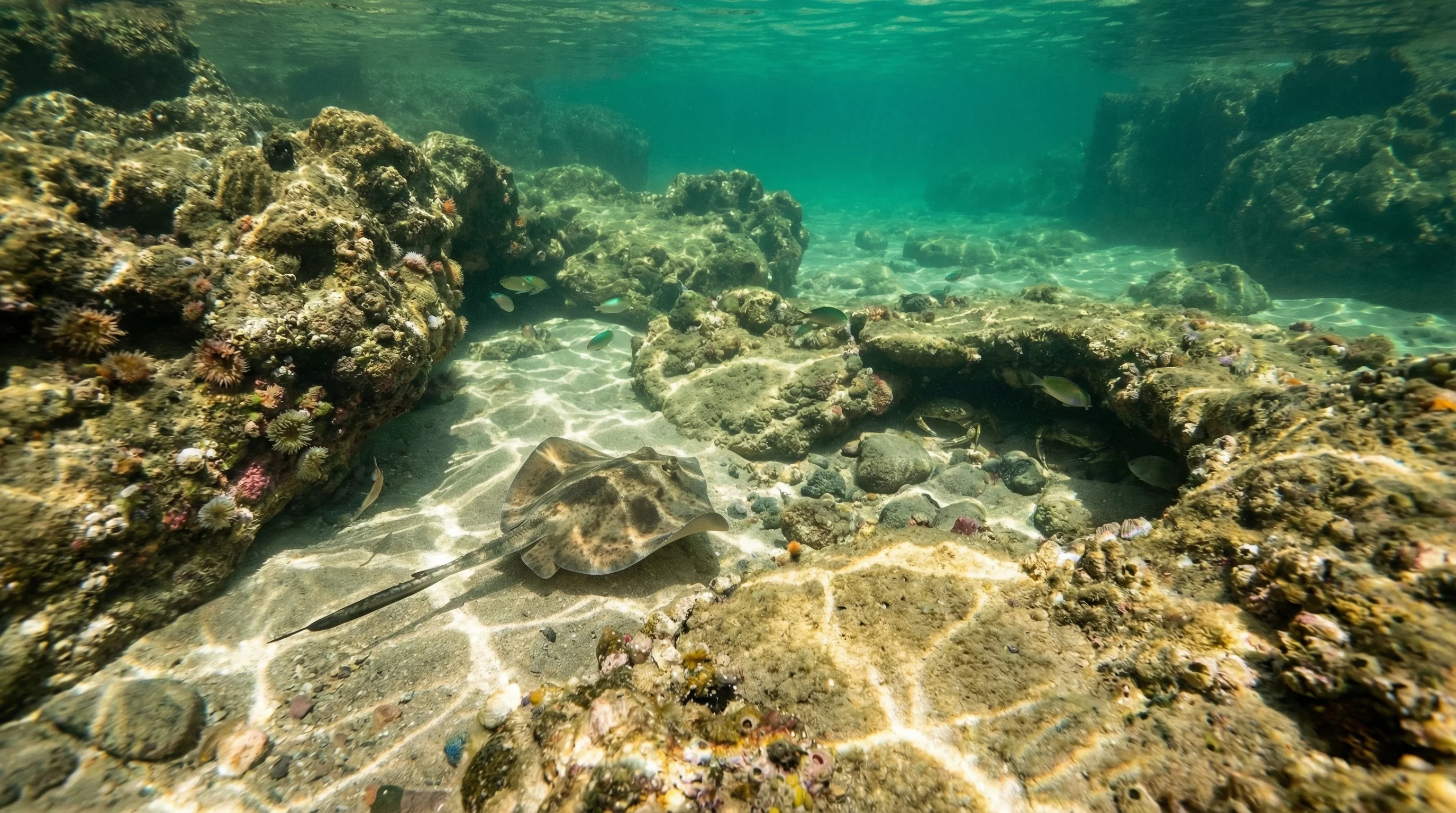
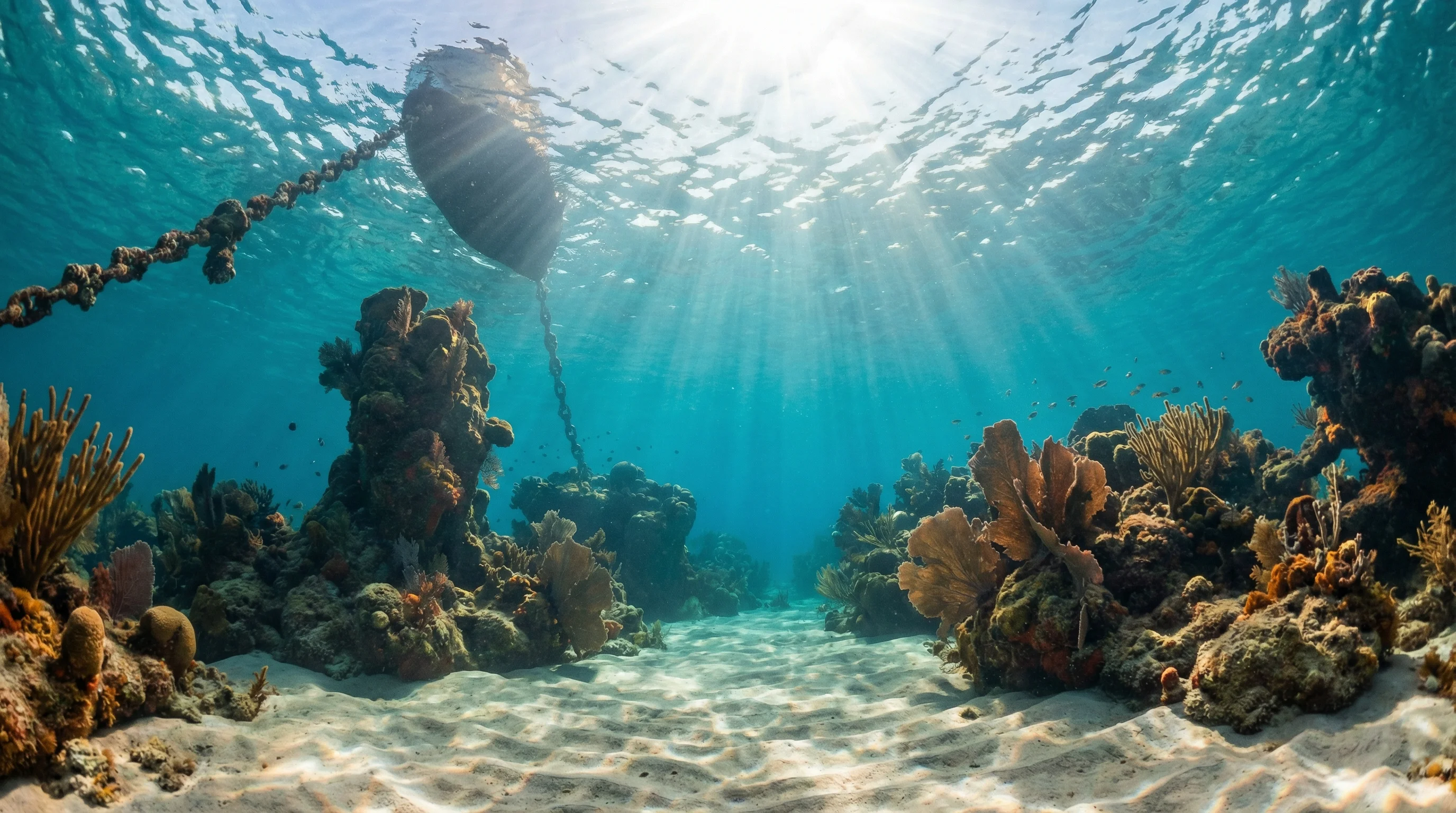
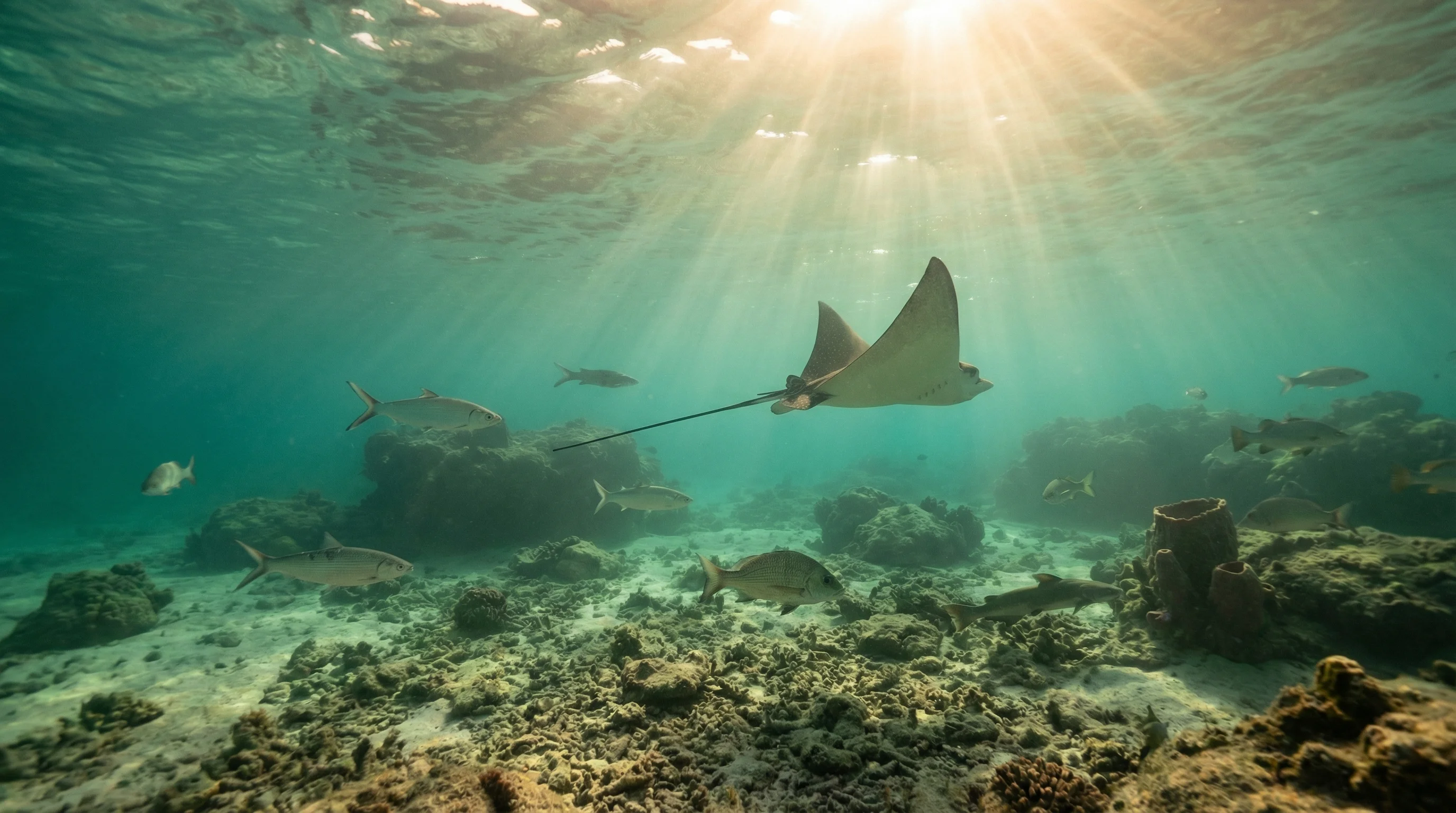
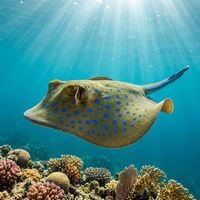
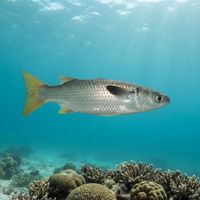
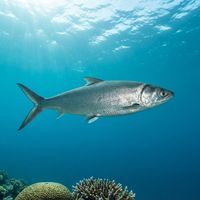
Darwin Harbour is defined by its wrecks and the rays that patrol them. The USS Peary draws advanced divers to deeper water, while the Catalina sites offer accessible wreck diving for beginners. Giant Guitarfish and Bluespotted Fantail Ray are observed across most sites, alongside schools of Milkfish, Silver Moony, and Longfin Baitfish. Visibility is modest, and the wet season brings reduced conditions, making the dry months the clear favourite.
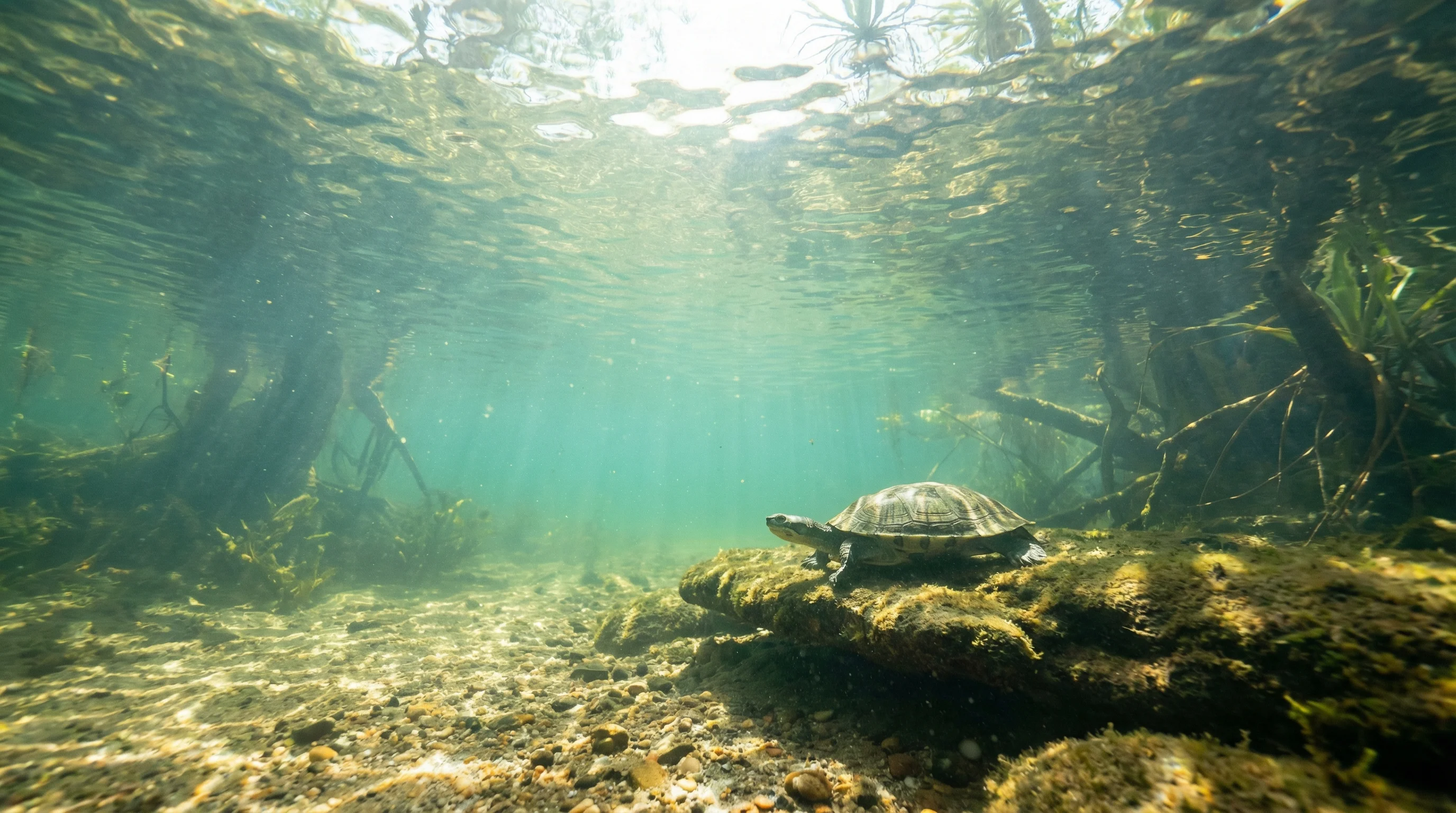
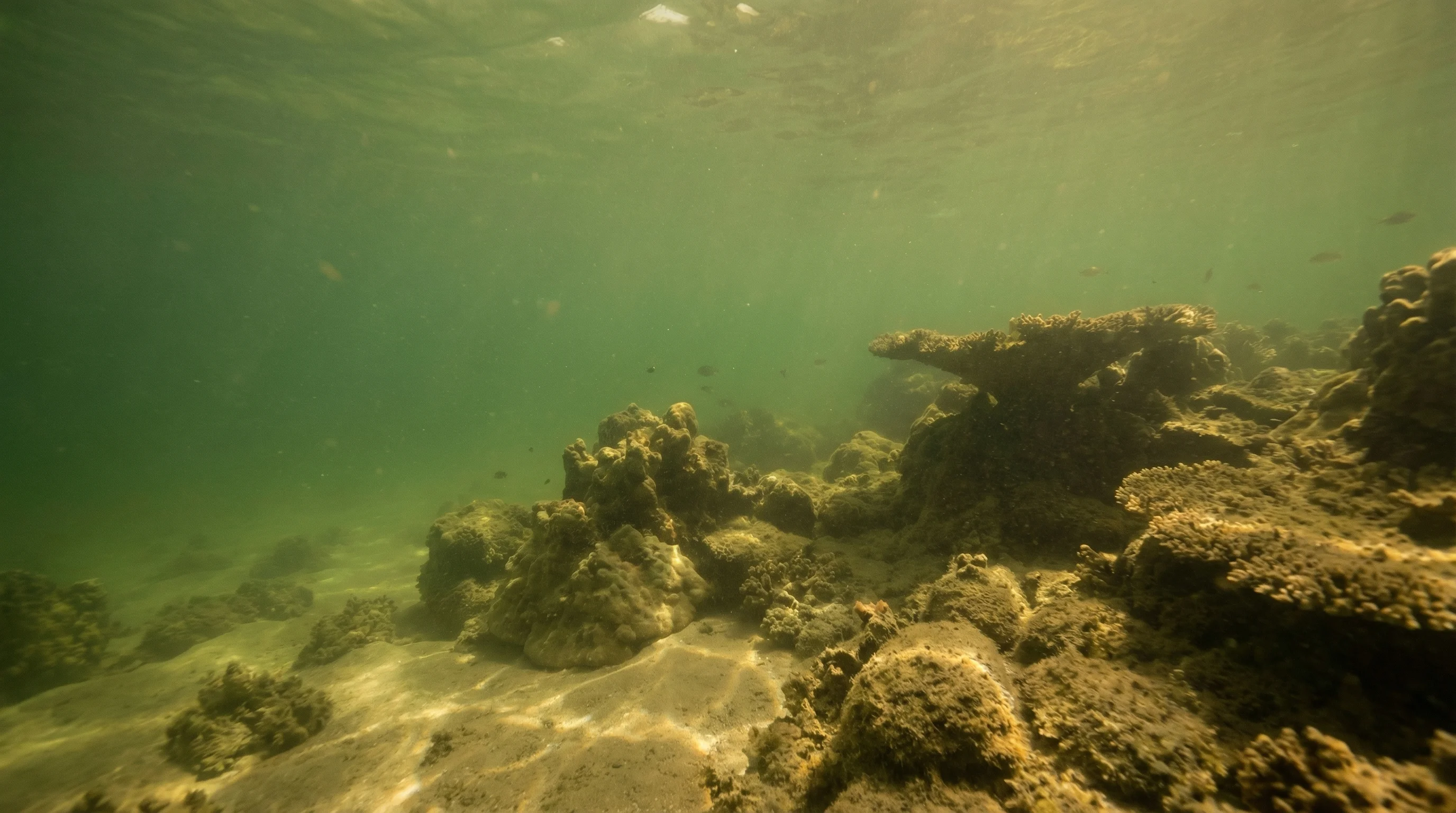
Monthly water temperature across Darwin Harbour's sites, from satellite sea-surface data corrected for depth. The band shows the site-to-site spread.
Water stays warm throughout the year, peaking in the wet season months and dipping slightly in the middle of the dry season. Visibility is generally modest across all seasons, but conditions are most settled and clear from May through September. The wet season brings rain runoff and reduced visibility, so most divers plan trips during the dry months.
4 operators

Australia
Water temperature around Darwin Harbour ranges from about 26°C in July to 31°C in November, based on satellite sea-temperature data for its dive sites.
8 more sites to explore
In the warm season (about 31°C) a rash guard or 3mm shorty is comfortable in Darwin Harbour; in the coldest months (about 26°C) step up to a 3mm full suit.
Fin maps 11 sites in Darwin Harbour (8 scuba diving sites and 4 snorkelling spots, with some suited to both).
Across Darwin Harbour's dive sites, May, June, July, August and September are most often reported as the best months to visit.
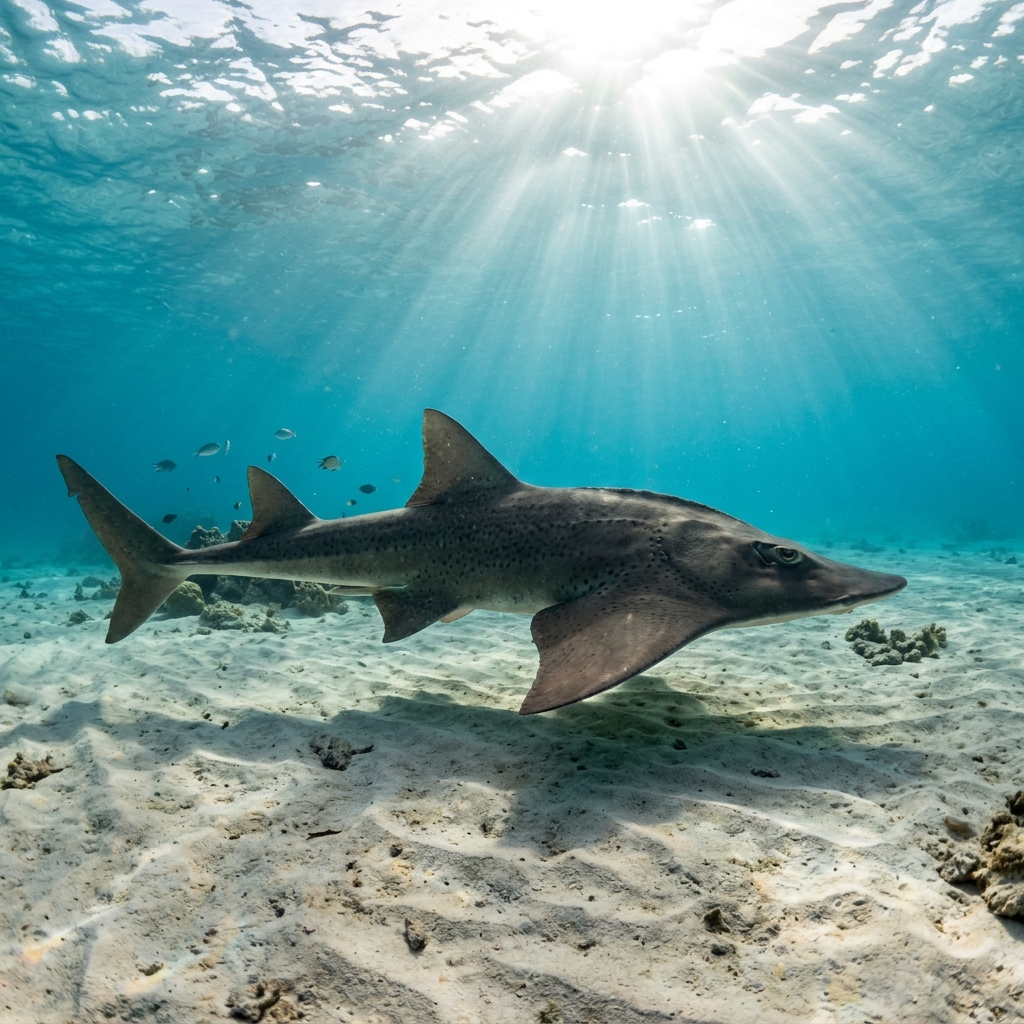
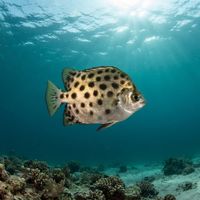
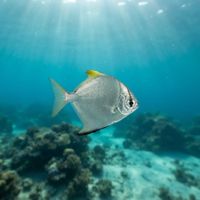
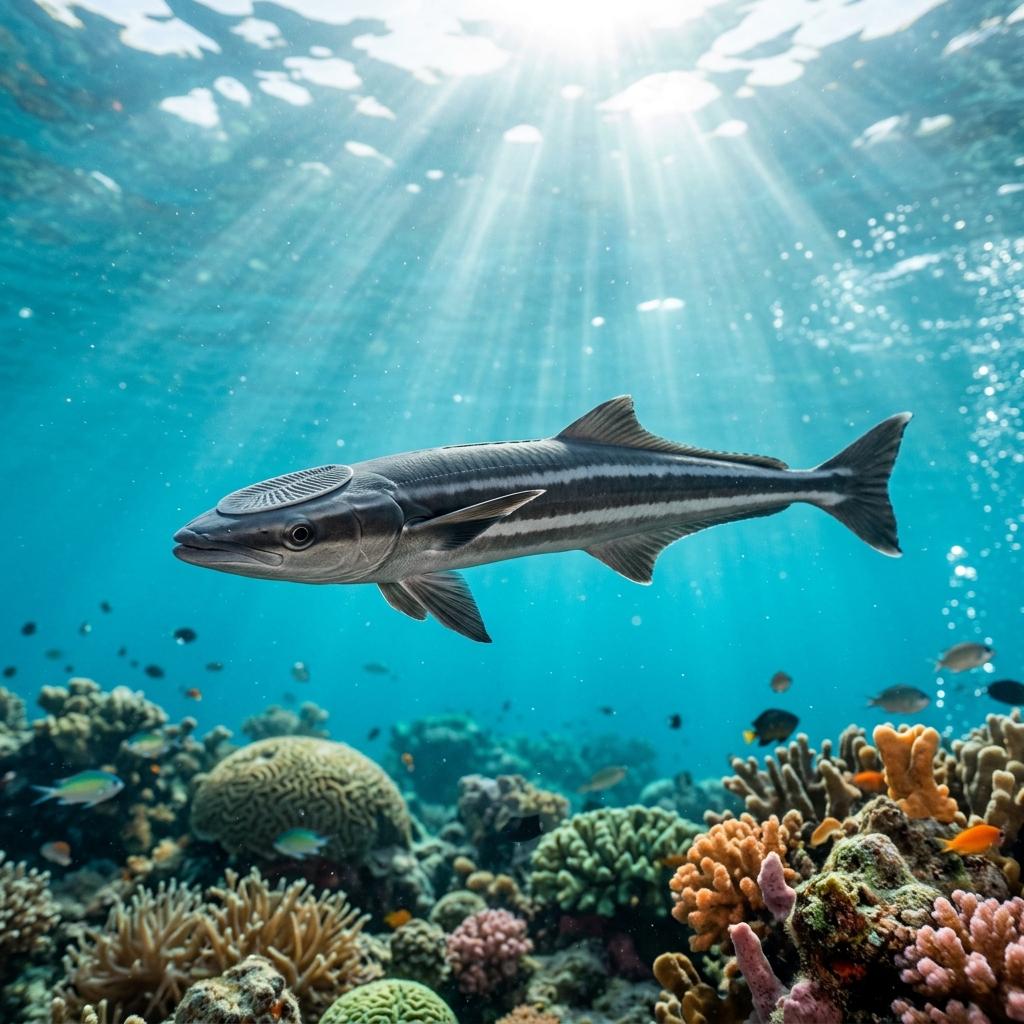
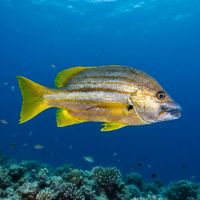
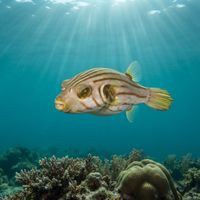
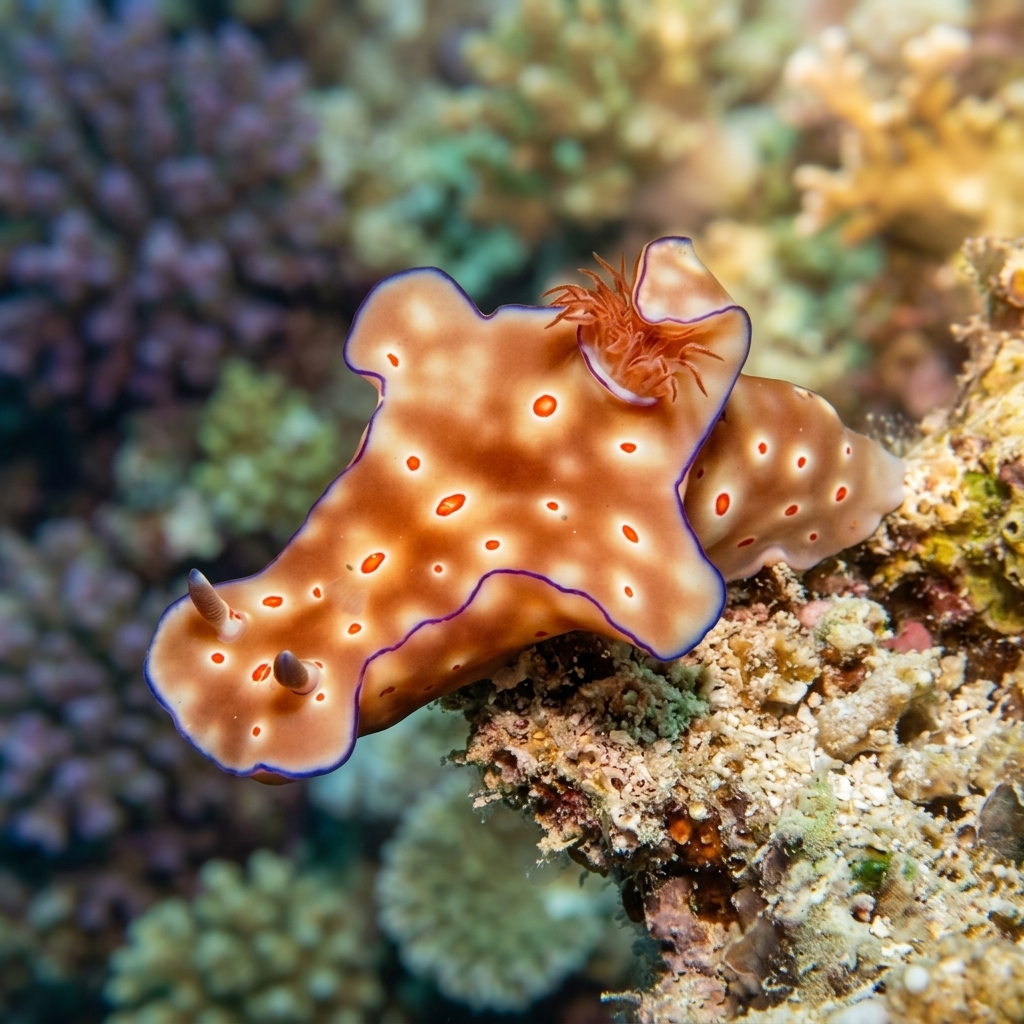
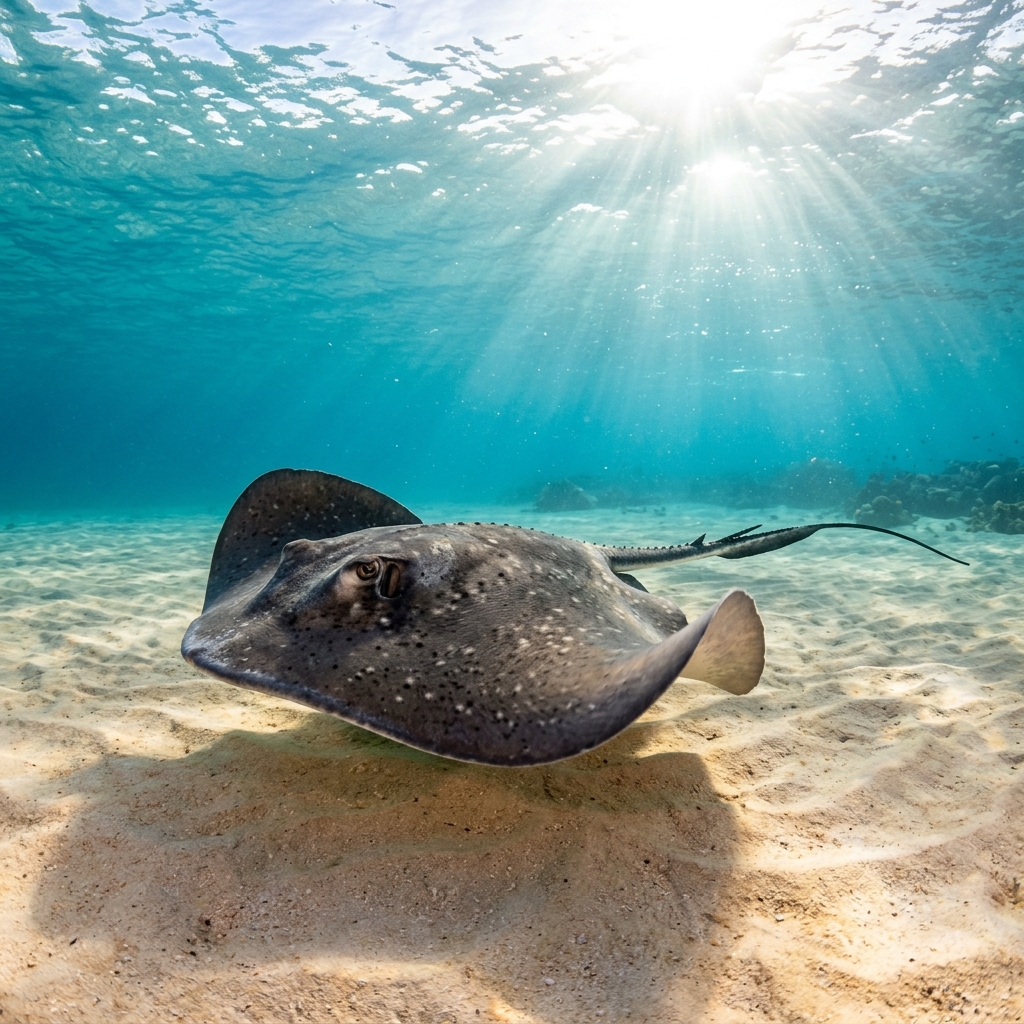
Giant Guitarfish and Bluespotted Fantail Ray are observed across most sites and are considered signature species of the harbour. Schools of Milkfish, Silver Moony, and Longfin Baitfish are very commonly encountered, and the T-bar Pantechnicon Dorid adds colour to wreck structures. Dugong, Green Sea Turtle, and Grey Nurse Shark have also been observed, though less frequently.
All top sites in Darwin Harbour are accessed by boat. There are no shore entries listed among the featured sites, so booking with one of the local operators is the standard approach. Operators including Dive Darwin and Darwin Waterfront Corporation are based in the area and run regular trips.
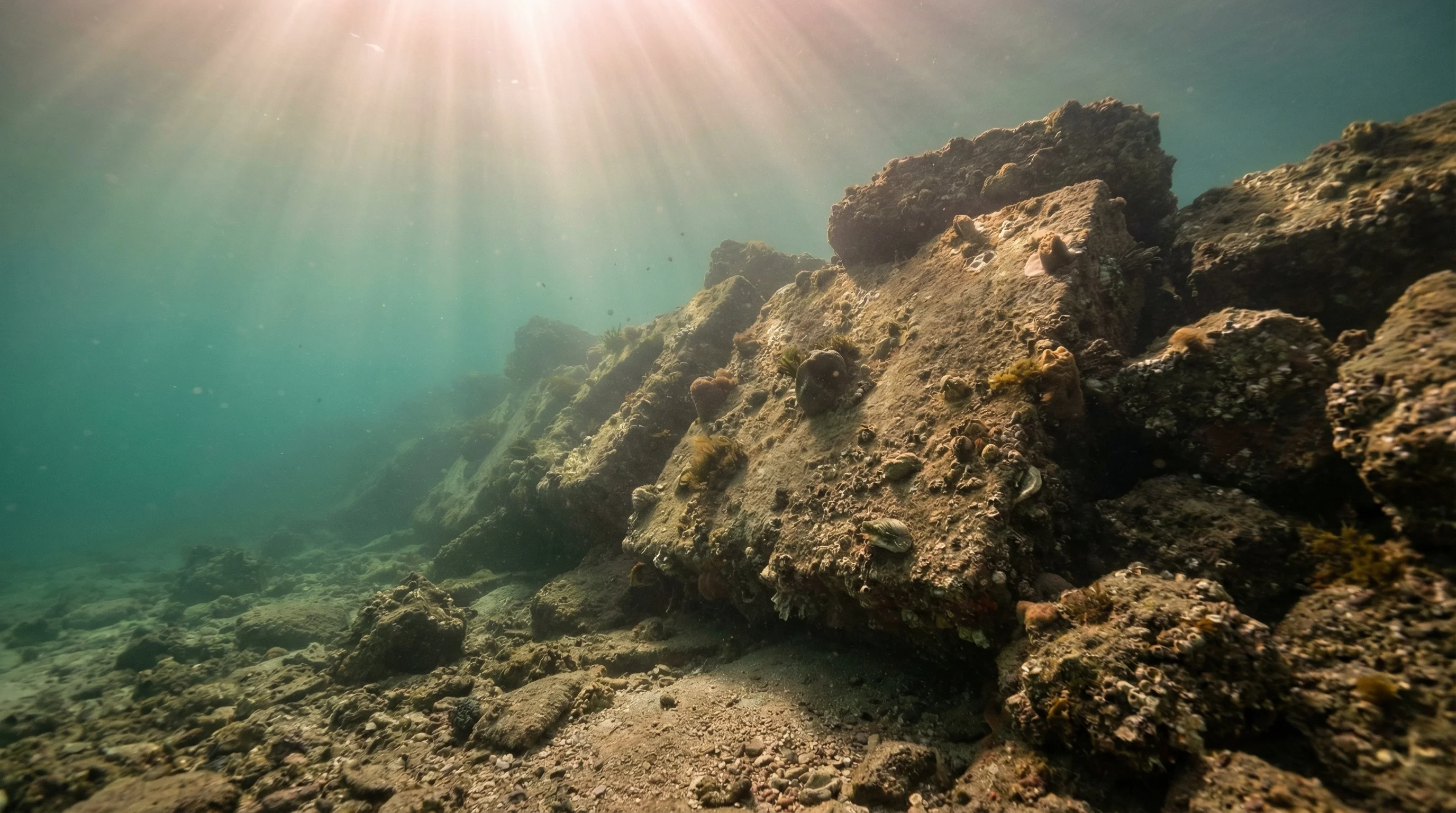
Wrecks dominate the site mix, from the deep and historically significant USS Peary to the shallower Catalina sites, which also function as artificial reefs. This focus on artificial structure means marine life tends to concentrate in predictable spots, making encounters with rays and schooling fish relatively reliable on most dives.