Ceratosoma trilobatum
Spot the T-bar Pantechnicon Dorid on warm Indo-Pacific reefs from Bali to the Philippines. Rare but recorded across dozens of sites in 27-29 °C waters.
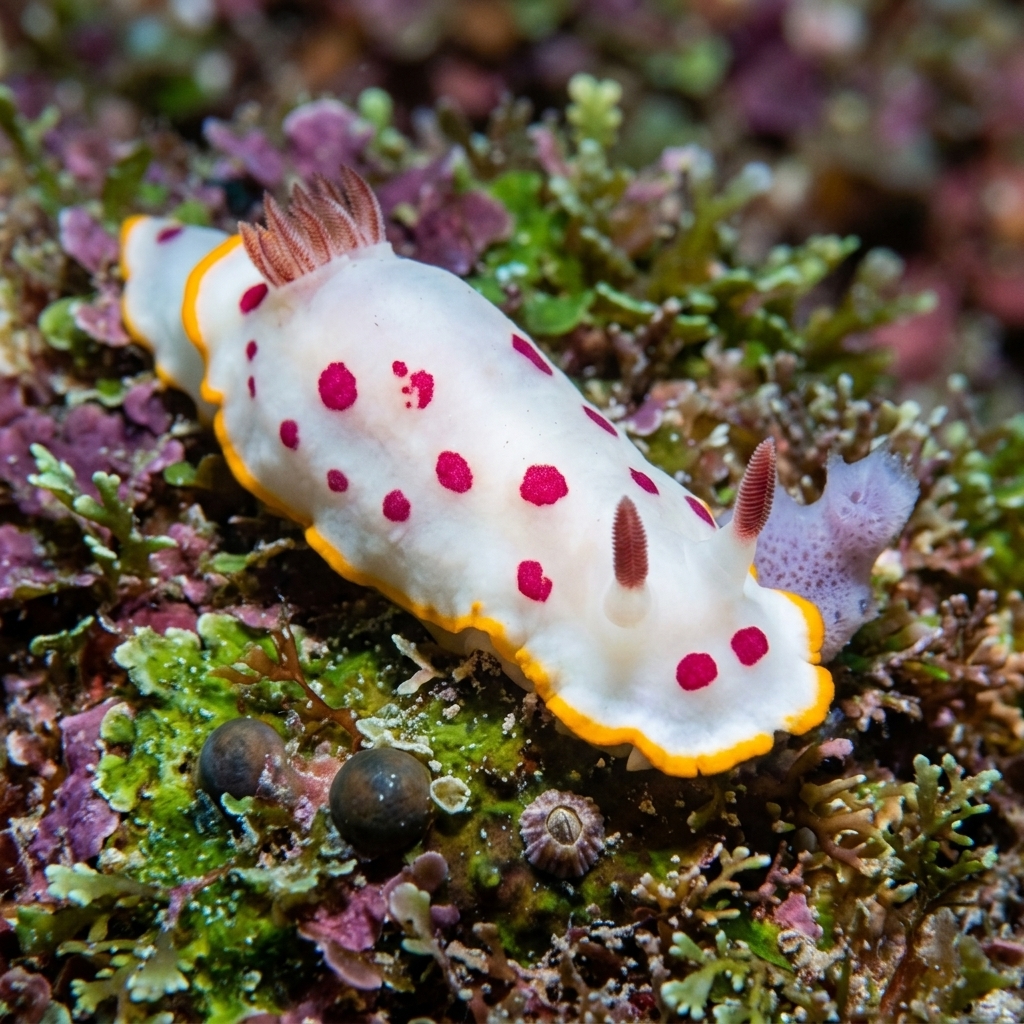
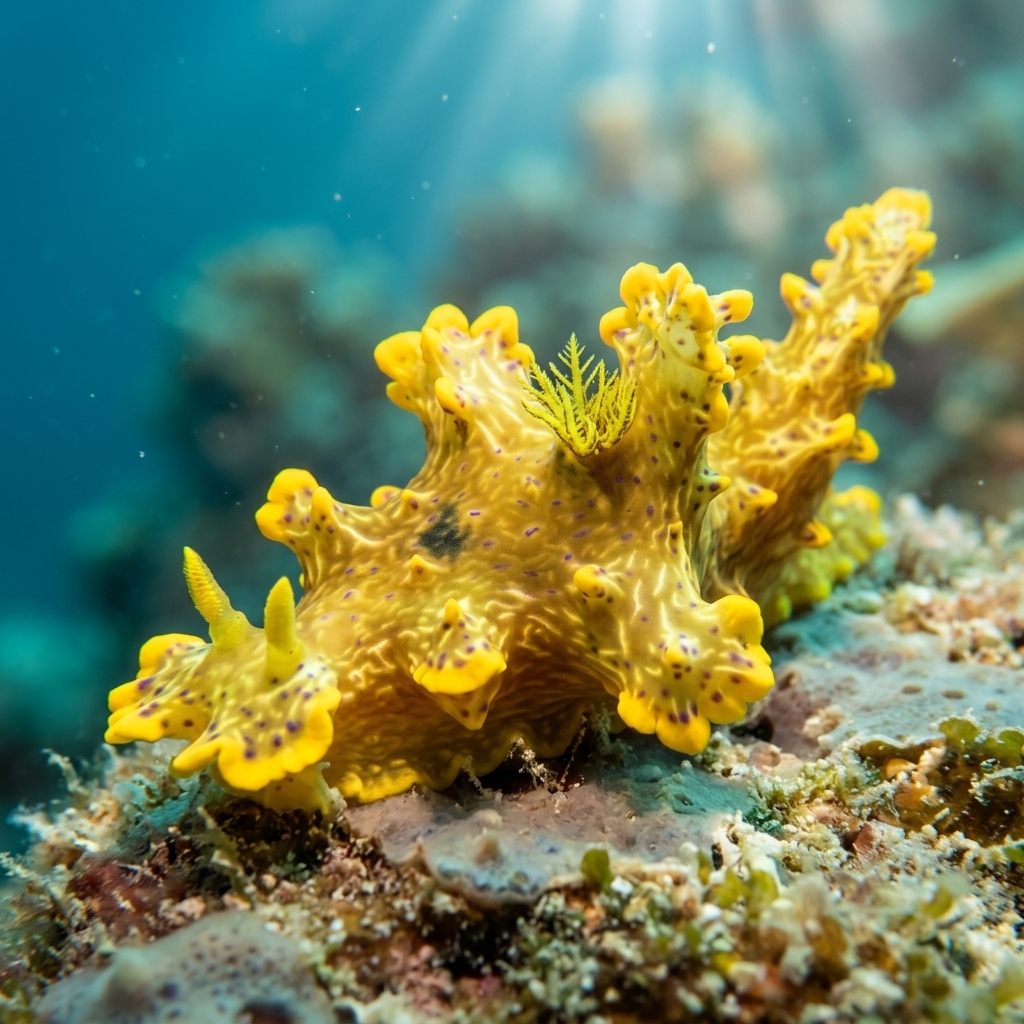
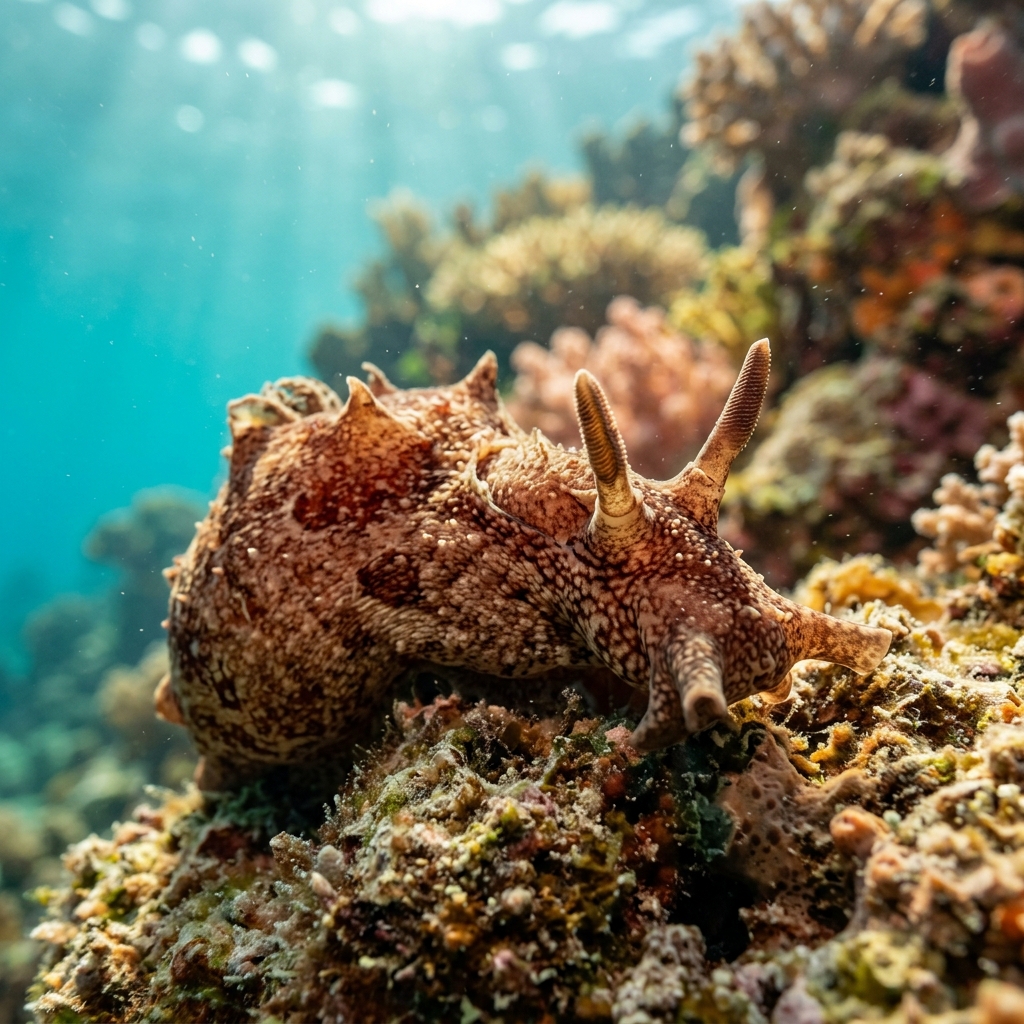
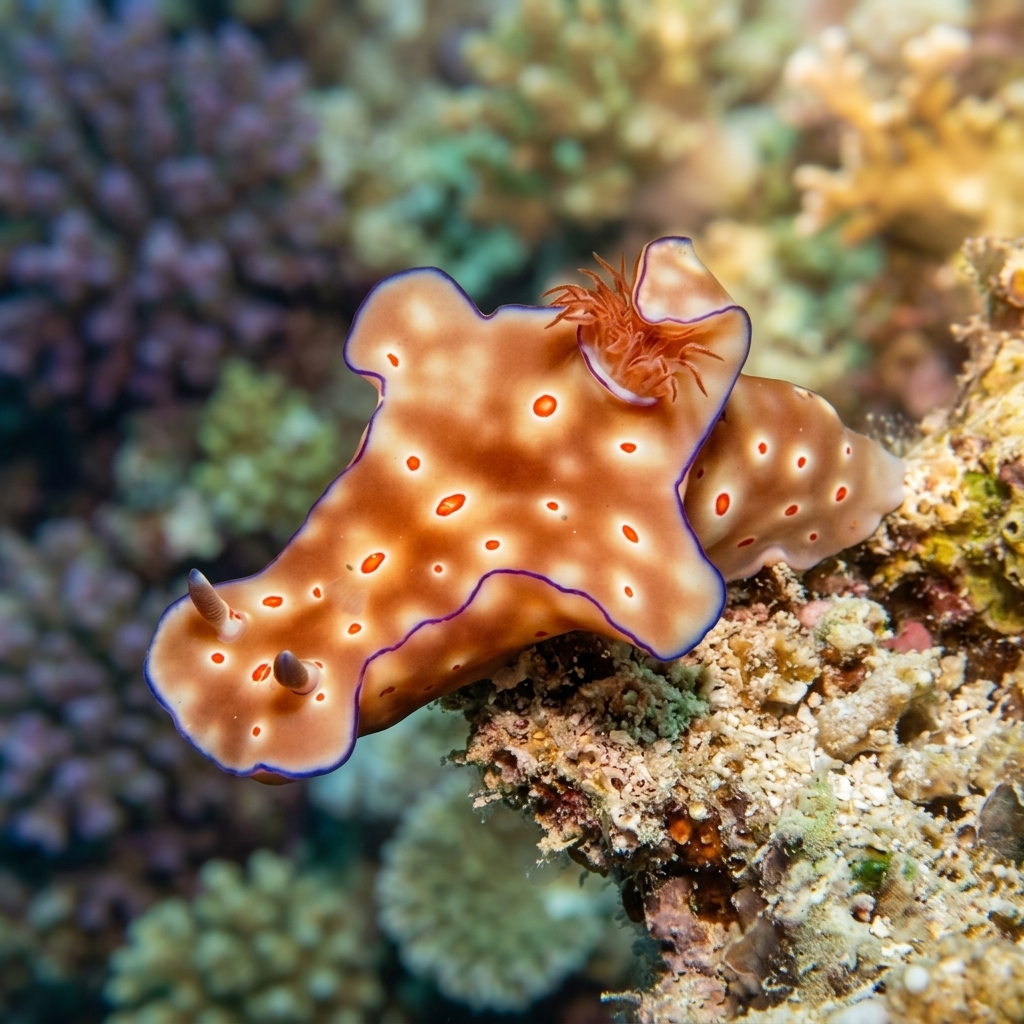
A medium-sized dorid nudibranch with a distinctive pale body crossed by dark, T-bar-shaped markings that make it one of the more recognisable Ceratosoma species underwater. The body has pronounced lateral lobes giving it a three-lobed outline, and bright orange or red accents typically highlight the gill plume and rhinophores (the sensory clubs on its head). Look for that combination of dark transverse banding on a white or cream ground colour, no other common nudibranch on the same reef shares that exact geometry.
Like most dorids, it is slow-moving and found crawling across hard reef, rubble, or encrusting sponge, often on vertical walls or under ledge overhangs where its food source grows. It rarely reacts to diver presence and will simply continue foraging at its own unhurried pace. Early morning and late afternoon dives on sheltered reef slopes tend to produce the most nudibranch activity generally, and this species is no exception.
Ceratosoma trilobatum is thought to sequester chemical compounds from the sponges it feeds on, storing them in its prominent body lobes as a deterrent to predators, those bright colours are a warning, not decoration.
There is not enough monthly data to point to a peak season, so treat it as potentially year-round on suitable reefs. Observed water temperatures run 27-29 °C, consistent with the warm tropical and subtropical reefs where it is found throughout the Indo-Pacific.
Reef neighbours a diver could mistake it for. Use the identification notes above to tell them apart.
Most sightings are concentrated in Indonesia, particularly around Bali, Lombok, and Java, making that region the strongest bet for an encounter. Australia's Northern Territory and Queensland sites also hold a solid record of observations, and divers in the Philippines, especially around Luzon, log it with some regularity. Smaller numbers of records come from northern Taiwan and Oman.
Mapping where T-bar Pantechnicon Dorid is logged…
The strongest concentration of sightings is in Indonesia, especially Bali, Lombok, and Java. Australia's Northern Territory and Queensland, plus Luzon in the Philippines, are also reliable regions. Smaller numbers of records exist from northern Taiwan and Oman.
No clear seasonal peak has emerged from diver data, so it can turn up year-round on suitable reefs. It favours warm water between 27 and 29 °C, meaning tropical Indo-Pacific sites are worth checking on any dive, any month.
Key on the pale cream or white body crossed by bold, dark T-shaped markings and a distinctly three-lobed body outline. Orange or red tips on the gill plume and rhinophores clinch the ID. No common reef nudibranch in the same range combines that banding pattern with lobed flanks.
The vivid markings are aposematic, a warning signal to predators. Like many chromodorid-related nudibranchs, it is believed to accumulate distasteful or toxic compounds from the sponges it grazes on and advertises that fact with bold colouration.
Site and sighting data is aggregated from diver logs, iNaturalist and GBIF. For taxonomy and conservation status:
Light-spotted Aegires
3,168 sites