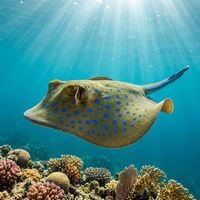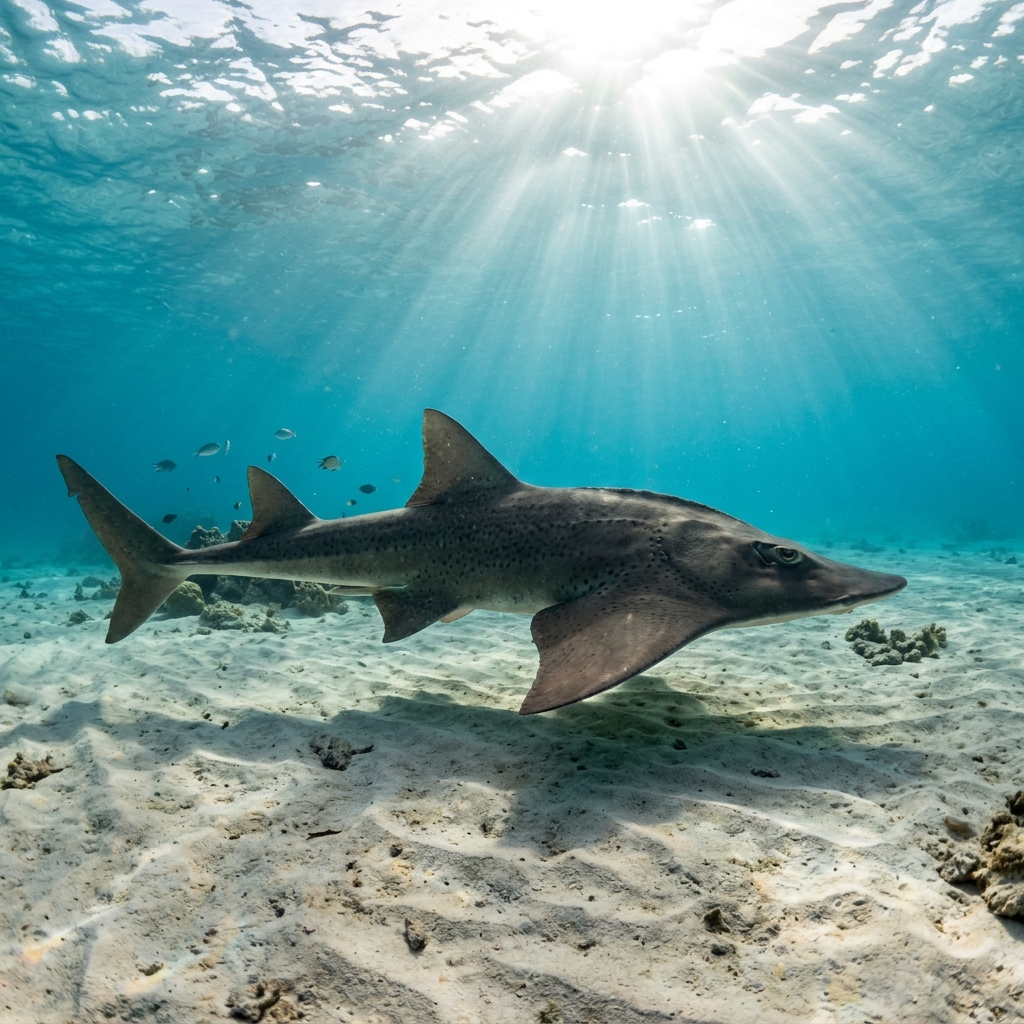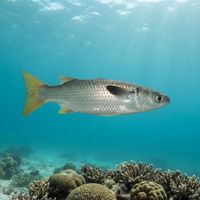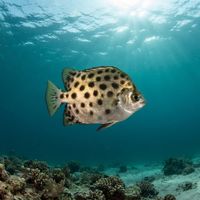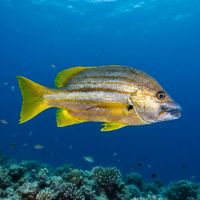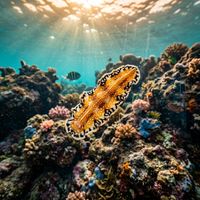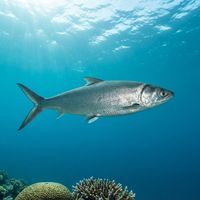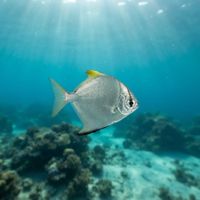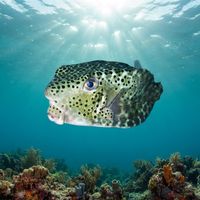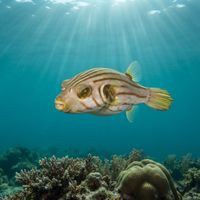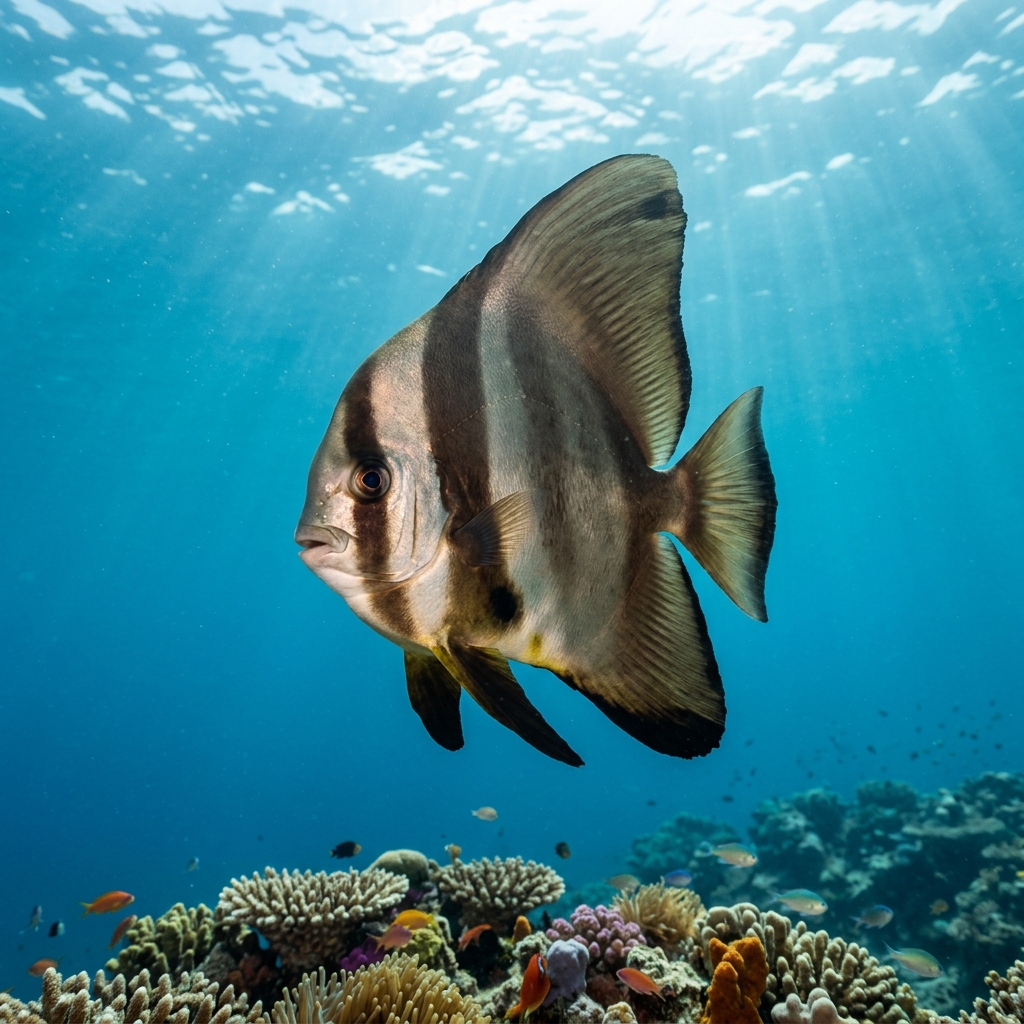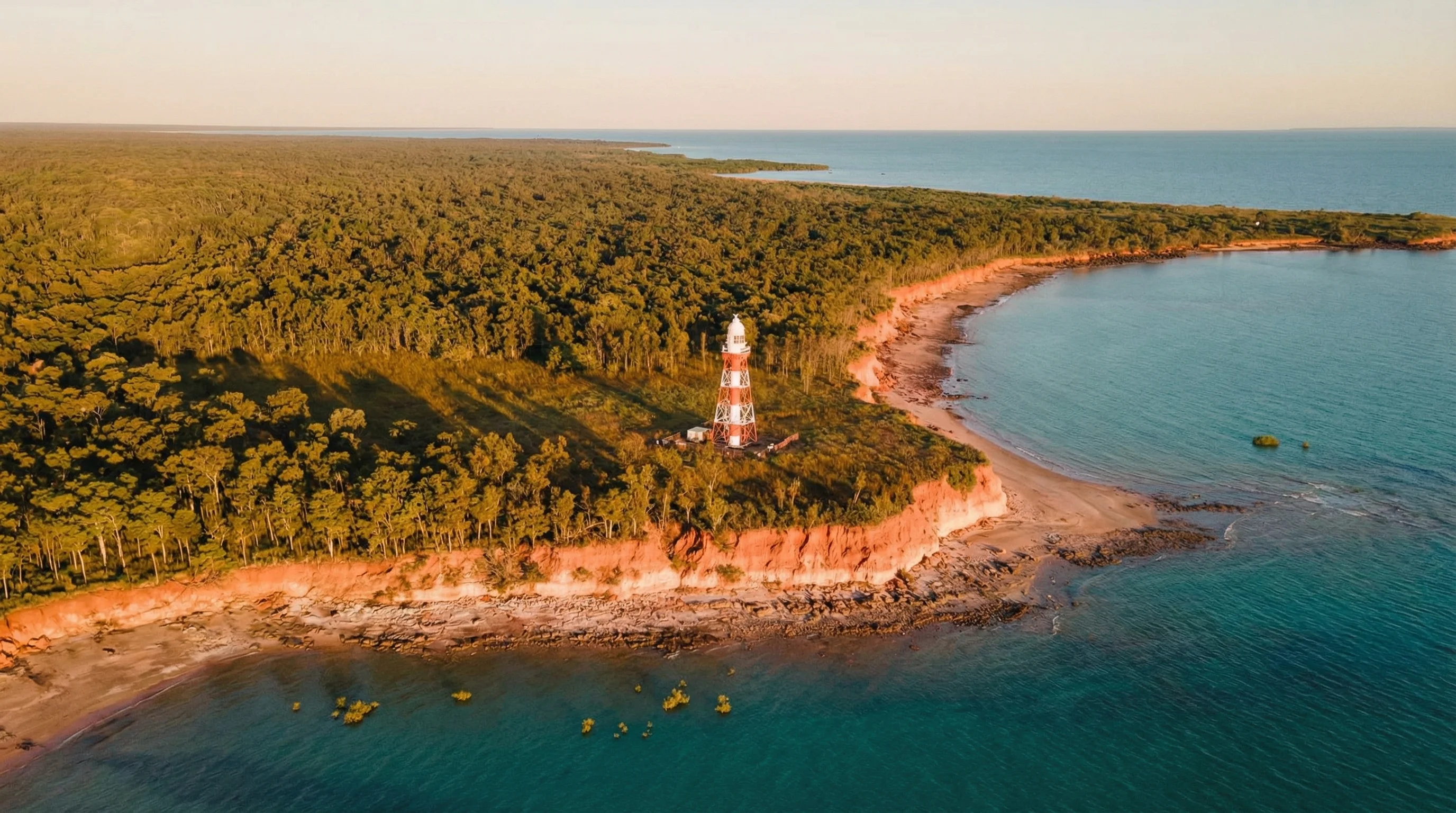
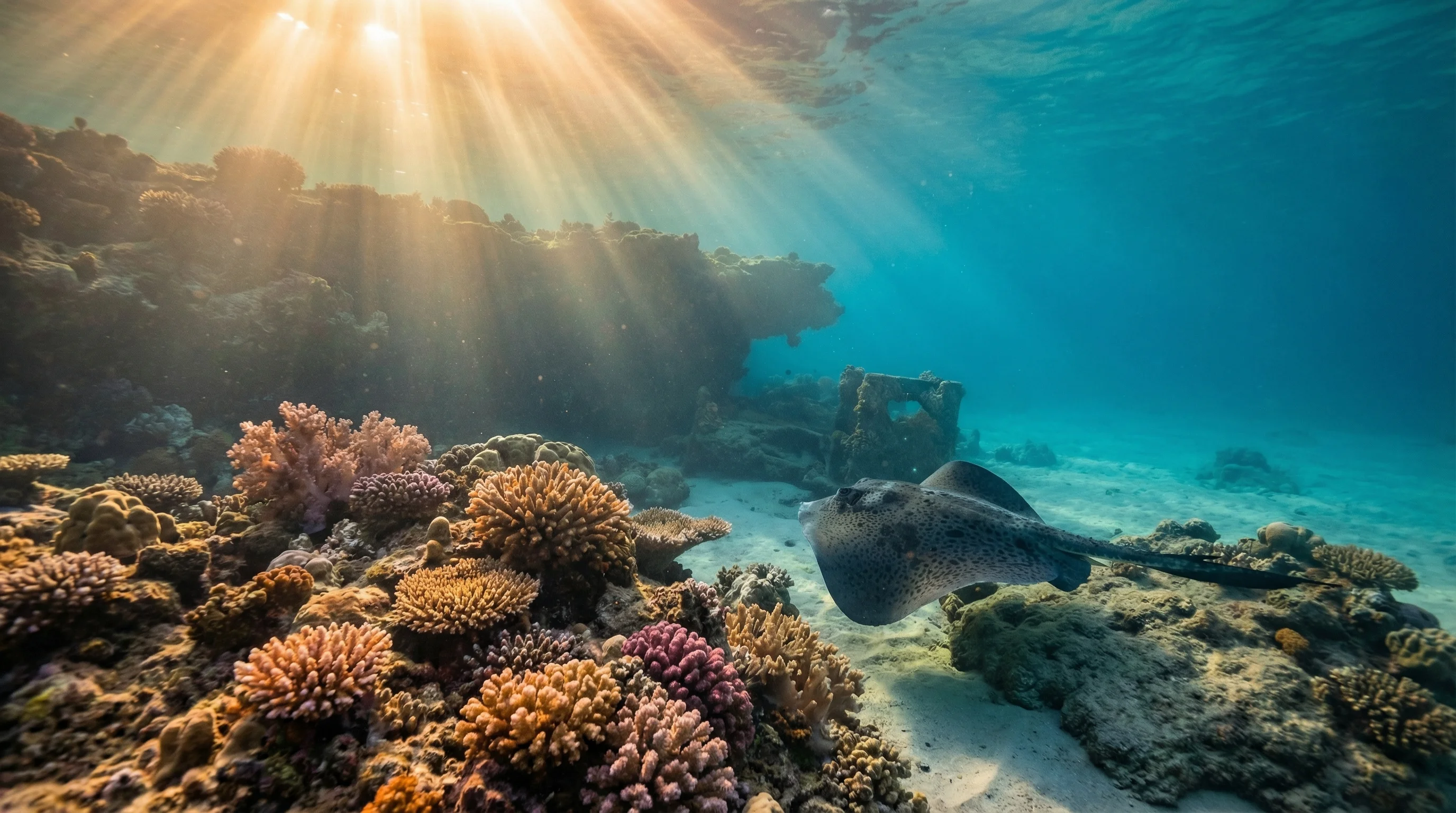
Cox Peninsula's dive sites are defined by sandy and silty habitats where benthic rays and unusual fish dominate encounters. The Bluespotted Fantail Ray and Giant Guitarfish are the standout signatures, appearing across nearly every site. Alongside these, divers regularly encounter Diamondscale Mullet, Milkfish, Silver Moony and the curious Horn-nosed Boxfish. Rarer finds include Pygmy Pipehorse, Seahorse and Giant Cuttlefish. Water stays warm year-round, though the dry season months bring the most consistent conditions and the strongest diver activity.
Monthly water temperature across Cox Peninsula's sites, from satellite sea-surface data corrected for depth. The band shows the site-to-site spread.
Water temperatures remain warm throughout the year, peaking through the wet season months from October to March and easing slightly in the middle of the year. The dry season, running roughly from May through October, draws the most divers and offers the most settled conditions. Visibility, while modest by tropical standards, is typical for the silty habitats of this area.
3 operators
Nightcliff, Australia
Australia
Australia
11 more sites to explore
Water temperature around Cox Peninsula ranges from about 26°C in July to 31°C in November, based on satellite sea-temperature data for its dive sites.
In the warm season (about 31°C) a rash guard or 3mm shorty is comfortable in Cox Peninsula; in the coldest months (about 26°C) step up to a 3mm full suit.
Fin maps 11 sites in Cox Peninsula (10 scuba diving sites and 2 snorkelling spots, with some suited to both).
Across Cox Peninsula's dive sites, May, June, July, August, September and October are most often reported as the best months to visit.
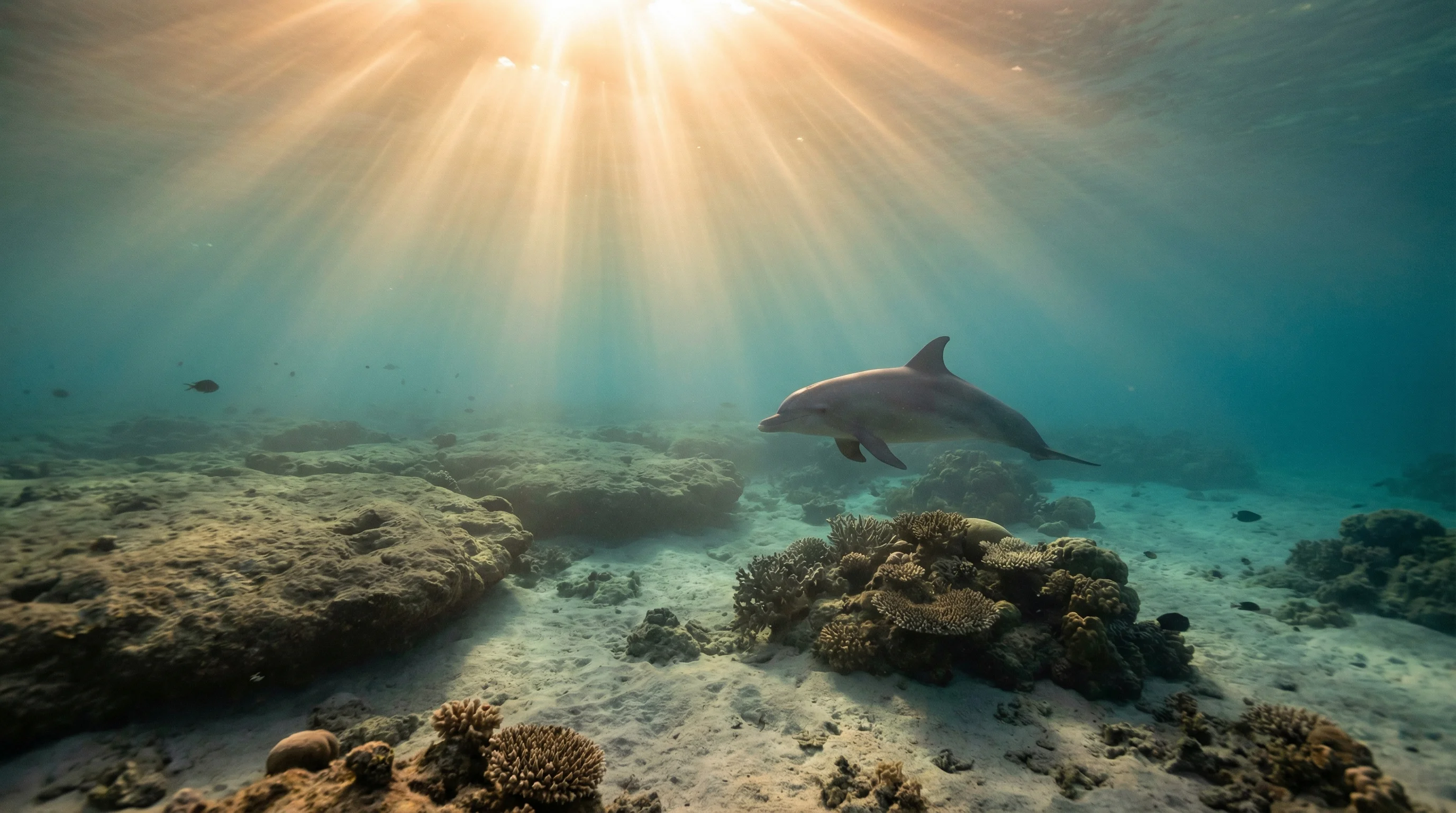
The Bluespotted Fantail Ray and Giant Guitarfish are the defining encounters here, observed across the vast majority of sites. Both are bottom-dwellers well suited to the sandy and silty terrain. Divers also regularly spot Diamondscale Mullet, Milkfish, Silver Moony, and the distinctive Horn-nosed Boxfish.
The benthic, low-relief terrain and generally calm conditions during the dry season make many sites accessible to newer divers. Depths are manageable and the wide variety of bottom-dwelling species rewards slow, unhurried exploration. Checking with local operators such as Cullen Bay Dive is the best way to match a site to your experience level.
Operators including Wakatobi Divers, Dive Centre Bondi and Cullen Bay Dive provide guided access to the area. Boat-based departures are the typical method for reaching sites across the peninsula. Contacting one of these operators directly is the most reliable way to arrange trips and confirm current access arrangements.
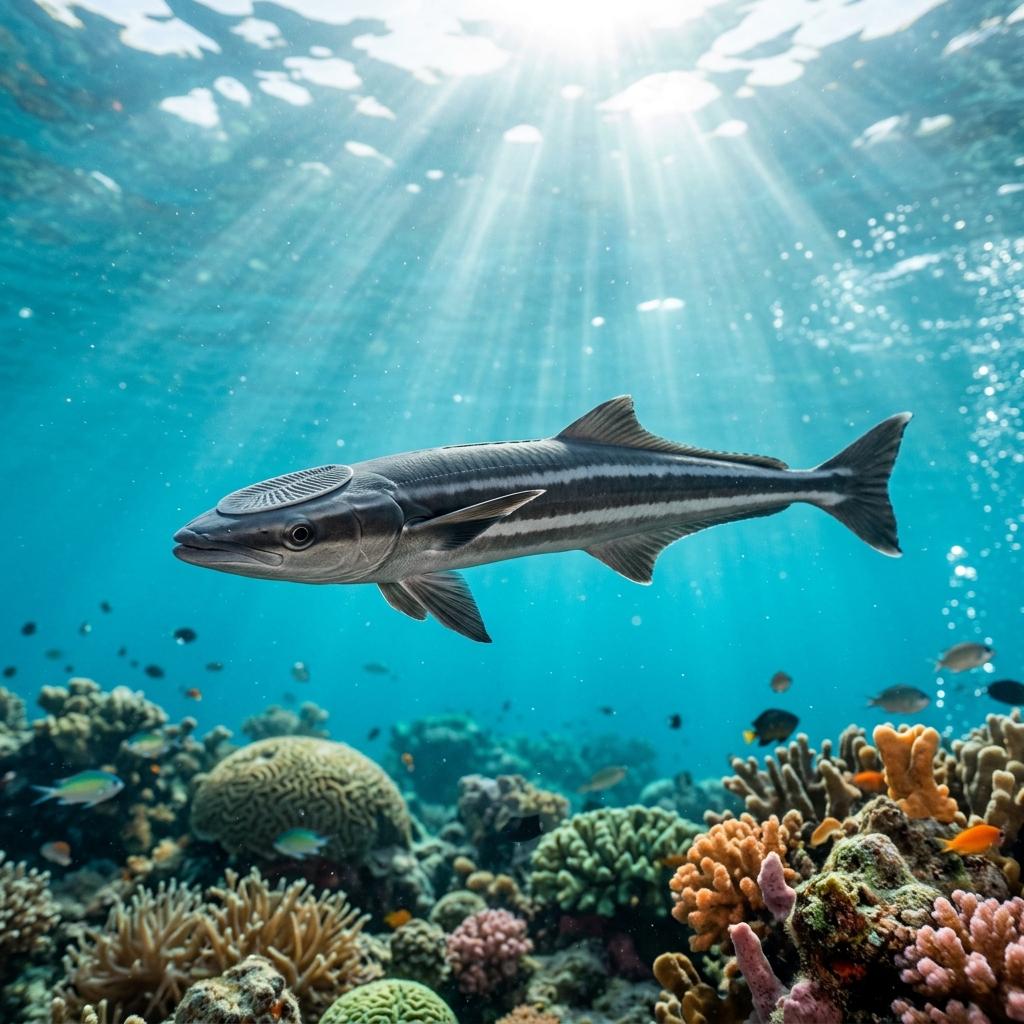
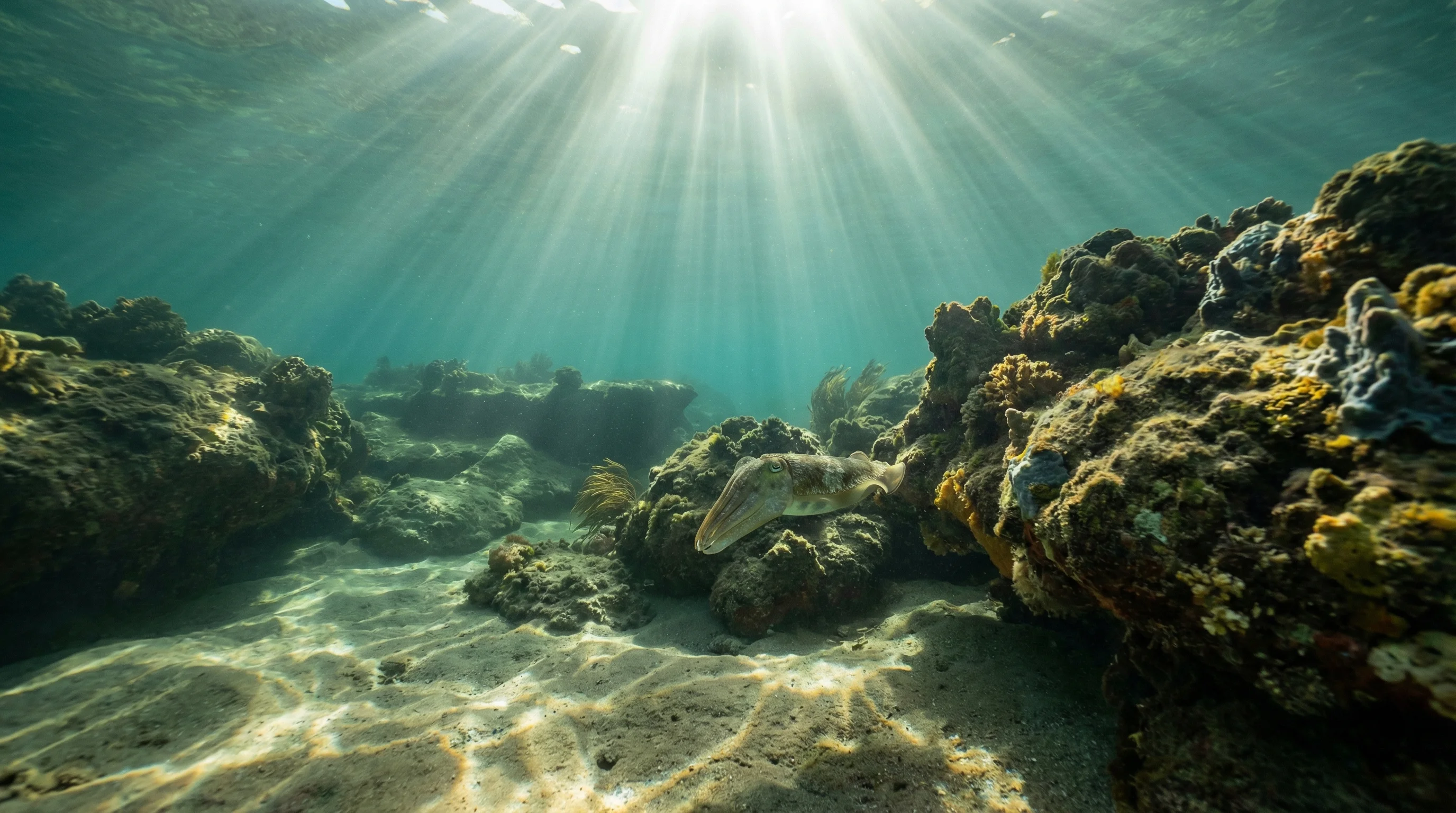
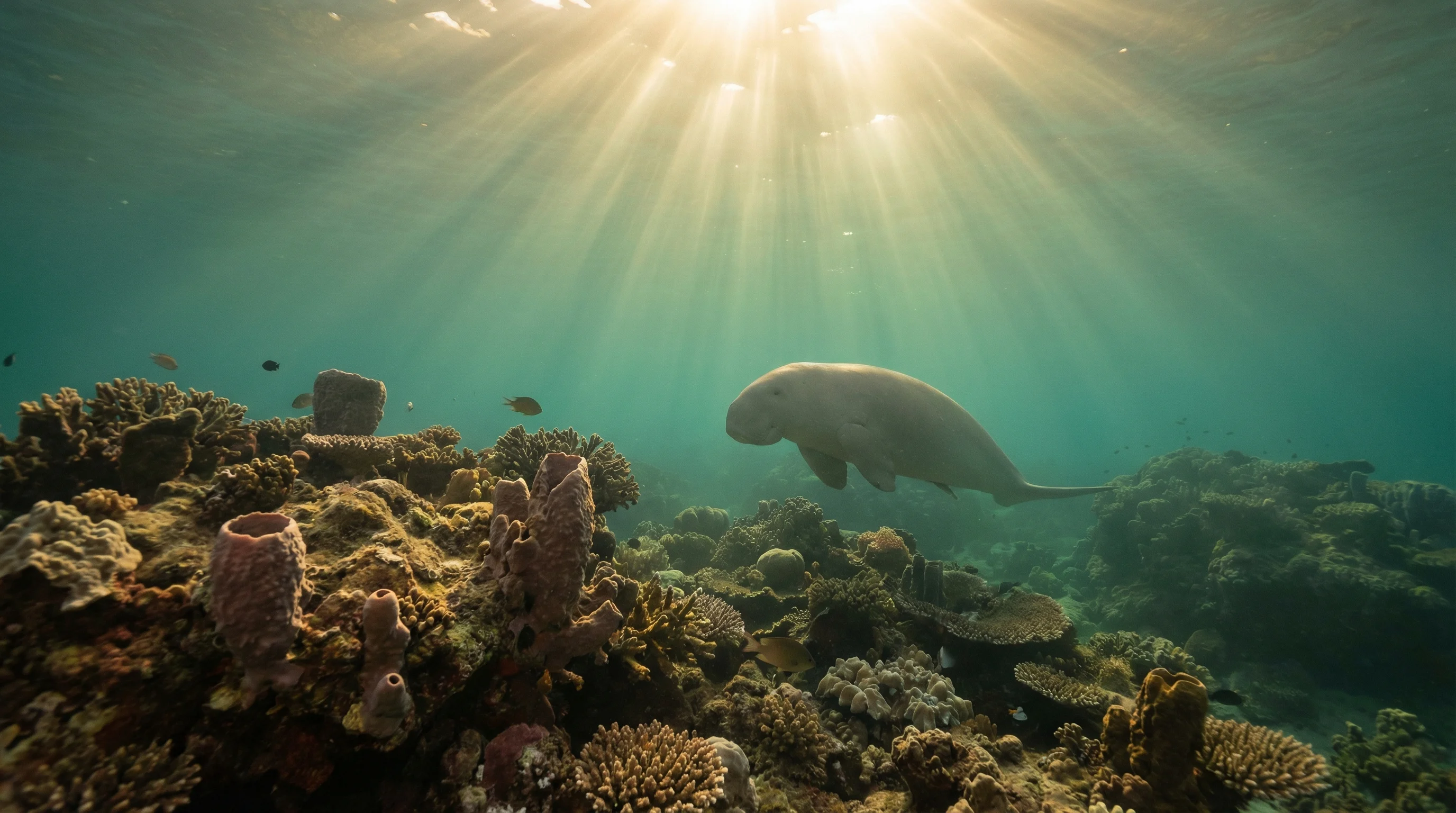
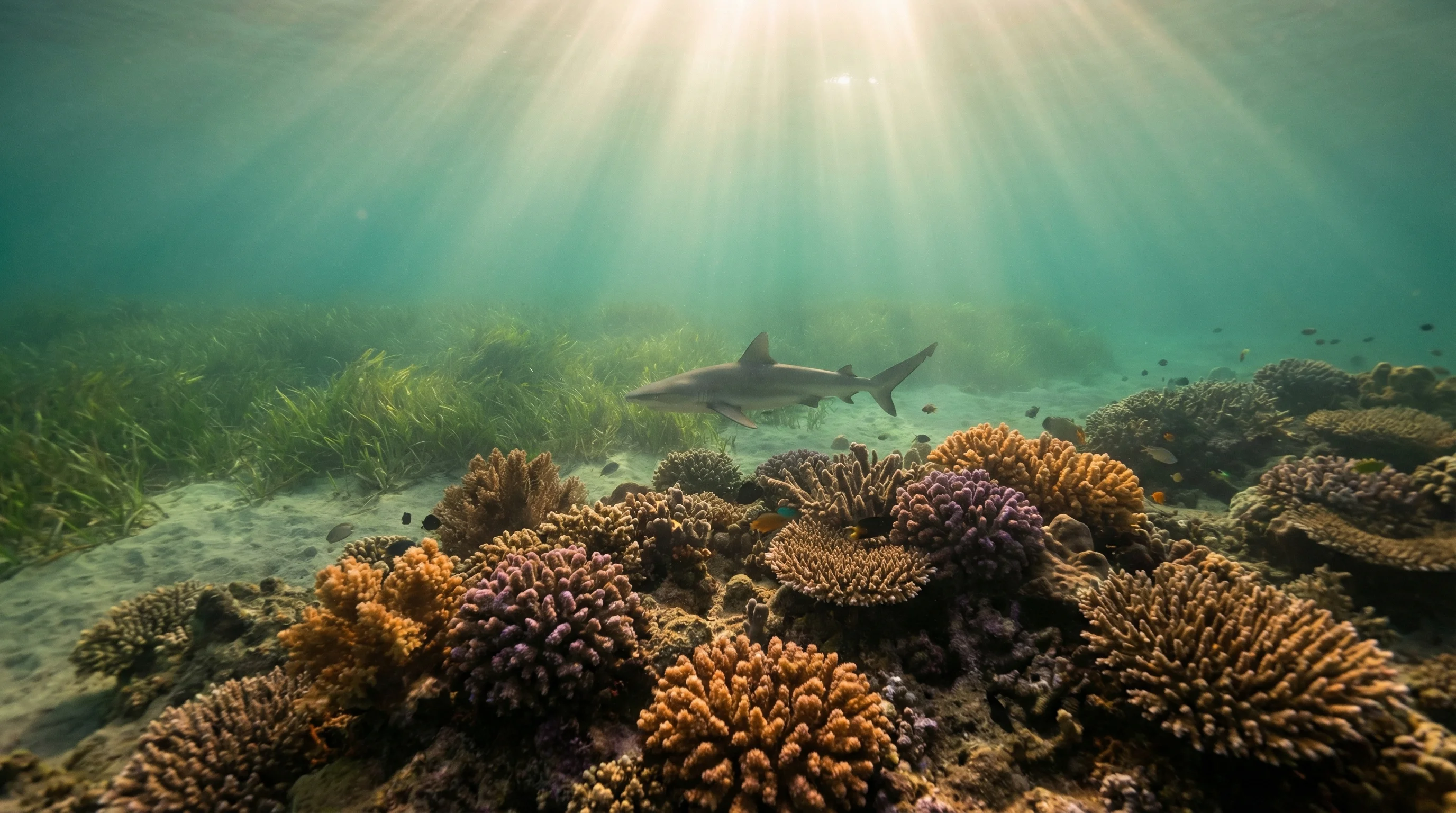
Beyond the common benthic fish, divers have recorded Pygmy Pipehorse, Seahorse, Weedy Seadragon and Giant Cuttlefish at sites here, though these are infrequent finds. Flatworm sightings are common across sites, and the Live Sharksucker turns up with reasonable regularity. Slow, attentive diving on the sandy bottom gives the best chance of encountering these less predictable species.