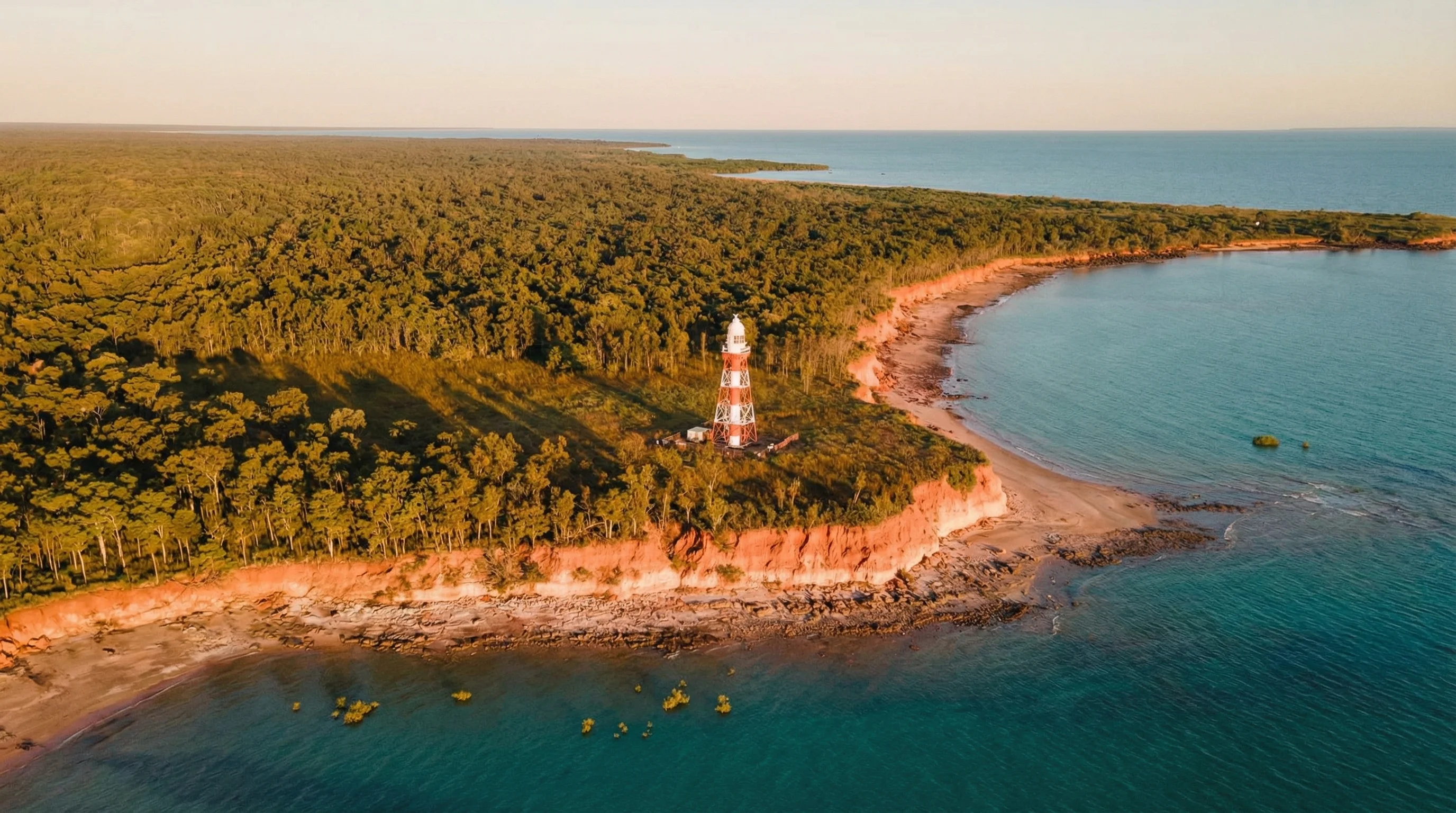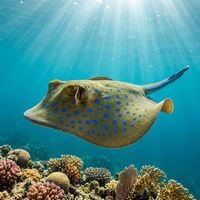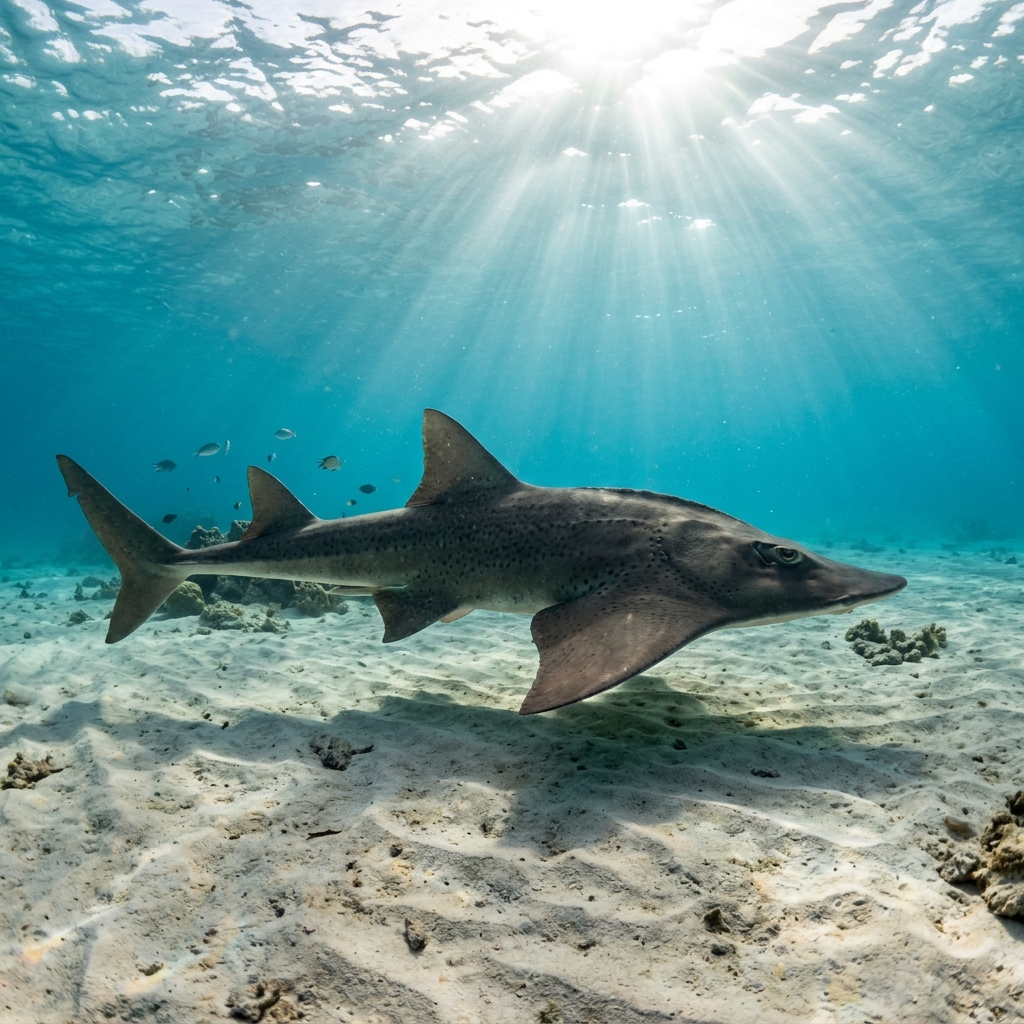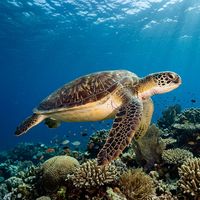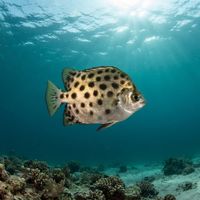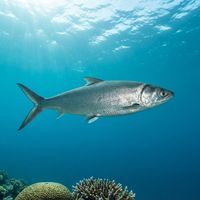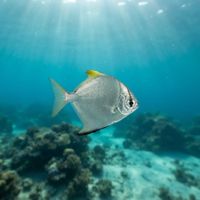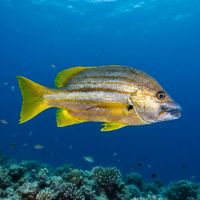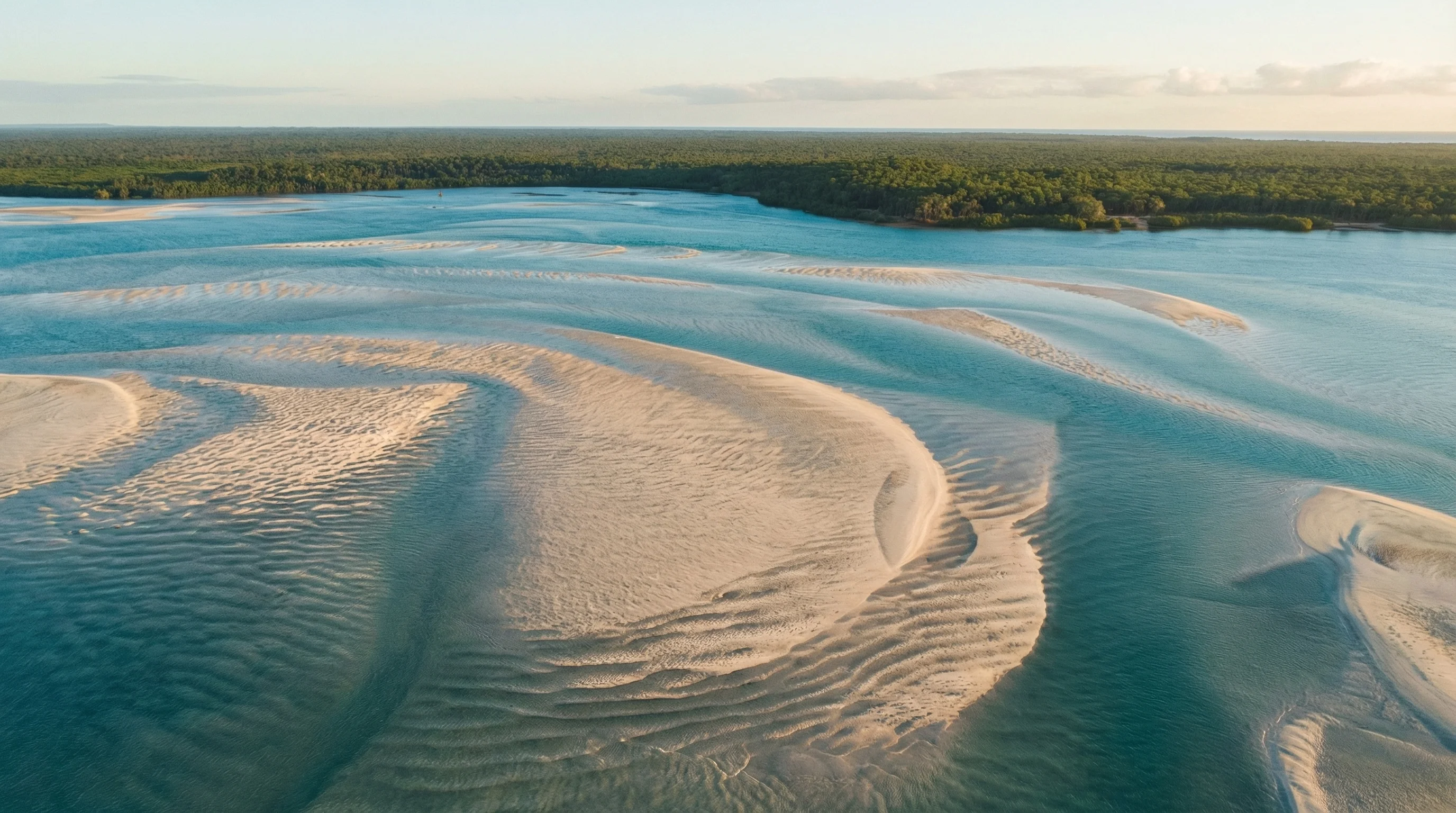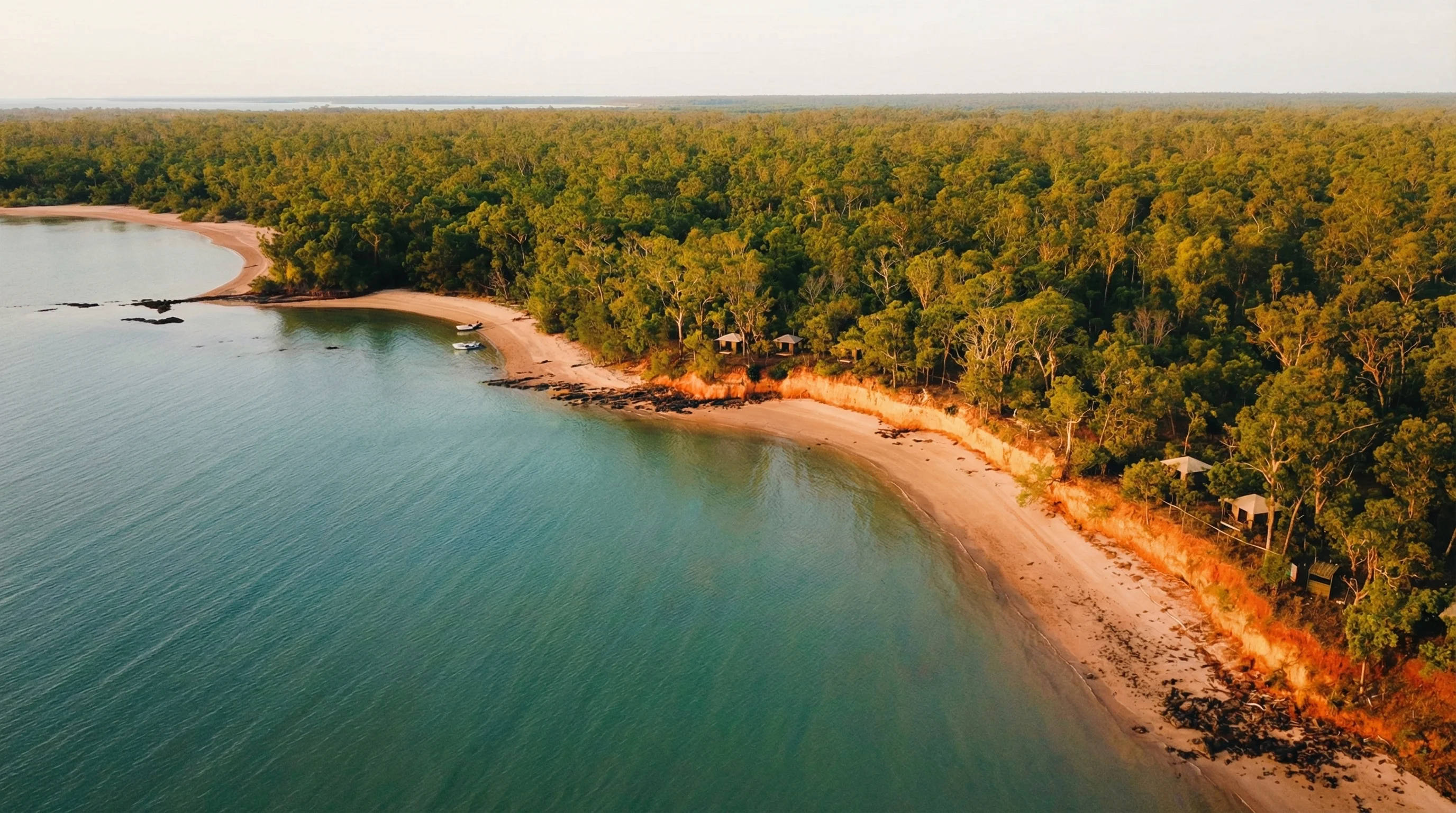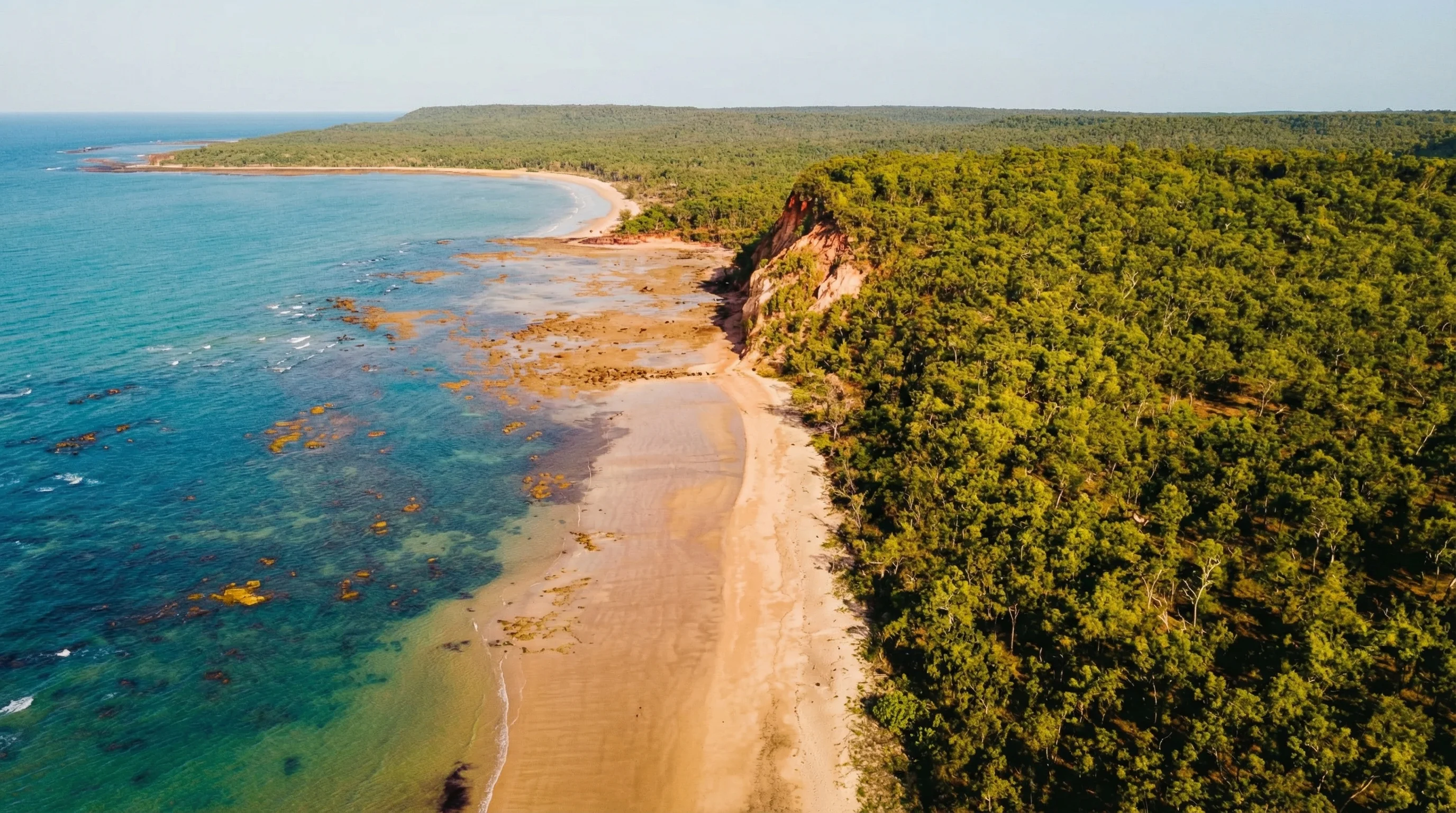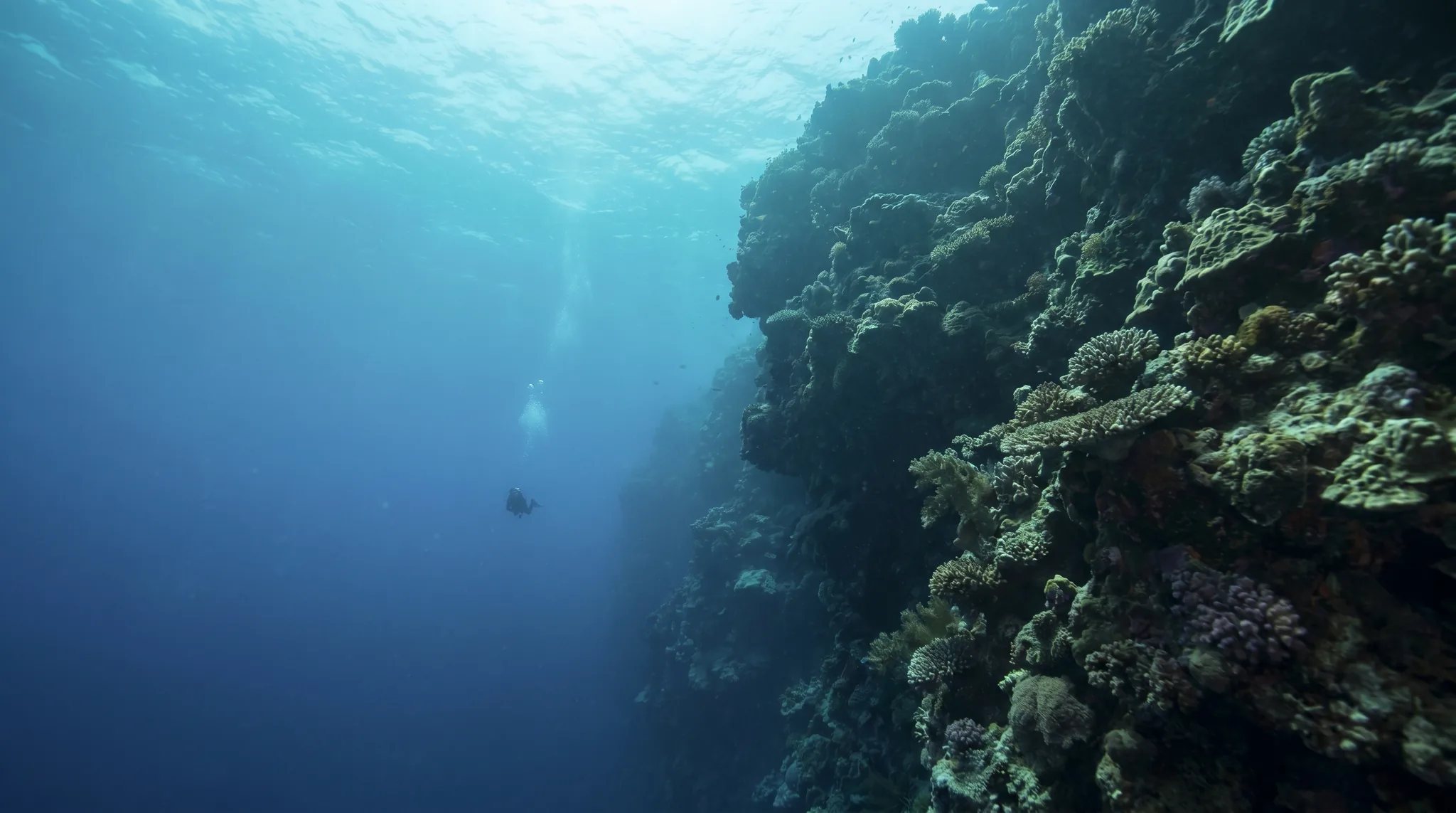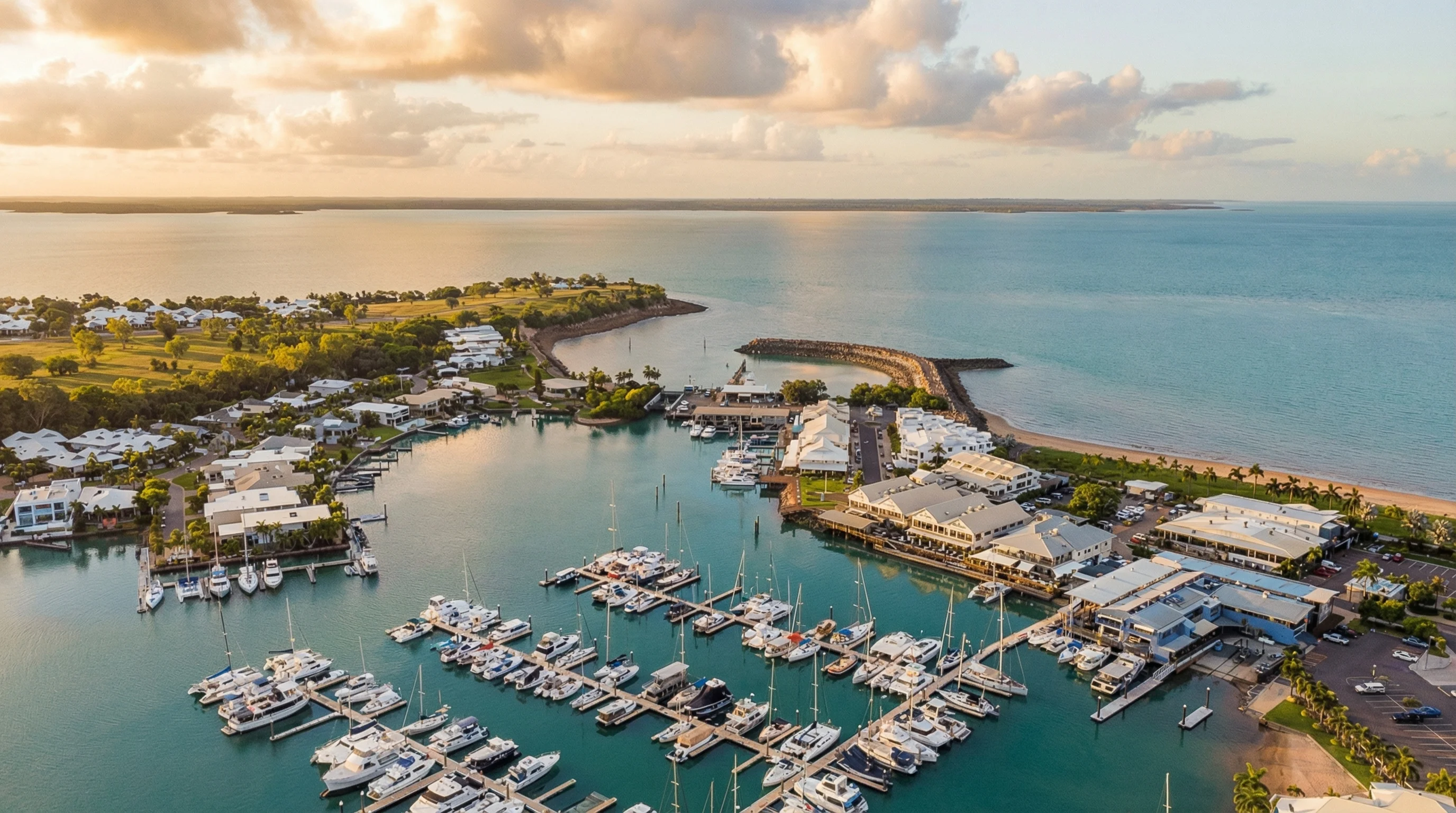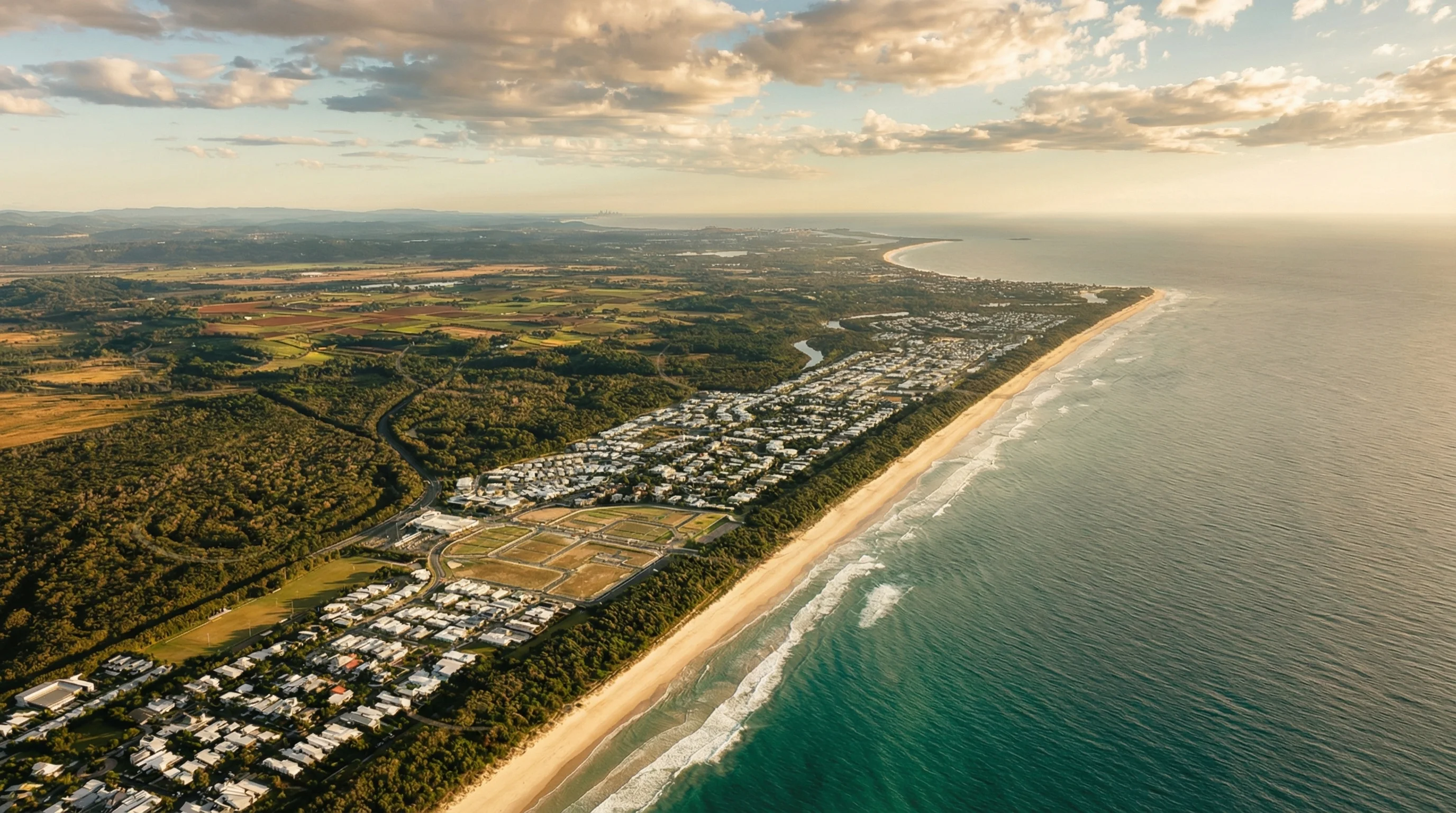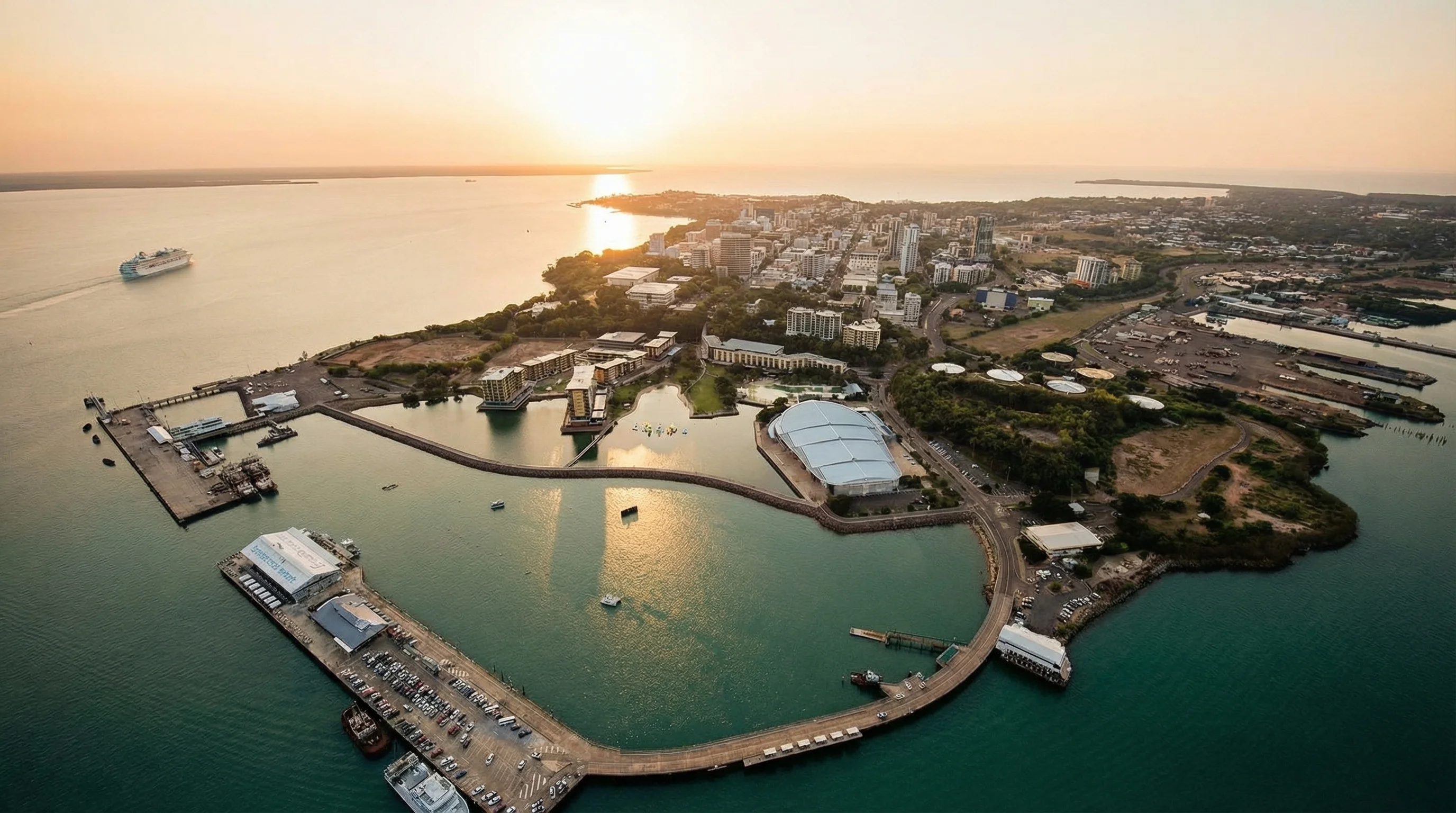
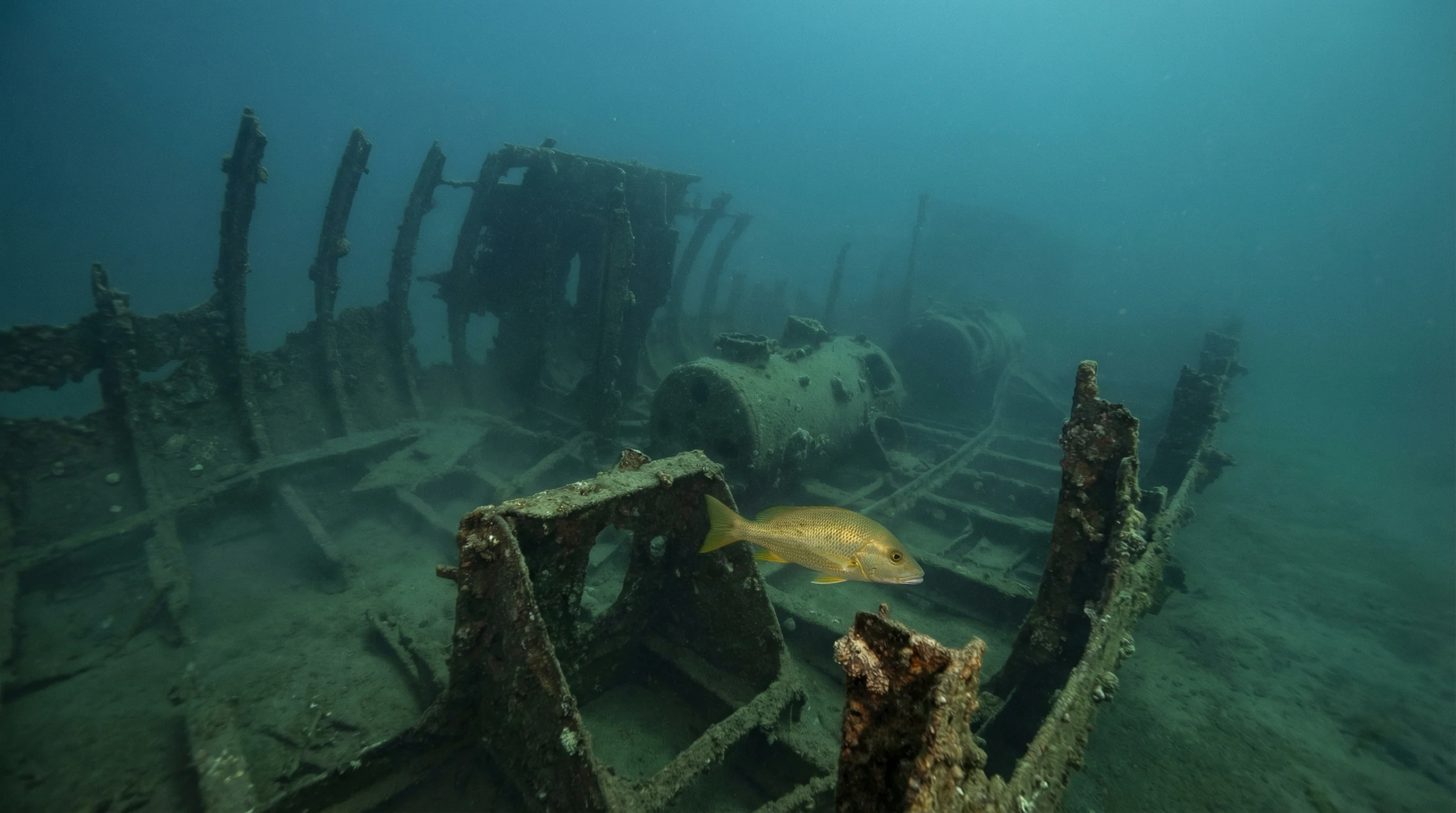
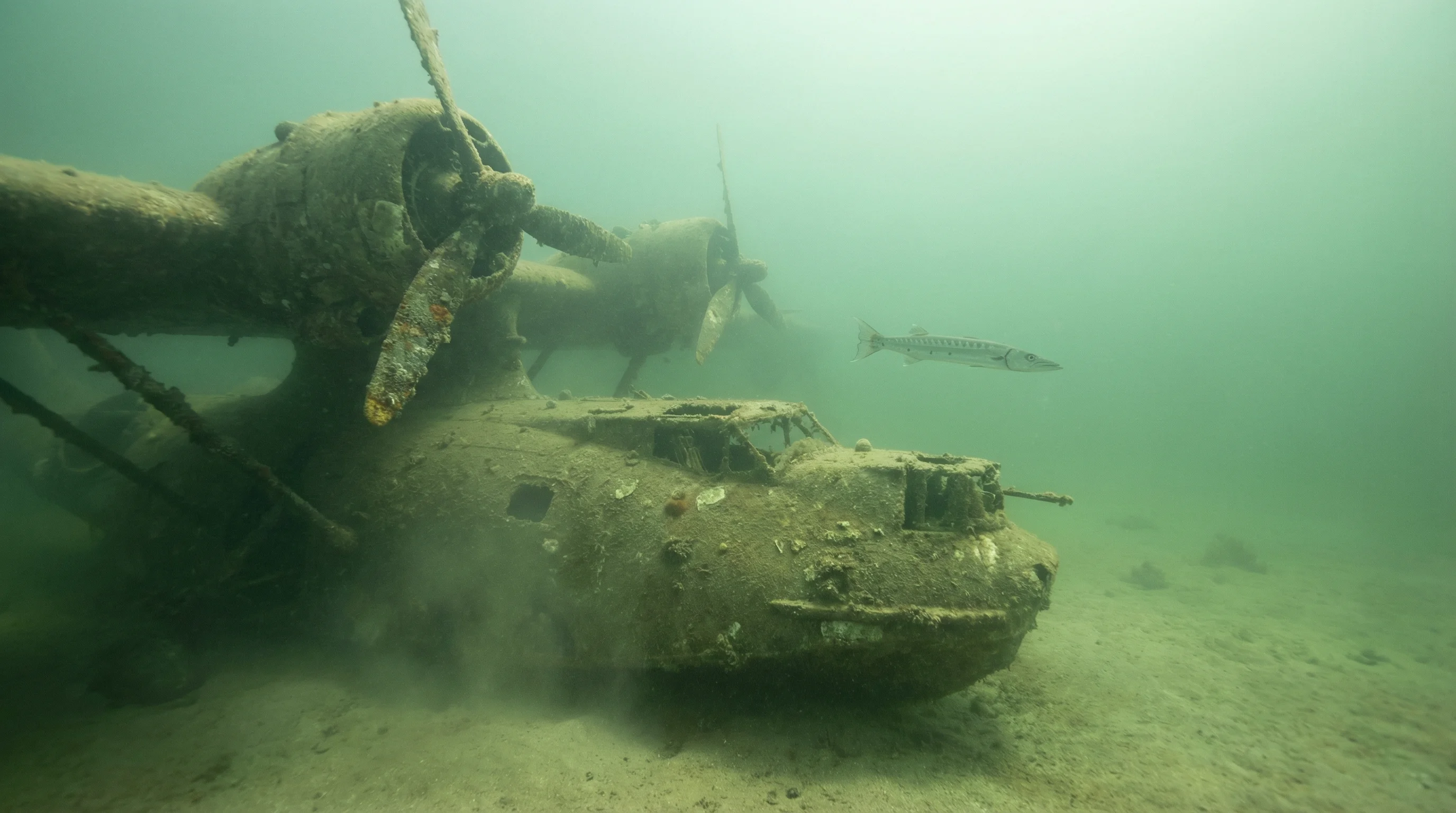
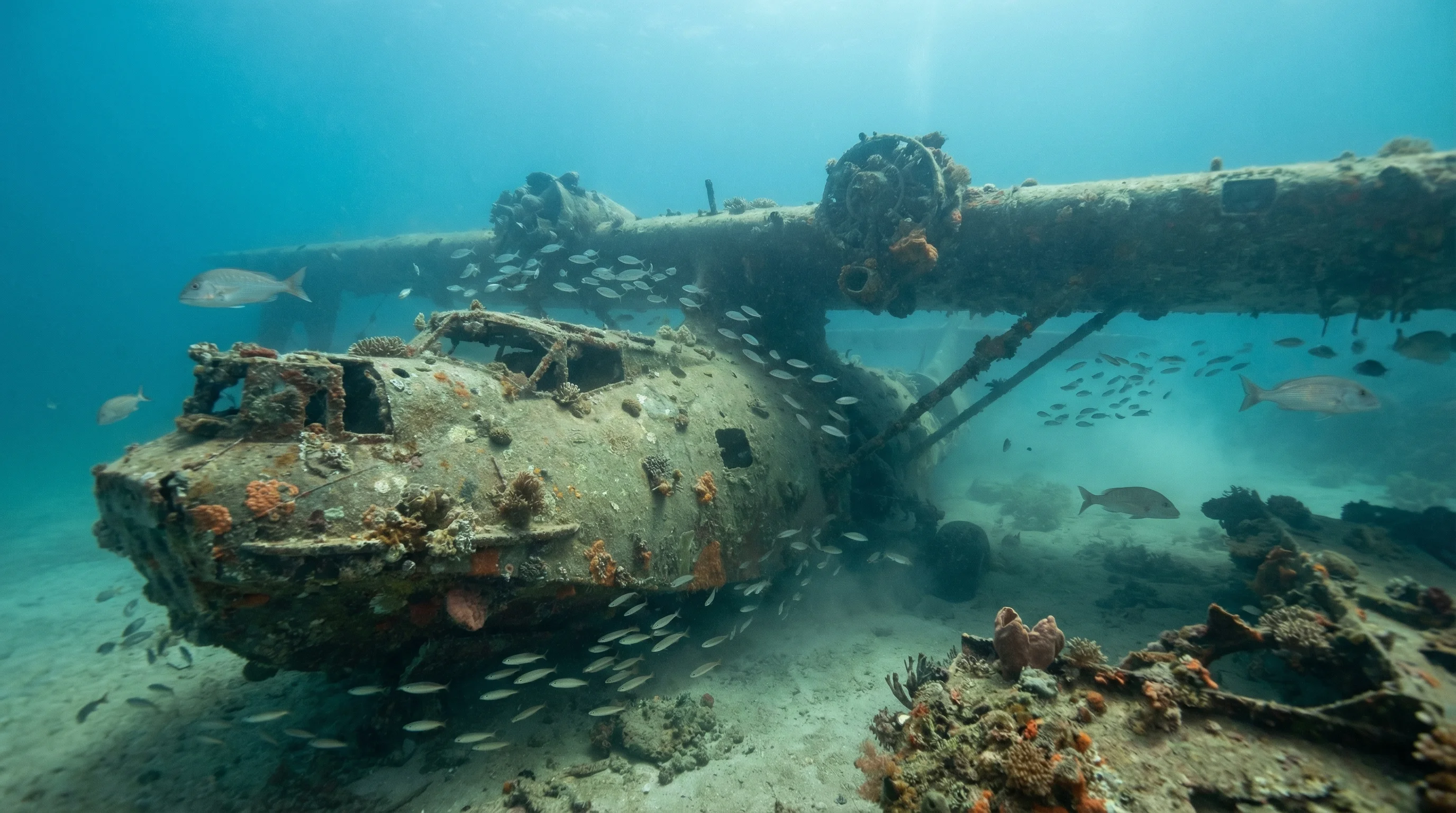
Darwin's underwater character is defined by its wrecks and its rays. Darwin Harbour holds accessible wreck dives, including the shallow Catalina sites and the deeper USS Peary, while Cox Peninsula and the Darwin Coast offer a broader range of conditions. The Bluespotted Fantail Ray is seen at the great majority of sites, with Giant Guitarfish, Dugong, and Green Sea Turtle observed regularly. Visibility shifts with the seasons, favouring the dry months from around April through October.
3 areas
Monthly water temperature across Darwin's sites, from satellite sea-surface data corrected for depth. The band shows the site-to-site spread.
Water temperatures stay warm across the year but peak during the wet season, from around November through March, when runoff can reduce visibility markedly. The dry season, roughly May to October, brings clearer conditions and calmer water, making it the preferred window for wreck diving and reef exploration. Currents can run strongly around the harbour and exposed coastal sites, so some dives demand careful planning around the tide.
9 operators

Nightcliff, Australia
Australia
Australia
Australia
26 more sites to explore
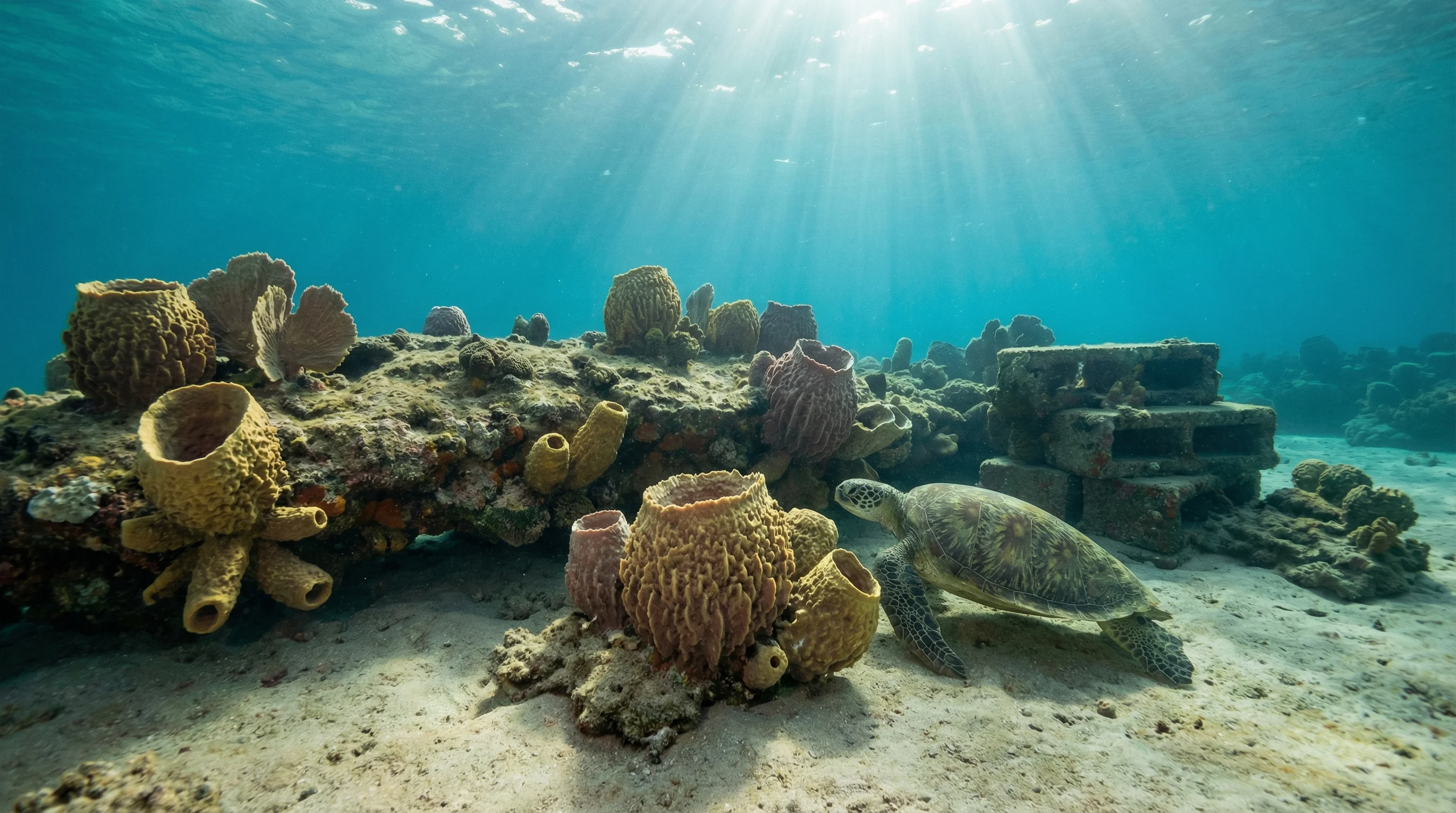
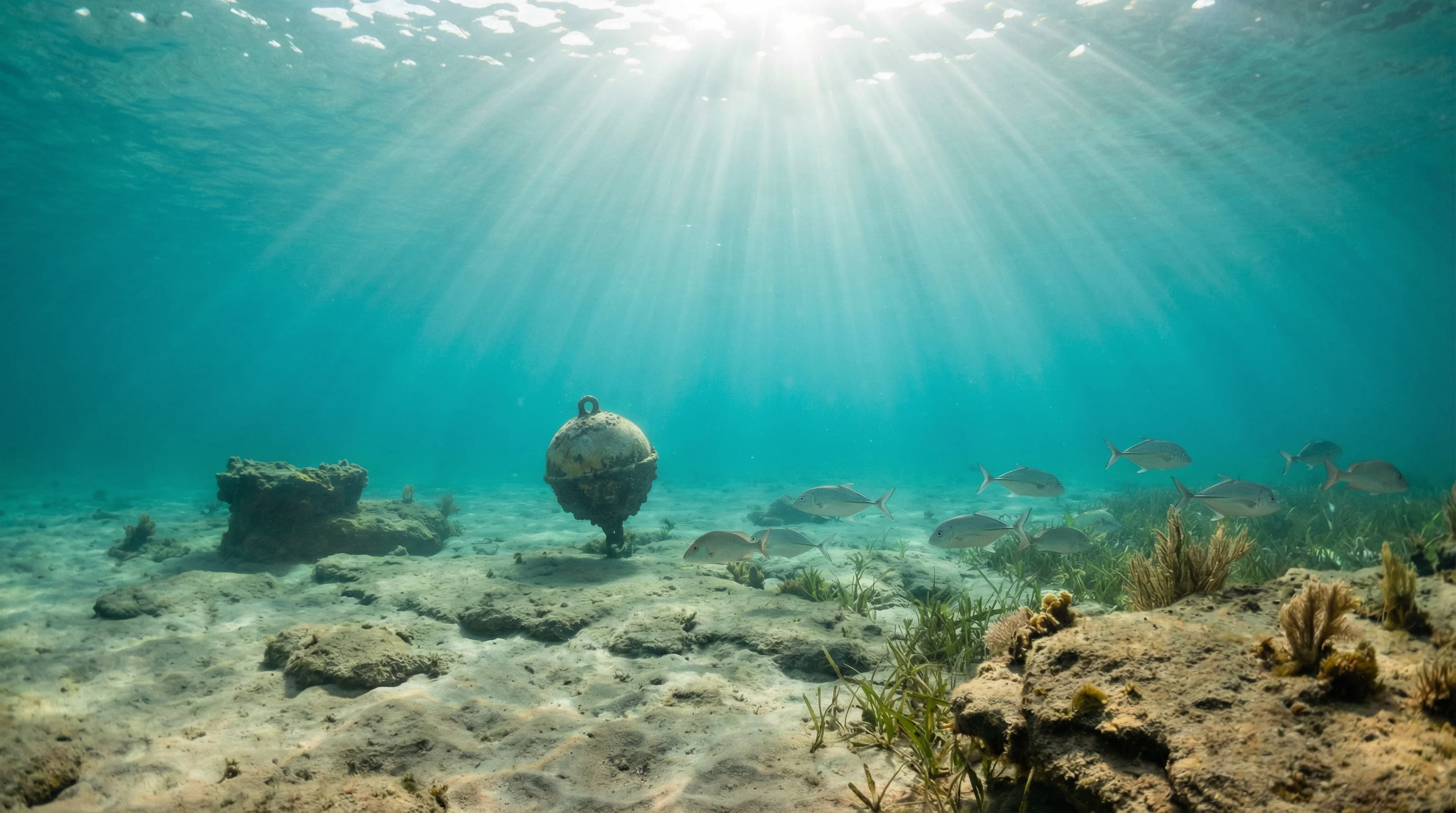
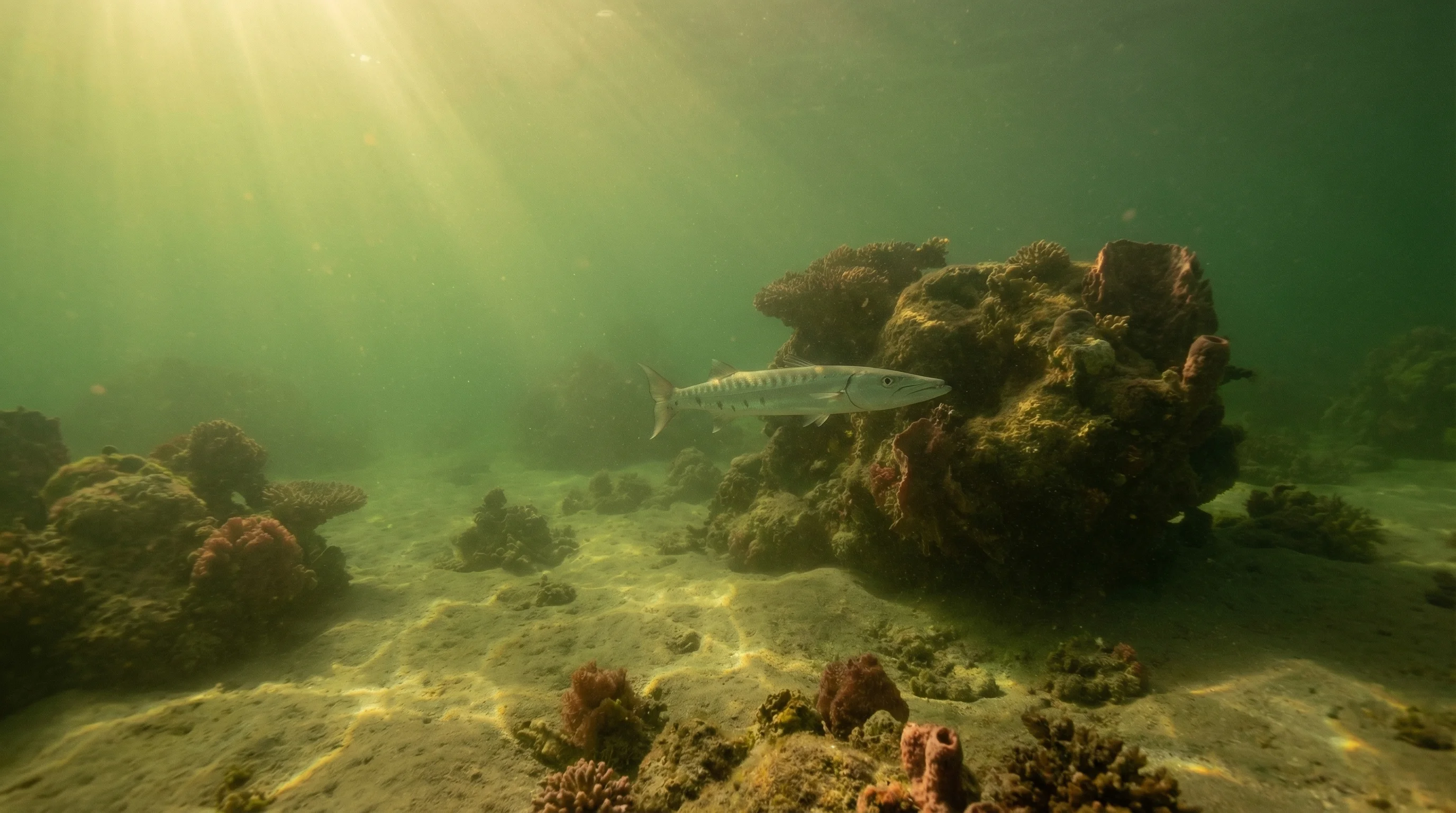
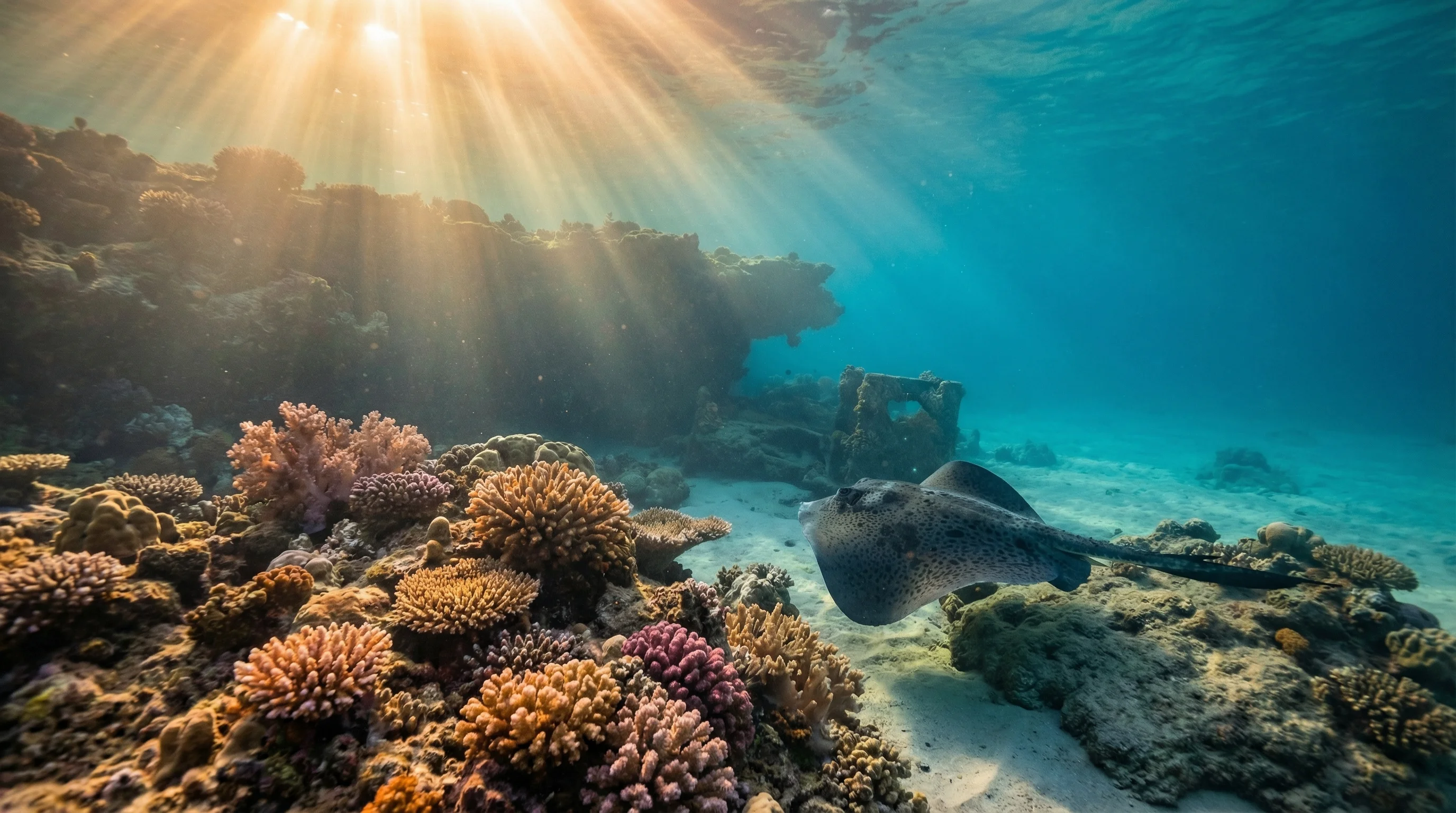
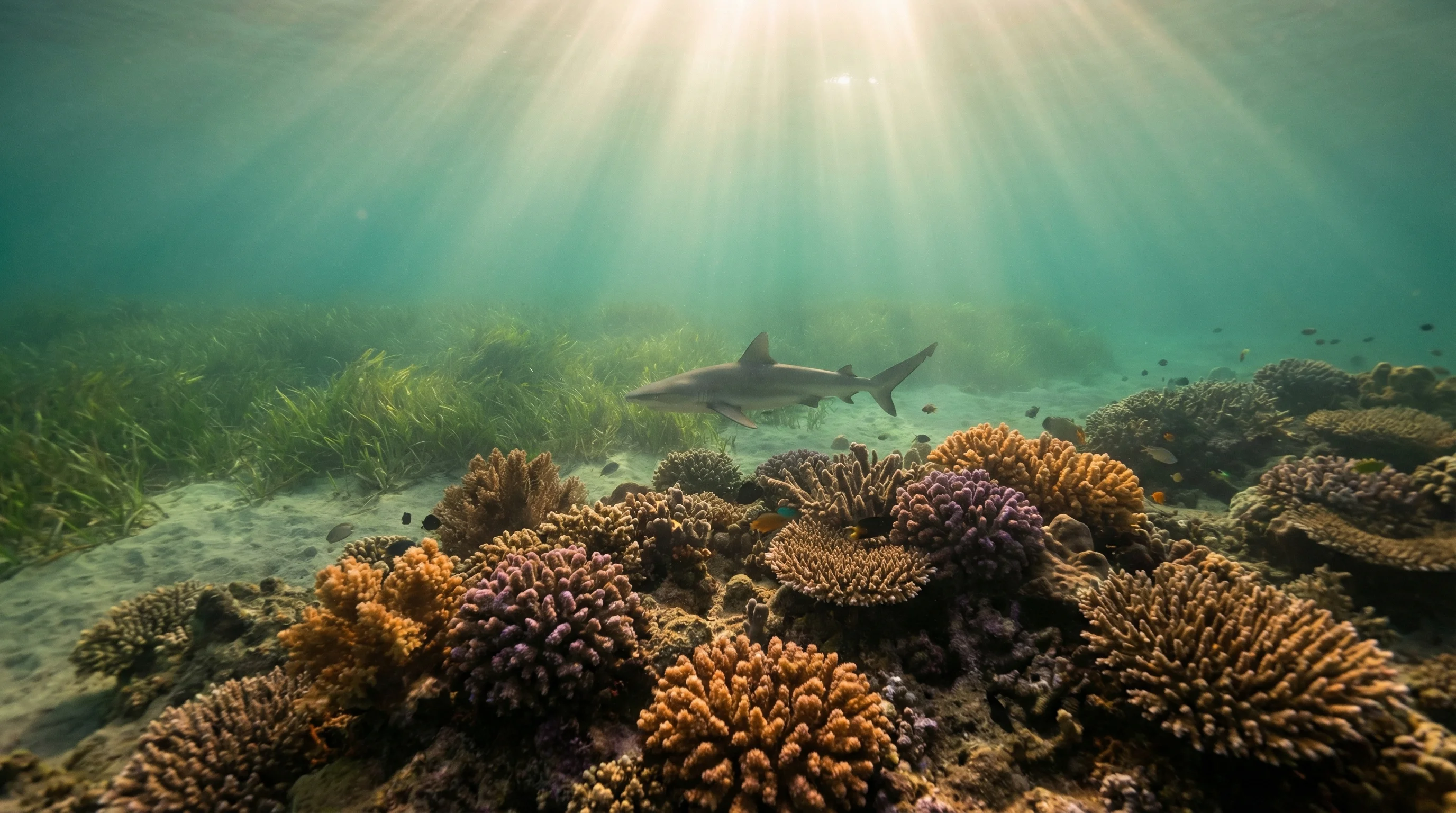
Sandy-bottomed diving off Darwin's Cox Peninsula, best known for Bluespotted Fantail Ray and Giant Guitarfish encounters across most sites.
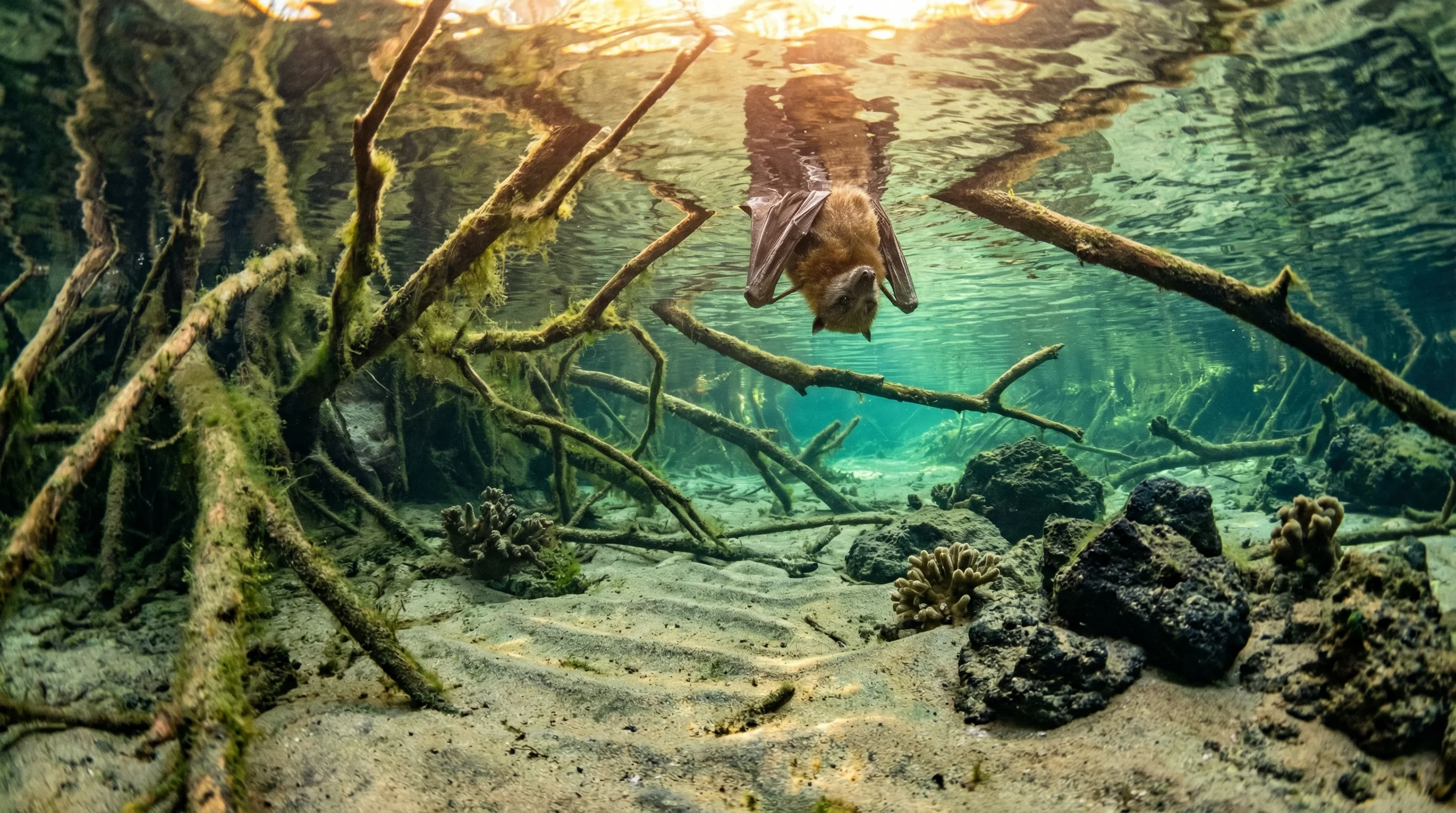
Water temperature around Darwin ranges from about 26°C in July to 31°C in November, based on satellite sea-temperature data for its dive sites.
In the warm season (about 31°C) a rash guard or 3mm shorty is comfortable in Darwin; in the coldest months (about 26°C) step up to a 3mm full suit.
Fin maps 30 sites in Darwin (24 scuba diving sites and 11 snorkelling spots, with some suited to both), organised into 3 areas.
Across Darwin's dive sites, May, June, July, August, September and October are most often reported as the best months to visit.
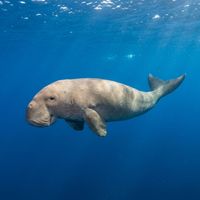
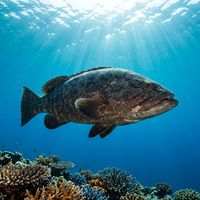
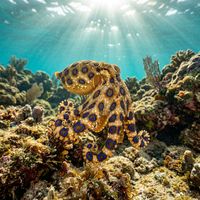
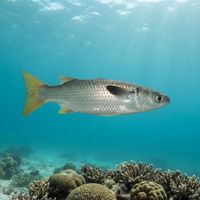
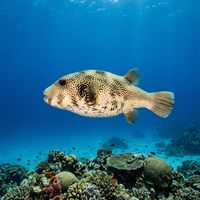
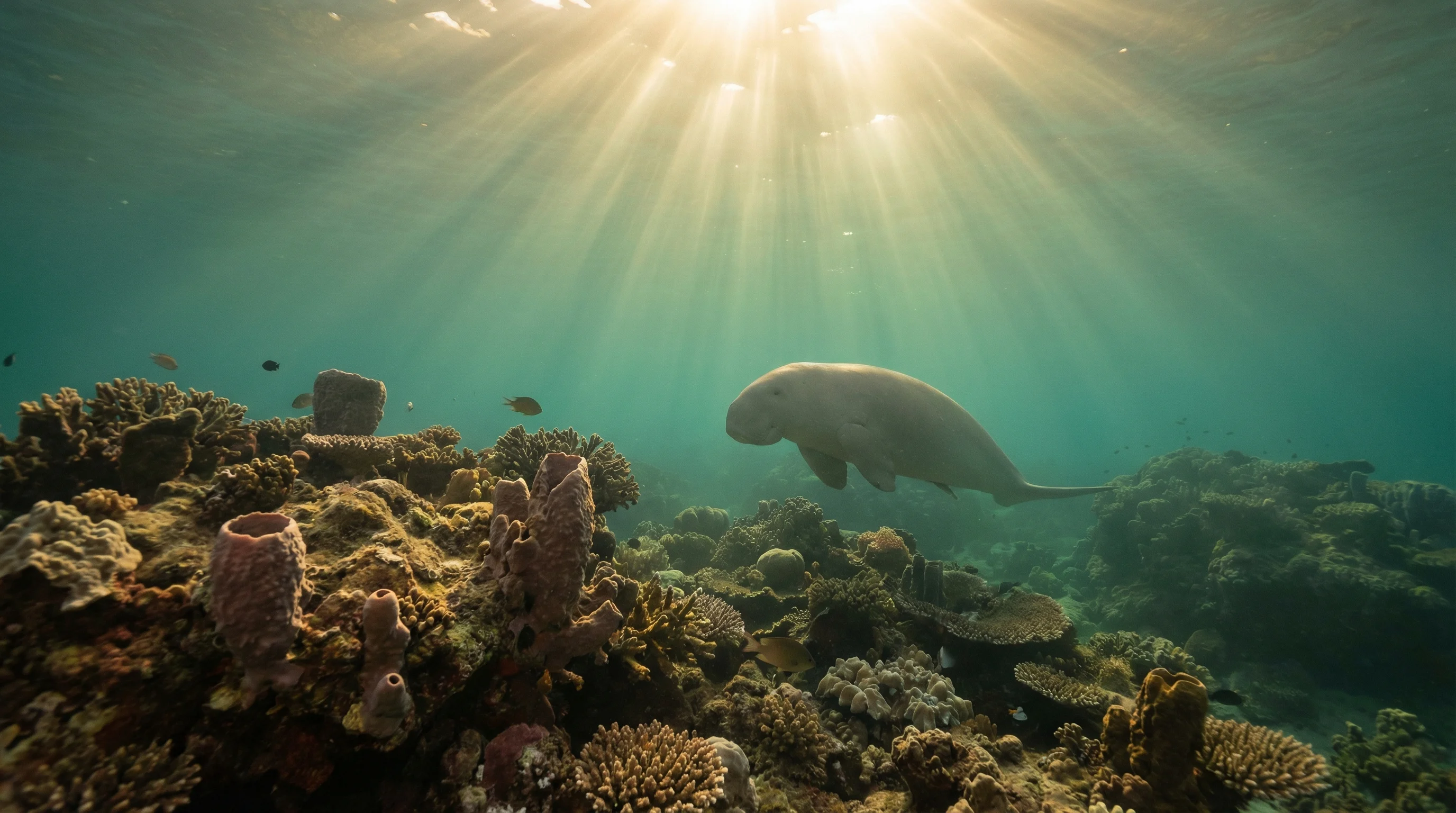
The Bluespotted Fantail Ray is observed at the vast majority of sites, making it the region's most reliable encounter. Giant Guitarfish, Rock Cod, Starry Puffer, and Longfin Baitfish are all commonly observed. Occasional sightings include Dugong, Green Sea Turtle, Queensland Grouper, and the Blue-ringed Octopus, which should be admired from a safe distance.
Several sites are well suited to beginners, particularly Catalina 1 and Catalina 2 in Darwin Harbour, both of which sit at accessible depths and are rated for divers still building confidence. The USS Peary is an advanced site due to its depth, sharp salvaged metalwork, and stronger currents, so it is best reserved for more experienced divers. The mix across Darwin's three sub-areas means there is something for most skill levels.
Most of Darwin's top dive sites, including the wreck sites in Darwin Harbour, are accessed by boat. Shore access is available at some sites, and Mataranka Springs is a shore-entry snorkel site. Operators such as Dive Darwin and Wakatobi Divers run boat trips to the key sites, so linking up with a local operator is the straightforward way to reach the best spots.
Darwin Harbour is the hub for wreck diving, holding the Catalina sites and the more challenging USS Peary. Cox Peninsula offers the largest concentration of sites and suits divers looking for variety across a single area. Darwin Coast provides a smaller set of sites and a different coastal character, rounding out the region's offering for those wanting to explore beyond the harbour.