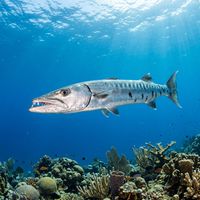
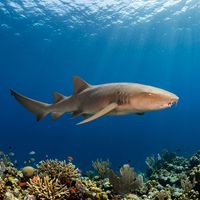
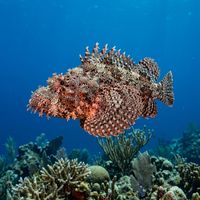
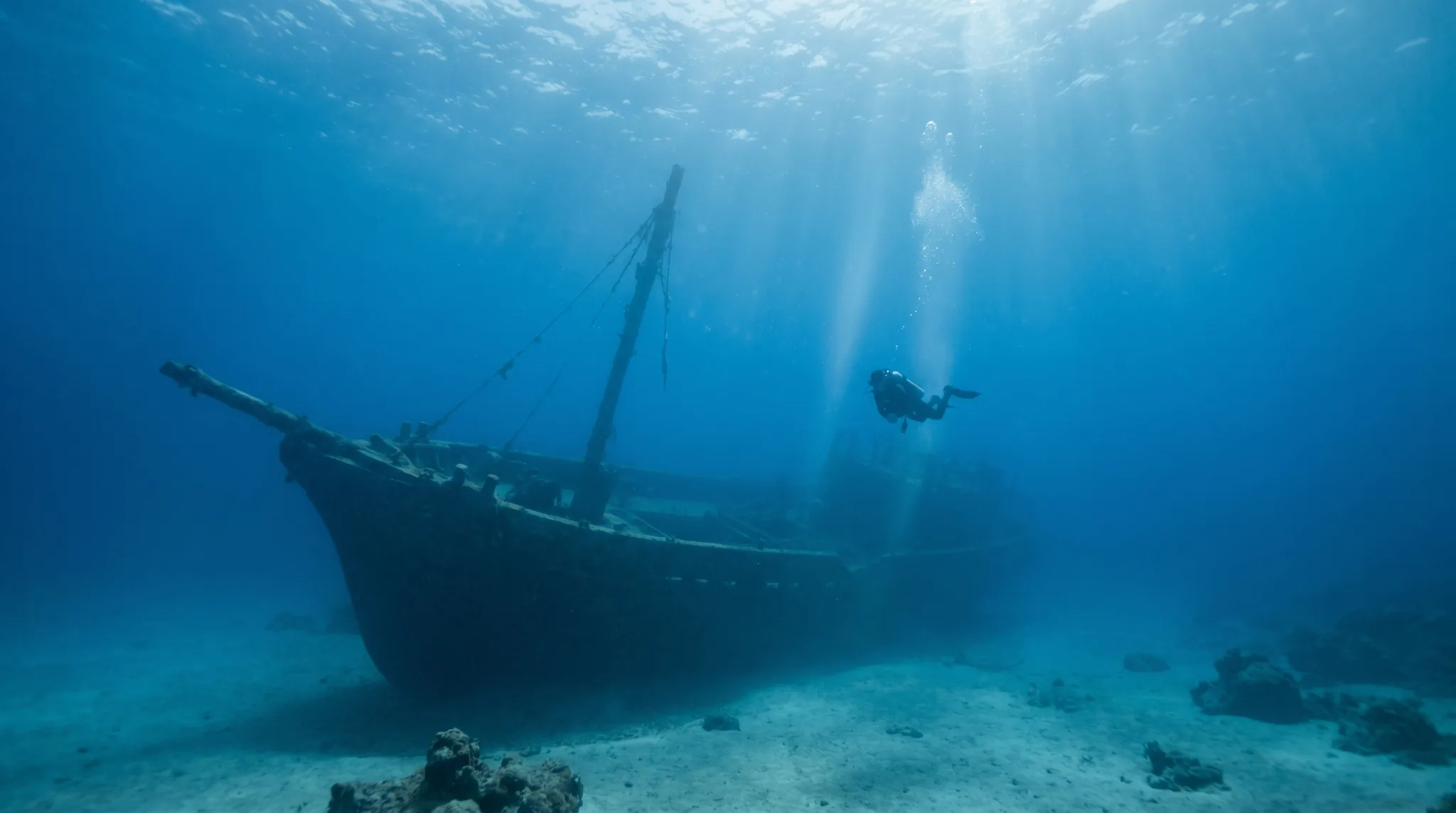
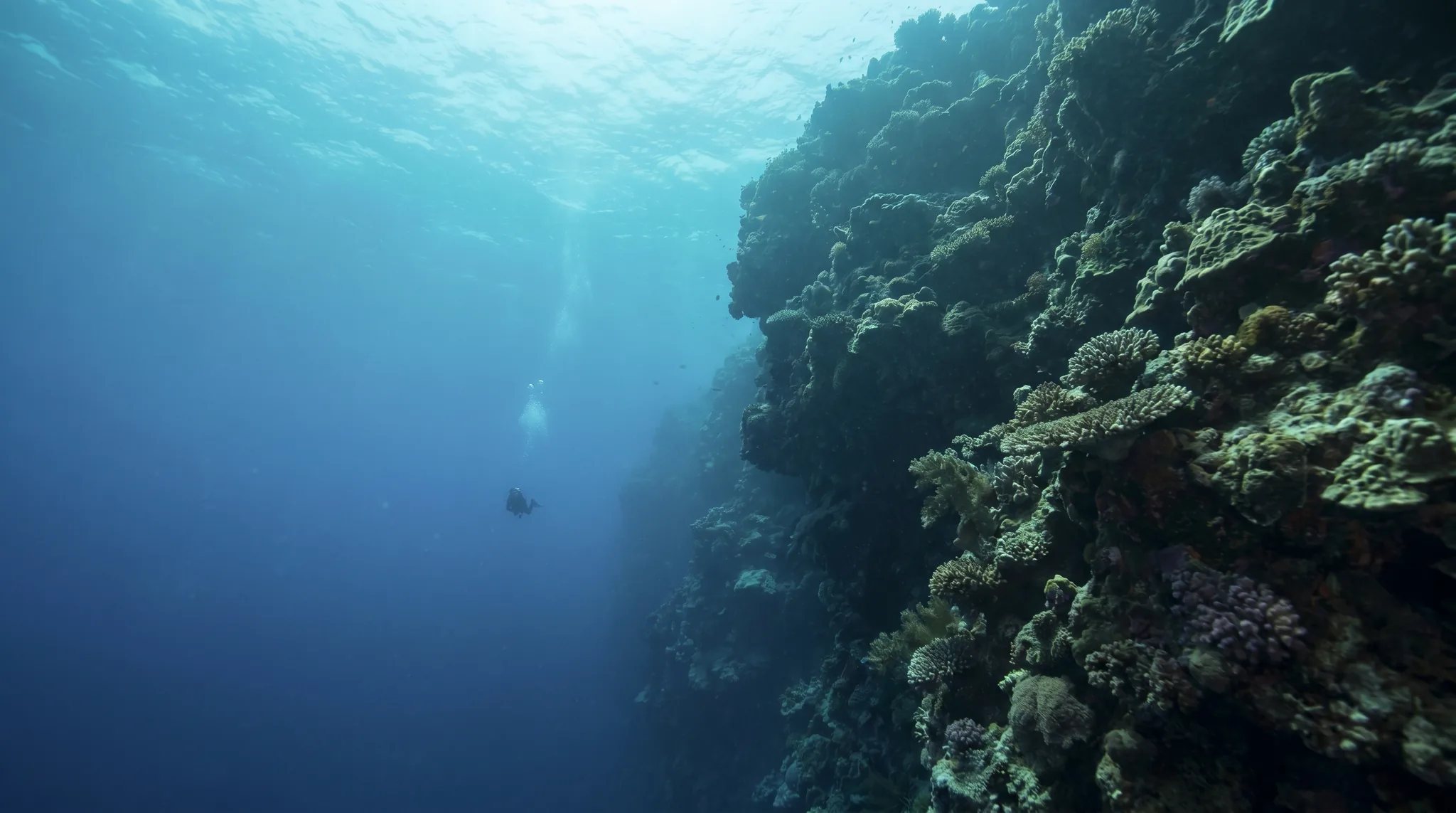
Saint Croix offers a diverse roster of dive sites that rewards every level of certification. Wrecks such as Butler Bay Wrecks and Armageddon sit alongside sloping reef walls at Eagle Ray and Green Cay Slope, while Frederiksted Pier delivers classic muck diving beneath its pilings. Vertigo adds a dramatic wall drop for advanced divers. Marine life is the real draw: Great Barracuda and Nurse Shark are regularly observed, and the site list includes muck-specialist encounters with Frogfish and Spotted Scorpionfish. Nearly all sites are boat-accessed, and a strong pool of local operators serves the island.
Monthly water temperature across Saint Croix's sites, from satellite sea-surface data corrected for depth. The band shows the site-to-site spread.
Water temperatures stay warm throughout the year, rising slightly from the cooler months of January through April toward a peak in September and October, making Saint Croix a truly year-round diving destination. The best-months data shows strong conditions from February through August, with a slight dip in autumn as the warmest water arrives. Boat access is the norm across almost all sites, so divers should expect open-water conditions and plan accordingly.
17 operators
31 more sites to explore

Water temperature around Saint Croix ranges from about 27°C in January to 30°C in September, based on satellite sea-temperature data for its dive sites.
With water around 27–30°C, a rash guard or 3mm shorty works in Saint Croix year-round.
Fin maps 43 sites in Saint Croix (43 scuba diving sites and 3 snorkelling spots, with some suited to both).
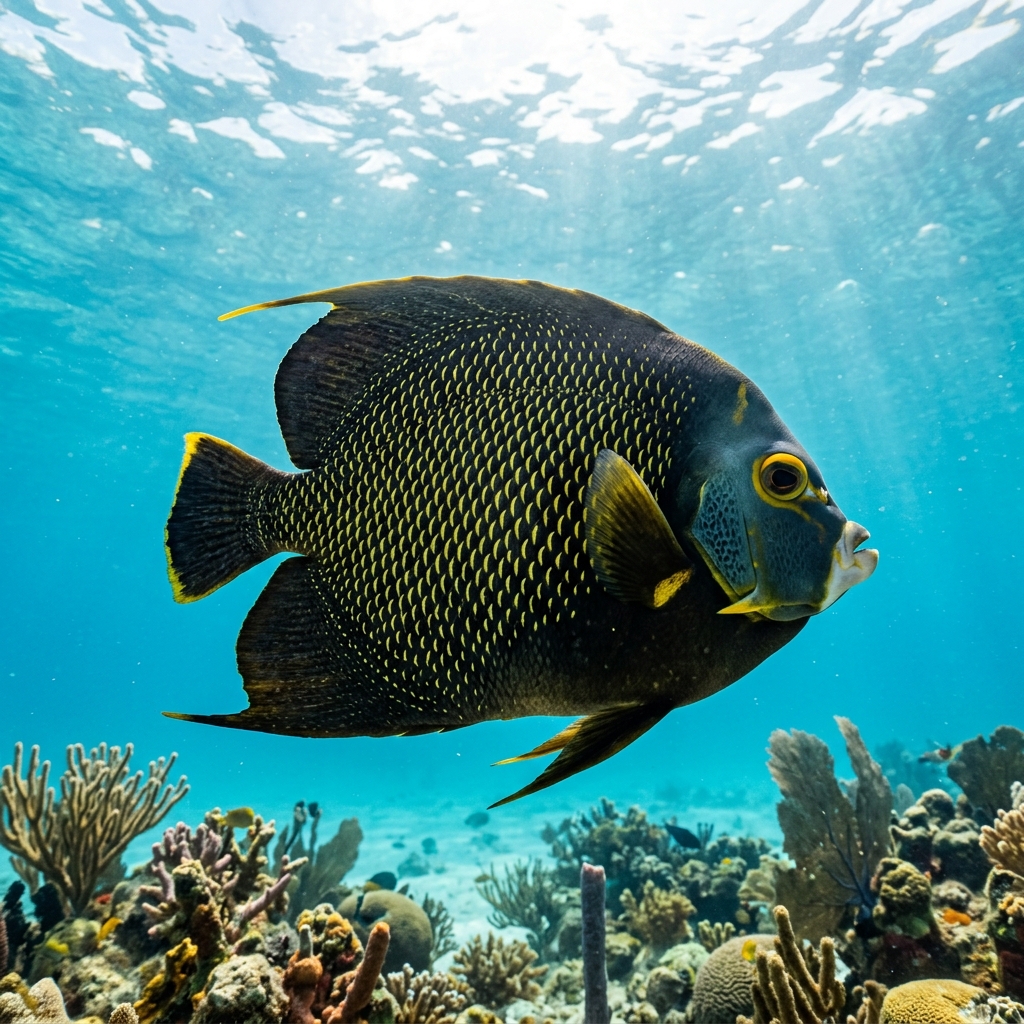
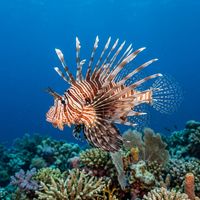
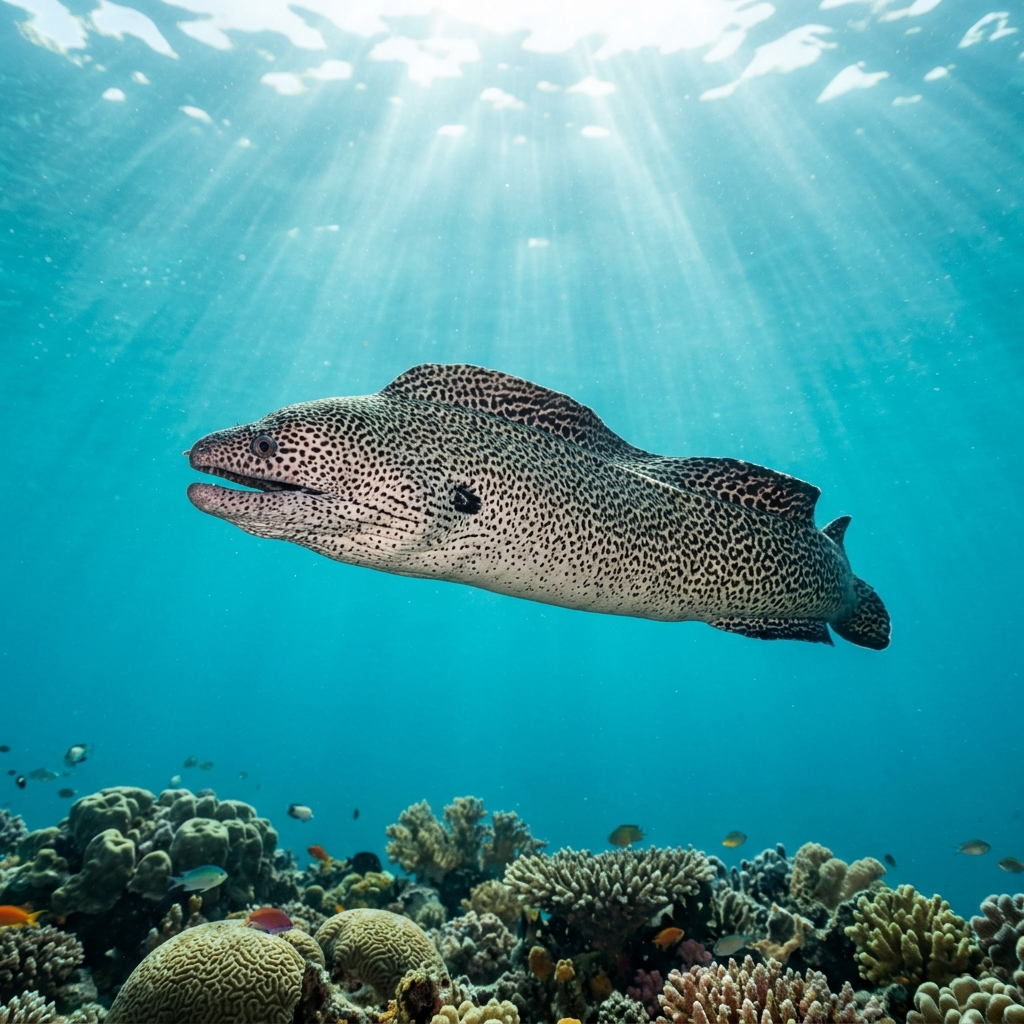
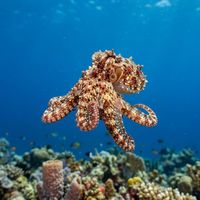
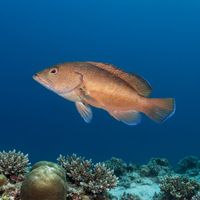
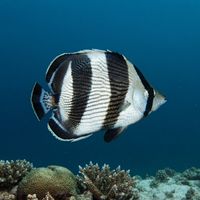
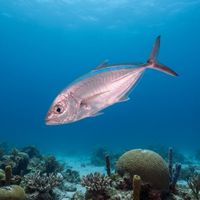
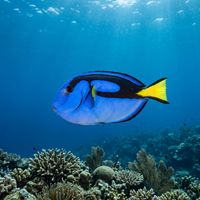
Saint Croix's reefs are home to a wide and well-documented range of species. Great Barracuda, Nurse Shark, French Angelfish, Spotted Scorpionfish and Indian Lionfish are observed very commonly across sites. Divers willing to look carefully will also find Frogfish, Brazilian Reef Octopus, Spotted Moray, Reef Squid and Peacock Flounder, making the island particularly rewarding for critter hunters.
Yes, a good portion of the site list is rated beginner-friendly. Sites such as Sprat Hole, The Aquarium, Cables, 19th Hole and Eagle Ray all cater to newer divers, with shallower reef structures and manageable conditions. Boat access is standard across the island, so beginners should be comfortable with open-water entries and exits.
Butler Bay Wrecks is a cluster of vessels that have developed into thriving artificial reefs, with depths ranging from shallow to quite deep, and the site allows for wreck penetration. Armageddon sits further offshore and reaches similar depths, offering a more open-water feel. Blue Chute on Long Reef combines wreck and wall topography in a single dive, adding variety for those wanting more than a straightforward wreck visit.
The majority of Saint Croix's sites are reached by boat only. A handful of sites, including Frederiksted Pier, Northstar and Vertigo, do offer shore or combined entry options. Frederiksted Pier is one of the most accessible of these, suiting divers who prefer to enter directly from land and explore the pier structure at their own pace.