Best for intermediate divers, 14-17m, boat entry, mild current.
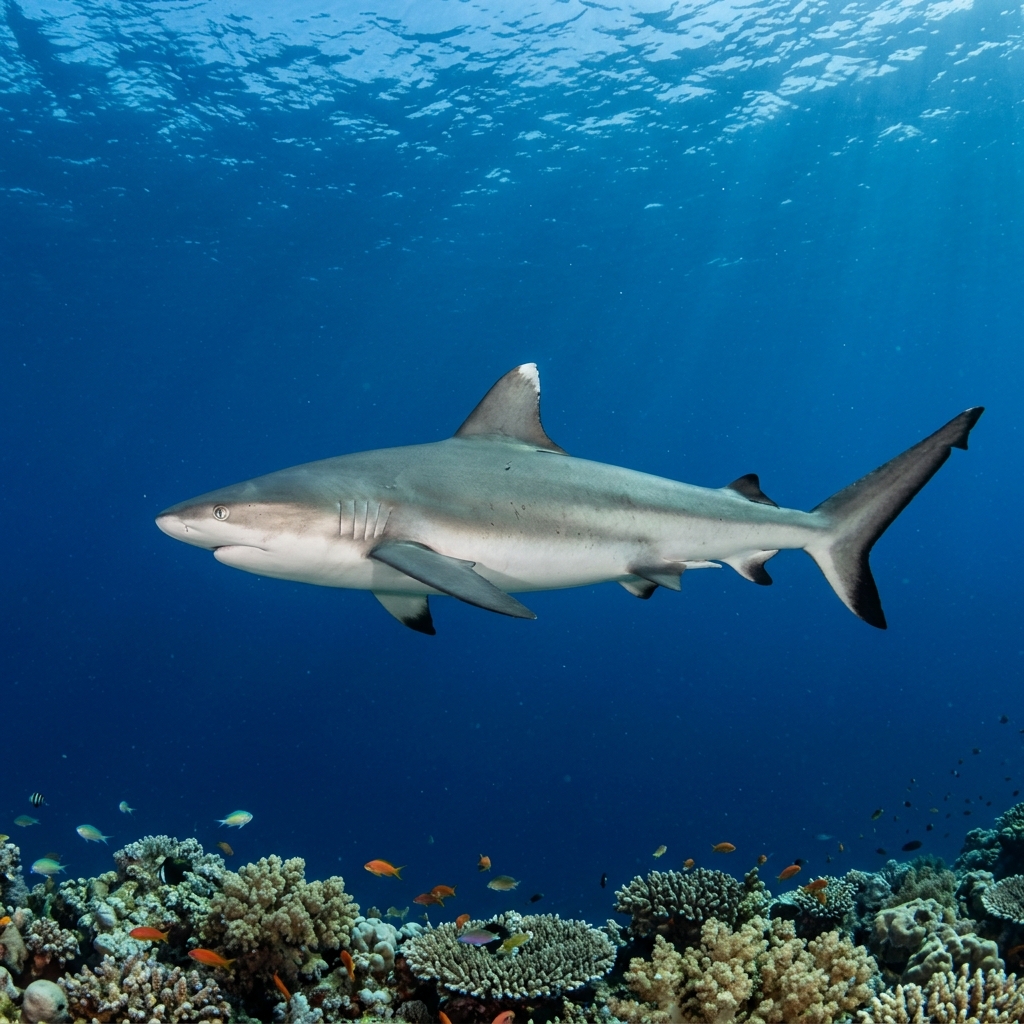
Twin Anchors in Saint Croix is a combined reef and artificial reef site accessible only by boat. Divers typically explore depths ranging from 14 to 17 metres, with an average depth of 15 metres. Conditions are generally favourable, featuring mild currents and visibility between 18 and 30 metres. Water temperatures remain warm throughout the year, fluctuating between 27C and 30C. The site is suited for intermediate divers. Hazards include the presence of sharp coral and sharks. Species recorded around this area include Great Barracuda, Nurse Shark, Indian Lionfish, French Angelfish, Spotted Moray, Brazilian Reef Octopus, Shortnose Batfish, Common Blacktip Shark, Green Moray, Caribbean Reef Shark, Spotted Scorpionfish, Porcupinefish, Wrasses, and Purple Sea Fan.
17.78312, -64.74237
A second anchor is hidden among the corals at 55 feet.
Access info coming soon
Recorded at this site
Depth
14-17m
Visibility
18-30m
Skill Level
Intermediate
Entry
Boat
Boat required
Water Temp
27-30°C
Current
Mild
Species recorded around this area include Great Barracuda, Nurse Shark, Indian Lionfish, French Angelfish, Spotted Moray, Brazilian Reef Octopus, Shortnose Batfish, Common Blacktip Shark, Green Moray, Caribbean Reef Shark, Spotted Scorpionfish, Porcupinefish, Wrasses, and Purple Sea Fan.
No, this site is rated for intermediate divers.
The site has a depth range of 14 to 17 metres, with an average depth of 15 metres.
Twin Anchors requires boat access.
Divers should be aware of sharp coral and the presence of sharks.
Diving at Twin Anchors in Christiansted requires the following certifications: Open Water. Always dive within your training limits.
A rashguard or 2mm shorty is recommended for diving at Twin Anchors in Christiansted. Water temperatures range from 27°C to 30°C.
Twin Anchors in Christiansted typically has mild currents that most divers can handle comfortably.
Visibility at Twin Anchors in Christiansted typically ranges from 18 metres to 30 metres. Conditions vary with weather, tides, and seasons.