Anisotremus davidsonii
Deep-bodied grunt with a silver-and-black split body, logged at dozens of sites across California in 15 to 23 C water year-round.
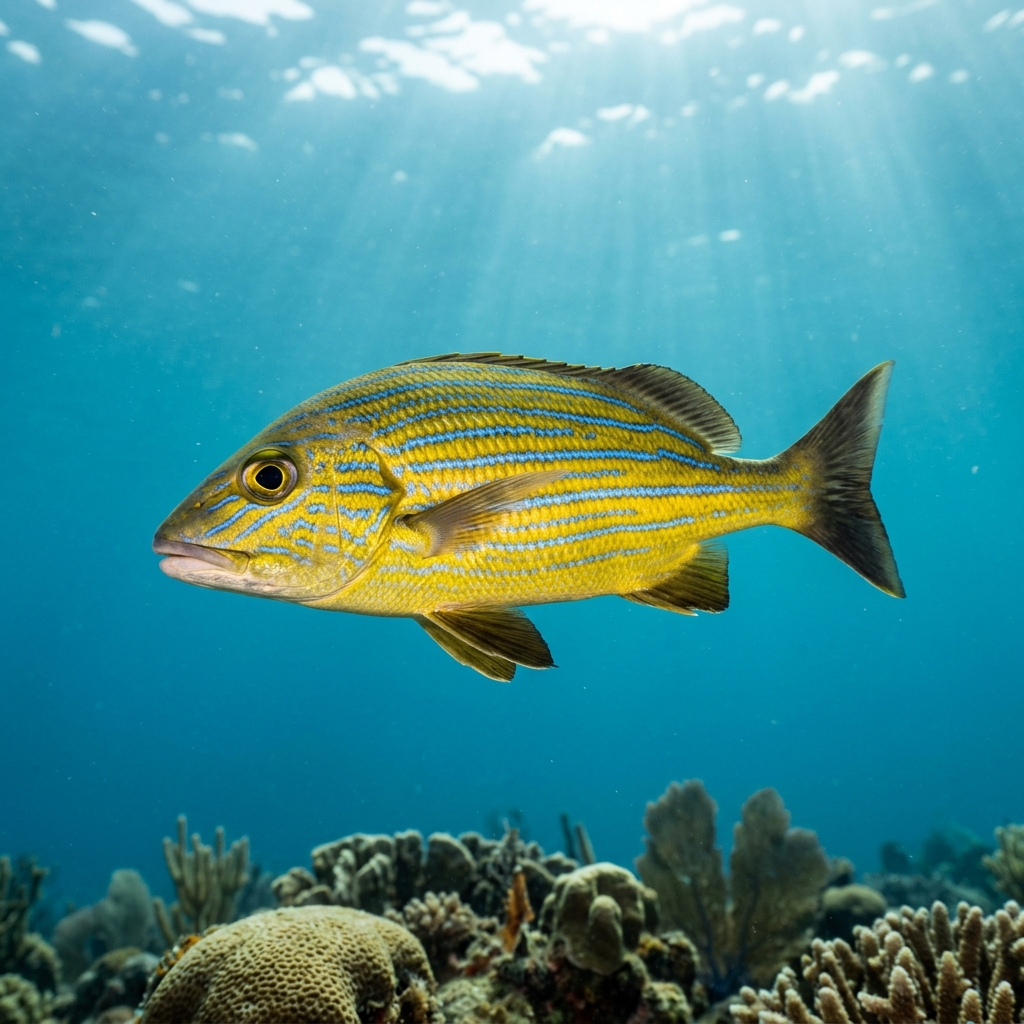
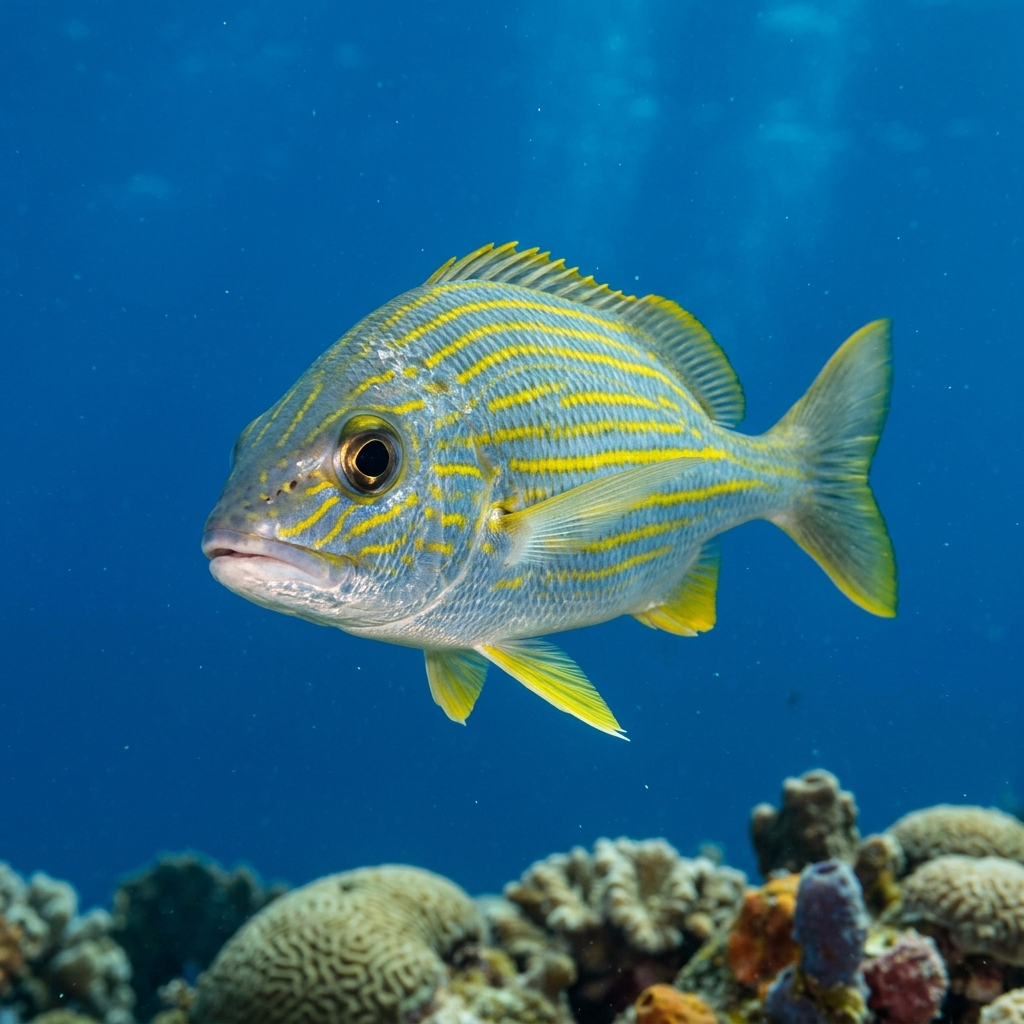
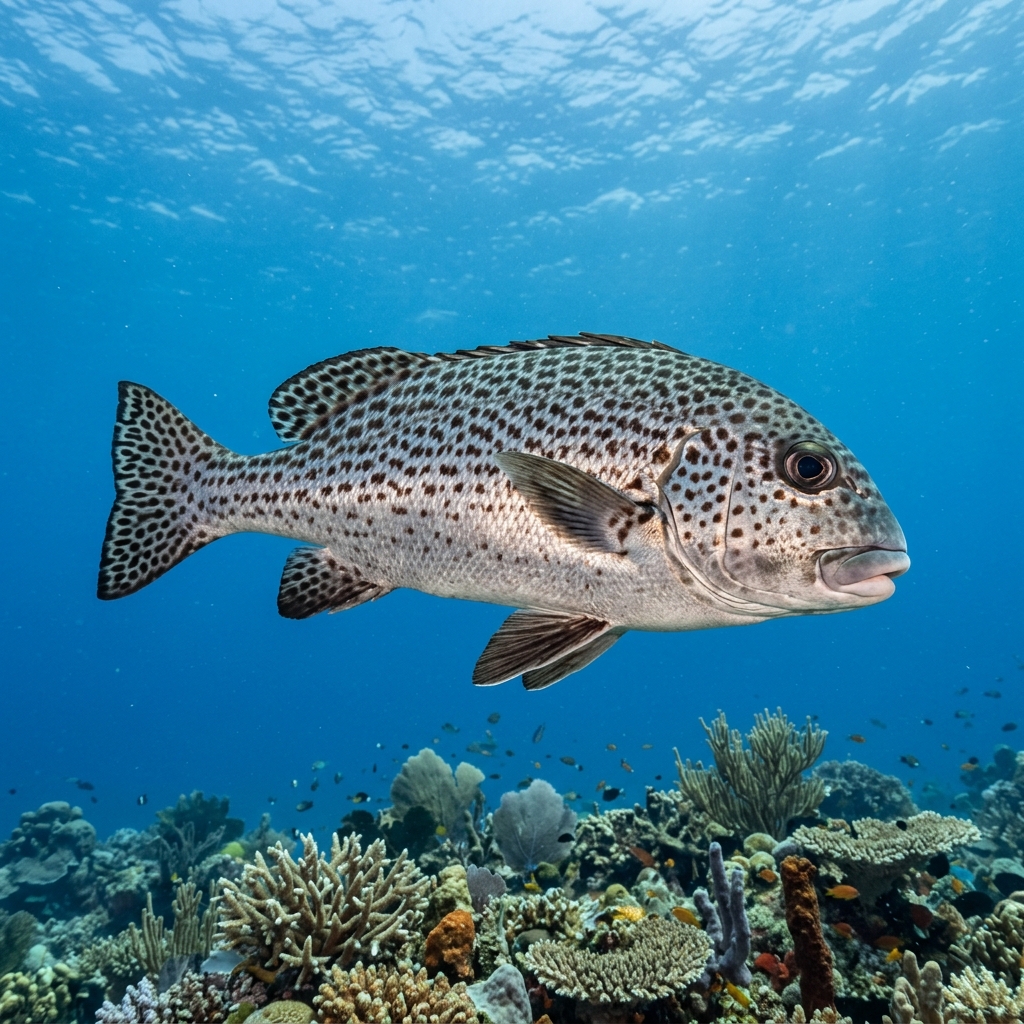
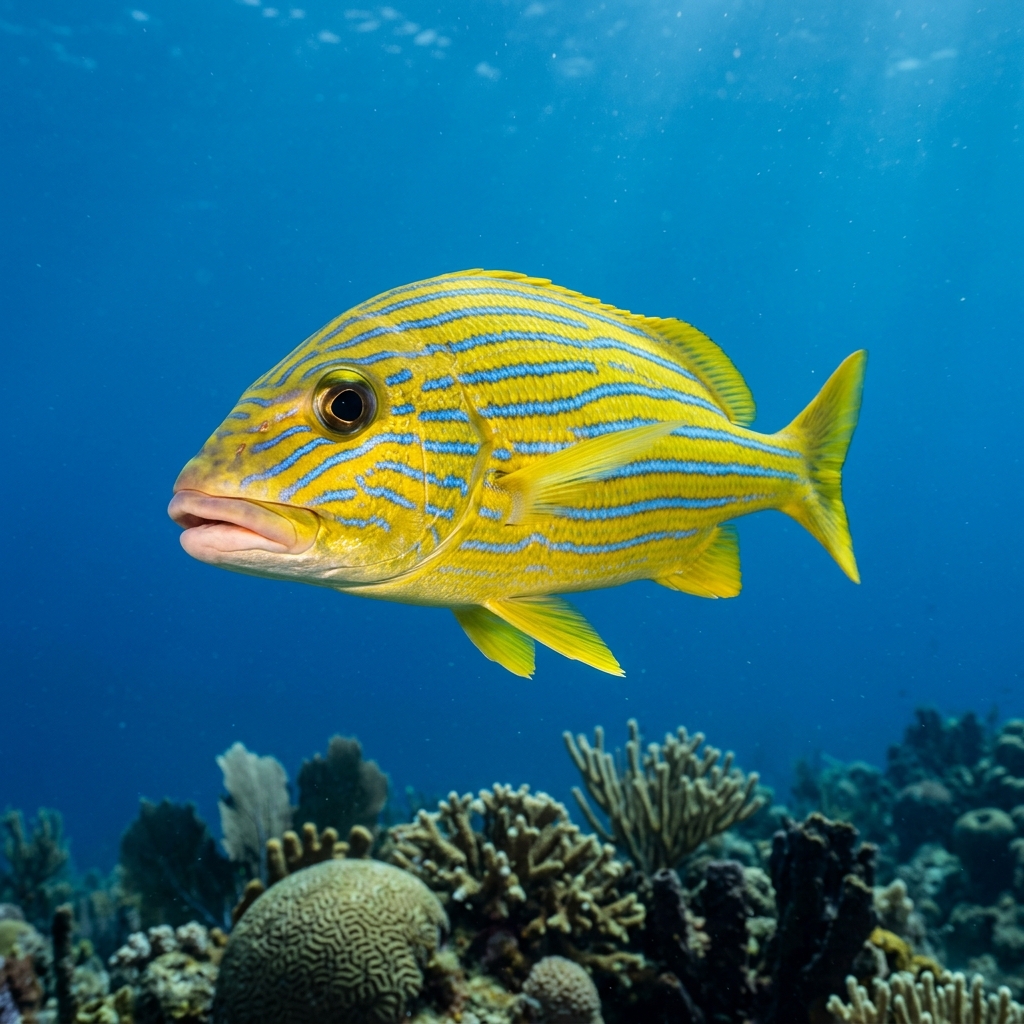
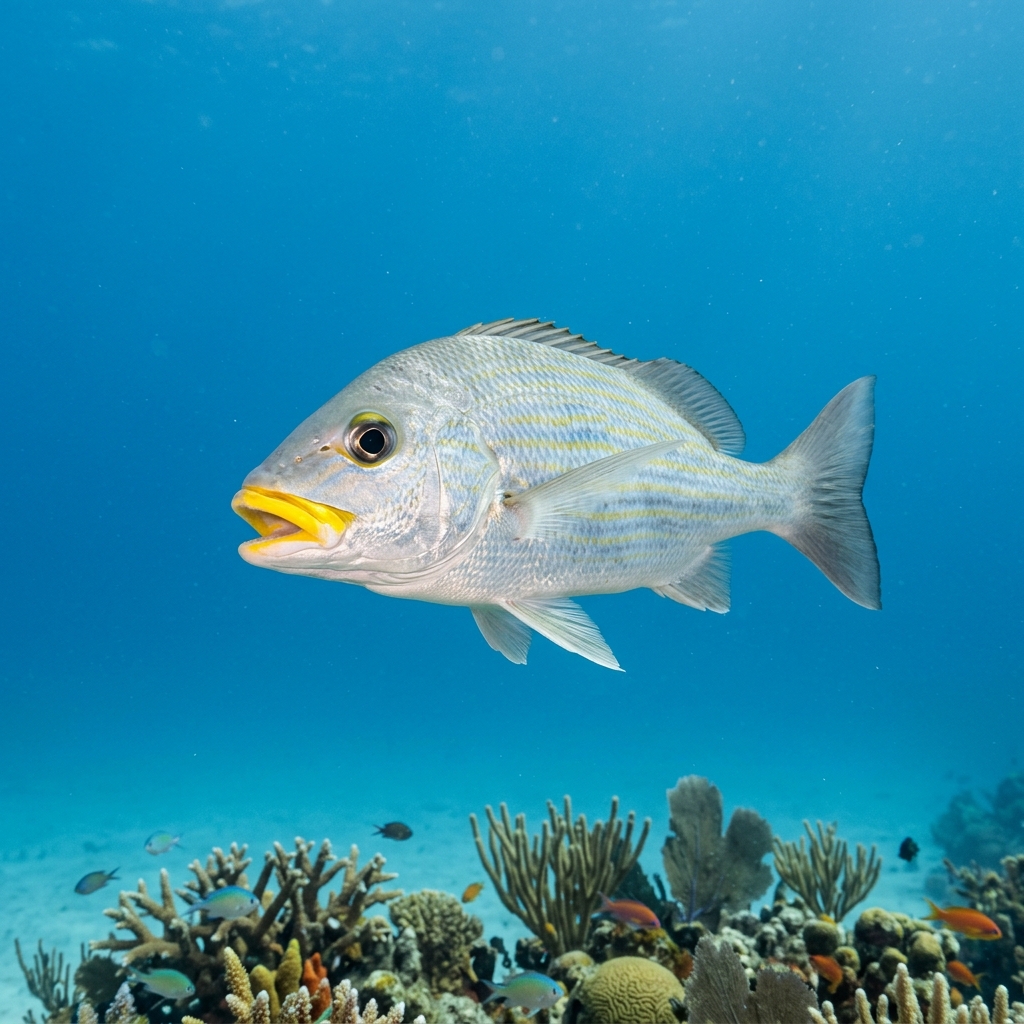
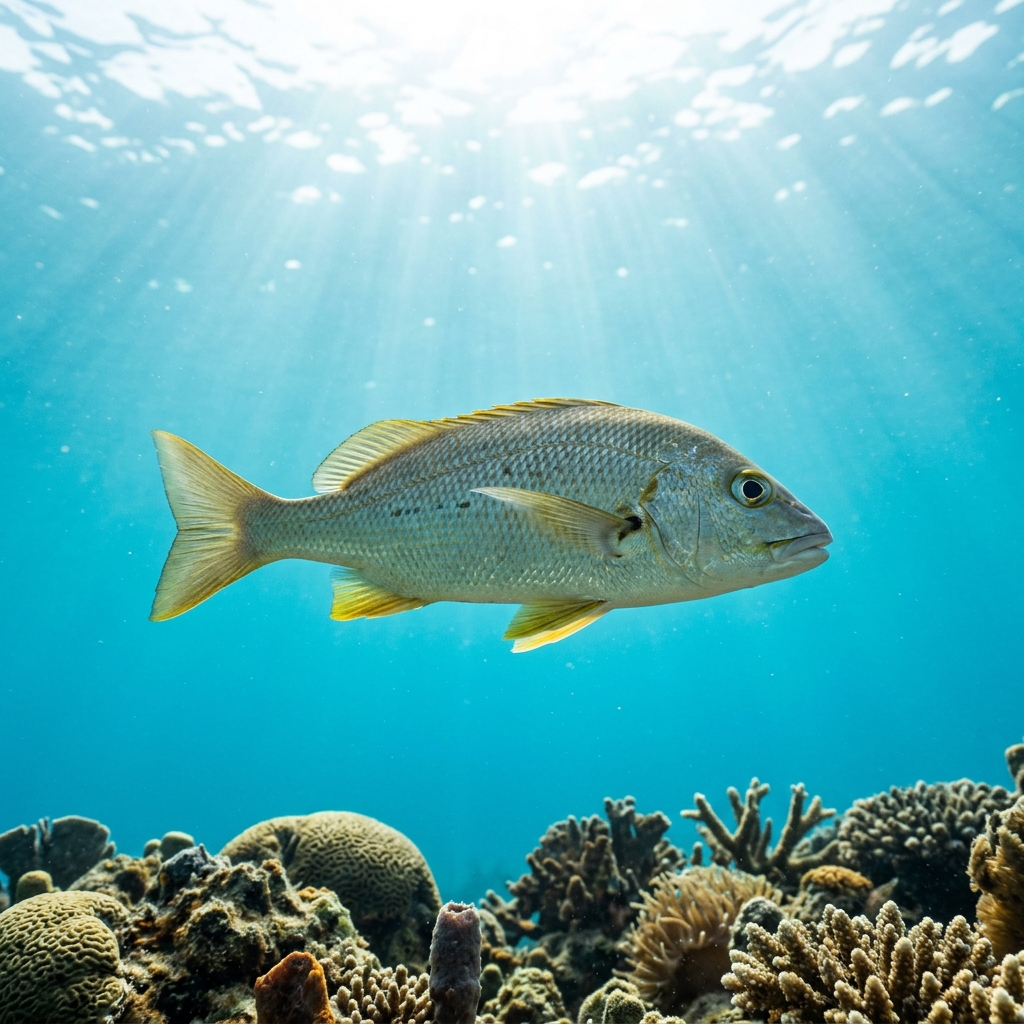
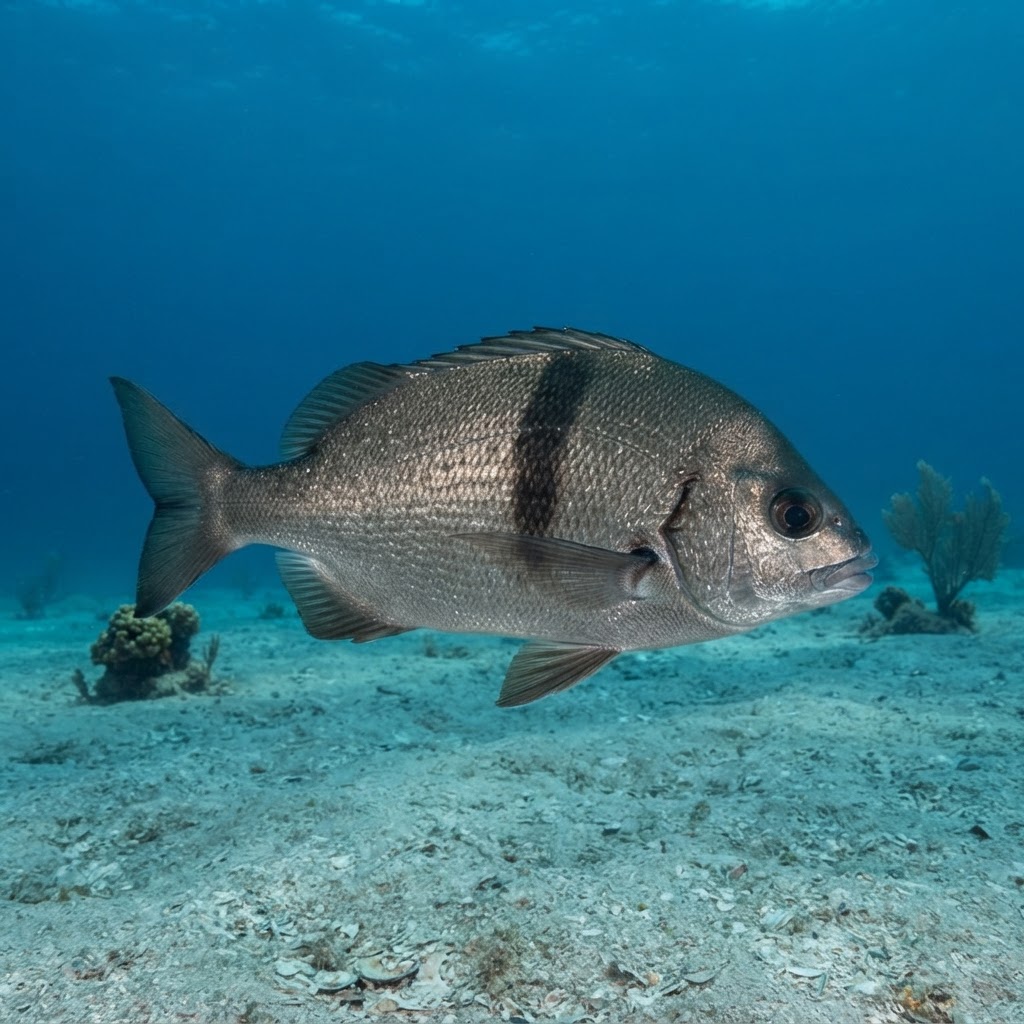
Look for a stocky, deep-bodied fish around 40 cm with a body split almost in half by colour: dark grey to blackish on the front two-thirds, fading to silvery white toward the tail. The high-backed profile and thick lips are typical of the grunt family, and it often shows faint dusky bars along the flank in clearer light. It swims with a slow, deliberate roll rather than a dart, which helps separate it from faster-moving silvery reef fish sharing the same rocky ground.
Divers most often find sargo hovering or slowly cruising near rocky reef structure, staying close to cover rather than out in open water. It tends to hold its ground as divers approach, more curious or indifferent than skittish, and is usually seen alone or in small loose groups rather than tight schools. Most sightings are logged as uncommon rather than common, so it rewards a slow, methodical look along rock crevices and boulder fields.
That two-tone split body, dark up front and pale behind, is a real field mark among California's grunts and helps it stand out from the more uniformly silver fish it shares reef structure with.
Recorded across the year with no strong seasonal pattern in the data, and the observed temperature range of 15.2 to 23.3 C spans California's typical winter-to-summer swing, so there is no need to time a trip around a particular month.
California is the place to look, with sightings spread across dozens of sites along the coast, concentrated in the state's dive regions rather than anywhere else. Most logs come from rocky reef and kelp-adjacent sites where the species sits close to structure rather than in open water.
Mapping where Sargo is logged…
California is by far the strongest region in diver logs, particularly along rocky reef sites where the species holds close to structure. It has not been logged in meaningful numbers outside the United States in current data.
There is no detected seasonal peak, and sightings span the full observed temperature range of 15.2 to 23.3 C, so it is effectively a year-round sighting on California's reefs.
Look for a deep, stocky body around 40 cm long that is dark grey to black on the front half and silvery white toward the tail, with thick lips typical of the grunt family. It moves with a slow, rolling swim close to rocky structure rather than darting in open water.
They typically reach around 40 cm in length, making them one of the larger grunts a diver will encounter on California's rocky reefs.
No, they pose no danger to divers and are simply curious, slow-moving reef residents that will often hold their position as you approach.
Site and sighting data is aggregated from diver logs, iNaturalist and GBIF. For taxonomy and conservation status:
Bluestriped Grunt
1,907 sites