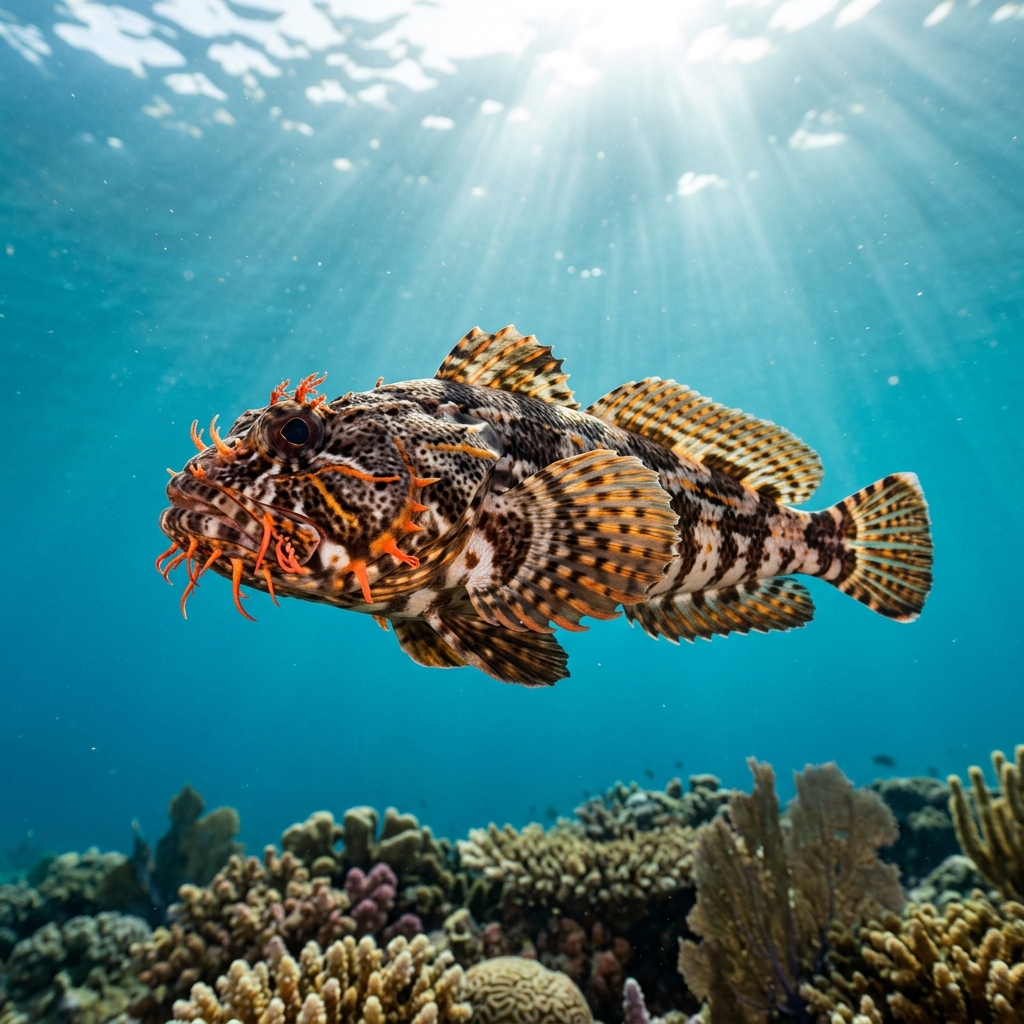
Batrachoididae spp.
Spot toadfish in Roatán, British Columbia, or Florida. Uncommon and camouflaged, these ambush hunters are logged across a wide temperature range from 9-28 °C.
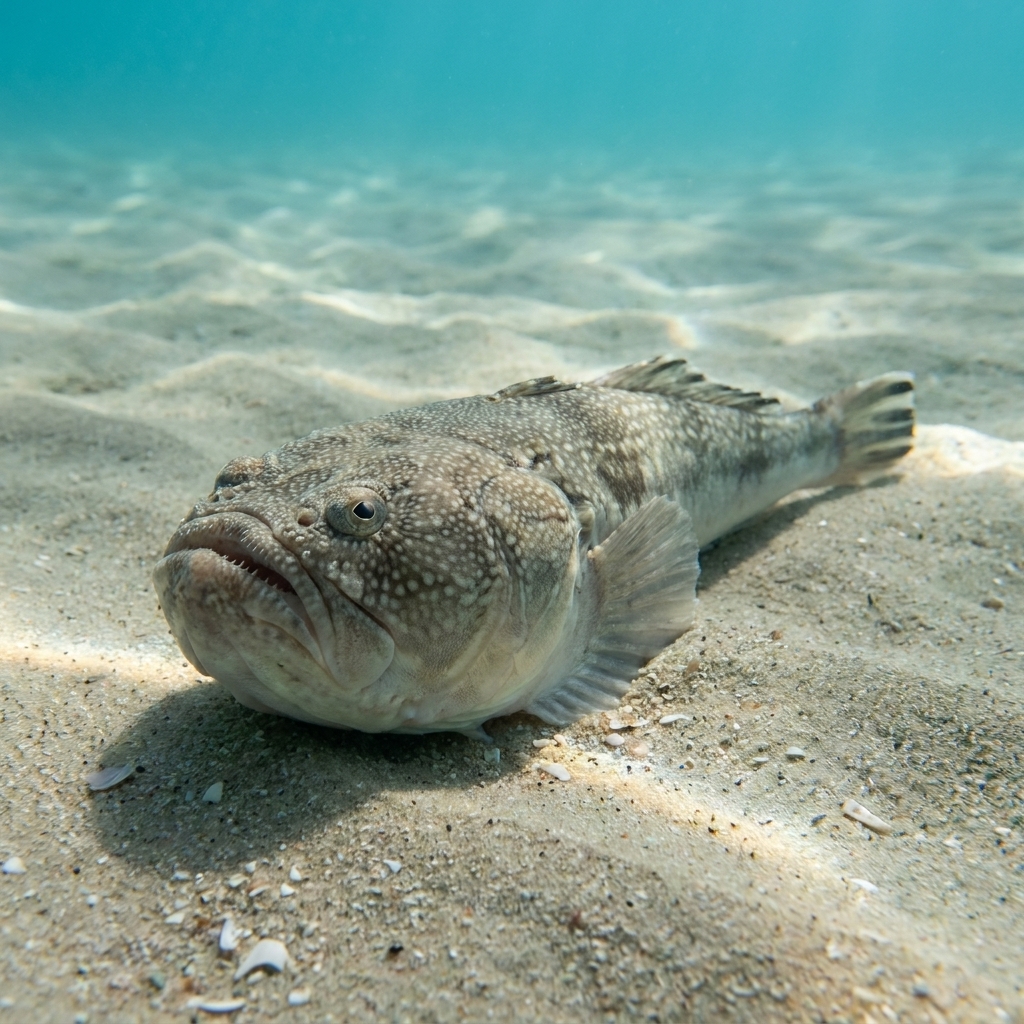
Broad, flattened head with an oversized upward-facing mouth and eyes set high on the skull give toadfish their unmistakable frog-like silhouette. Body colour runs through mottled browns, tans, and olives, often with pale patches or spots that help them disappear against sediment, rock, or rubble. They tend to sit completely still on the bottom, which is usually the first clue you're looking at one rather than a lump of reef. Size varies across the family, but most species encountered by divers are roughly 20-40 cm long.
Toadfish are classic ambush predators, when you find one, it will almost certainly be parked on the bottom, pressed against rubble or tucked under a ledge, waiting. They react to divers with remarkable indifference, relying on camouflage rather than flight; you can often get very close before one stirs. Look along the edges of sandy patches, under overhangs, or inside shells and pipes, where males are known to set up nesting spots.
Male toadfish produce a distinctive foghorn-like humming sound by vibrating their swim bladder, used to attract females during the breeding season, a call loud enough to be heard through the hull of a boat.
In the Northern Hemisphere, sightings concentrate from April through August. This aligns with warming water temperatures when toadfish tend to become more active and move into shallower water to breed.
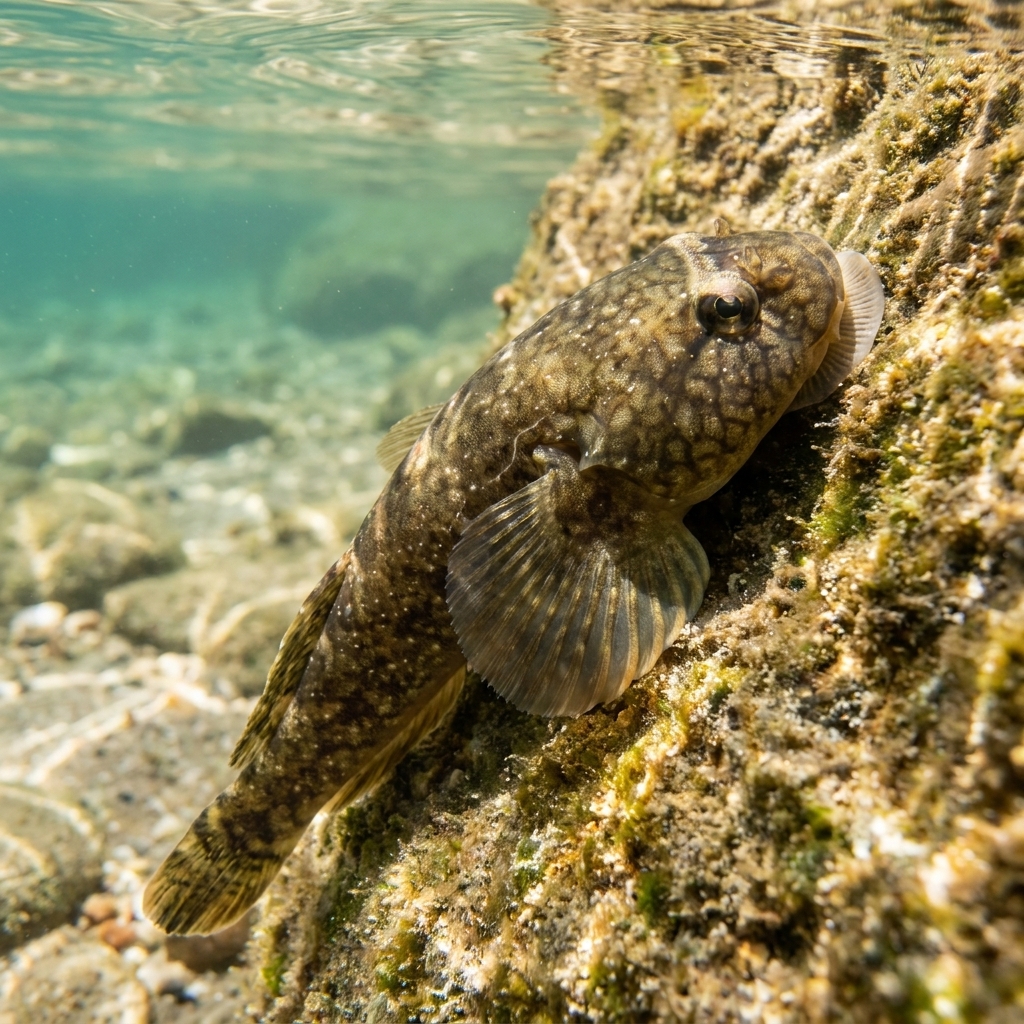
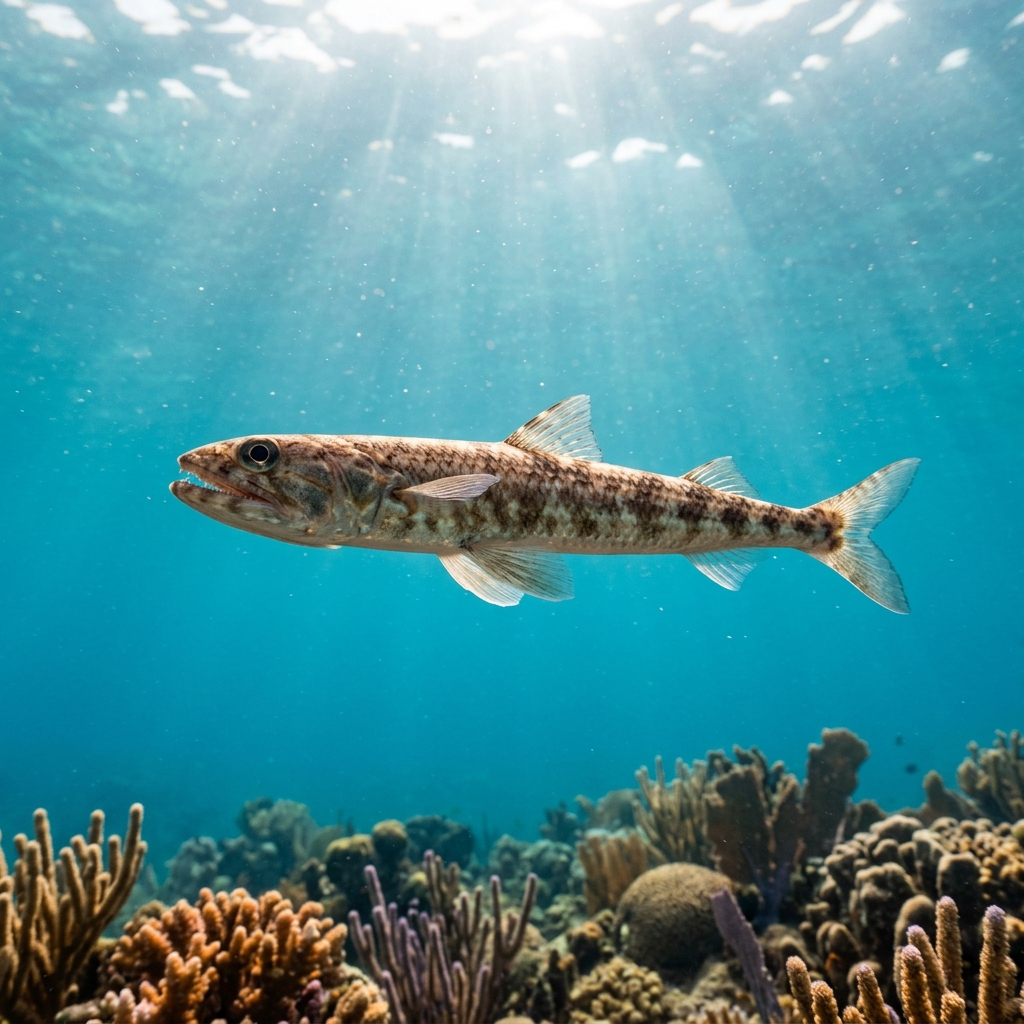
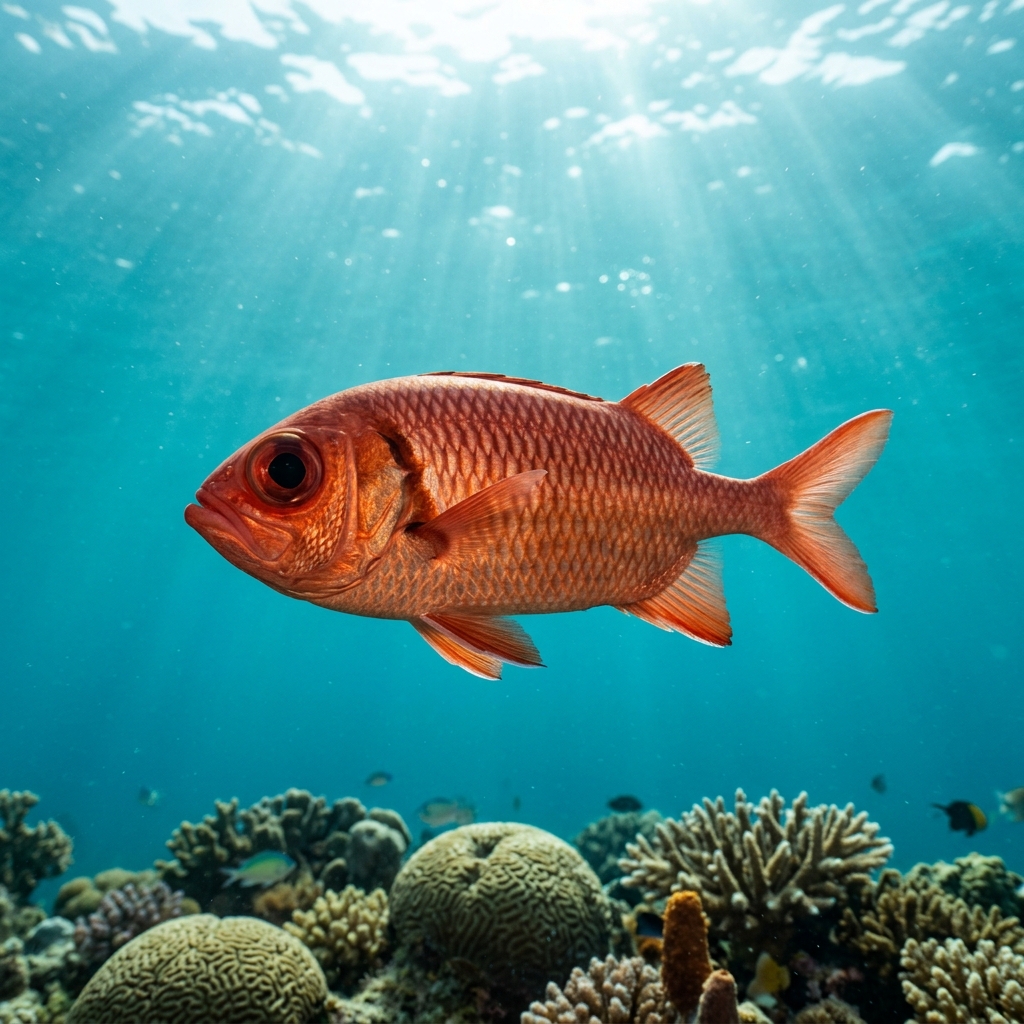
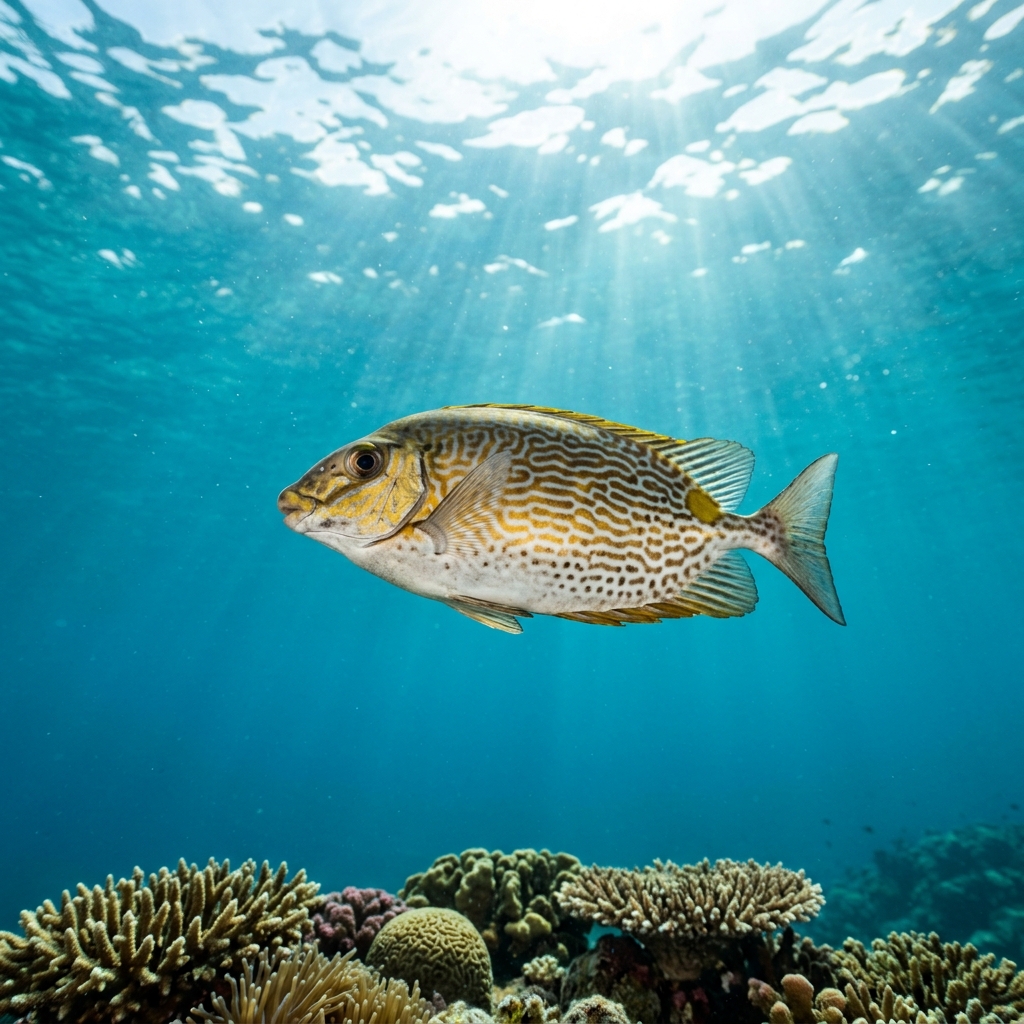
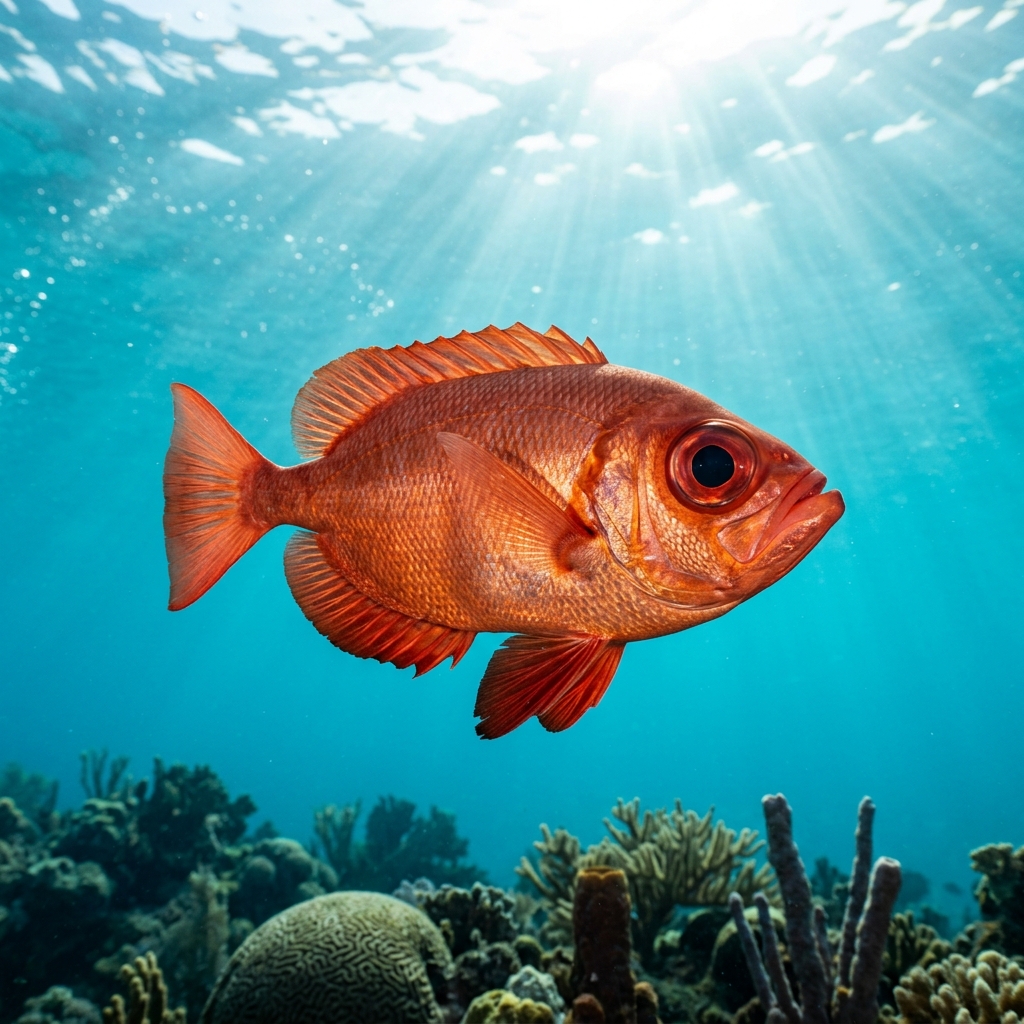
Reef neighbours a diver could mistake it for. Use the identification notes above to tell them apart.
Most logged in Roatán, Honduras, and along the British Columbia coast in Canada, with a strong showing in Florida and the Southeast United States as well. Australia's New South Wales coast, Bocas del Toro in Panama, and the Southern Islands of Singapore round out the main hotspots. The family turns up across a surprisingly wide range of environments, from cool Pacific waters to warm Caribbean reefs.
Mapping where Toadfish is logged…
Roatán in Honduras and the British Columbia coast in Canada are the two most consistently logged areas. Florida and the Southeast United States also offer regular encounters, and there are solid records from New South Wales, Australia, Bocas del Toro in Panama, and Singapore.
In Northern Hemisphere destinations, sightings peak between April and August, coinciding with warmer coastal water temperatures when toadfish move shallower to breed. Tropical sites may offer year-round encounters.
Look for a completely stationary, bottom-hugging fish with a disproportionately wide, flat head and a huge upturned mouth. Mottled brown or olive colouration makes them blend into sand and rubble, so you are often almost on top of one before you notice it. The frog-like face is the giveaway.
Yes, males vibrate their swim bladder to produce a droning hum or foghorn call during the breeding season. It is one of the loudest sounds made by any fish relative to its size, and early boaters were often puzzled by the noise coming through their hulls.
No. Toadfish are not considered dangerous to divers. They rely on camouflage and stillness rather than aggression, and encounters are generally relaxed. As with any fish, avoid poking or handling them.
Site and sighting data is aggregated from diver logs, iNaturalist and GBIF. For taxonomy and conservation status:
Soldierfish
3,612 sites