Phycidae spp.
Spot forkbeard across the French Riviera, Costa Brava and Nova Scotia in cool waters from 3-18 °C. Best sightings run April to October.
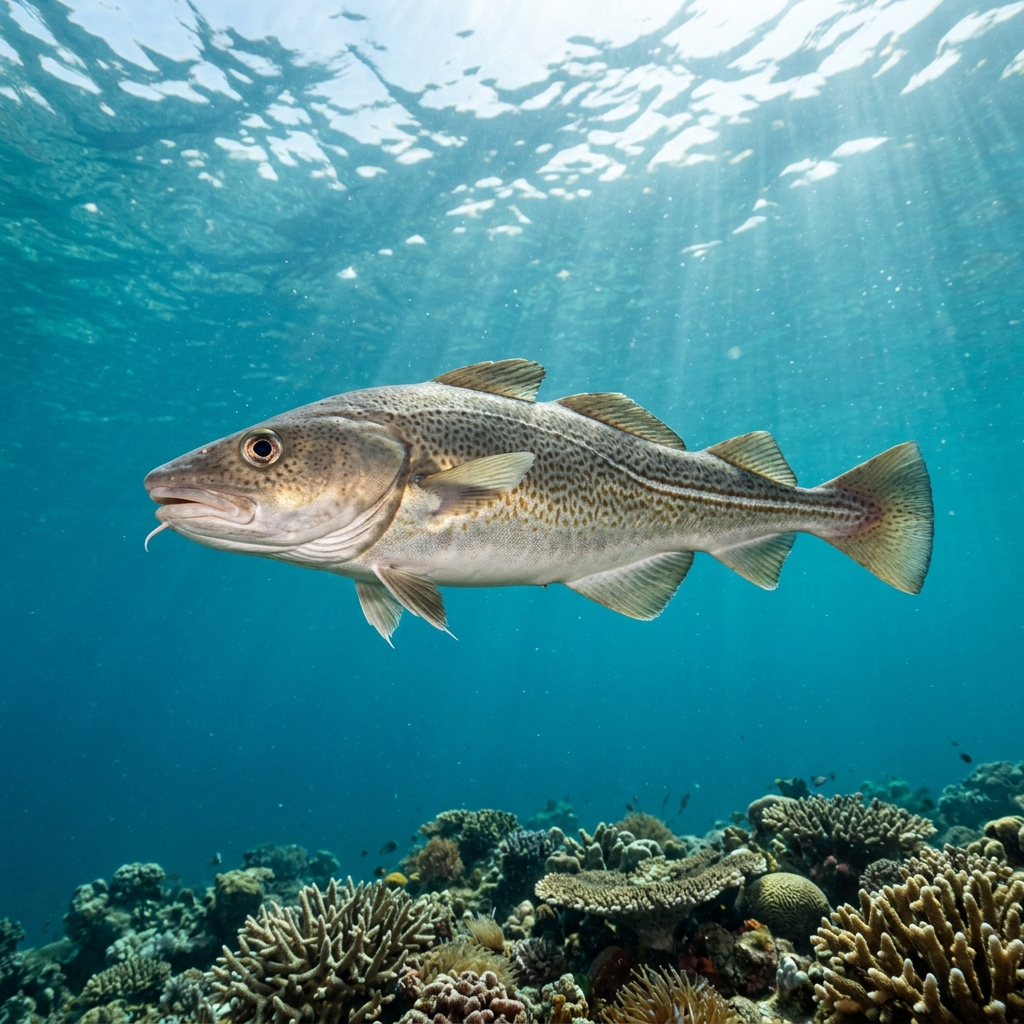
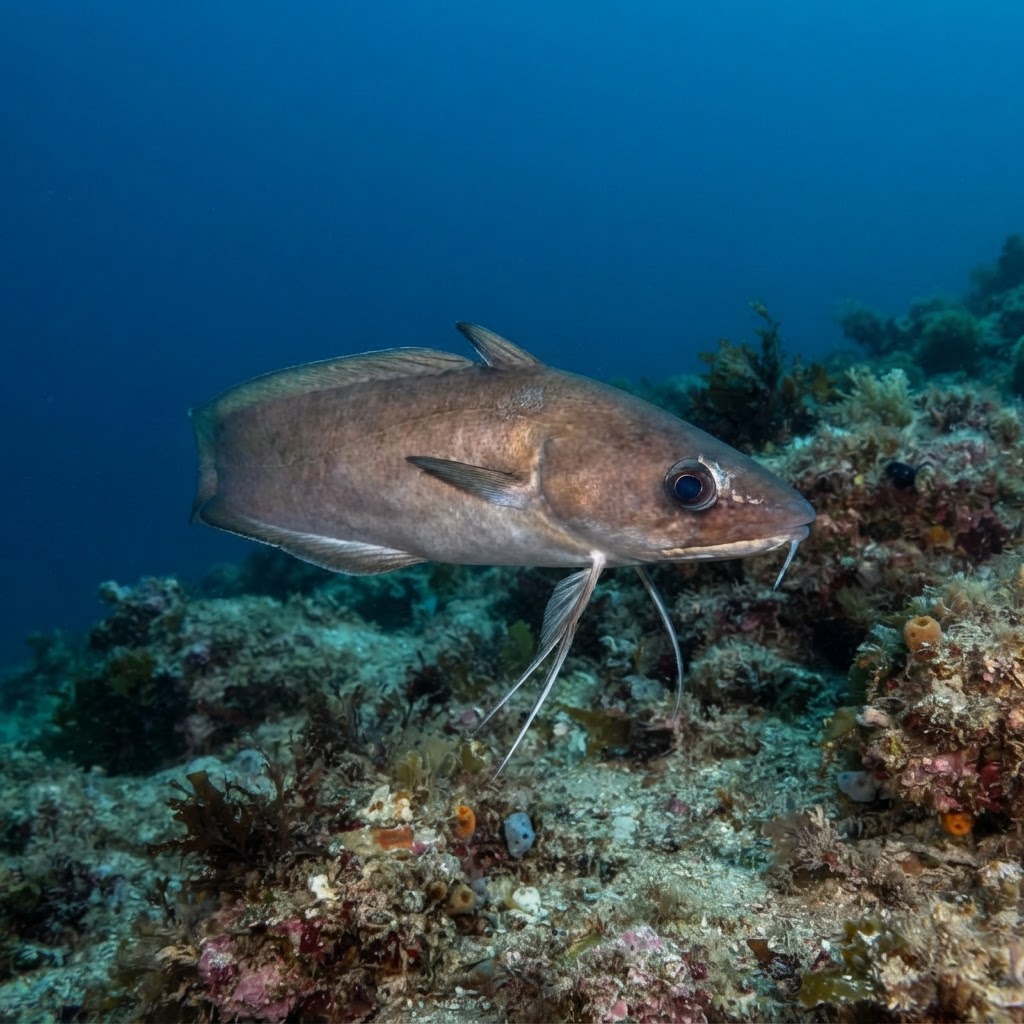
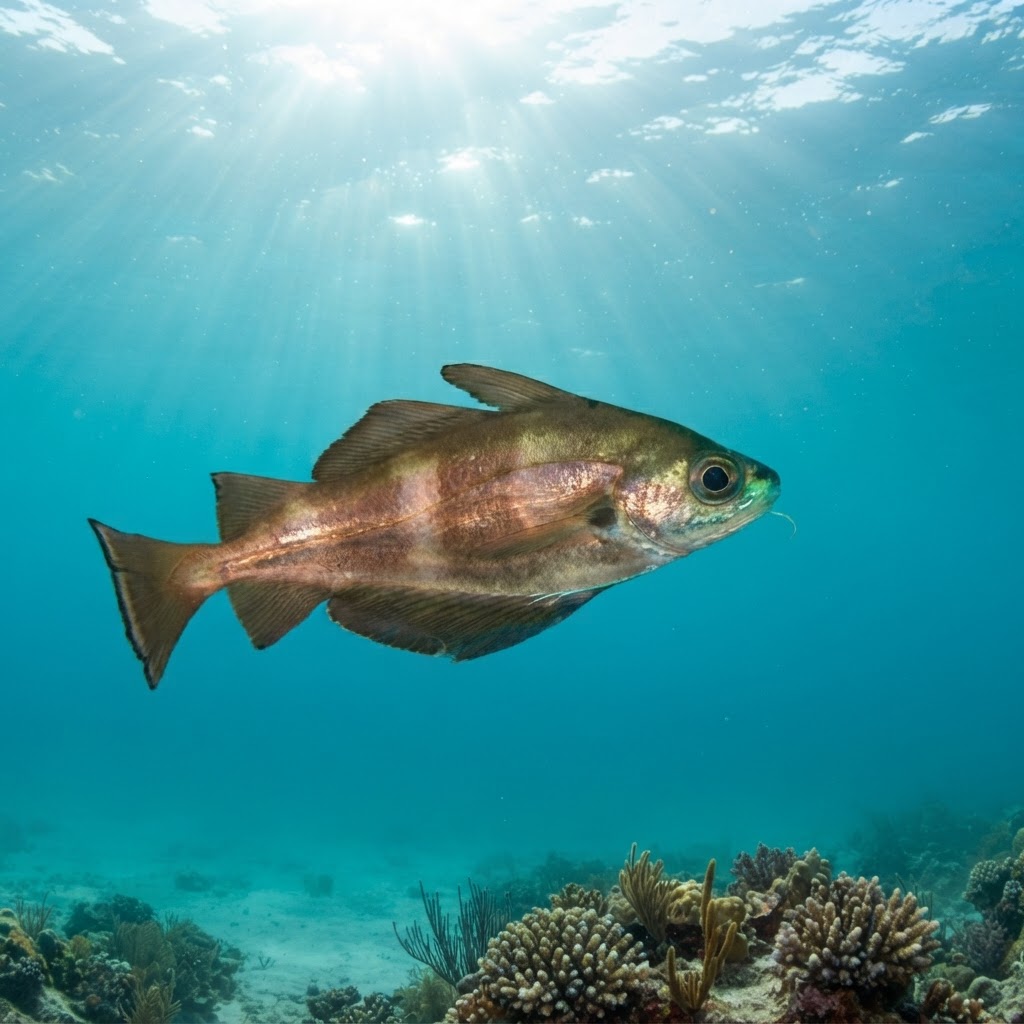
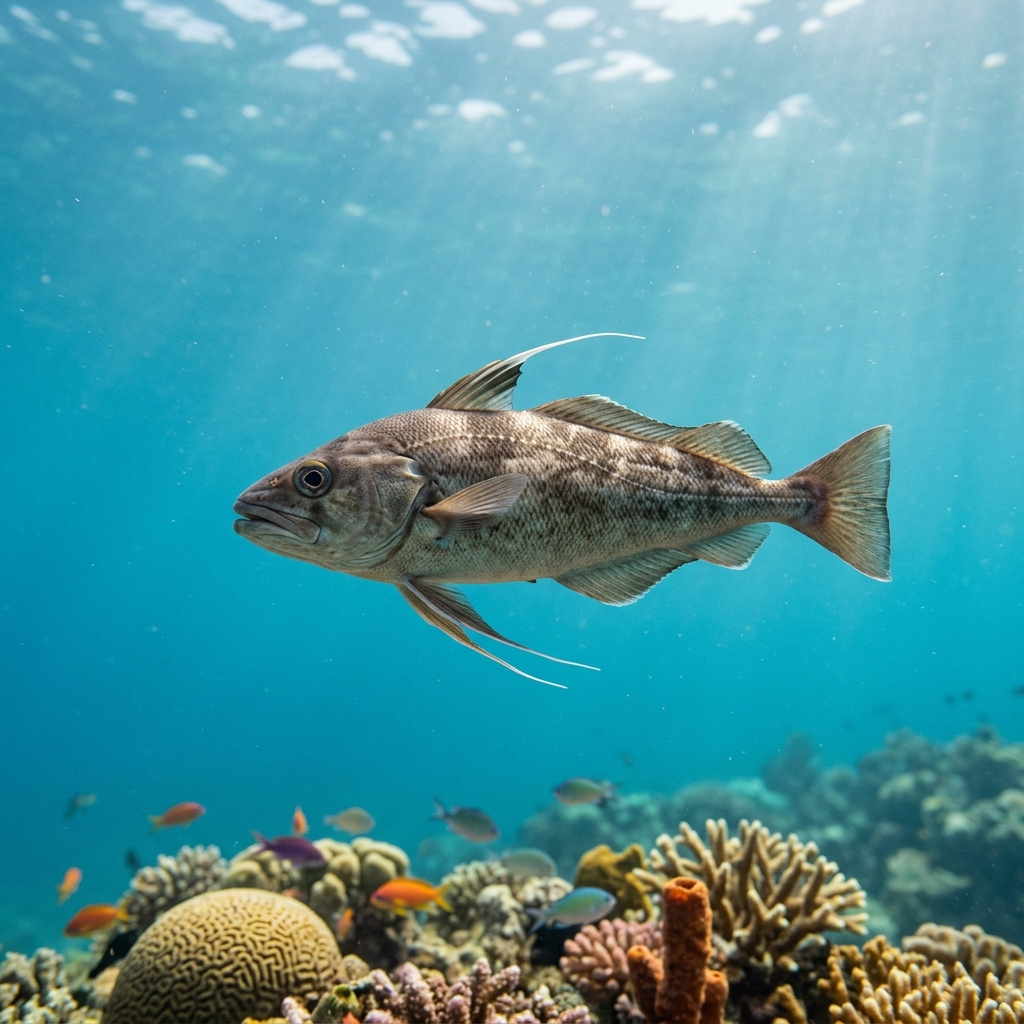
Members of this family share a long, tapering body with a pale to brownish or olive tone and a distinctive fleshy barbel (a sensory whisker) on the chin, the feature that gives the group its name. The dorsal fin runs most of the body length, giving forkbeards a somewhat eel-like silhouette when viewed from the side. They tend to sit close to or on rocky or sandy substrate, which can make them easy to overlook until movement catches your eye.
Forkbeards are typically encountered resting on or just above rocky seabed or mixed rubble, often in moderate depths where low light gives them some cover. They tend to be unhurried around divers, holding position or drifting slowly rather than bolting, which makes patient observation straightforward. The chin barbel is usually the first detail you notice as they probe the substrate for small prey.
The barbel on the chin is not just cosmetic: it is a sensory organ used to detect prey hiding in sediment or crevices, a neat example of tactile hunting in low-visibility, cold-water environments.
In the Northern Hemisphere, sightings concentrate from April through October, which broadly aligns with the warmer end of the group's cool-water temperature range of 3-18 °C.
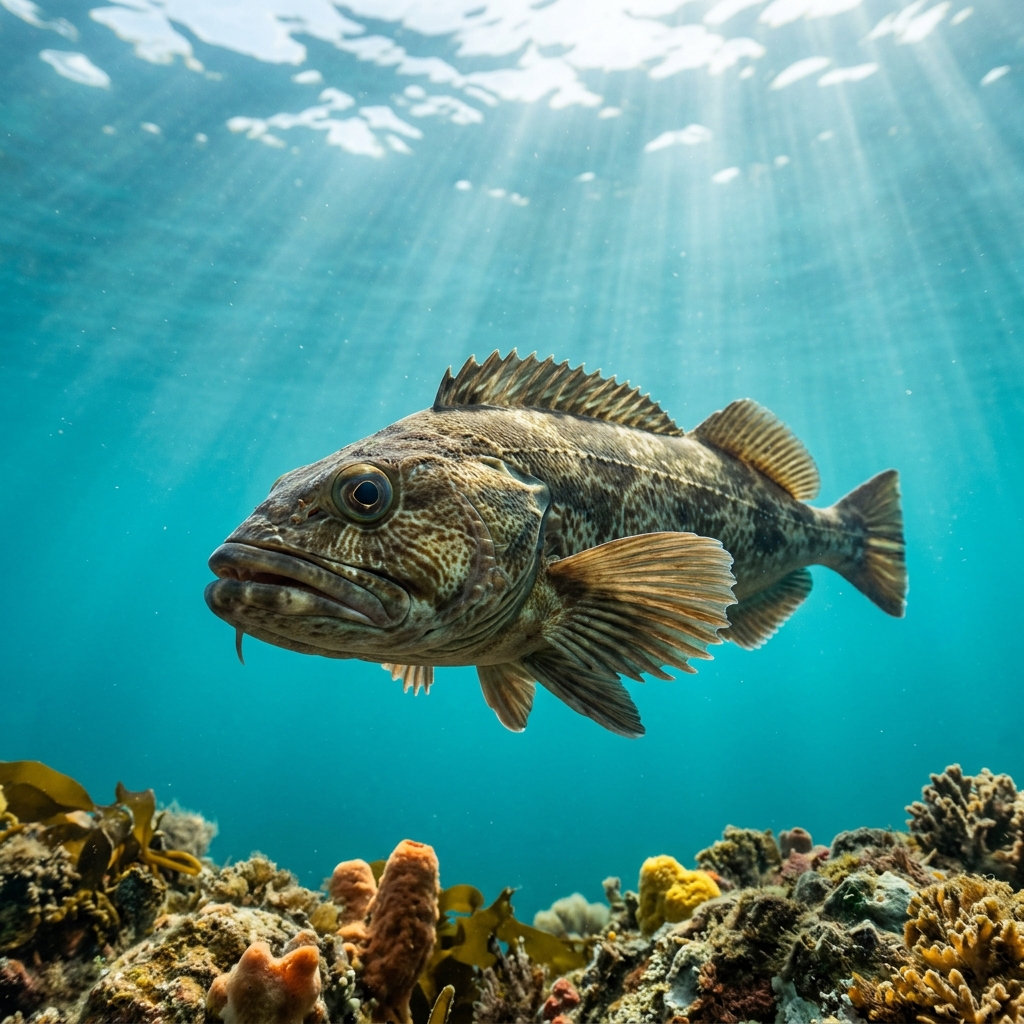
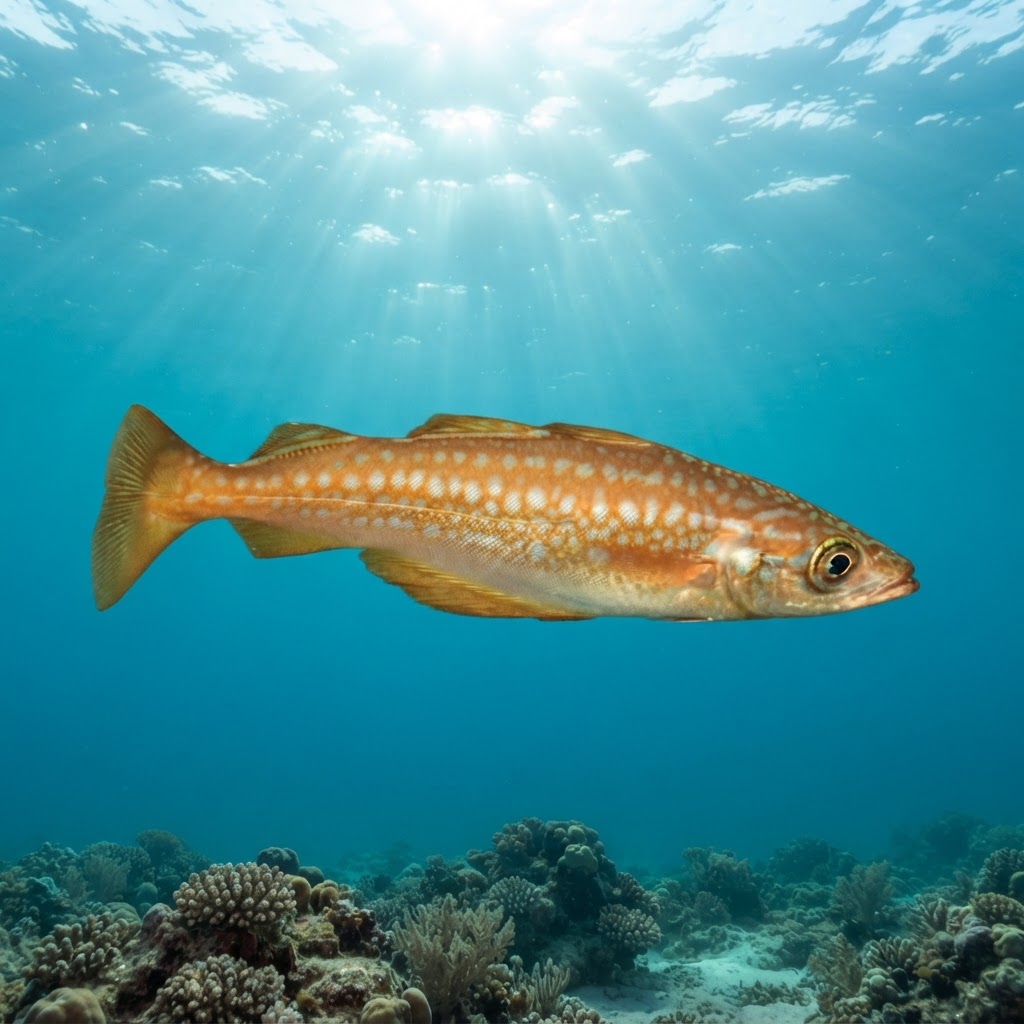
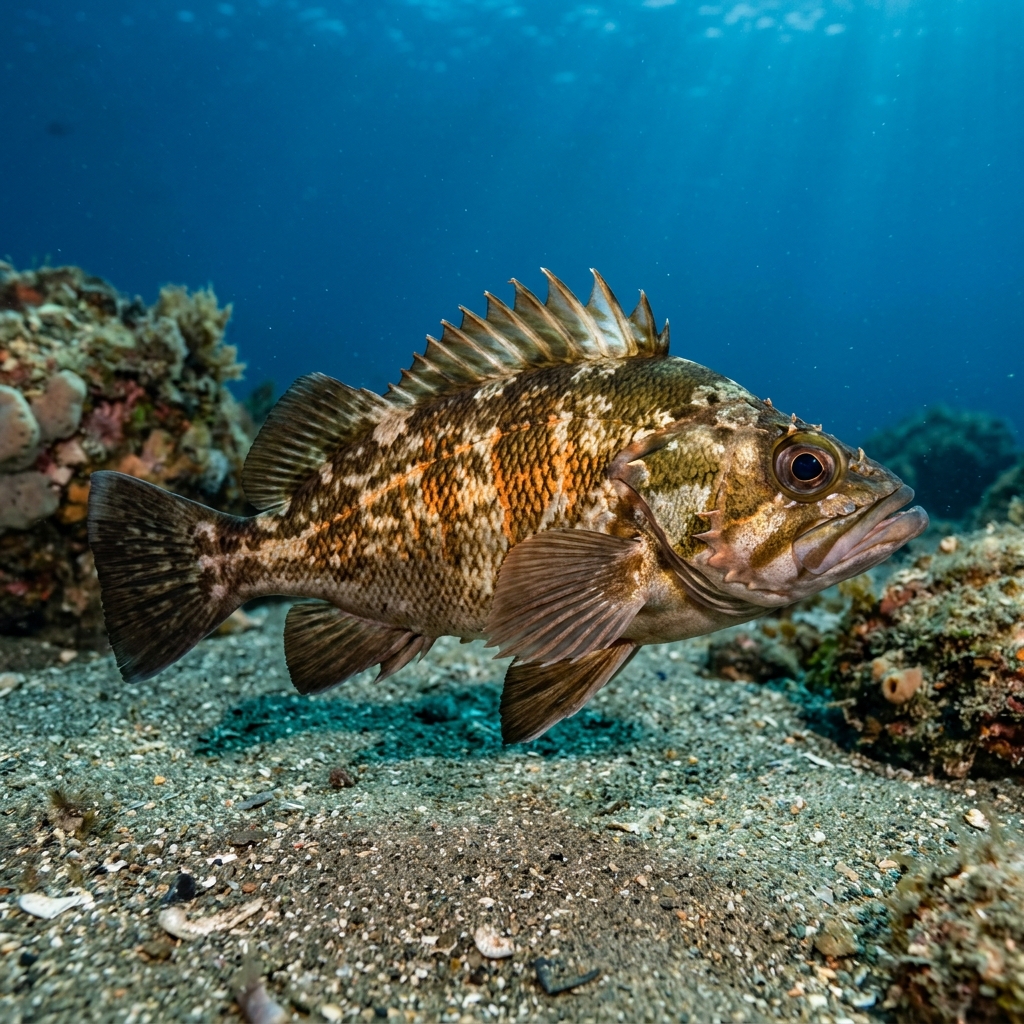
Reef neighbours a diver could mistake it for. Use the identification notes above to tell them apart.
Forkbeards are most commonly logged along European Atlantic coastlines, with particularly strong records in the French Riviera and Provence, the Costa Brava in Spain, and Brittany and Normandy in France. Canada is the other major hub, especially Nova Scotia and the Bay of Fundy and the St. Lawrence region. The United Kingdom, Norway, Italy, and Germany also return regular sightings.
Mapping where Phycid Hake is logged…
The strongest diving records come from the French Riviera and Provence, the Costa Brava, Brittany and Normandy, and the Nova Scotia and Bay of Fundy region of Canada. Norway and the UK also return reliable sightings. All are cool, temperate waters where this family thrives.
Sightings in the Northern Hemisphere peak between April and October. Outside those months encounters drop off noticeably, so spring through early autumn gives you the best chance.
Look for a long, pale to olive-brown fish with a continuous dorsal fin running most of its body and a small fleshy barbel beneath the chin. That chin barbel is the key feature separating forkbeards from superficially similar cod-like fish. They usually rest close to the seabed on rocky or mixed ground.
No. Forkbeards pose no risk to divers. They are calm fish that tend to hold their ground or move off slowly when approached.
Observed sightings span 3 to 18 °C, firmly placing this group in cold to cool temperate seas. That is why Europe's Atlantic coasts and eastern Canada dominate the dive records rather than warmer Mediterranean or tropical sites.
Site and sighting data is aggregated from diver logs, iNaturalist and GBIF. For taxonomy and conservation status:
Pouting
236 sites