Orthopristis chrysoptera
Spot pigfish across Florida, Cuba, and the Bahamas in waters from 15 to 28 °C. Here's how to find and recognise this calm, schooling grunt.
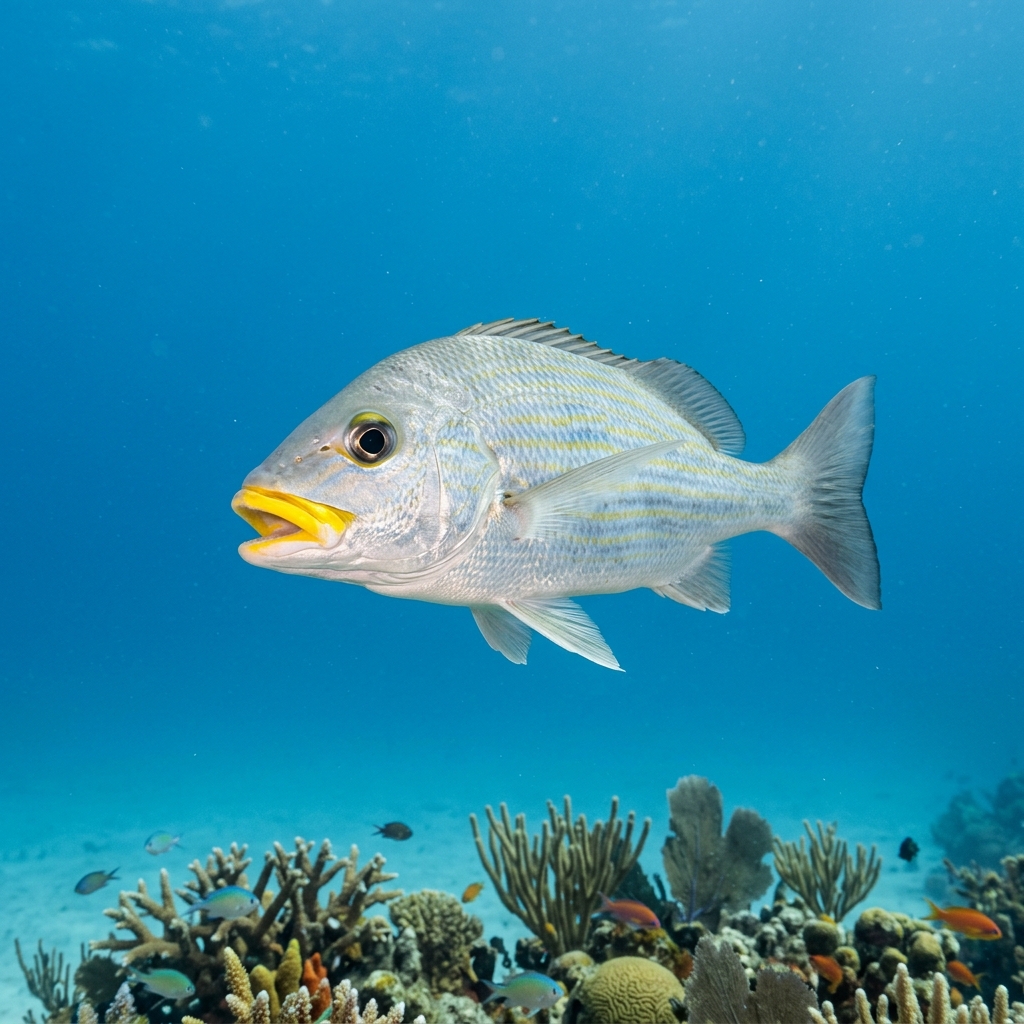
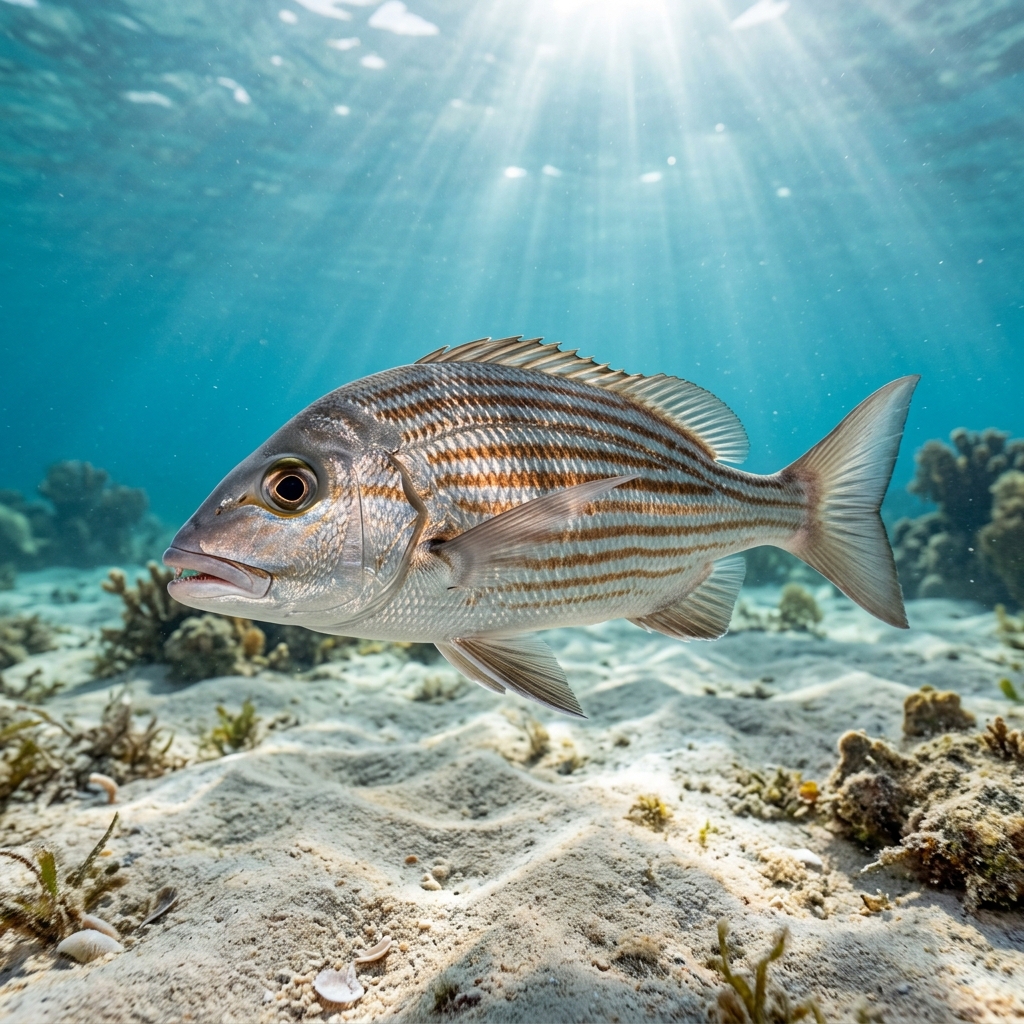
A stocky, mid-sized grunt reaching around 30 cm, the pigfish has a distinctive blunt, slightly upturned snout that gives it its name. Look for silvery-blue sides covered in rows of small orange-bronze spots that align into faint diagonal streaks, and a yellow-orange tinge to the fins. The body is deeper than many other grunts, and the head has a subtly pig-like profile that sets it apart once you know it.
Pigfish are diurnal (active during daylight hours), which means your best chance of watching them feed is on a daytime dive when groups work the sandy or rubble bottom, stirring up small invertebrates with their snouts. Schools tend to hold their position and carry on foraging even when divers approach, making relaxed observation easy. Watch for multiple fish working the same patch of seabed together, a loose cooperative style that keeps the action concentrated in one spot.
Pigfish produce audible grunting sounds by grinding their pharyngeal teeth (a second set of teeth in the throat), then amplifying the noise through the swim bladder. It's one of the few fish you might actually hear before you see.
No clear seasonal peak has emerged from sighting data, so pigfish can be treated as year-round residents within their range. They tolerate a fairly wide temperature window of roughly 15 to 28 °C, keeping them present on temperate and subtropical reefs across all seasons.
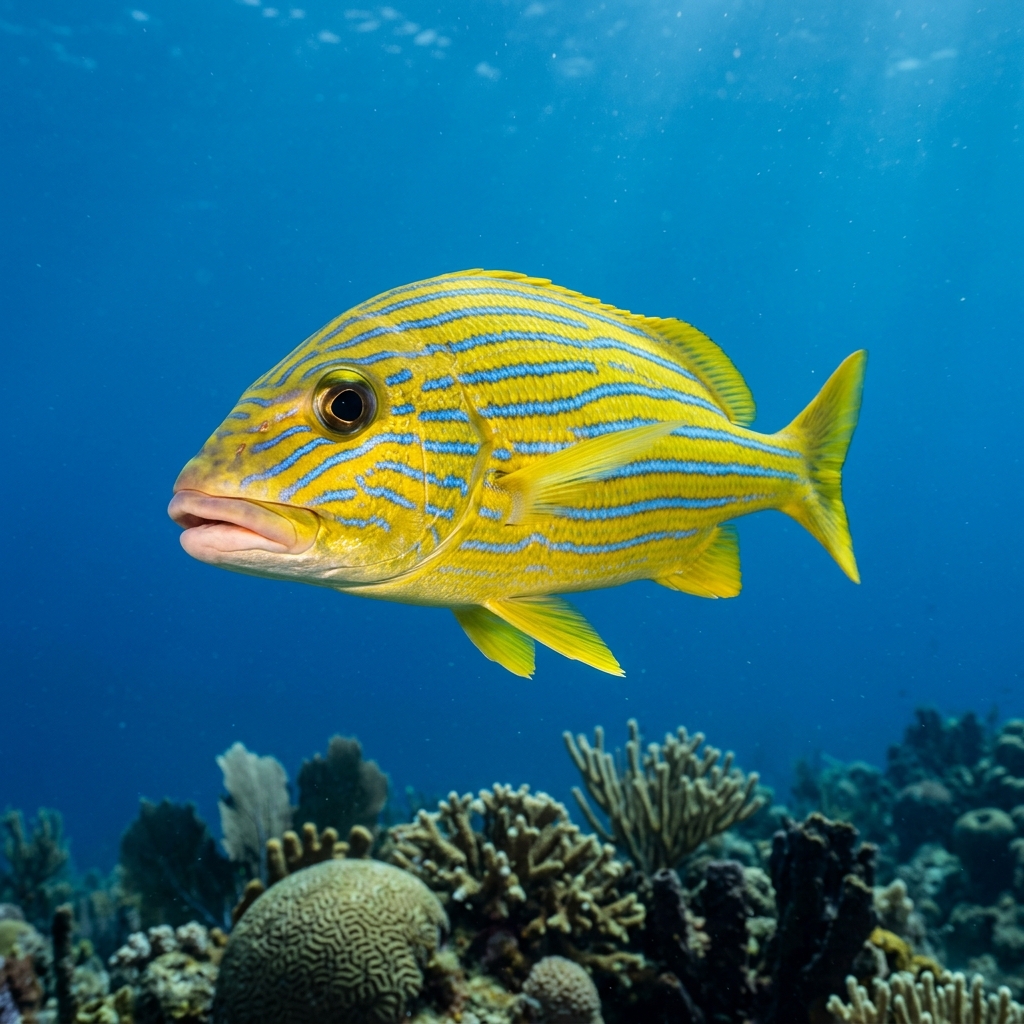
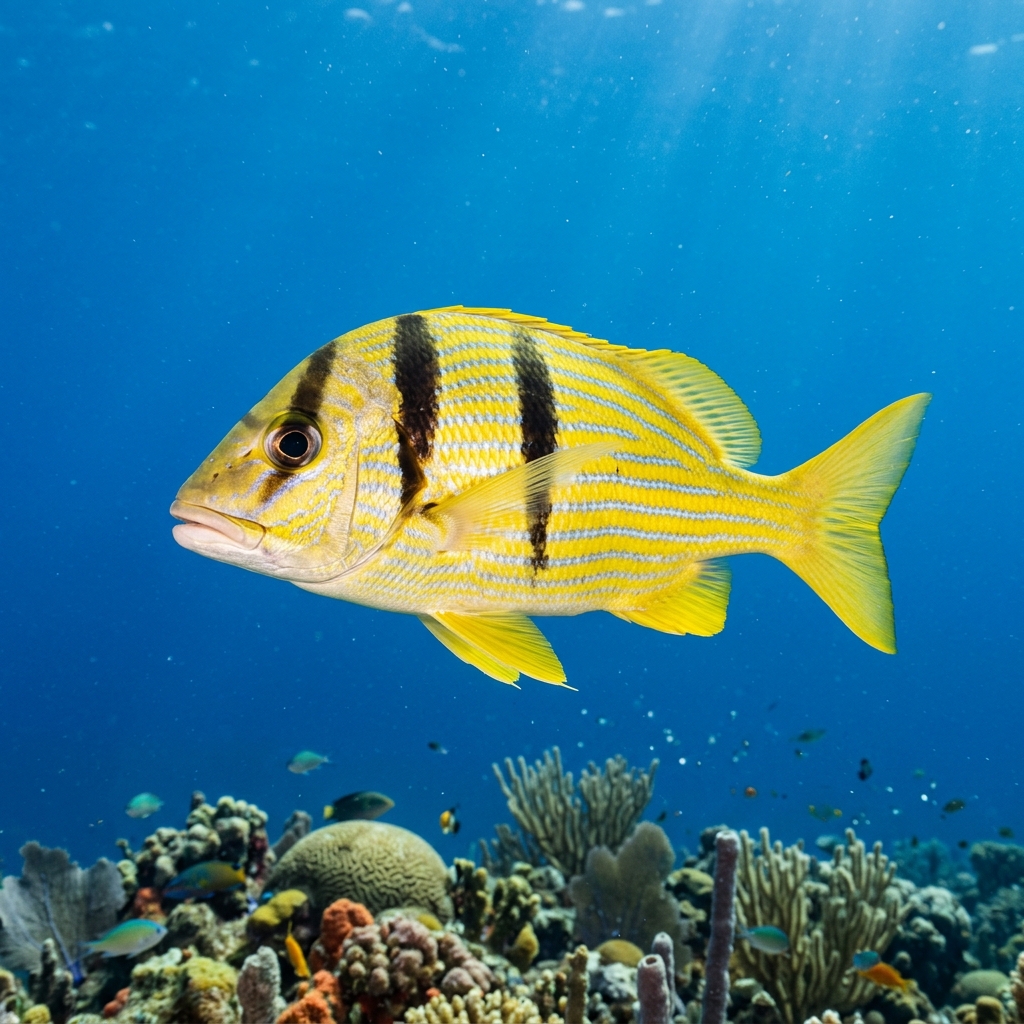
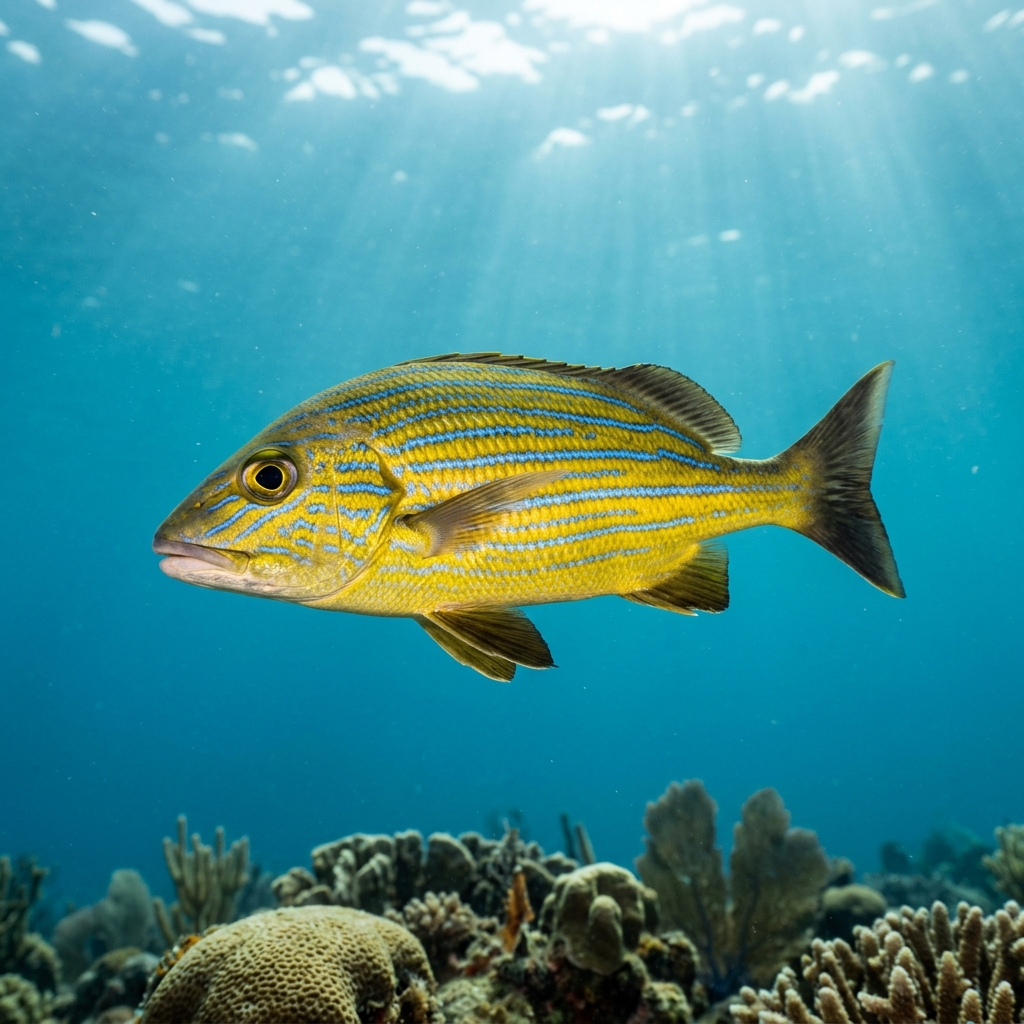
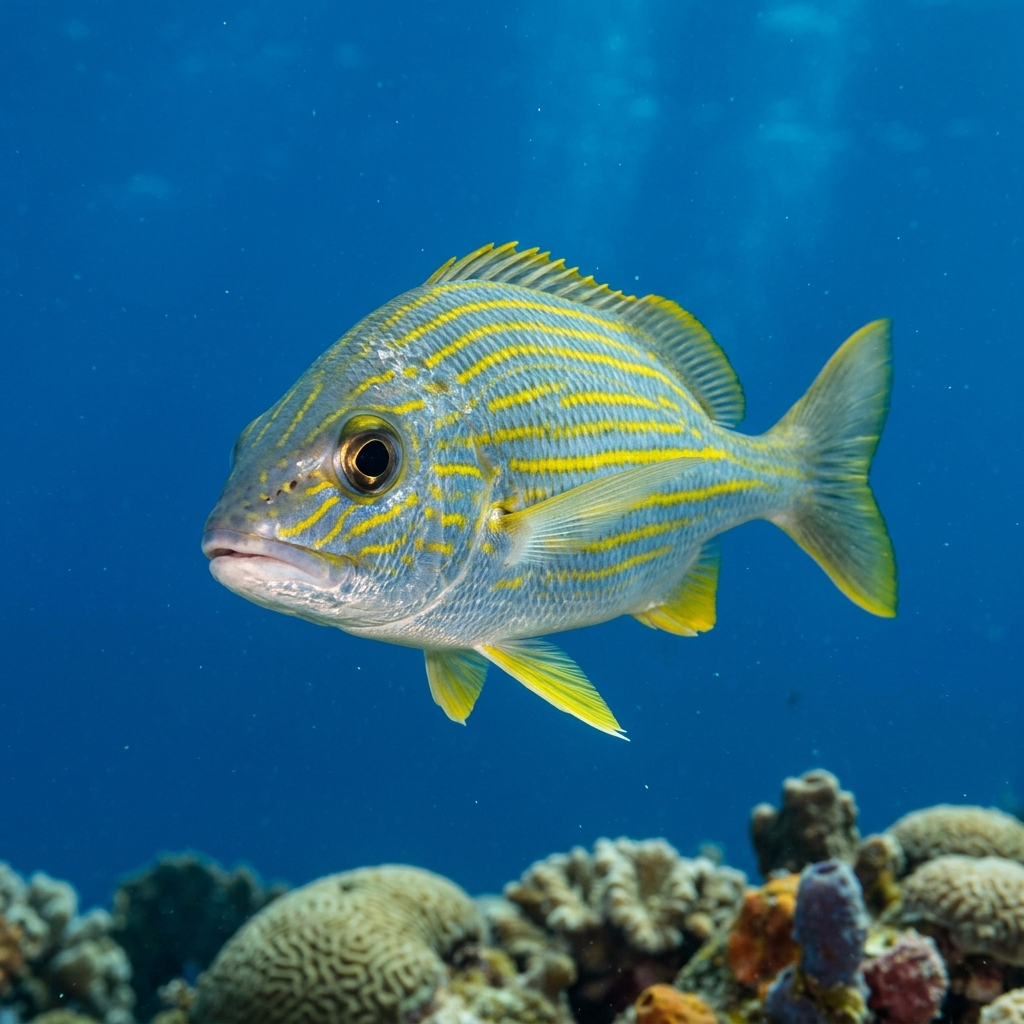
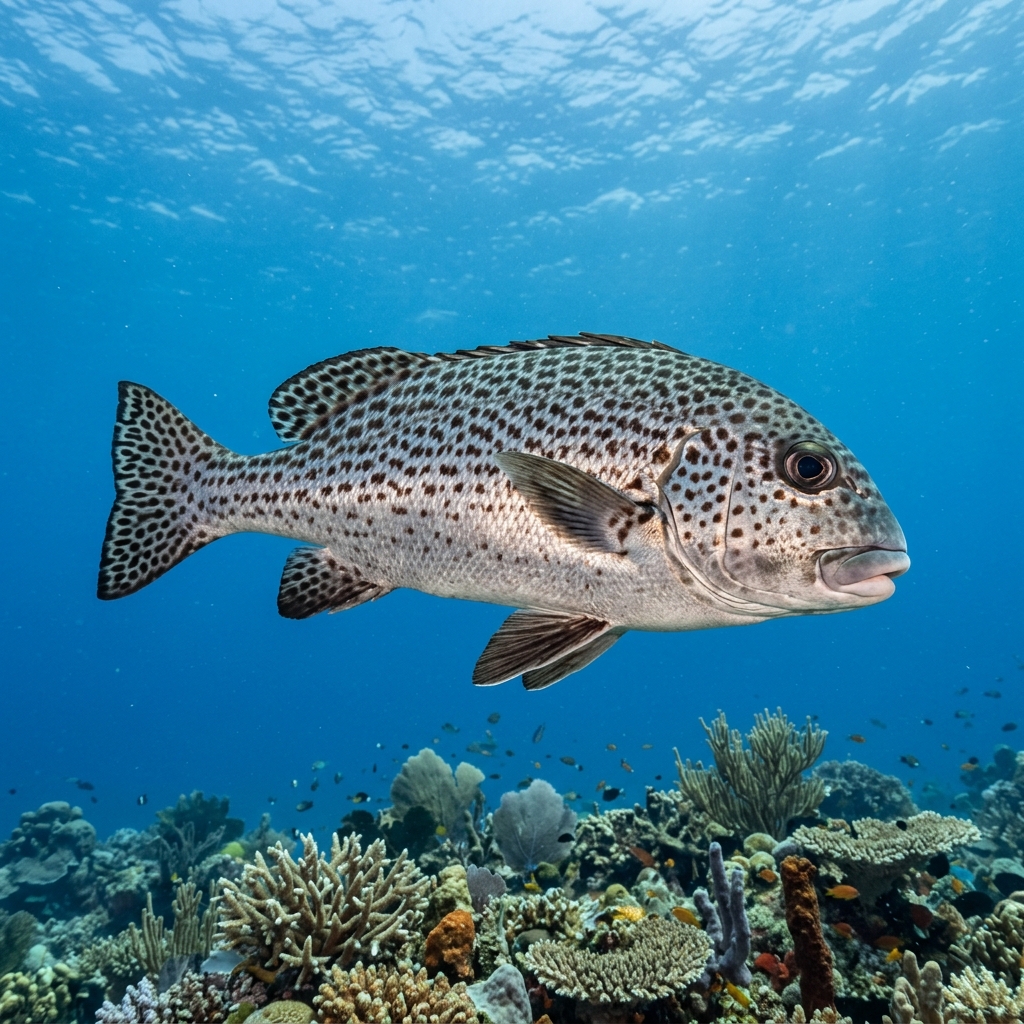
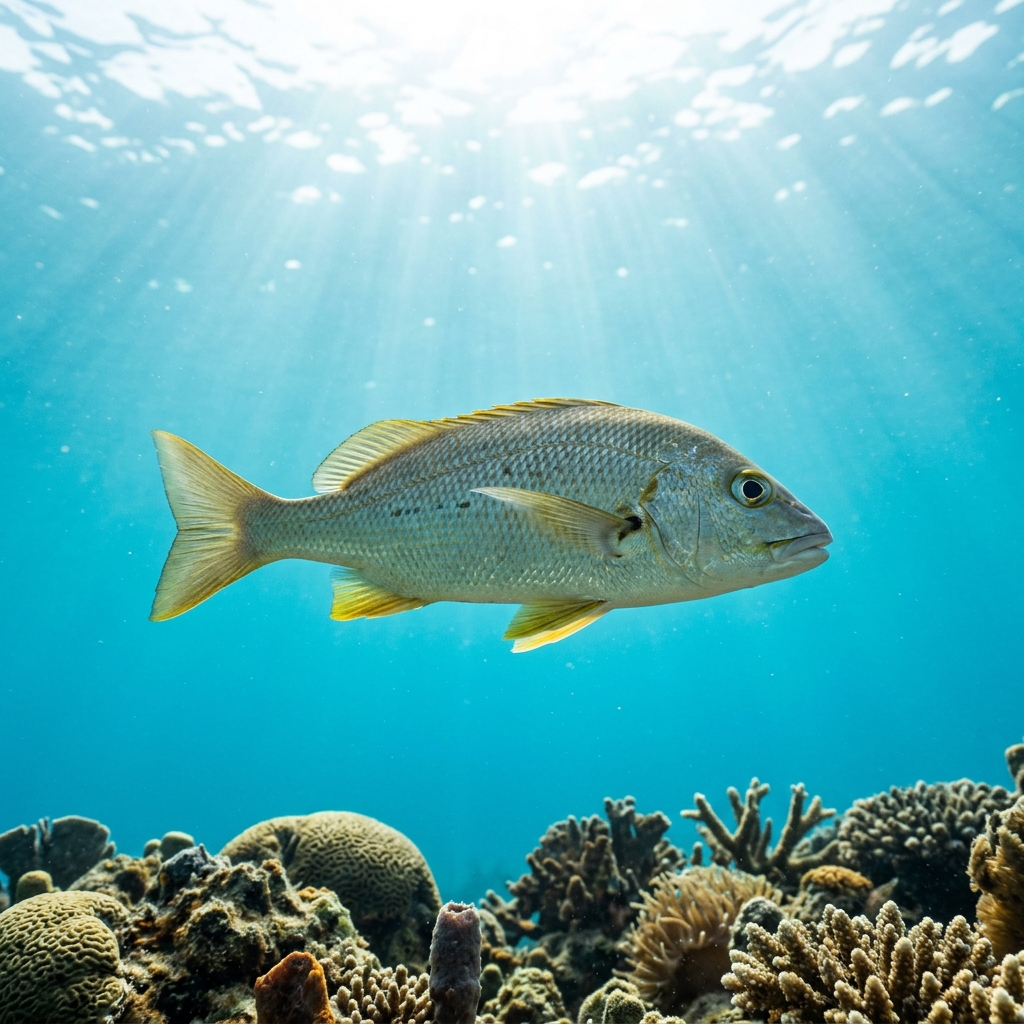
Reef neighbours a diver could mistake it for. Use the identification notes above to tell them apart.
The pigfish is most commonly logged along the US Atlantic seaboard and Gulf Coast, with Florida and the broader Southeast being by far the strongest region. Cuba, particularly around Jardines del Rey, and the Bahamas, especially Grand Bahama, also offer regular encounters. Venezuela and Belize round out the core Western Atlantic range where divers report sightings.
Mapping where Pigfish is logged…
Pigfish are a Western Atlantic species logged most frequently in Florida and the US Southeast, with solid representation in Cuba's Jardines del Rey, the Bahamas, and Venezuela. Belize and Mexico's Yucatán Peninsula are also reliable areas within their range.
Sighting data shows no defined seasonal peak, so pigfish are effectively year-round residents across their range. They tolerate water temperatures from around 15 to 28 °C, which keeps them on temperate and subtropical reefs in all seasons. Dive during the day for the best chance of catching them actively feeding.
Key in on the blunt, slightly upturned snout and the rows of orange-bronze spots on silvery-blue sides that form faint diagonal lines. The body is noticeably deep for a grunt, and the fins carry a yellow-orange wash. That pig-like nose profile is the quickest field mark once you've seen it once.
Most pigfish encountered on a dive are around 30 to 32 cm long. They are a mid-sized grunt, noticeably deeper-bodied than they are long, which gives them a chunky appearance in the water.
The name comes from both the blunt, pig-like snout and the grunting sounds the fish produce. Like all grunts, they grind their pharyngeal teeth together and amplify the vibration through the swim bladder, creating an audible grunt that divers with good hearing can sometimes detect underwater.
Site and sighting data is aggregated from diver logs, iNaturalist and GBIF. For taxonomy and conservation status:
Bluestriped Grunt
1,907 sites