
Alligator Reef offers a compact but varied reef system accessed entirely by boat from Islamorada. Sites range from shallow patches suited to beginners through to deep drop-offs and a purpose-sunk wreck that challenge advanced divers. Nurse Shark and Great Barracuda are reliably encountered across the reef, alongside a rich parrotfish and angelfish community. Conditions are warmest from late spring through early autumn.

Monthly water temperature across Alligator Reef's sites, from satellite sea-surface data corrected for depth. The band shows the site-to-site spread.
Water temperature climbs steadily from spring, peaking in late summer before easing through autumn. The warmest and most popular months run from late spring into early autumn, when conditions suit the widest range of divers. Currents vary by site: shallower reefs like Horseshoe Reef carry moderate flow, while the deep drop at Crater and the Thunderbolt Wreck demand solid buoyancy control.
6 more sites to explore
Water temperature around Alligator Reef ranges from about 24°C in January to 30°C in August, based on satellite sea-temperature data for its dive sites.
In the warm season (about 30°C) a rash guard or 3mm shorty is comfortable in Alligator Reef; in the coldest months (about 24°C) step up to a 3mm full suit.
Fin maps 14 sites in Alligator Reef (13 scuba diving sites and 5 snorkelling spots, with some suited to both).
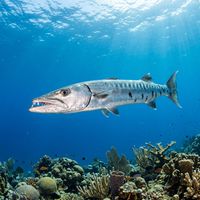
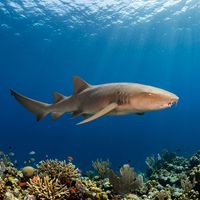
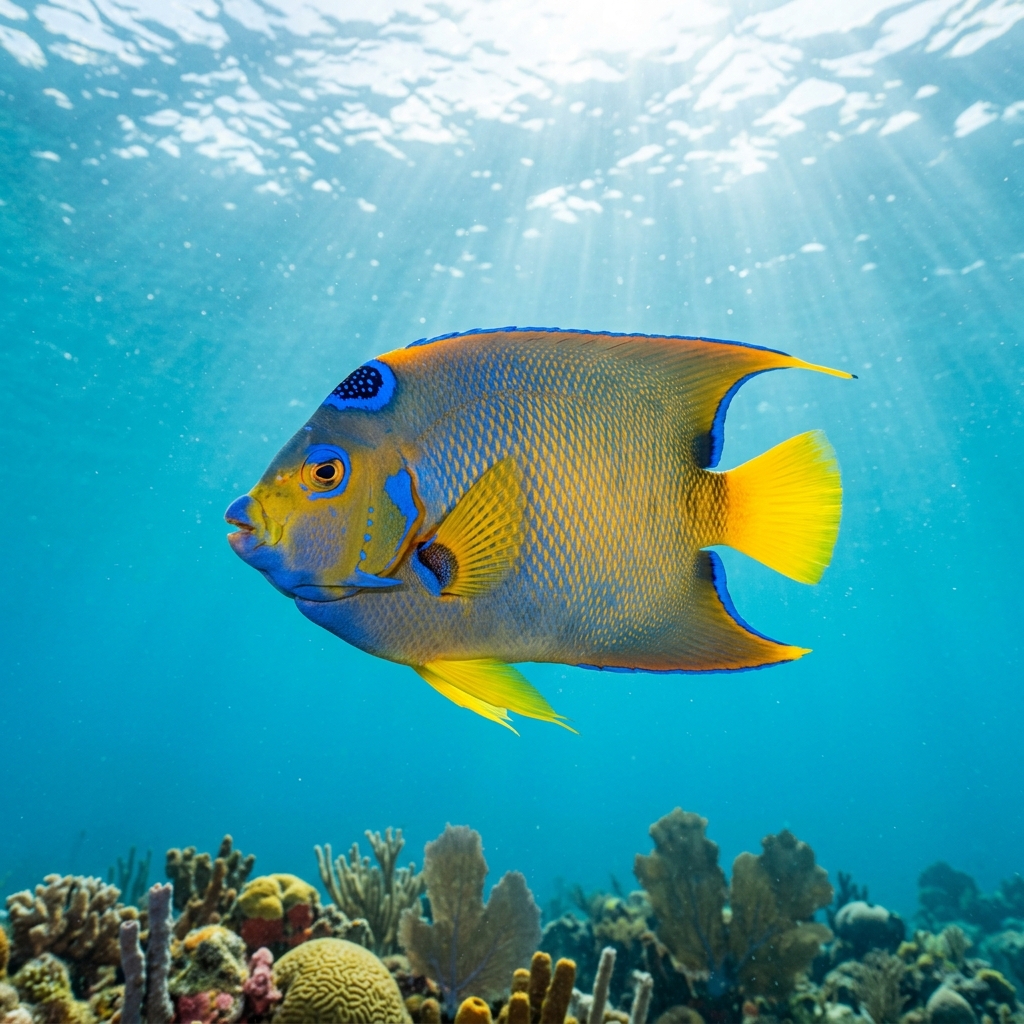
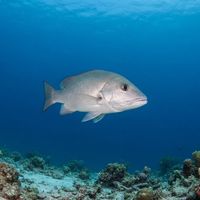
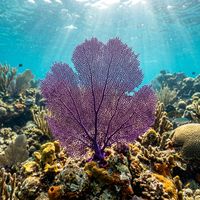
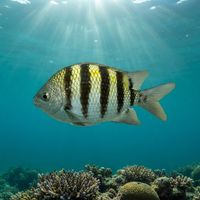
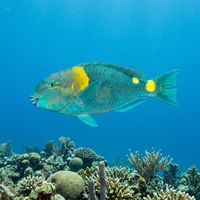
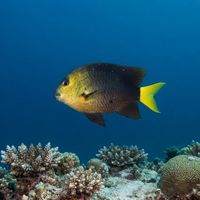
Gray Snapper and Great Barracuda are among the most consistently observed species across the reef. Nurse Shark are very commonly encountered, and parrotfish are well represented, with Stoplight Parrotfish, Yellowtail Parrotfish, and Queen Parrotfish all recorded. Queen Angelfish and Gray Angelfish are regular sightings, and Purple Sea Fan adds colour to the reef structure throughout.
A good portion of the sites at Alligator Reef are rated beginner level, including Recovery Room, Horseshoe Reef, and Coffins Patch. These shallow reefs are manageable for newly certified divers, though Horseshoe Reef does carry a moderate current worth noting. Advanced sites like Crater and the Thunderbolt Wreck are better left to experienced divers with appropriate certification.
All sites at Alligator Reef require boat access. Several operators based in the area run dive and snorkel trips, including Captain Hook's Marina and Dive Center, Abyss Dive Center, and A Deep Blue Scuba Diving and Snorkelling Center. Booking with a local operator is straightforward and they can match you to sites appropriate for your experience level.
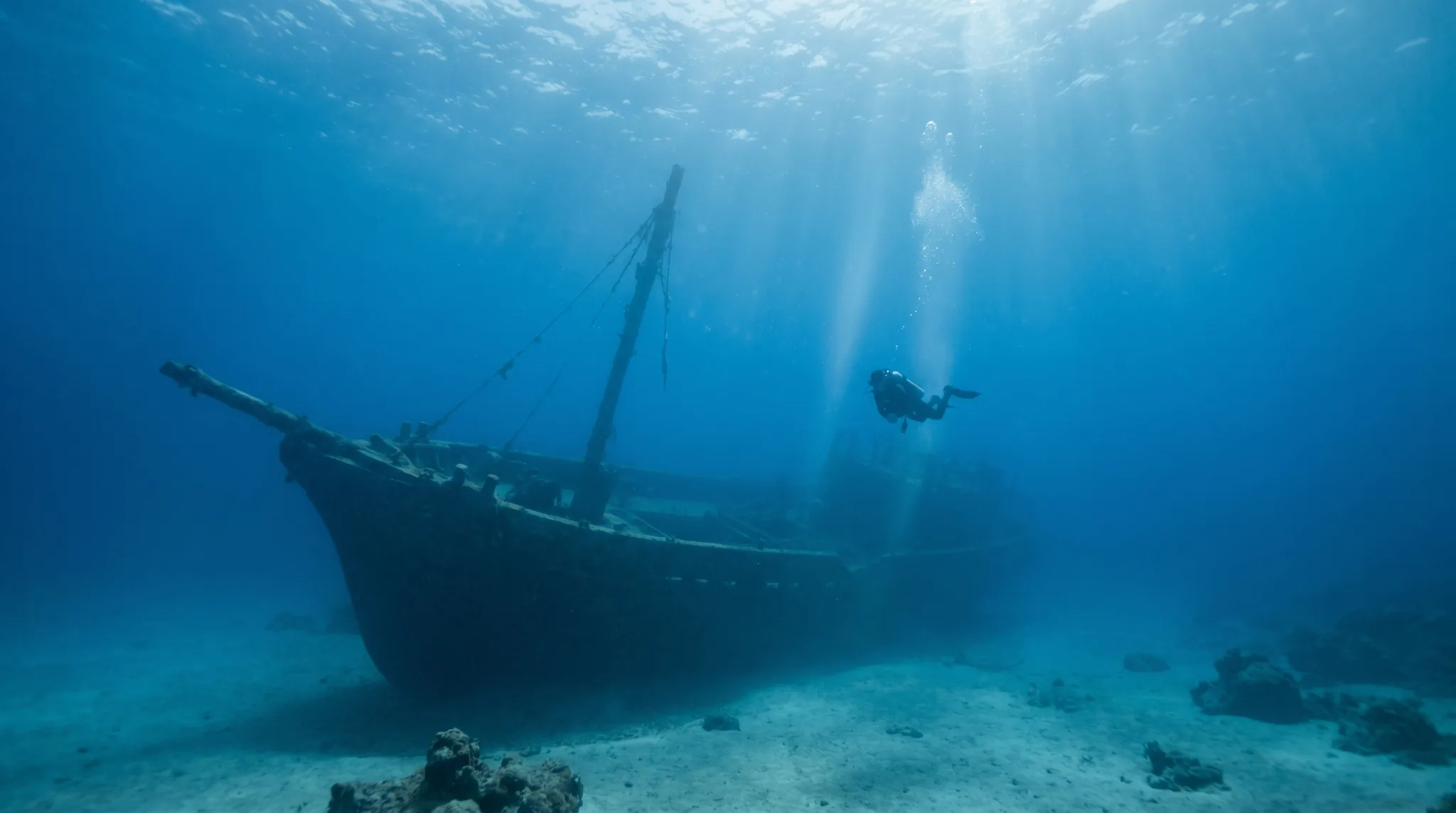
The Thunderbolt is a purpose-sunk vessel resting on a sandy bottom at depth, making it one of the more demanding sites in the area. It is rated advanced and requires wreck certification as well as precise buoyancy control. Divers comfortable at depth will find it a rewarding site with a distinct character compared to the surrounding natural reef.