Clibanarius tricolor
Bright blue legs and a shy retreat into its shell: find this tiny hermit crab year-round across the Yucatán and Florida shallows.
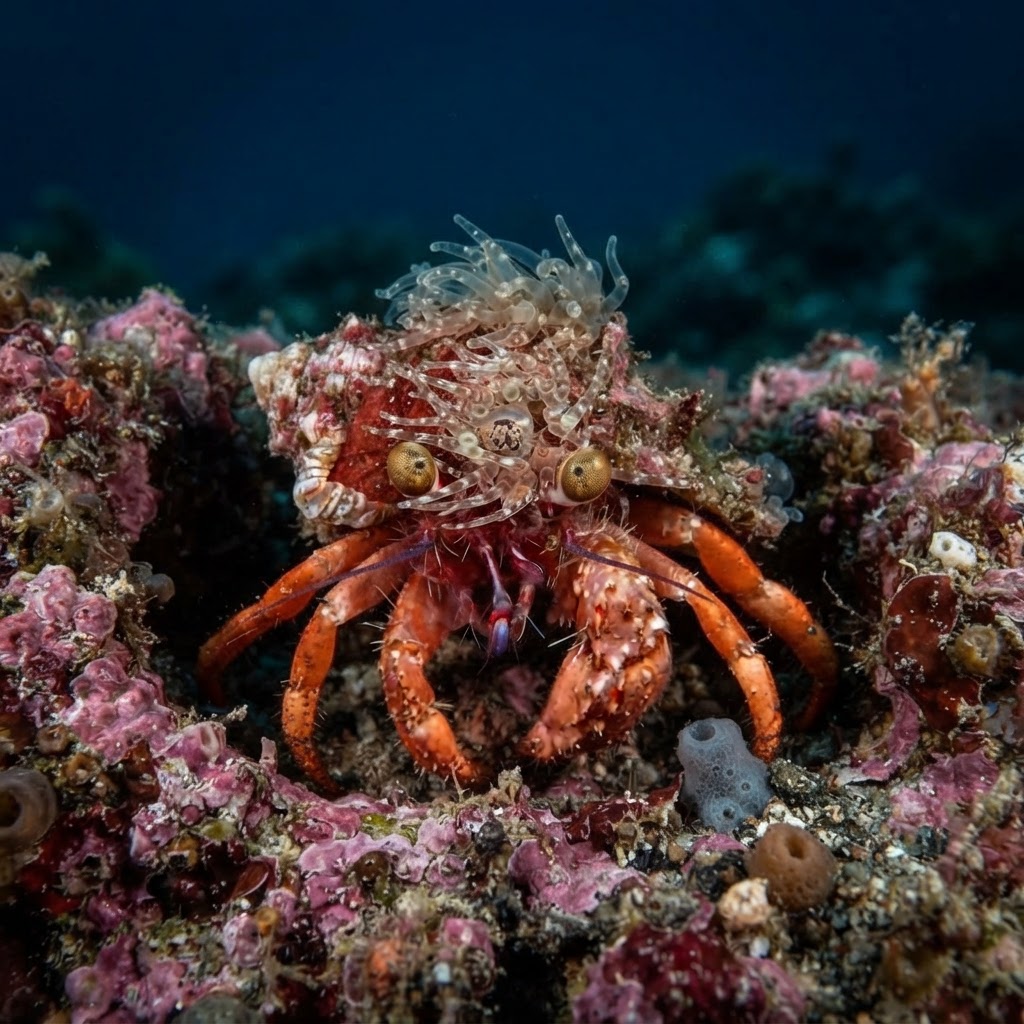
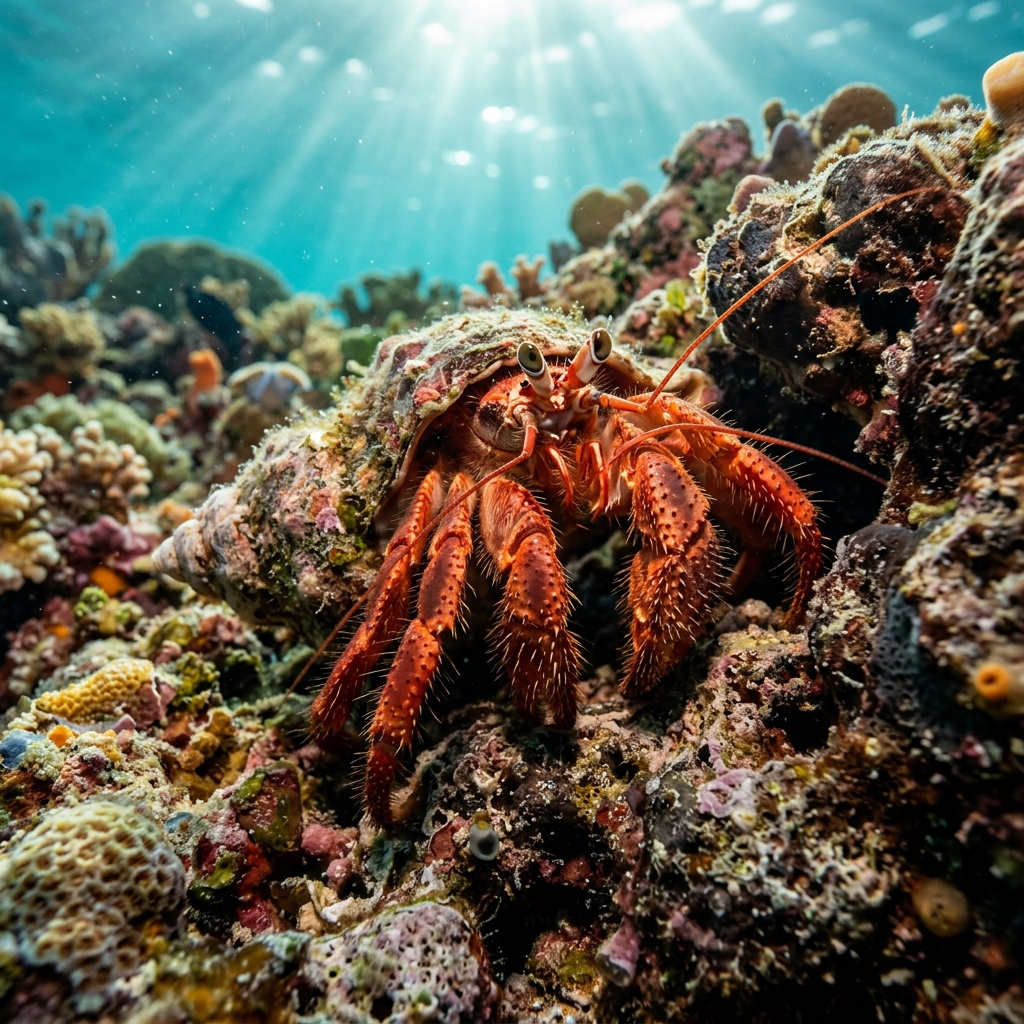
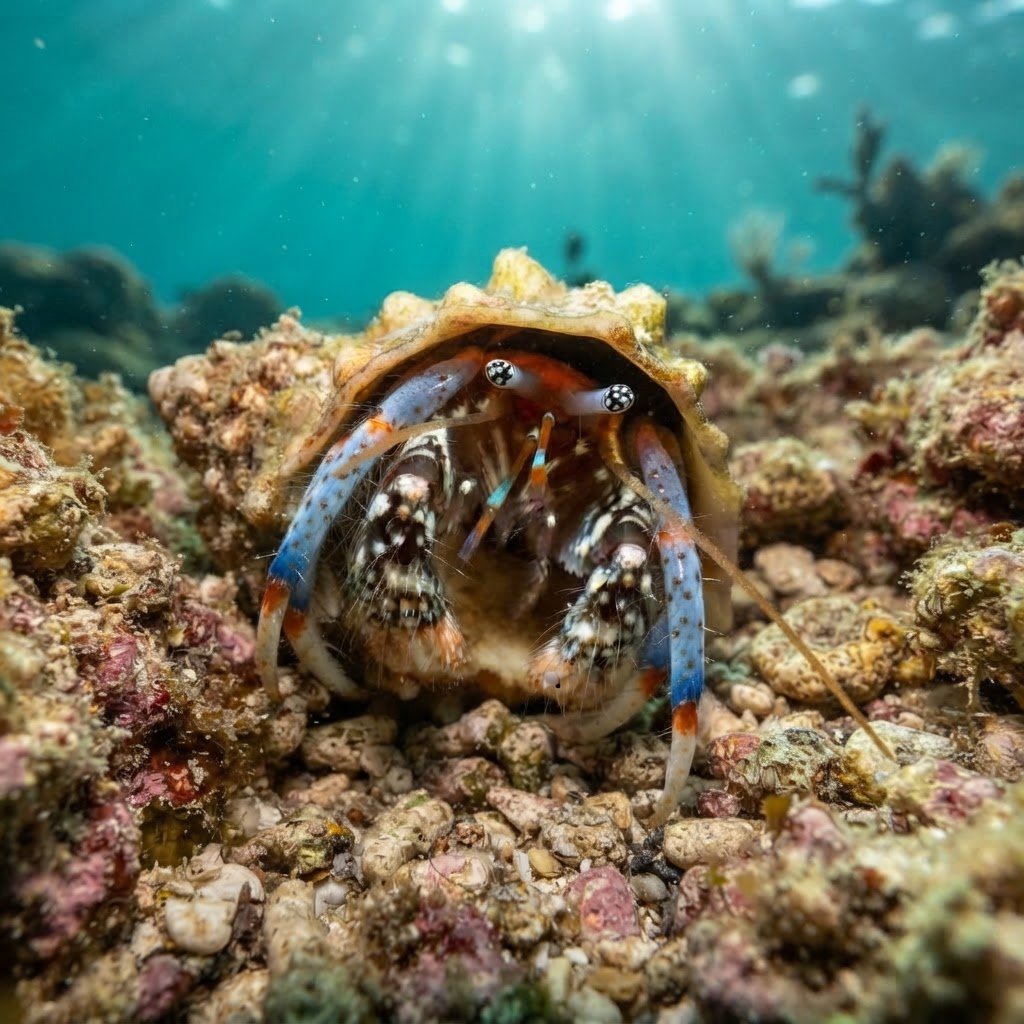
Look for a small crab with a spiral shell body and legs in a striking electric blue, banded with darker rings near the joints. The claws are usually orange or tan, giving a two-tone contrast against the blue legs that makes it easy to pick out against algae and rubble. It stays low on the reef floor and tucks fully inside its shell the moment it feels threatened, so patience helps more than speed when trying to get a look.
Divers usually spot it picking through algae and detritus on rubble patches, rocky crevices, and shallow reef edges rather than out in the open. It moves slowly and deliberately, and at the first sign of a diver's shadow or a curious hand it withdraws into its shell and waits things out. Because it favours very shallow water, it is as much a snorkeling find as a scuba one, often seen in the same swim as anemones and small reef fish.
Like other hermit crabs, it has to trade up shells as it grows, and on a reef with limited empty shells this creates a bit of underwater real-estate competition between individuals.
Sightings show no real seasonal pattern, and with a comfortable temperature range of roughly 25 to 31 C, it stays active on shallow tropical reefs all year round. Any month works, though it is most often noticed on shallow snorkels and the start of dives in the top 3 metres.
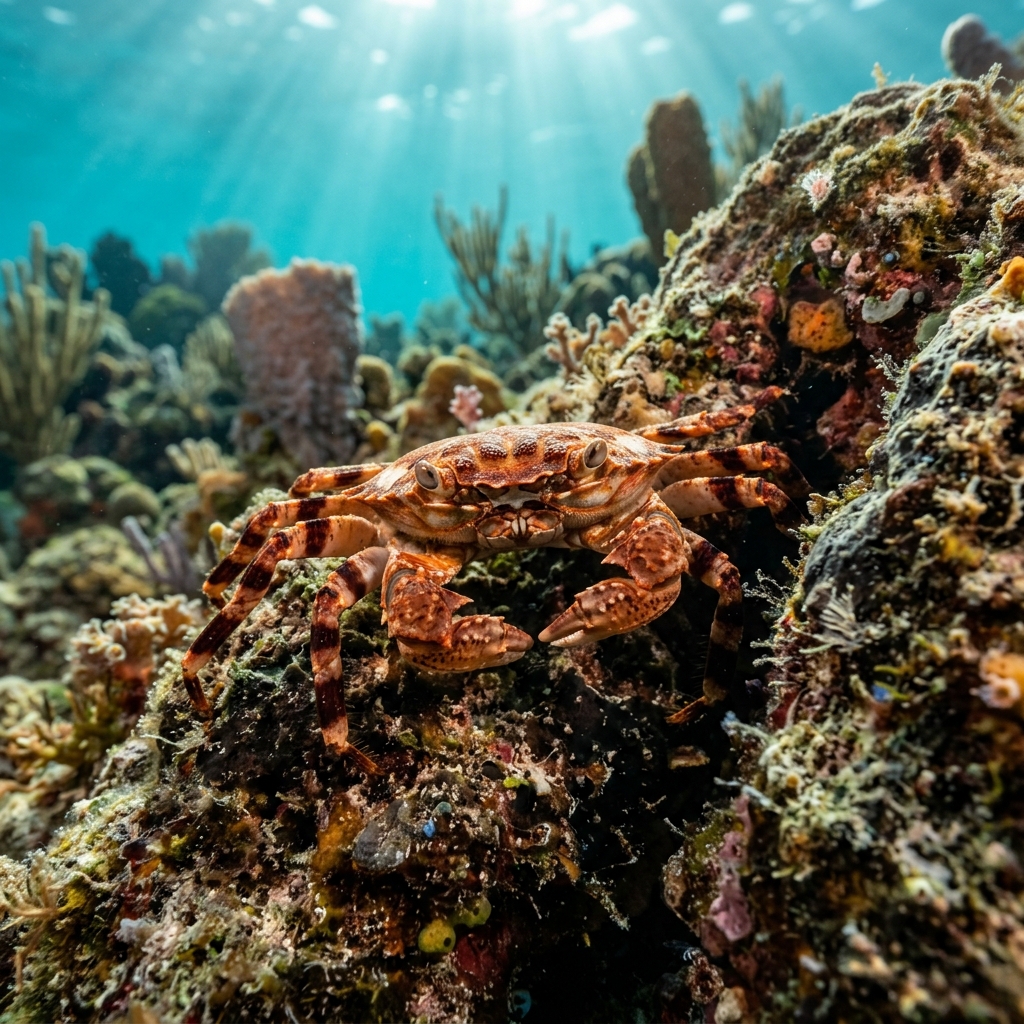
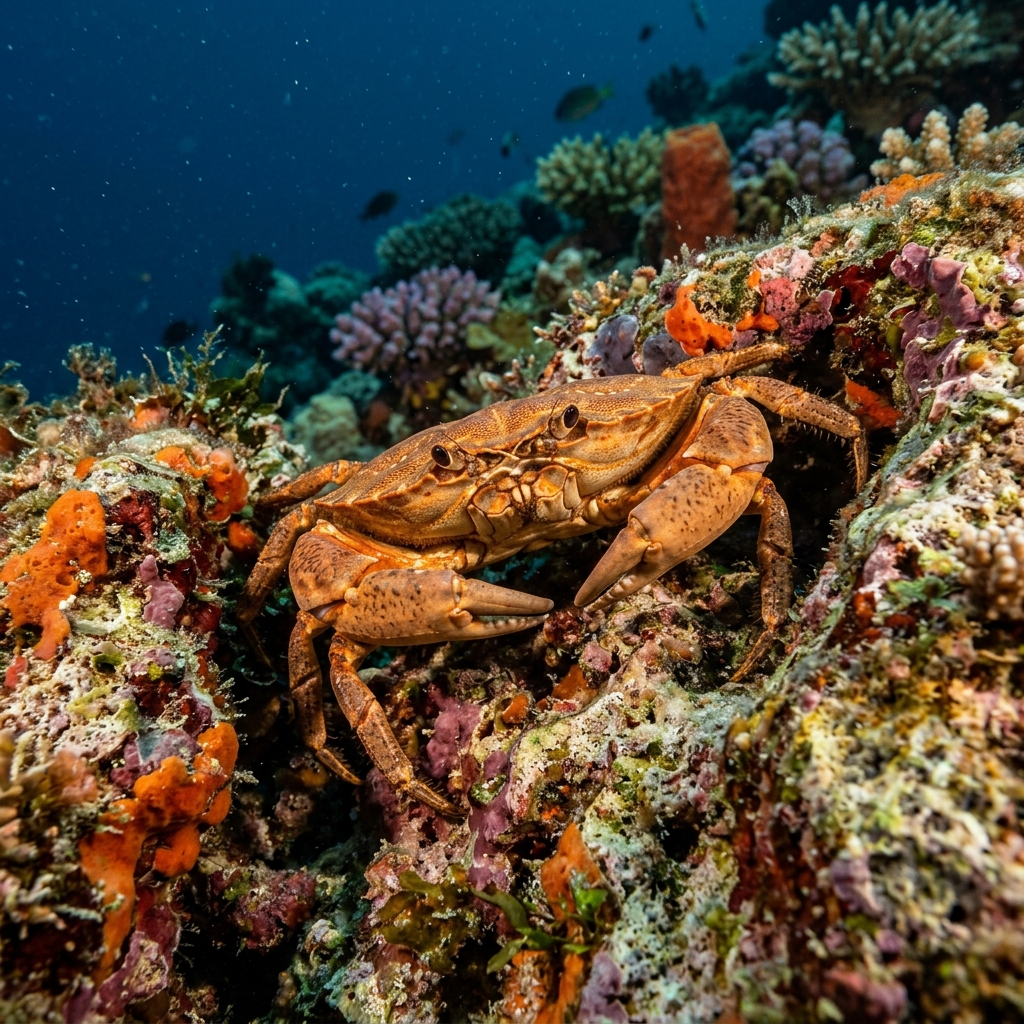
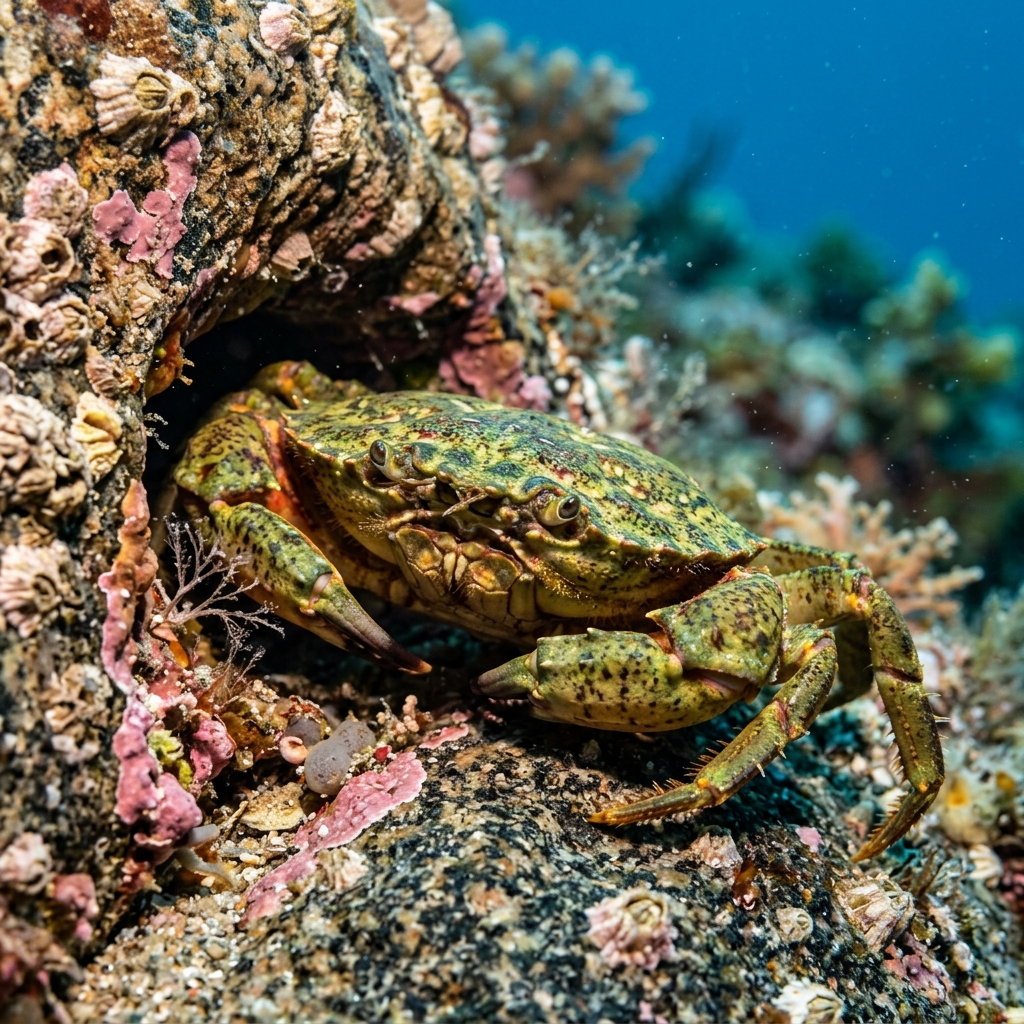
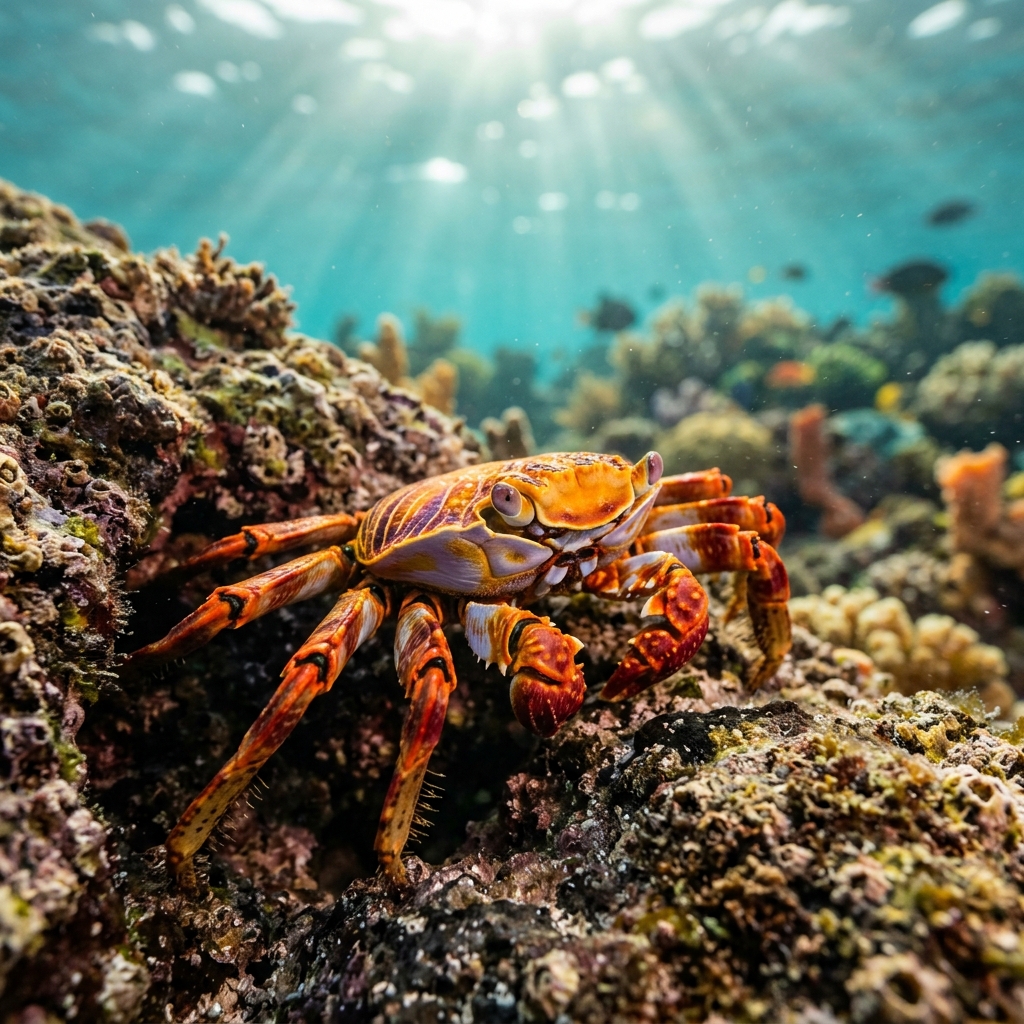
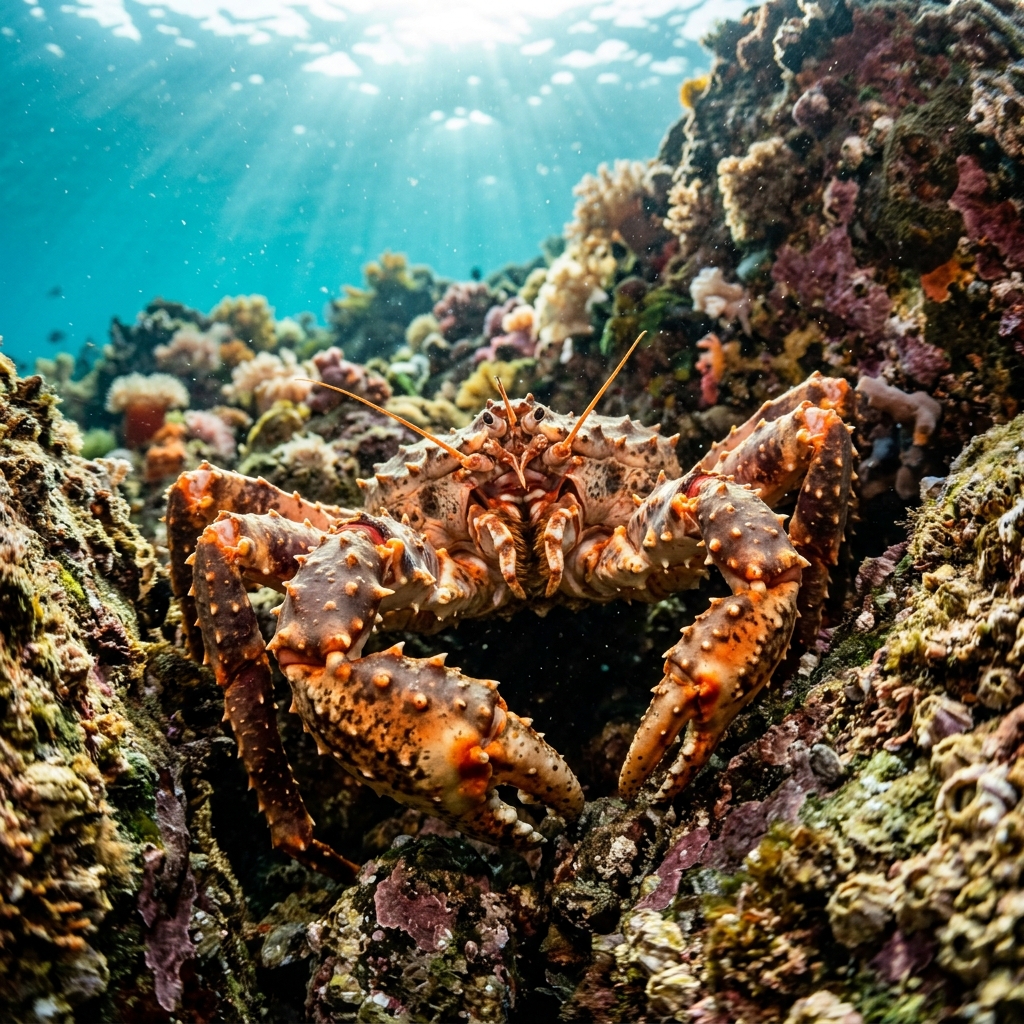
Reef neighbours a diver could mistake it for. Use the identification notes above to tell them apart.
The Yucatán Peninsula in Mexico is by far the most reliable place to find this hermit crab, with strong showings also logged around Florida in the United States and Boca Chica in the Dominican Republic. It also turns up consistently in shallow water around Grand Cayman, the British Virgin Islands, Dominica, Curacao, and Bonaire, making it a widespread find across Caribbean and western Atlantic dive and snorkel sites.
Mapping where Blue-legged Hermit Crab is logged…
It is most reliably found in the Yucatán Peninsula in Mexico, and is also a regular sighting in Florida, the Dominican Republic, Grand Cayman, the British Virgin Islands, Dominica, Curacao, and Bonaire.
There is no strong season for this species. It tolerates a wide temperature range of roughly 25 to 31 C, so it is present on shallow Caribbean reefs and flats year-round.
Check for a small crab with bright blue banded legs, orange or tan claws, and a spiral shell it retreats into when disturbed. It stays low on rubble and algae-covered bottom rather than swimming in open water.
No. It is a harmless, shy scavenger that withdraws into its shell rather than confronting anything, including divers.
They are a small hermit crab species, typically only a few centimetres across including legs, easy to overlook unless you are specifically scanning shallow rubble and algae.
As it grows it must find and move into progressively larger empty shells, which means individuals sometimes compete or even swap shells with one another on crowded reef patches.
Site and sighting data is aggregated from diver logs, iNaturalist and GBIF. For taxonomy and conservation status:
European Green Crab
2,469 sites