Stegastes adustus
Small dusky-brown reef guard fish common in Florida, Grenada and the Yucatán, usually spotted at 0-3m year-round.
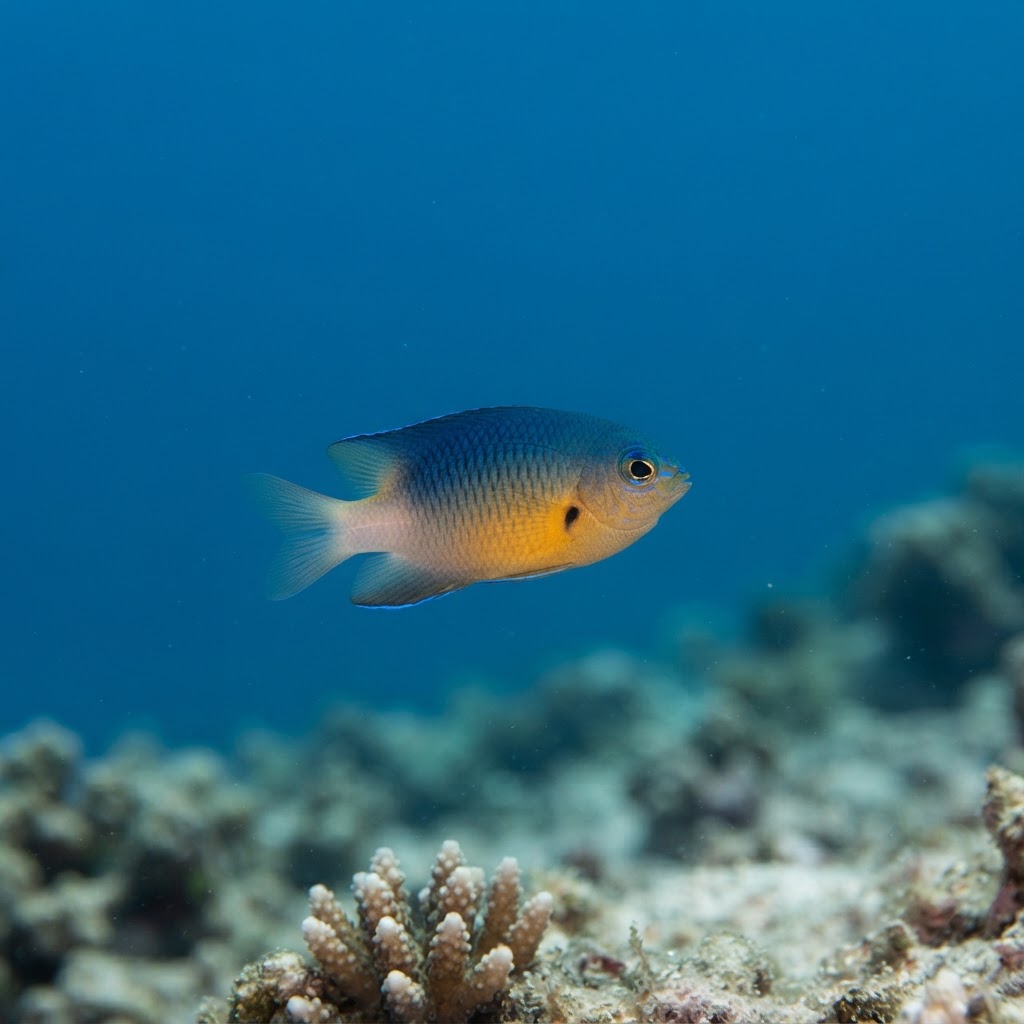
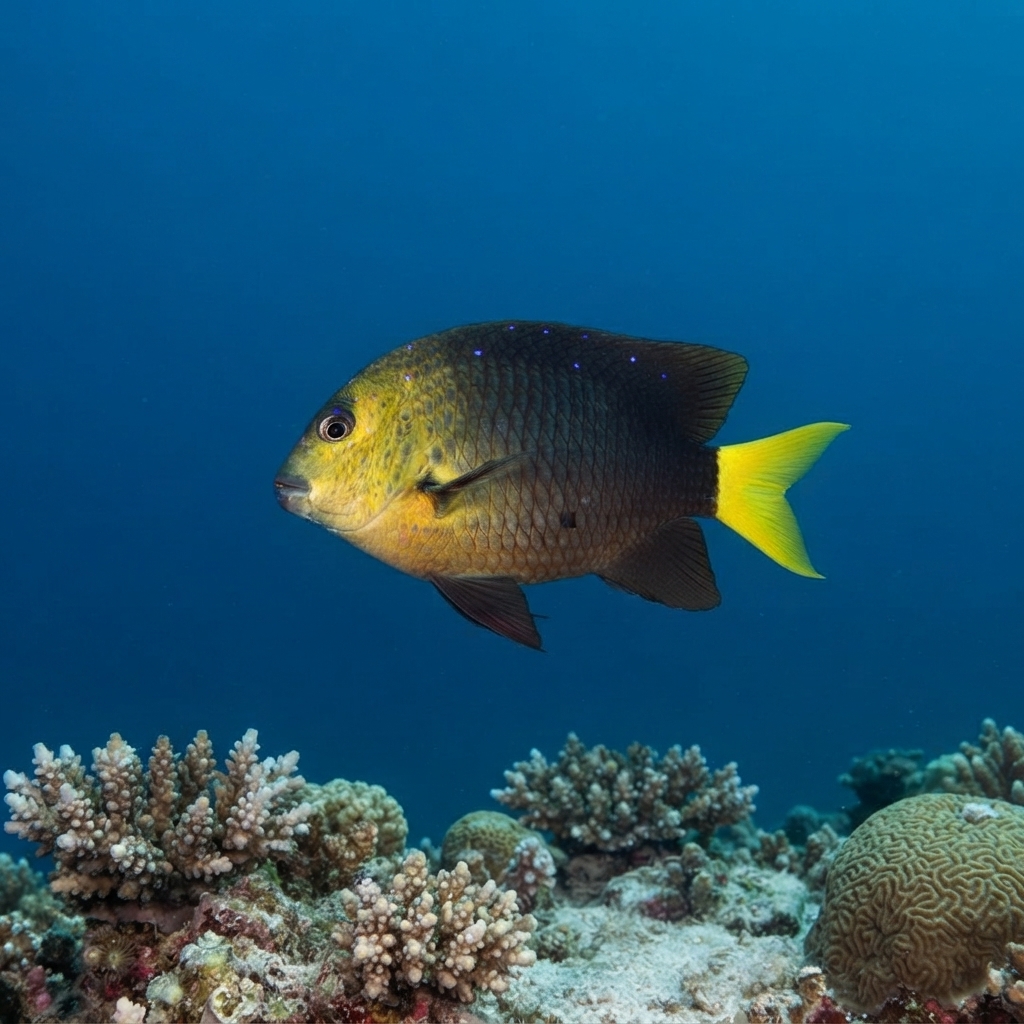
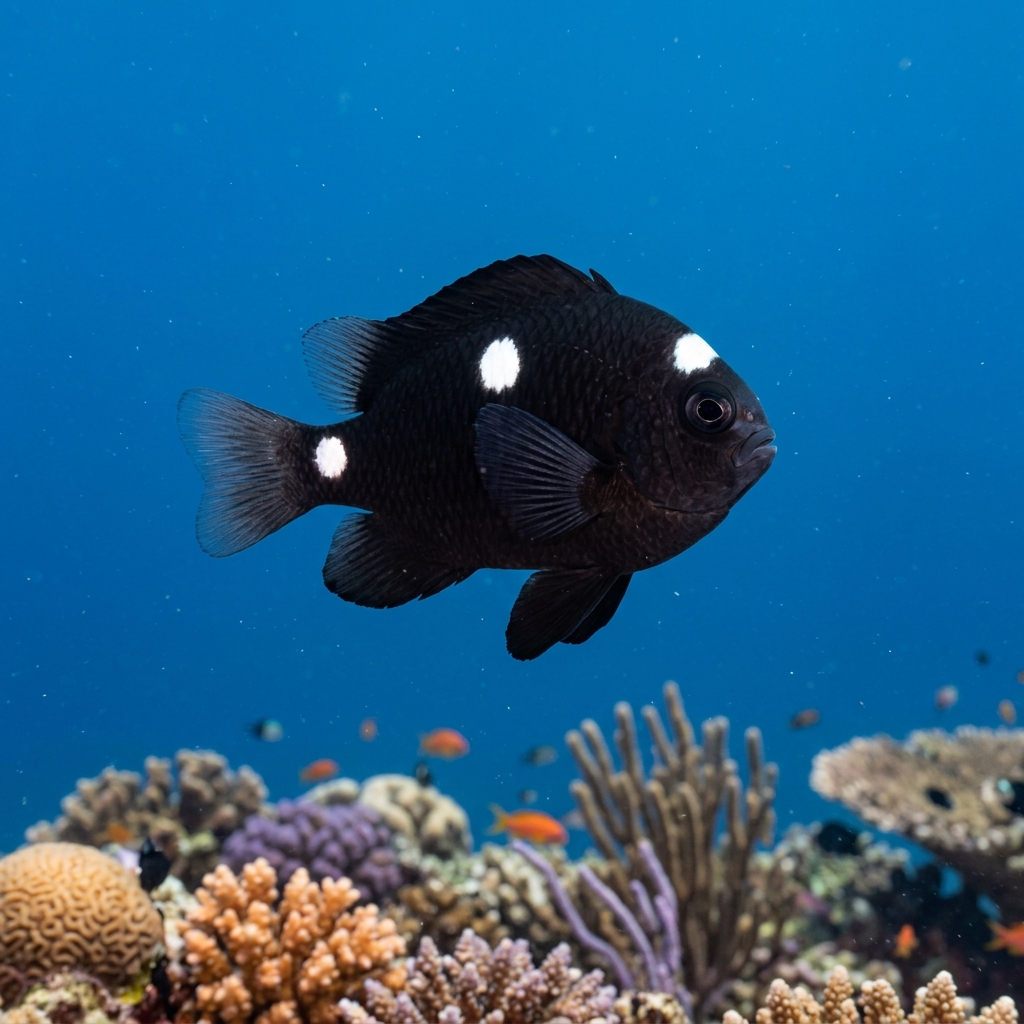
A small, deep-bodied fish around 10 cm, dusky grey-brown overall with faint mottling that can look almost uniform in shaded light. It has a compact, oval profile typical of damselfish, with a small mouth built for grazing algae off rock and coral rubble. Look for it hovering close to a patch of reef it seems to defend rather than swimming freely across open water.
Expect to find it parked over a small patch of reef rock or rubble in less than 3 metres of water, nipping at an algae mat it treats as its own territory. It is a scrappy little defender and will dart at intruders, divers included, if you get too close to its patch rather than fleeing like most reef fish. Most sightings are logged as uncommon rather than abundant, so it is a nice find on a shallow reef flat or snorkel swim rather than something you will see in numbers.
Like other Stegastes damselfish, it cultivates and defends a personal algae patch on the reef, effectively farming its own food supply and chasing off anything that tries to graze it, including much larger fish.
No strong seasonal pattern shows up in sightings, and with a comfortable range of 26.2 to 28.3 C on the reefs it dives, it is present year-round rather than tied to a particular month.
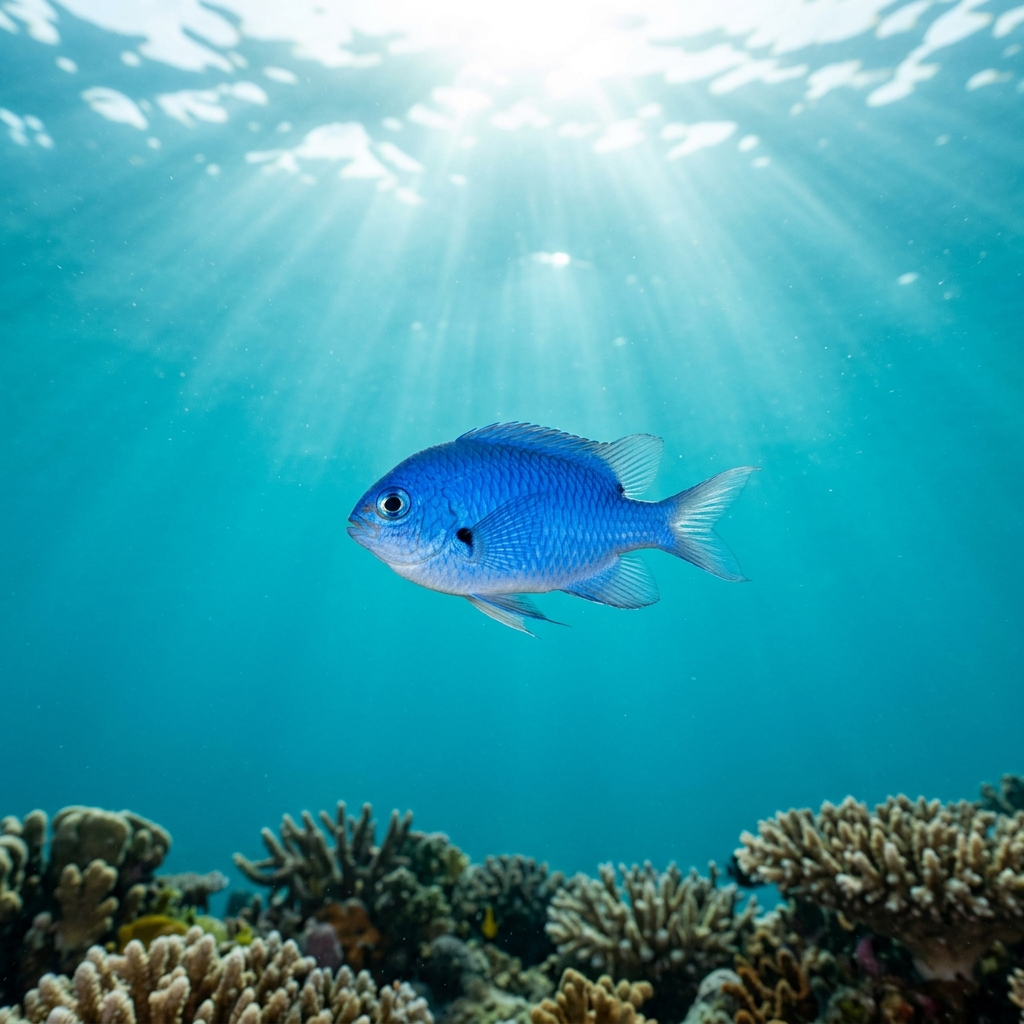
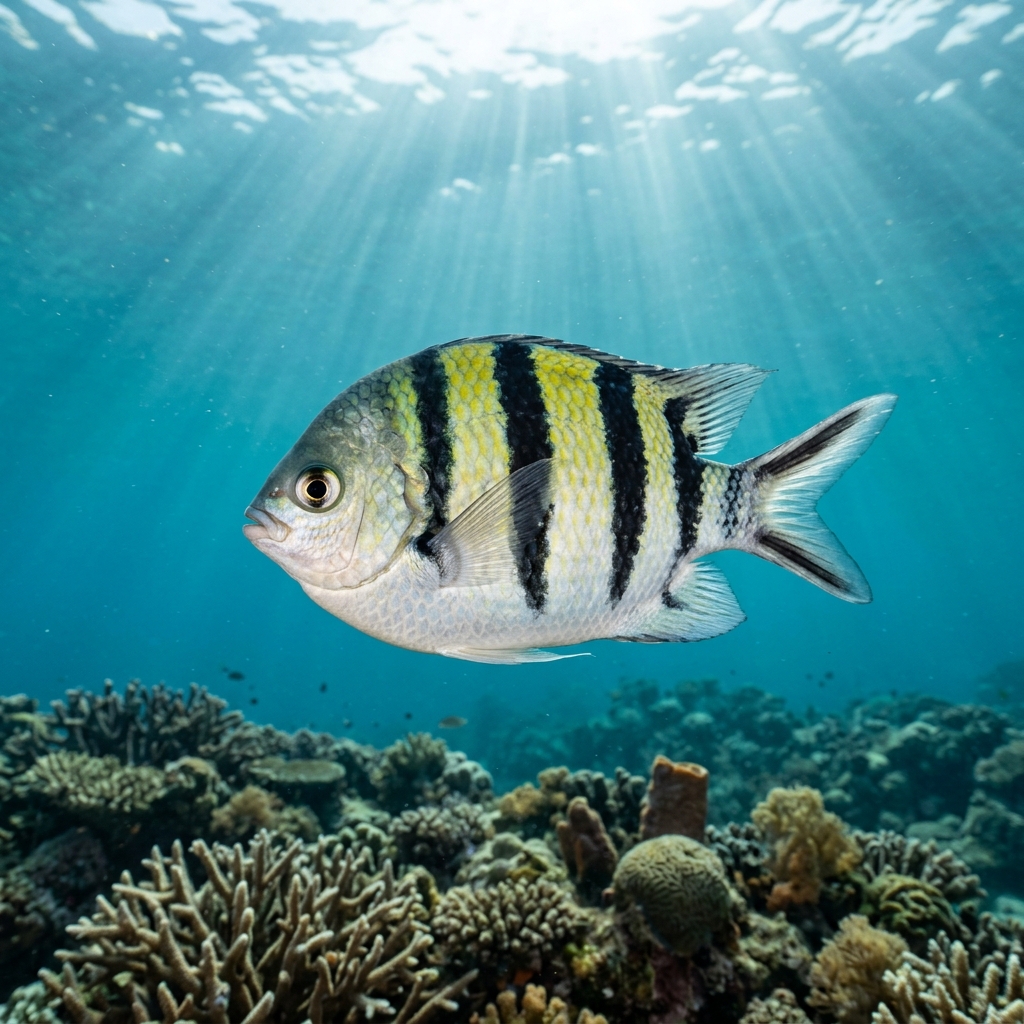
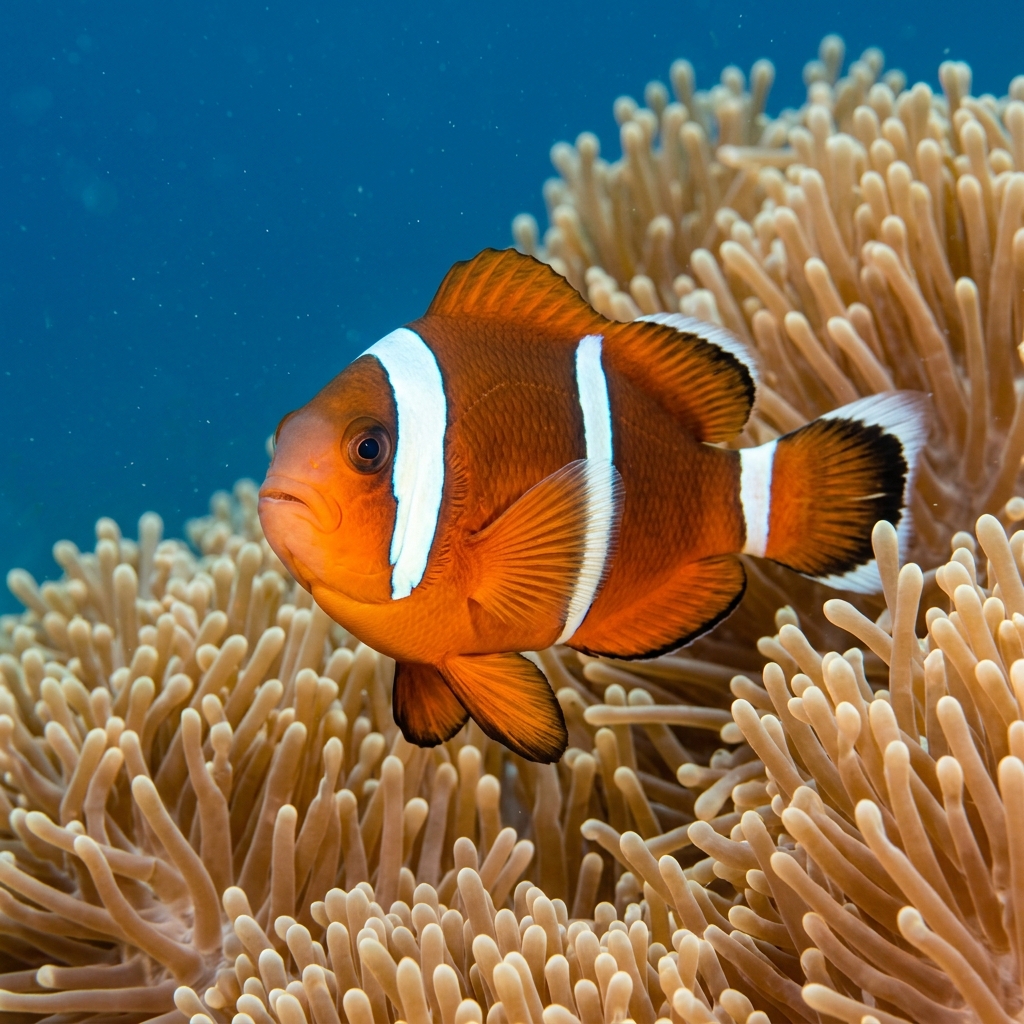
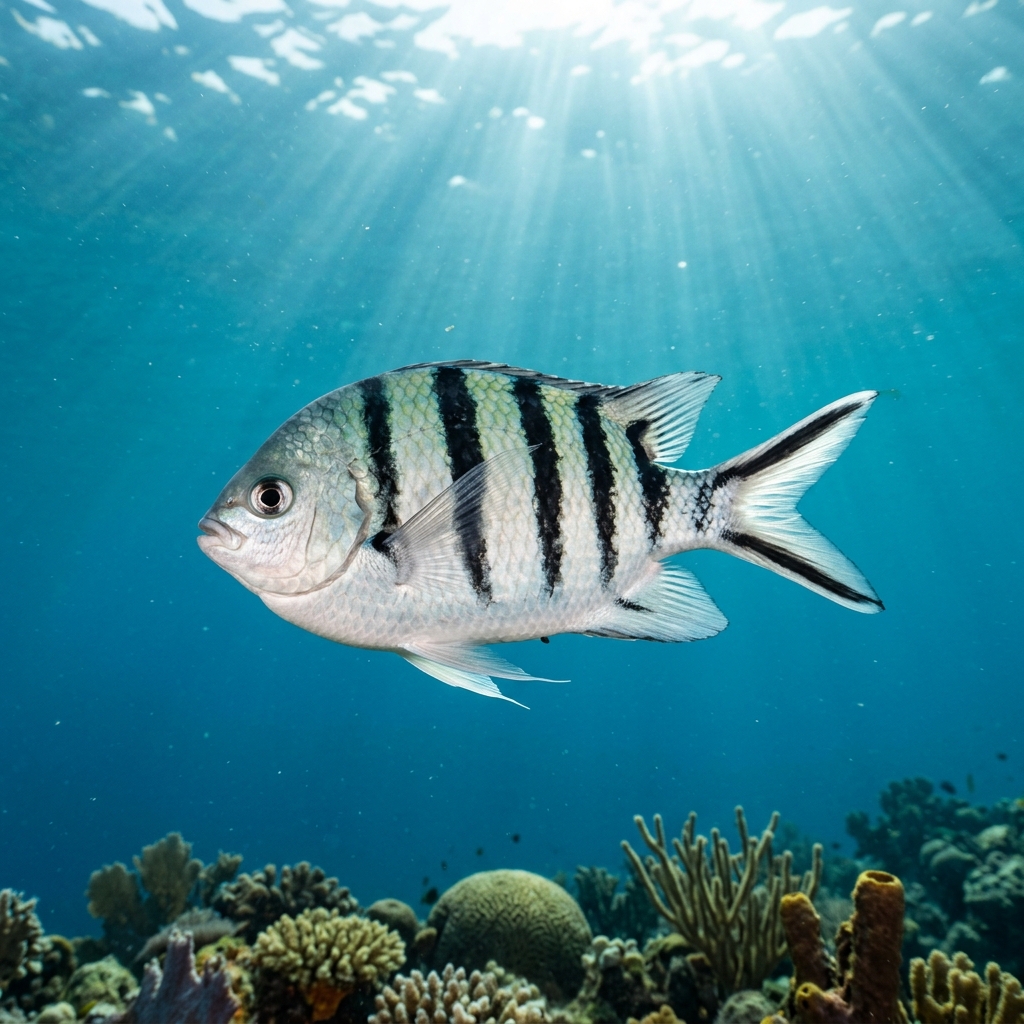
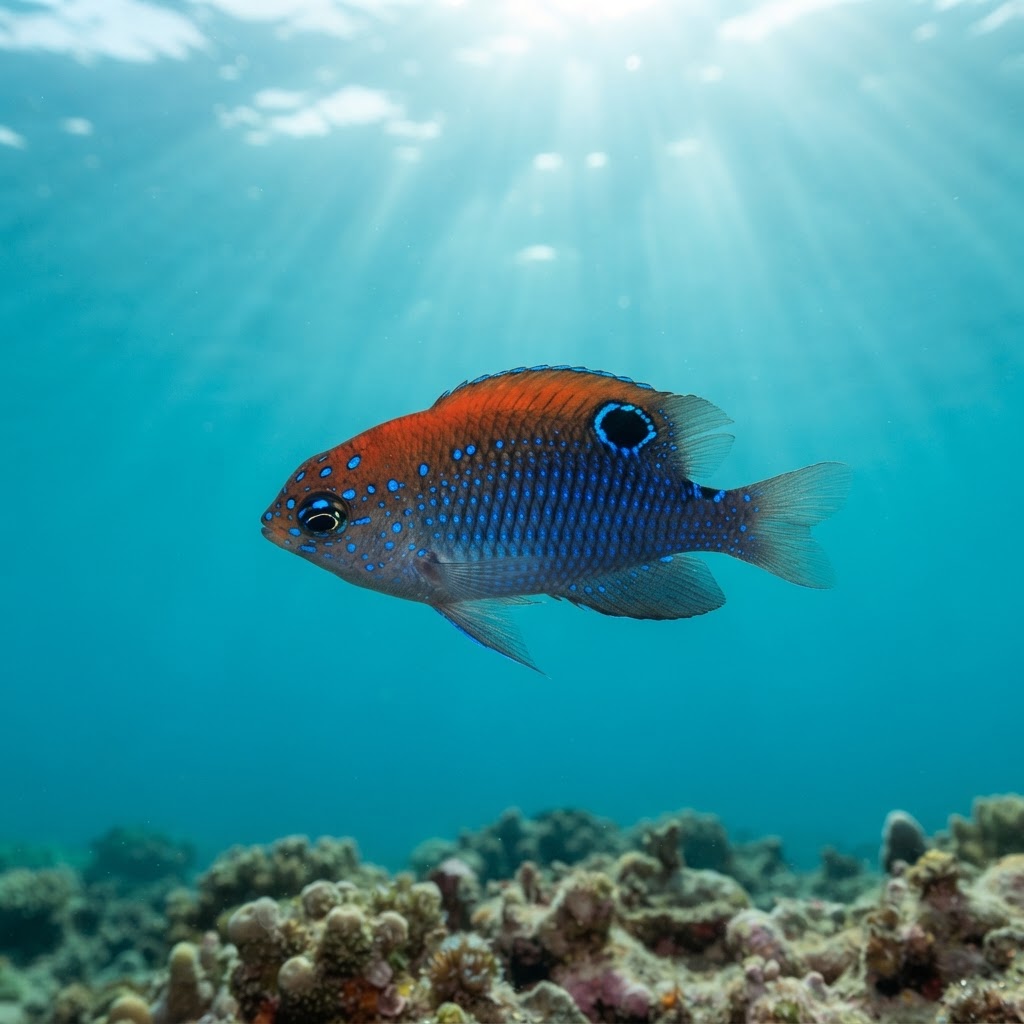
Reef neighbours a diver could mistake it for. Use the identification notes above to tell them apart.
Most commonly logged in Florida in the United States, Grenada Island, and Mexico's Yucatán Peninsula, with solid numbers also coming from the Bay Islands in Honduras, Tortola and the southern British Virgin Islands, and Anguilla. It turns up widely across the Caribbean basin, including Martinique, the Cayman Islands, and Sosúa in the Dominican Republic, almost always in very shallow water close to shore.
Mapping where Dusky Damselfish is logged…
They show up widely across the Caribbean, with the strongest sightings in Florida, Grenada, and Mexico's Yucatán Peninsula. Good numbers are also logged in the Bay Islands of Honduras, the British Virgin Islands, and Anguilla.
There is no clear season in the sighting data, and the water temperatures they favour, roughly 26 to 28 C, hold steady on Caribbean reefs most of the year. That makes them a year-round find rather than a seasonal one.
Look for a small, dusky brown, oval-bodied fish around 10 cm long, usually hovering in very shallow water over a patch of reef rock or rubble. It has little of the bright colour seen in other damselfish, and it tends to stay put and defend its patch rather than roam.
They stay small, reaching roughly 10 cm in length, which is typical for damselfish in the family Pomacentridae.
No, they pose no real danger to divers. They may dart towards you or nip if you linger over their algae patch, but this is a territorial display rather than a real threat.
Like several relatives in its genus, it actively tends and defends a small patch of algae on the reef as a personal food source, chasing off fish many times its size that try to graze there.
Site and sighting data is aggregated from diver logs, iNaturalist and GBIF. For taxonomy and conservation status:
Dascyllus
3,697 sites