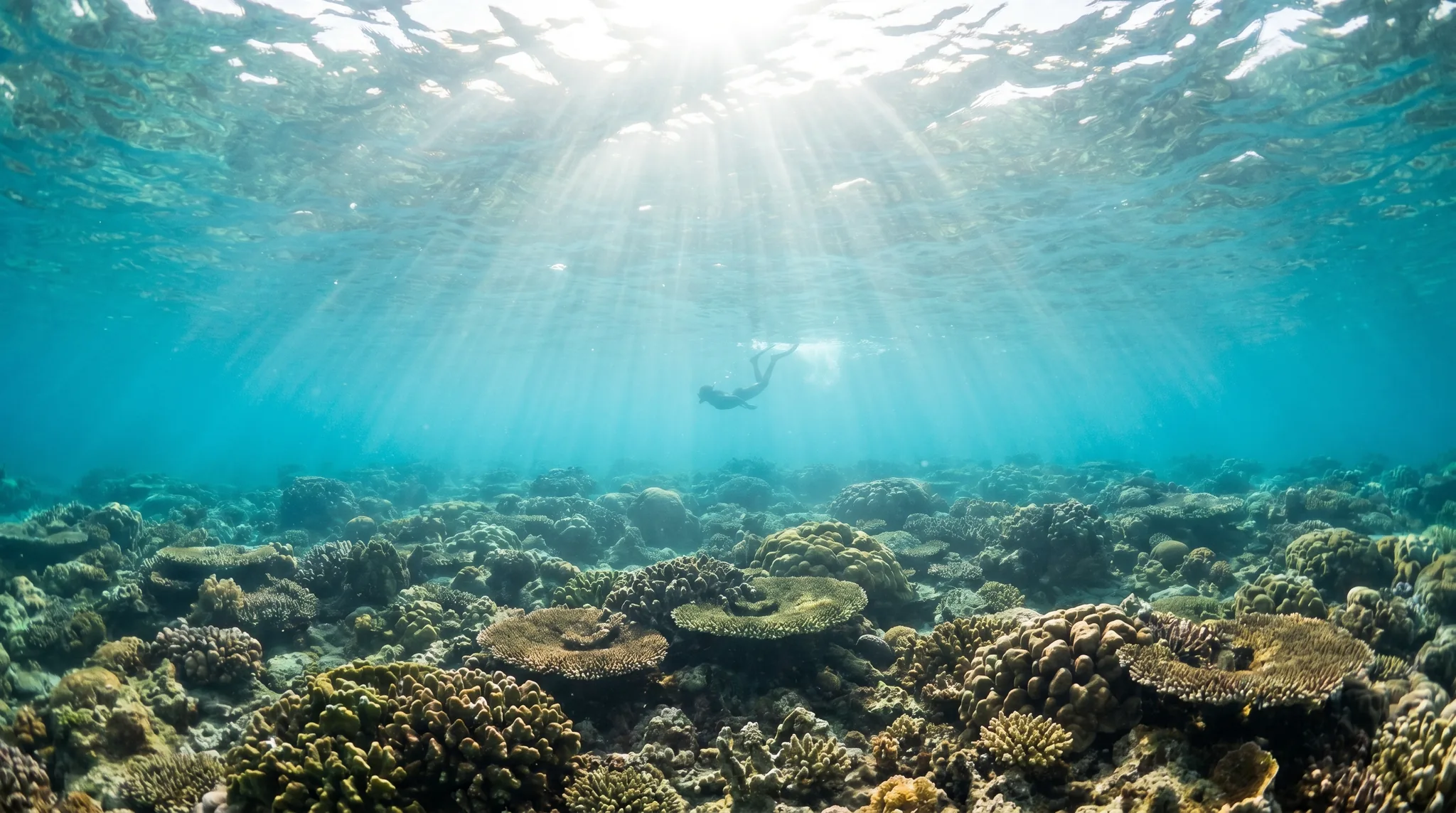
Monterey's diving is defined by dense kelp forest, a strong nudibranch diversity, and close encounters with California Sea Lion and Harbor Seal. Most sites are shallow, shore-accessible reefs suited to beginners, while boat dives to pinnacles such as Ballbuster extend the range for advanced divers. Conditions run cold year-round, but autumn brings the clearest visibility and the most diver activity.
Monthly water temperature across Monterey's sites, from satellite sea-surface data corrected for depth. The band shows the site-to-site spread.
Water temperature stays narrow and cold throughout the year, dipping slightly in spring before recovering marginally by autumn. Visibility is at its best from late summer through November, which also corresponds with the peak of diver activity. Surge and swell can affect exposed shore entries, so calmer conditions in an east-facing site such as Lovers Point are worth seeking on rougher days.
6 operators
Monterey, United States
United States
Seaside, United States
United States
United States
5 more sites to explore
Water temperature around Monterey ranges from about 11°C in April to 13°C in January, based on satellite sea-temperature data for its dive sites.
In the warm season (about 13°C) a 7mm or semi-dry suit is comfortable in Monterey; in the coldest months (about 11°C) step up to a drysuit.
Fin maps 16 sites in Monterey (16 scuba diving sites and 1 snorkelling spots, with some suited to both).
Across Monterey's dive sites, August, September and November are most often reported as the best months to visit.
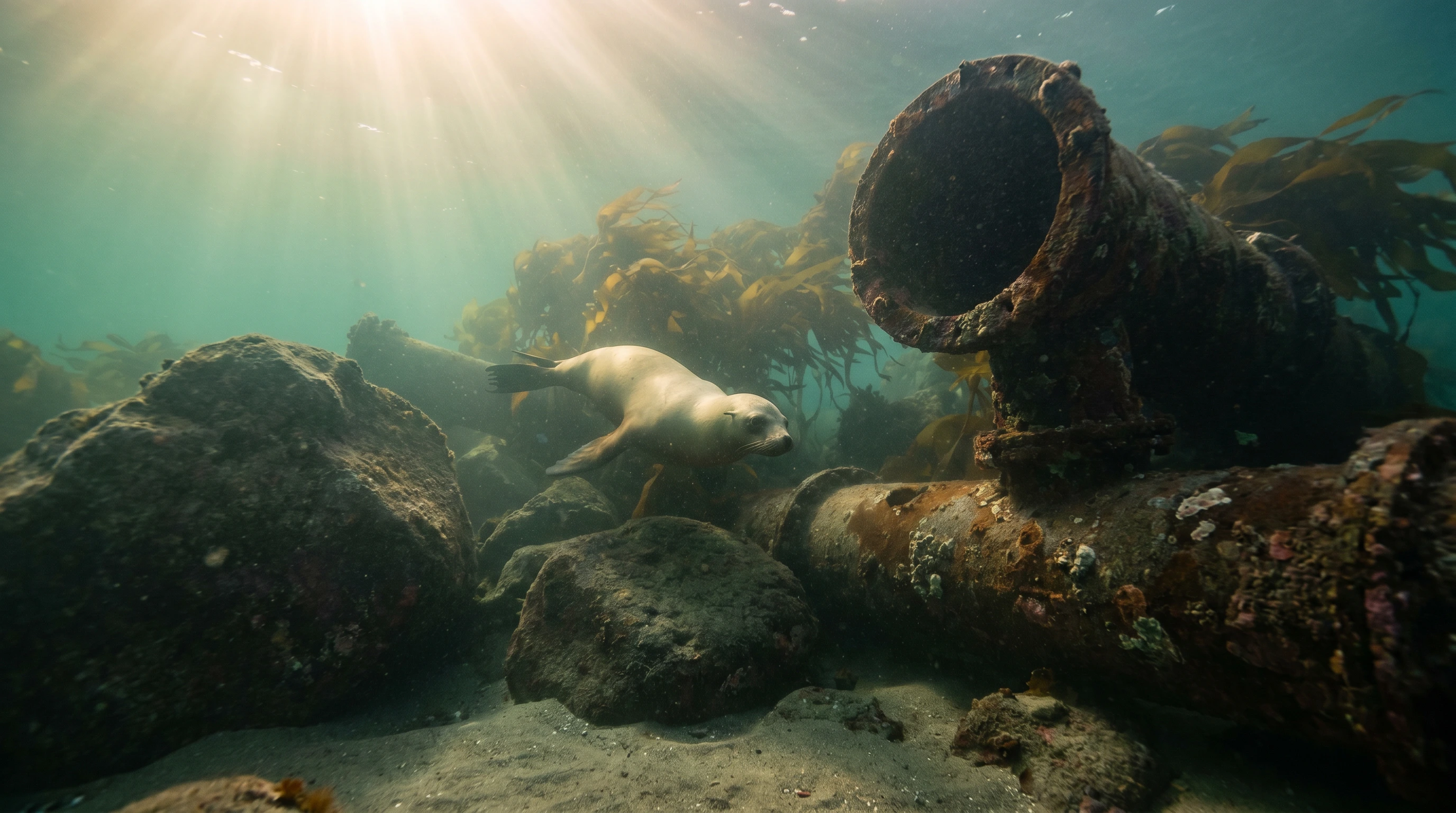
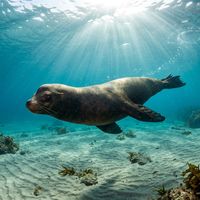
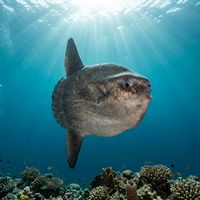
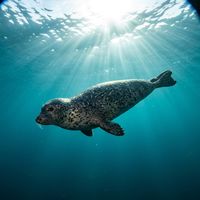
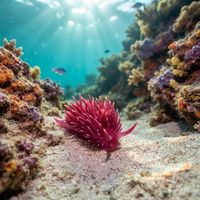
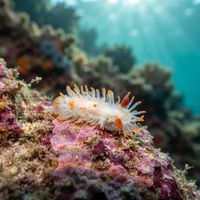
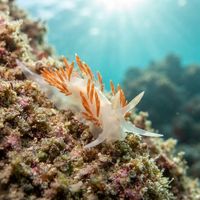
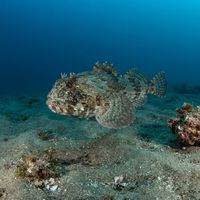
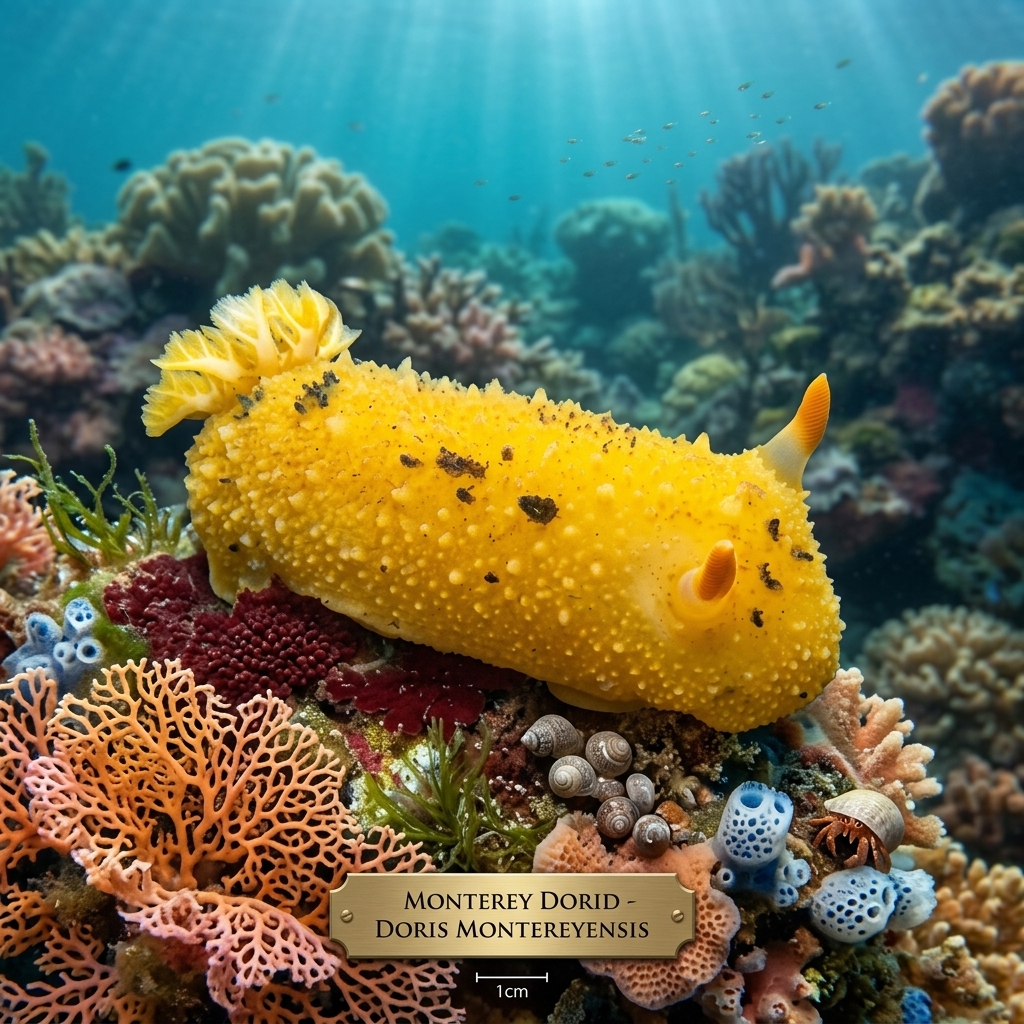
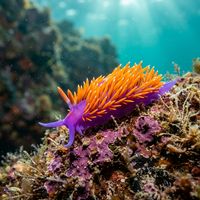
Monterey's kelp forests host an impressive range of nudibranchs, with Hermissenda, Clown Dorid, Monterey Dorid, and Cockerell's Nudibranch all observed regularly across sites. California Sea Lion and Harbor Seal frequently join divers, and Ocean Sunfish are a notable sighting. Rockfish species including Blue Rockfish, Kelp Rockfish, and Olive Rockfish are common throughout the reef structures.
The majority of sites in Monterey are rated for beginners and accessed directly from shore. San Carlos Beach, Otter Cove, Coral Street, and Mac Abee Beach all offer shallow reef and kelp forest terrain without requiring a boat. Cold water and occasional surge mean a drysuit or thick wetsuit is standard, so some cold-water dive experience is helpful even at beginner sites.
Shore dives make up the bulk of Monterey's site list, offering easy access to kelp forest and artificial reef structures at moderate depths. Boat dives reach the offshore pinnacles, including Ballbuster and Eric's Pinnacle, where the topography is more dramatic and the rating steps up to intermediate or advanced. Local operators such as Monterey Bay Scuba, Aquarius Dive Shop, and Seven Seas Scuba run regular boat trips to these sites.
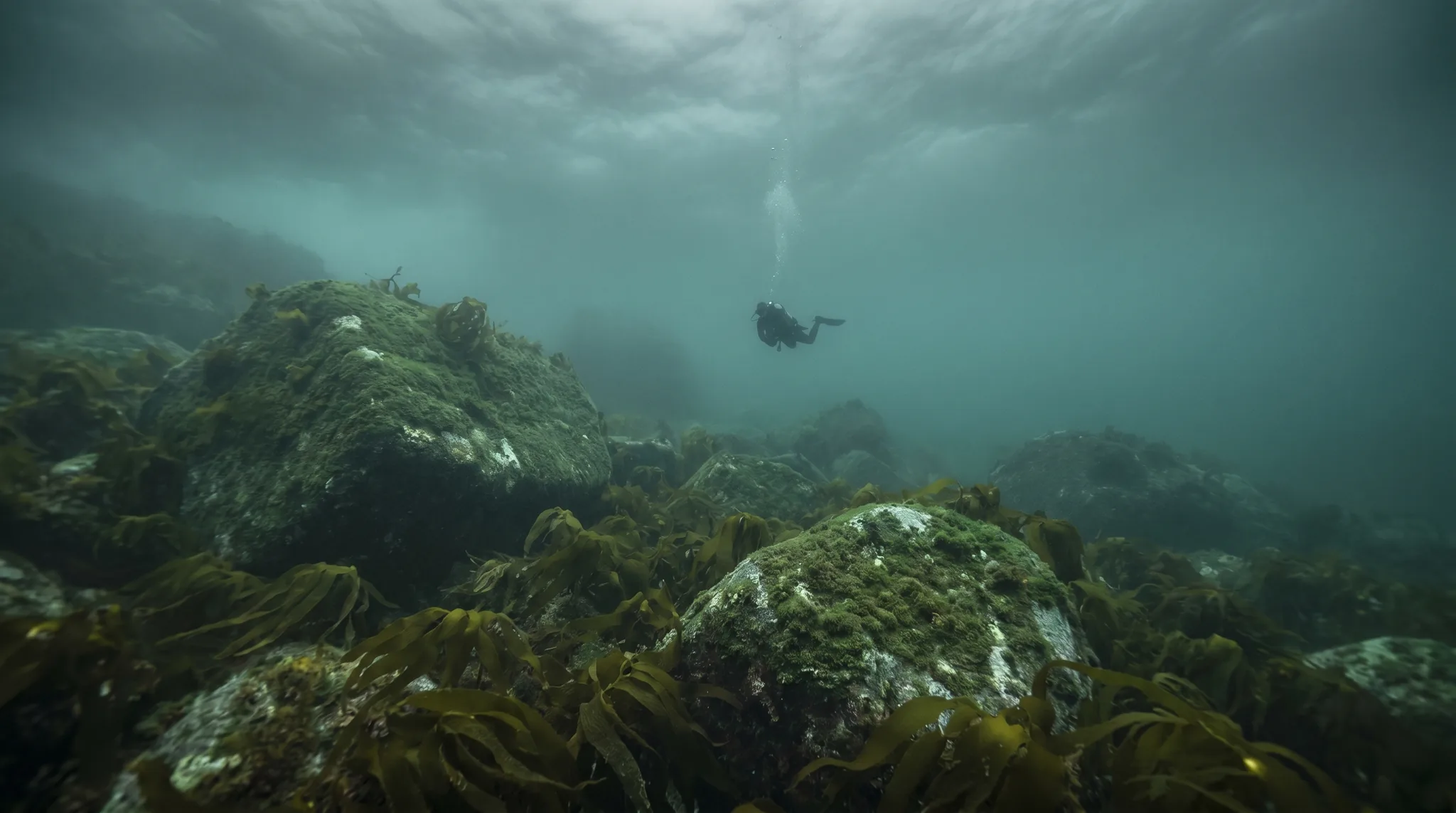
Kelp forest and rocky reef are the defining features across most of Monterey's sites, often combined with artificial reef structures that attract additional marine life. A handful of sites add wall or drop-off topography, and the offshore pinnacles provide the most dramatic relief. This variety means a diver can move from a gentle sandy-bottomed kelp dive to a deep pinnacle within the same area.