Best for advanced divers, 8-50m, shore & boat entry, moderate current.
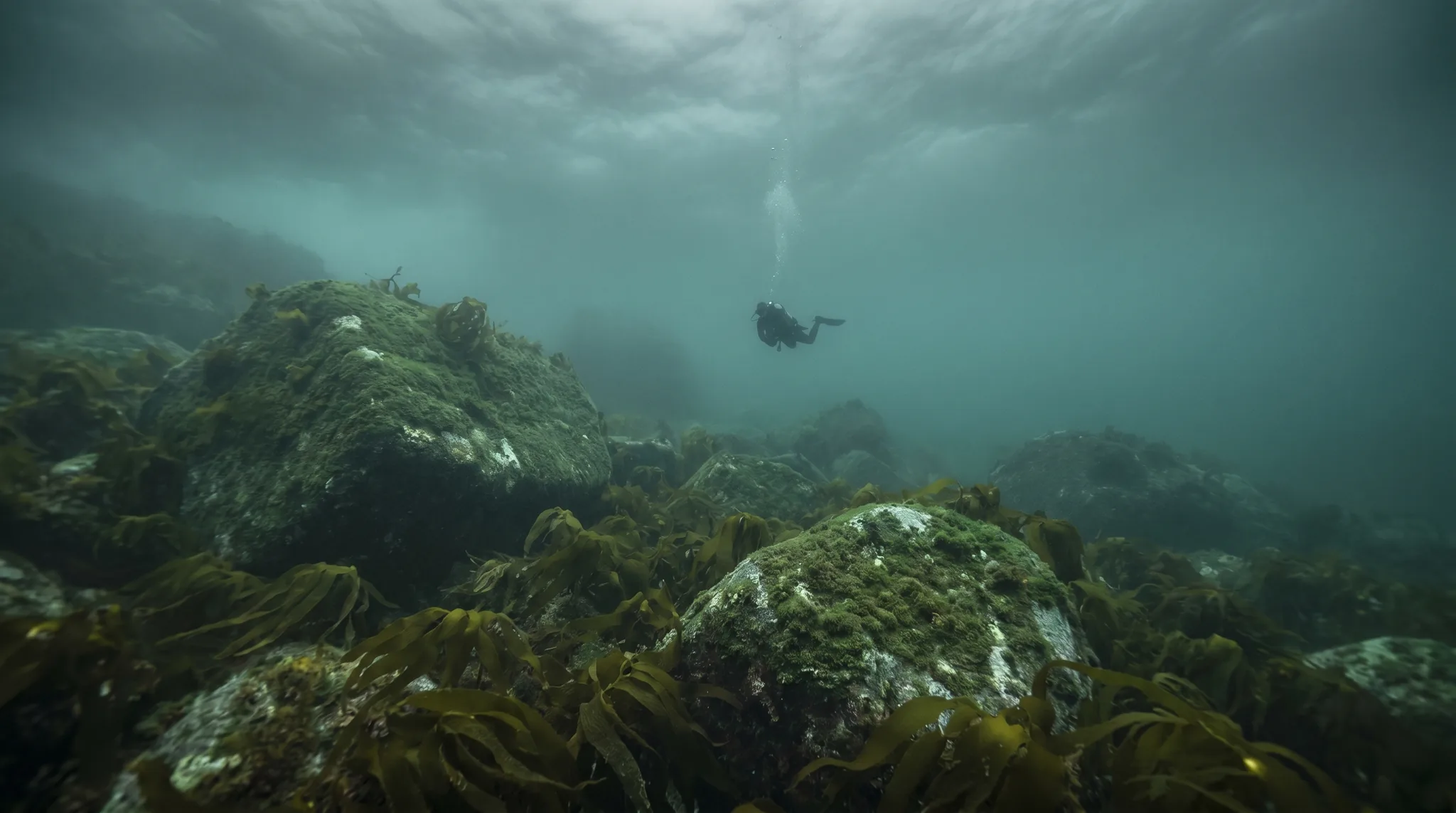
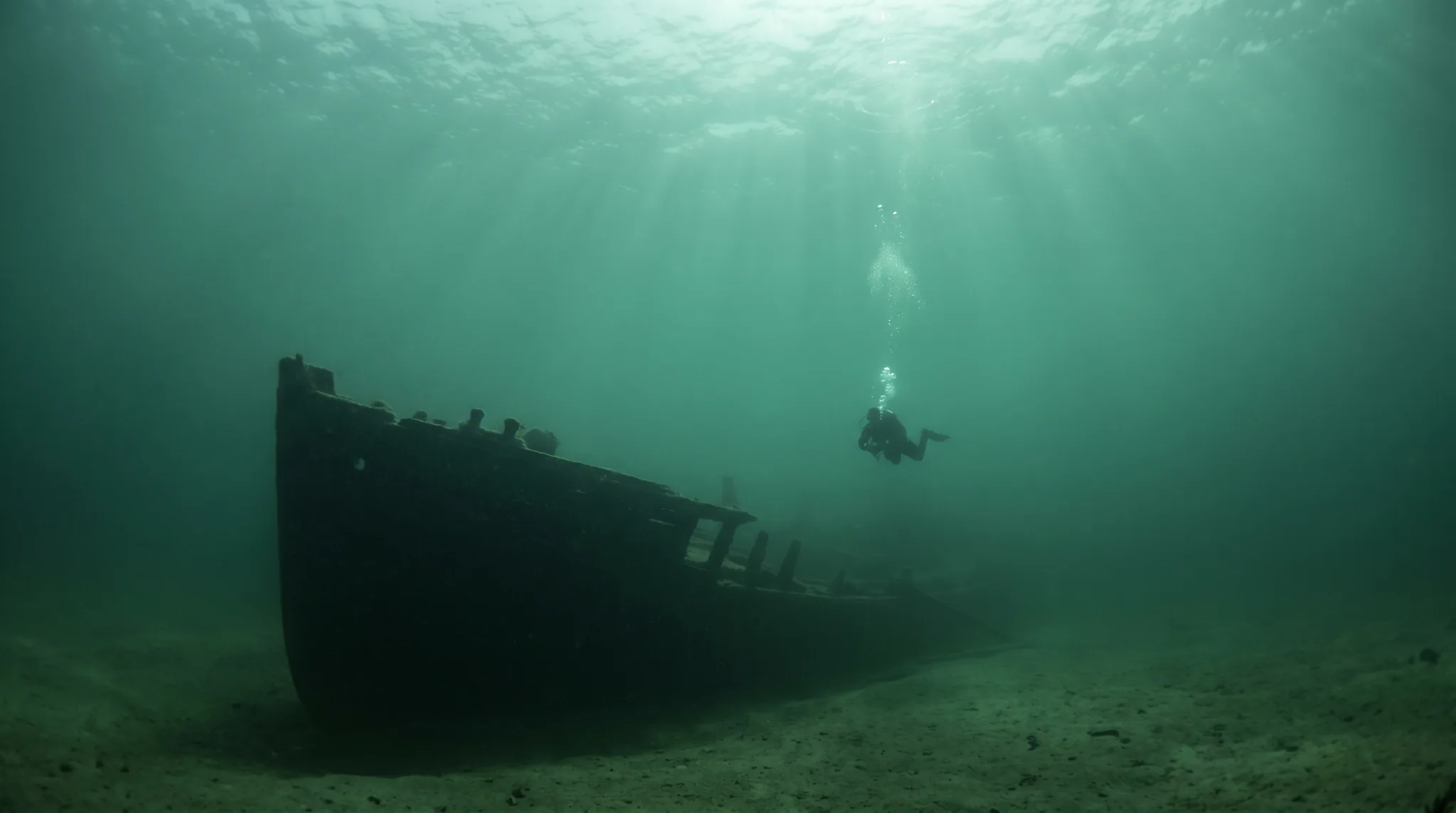
The SS Kintyre is a wreck dive located 310 metres from shore in the Sound of Mull. Divers typically access the site via boat or shore, navigating a pipe that descends from 8 metres to 30 metres. The wreck itself lies at depths reaching 32 metres, with the site profile extending down to 50 metres. Due to moderate currents and potential down currents, this site is suitable for advanced divers only. Visibility is limited to 3 to 5 metres, and water temperatures range from 8C to 16C throughout the year. Divers should be prepared for cold water, decompression requirements, and overhead environments while exploring the wreckage.
55.88821, -4.89681
Try to dive on a flooding tide so if you get it wrong you can exit on the beach and avoid spring tides.
Leaving Glasgow on the M8 west onto the A8 onto A78. Turn right at Wemyss bay road. Park beside the red house. Enter the water at the bottom of the steps cut into the rock.
Recorded at this site
Depth
8-50m
Visibility
3-5m
Skill Level
Advanced
Entry
Shore & Boat
Water Temp
8-16°C
Current
Moderate
Typical Dive
45 min
No, this site is intended for advanced divers due to the depth, moderate currents, and potential for down currents.
The bow of the wreck is located at 32 metres, with the overall site depth ranging between 8 and 50 metres.
Yes, the site is accessible by both boat and shore, located 310 metres from the coastline.
Divers should be aware of cold water, boat traffic, strong currents, down currents, low visibility, and overhead environments.
Diving at SS Kintyre in Strathclyde requires the following certifications: Advanced. Always dive within your training limits.
A drysuit recommended is recommended for diving at SS Kintyre in Strathclyde. Water temperatures range from 8°C to 16°C.
Expect moderate currents at SS Kintyre in Strathclyde. Good buoyancy control and some drift diving experience is helpful.
Visibility at SS Kintyre in Strathclyde typically ranges from 3 metres to 5 metres. Conditions vary with weather, tides, and seasons.