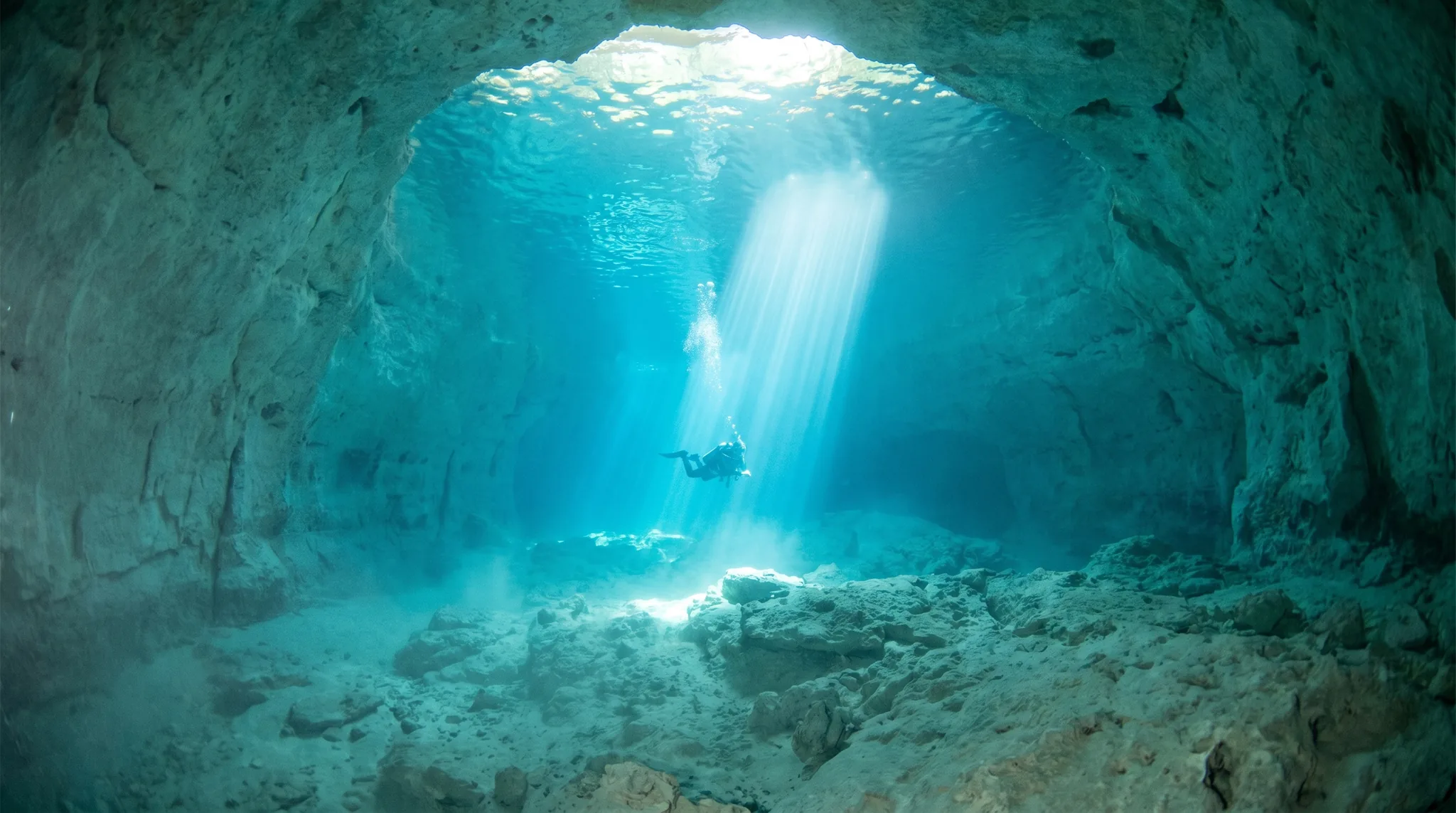
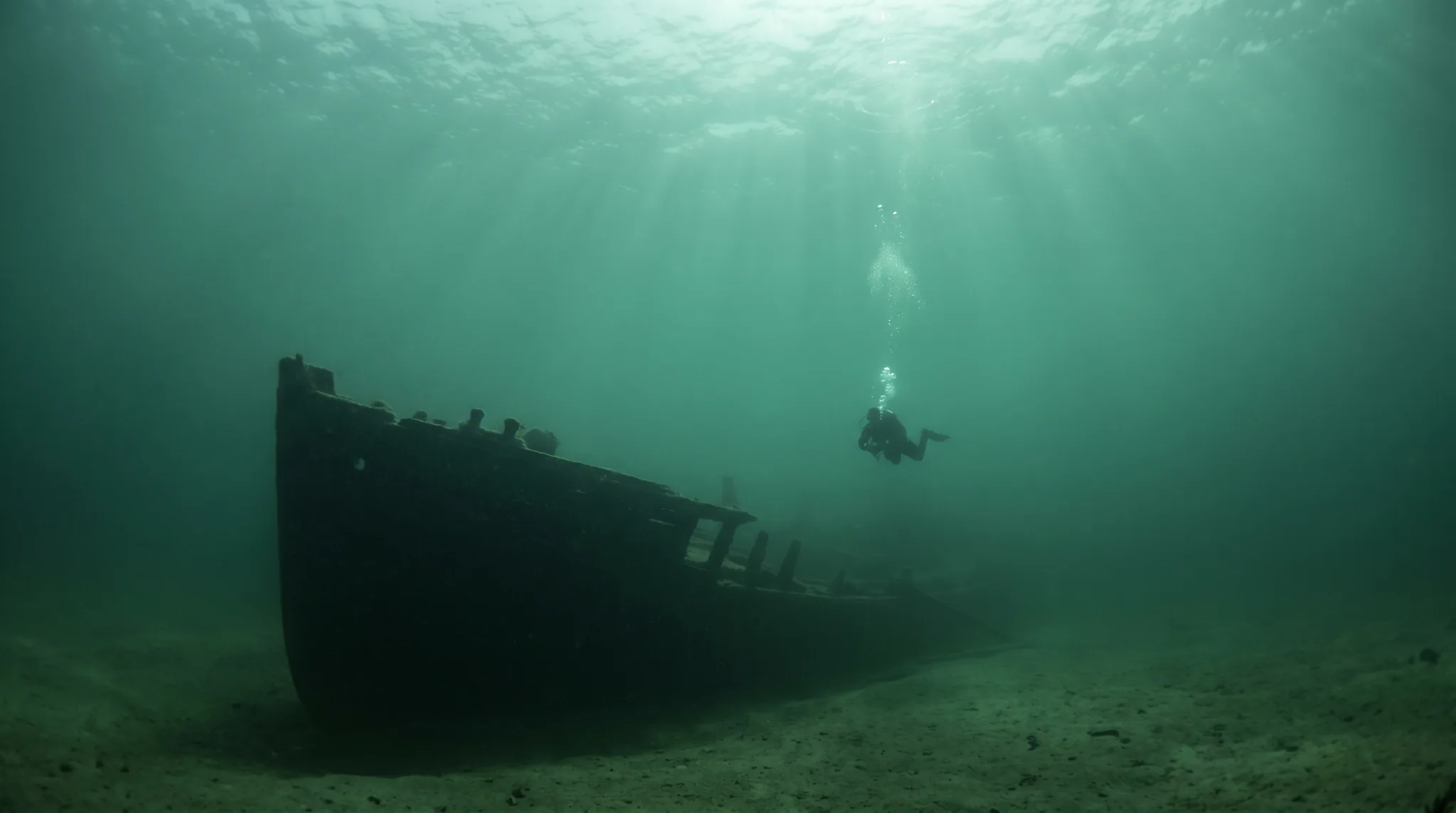
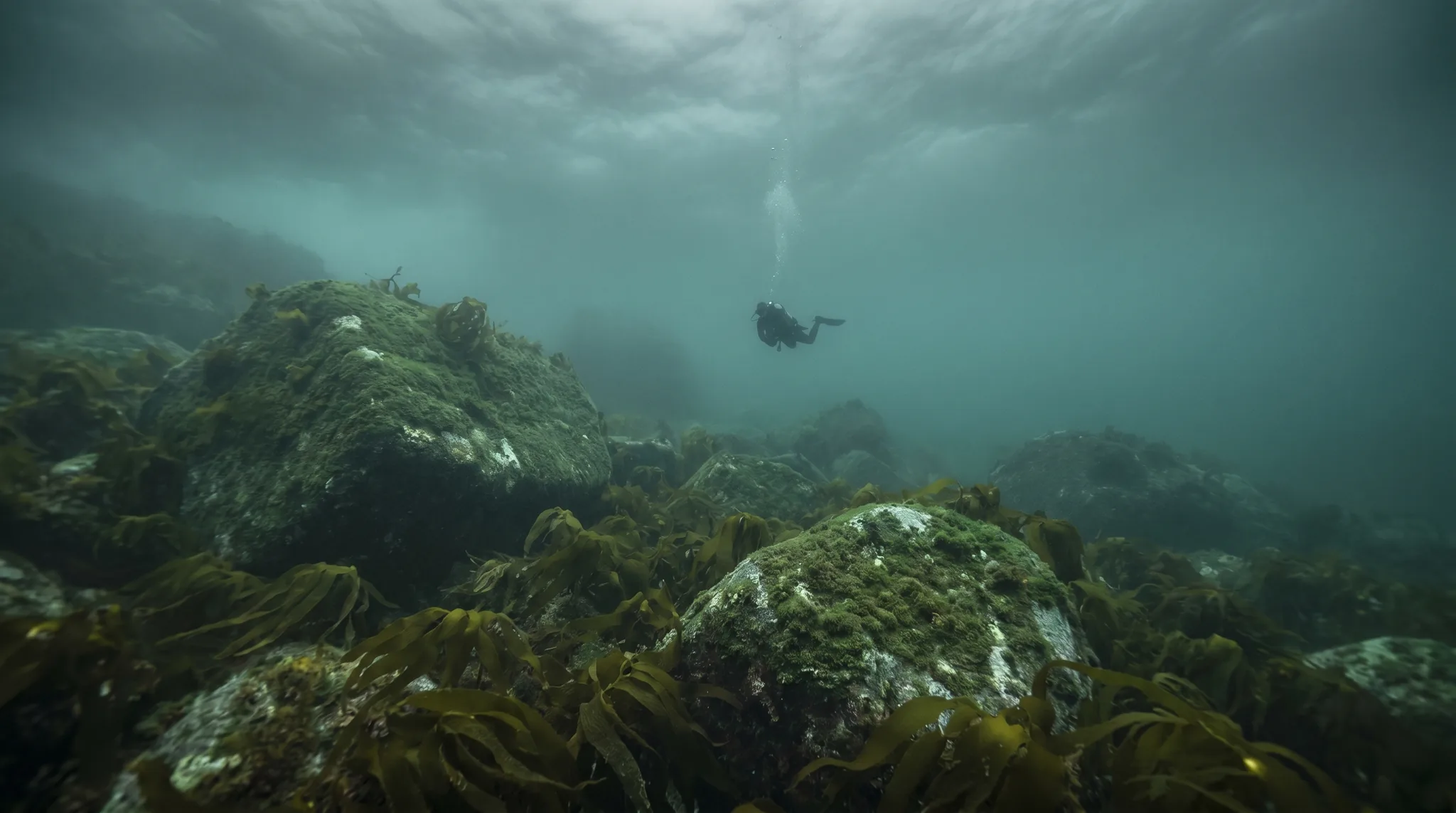
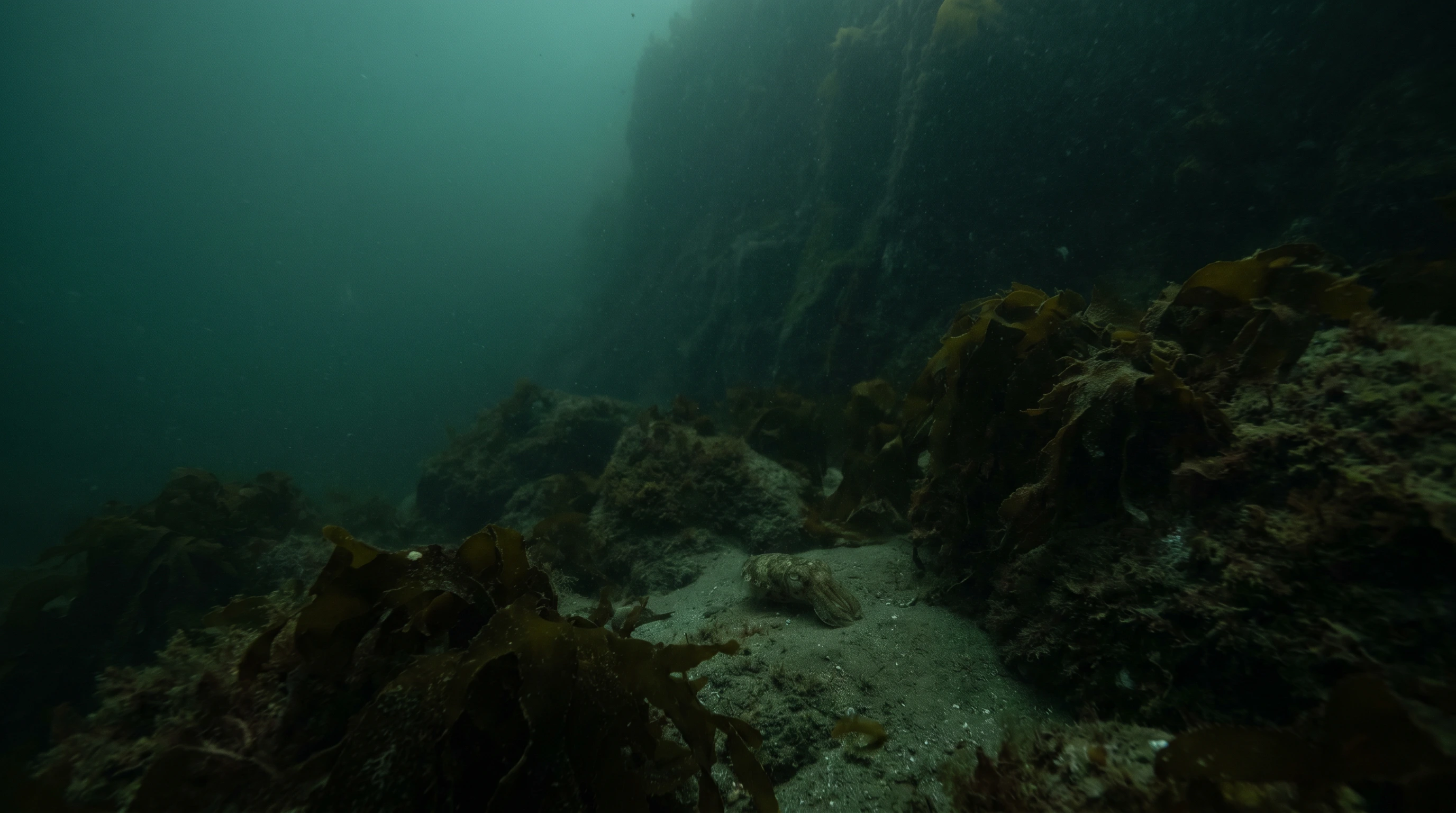
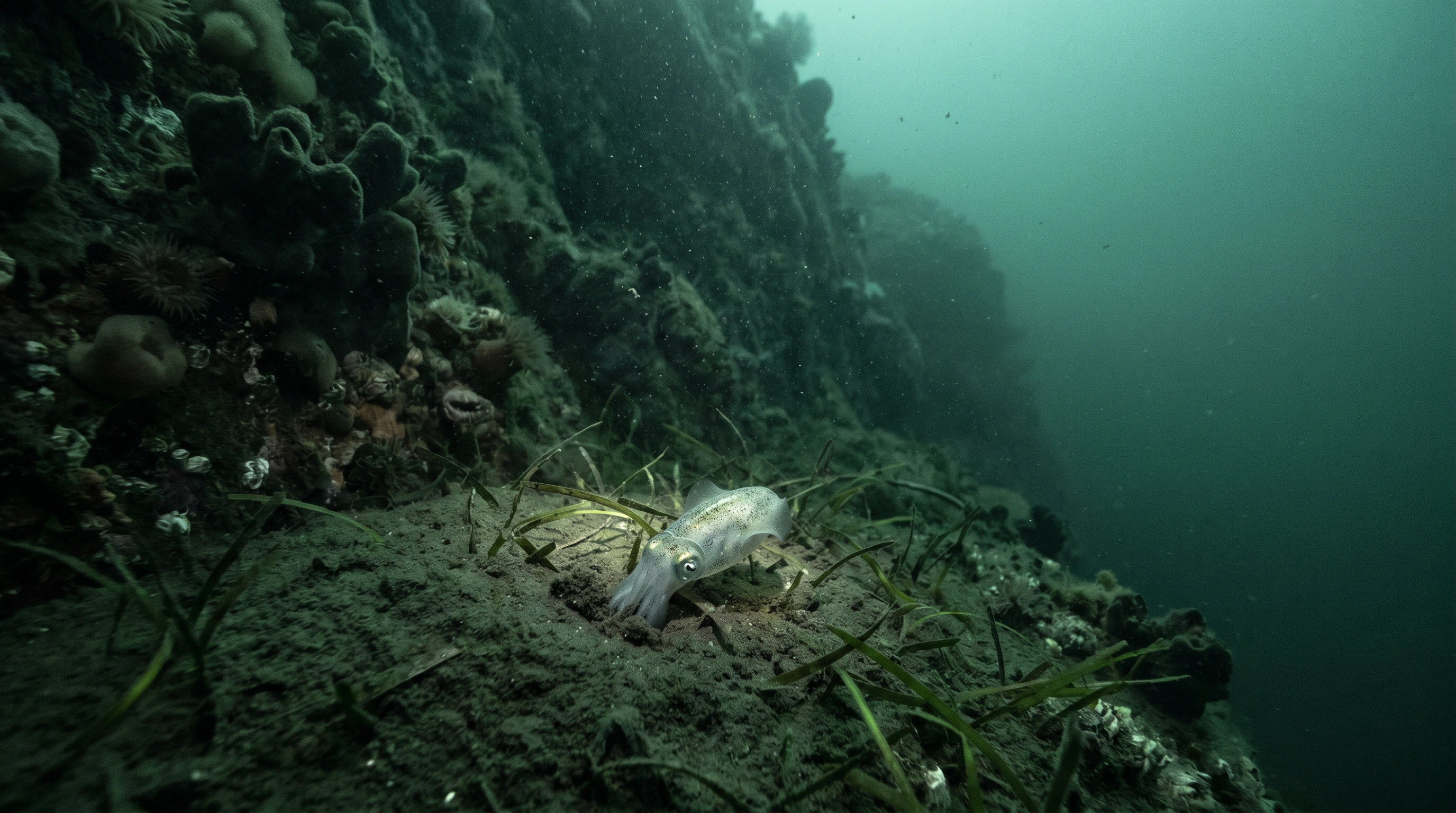
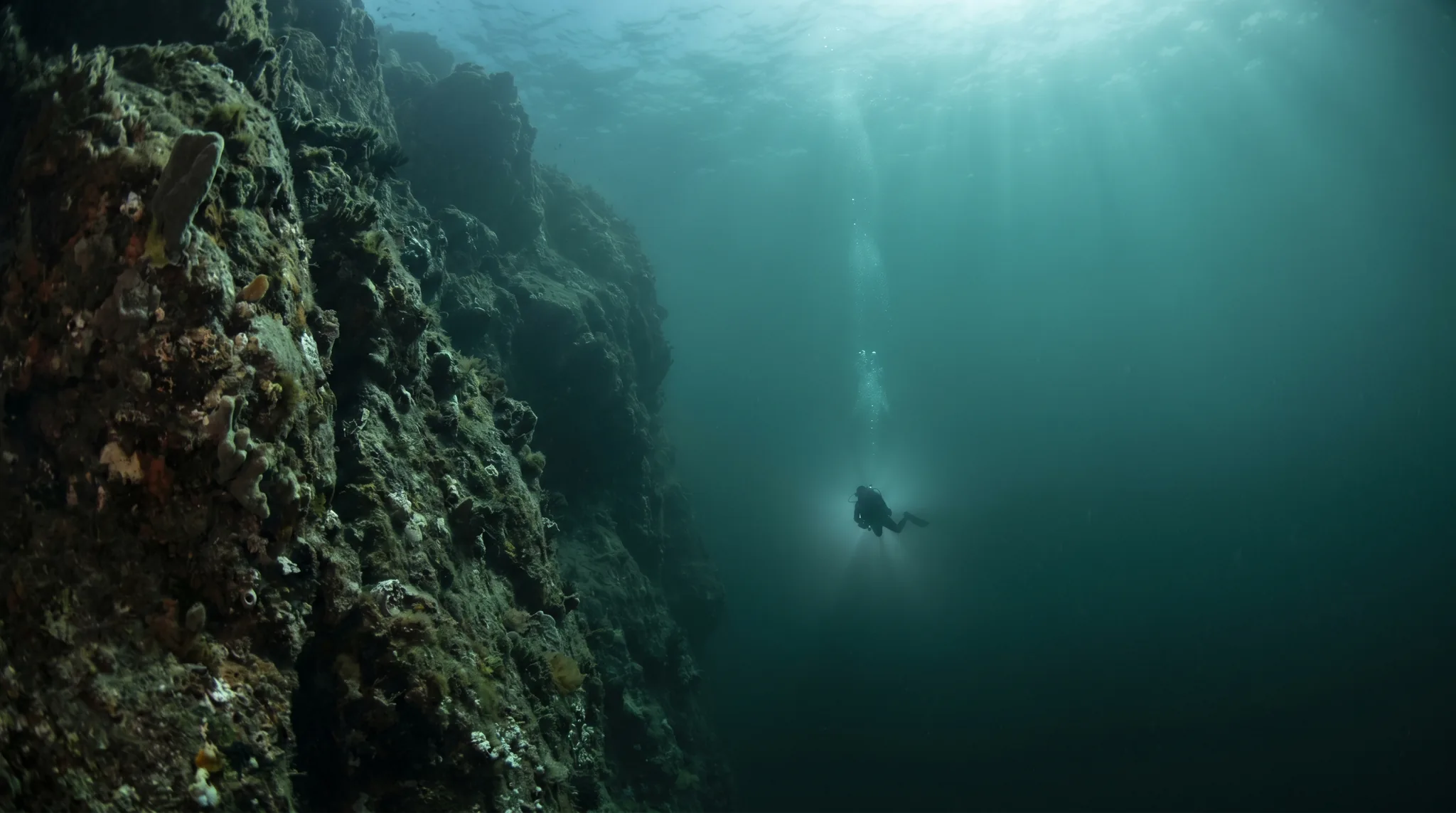
Bohuslän is defined by cold-water reef and wall diving across a scattered archipelago. The bulk of sites cluster around Smögen, with further diving around Lysekil and the sheltered fjord environment of Gullmarsfjorden, where shore access is most convenient. Walls are the dominant site type, many dropping into truly deep water, though shallower beginner-friendly reefs also feature. Expect to encounter Sea Star and Rock Crab on almost every dive, alongside Cuckoo Wrasse, Common Lobster, Brittle Star and Cod. The signature finds are Bobtail Squid and European Common Cuttlefish. Water stays cold year-round, rewarding divers who come prepared.
3 areas
 26
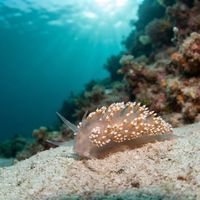
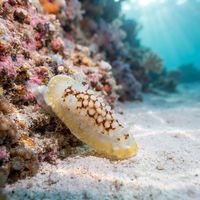
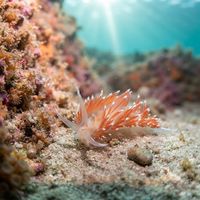
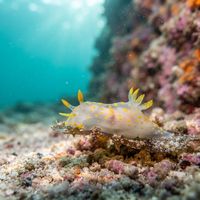
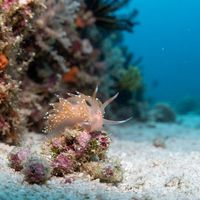
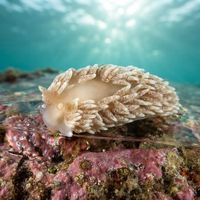
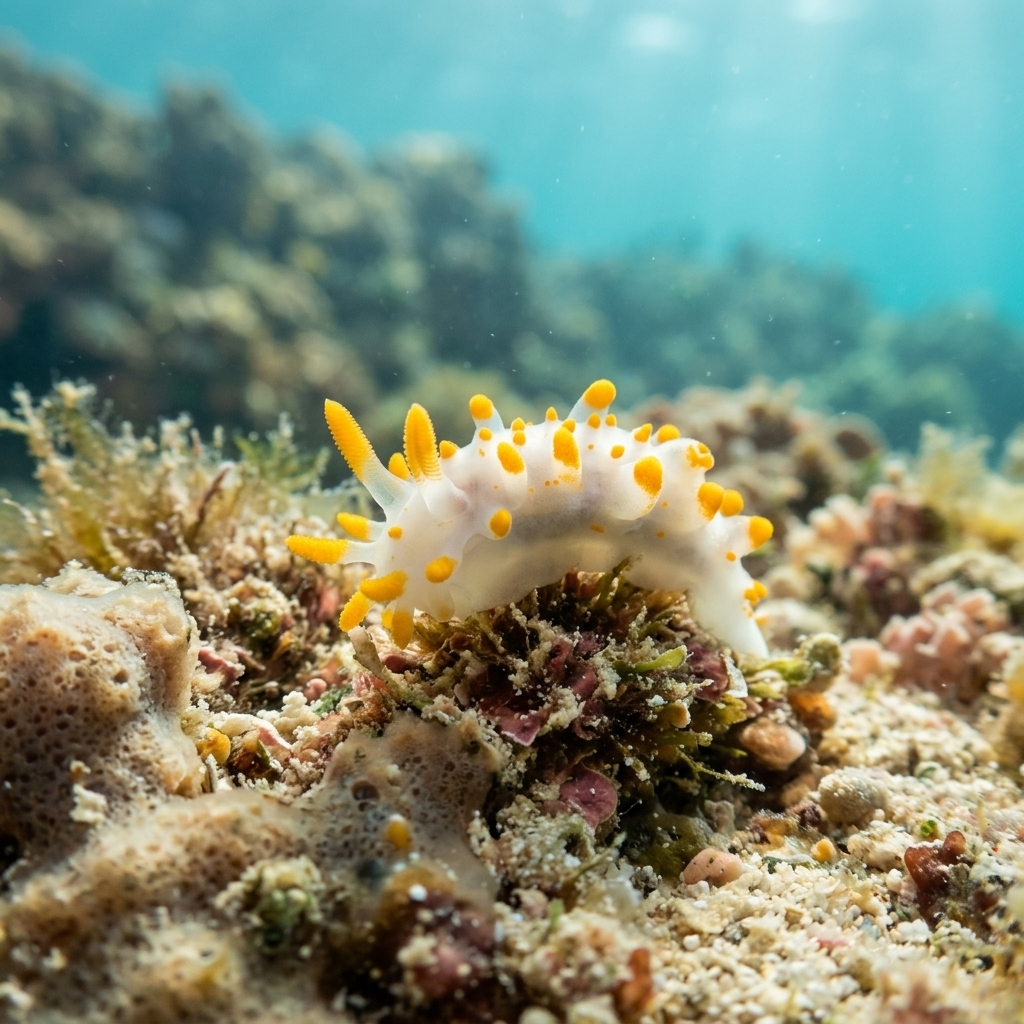
26Cold-water wall diving in the Bohuslän archipelago, rich in nudibranchs, seals, and invertebrate life.
8West-coast reef, wall, and wreck diving at the mouth of Gullmarsfjorden, with shore and boat access and strong marine life diversity.
 7
7Shore diving in Sweden's only true fjord, with restricted-circulation waters that host deep-water species on accessible walls, reefs, and seagrass beds.
Monthly water temperature across Bohuslän's sites, from satellite sea-surface data corrected for depth. The band shows the site-to-site spread.
Water temperatures climb slowly from spring into summer, peaking in late summer and early autumn before dropping sharply through winter. The warmest and most popular months stretch from early summer through to early autumn, when conditions are most comfortable and marine life activity is at its highest. Outside this window, cold-water specialists will still find rewarding diving, but a well-insulated suit becomes essential.
31 operators

Goeteborg, Sweden
Majorna, Sweden
Hunnebostrand, Sweden
Hono, Sweden
1 more site to explore
Water temperature around Bohuslän ranges from about 4°C in February to 16°C in September, based on satellite sea-temperature data for its dive sites.
In the warm season (about 16°C) a 7mm or semi-dry suit is comfortable in Bohuslän; in the coldest months (about 4°C) step up to a drysuit.
Fin maps 42 sites in Bohuslän (42 scuba diving sites and 4 snorkelling spots, with some suited to both), organised into 3 areas.
Across Bohuslän's dive sites, April, May, June, July, August and September are most often reported as the best months to visit.
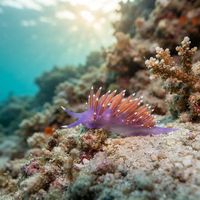
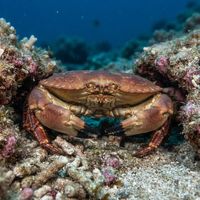
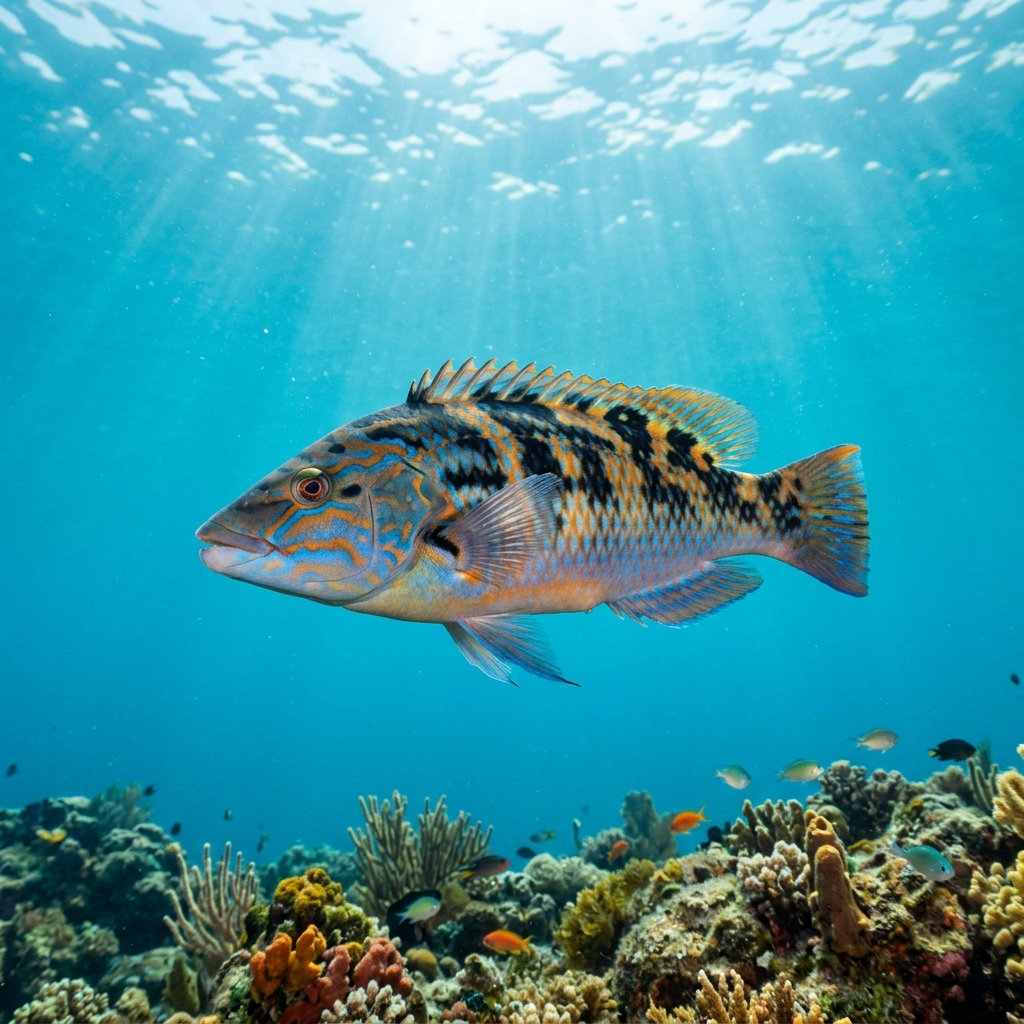
Sea Star and Rock Crab are present across the vast majority of sites, making them near-certain sightings. Cuckoo Wrasse, Common Lobster, Brittle Star and Cod are all commonly observed. The real draws are the signature cephalopods: Bobtail Squid and European Common Cuttlefish appear with enough regularity to be a realistic target. Occasional encounters include Gurnard, Conger Eel, King Crab, Lumpfish and even Harbor Seal.
A good number of sites are rated for beginners, particularly in Gullmarsfjorden, where shore-accessible spots like Jordfall, Ormestad and Fossen Camping offer sheltered conditions and relatively shallow starting depths. Lysekil also has beginner-friendly shore entries. That said, the majority of sites across the region are intermediate-level, and a handful around Smögen require advanced skills, so there is plenty of room to progress.
Smögen holds the largest concentration of sites in the region and is primarily a boat-diving destination, with many exposed reef and wall dives in open coastal waters. Gullmarsfjorden offers the most convenient shore access and a more sheltered fjord environment, making it well-suited to newer divers. Lysekil sits between the two in character, with a mix of reef types including an artificial reef at Viken.
Both options exist. Several of the most accessible sites, including Jordfall, Hällebäck, Fossen Camping and Hamburgö Nörra, are reachable directly from shore, making them practical for independent divers. Many of the deeper and more exposed wall sites around Smögen, such as Kostersten, Waeteroe and Ullvillarna, require a boat. Numerous local operators across the region offer guided boat dives.