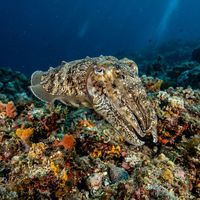
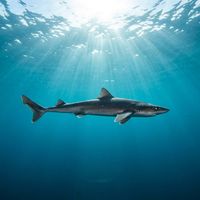
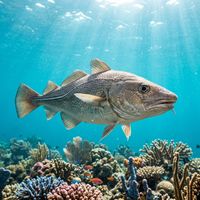
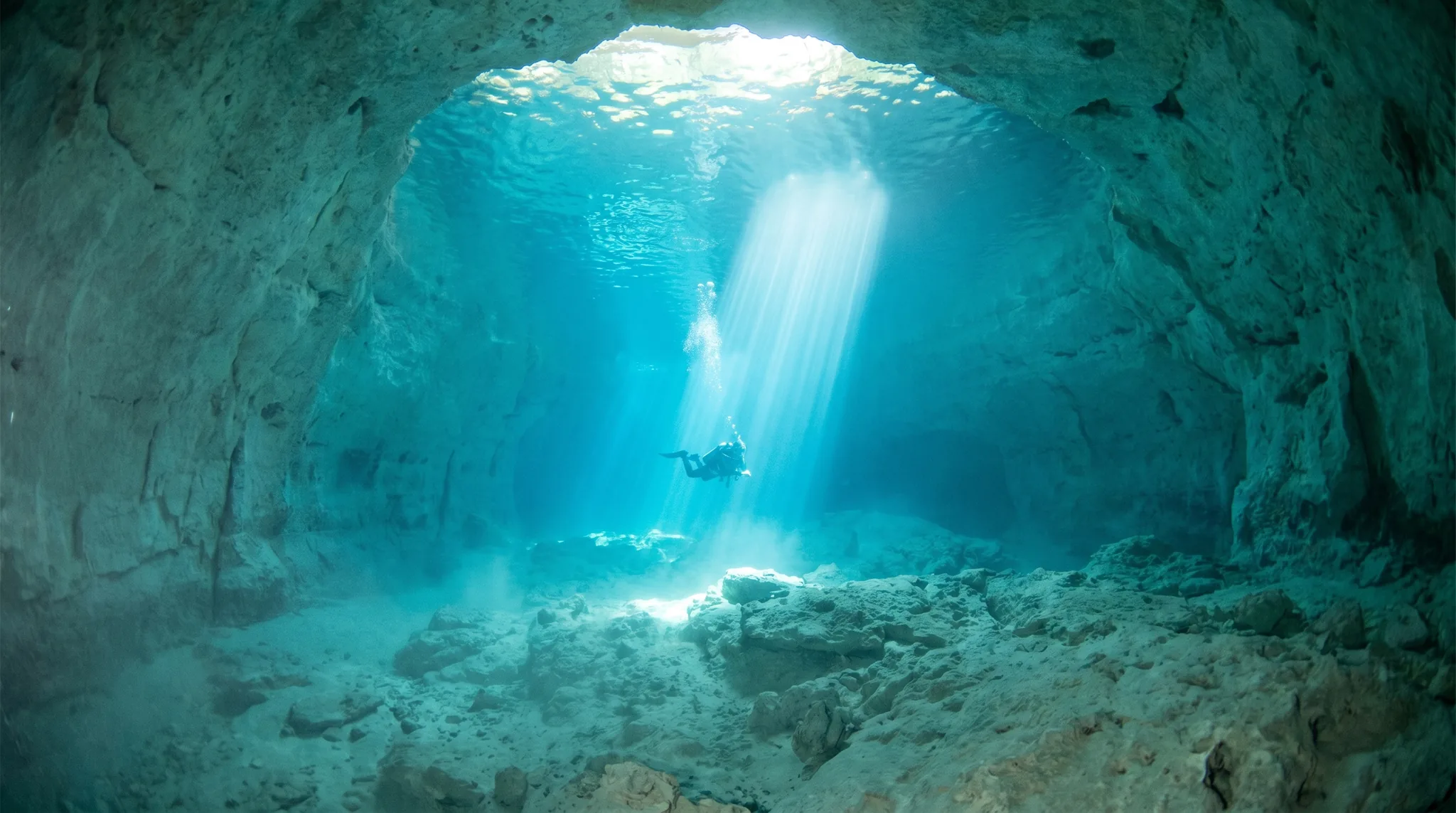
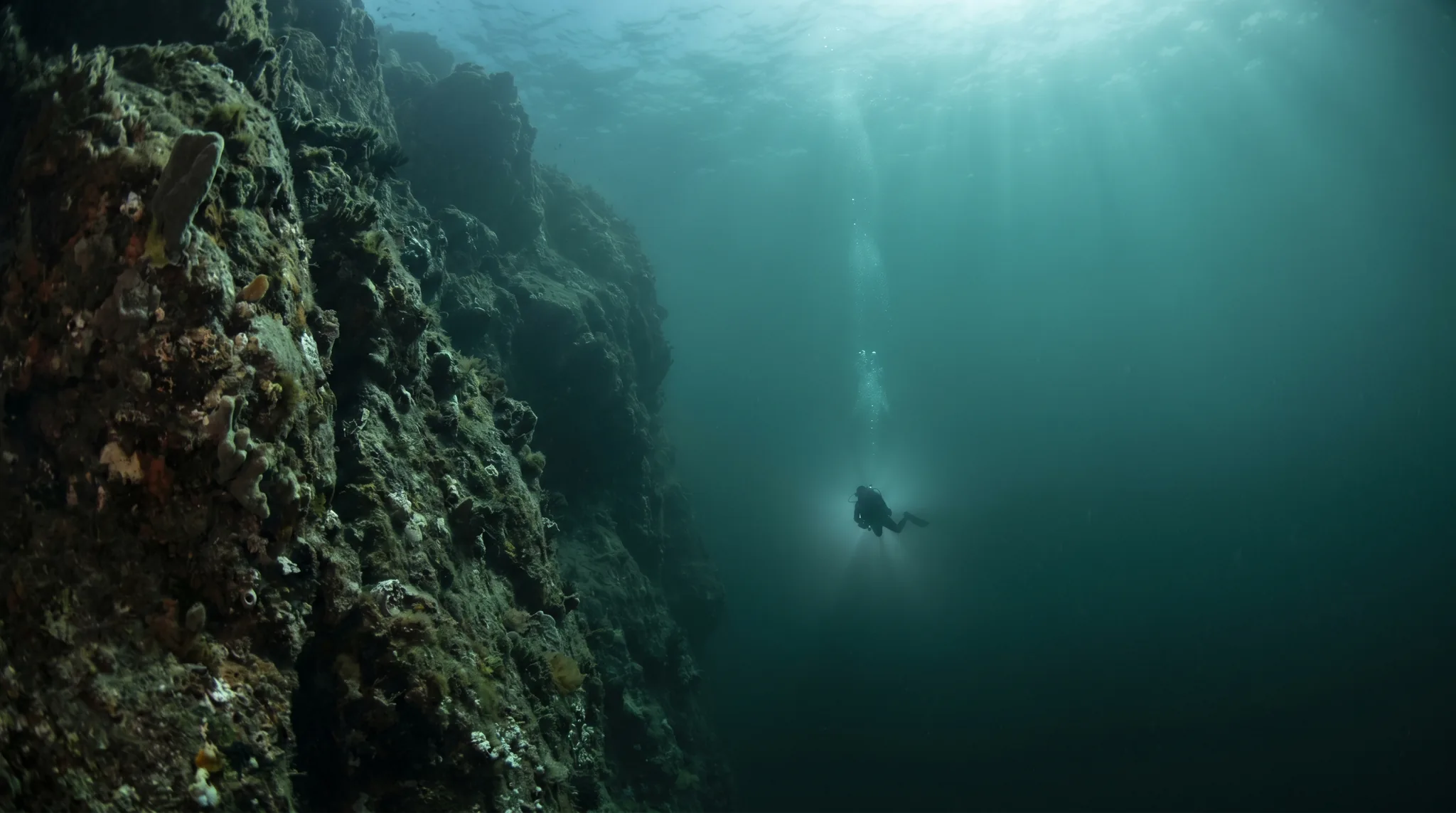
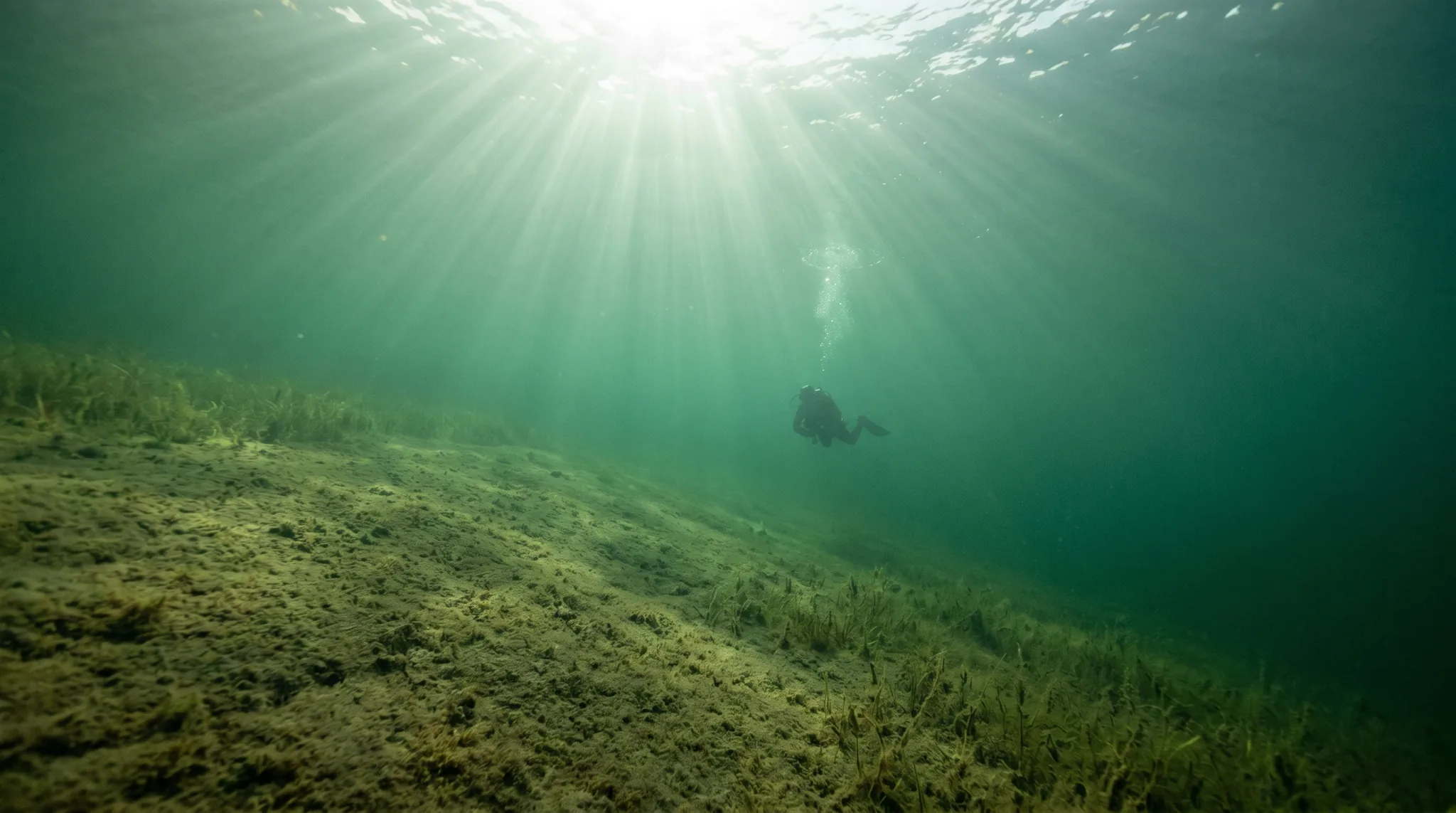
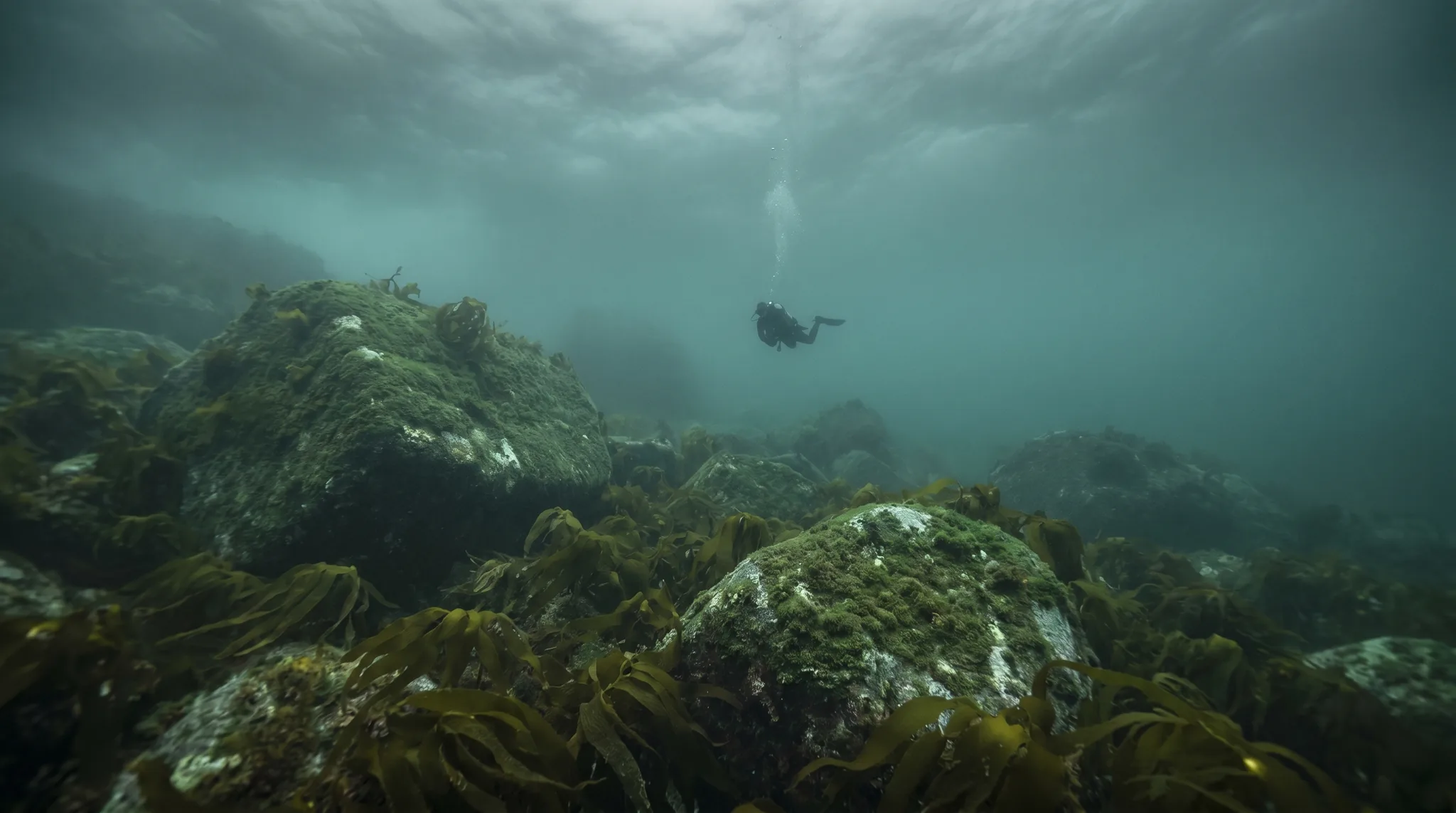
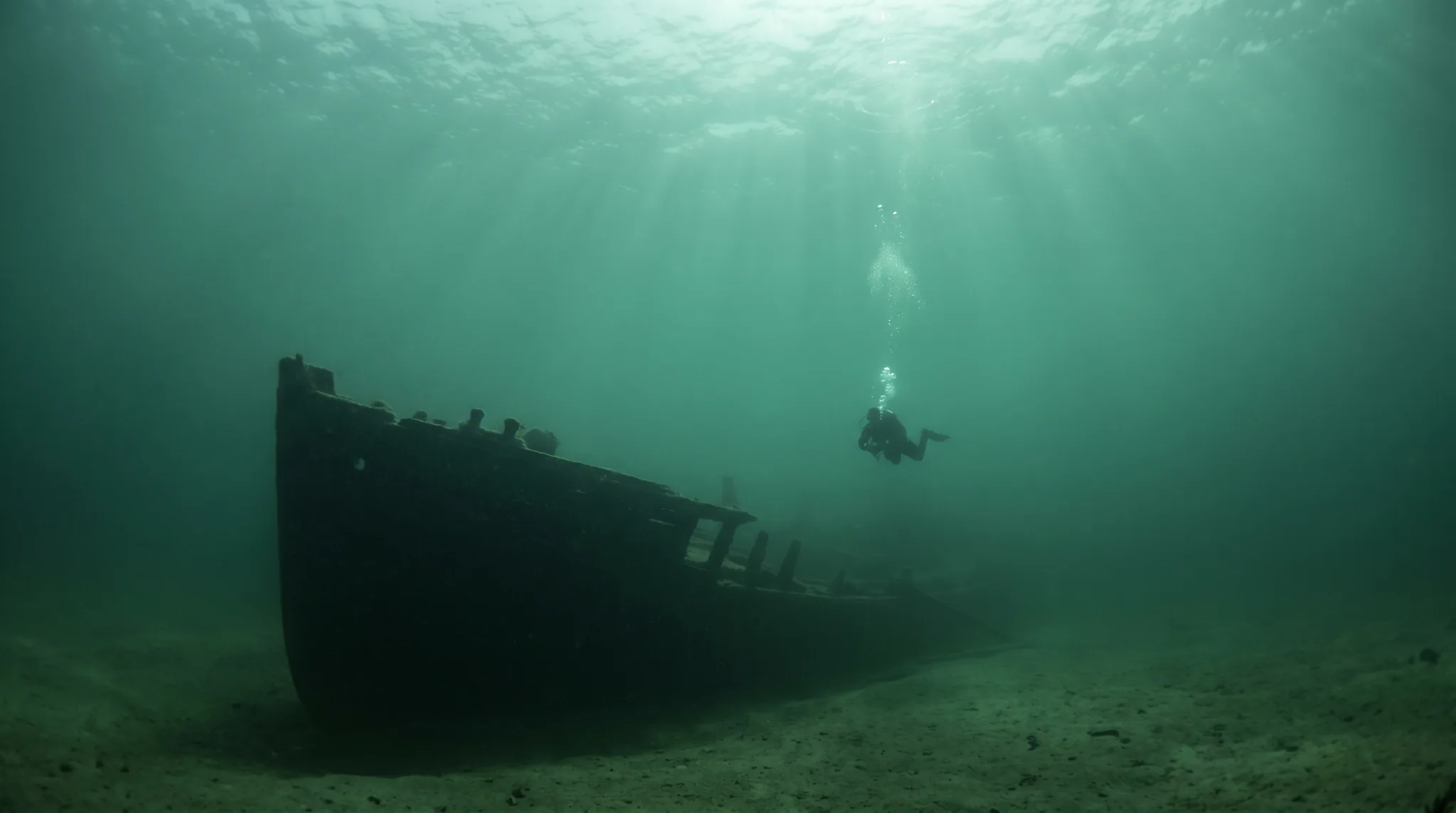
Gothenburg's dive sites are concentrated in the Bohuslän archipelago, where rocky walls, natural reefs, and seagrass beds create varied terrain across a compact range of sites. The water runs cold for much of the year, demanding exposure protection, and conditions can include moderate currents at exposed wall sites such as Hönö Både. European Common Cuttlefish, Dogfish, and Cod are frequently observed across the area. Sites range from accessible shore dives like Kullavik hamn, suited to beginners, through to deeper boat-access walls for intermediate and advanced divers. The freshwater site Sisjön adds further variety.
Monthly water temperature across Gothenburg's sites, from satellite sea-surface data corrected for depth. The band shows the site-to-site spread.
Water temperatures drop sharply through winter and early spring, reaching their lowest in February, which makes this a cold-water destination requiring a well-fitted dry suit for most of the year. Temperatures climb through summer, peaking in August, when conditions are most comfortable for longer dives. September sees the highest concentration of favoured dive months, suggesting that early autumn offers a good balance of reasonable warmth and stable conditions.
9 more sites to explore
Water temperature around Gothenburg ranges from about 3°C in February to 17°C in August, based on satellite sea-temperature data for its dive sites.
In the warm season (about 17°C) a 7mm or semi-dry suit is comfortable in Gothenburg; in the coldest months (about 3°C) step up to a drysuit.
Fin maps 13 sites in Gothenburg (13 scuba diving sites and 1 snorkelling spots, with some suited to both).
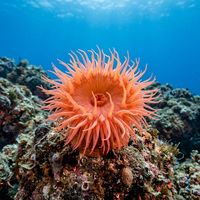
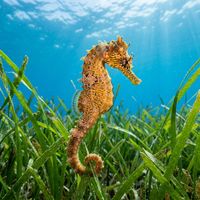
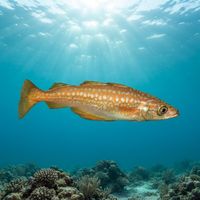
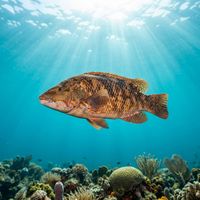
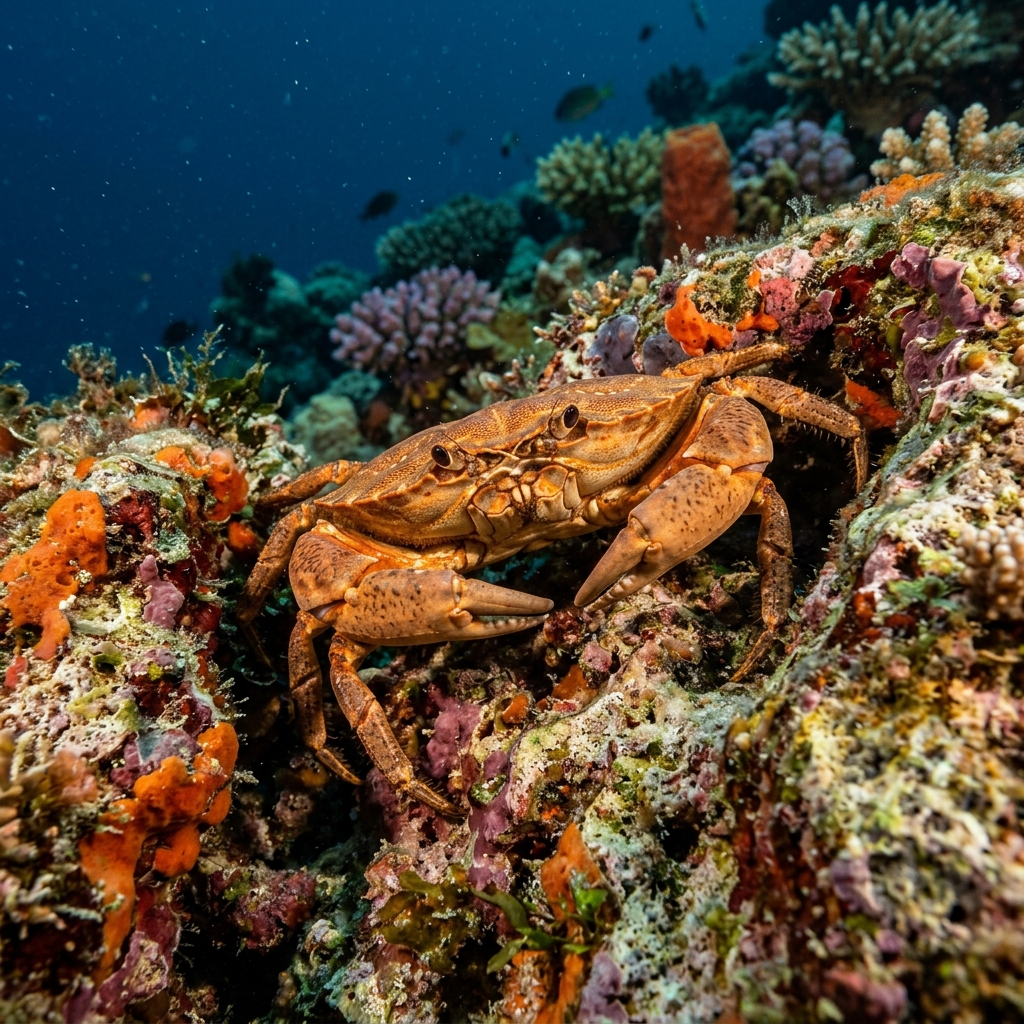
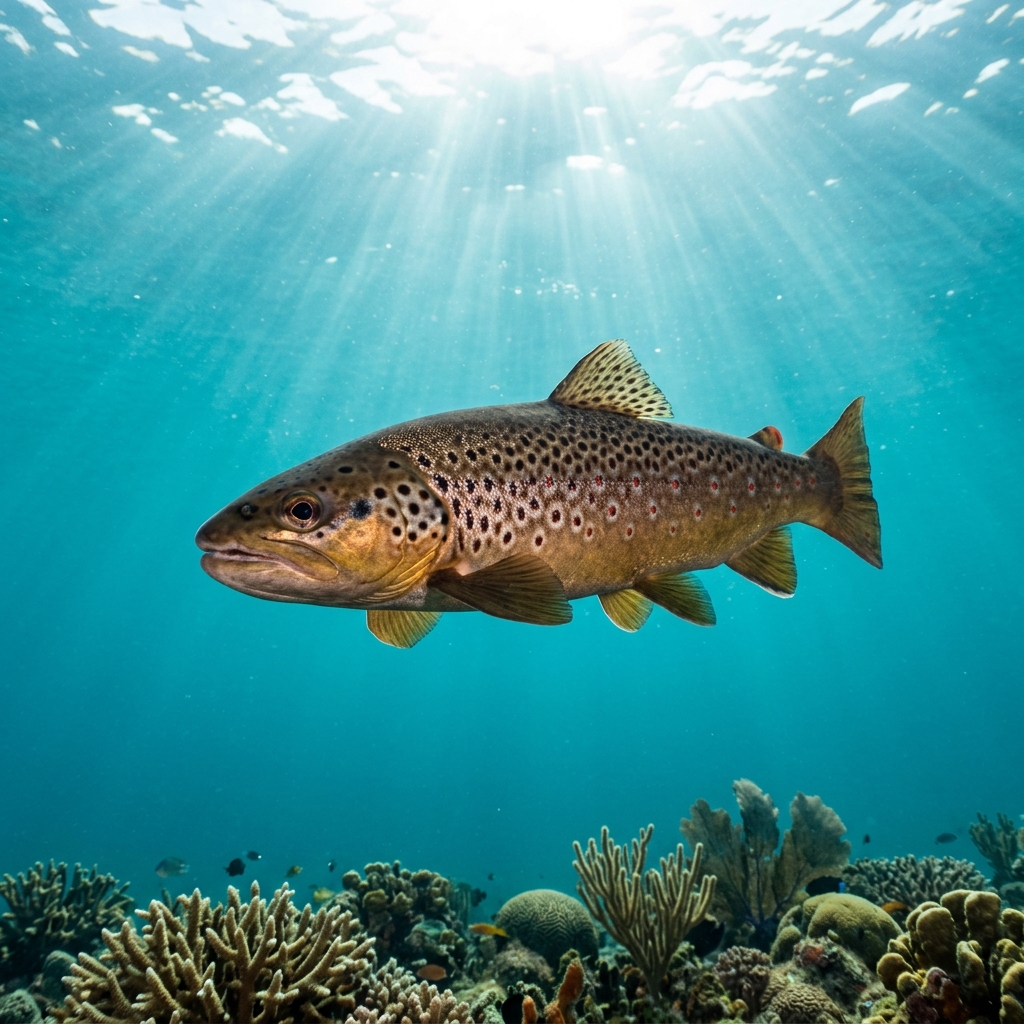
European Common Cuttlefish is the signature species of the area and is observed very frequently across sites. Dogfish and Cod are equally common sightings, while Sea Anemone appears regularly on the rocky terrain. Less frequent but recorded observations include Seahorse, Wrasses, Crab, and Brown Trout.
Several sites cater well to those earlier in their diving journey. Kullavik hamn is a shallow shore dive with natural reef, artificial reef, and seagrass features, and Sisjön is a shallow freshwater site also accessible from shore. More advanced divers will find challenge at exposed wall sites such as Hönö Både, where currents and cold water demand greater experience.
A number of sites, including Kullavik hamn and Sisjön, are accessible directly from shore, making them convenient for independent divers. Other sites, such as Benskär and Hönö Både, require a boat to reach. There are currently no listed dive operators in the region, so arranging boat access independently is worth planning ahead.
The site mix includes rocky walls, natural reefs, artificial reef structures, and seagrass beds, giving divers a range of environments within the same region. Wall diving is the standout feature at sites like Benskär and Hönö Både, while Kullavik hamn combines multiple habitat types in a single, shallow dive. Sisjön provides a contrasting freshwater experience.