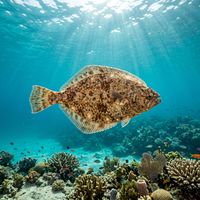
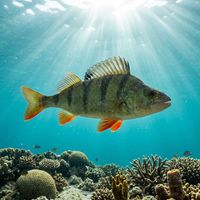
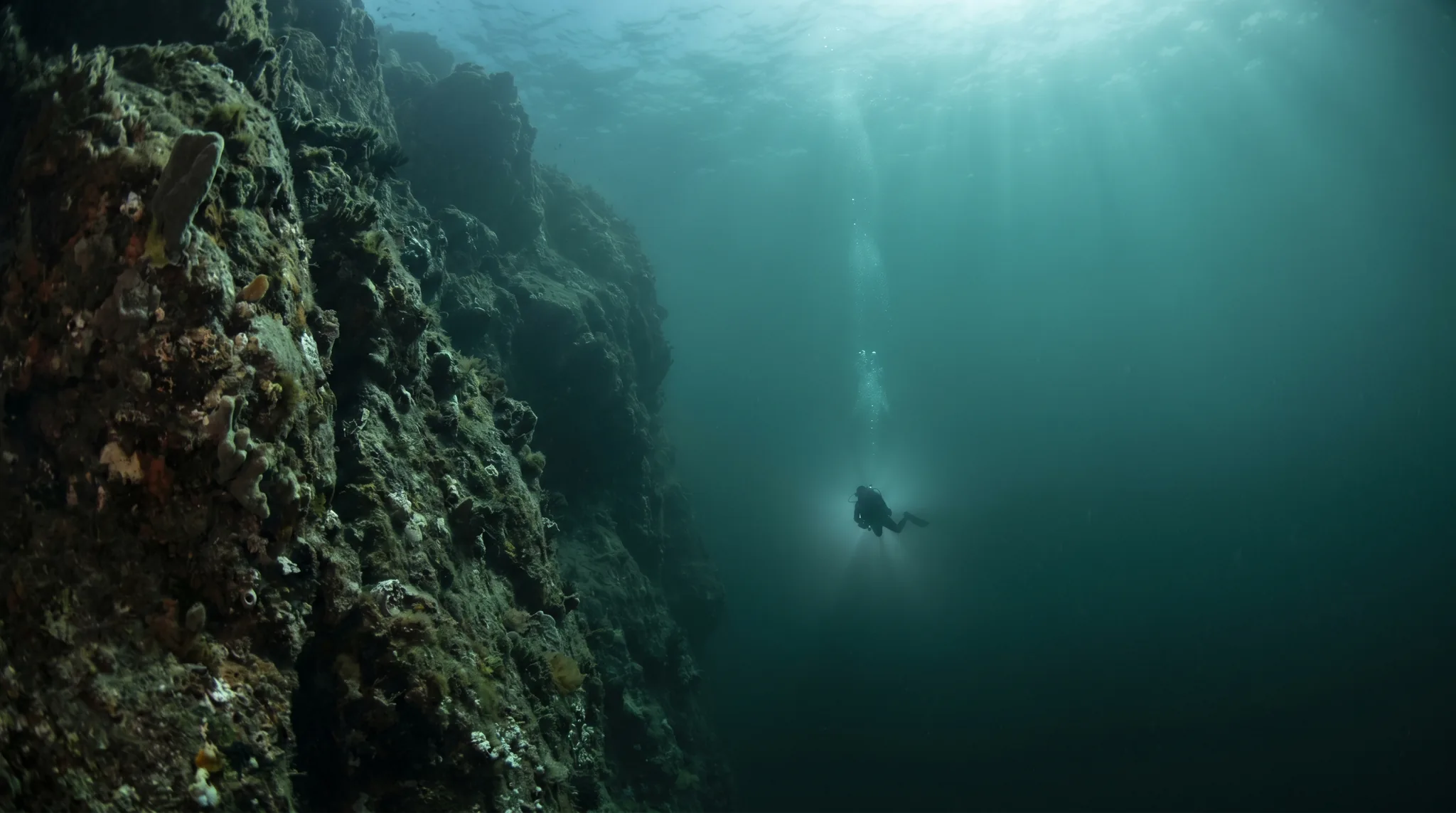
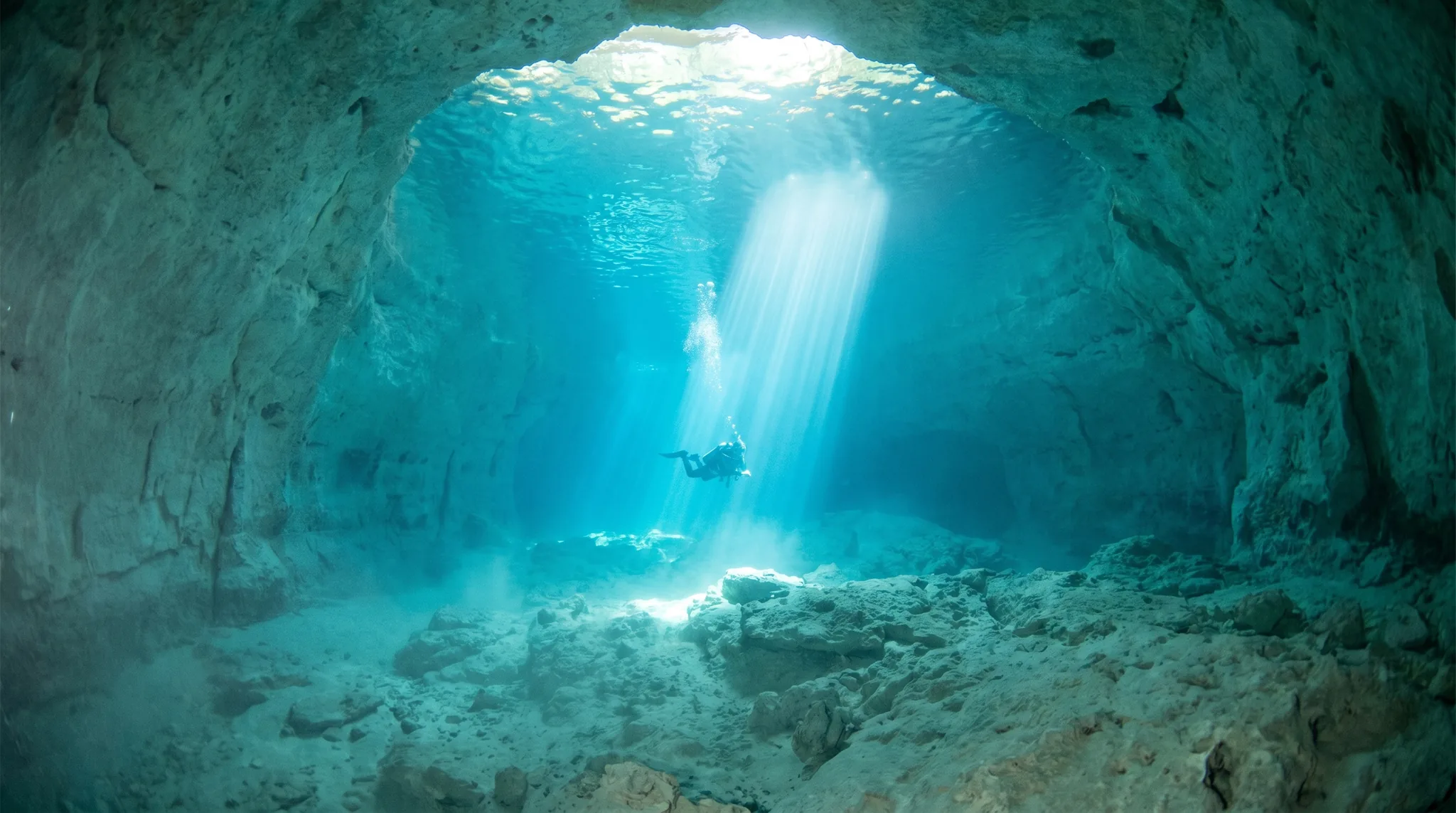
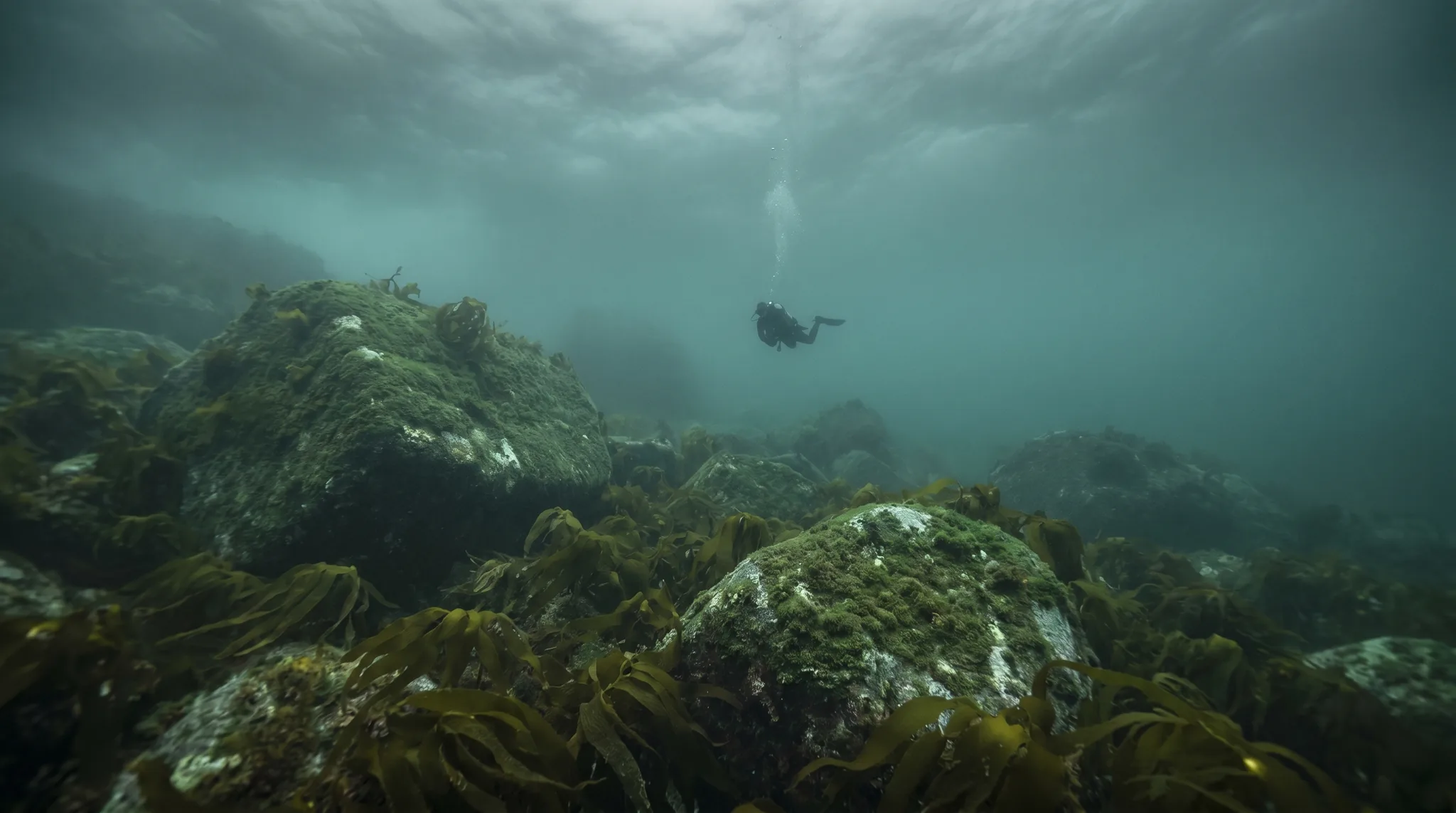
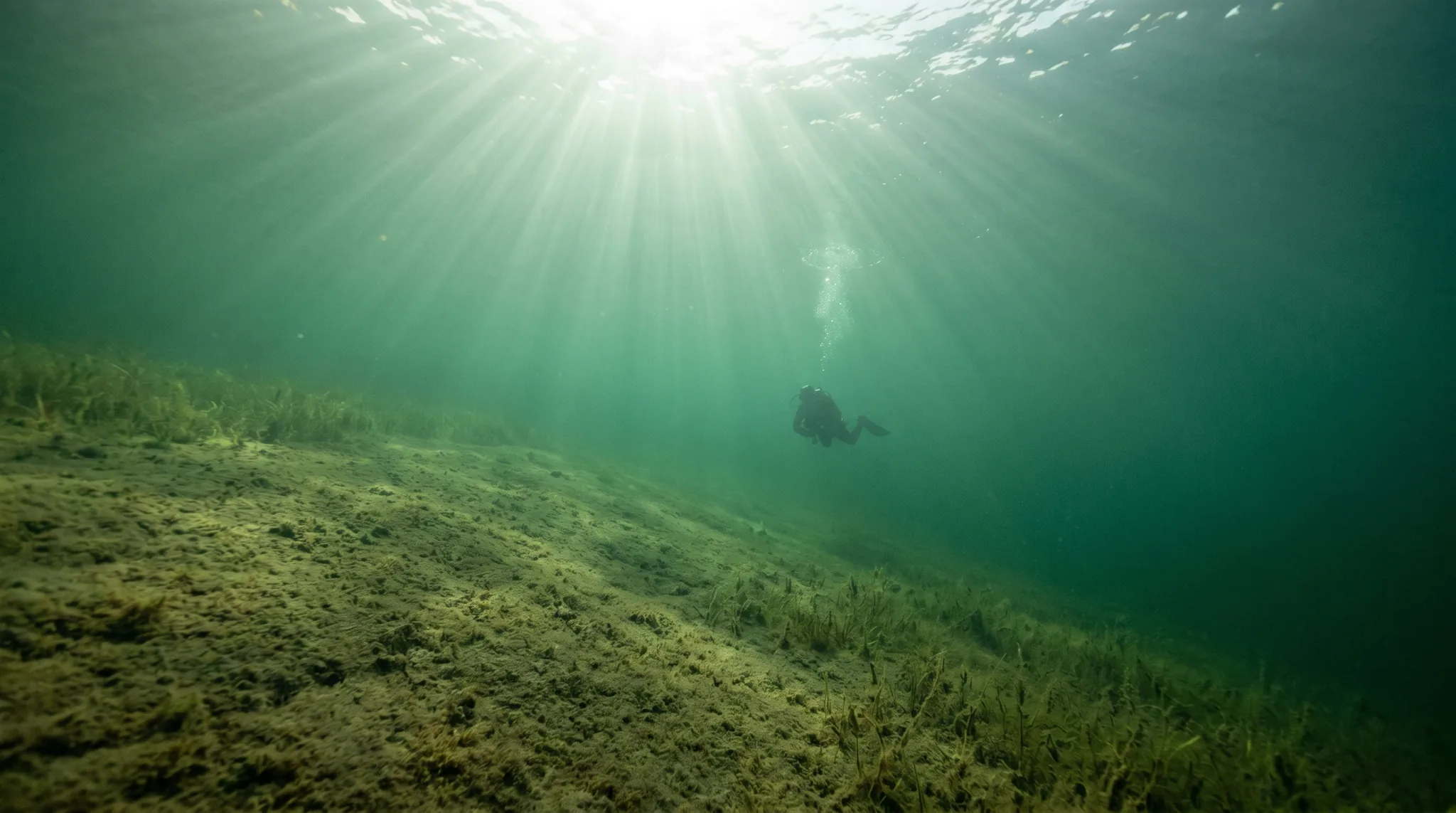
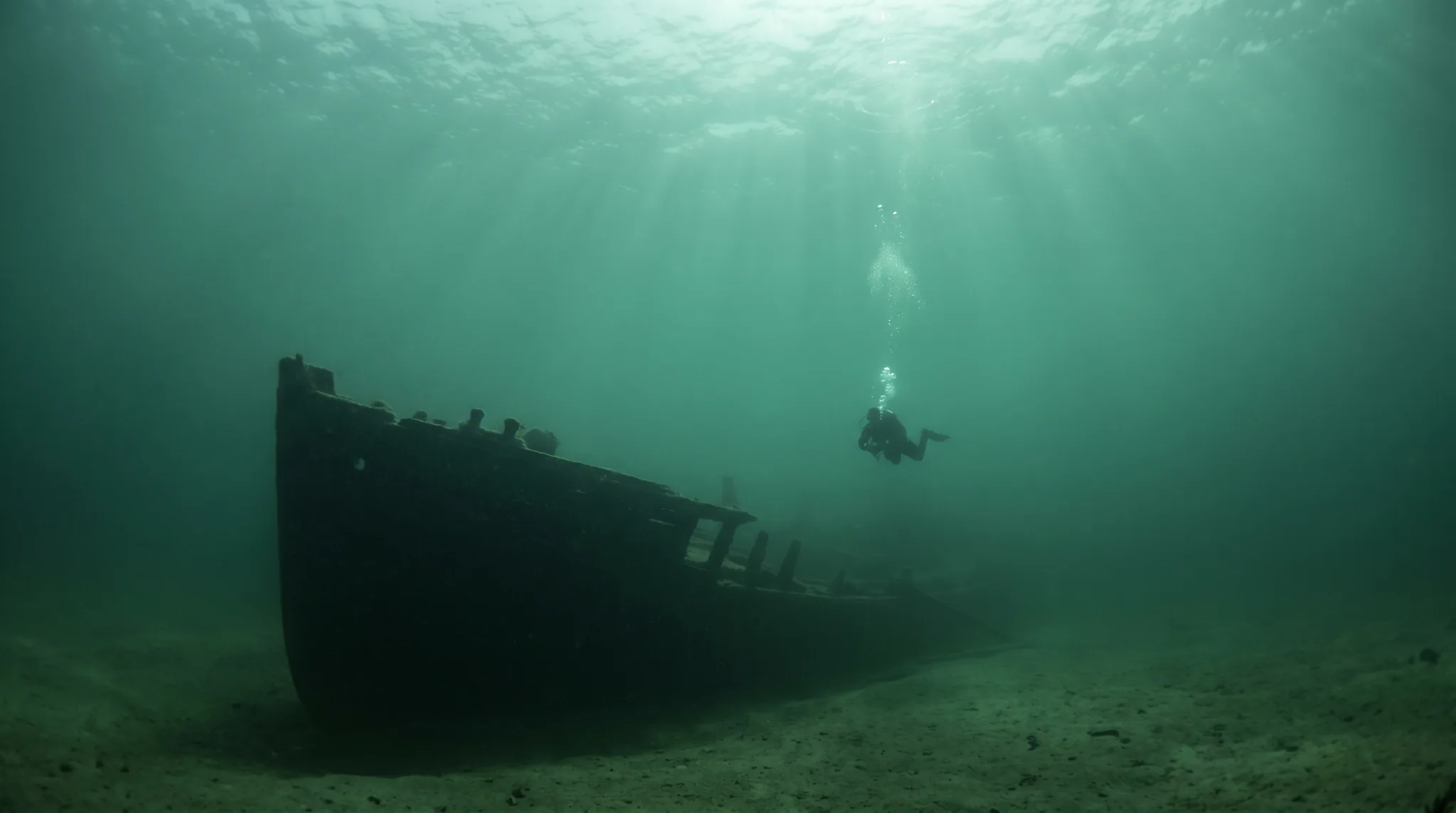
Kalmar and Öland offer a varied mix of shore-entry reef dives, flooded quarries, freshwater lakes, and a wreck accessible to beginners. The region's sites lean shallow, though some reef walls descend considerably deeper. Öland adds a distinct sub-area with its own cluster of sites. Visibility is moderate and water temperatures are coldest through winter, warming through summer. Observation-backed species include the Righteye Flounder and Perch, and the region has potential for encounters with European Eel across a broad range of sites. Most diving here requires no boat.
1 areas
9 operators
Fin maps 14 sites in Kalmar & Öland (13 scuba diving sites and 3 snorkelling spots, with some suited to both).
2 more sites to explore
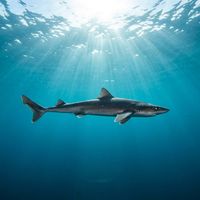
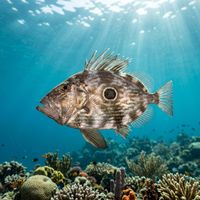
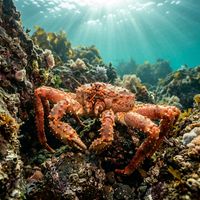
The Righteye Flounder and Perch have been observed at sites across the region. A broad range of sites also fall within the expected range of the European Eel. The species list includes potential encounters with Dogfish, Lumpfish, Common Sea Star, and Brittle Star, though these are not observation-confirmed for this region.
The overwhelming majority of sites in Kalmar and Öland are rated for beginner skill levels. Shore entry is the norm, with many sites offering very shallow profiles ideal for new divers and training dives. The wreck site, Prosper vrak, is also rated for beginners and is one of the few sites requiring a boat.
Öland forms a distinct sub-area within the region with its own cluster of sites, including Grönhögen Stenbrott, a former quarry now functioning as an artificial reef, and Neptuni Åkrar, which combines natural and artificial reef structures. These sites complement the broader mix of freshwater lakes, coastal reefs, and harbour entries found across the wider region.
Yes, shore entry is by far the most common access method across Kalmar and Öland. Only Prosper vrak requires a boat. This makes the region particularly practical for independent divers who prefer to plan without arranging boat charters, and there are currently no listed dive operators in the area.