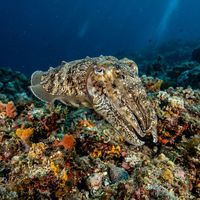
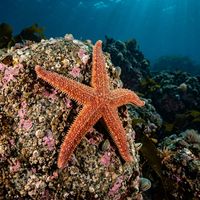
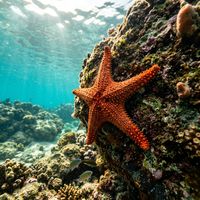
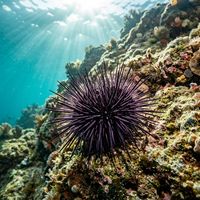
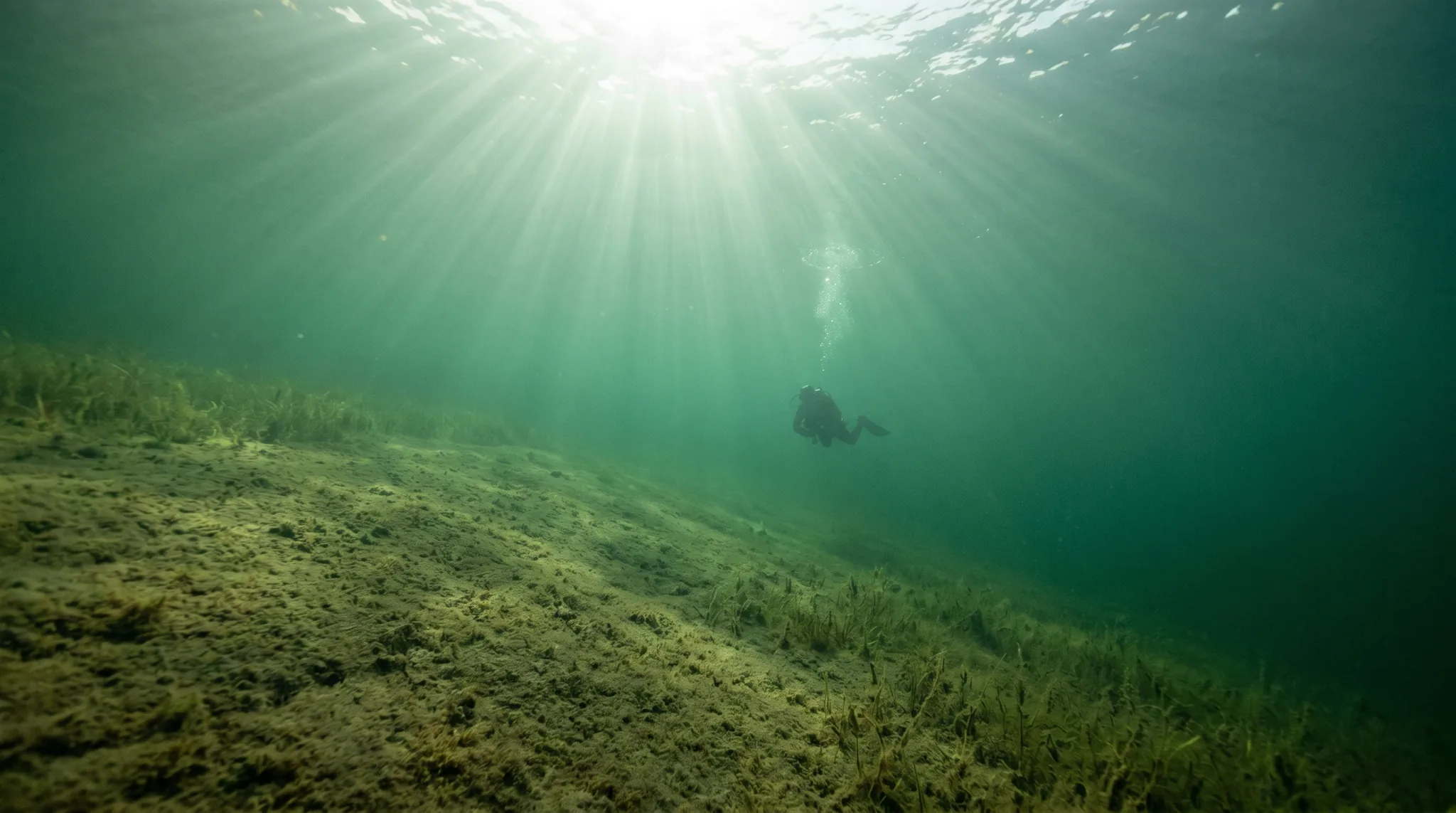
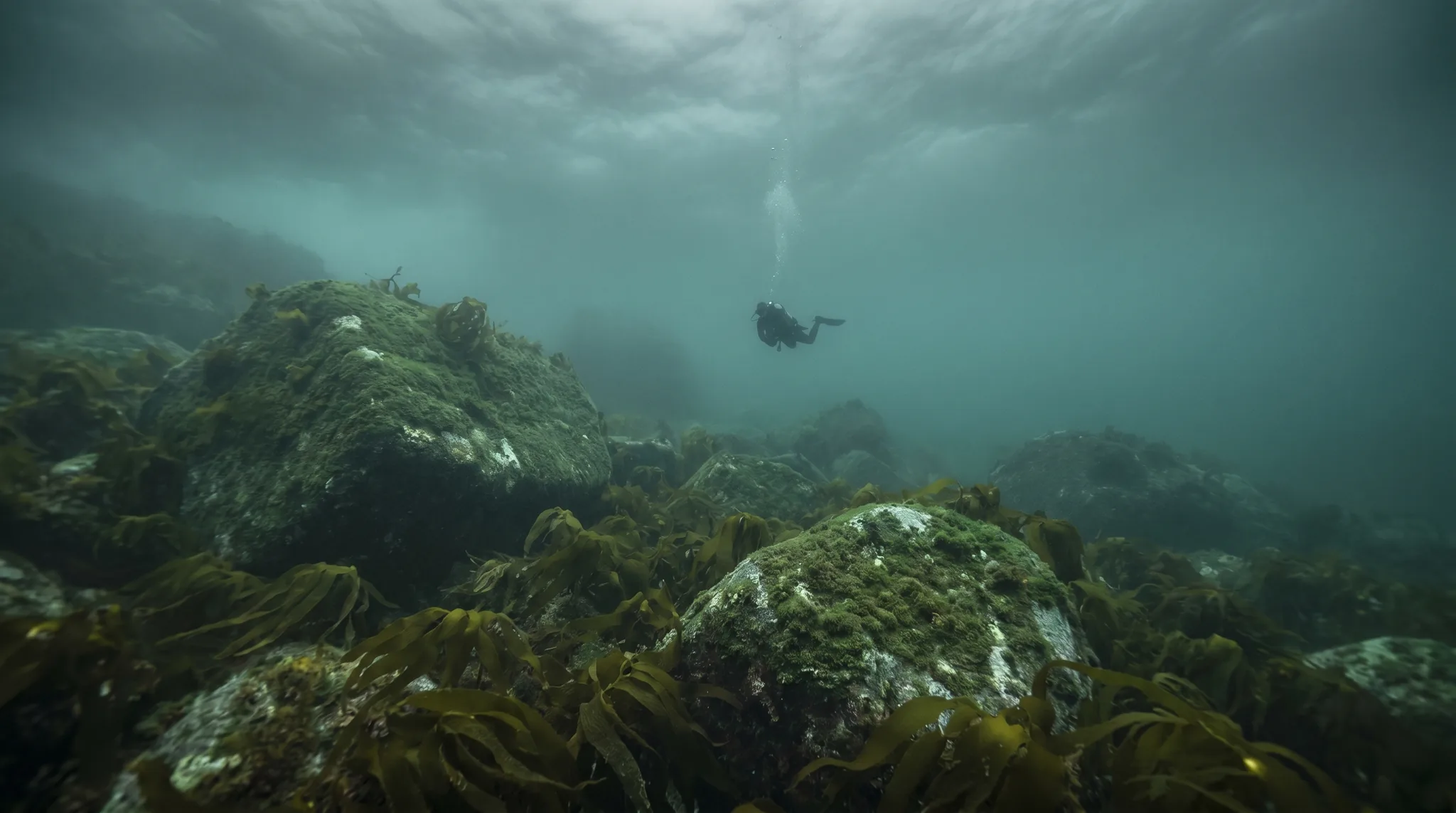
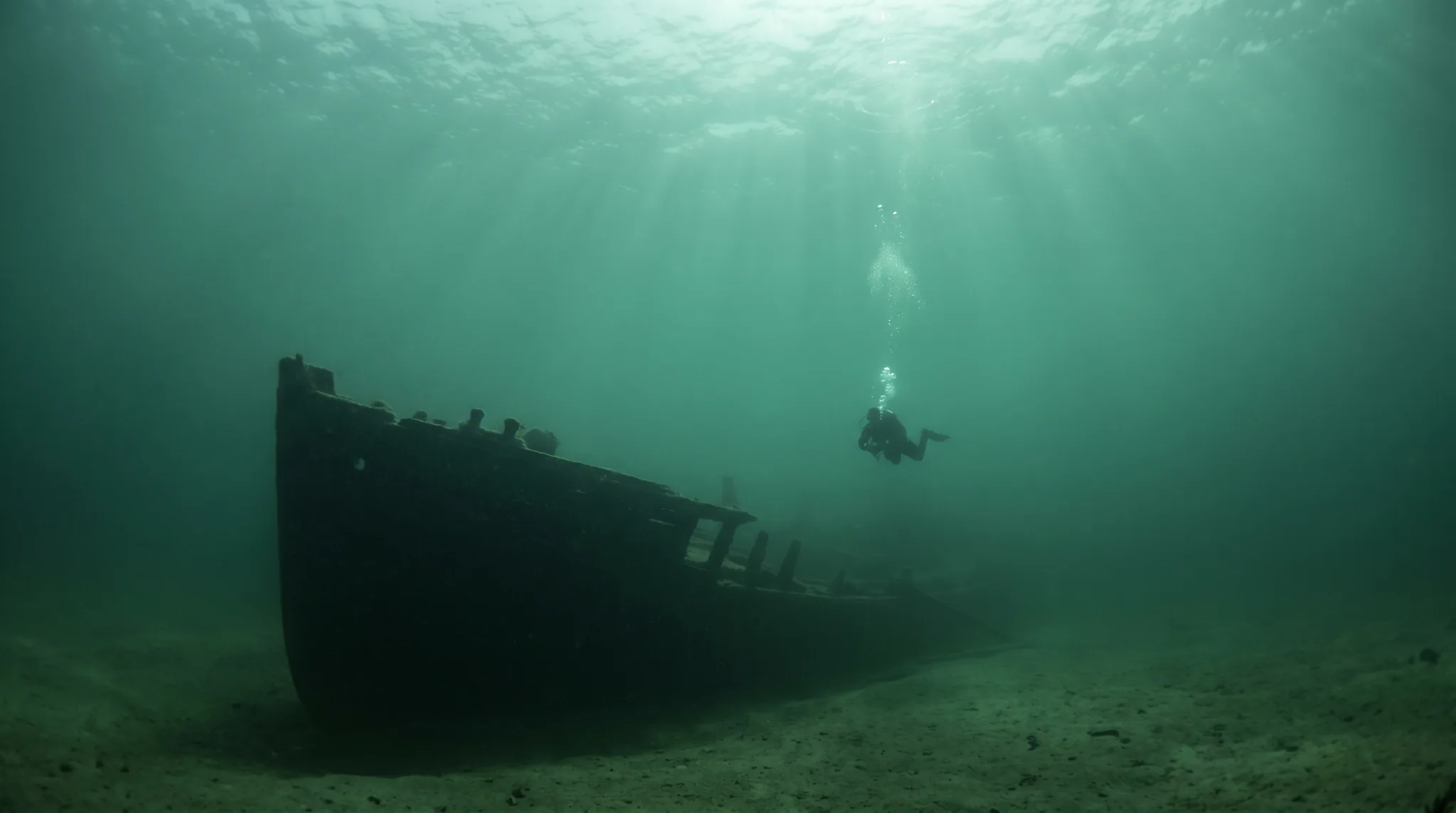
Póvoa de Varzim offers a compact but varied underwater scene along the Costa Verde coast. Rocky reefs and kelp forests define most sites, with wrecks adding variety from shallow to very deep. Beginners have accessible boat-entry reefs and easy shore snorkel spots, while advanced divers can tackle deep wrecks including a technical steam shipwreck. The Common Octopus is the standout resident, alongside Cod, Tompot Blenny, Shanny, and Sea Star across virtually every site.
Monthly water temperature across Póvoa de Varzim's sites, from satellite sea-surface data corrected for depth. The band shows the site-to-site spread.
Water temperatures are coolest from January to March, warming gradually through spring and peaking from July to October. The summer and early autumn months bring the most settled conditions and represent the best window for diving. Atlantic exposure means swell and current can affect visibility, so conditions should be checked before heading out.
2 operators
4 more sites to explore
Water temperature around Póvoa de Varzim ranges from about 14°C in January to 17°C in June, based on satellite sea-temperature data for its dive sites.
With water around 14–17°C, a 7mm or semi-dry suit works in Póvoa de Varzim year-round.
Fin maps 13 sites in Póvoa de Varzim (8 scuba diving sites and 6 snorkelling spots, with some suited to both).
Across Póvoa de Varzim's dive sites, May, June, July, August and September are most often reported as the best months to visit.
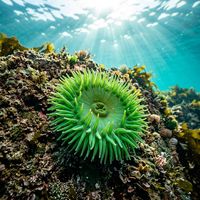
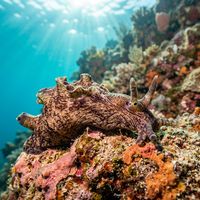
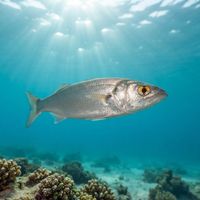
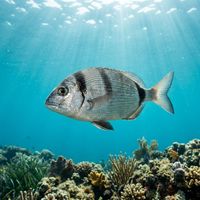
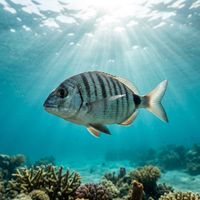
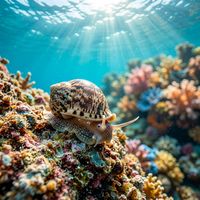
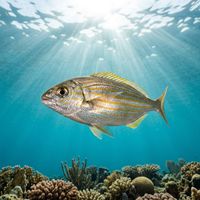
The Common Octopus is observed across the vast majority of sites and is the region's signature species. You are also very likely to encounter Cod, Tompot Blenny, Shanny, Sea Hare, Giant Green Anemone and Sea Star. Two-banded Seabream, White Seabream and Mullet are common additions on the reefs.
Yes. Bezerros and Baixo da Pena are both rated beginner level and sit at comfortable shallow to mid-range depths. These boat-entry reef sites give new divers a good introduction to the rocky reef and kelp forest environment typical of the area.
Beginner sites focus on shallow rocky reefs close to the surface. Intermediate divers have wreck and reef combinations such as Batelao and kelp forest sites like Forcadinho and Moinhos. Advanced divers can explore Brenha, an artificial reef and wreck at depth, or push into technical territory with the Unidentified Steam Shipwreck, which rests very deep and involves complex overhead environments.
All dive sites in the region require boat access. Shore entry is available for snorkelling at sites including Santo André and Praia do Quião. Divers should arrange boat trips in advance, particularly as there are currently no listed local operators in the Fin database for this region.