Gargamella rosi
Cold-water nudibranch found along Spain's Cantabrian Coast and the coasts of Wales, spotted year-round in 9 to 15 C water.
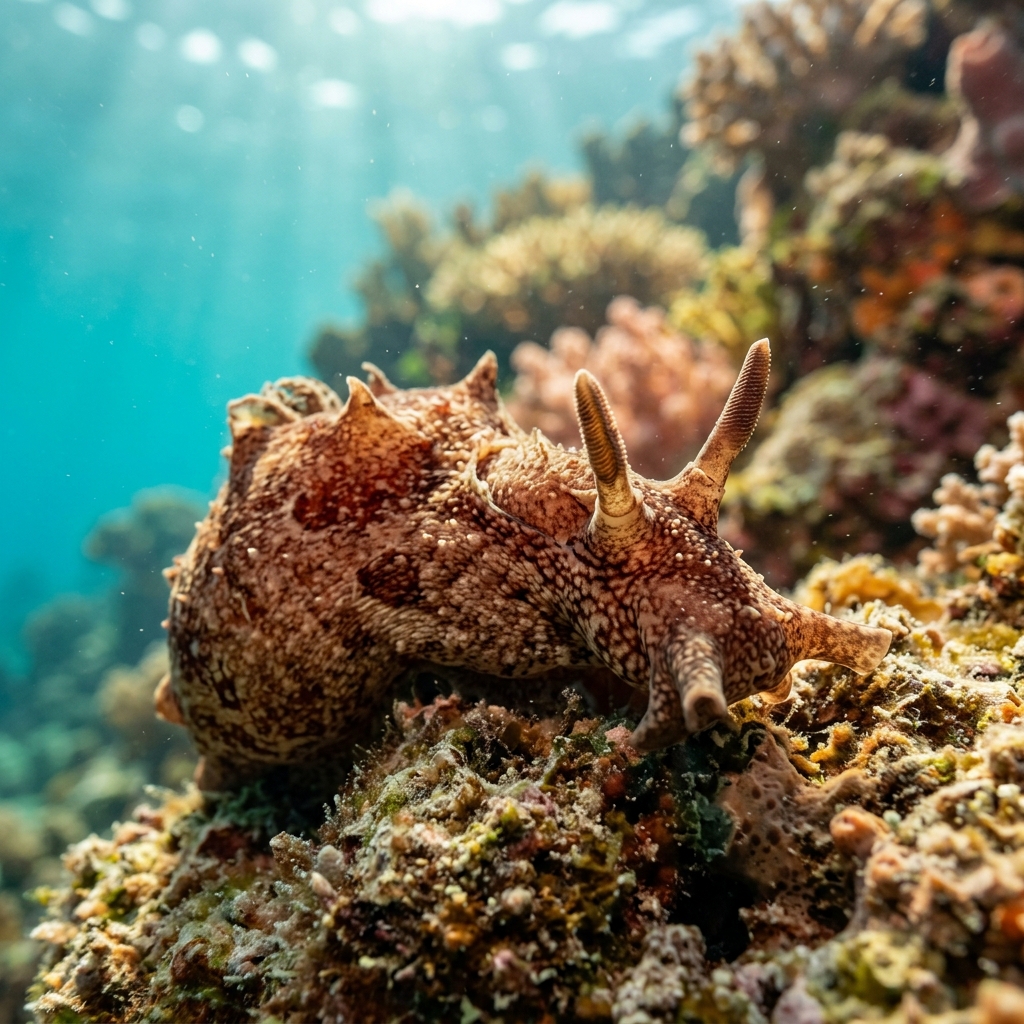
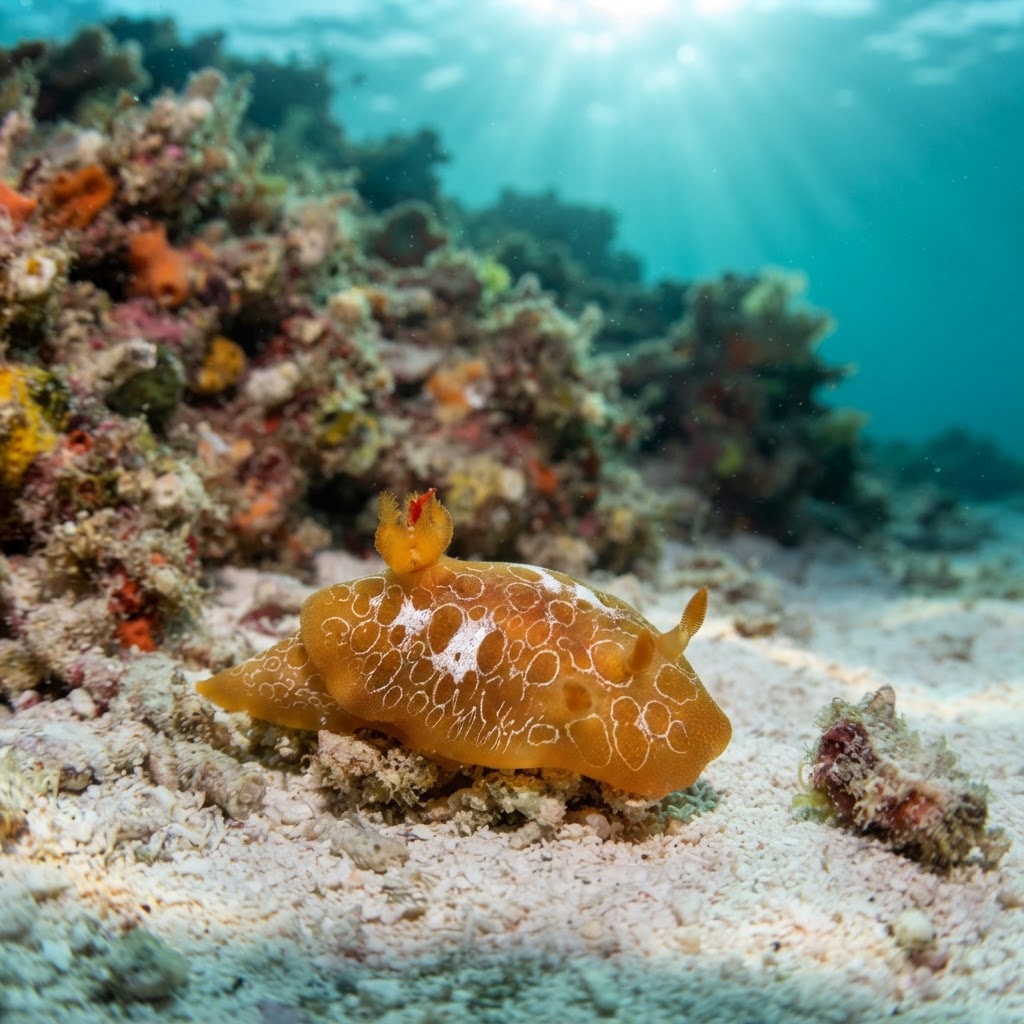
A small, soft-bodied sea slug (nudibranch) that divers spot crawling slowly across rock and rubble rather than swimming. Look for it on cold-water reefs rather than tropical coral, usually tucked into crevices or moving over encrusted rock in low light. Size and precise colour details are not well documented for this species, so identification often comes down to habitat and location as much as pattern.
Divers typically find it moving slowly across rock faces and rubble patches rather than out in the open water column, in keeping with most discodorid nudibranchs. It shows no reaction to divers beyond its usual unhurried pace, so a slow, careful approach with a torch is the best way to get a good look without disturbing it. Most sightings come from macro-focused dives along rocky, temperate reef rather than sandy or coral habitat.
Like other members of the Discodorididae family, it almost certainly feeds on sponges, using the encrusting sponge growth on cold-water rock reefs as both food source and camouflage.
No clear seasonal peak shows up in the data, so treat it as a year-round find at these sites. Its comfort range of roughly 9.4 to 15.4 C matches the cool Atlantic water these coasts hold for most of the year, which likely explains the lack of a tight season.
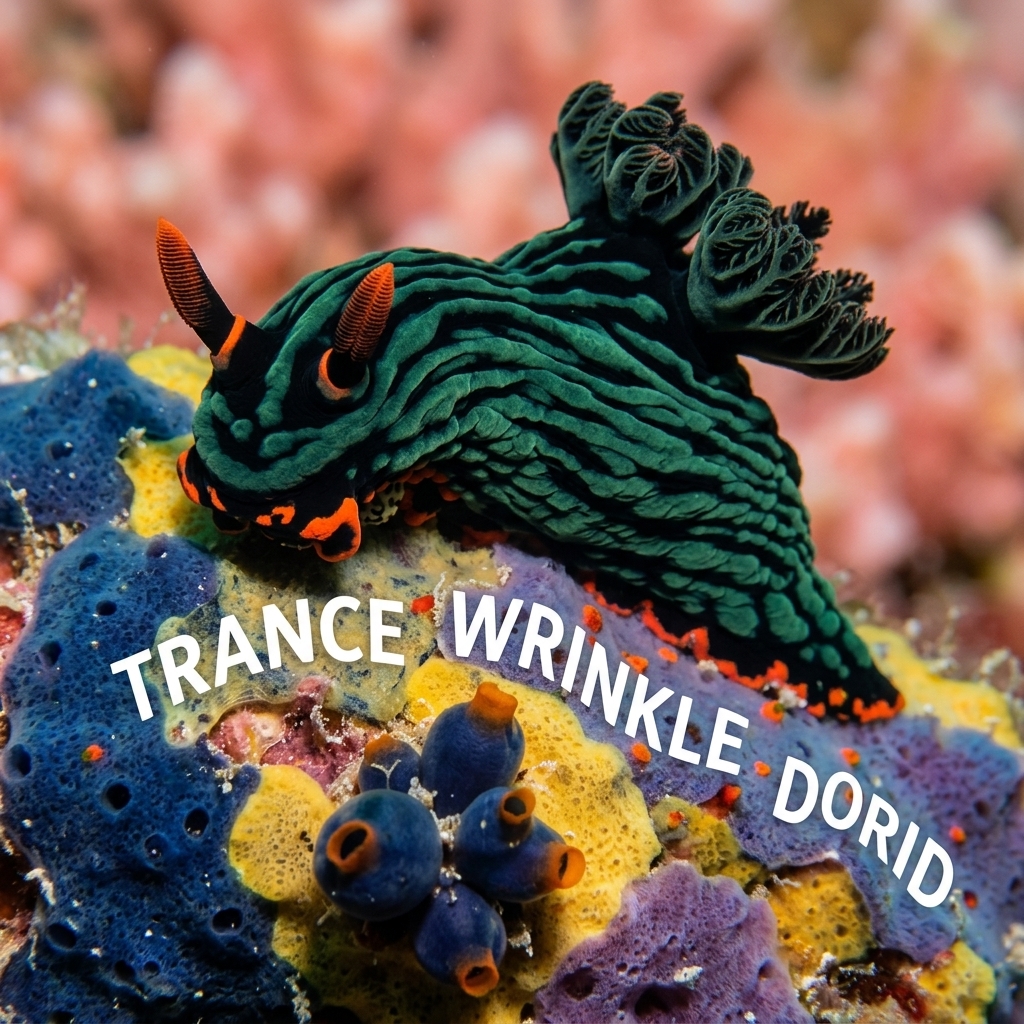
Reef neighbours a diver could mistake it for. Use the identification notes above to tell them apart.
Most reliably logged along Spain's Cantabrian Coast and across Wales, with a solid secondary presence on Portugal's Lisbon Coast. Smaller numbers turn up in England, the French Bay of Biscay, and Brittany, making this a distinctly cold-water Atlantic species rather than a Mediterranean or tropical one.
Mapping where Ros's Gargamella is logged…
It is most consistently found along Spain's Cantabrian Coast and in Wales, with further sightings on Portugal's Lisbon Coast and smaller numbers in England and France's Bay of Biscay and Brittany.
There is no strong seasonal pattern in sighting data, so it is considered a year-round species at the sites where it occurs. Its cold-water preference of roughly 9 to 15 C is met across most of the year on these Atlantic coasts.
Look for a small, slow-moving nudibranch on rocky reef and rubble in cold Atlantic water rather than on coral. Precise colour and size details are not well recorded, so location and habitat are useful supporting clues alongside body shape.
No. It poses no threat to divers and can be observed safely at close range without any special precautions.
Exact size figures are not well documented for this species, but like most discodorid nudibranchs it is a small, hand-sized or smaller animal spotted on close inspection of rock and rubble.
Site and sighting data is aggregated from diver logs, iNaturalist and GBIF. For taxonomy and conservation status:
Light-spotted Aegires
3,168 sites