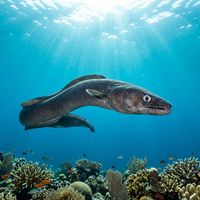
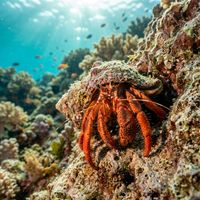
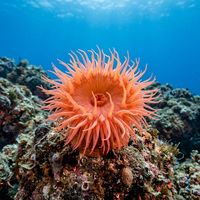
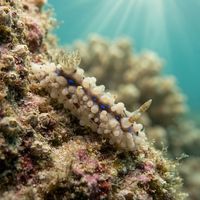
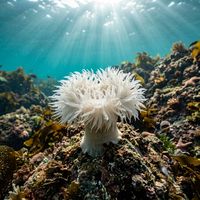
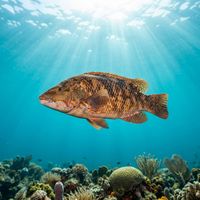
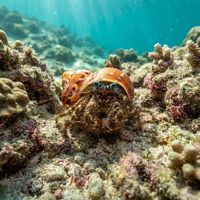
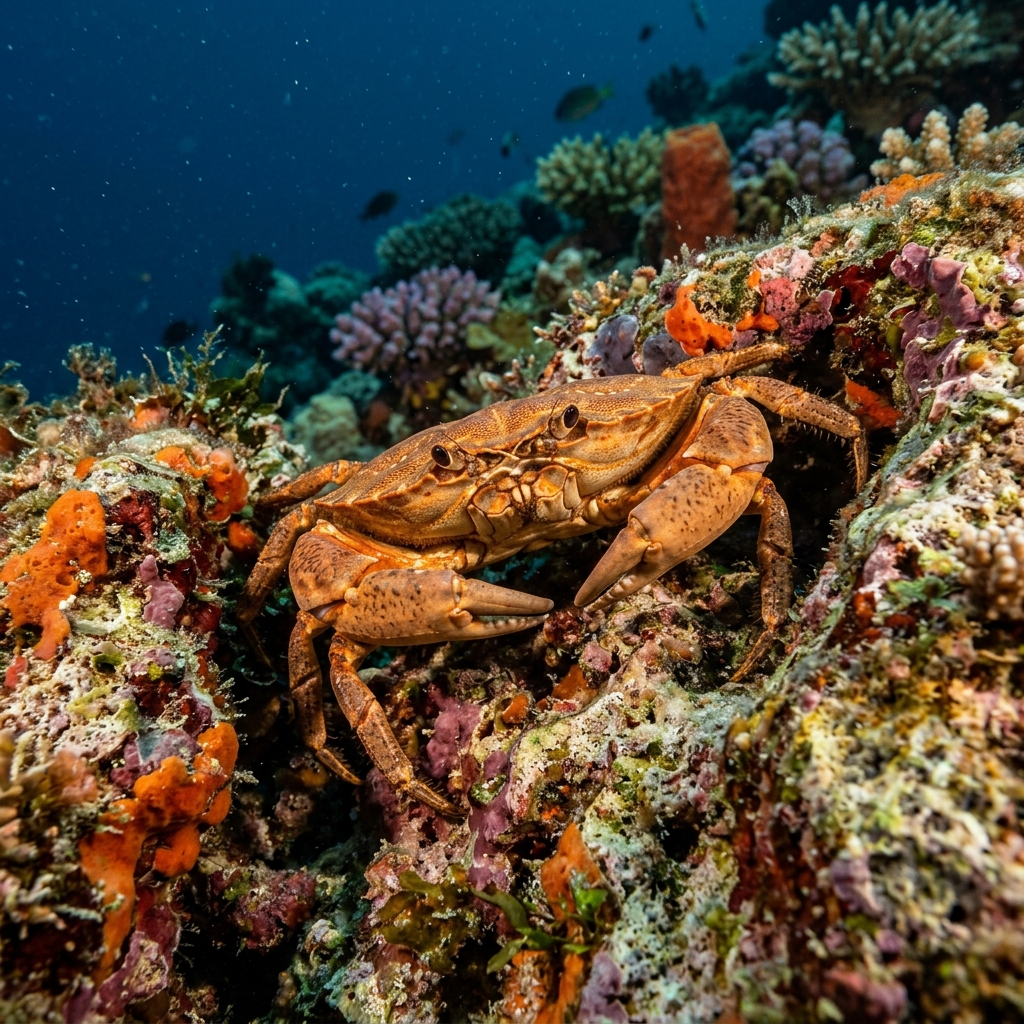
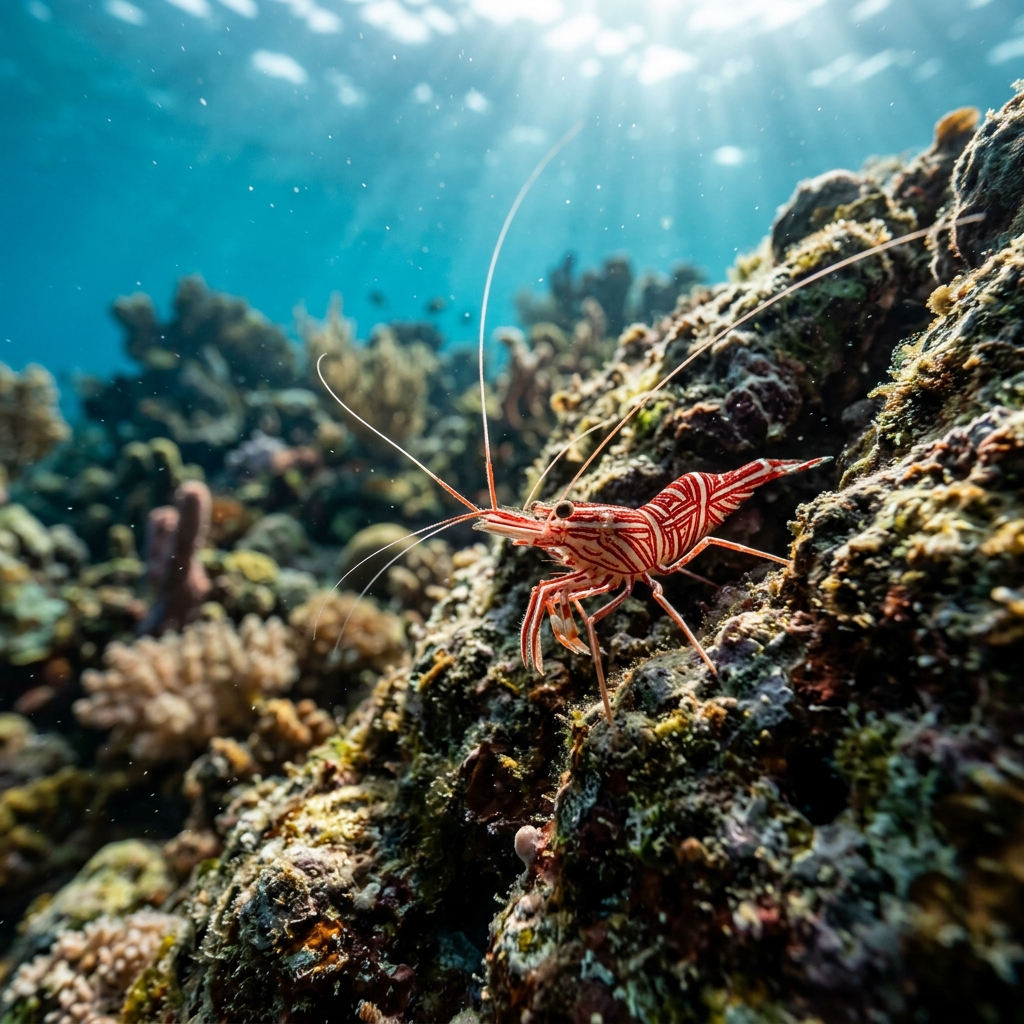
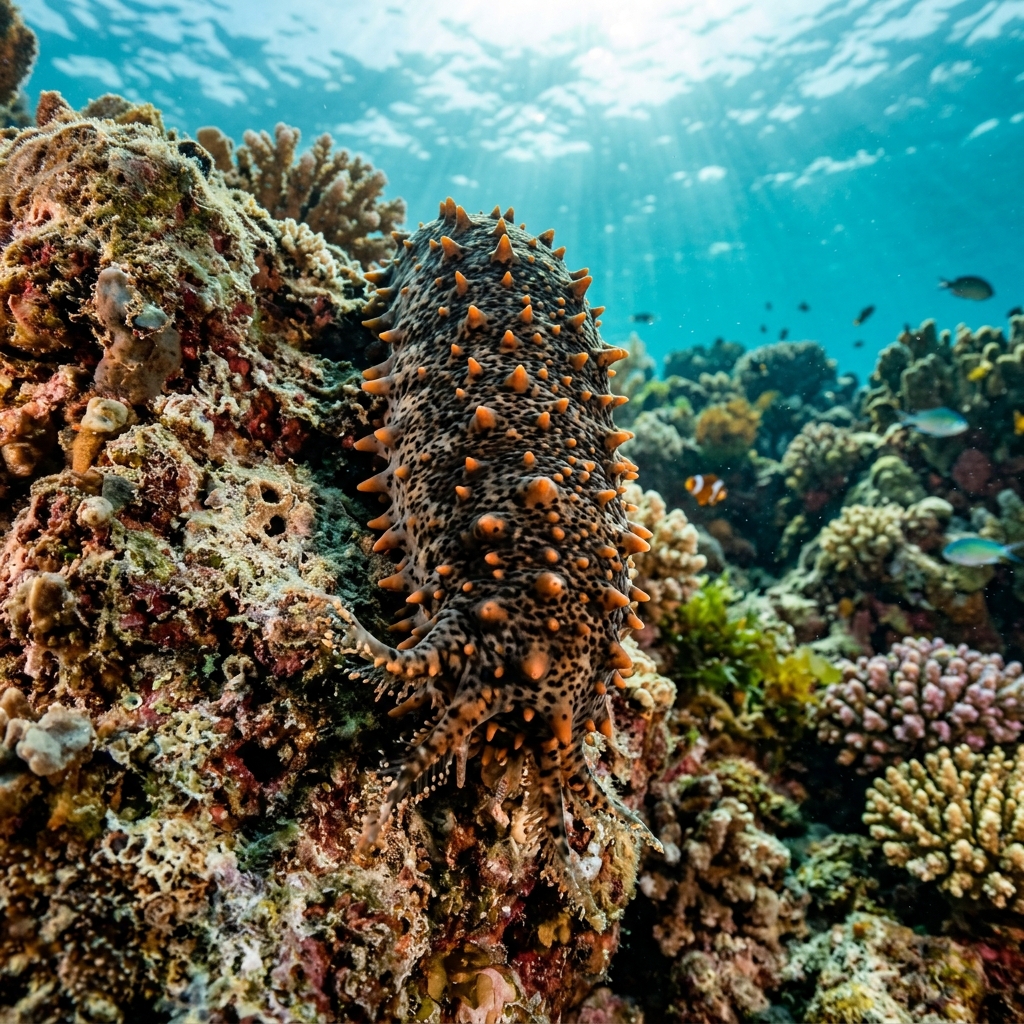
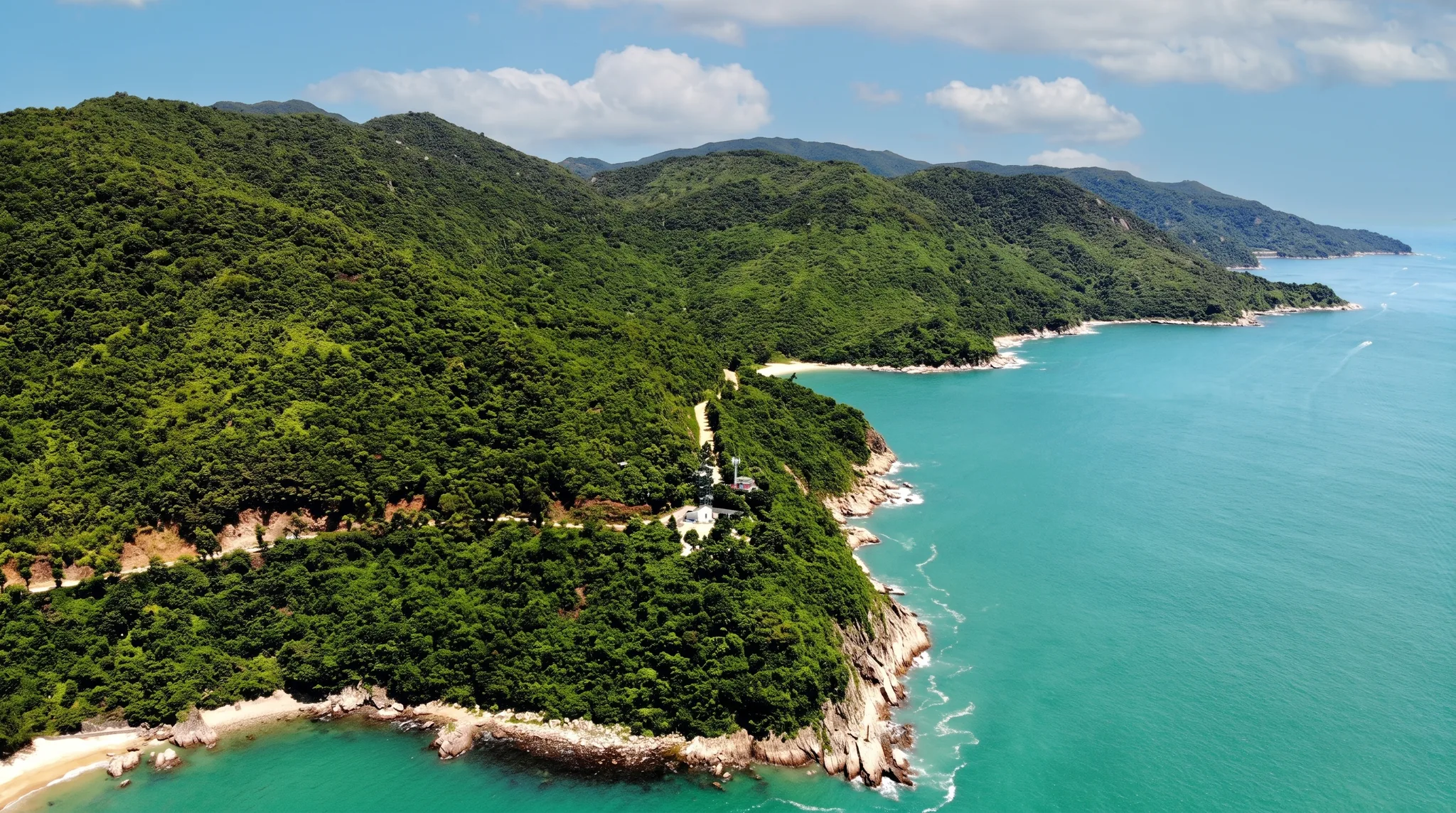
South Korea's East Sea Coast divides into three distinct sub-areas: Yangyang in the north, Uljin in the centre, and Pohang in the south. The diving is boat-access throughout, with Uljin offering the region's most varied portfolio, including the Buk-myeon Wreck, the Nagok Wreck, and reef sites such as Flower Garden and Sungsunaegi. Pohang's Woongjjam pinnacle offers shallower terrain suited to beginners. Observed marine life leans heavily on invertebrates: Conger Eel and Hermit Crab appear across virtually all sites, with Sea Anemone and Plumose Anemone adding colour to the reefs. Water is coolest in late winter and warmest in early autumn.
3 areas
 5
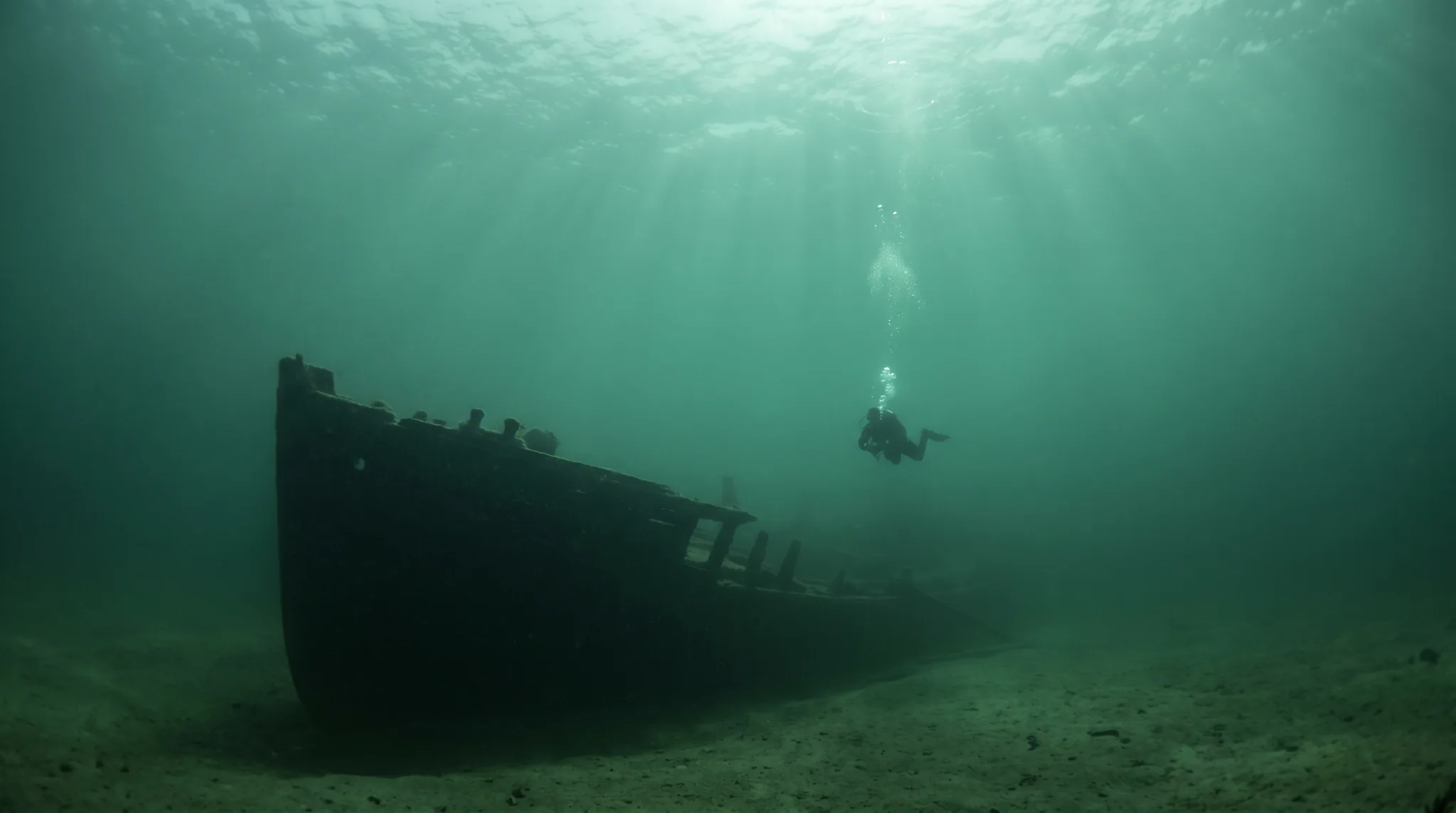
5A range of reef and artificial reef sites on the East Sea, from very shallow shore dives to deeper rock formations, with cool temperate marine life.
5Reef and wreck diving on the East Sea, with temperate species and a standout high-visibility site at Flower Garden.
 2
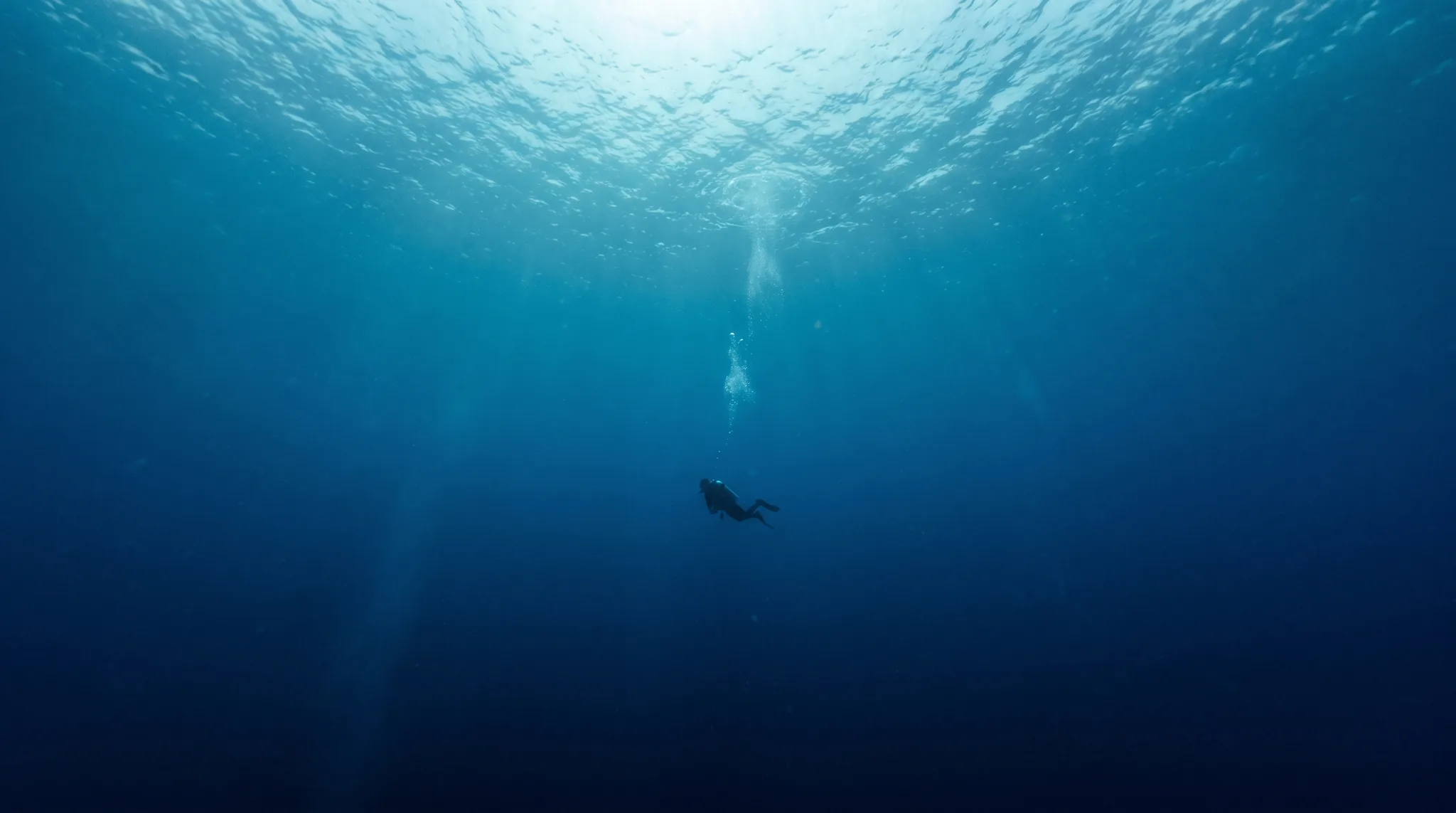
2East Sea coastal diving built around government-deployed artificial reefs, ranging from shallow pinnacles to deep iron structures at forty-five metres.
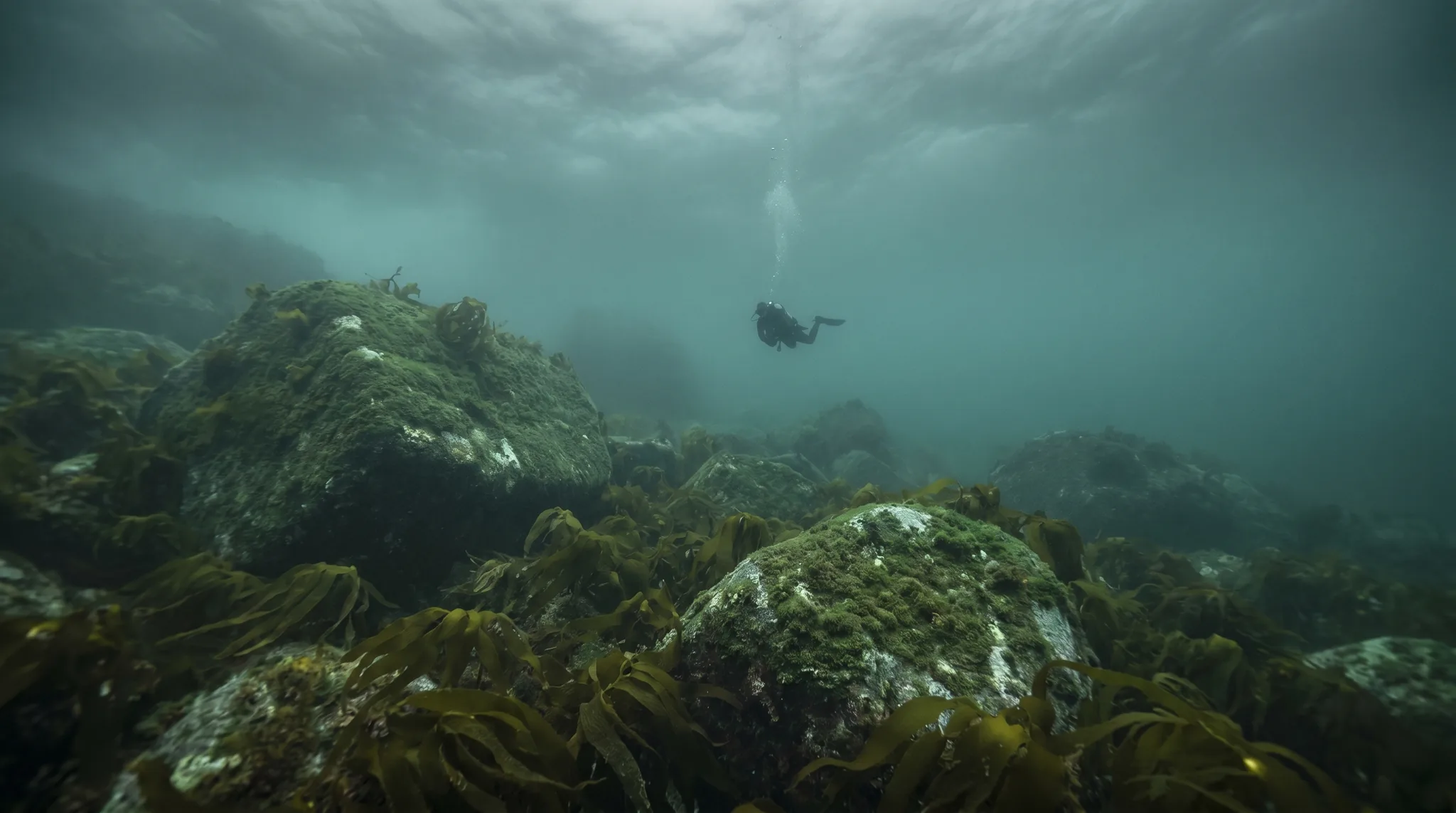
Monthly water temperature across East Sea Coast's sites, from satellite sea-surface data corrected for depth. The band shows the site-to-site spread.
Water temperatures follow a clear seasonal arc, sitting at their coldest in late winter and climbing through spring into a warm summer and early-autumn peak. The warmest and most popular diving window runs from late spring through October, when conditions are most inviting and the greatest number of operators are active. Outside this window, cooler water and fewer boats mean the exposed coastal sites can feel more demanding.
47 operators
Water temperature around East Sea Coast ranges from about 12°C in February to 21°C in September, based on satellite sea-temperature data for its dive sites.
In the warm season (about 21°C) a 5mm suit is comfortable in East Sea Coast; in the coldest months (about 12°C) step up to a 7mm or semi-dry suit.
Fin maps 12 sites in East Sea Coast (12 scuba diving sites), organised into 3 areas.
Across East Sea Coast's dive sites, June, July, August, September and October are most often reported as the best months to visit.
Conger Eel and Hermit Crab are observed across the region's sites, making them reliable encounters on almost any dive. Sea Anemone is also very commonly recorded, and Plumose Anemone appears on a substantial portion of sites. Wrasses, Shrimp, Crab, and Sea Cucumber round out the observed invertebrate and fish fauna.
The region is predominantly intermediate territory, with most sites requiring boat access and sitting at moderate depths. However, Woongjjam in Pohang is explicitly rated for beginners, offering a shallow pinnacle and reef environment that is manageable for newer divers. Those still building experience would be best placed to start there before progressing to the deeper reef and wreck sites in Uljin.
Yangyang, in the north, has the largest number of sites and a range of operators including Hakpo Diver Resort and 딥브레스양양. Uljin, in the centre, is home to the region's wreck diving at Buk-myeon Wreck and Nagok Wreck, alongside reef sites with notable drop-offs. Pohang, in the south, has fewer sites but offers the shallowest and most beginner-friendly option at Woongjjam.
Yes, every site listed for the East Sea Coast requires boat access. There are no shore-entry dive sites in the current listings. Operators such as Deep Station, 럭키다이브, and VONFREEDIVE are spread across the sub-areas and can arrange boat trips to the relevant sites.