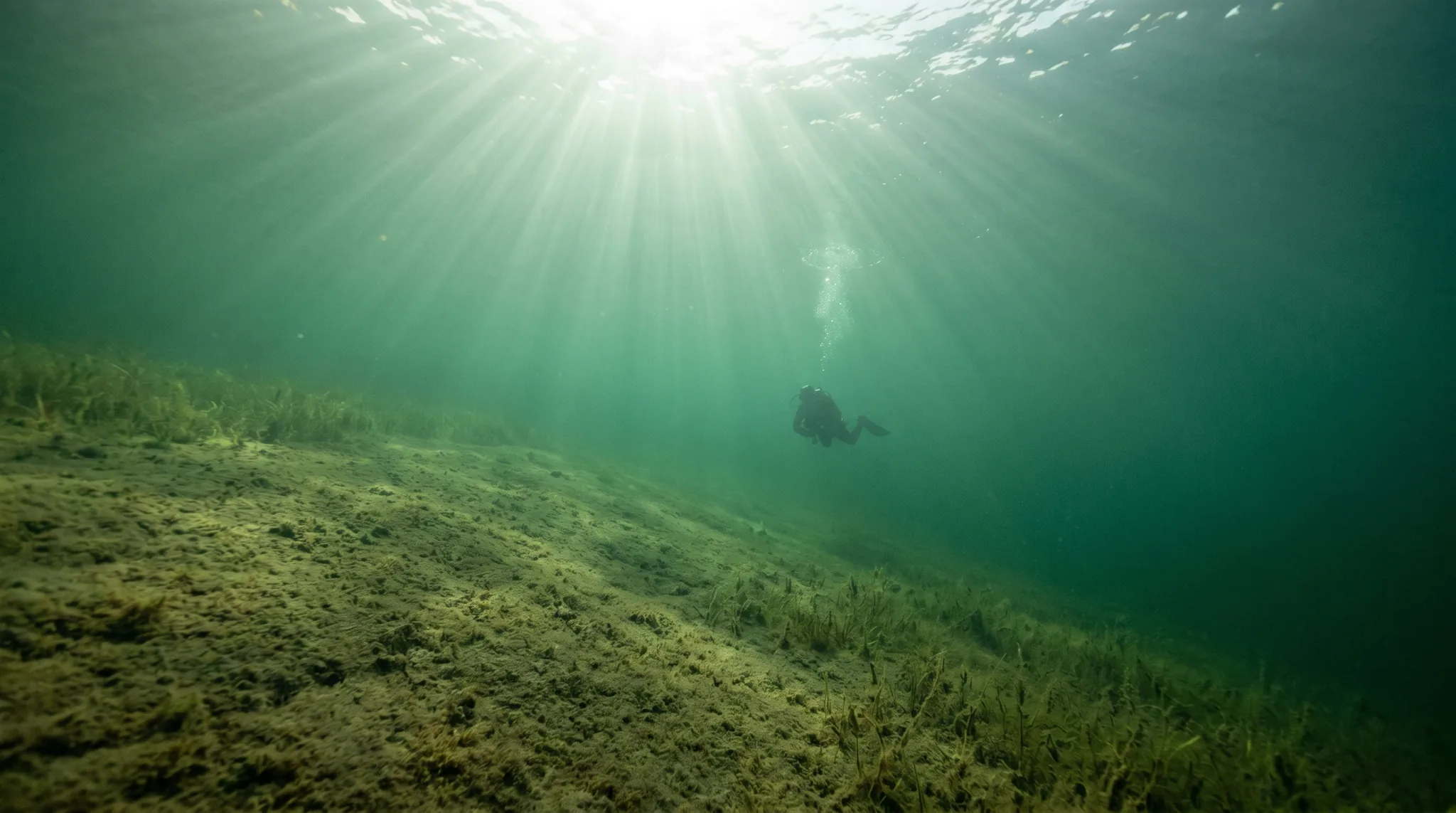
The Slovenian Coast packs a varied underwater portfolio into a compact stretch of shoreline. Piran dominates the diving scene, offering reefs, walls, wrecks and an artificial reef complex at Fiesa beach, while Koper contributes a muck diving site at Žusterna suited to both divers and snorkellers. Most sites are beginner-friendly and shore-accessible, though the Kec Wreck and Underwater Triglav demand advanced certification. The European Common Cuttlefish is the signature encounter, alongside Wrasse, Painted Comber, Tompot Blenny and occasional Seahorse. Water warms noticeably through summer, making June to October the most rewarding window.
2 areas
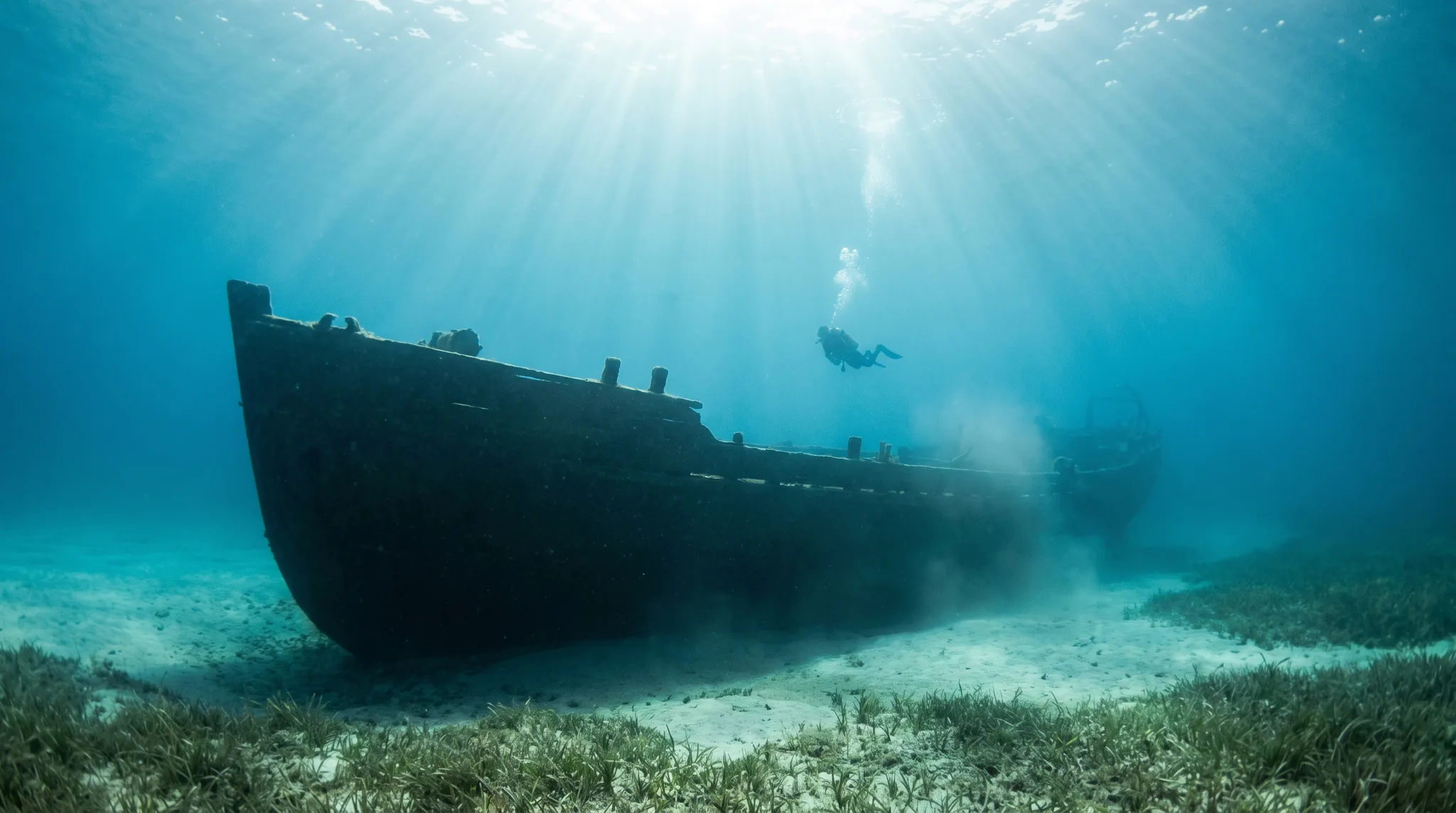
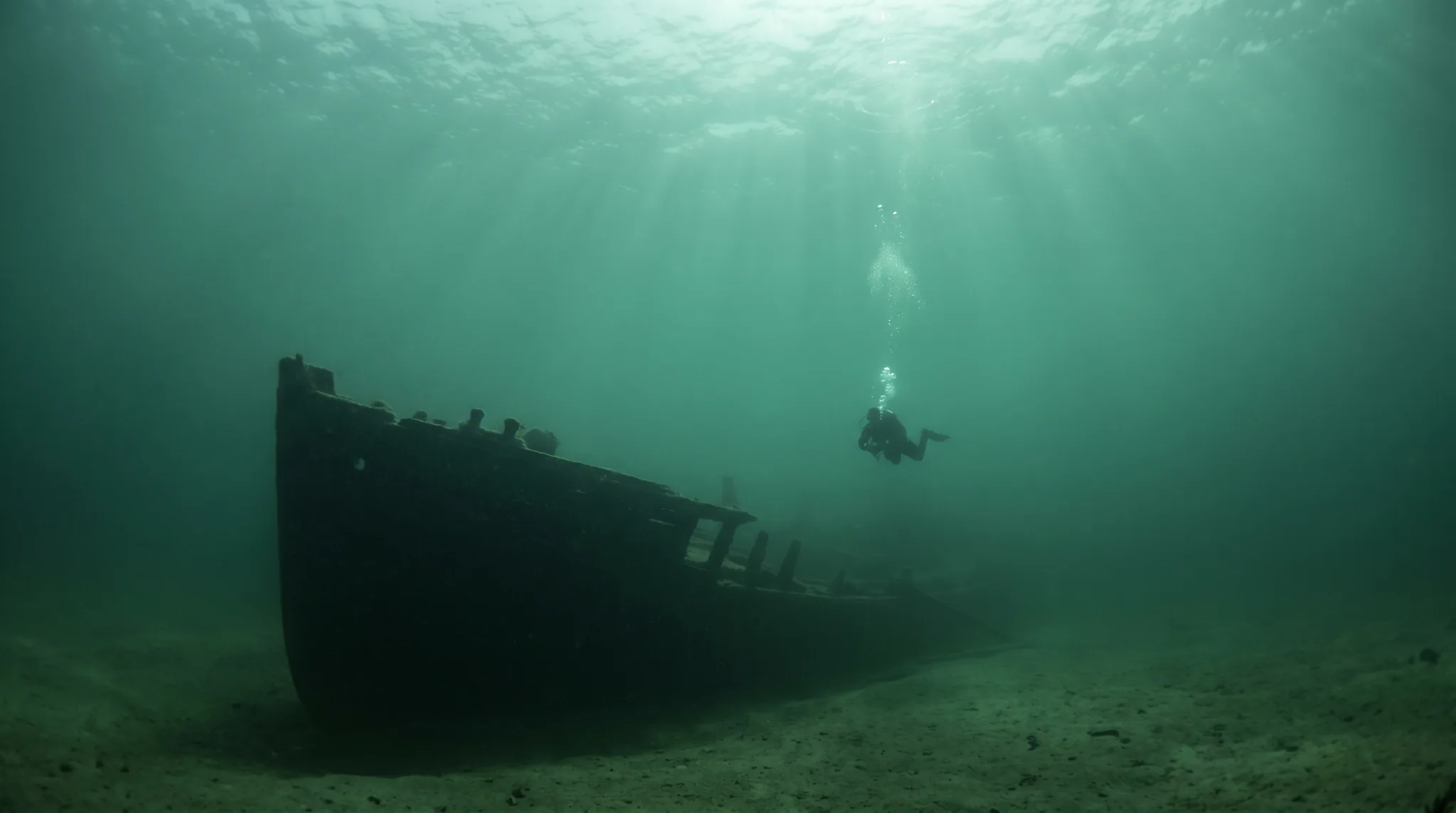
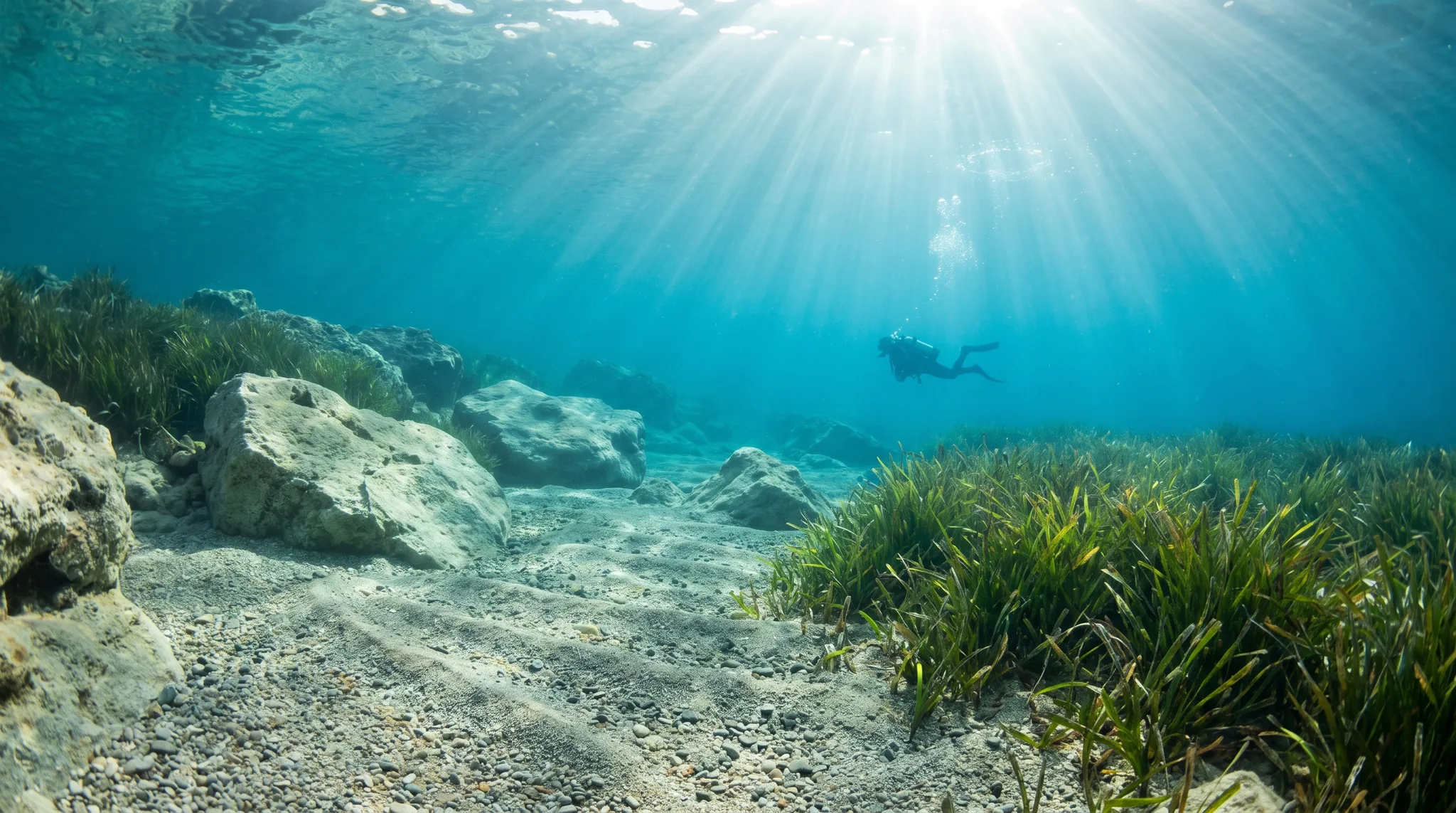
Monthly water temperature across Slovenian Coast's sites, from satellite sea-surface data corrected for depth. The band shows the site-to-site spread.
Water temperatures climb steadily from spring into summer, peaking in August before tapering through autumn, with the coolest conditions arriving in winter. The warmest months align closely with the best-rated diving period, when visibility also tends to be at its most favourable. Shore entry is available at most sites, though the deeper advanced sites require boat access and can be subject to stronger conditions.
17 operators
Water temperature around Slovenian Coast ranges from about 10°C in February to 21°C in August, based on satellite sea-temperature data for its dive sites.
In the warm season (about 21°C) a 5mm suit is comfortable in Slovenian Coast; in the coldest months (about 10°C) step up to a drysuit.
Fin maps 10 sites in Slovenian Coast (10 scuba diving sites and 3 snorkelling spots, with some suited to both), organised into 2 areas.
Across Slovenian Coast's dive sites, June and September are most often reported as the best months to visit.
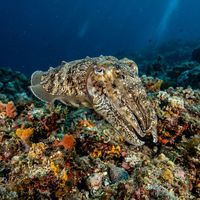
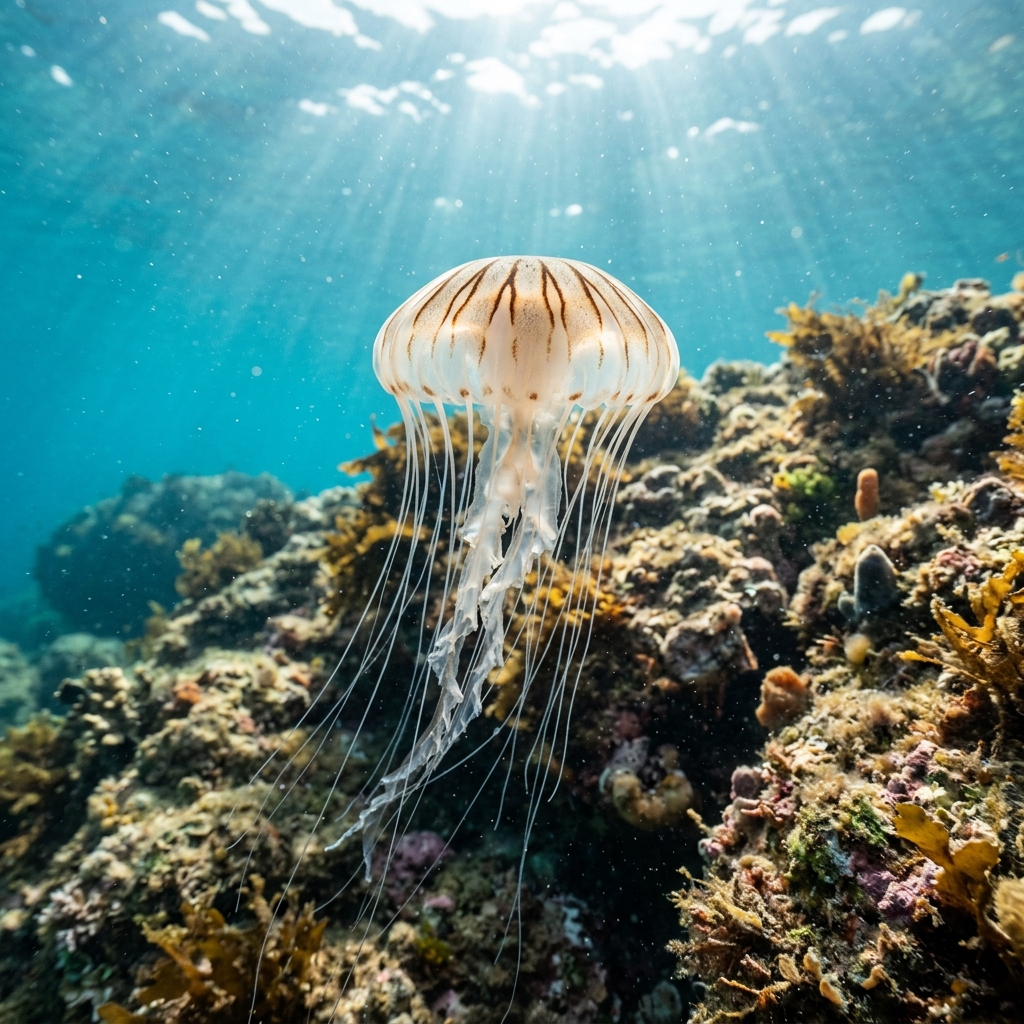
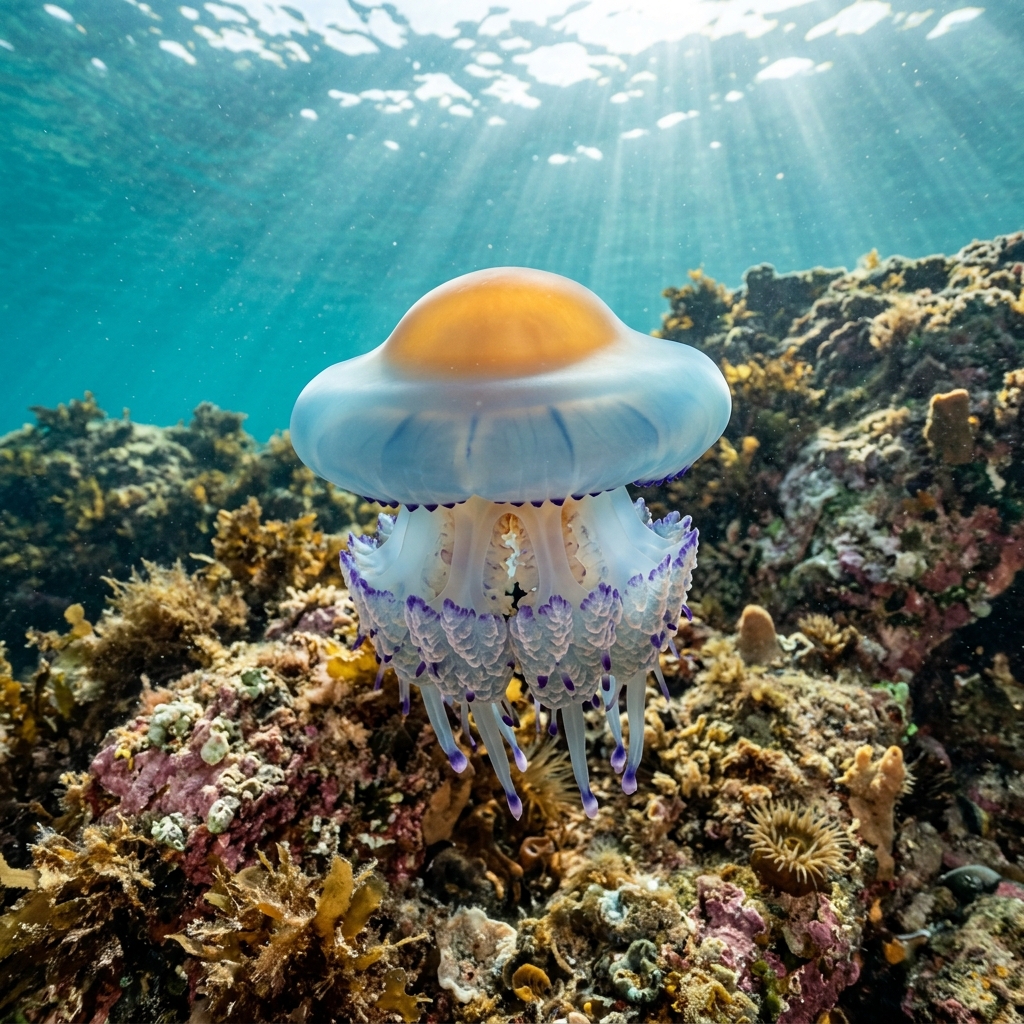
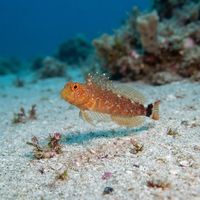
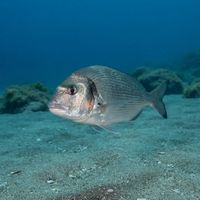
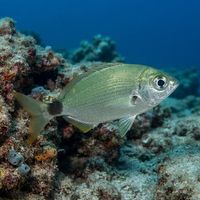
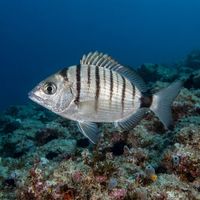
The European Common Cuttlefish is the signature species and is observed across the majority of sites. Wrasse, Painted Comber, Tompot Blenny, Bream and Castagnole are encountered very frequently, while Scorpionfish and Cod are reliably common. Invertebrate life is rich too, with Brittle Star, Spirograph, Hermit Crab, Crab and the occasional Common Lobster or Conger Eel adding interest along the reef and wreck sites. Compass Jellyfish, Fried Egg Jellyfish and Barrel Jellyfish are also very commonly reported.
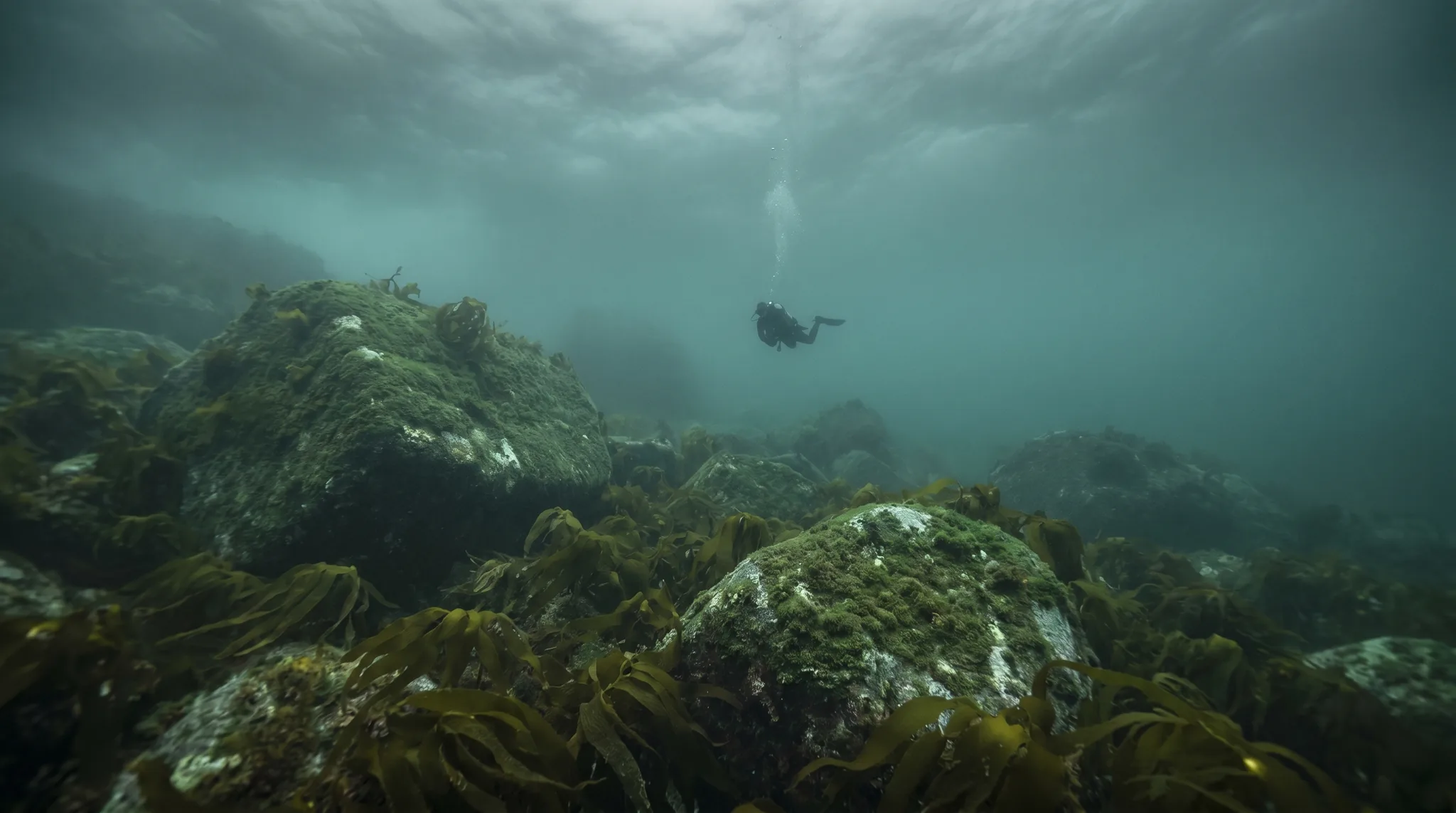
The majority of sites are rated beginner level, including popular shore-entry reefs around Piran such as Piranska Punta and Bernardin House Reef, as well as the Hydroplane Wreck accessible by boat. The Kec Wreck and Underwater Triglav are reserved for advanced divers due to their greater depths and boat-only access. New divers are well catered for, and several local operators including Dive Academy Piran and Piran Divers offer guided experiences.
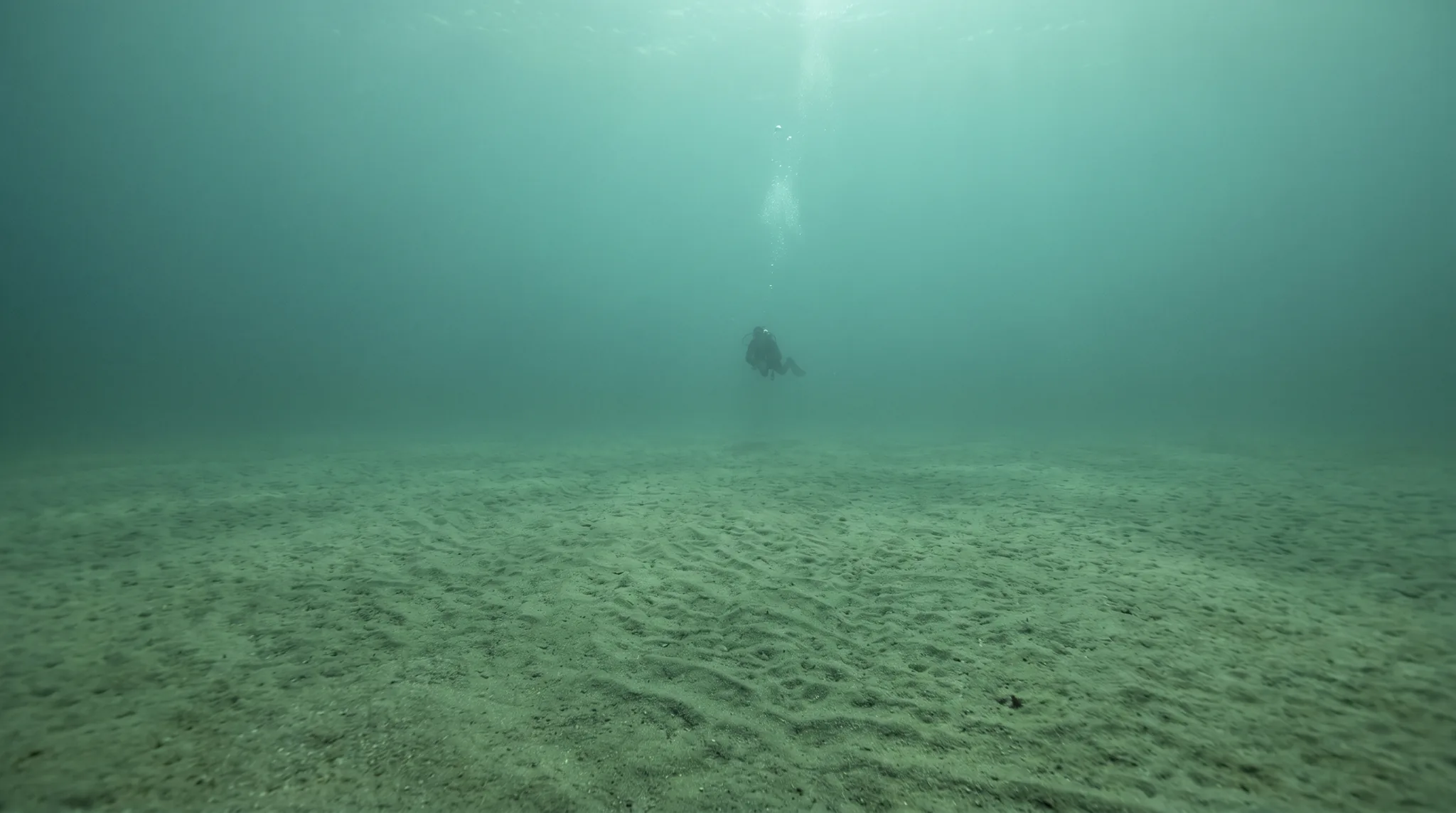
Piran is by far the larger diving hub, accounting for the vast majority of sites and offering the greatest variety of site types: reefs, walls, wrecks, artificial reefs and drift diving are all represented. Koper has a single site, Žusterna, which is a muck diving environment with a silty bottom suited to those interested in smaller, cryptic species. Both sub-areas have shore-entry options, making access straightforward without a boat for many dives.
Shore entry is the dominant access method across the Slovenian Coast, with sites such as Piran, Bernardin House Reef, Piranska Punta, Fiesa beach and Žusterna all reachable from land. Several sites, including Army Tower, also offer the option of both shore and boat entry. Boat-only sites include the Hydroplane Wreck, Kec Wreck, Pacug Reef and Underwater Triglav, and multiple local operators are available to arrange these excursions.