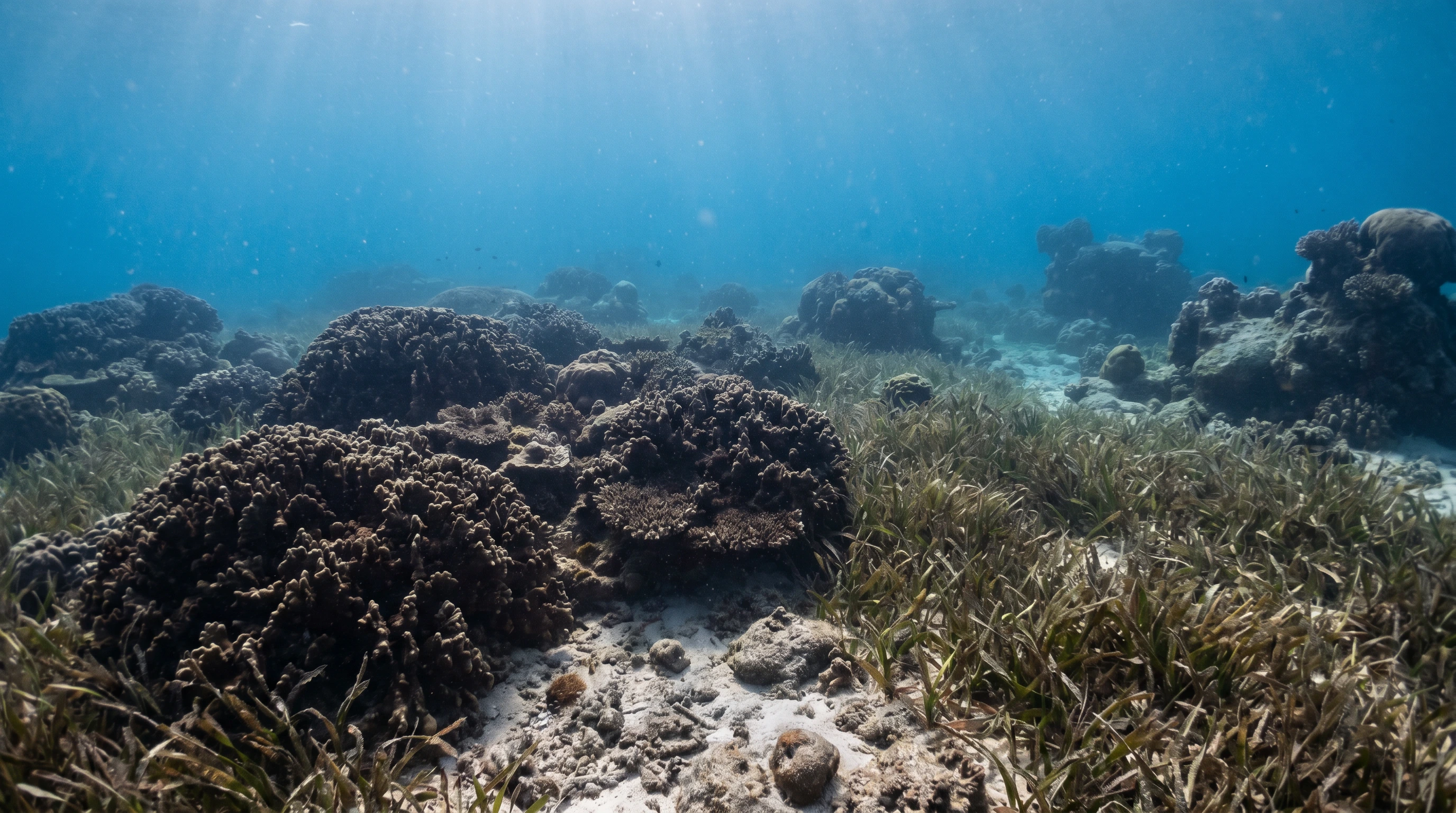
The Outer Islands of Seychelles span three distinct sub-areas: Denis and Bird Islands, the Aldabra Group, and the Amirantes. Each offers a different character, from the shallow reefs and seagrass beds of Denis Island to the powerful drift dives through the passages of Aldabra Atoll. Walls, drop-offs, and channels dominate the dive sites, with many requiring boat access. The marine life recorded here is exceptional in its range: Green Sea Turtle and Napoleon Wrasse appear across sites, while Whale Shark and Tiger Shark are regularly observed. Snorkelling is concentrated around calm, shallow reef and seagrass habitats.

3 areas
7Reef, drop-off, and seagrass diving on the northern Seychelles Bank, accessible to beginners, with turtles, rays, and varied macro life.
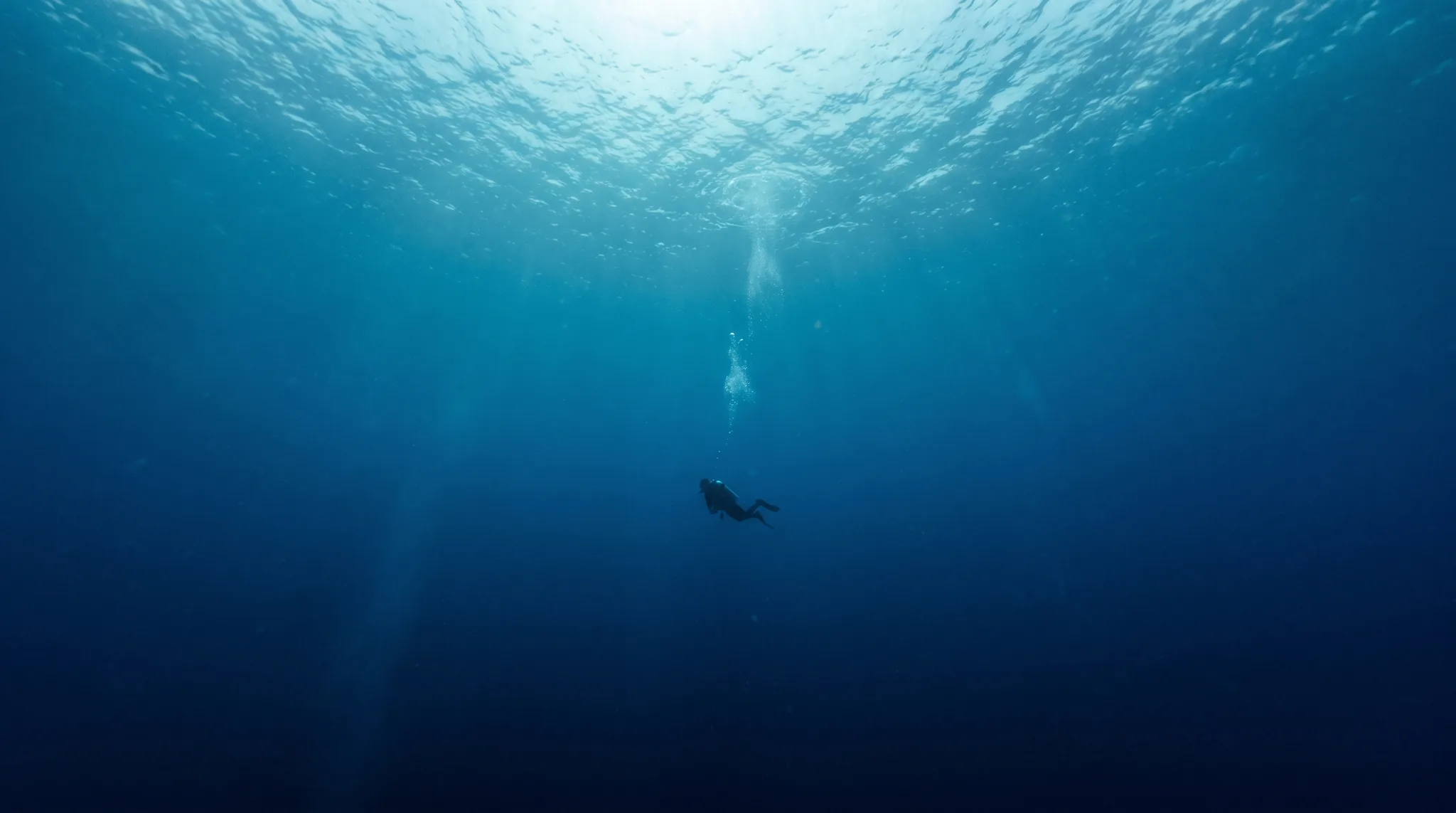
6Remote outer-Seychelles liveaboard diving across atoll passes, walls, and drift sites, with whale sharks, reef sharks, and turtles.
2Outer-Seychelles atoll diving with walls to fifty metres, whale sharks, and reef species, best from November to April.
Monthly water temperature across Outer Islands's sites, from satellite sea-surface data corrected for depth. The band shows the site-to-site spread.
Water stays warm year-round, peaking around March and dipping slightly in July and August when cooler conditions arrive. The strongest showing of favoured dive months falls in April, May, October, and November, suggesting these shoulder periods offer the most reliable conditions. Drift sites in the Aldabra Group can carry significant tidal current, so timing dives to the tide is important.
2 operators
Seychelles
Water temperature around Outer Islands ranges from about 26°C in July to 30°C in March, based on satellite sea-temperature data for its dive sites.
In the warm season (about 30°C) a rash guard or 3mm shorty is comfortable in Outer Islands; in the coldest months (about 26°C) step up to a 3mm full suit.
Fin maps 15 sites in Outer Islands (9 scuba diving sites and 6 snorkelling spots), organised into 3 areas.
Across Outer Islands's dive sites, April, May, October and November are most often reported as the best months to visit.
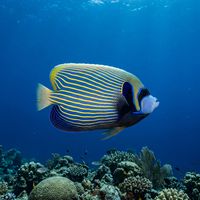
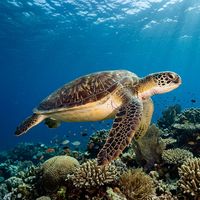
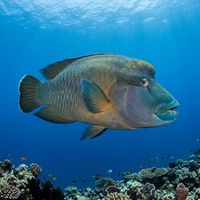
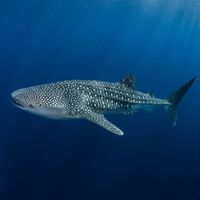
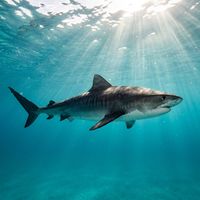
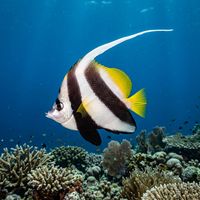
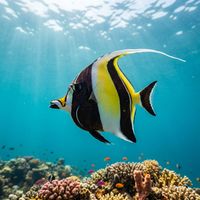
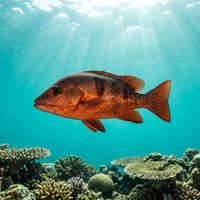
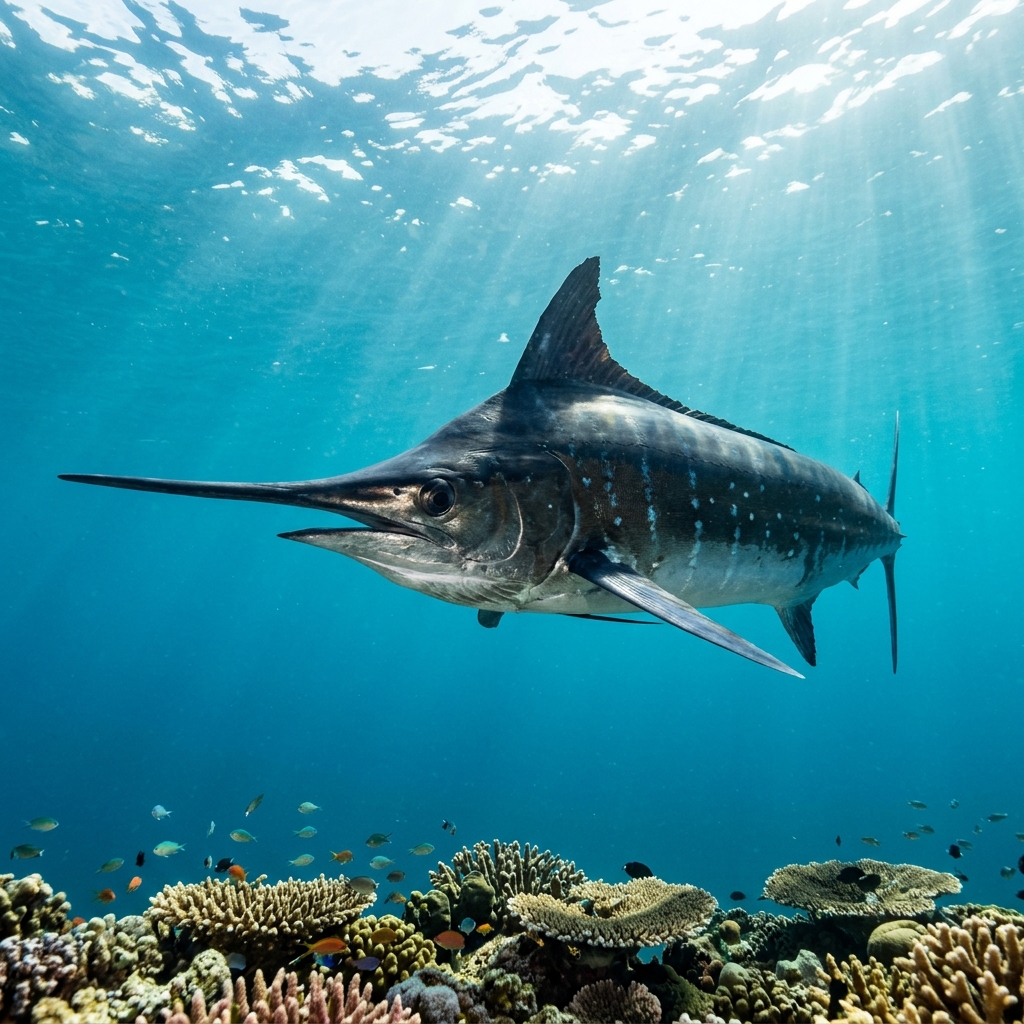
The Outer Islands have recorded sightings of Whale Shark and Tiger Shark, both observed with reasonable regularity across multiple sites. Green Sea Turtle and Napoleon Wrasse are seen across virtually all dive sites, while Blacktip Reef Shark and Grey Reef Shark are also present. Occasional sightings of Sailfish and Black Marlin add to the range of pelagic encounters possible here.
Several sites are rated for beginners, including Denis Island, Passe Dubois, and Conny's Aquarium, which offer shallower entry points and varied topography without demanding conditions. However, a number of sites in the Aldabra Group, such as Aldabra Main Channel and Conny's Channel, are rated intermediate due to strong tidal currents and greater depth. Beginners should stick to the calmer, shallower options and check current conditions before entering drift sites.
Denis and Bird Islands offer the most sites overall, with a mix of reef, drop-off, and seagrass habitats accessible from shore or boat. The Aldabra Group is characterised by atoll passages and channels where drift diving along walls and reefs is the main draw, requiring boat access and often intermediate skill. The Amirantes has fewer listed sites but includes the shore-entry reef dive at D'Arros Main House, suited to those seeking a more relaxed experience.
The majority of dive sites across the Outer Islands require boat access, which reflects the remote and spread-out nature of the region. Shore entries are available at Denis Island, Assumption Island, and D'Arros Main House, making those sites more straightforward for independent exploration. Given the absence of listed dive operators in the current data, visitors should confirm logistics and boat arrangements before travelling to this remote part of Seychelles.