
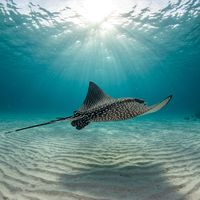
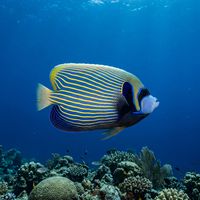
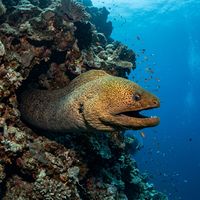
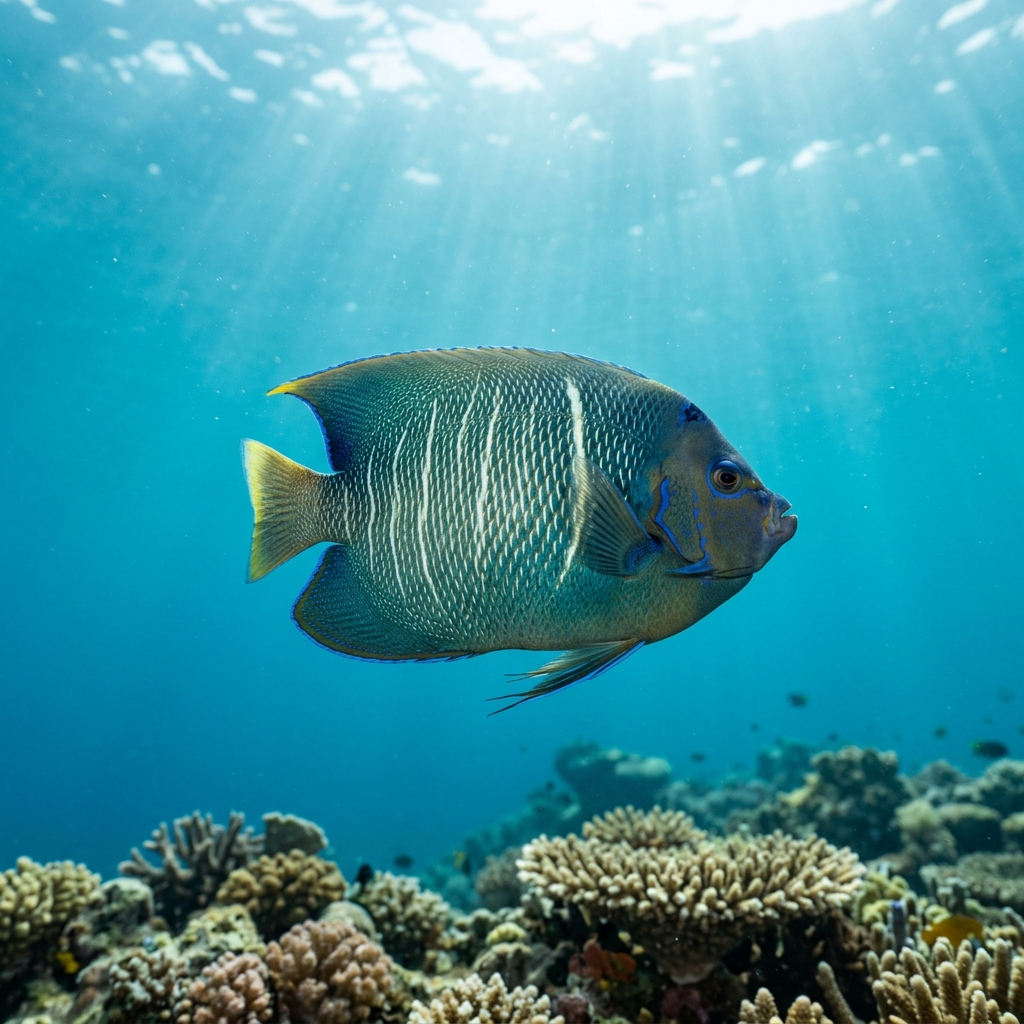
Mahé offers a broad spread of reef diving, from sheltered beginner bays to exposed pinnacles and drift sites that demand experience. Granite and coral formations define the underwater landscape, with seagrass beds adding variety at shallower sites. The Spotted Eagle Ray, Emperor Angelfish, and Giant Moray are regularly observed across the site mix. Conditions peak in the calmer inter-monsoon periods, when visibility is at its best and currents are manageable across most sites.

Monthly water temperature across Mahé's sites, from satellite sea-surface data corrected for depth. The band shows the site-to-site spread.
Water temperatures stay warm throughout the year, dipping slightly during the cooler south-east monsoon period from around June to August. The best diving conditions fall in the inter-monsoon windows of April to May and October to November, when calmer seas and improved visibility make offshore pinnacles and drift sites more accessible. Outside those peaks, stronger currents and reduced visibility call for more experience.
20 operators
Water temperature around Mahé ranges from about 26°C in August to 30°C in March, based on satellite sea-temperature data for its dive sites.
32 more sites to explore
In the warm season (about 30°C) a rash guard or 3mm shorty is comfortable in Mahé; in the coldest months (about 26°C) step up to a 3mm full suit.
Fin maps 44 sites in Mahé (37 scuba diving sites and 12 snorkelling spots, with some suited to both).
Across Mahé's dive sites, April, May, October and November are most often reported as the best months to visit.
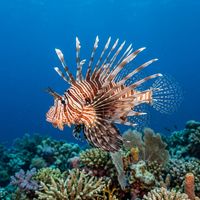
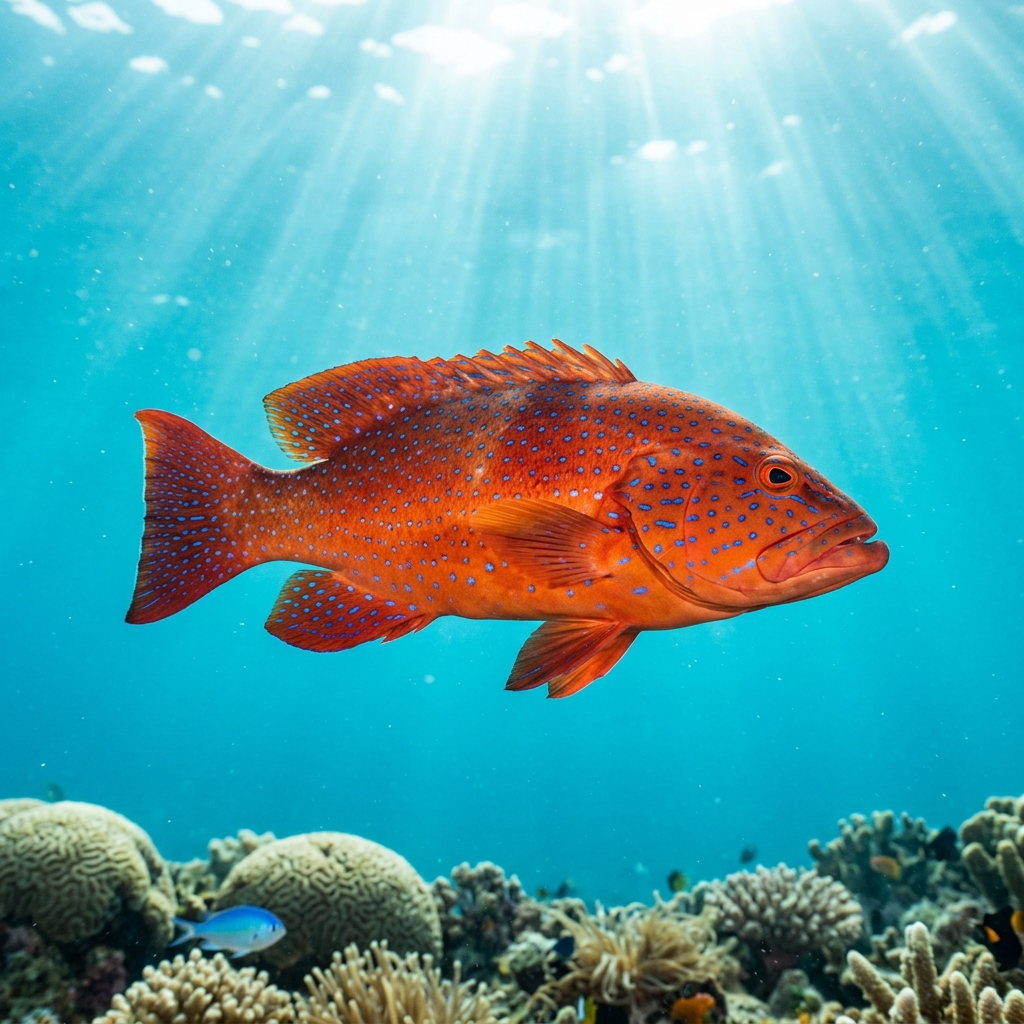
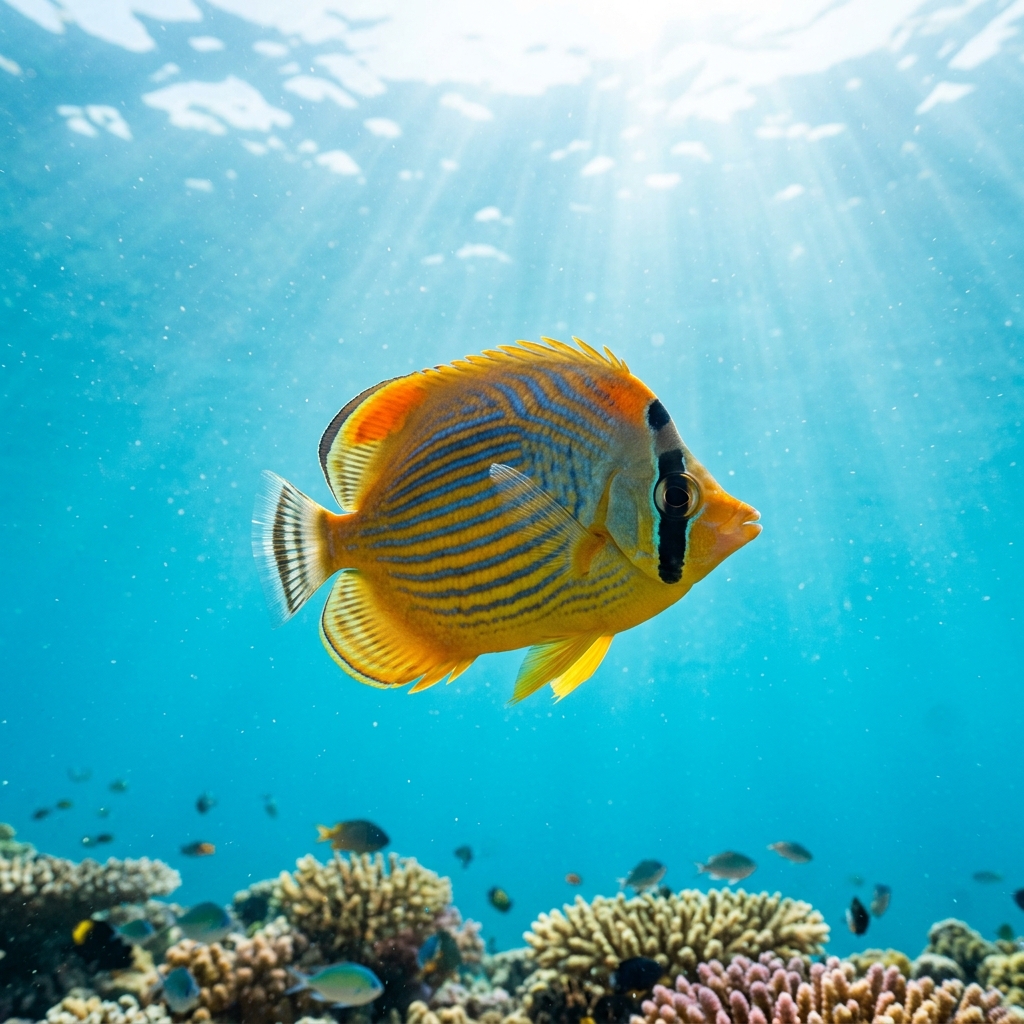
Observation records show a rich mix across the reefs, with Wrasse, Rock Cod, Semicircle Angelfish, and Melon Butterflyfish appearing at the vast majority of sites. More sought-after sightings include the Spotted Eagle Ray, Emperor Angelfish, Giant Moray, and Indian Lionfish. The Hawksbill Sea Turtle is recorded occasionally, and the Whale Shark features among Mahé's signature species.
The site mix spans calm lagoon reefs, seagrass beds, submerged pinnacles, drift sites, and a twin-barge wreck that now functions as an artificial reef. Sheltered bays around the island suit relaxed reef exploration, while offshore pinnacles like Dragon Teeth and Shark Bank bring strong currents and more dramatic topography. This variety means the diving experience changes considerably depending on which site you choose.
The majority of dive sites require boat access, which operators such as UDive Centre Mahe, Dive Explorer Seychelles, and Atoll Divers can arrange. A smaller number of sites, including Baie Lazare and Baie Ternay Center, are reachable directly from the shore. Several sites listed as both shore and boat access offer flexibility depending on conditions and preference.