Chaetodon trifasciatus
Spot the Melon Butterflyfish across the Maldives, Egyptian Red Sea and Seychelles. Bold chevron stripes make ID easy in warm Indo-Pacific waters.
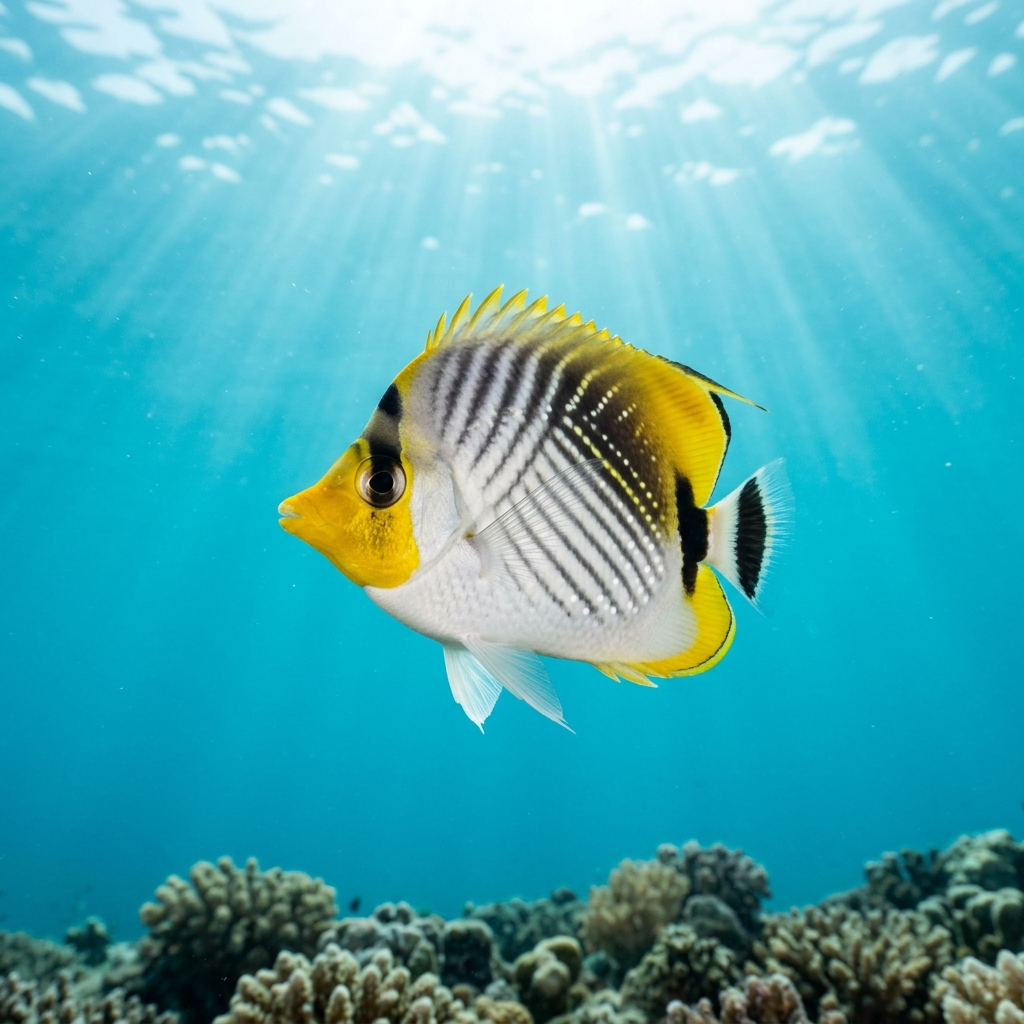
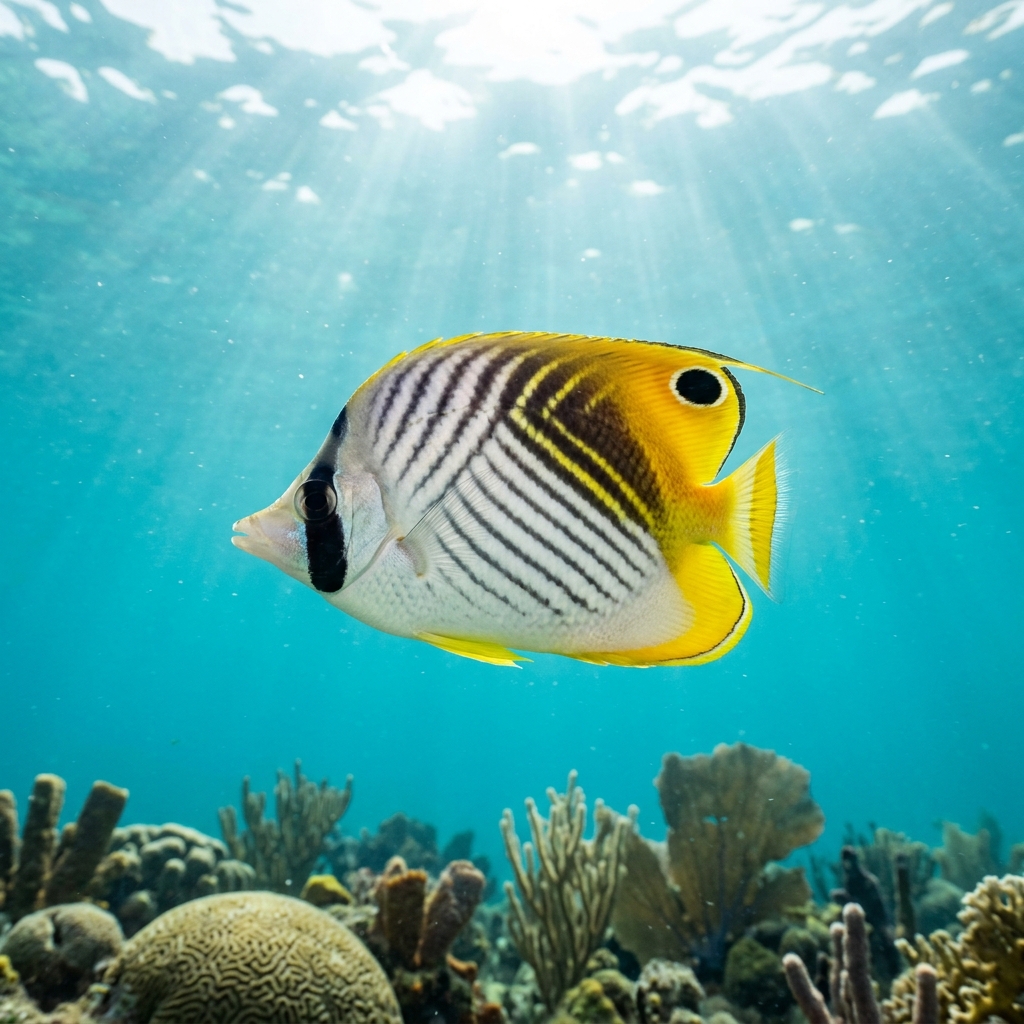
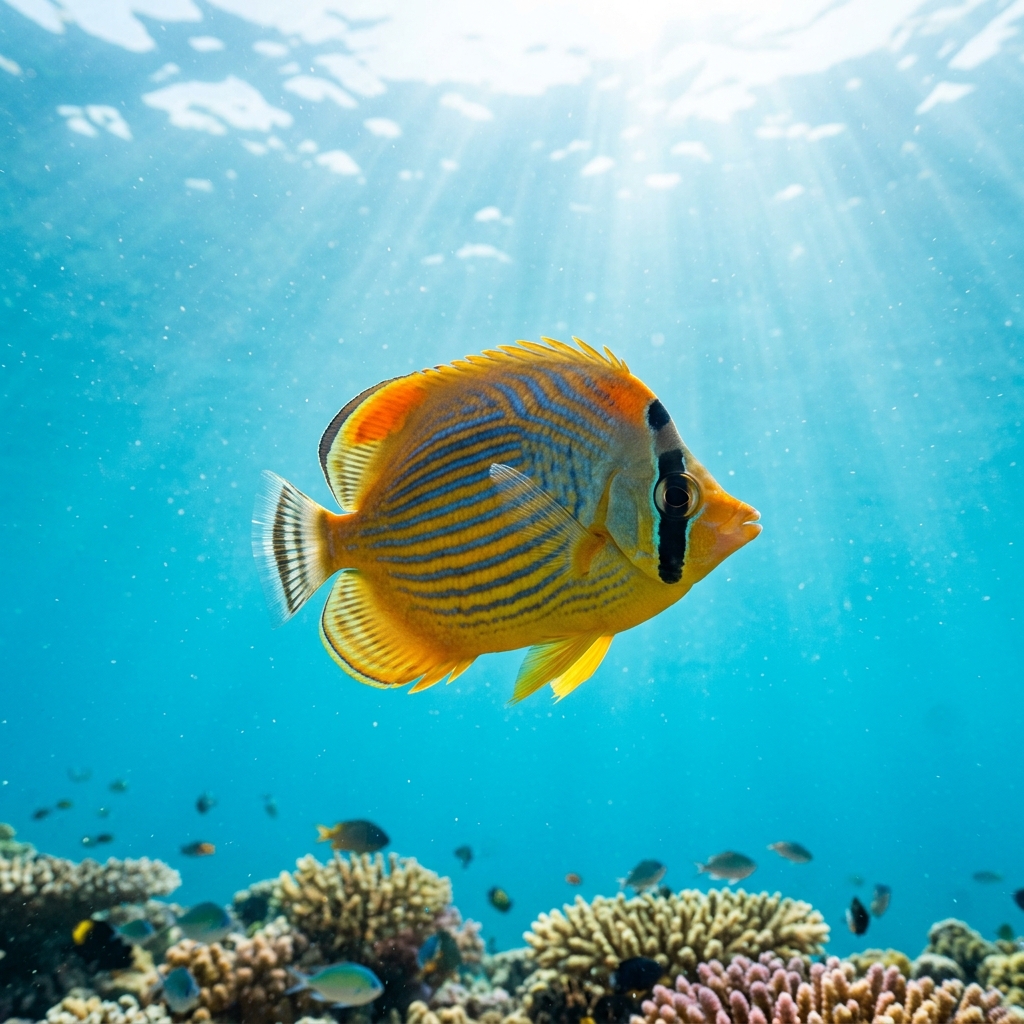
Three strong, dark-edged orange chevron (V-shaped) bands run across a pale white body, giving this fish its distinctive striped look even at a distance. A broad dark bar crosses the eye, and the rear of the body carries a vivid orange-yellow wash before the tail. Body shape is the classic compressed disc of a butterflyfish, appearing roughly palm-sized in the water. The bold repeating band pattern is the quickest field mark; few reef fish in the same habitat share that tight chevron rhythm.
Melon butterflyfish are typically seen in pairs, moving slowly and methodically over coral-rich reef sections as they pick at hard coral polyps. They tend to stay close to the reef structure rather than venturing into open water, which makes them relatively easy to approach when you move slowly and avoid sudden movements. Like most butterflyfish, they are active during daylight hours and tend to retreat to shelter in crevices at night.
This species is a dedicated corallivore (coral feeder), feeding almost exclusively on the live polyps of hard corals. That dietary specialisation makes it a useful indicator of reef health; its presence in good numbers generally signals intact, living coral cover.
In the Northern Hemisphere, sightings concentrate from July through March, covering the peak diving seasons in Egypt and the Maldives. In the Southern Hemisphere, expect the best chances from June through December. The species tolerates water temperatures of 23 to 29 °C, consistent with tropical reef conditions across its range.
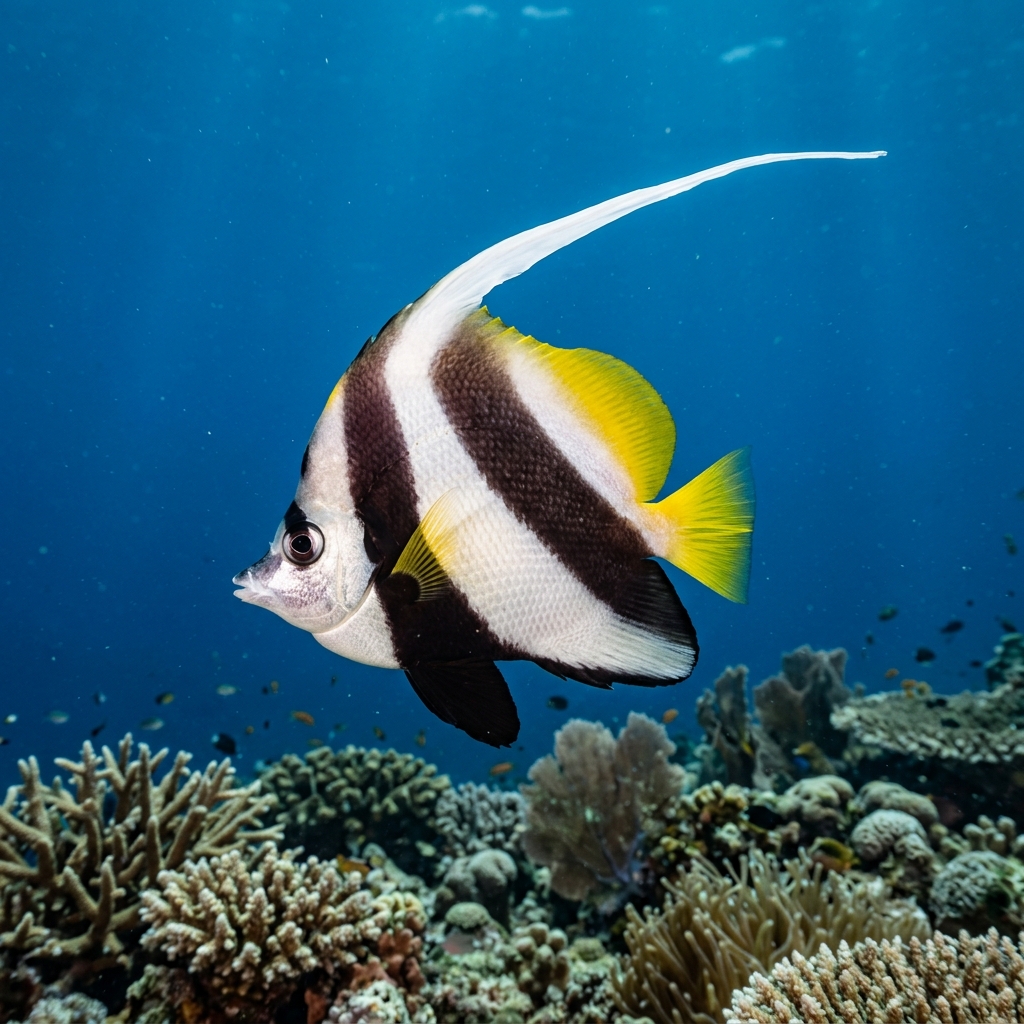
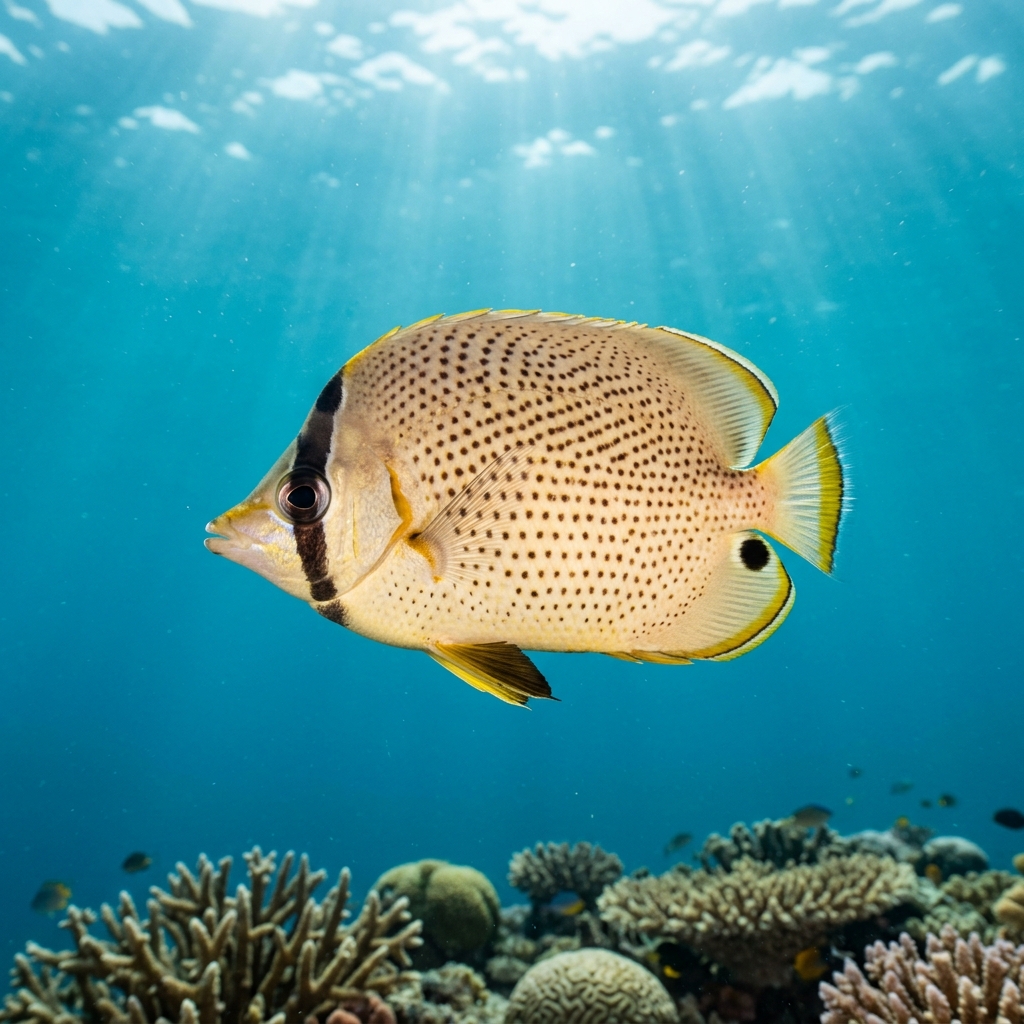
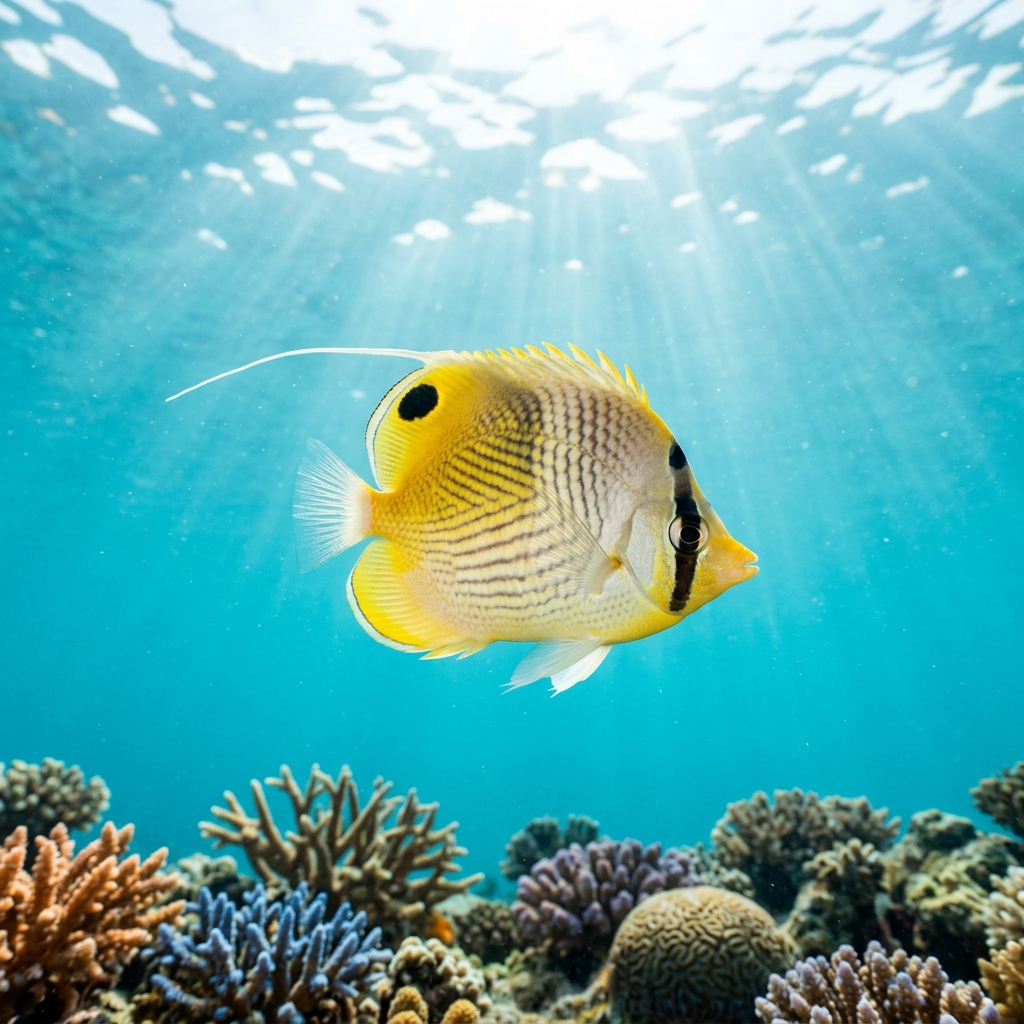
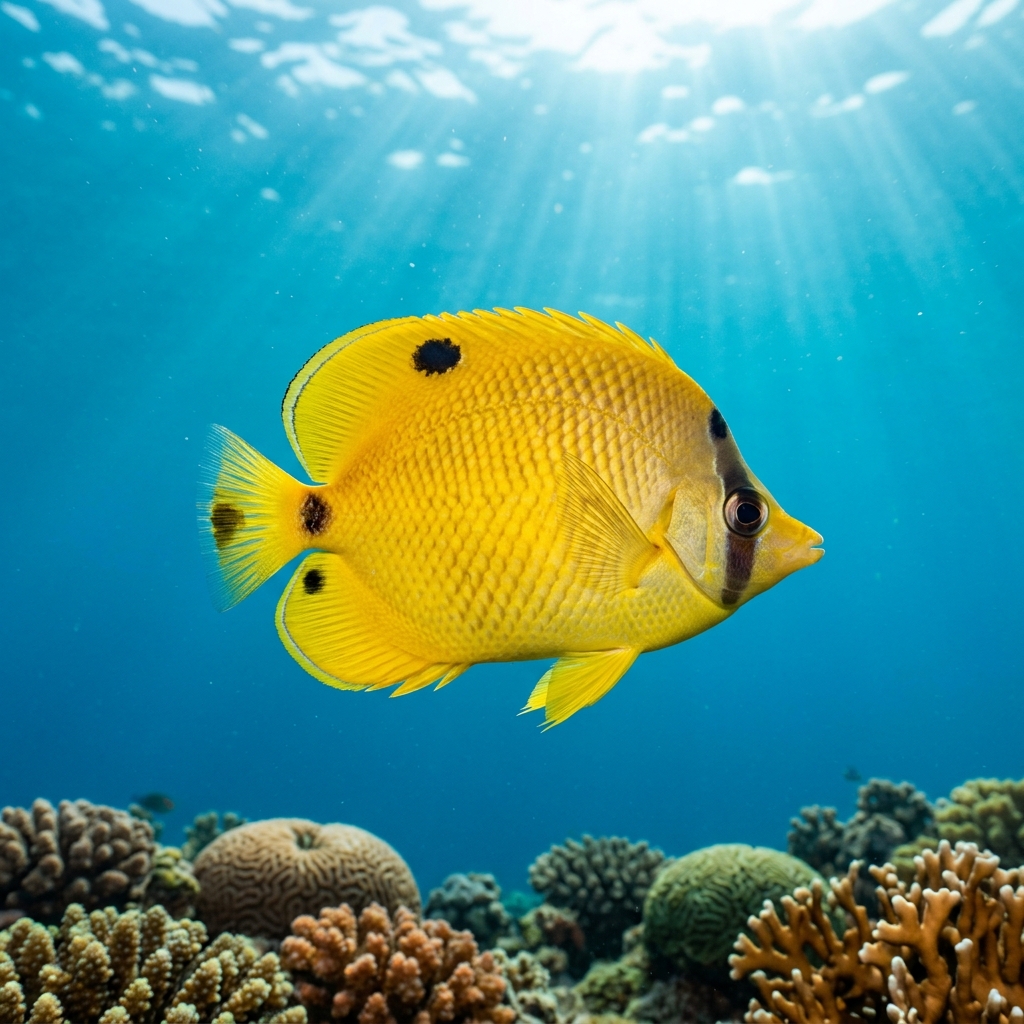
Reef neighbours a diver could mistake it for. Use the identification notes above to tell them apart.
Most commonly logged in the Maldives and the Egyptian Red Sea, with the Maldives' Male and Ari Atolls and Egypt's Sharm el Sheikh standing out as particularly reliable spots. Thailand's Phuket and Phi Phi reefs and the Seychelles' Praslin and La Digue islands also hold strong populations. Sightings extend further into Tanzania, Mauritius, South Africa, and Réunion, reflecting a broad Indo-Pacific and western Indian Ocean range.
Mapping where Melon Butterflyfish is logged…
The best-documented hotspots are the Maldives' Male and Ari Atolls, Egypt's Sharm el Sheikh and Marsa Alam, and Thailand's Phuket and Phi Phi reefs. The Seychelles, Tanzania's Zanzibar, Mauritius, and Réunion also feature regular sightings across the wider Indian Ocean.
In the Red Sea and Maldives (Northern Hemisphere), sightings peak from July through March. In Southern Hemisphere destinations such as South Africa and Réunion, June to December offers the strongest chances. The species stays active year-round on reefs within its preferred 23 to 29 °C temperature range.
Look for the repeating dark-edged orange chevron bands running across a white body. No other common butterflyfish in its range has that tight, V-shaped banding all the way down the flank. A dark eye bar and an orange-yellow rear body complete the pattern.
At most sites where it is recorded, divers rate it as uncommon rather than abundant. You are likely to encounter one or two individuals per dive on healthy coral reefs in the Maldives or Red Sea, but it is not the kind of fish that appears in large shoals. Its presence is a good sign of living hard coral.
No. They are currently listed as Least Concern on the IUCN Red List. However, because they feed almost exclusively on live coral polyps, their populations are closely tied to reef health, and coral bleaching events can reduce their numbers locally.
Site and sighting data is aggregated from diver logs, iNaturalist and GBIF. For taxonomy and conservation status: