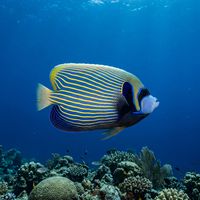
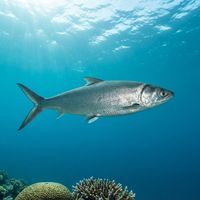
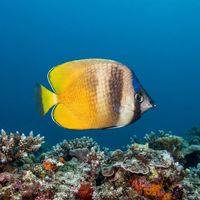
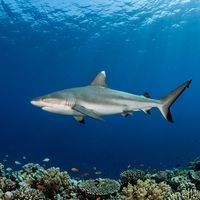
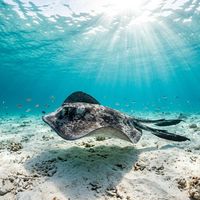
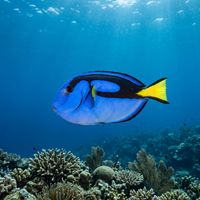
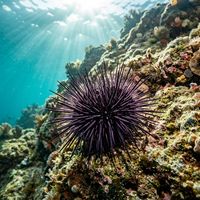
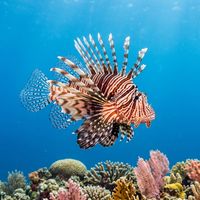
Silhouette Island offers a compact set of reef sites ranging from shallow coral gardens to walls and an artificial reef structure. The underwater character is defined by vivid reef life: Emperor Angelfish and Blue Tang are observed across almost every site, while Marble Ray and Grey Reef Shark make occasional appearances at depth. Most sites suit beginners, with boat access the norm. Conditions shift noticeably between the calmer months of April, May, October and November and the cooler, choppier mid-year period.

Monthly water temperature across Silhouette Island's sites, from satellite sea-surface data corrected for depth. The band shows the site-to-site spread.
Water is warmest from March through May, coinciding with one of the two peak diving windows. A cooler, more exposed period runs through the middle of the year, when conditions can be less settled. The second peak, in October and November, brings warm water back alongside generally calmer conditions.
6 operators
8 more sites to explore
Water temperature around Silhouette Island ranges from about 26°C in August to 30°C in March, based on satellite sea-temperature data for its dive sites.
In the warm season (about 30°C) a rash guard or 3mm shorty is comfortable in Silhouette Island; in the coldest months (about 26°C) step up to a 3mm full suit.
Fin maps 11 sites in Silhouette Island (6 scuba diving sites and 8 snorkelling spots, with some suited to both).
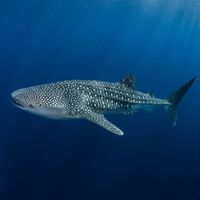
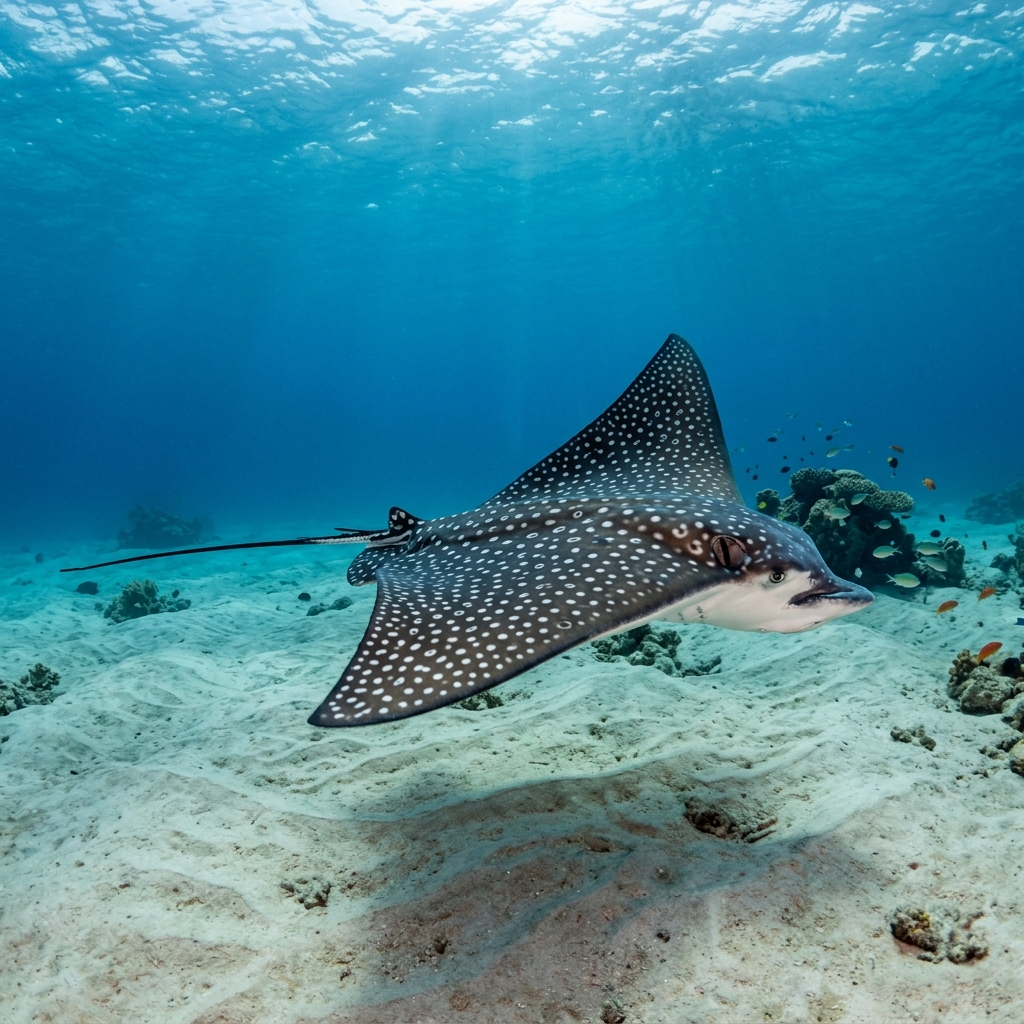
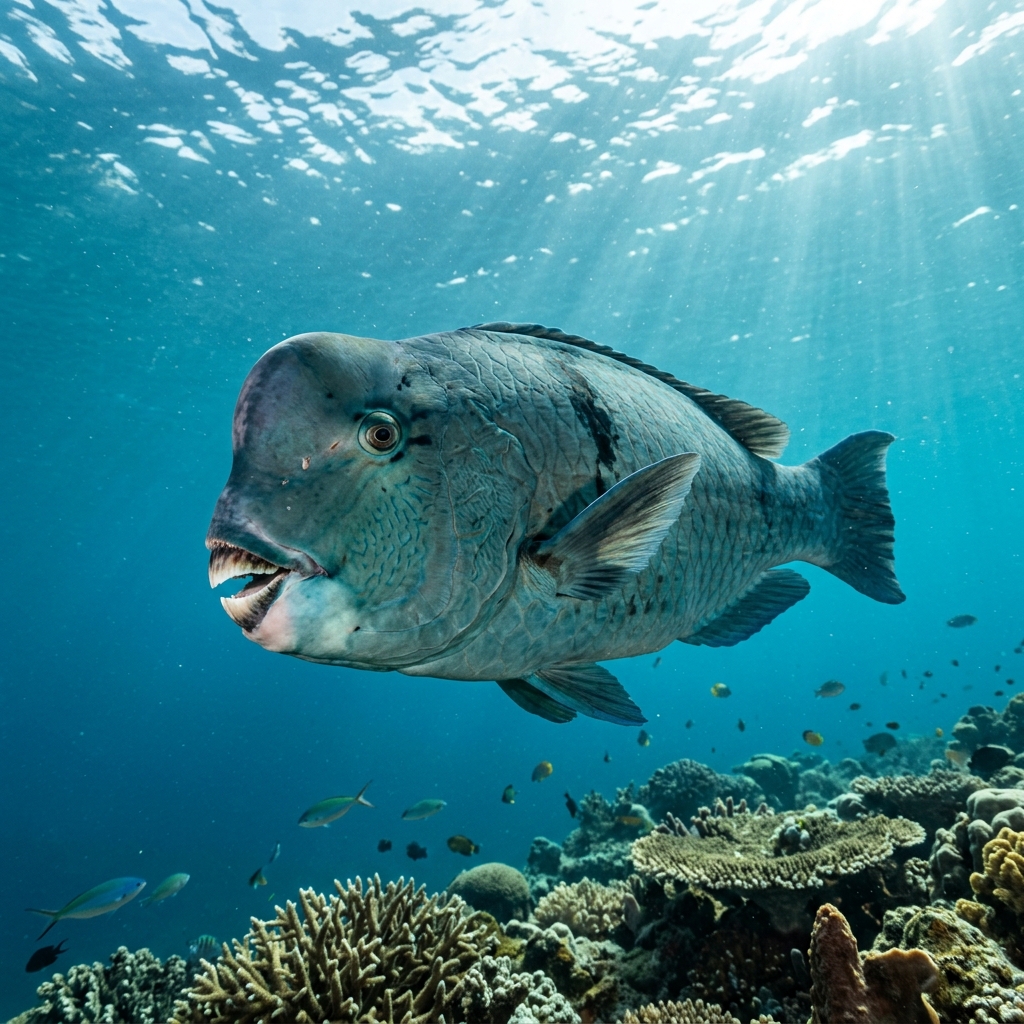
Observation records from Silhouette Island include Grey Reef Shark, Marble Ray, Eagle Ray, Whale Shark, and Hawksbill Sea Turtle, alongside larger reef fish such as Napoleon Wrasse, Bumphead Parrotfish and Queensland Grouper. These are less frequent than the reef regulars, but all have been sighted at the island's sites. Nurse Shark and Whitetip Reef Shark have also been recorded.
Several sites are rated beginner level, including Coral Gardens, which combines manageable depths with reef topography. Casualina also carries a beginner rating despite incorporating a wall and an artificial reef structure. Boat access is standard for most sites, so some comfort on a small boat is useful even for newer divers.
The majority of sites require boat access, and two operators are based on or near the island: Eco Center and Labriz Diving Center. Some sites offer the option of shore entry as well, which is useful for snorkellers wanting a more independent experience. Checking with one of the local operators is the straightforward way to arrange trips.
The site mix covers natural reef, wall diving and an artificial reef structure, giving variety across a relatively small number of sites. Black Rock features hard and soft coral topography, while Casualina combines all three terrain types in one dive. Coral Gardens is a more classic shallow-to-mid-depth reef suited to a relaxed pace.