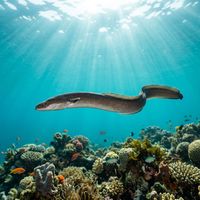
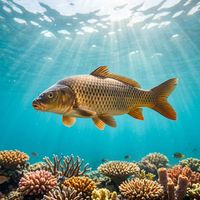
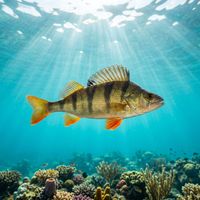
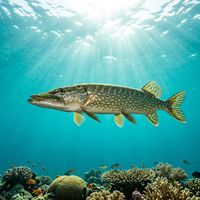
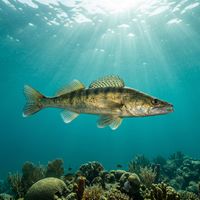
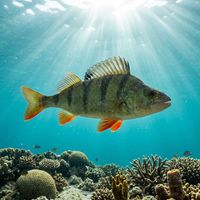
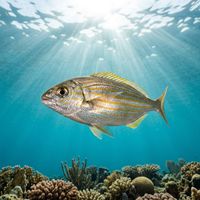
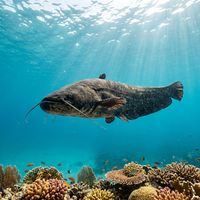
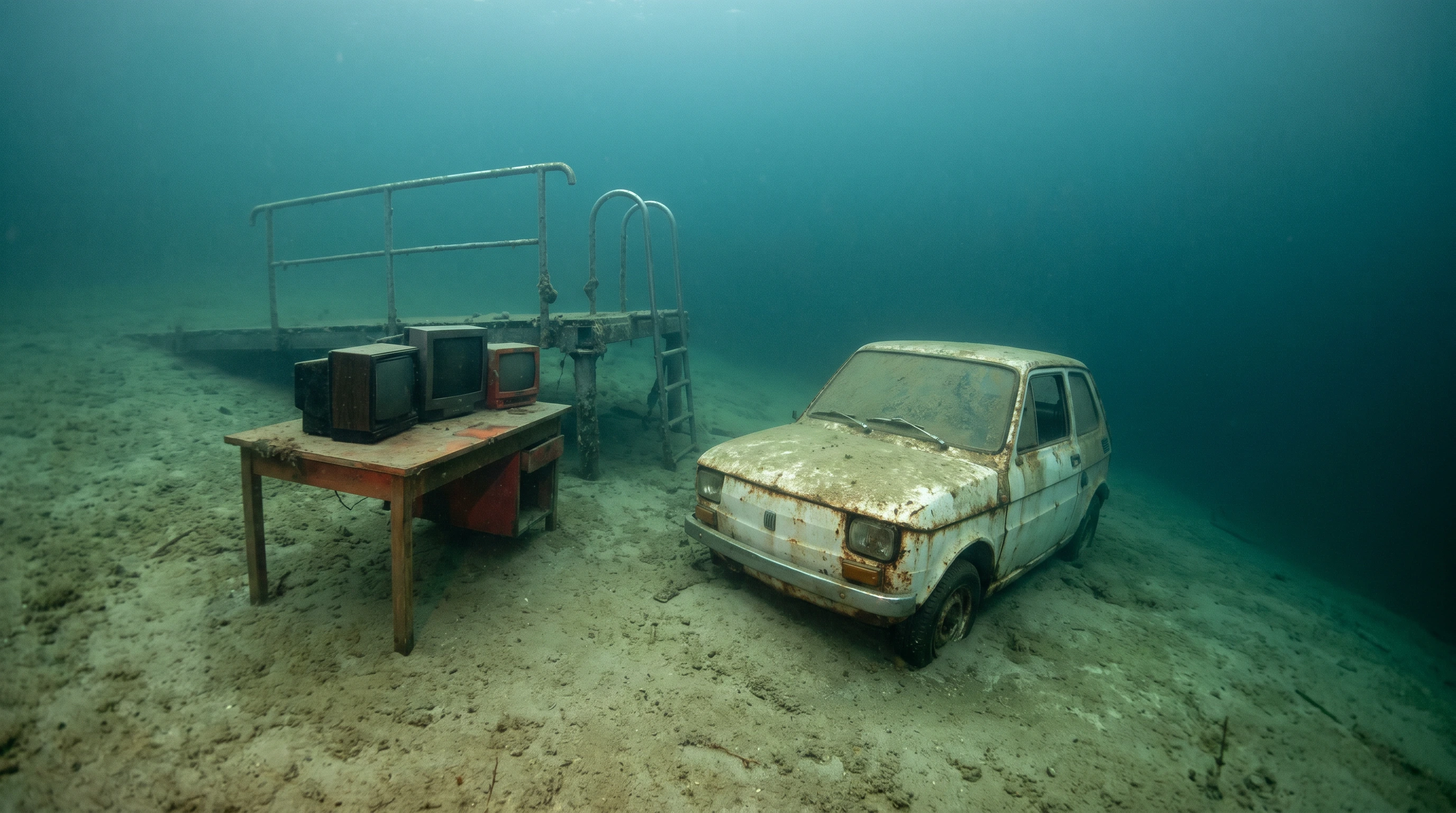
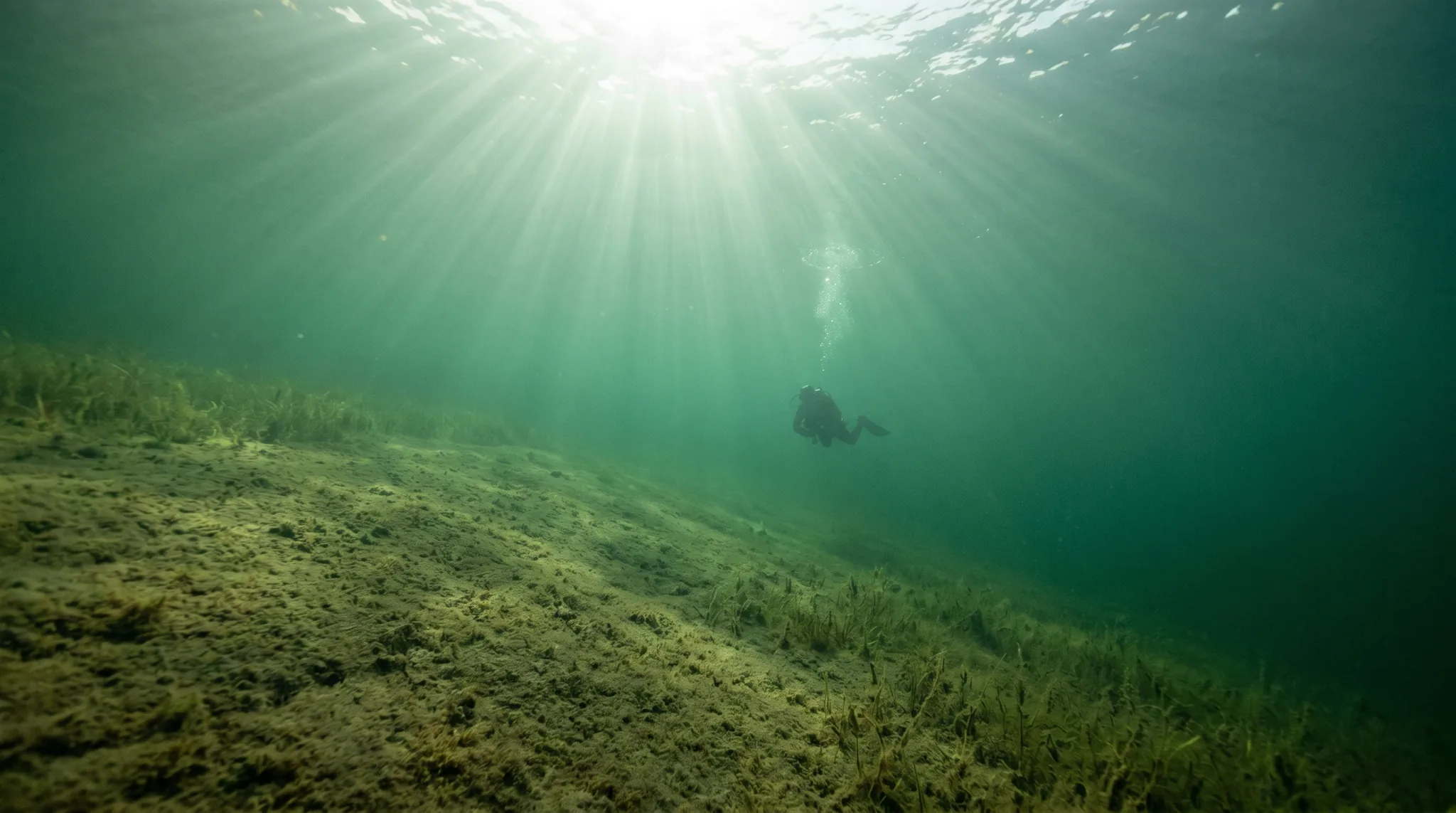
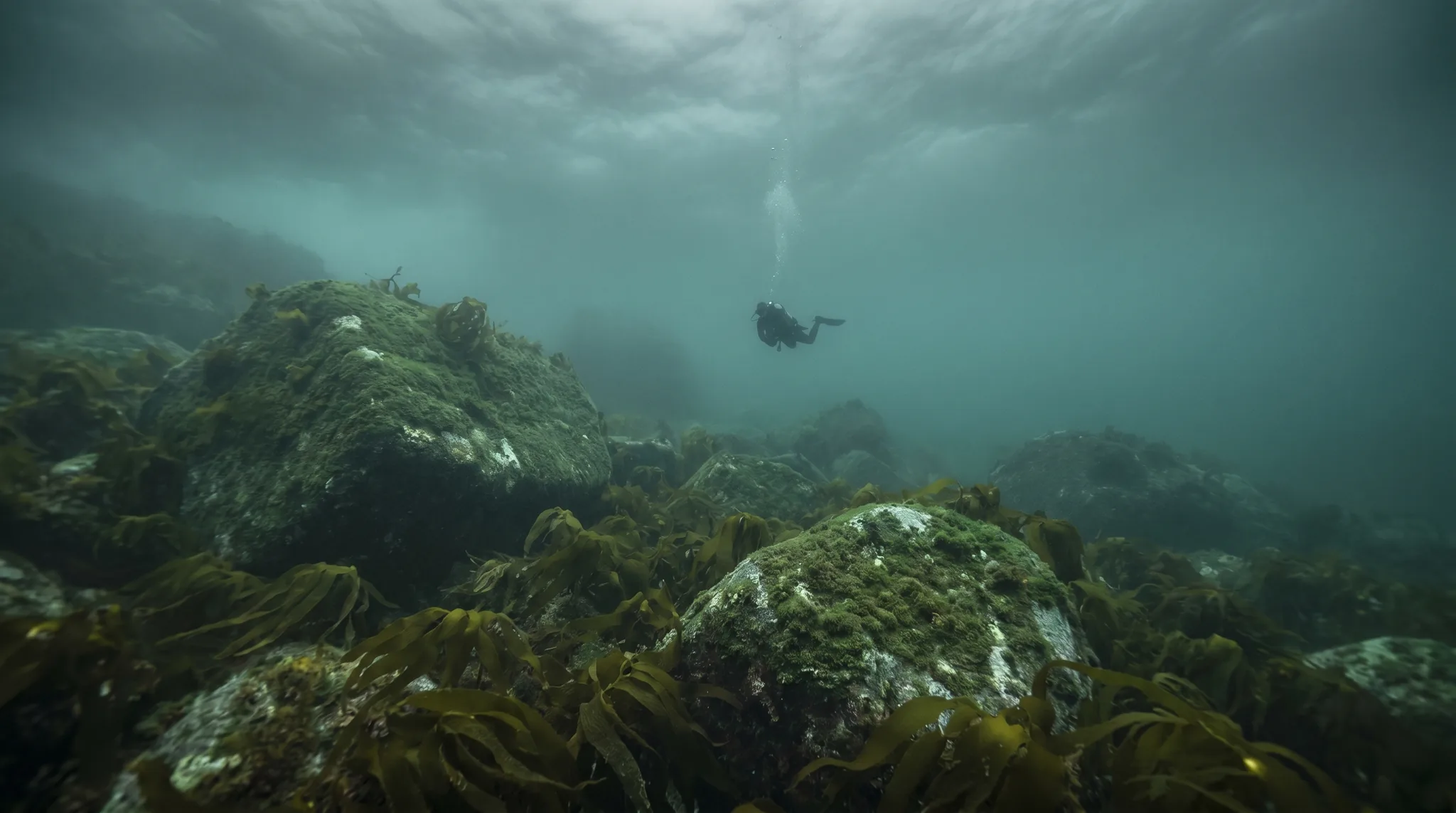
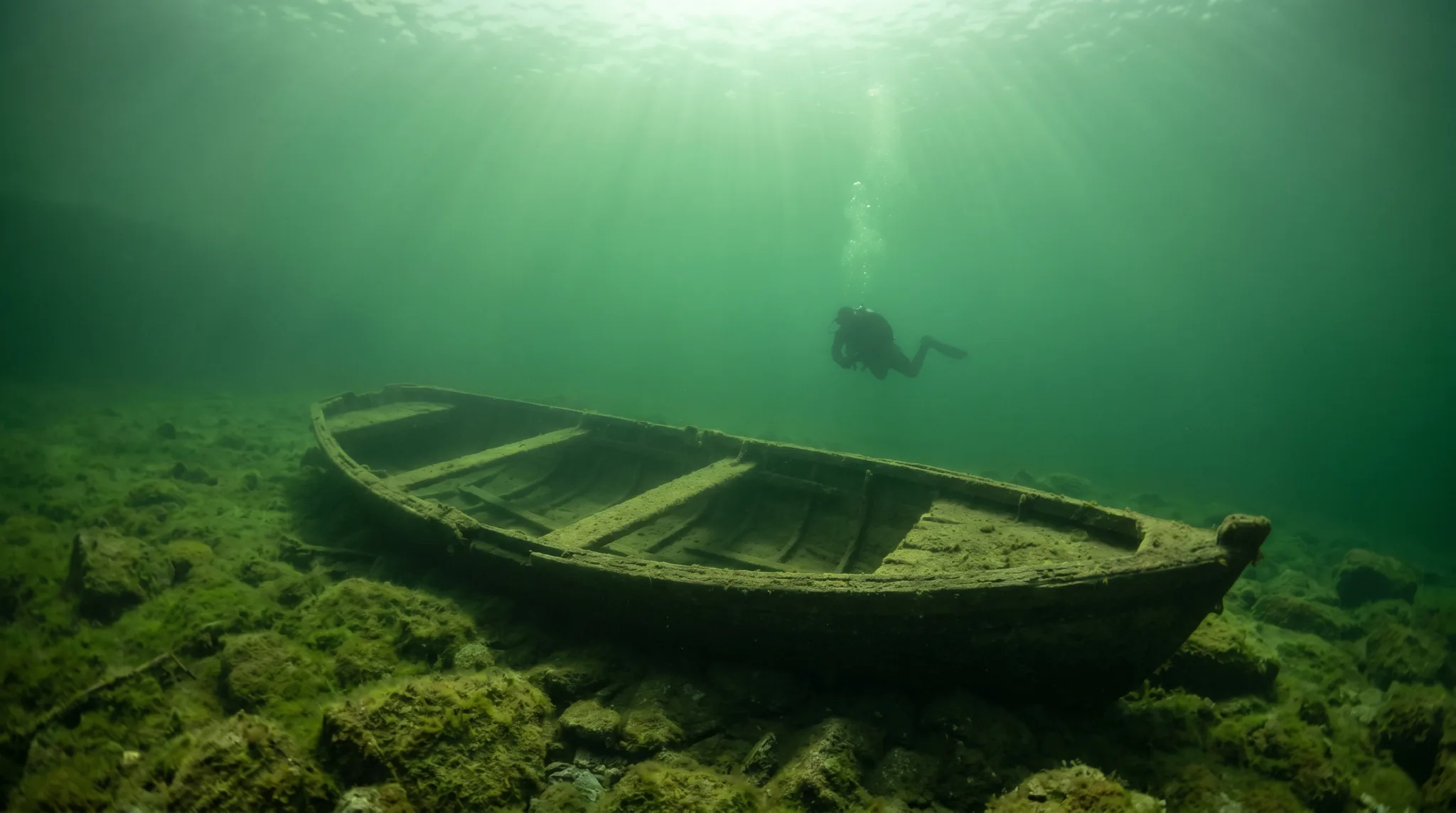
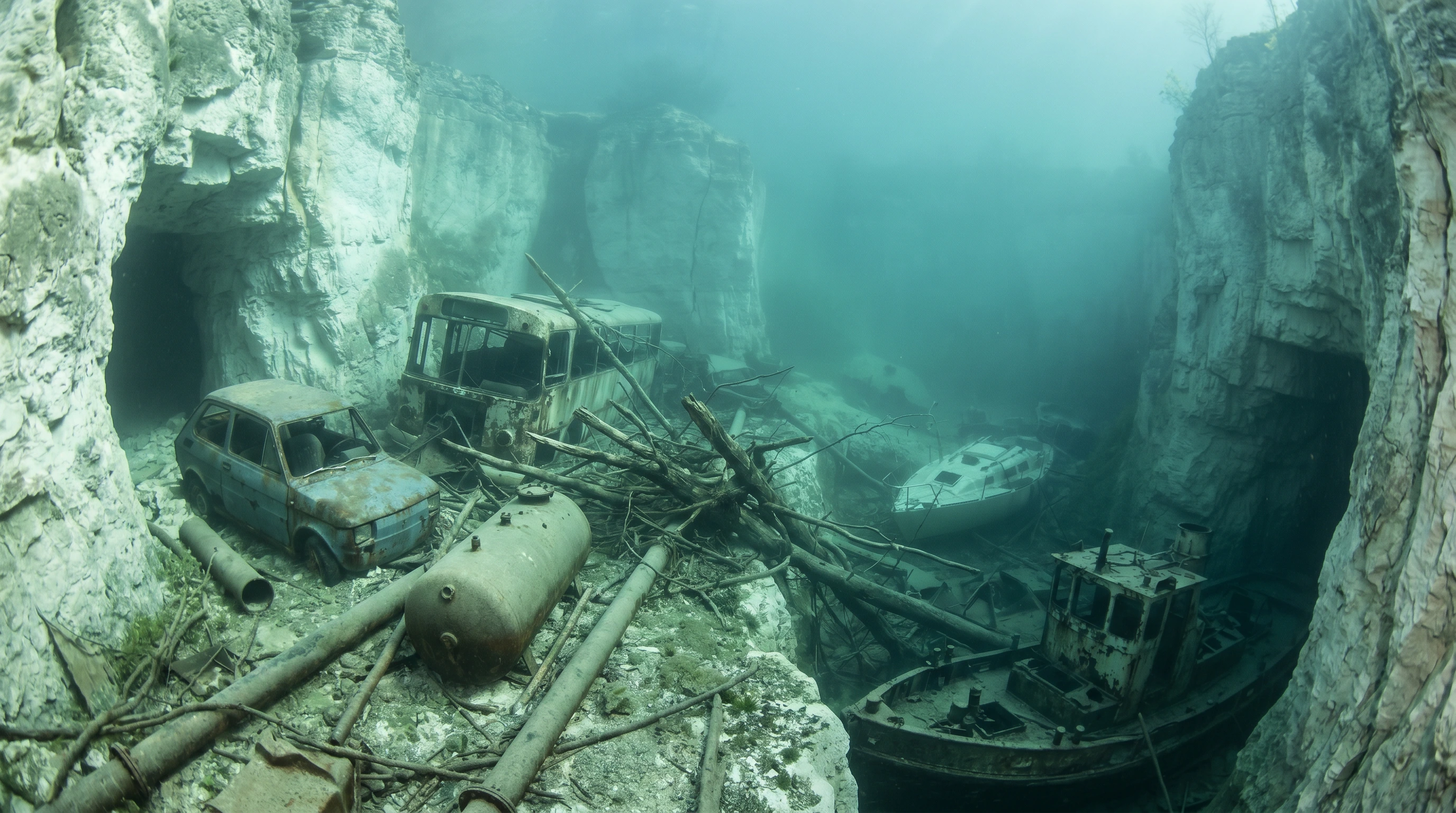
Greater Poland Lakes is a freshwater diving region built around lakes, flooded quarries and purpose-built facilities. Artificial reefs are the dominant site type, appearing across Powidz Lake and the quarry sites, while wall and wreck elements add variety at places such as Jez Biale, Zimnik Kamieniołom and Krzeszówek. Most sites are shore-entry and beginner-friendly, though Kosewa steps up to intermediate level. Deepspot, a purpose-built vertical shaft facility, stands apart from the natural lake sites. Underwater, observers regularly encounter European Eel, Carp, Common Perch, Pike Perch and Pike, with occasional Wels Catfish also recorded.
1 areas
73 operators



10 more sites to explore
Fin maps 25 sites in Greater Poland Lakes (25 scuba diving sites).
Across Greater Poland Lakes's dive sites, May, June, July, August and September are most often reported as the best months to visit.
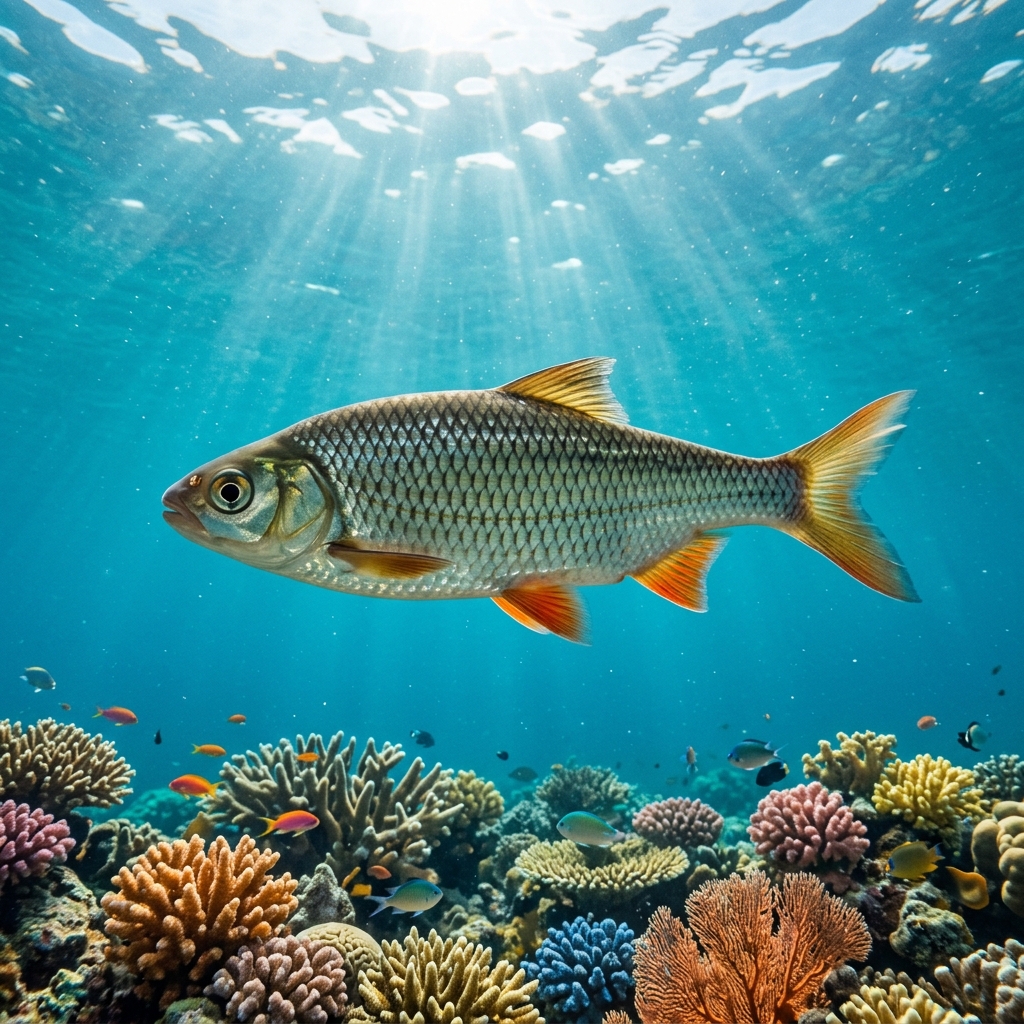
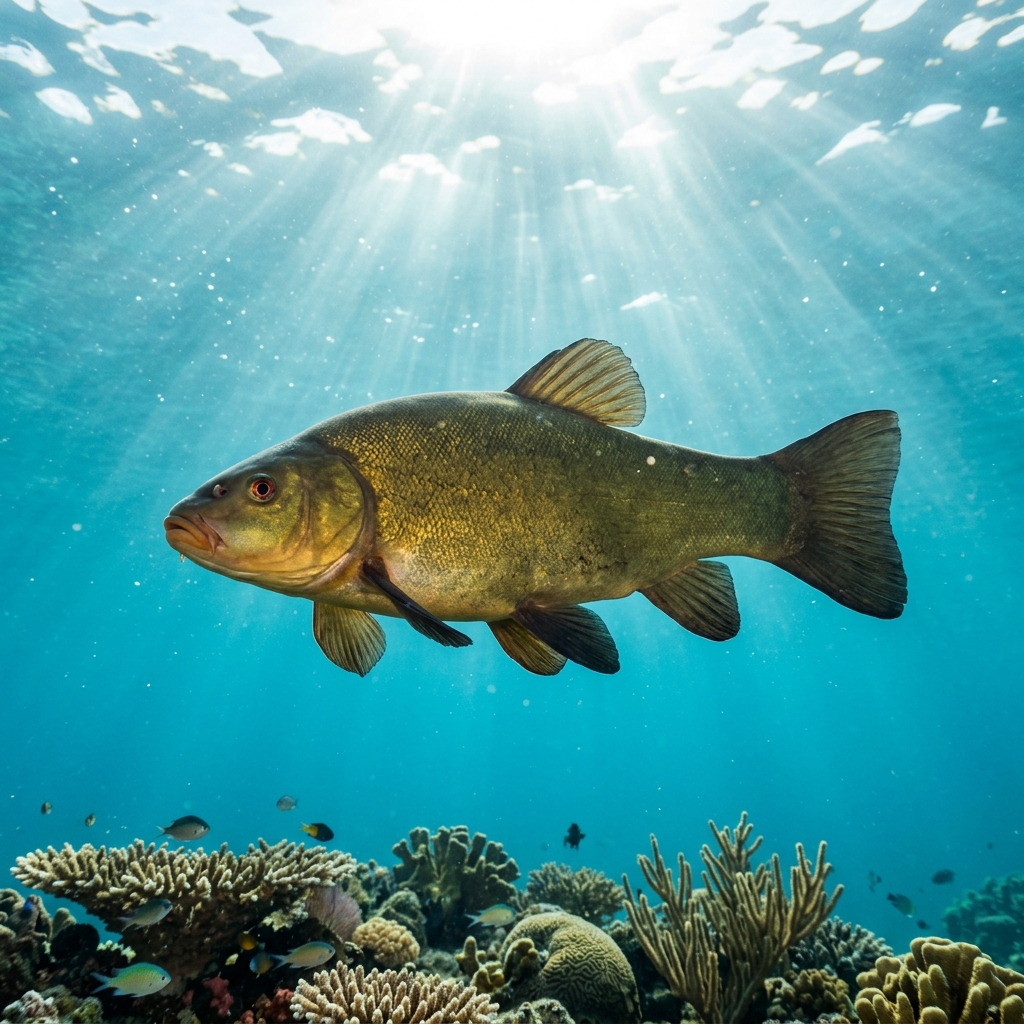
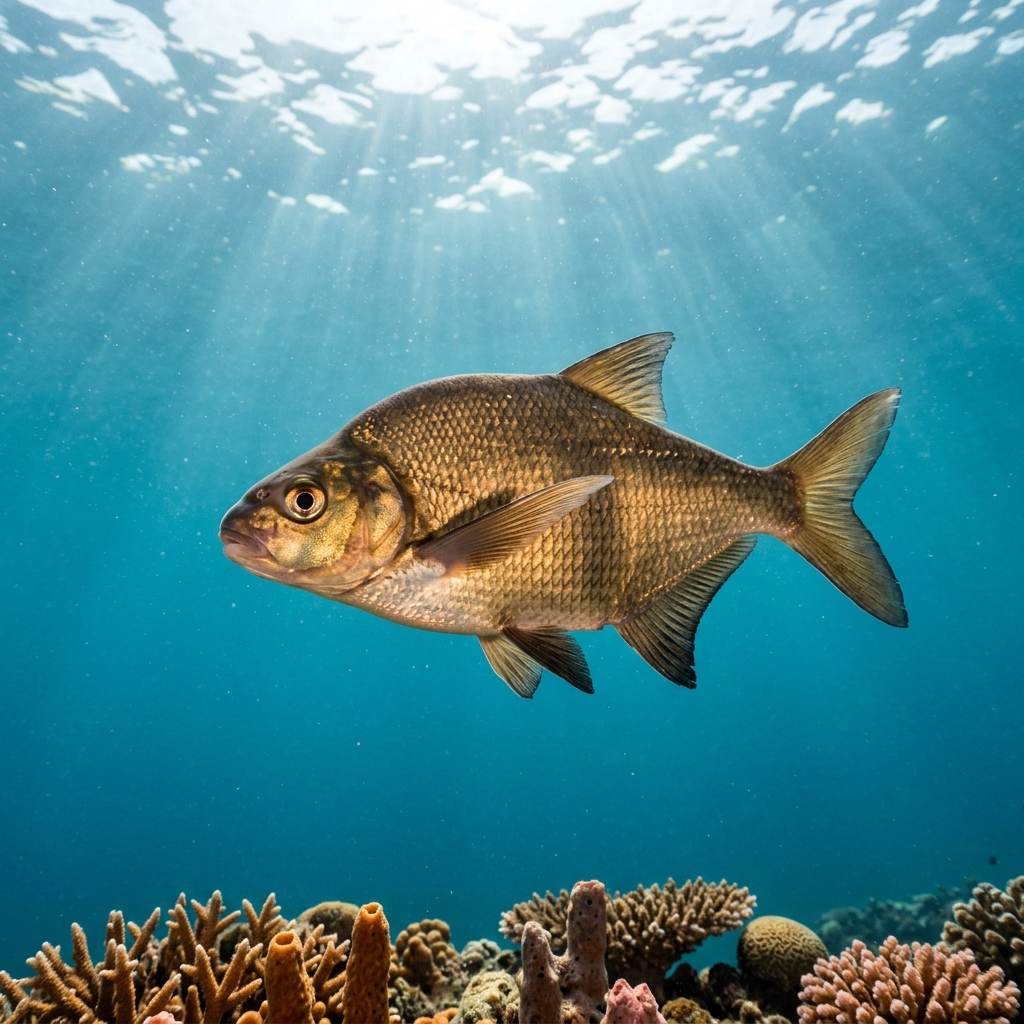
The region has a well-documented freshwater fish community. European Eel, Carp, Common Perch, Pike Perch and Pike are all observation-backed and encountered frequently across multiple sites. Wels Catfish appear occasionally, and Roach, Tench, Bream and Freshwater Crayfish have also been recorded by divers.
The majority of sites in Greater Poland Lakes are rated for beginner skill level, including shore-entry lake sites, indoor facilities like Plywalnia POSiR Chwialka and Deepspot, and quarry venues such as Kamieniołom w Piechcinie. A handful of sites, notably Kosewa, step up to intermediate level for those looking to progress. The wide depth range across sites means beginners and more experienced divers can often explore the same location at different depths.
Powidz Lake is the most developed sub-area, with the greatest concentration of sites including Giewartów, Nemo Base, Baza Nurkowa Honoratka and Kosewa. Beyond Powidz, flooded quarries such as Zimnik Kamieniołom and Krzeszówek offer steeper topography with walls and wreck structures. Purpose-built indoor facilities like Deepspot and Plywalnia POSiR Chwialka provide a controlled environment suited to training and skills work.
Shore entry is the standard access method across the region, used at lake sites, quarries and purpose-built facilities alike. Jez Biale is an exception, offering both shore and boat entry. The prevalence of shore access means divers generally do not need to arrange boat charters, and many sites can be visited independently or through one of the numerous local operators serving the area.