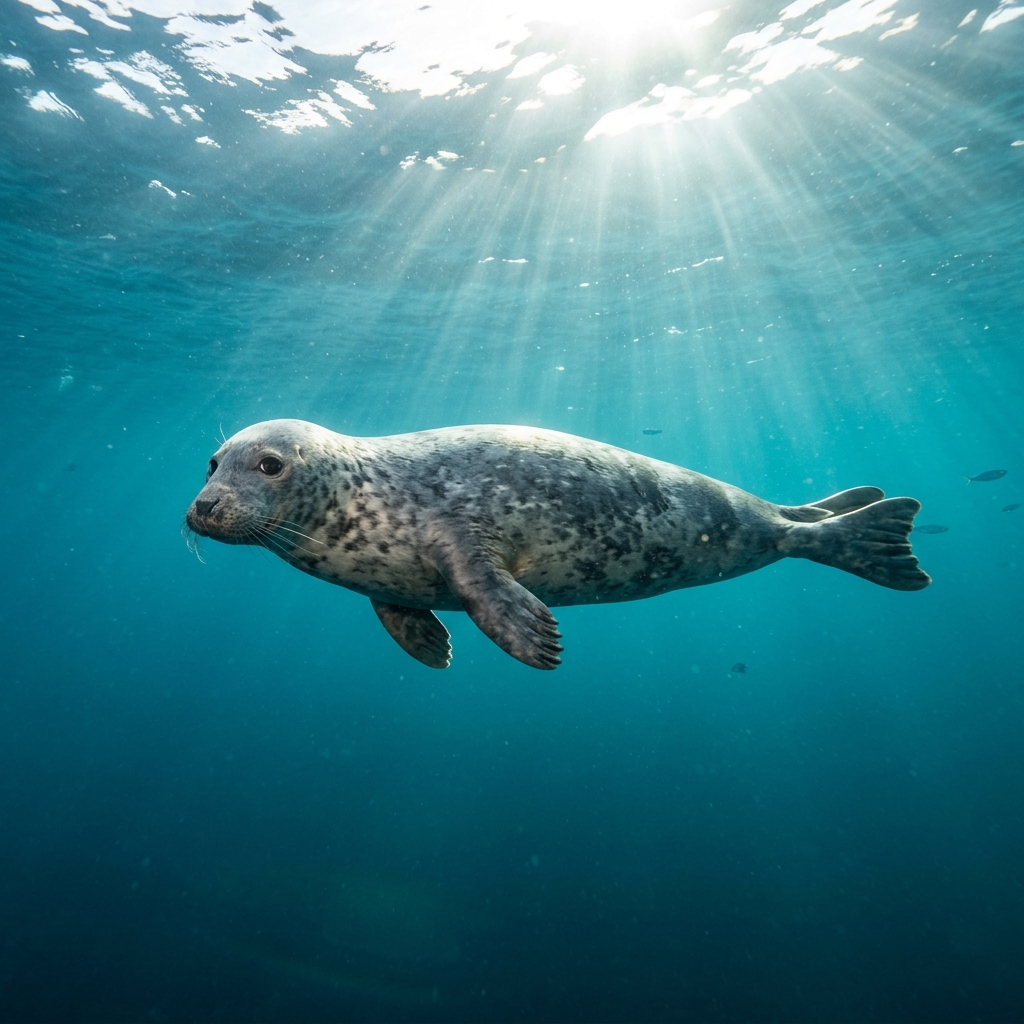
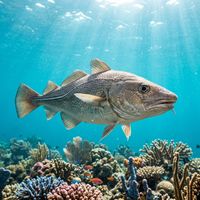
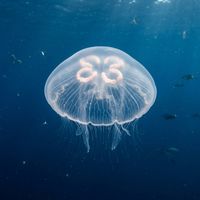
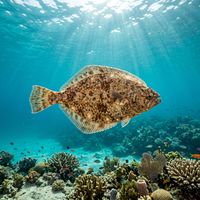
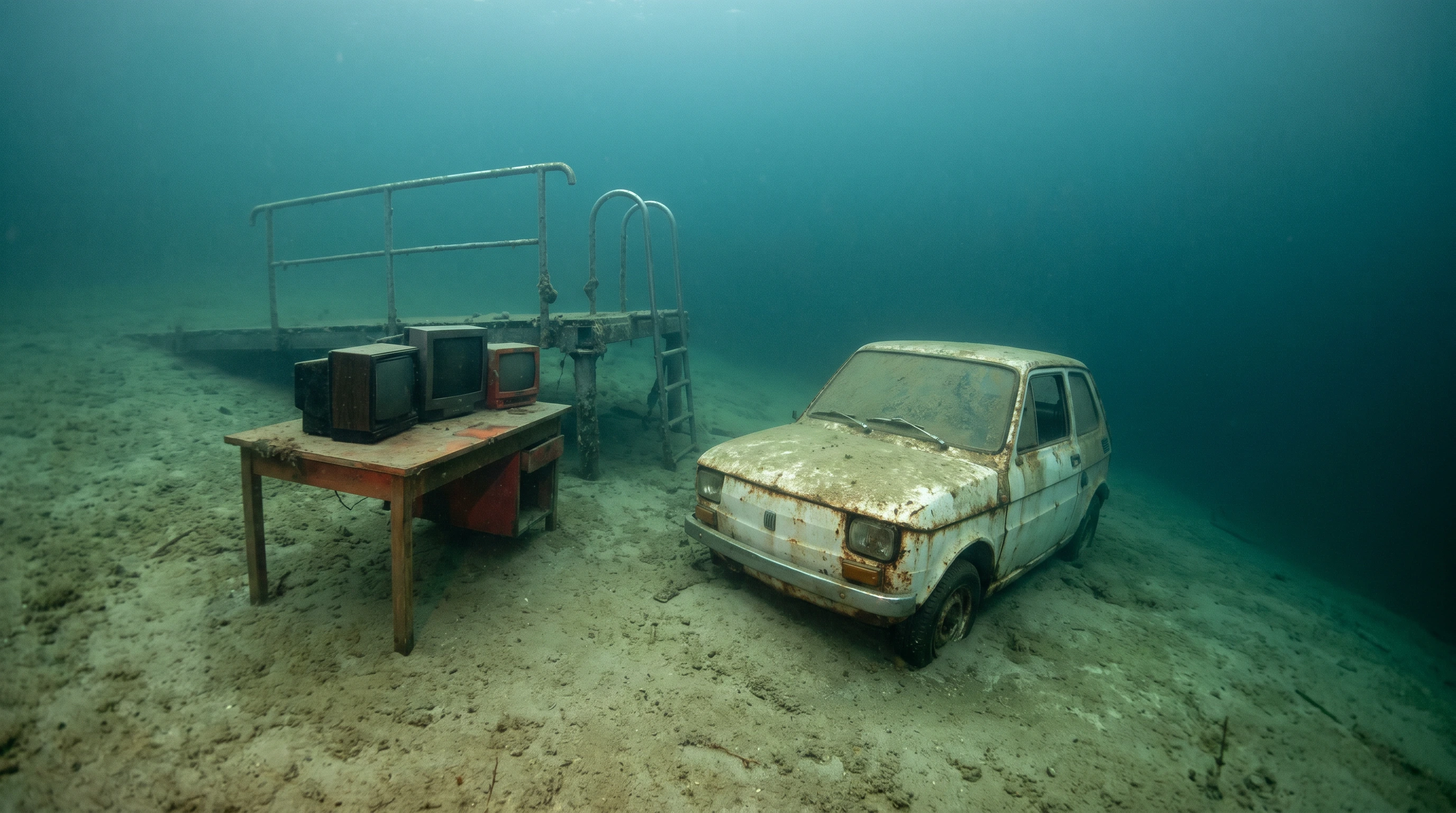
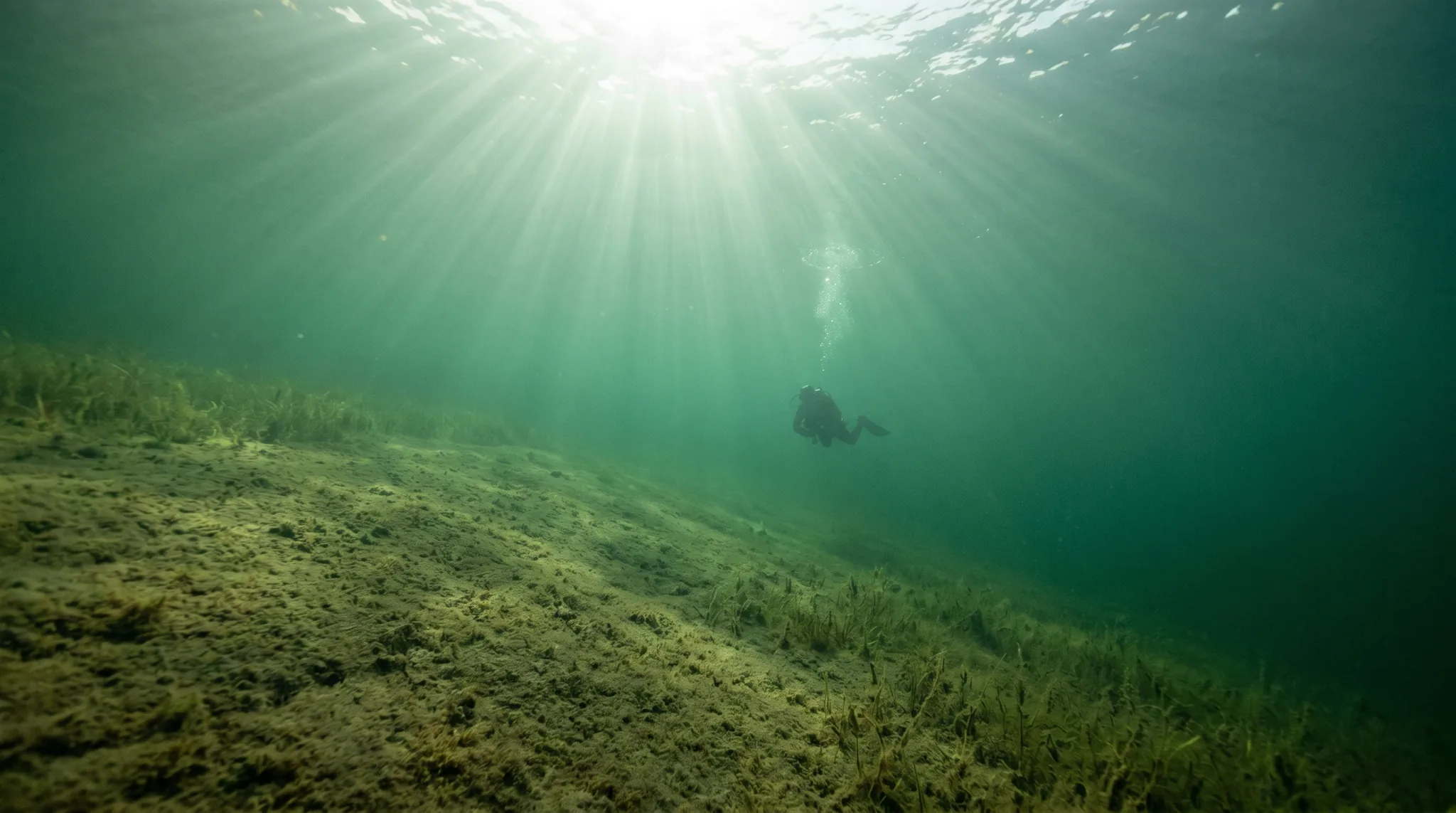
The Baltic Coast of Poland offers a distinctly northern diving experience shaped by cold water, modest visibility, and a compelling mix of wrecks and freshwater lakes. Three sub-areas divide the region: the Hel Peninsula concentrates the largest cluster of sites, the Kashubian Lakes add freshwater variety with shore-accessible dives ranging from shallow to truly deep, and the Baltic Wrecks group draws divers seeking submerged vessels. Water is coldest through winter and early spring, warming through summer to its peak in August before cooling again. Cod, Righteye Flounder, Herring, and the occasional Gray Seal are the standout observations.
3 areas
 15
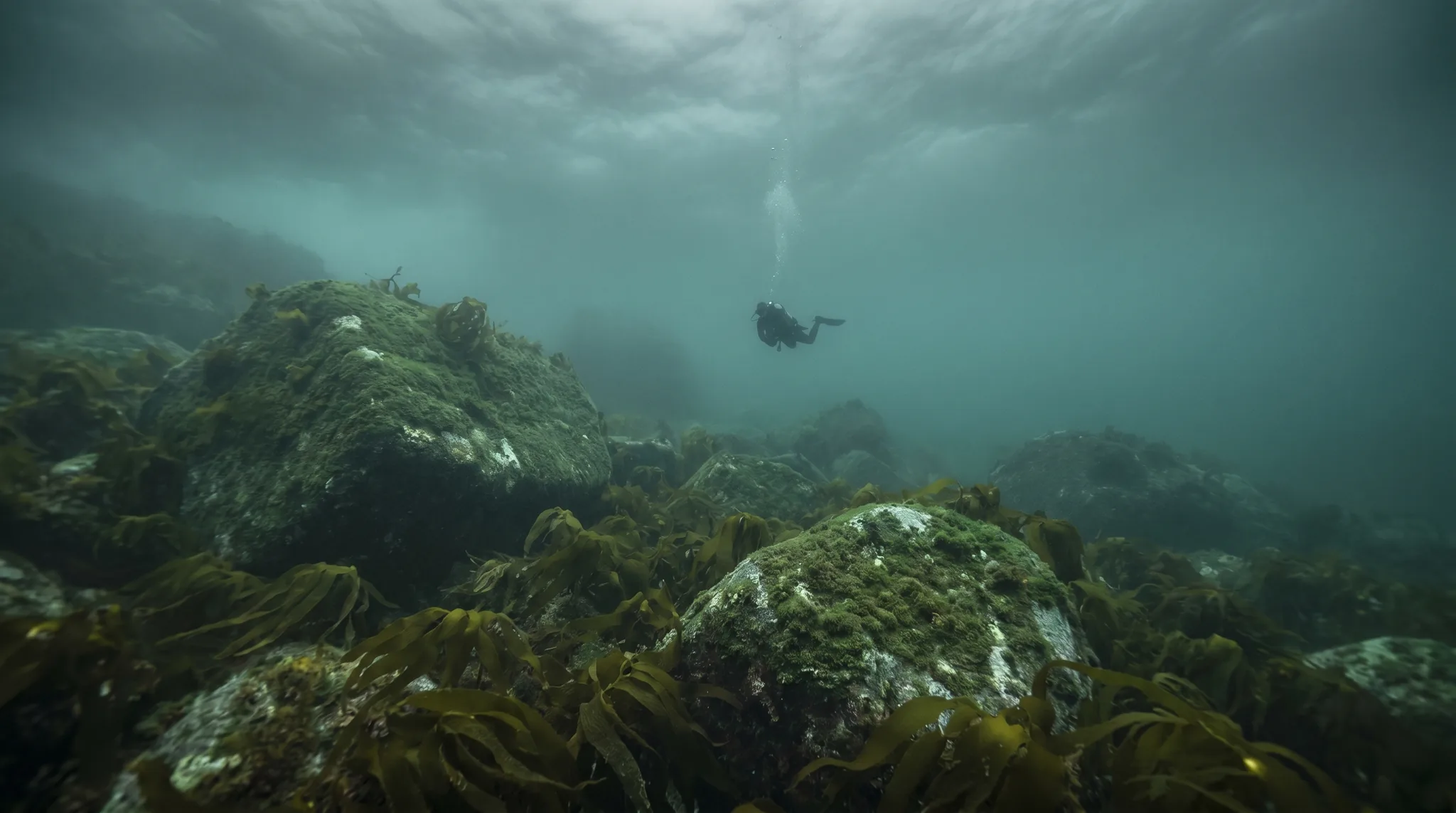
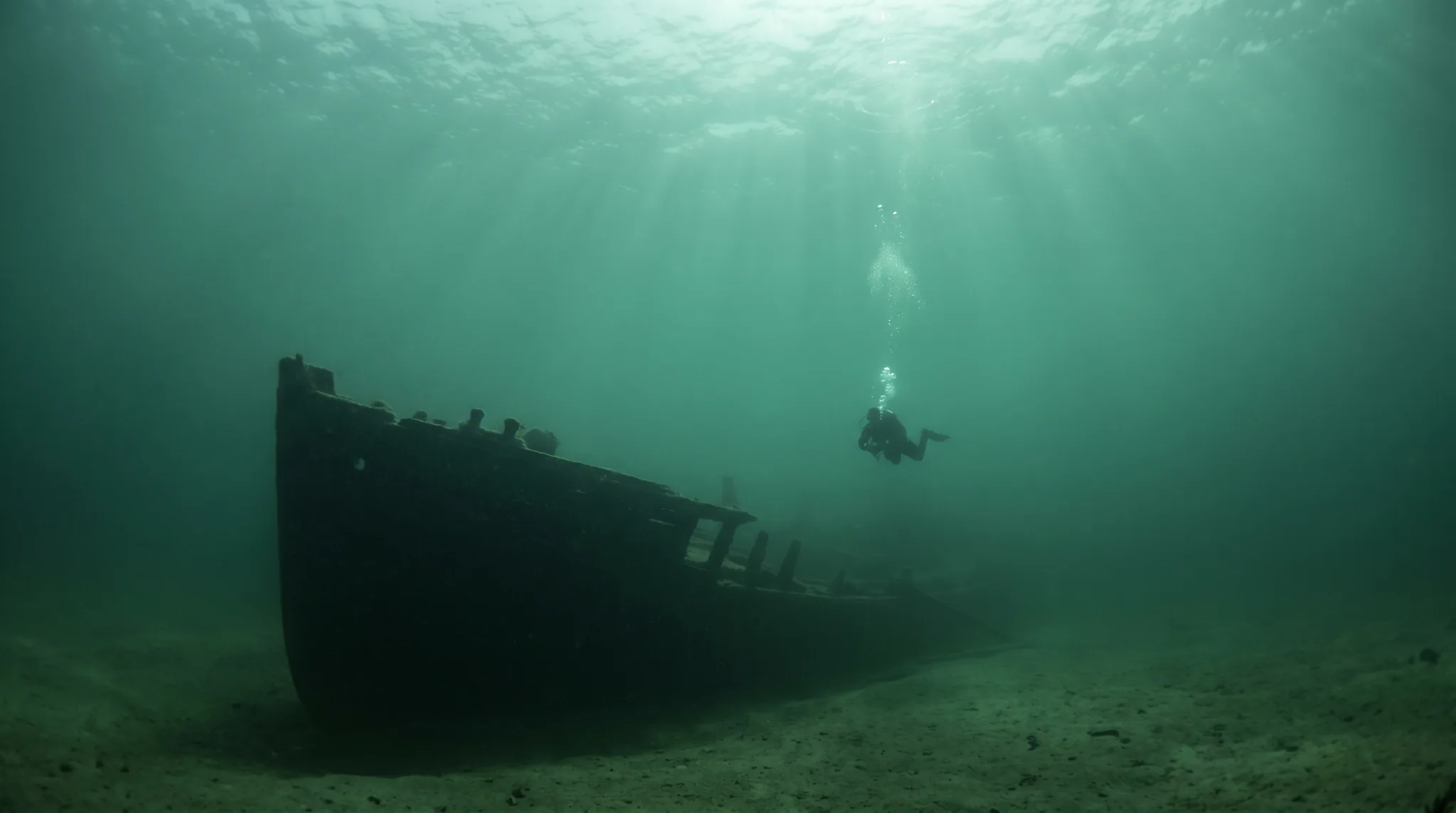
15Wreck diving on Poland's Baltic Coast, with Gray Seal sightings and cold, moody conditions that suit adventurous divers.
 6
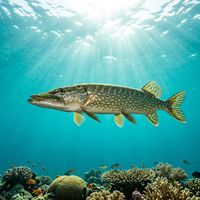
6Kashubian freshwater lakes including the deep Wdzydze drop-off and a wreck site, with pike, burbot, and freshwater jellyfish among the residents.
 6
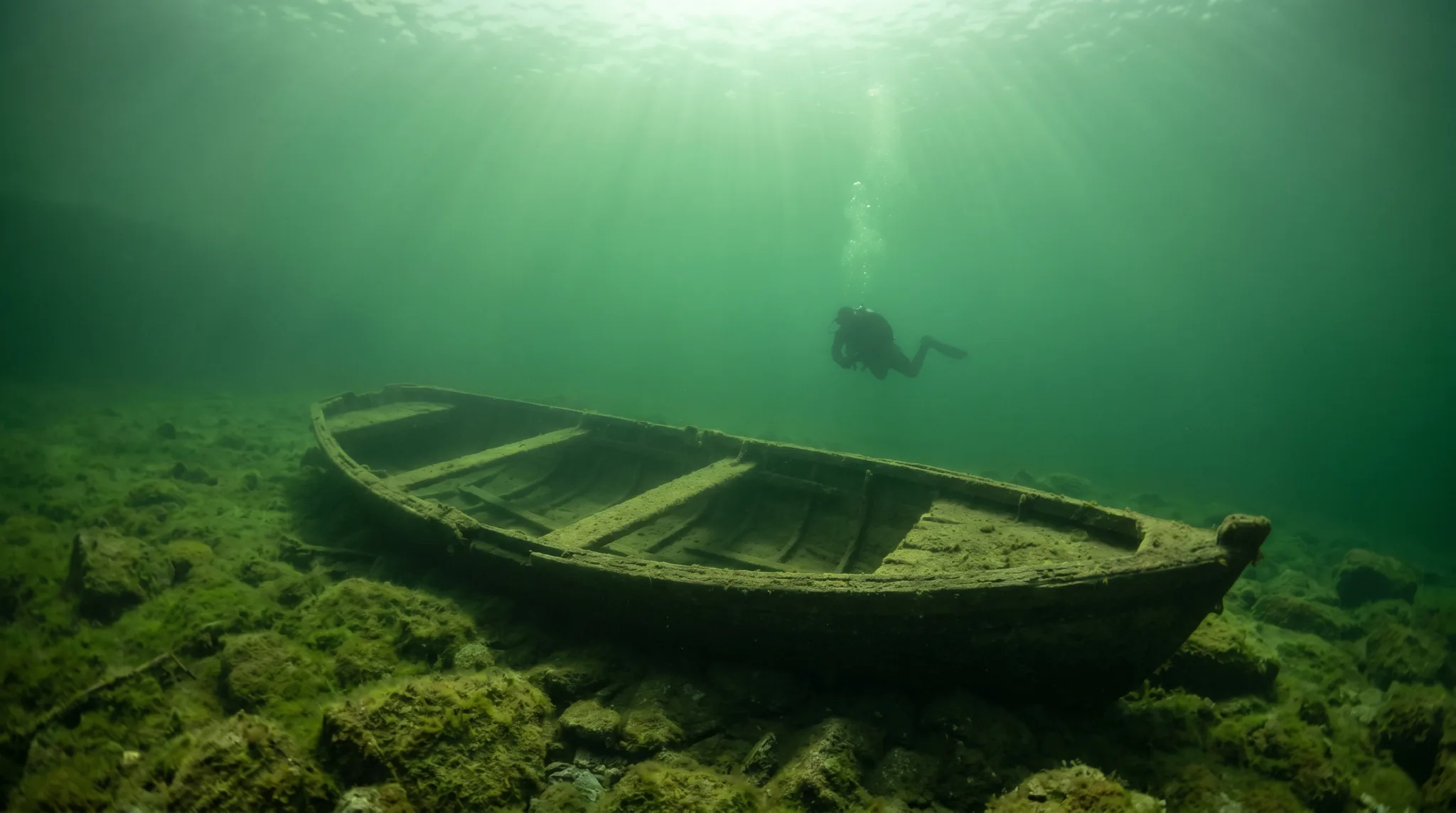
6Historic Baltic Sea shipwrecks off the Polish coast, from accessible intermediate dives to deep technical sites requiring trimix certification.
Monthly water temperature across Baltic Coast's sites, from satellite sea-surface data corrected for depth. The band shows the site-to-site spread.
Water temperatures stay very cold from winter through early spring, making a drysuit the practical choice for much of the year. From late spring through summer the water warms noticeably, reaching its peak around August, which also aligns with the busiest and most rewarding diving months. Visibility is characteristically limited year-round, so divers should treat every dive as a low-visibility environment and plan accordingly.
20 operators

Gdynia, Poland
Lublewo Gdanskie, Poland
1 more site to explore
Water temperature around Baltic Coast ranges from about 4°C in February to 18°C in August, based on satellite sea-temperature data for its dive sites.
In the warm season (about 18°C) a 5mm suit is comfortable in Baltic Coast; in the coldest months (about 4°C) step up to a drysuit.
Fin maps 28 sites in Baltic Coast (28 scuba diving sites), organised into 3 areas.
Across Baltic Coast's dive sites, May, June, July and August are most often reported as the best months to visit.
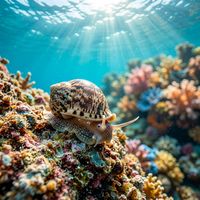
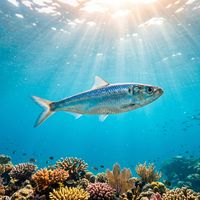
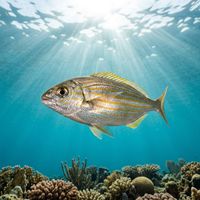
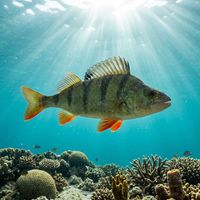
Observation-backed species include Cod, Righteye Flounder, Herring, Common Moon Jellyfish, and Snail, all recorded as common across many sites. The Gray Seal is the region's signature sighting, seen occasionally around the Hel Peninsula. Freshwater sites in the Kashubian Lakes add a different cast of species, including Pike, Perch, and Bream.
Several sites are rated for beginners, including Kanonierka on the Hel Peninsula and Jezioro Kłodno in the Kashubian Lakes, where shallower zones allow new divers to build confidence before venturing deeper. That said, limited visibility and cold water mean that even beginner-rated sites benefit from prior experience diving in low-visibility, cool conditions. Checking with a local operator before your first dive here is a sensible step.
The Hel Peninsula holds the largest number of sites and is where most wreck and open-water diving is concentrated, including the Kanonierka shipwreck. The Kashubian Lakes offer freshwater diving with shore access and a mix of wrecks and artificial reef structures at sites like Jezioro Kłodno. The Baltic Wrecks sub-area is a dedicated group of wreck sites, primarily accessed by boat, for divers specifically seeking submerged vessels.
Both access types are available depending on which sub-area you choose. Several Kashubian Lakes sites, including Jezioro Kłodno, are shore-accessible, making self-organised diving more straightforward. Many Baltic Coast wreck sites, however, require boat access, and with numerous local operators based in the region, arranging a guided boat dive is very practical.