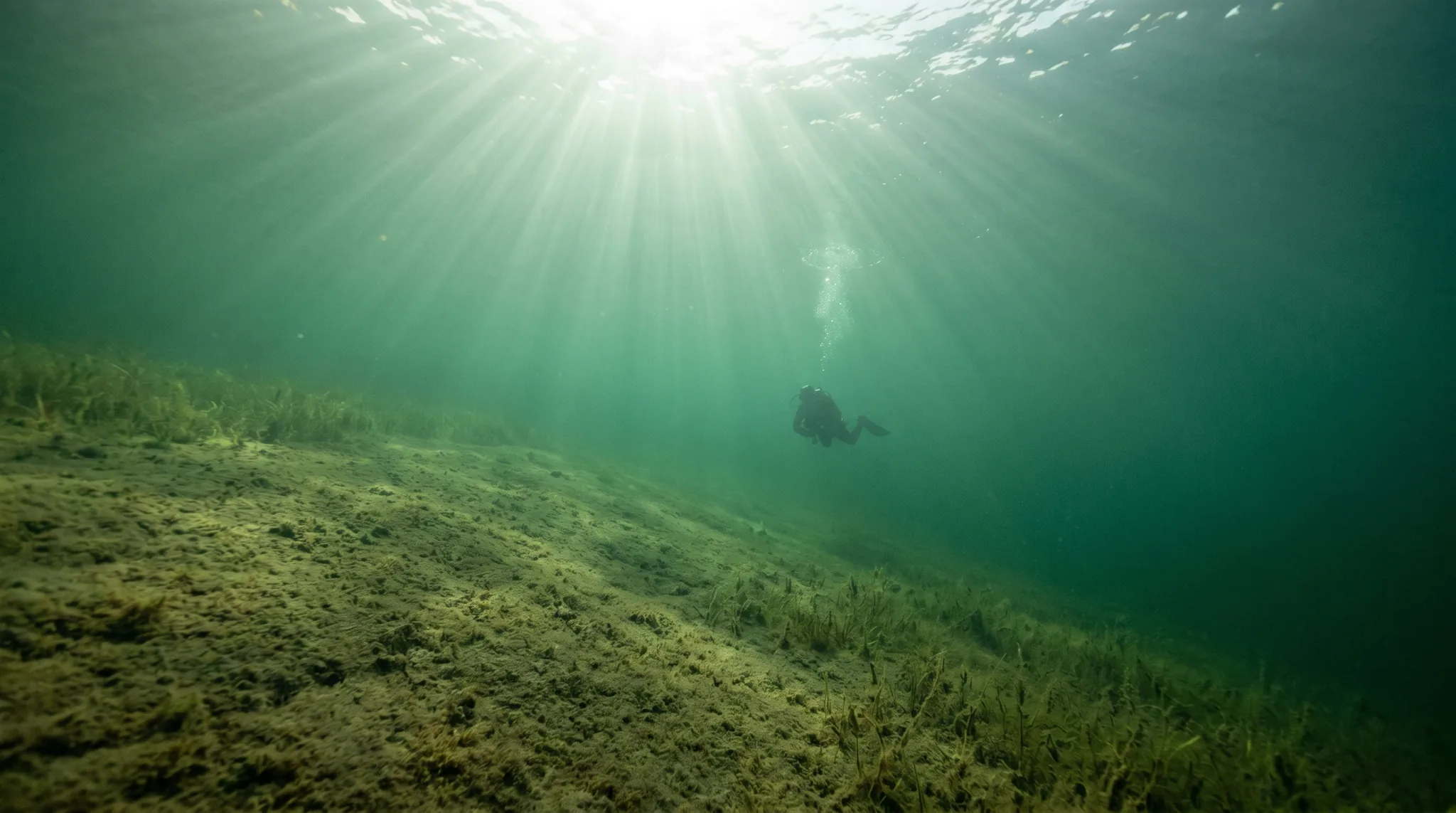
Best for beginner divers, 3-15m, shore entry, mild current.
Greater Poland Lakes offers a freshwater shore dive suitable for beginners, with depths ranging from 3 to 15 metres and an average of 9 metres. Divers can expect variable visibility between 3 and 15 metres. While currents are generally mild, the site can experience stronger flows and surf at the entry point. Divers should remain vigilant regarding entanglement hazards and active boat traffic. Due to consistently cold water temperatures, a drysuit or thick wetsuit is recommended throughout the year. The site supports a variety of temperate freshwater fish and invertebrates typical of the region, though specific sightings are not guaranteed. Typical dive duration is approximately 40 minutes.
51.77428, 19.44084
Cold water is a consistent factor here regardless of season, so a drysuit or at minimum a thick wetsuit is advisable even in summer. Check locally for current facility availability before you travel, as nothing is confirmed on site.
Access info coming soon
Expected in this region. No sightings logged here yet.
Depth
3-15m
Visibility
3-15m
Skill Level
Beginner
Entry
Shore
Current
Mild
Typical Dive
40 min
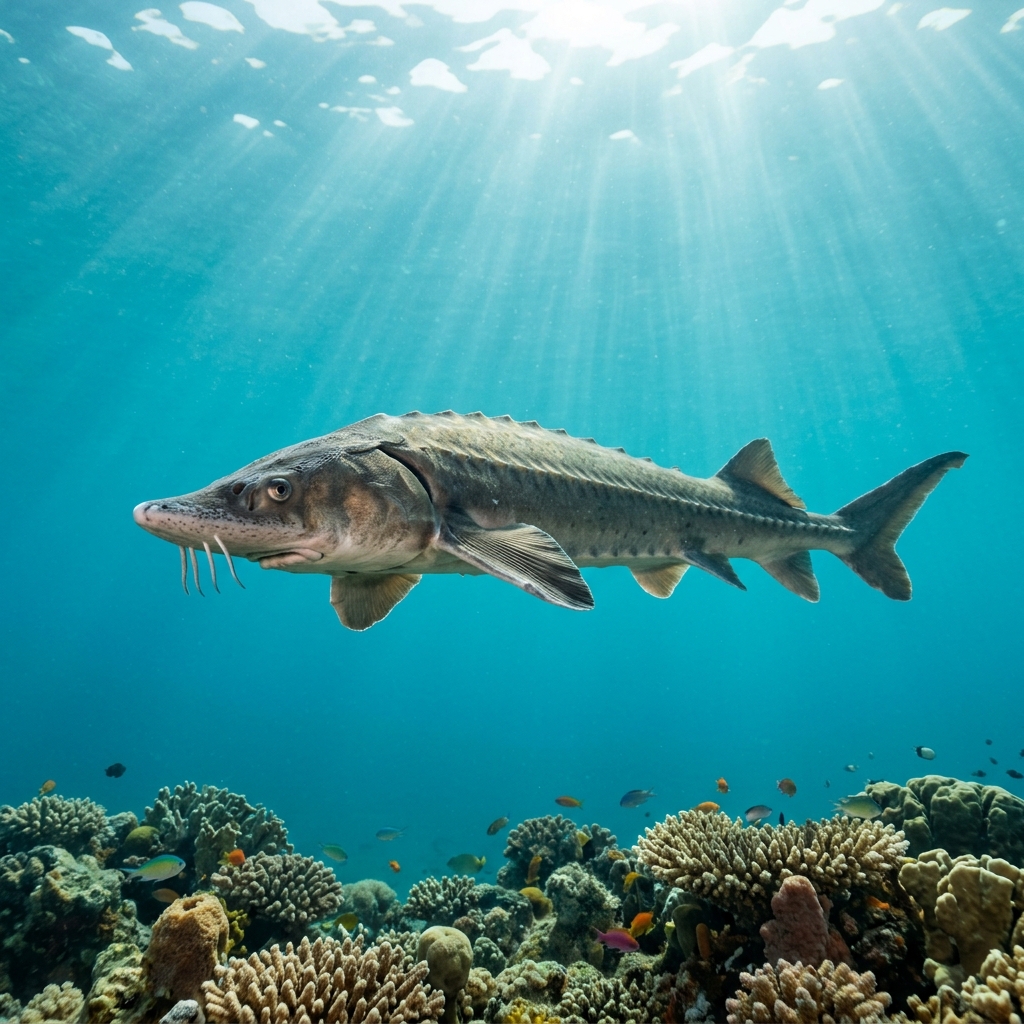
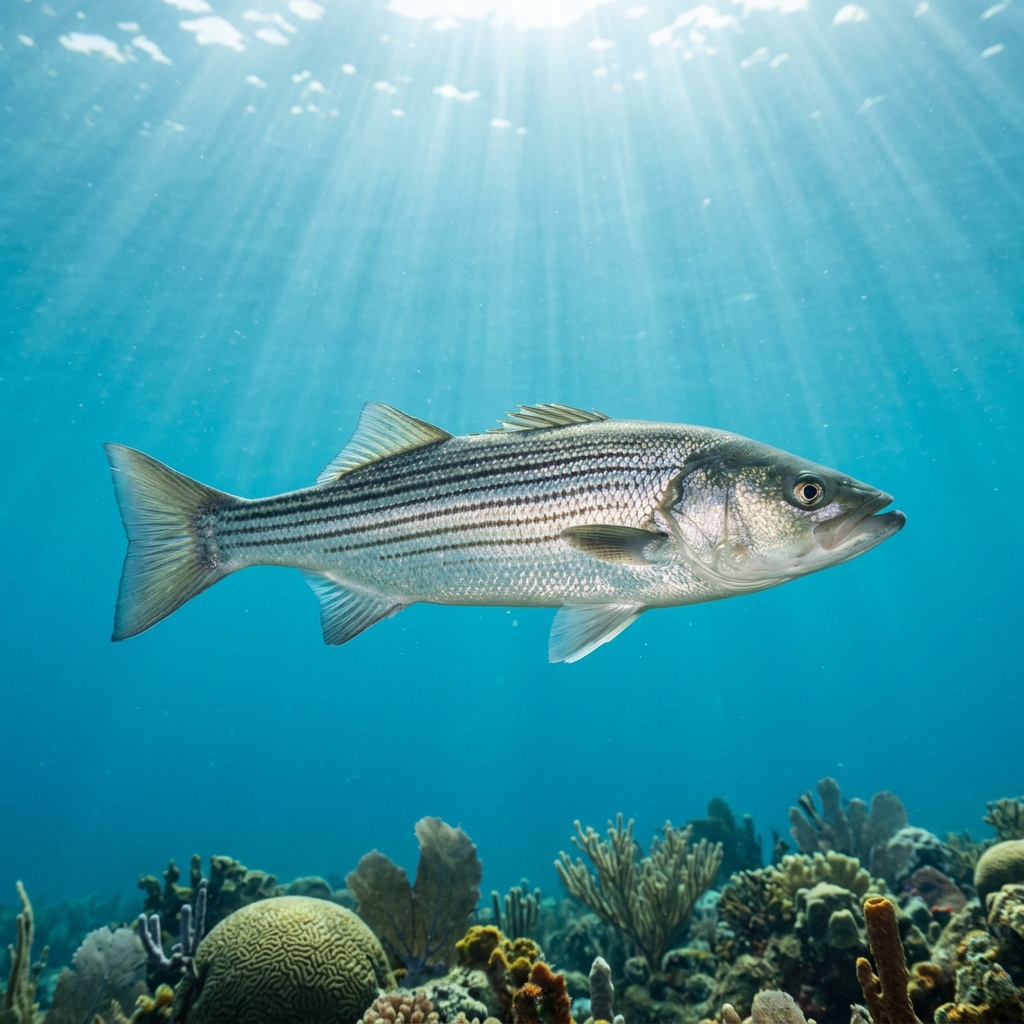
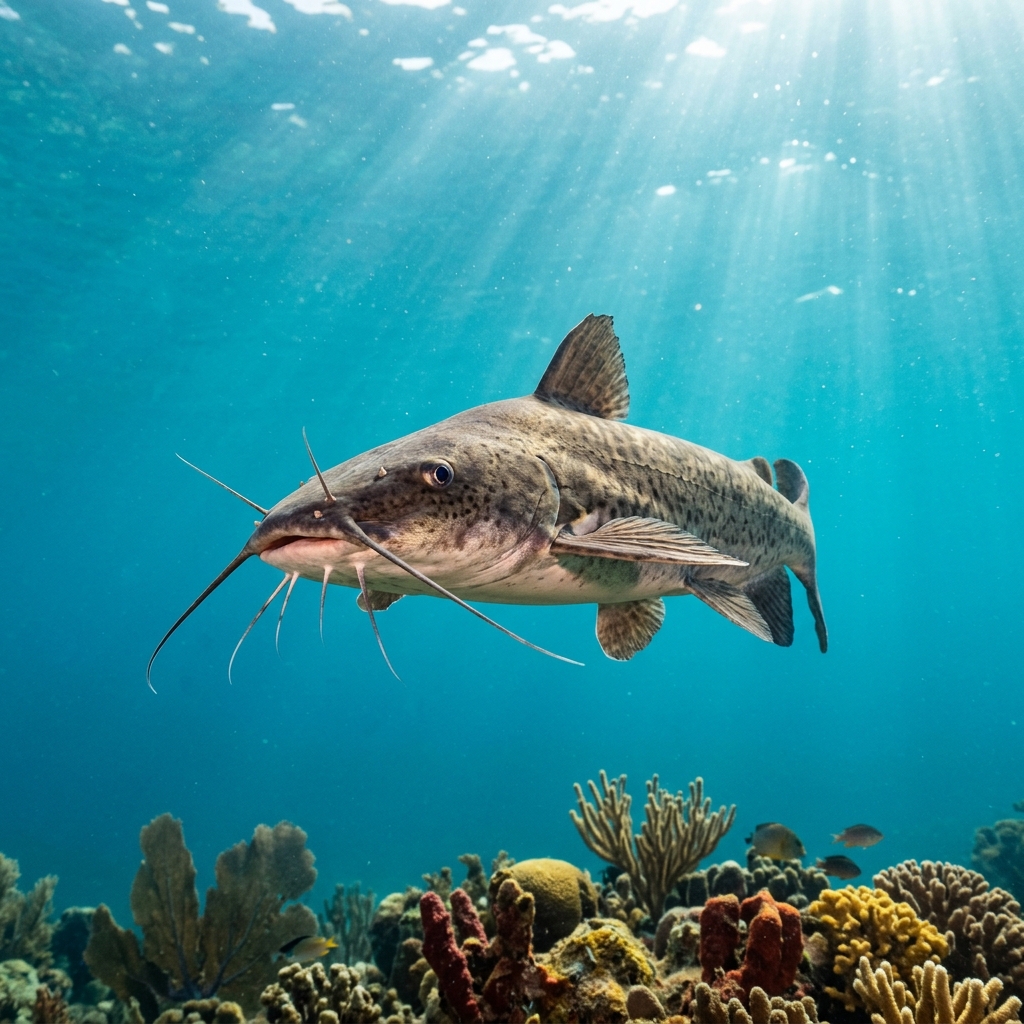
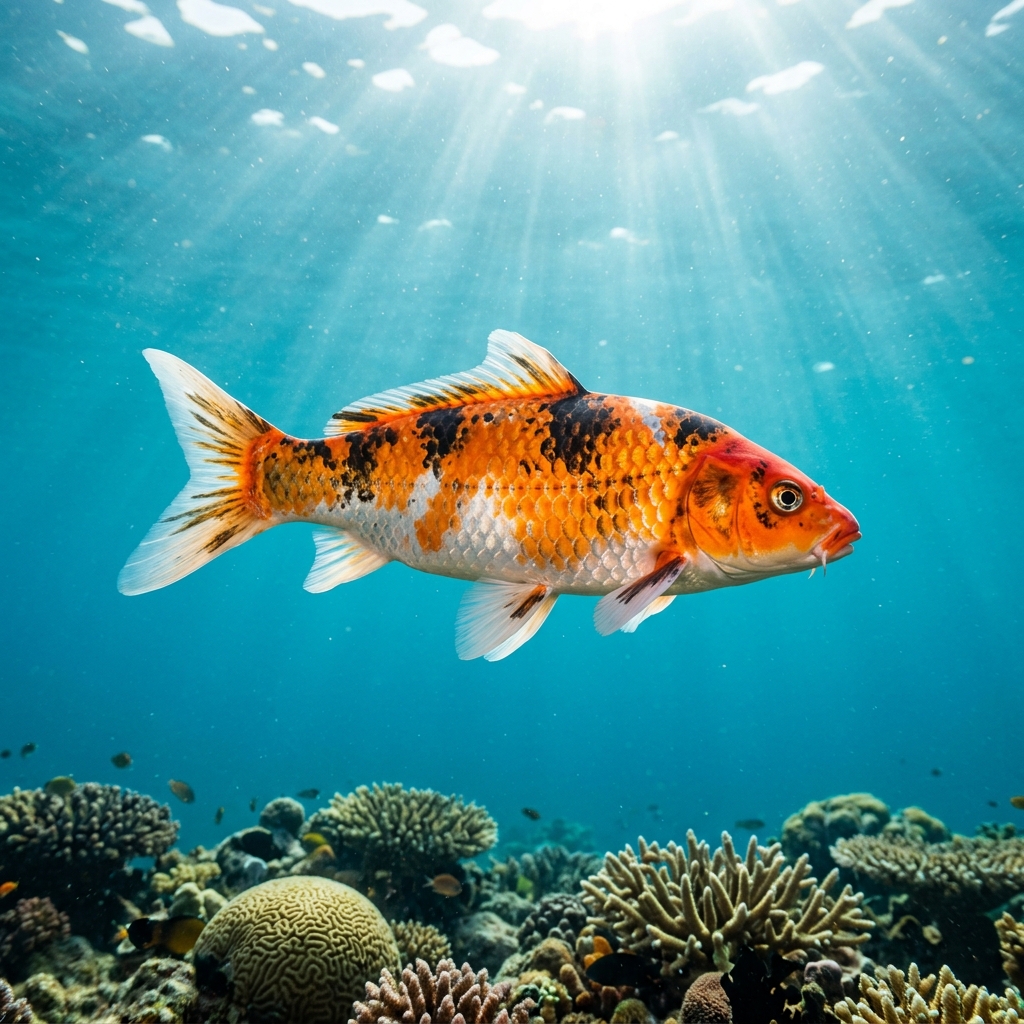
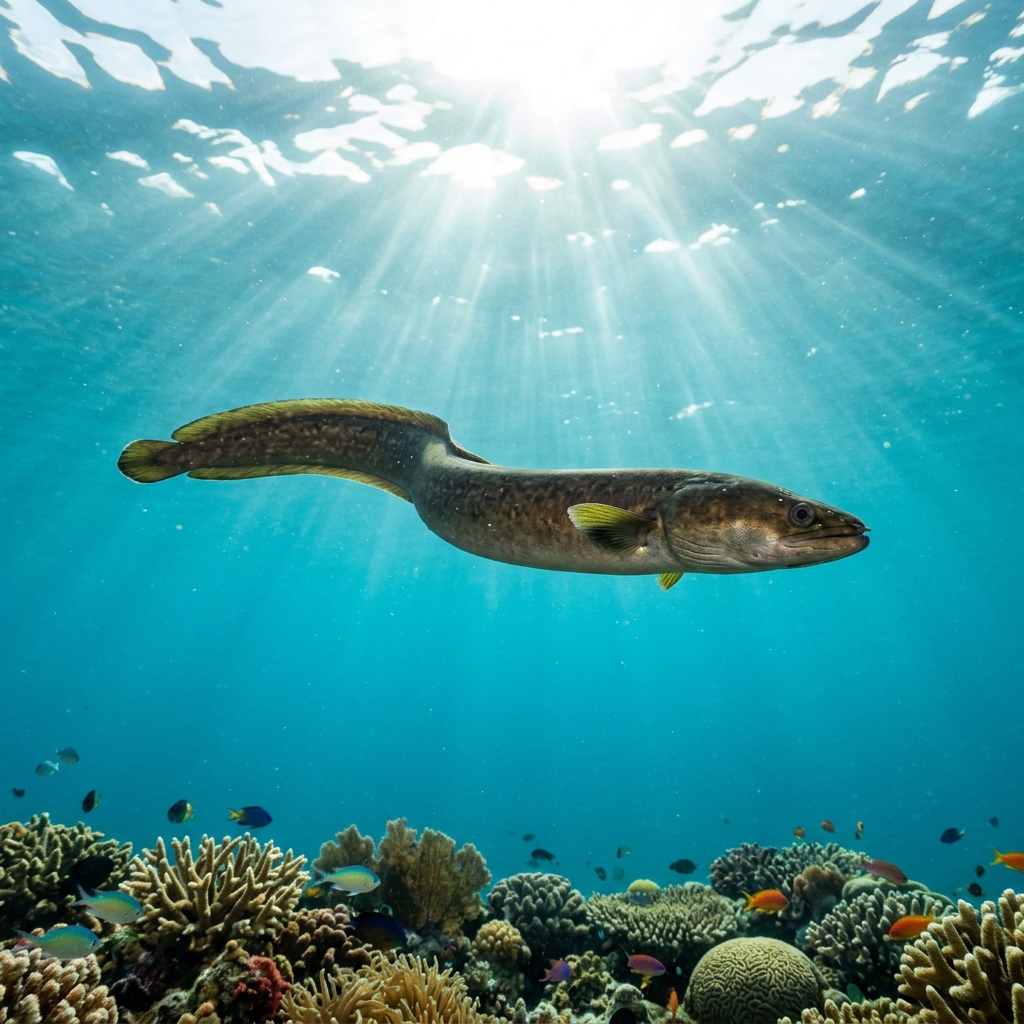
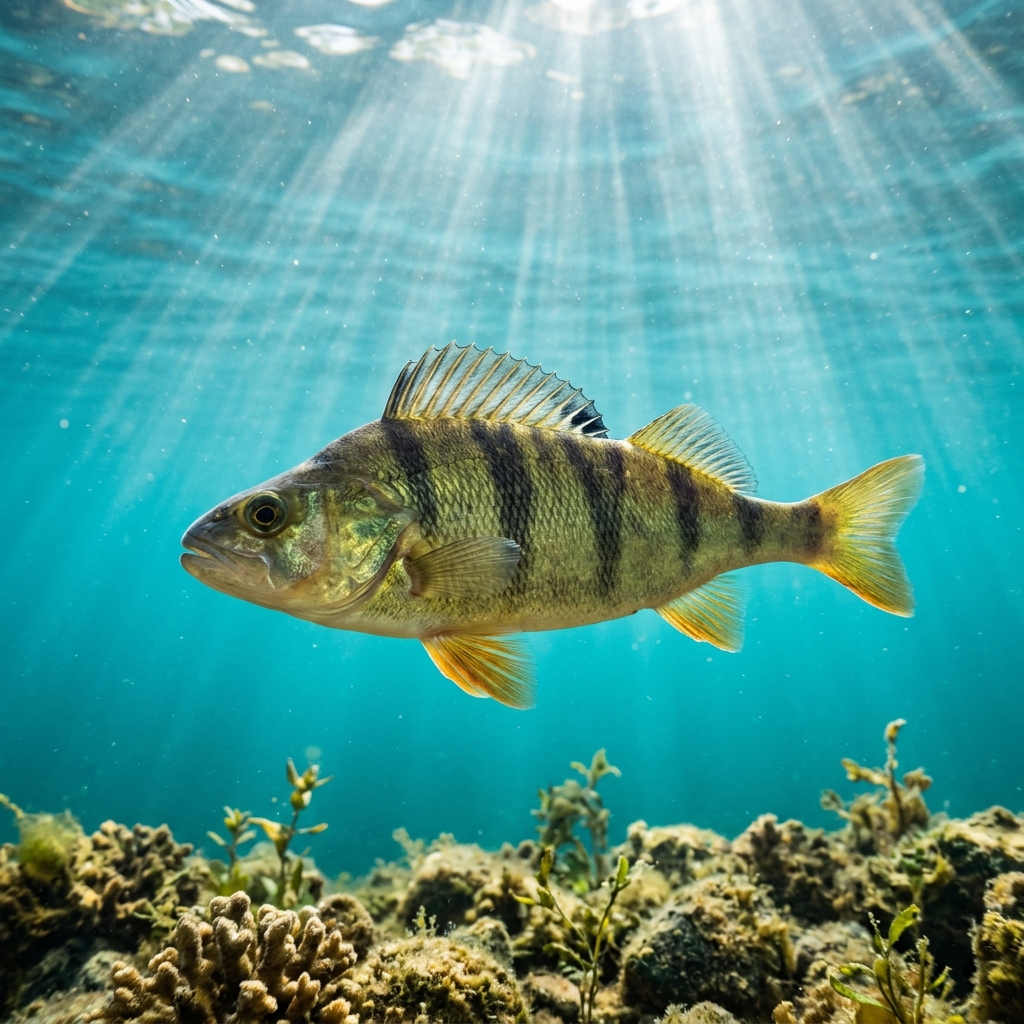
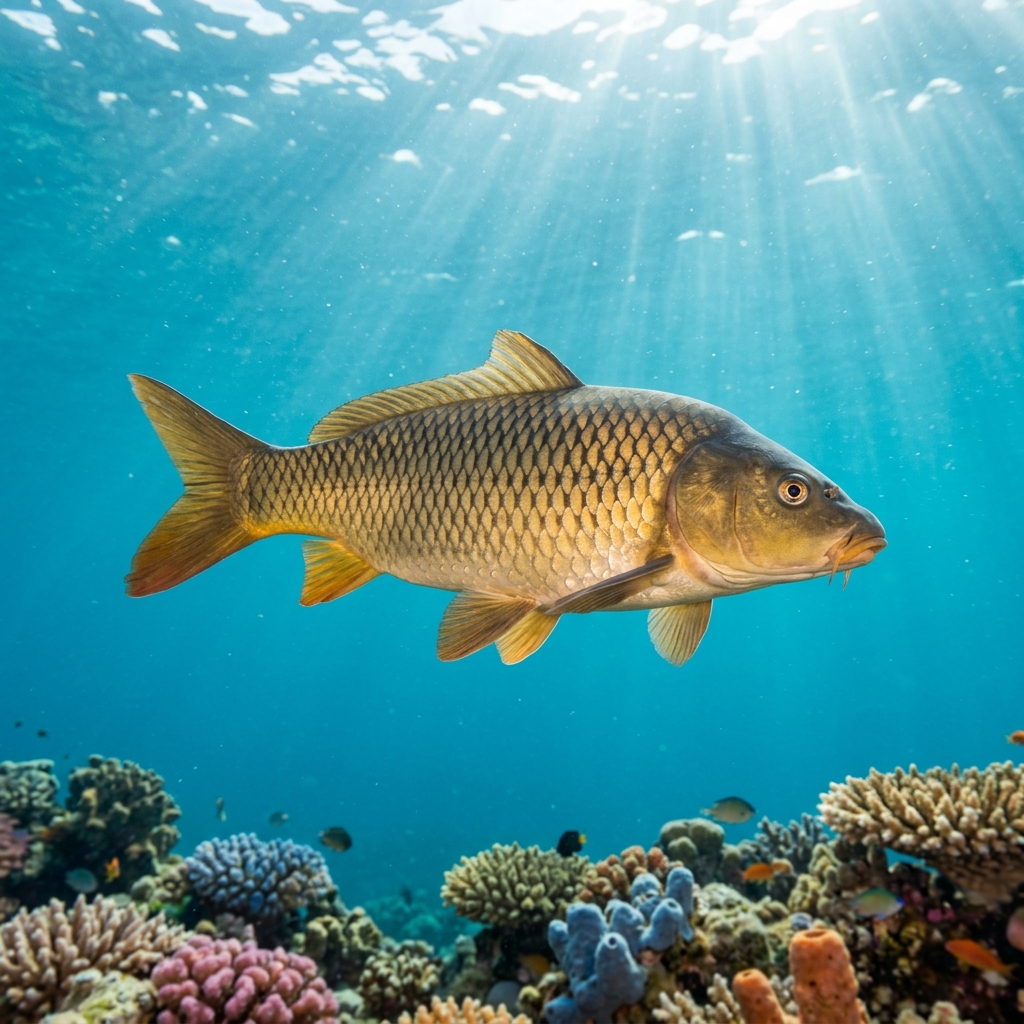
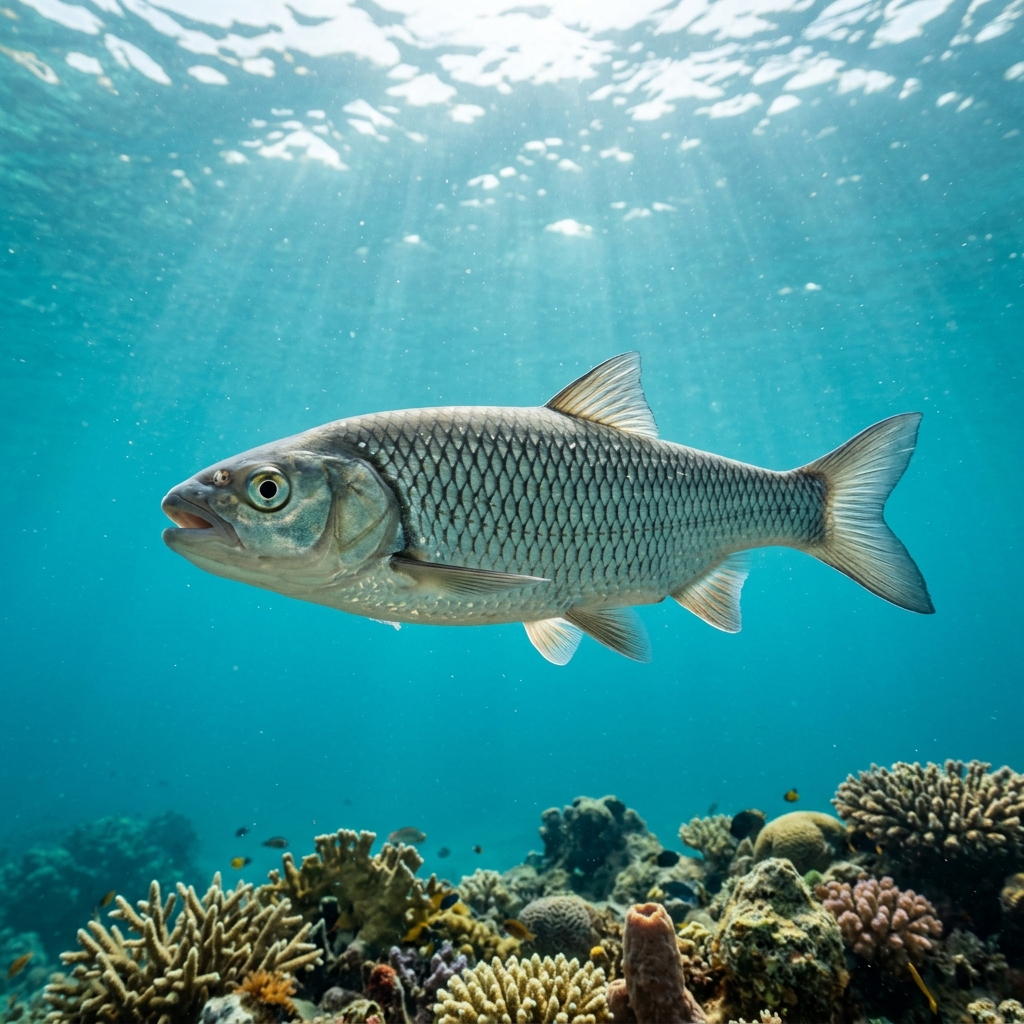
The site supports various temperate freshwater fish and invertebrates, including species such as perch, pike, carp, and freshwater sponges.
Yes, the site is suitable for beginners, offering depths between 3 and 15 metres that allow for buoyancy practice.
The depth ranges from 3 to 15 metres, with an average depth of 9 metres.
Yes, this is a shore entry site.
Hazards include cold water, entanglement risks, low visibility, and strong currents. Divers must also maintain awareness of active boat traffic.
Diving at Greater Poland Lakes Shore Dive in Łódź requires the following certifications: Open Water. Always dive within your training limits.
Greater Poland Lakes Shore Dive in Łódź typically has mild currents that most divers can handle comfortably.
Visibility at Greater Poland Lakes Shore Dive in Łódź typically ranges from 3 metres to 15 metres. Conditions vary with weather, tides, and seasons.