Astacidae spp.
Spot freshwater crayfish in the alpine lakes of Switzerland and Austria. Water temps 10-25 °C, year-round potential, but expect a rare sighting.
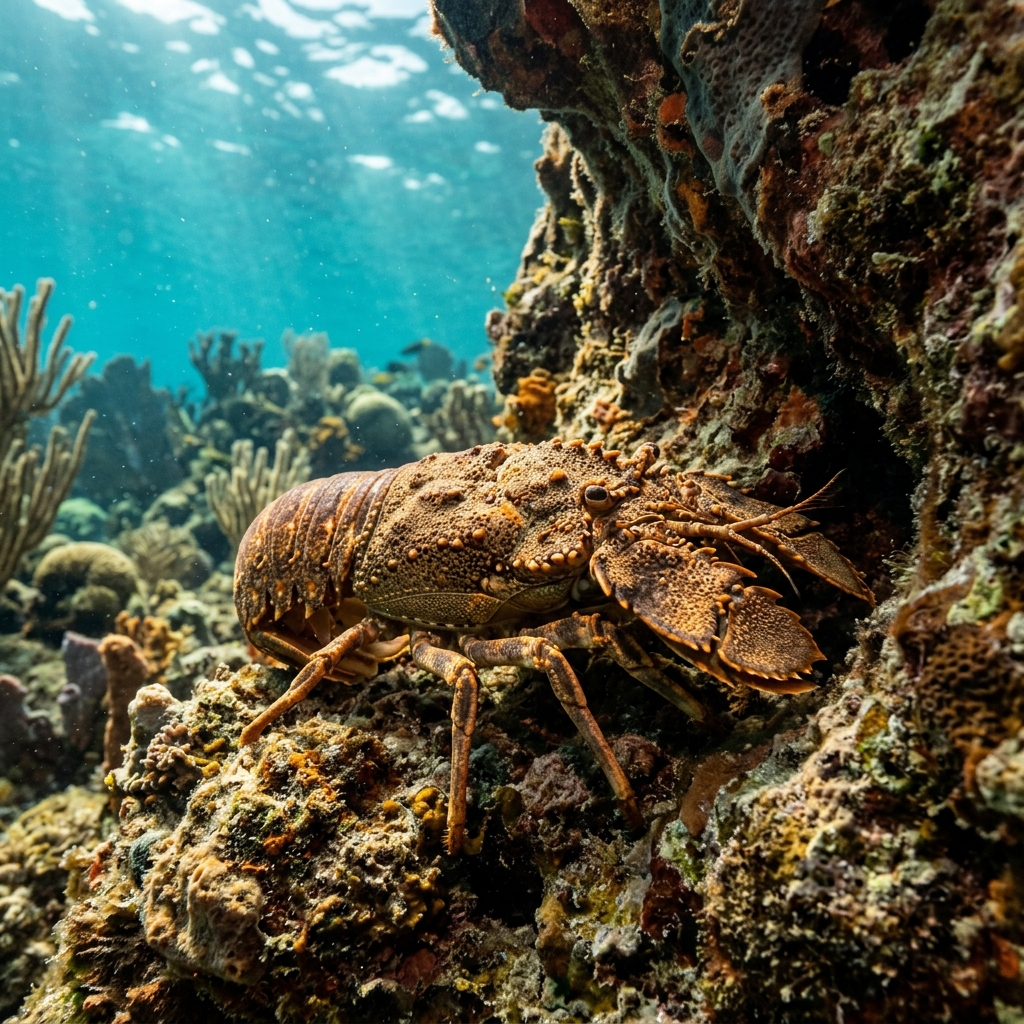
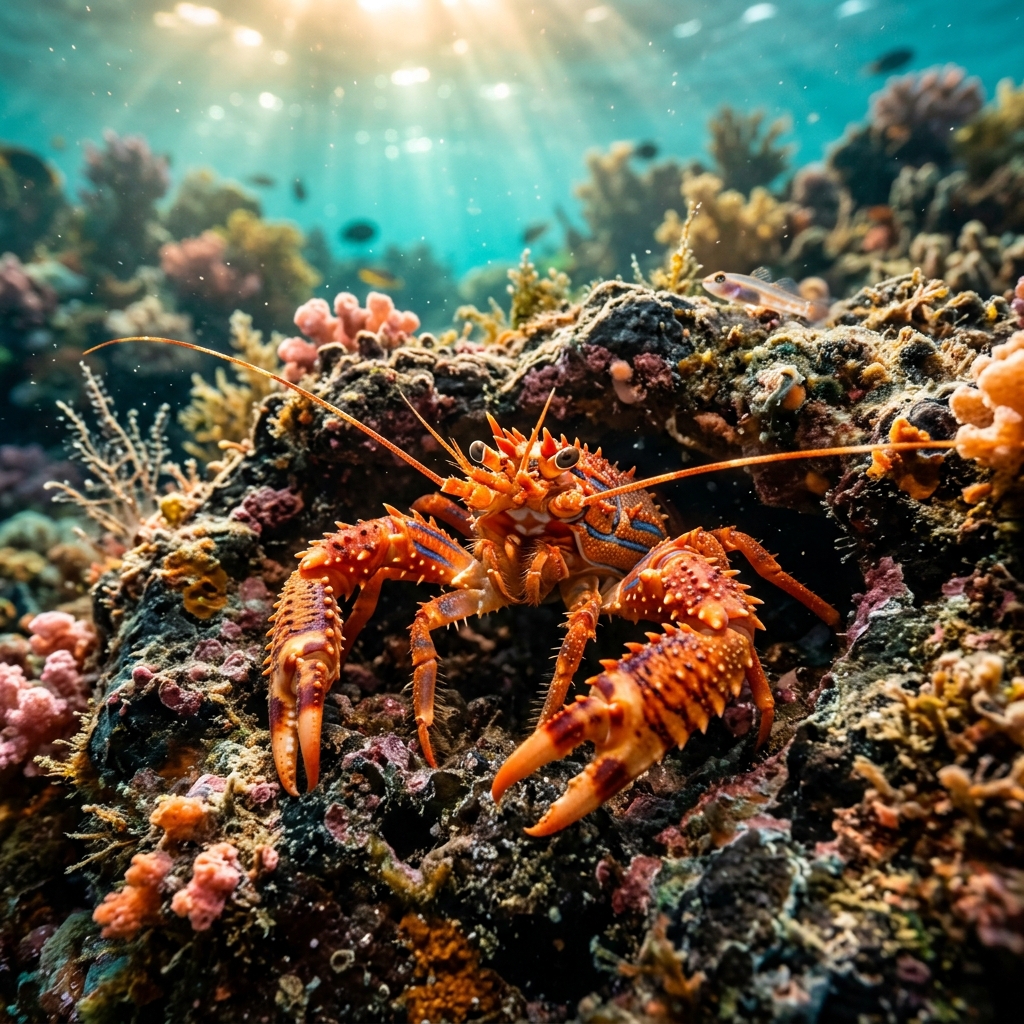
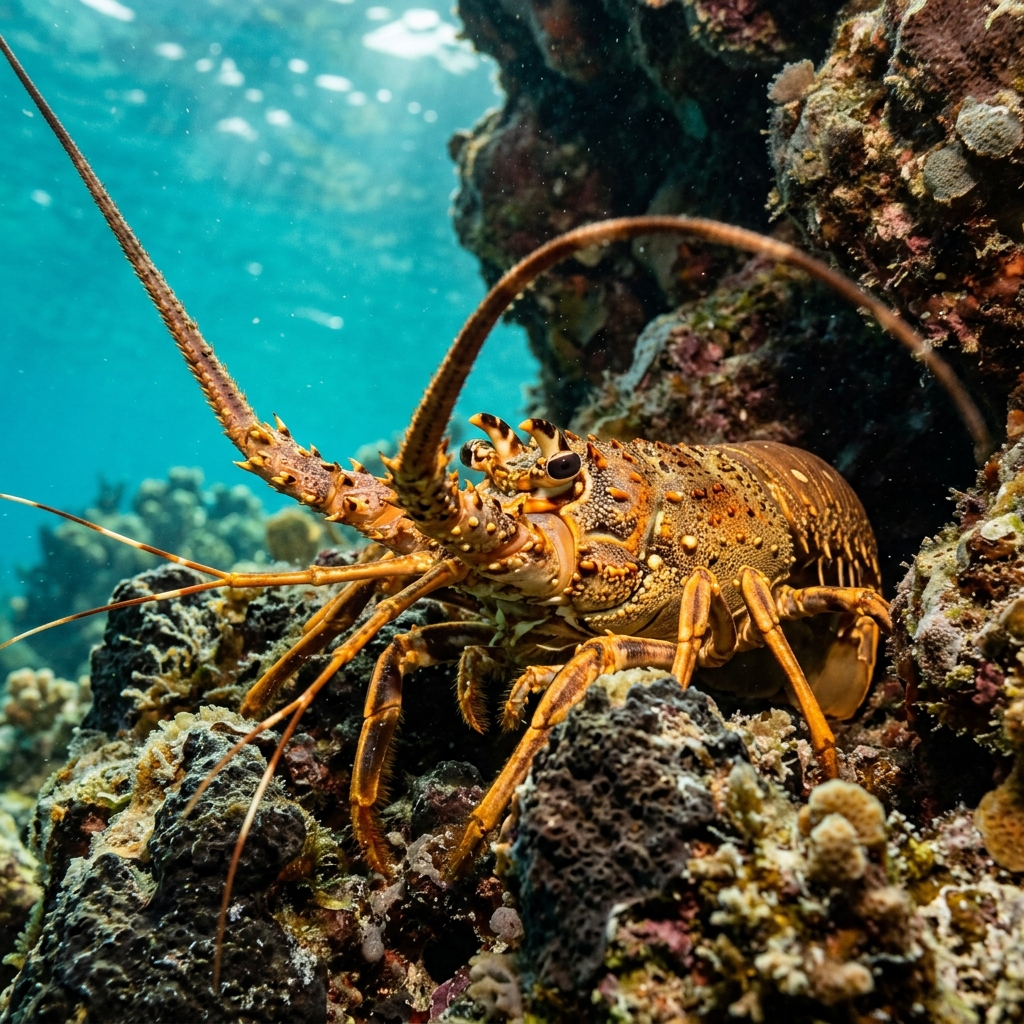
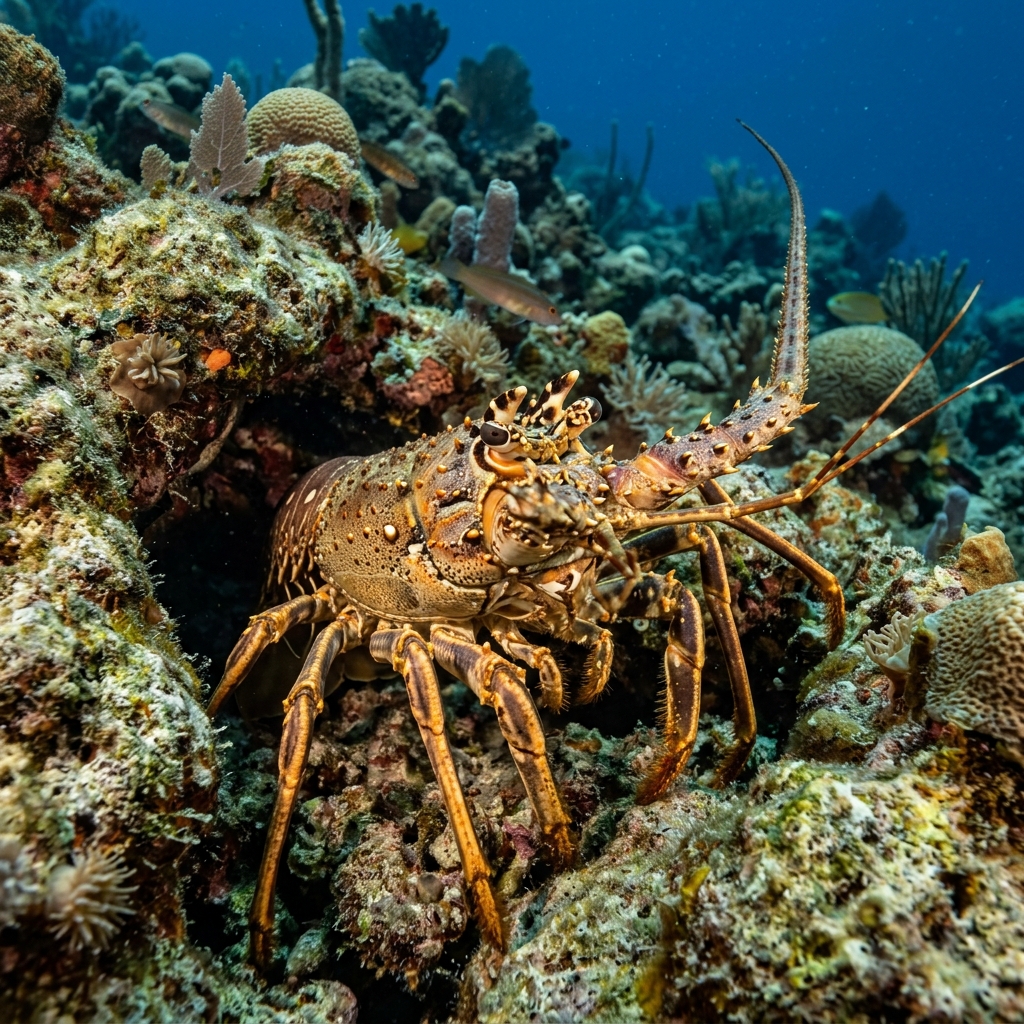
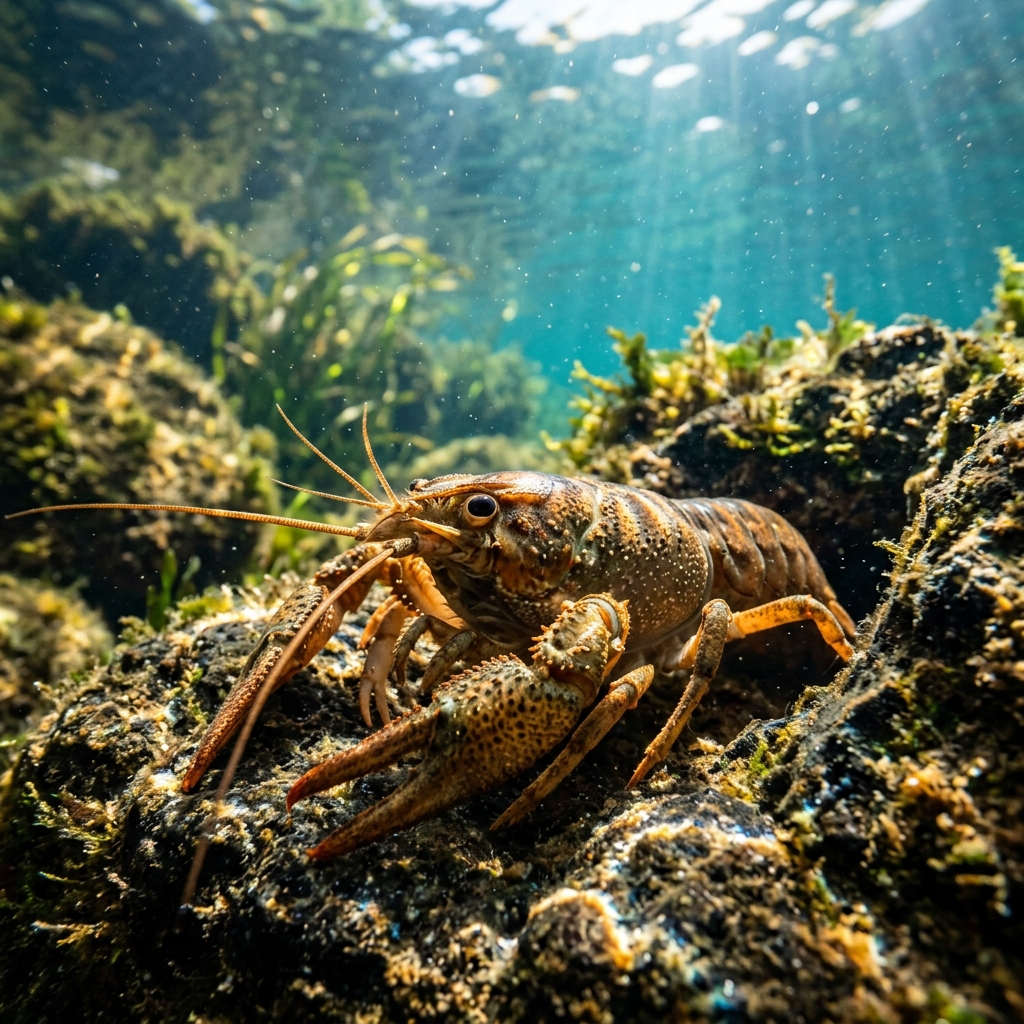
Small lobster-like crustaceans with a hard, segmented shell (carapace) in shades of brown, olive, or dark green, typically ranging from a few centimetres to around 15 cm in length underwater. The prominent front claws and fan-shaped tail are the key features to lock on to. Males tend to carry noticeably larger, heavier claws than females, and a female spotted with a cluster of dark eggs tucked beneath her tail is unmistakable.
Crayfish are most active at dusk and after dark, when they leave rocky shelters to forage across the lakebed. During the day, expect to find them tucked under stones or in crevices, sometimes retreating further into cover as a diver approaches. They are not aggressive and pose no threat, though a startled individual may flick its tail sharply to dart backwards.
Females carry their fertilised eggs attached beneath their tail for months, actively fanning them with their small limbs to keep them oxygenated until the young hatch as miniature versions of the adult.
No strong seasonal pattern has emerged from the data, so they can be encountered year-round. Water temperatures at sighting sites run from around 10 °C to 25 °C, typical of Alpine lakes across all seasons.
Sightings are concentrated in two Alpine countries: Switzerland and Austria. Most logged observations come from Central Switzerland and the Carinthia Lakes region of Austria, where cold, clear freshwater lake diving gives the best chance of an encounter.
Mapping where Freshwater Crayfish is logged…
The strongest dive-log records come from Switzerland and Austria. Central Switzerland and the Carinthia Lakes of Austria are the top regions where divers have reported them. Look for rocky or gravelly lake floors where crayfish can shelter.
There is no clearly defined peak season in the data, so sightings are possible year-round. They have been observed across a water temperature range of roughly 10 to 25 °C, which covers most of the Alpine lake dive season from spring through autumn.
Look for a lobster-shaped crustacean with a hard, segmented shell in olive, brown, or dark green, a pair of prominent front claws, and a broad fan tail. They are almost always on or very close to the bottom, sheltering under rocks or debris. Nothing else in a European Alpine lake looks quite like them.
Species within the Astacidae family vary, but most European freshwater crayfish encountered by divers are in the range of 8 to 15 cm from rostrum (the pointed projection between the eyes) to tail tip. Adults look stocky and armoured compared with their small overall length.
Yes, they are logged as rare at the majority of sites where they have been recorded, and uncommon at most of the rest. Going in with low expectations and moving slowly along rocky substrate gives you the best chance, especially in low-light conditions.
Site and sighting data is aggregated from diver logs, iNaturalist and GBIF. For taxonomy and conservation status:
Caribbean Spiny Lobster
2,209 sites