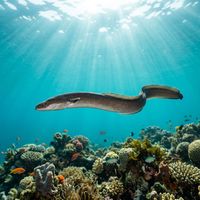
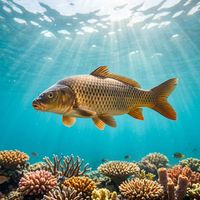
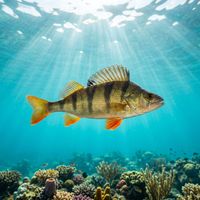
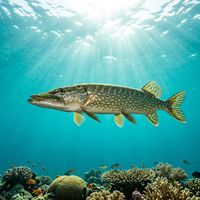
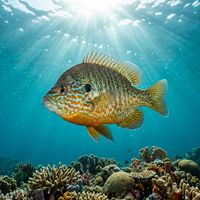
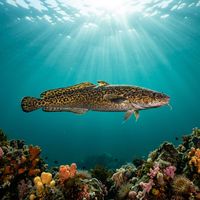
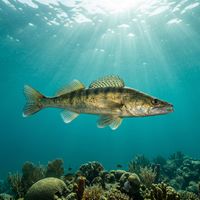
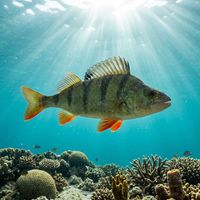
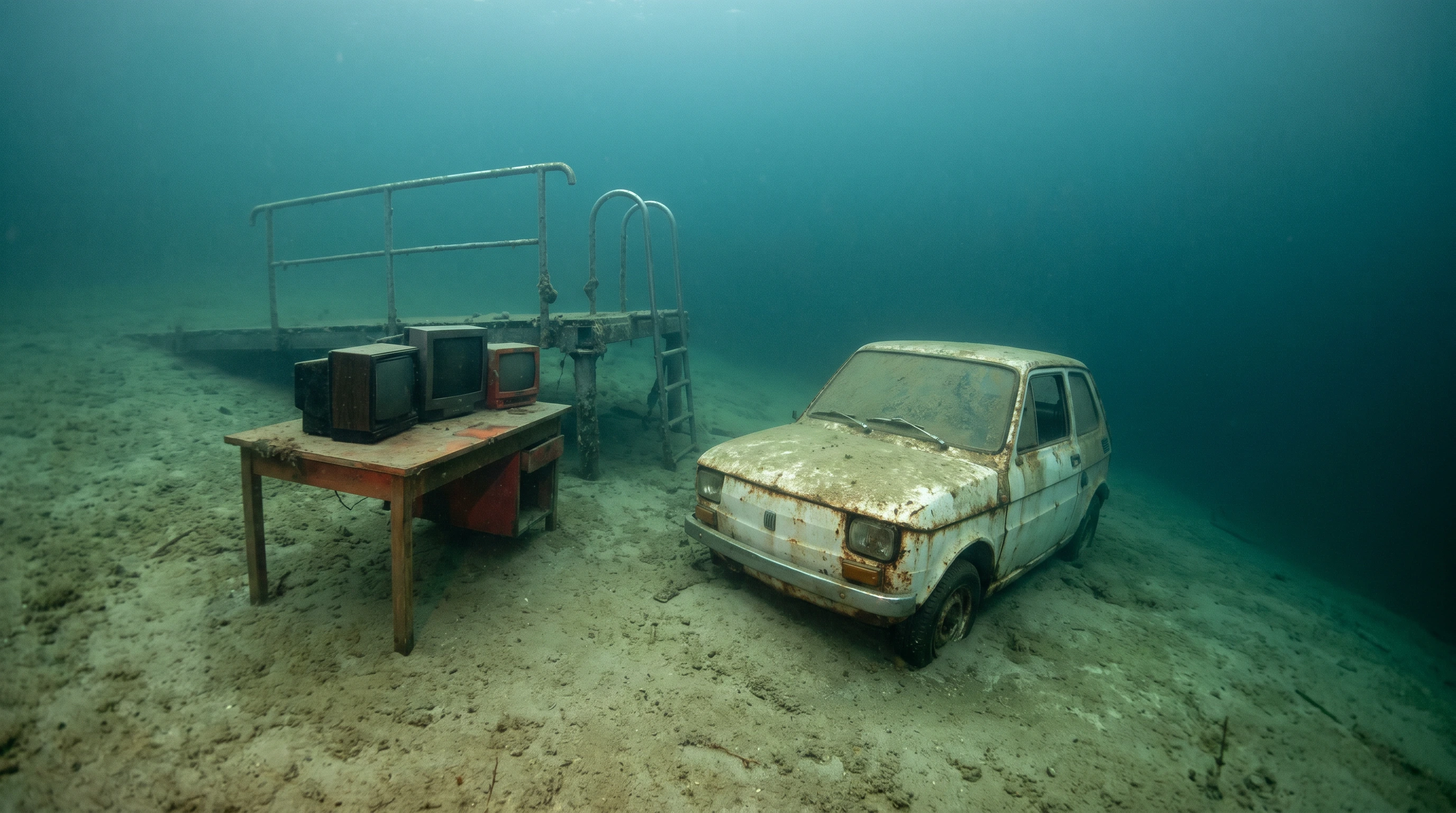
Western Poland Lakes is a freshwater diving region built around post-glacial lakes, quarries and purpose-built artificial reefs. Sites range from shallow shore entries suited to beginners through to deeper dives at Lake Insko and Jezioro Lubikowskie. Sub-areas including Ińsko Lake, Drawsko Lakeland, Moryń Lake and Czarnogłowy Quarry each offer a distinct character, from house reefs and natural reef structures to wrecks and underwater obstacle courses. The fish life is the main draw: Carp, Common Perch, Sun Perch, Pike, Pike Perch and European Eel are all regularly observed across the region.
4 areas
 7
7High-clarity lake in the Ińsko Landscape Park with natural reefs, artificial structures, and a wreck, served by several local dive bases.
6Clean Drawsko District lakes with glacial boulders, fallen trees, and small wrecks, ranging from shallow beginner sites to a forty-metre dive.
 5
5West Pomeranian freshwater lakes with wrecks, a cave section, and depths from nine metres to sixty, spanning beginner to advanced diving.
Monthly water temperature across Western Poland Lakes's sites, from satellite sea-surface data corrected for depth. The band shows the site-to-site spread.
Water temperatures follow a clear seasonal arc, rising through late spring and peaking in summer before cooling sharply through autumn. The warmest months draw the most divers and offer the most comfortable conditions for extended bottom times. Winter diving is possible but cold, and best left to those equipped and experienced for it.
33 operators
5 more sites to explore
Twin flooded quarry lakes in western Poland with walls, drop-offs, wrecks, and emerald water, suited to shore-entry beginner diving.
Water temperature around Western Poland Lakes ranges from about 4°C in February to 17°C in August, based on satellite sea-temperature data for its dive sites.
In the warm season (about 17°C) a 7mm or semi-dry suit is comfortable in Western Poland Lakes; in the coldest months (about 4°C) step up to a drysuit.
Fin maps 30 sites in Western Poland Lakes (29 scuba diving sites and 3 snorkelling spots, with some suited to both), organised into 4 areas.
Across Western Poland Lakes's dive sites, June, July and August are most often reported as the best months to visit.
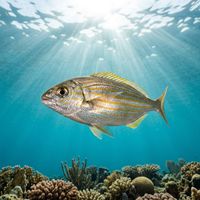
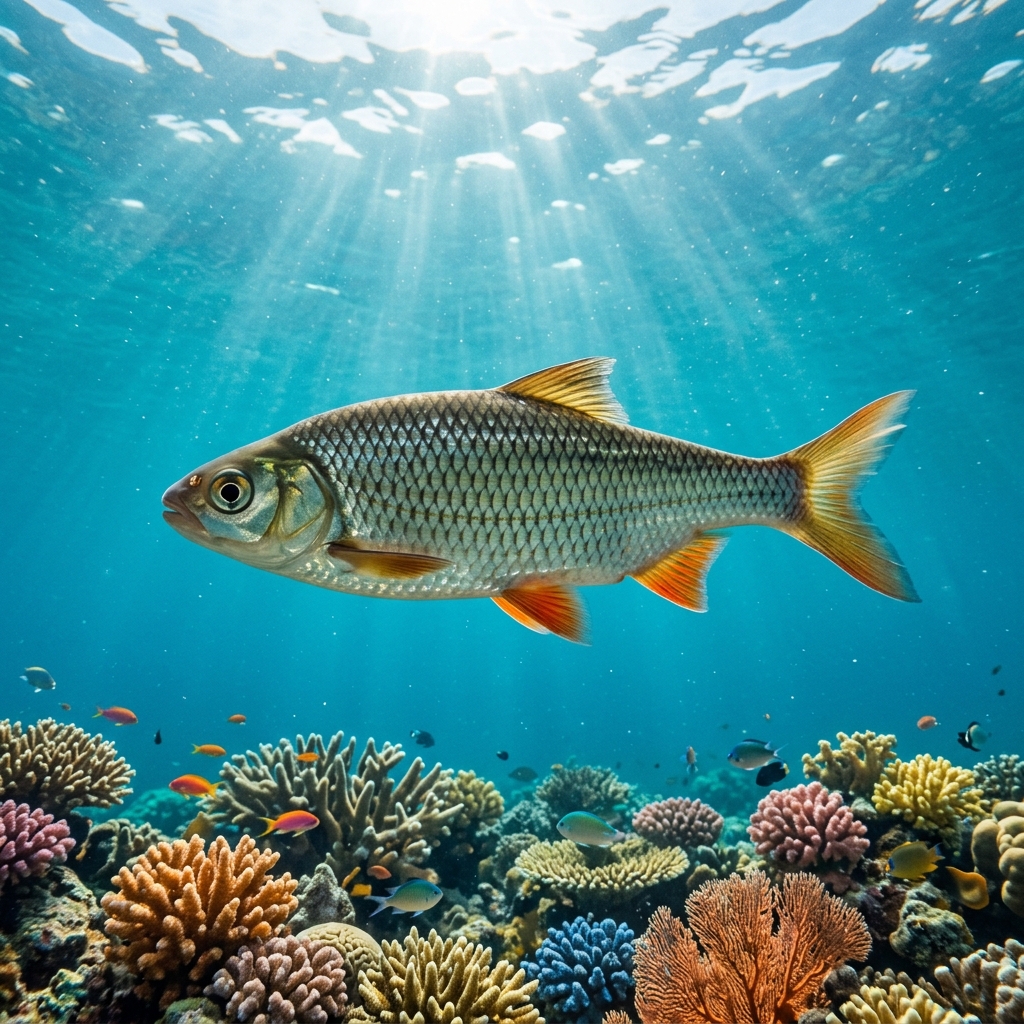
The lakes hold a diverse community of freshwater species, all observation-backed. Carp, Common Perch and Sun Perch are very commonly encountered across sites. European Eel, Burbot, Pike Perch and Pike are also regularly seen, and patient divers may spot Roach, Tench, Bream or even American Crayfish.
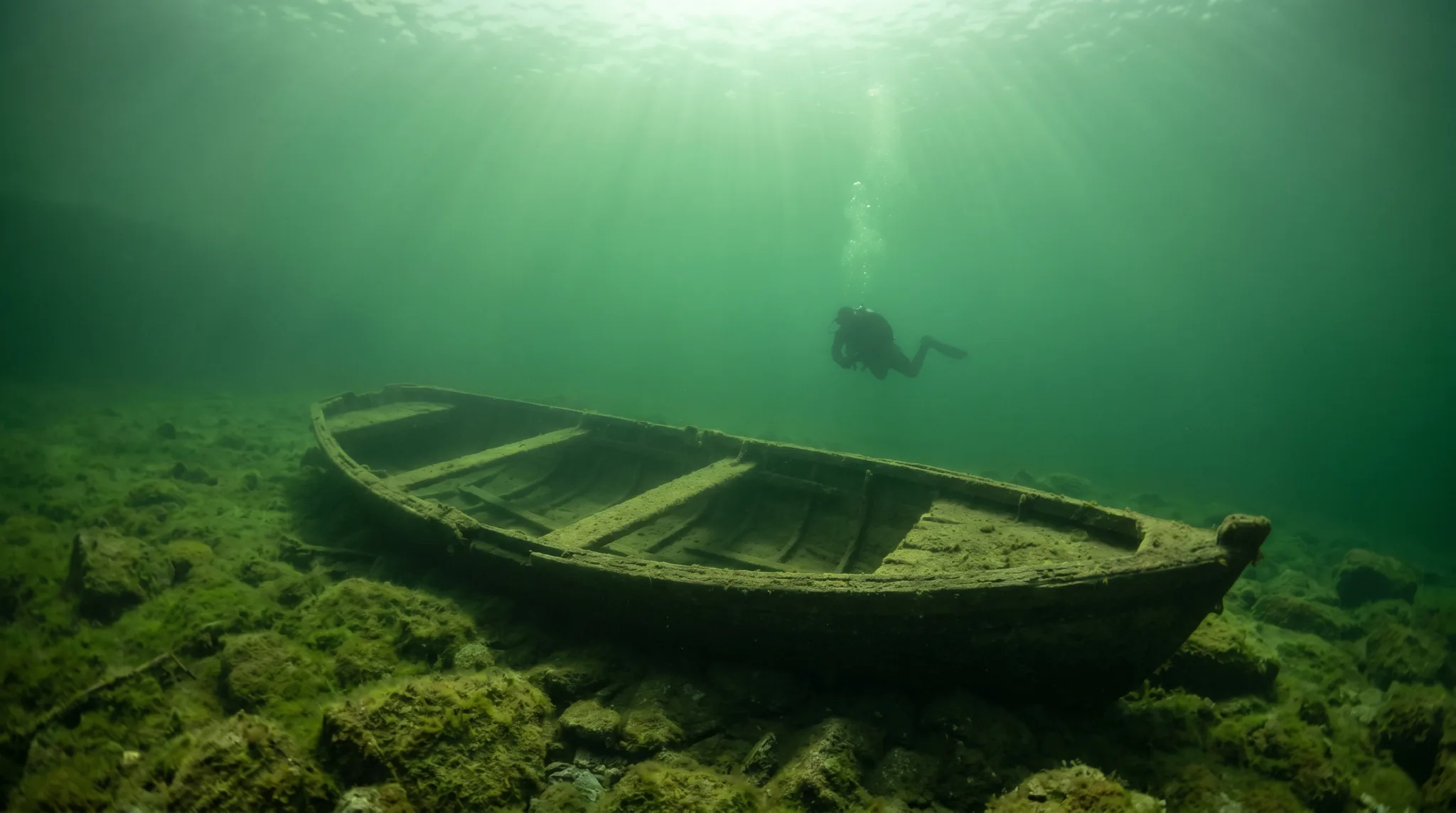
Ińsko Lake is the largest cluster of sites and includes natural reef structures alongside artificial reefs and the Siecino House Reef. Drawsko Lakeland offers a further set of lake dives. Moryń Lake contributes its own spread of sites, while Czarnogłowy Quarry is distinct in character, featuring a wreck and artificial reef in a flooded quarry setting at sites like Jezioro Szmaragdowe.
Shore entry is the dominant access type across the region, making it straightforward to dive independently or with a local operator. Several sites also offer the option of boat access. A strong network of dive centres, including Centrum Nurkowe Black Angel Divers, Octopus Barlinek and DajNura, can provide guided access and equipment support across the sub-areas.