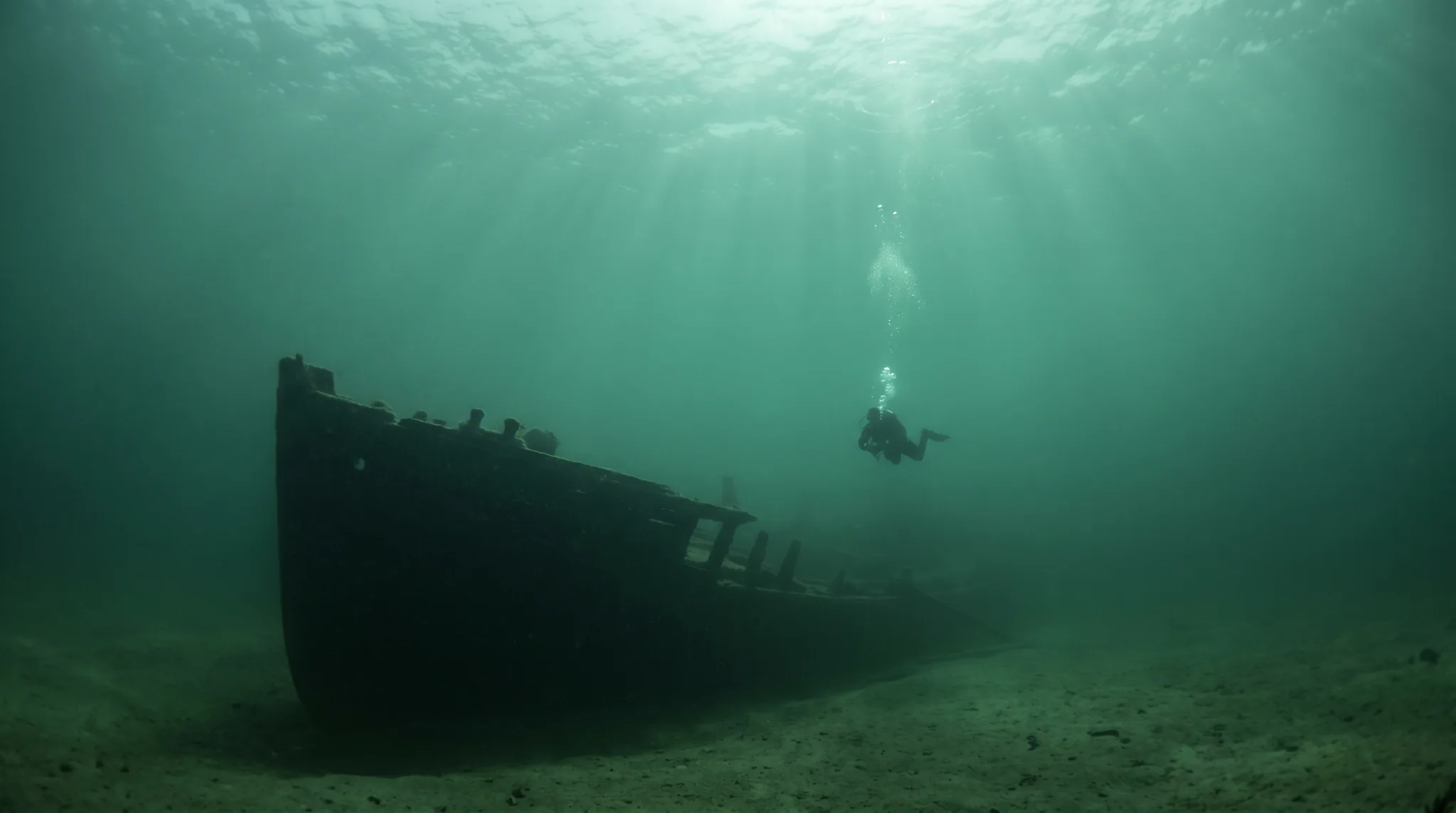
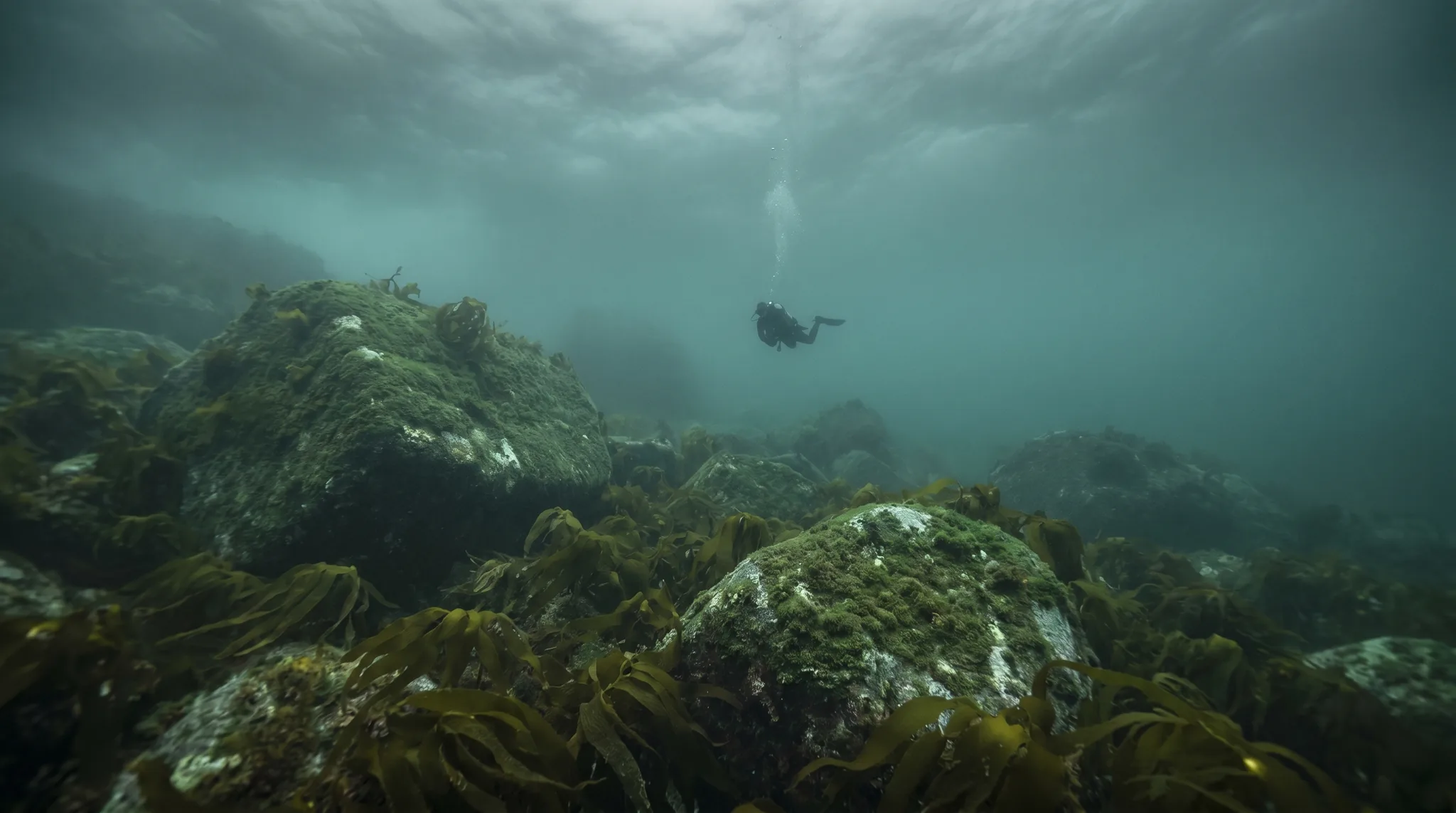
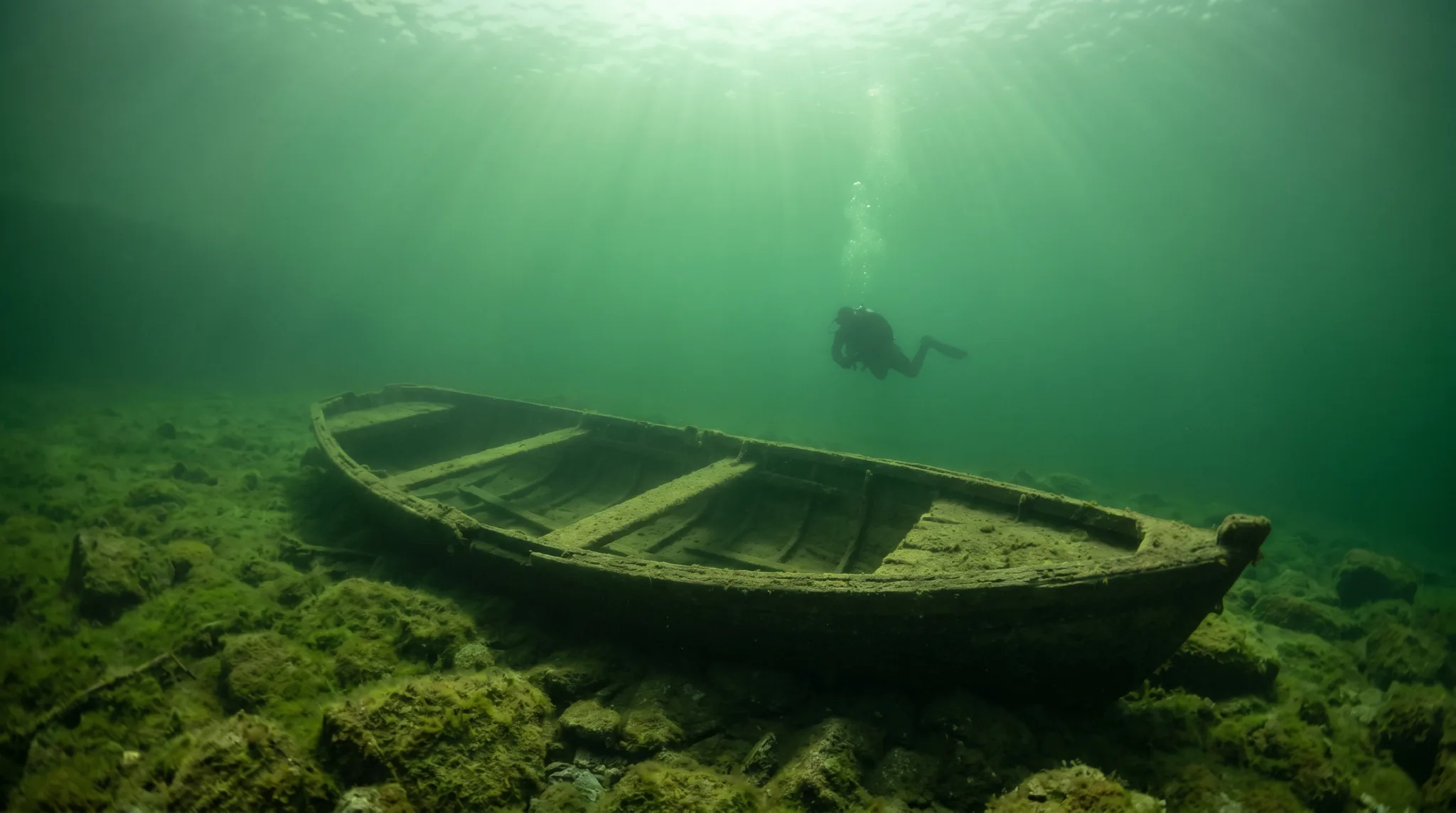
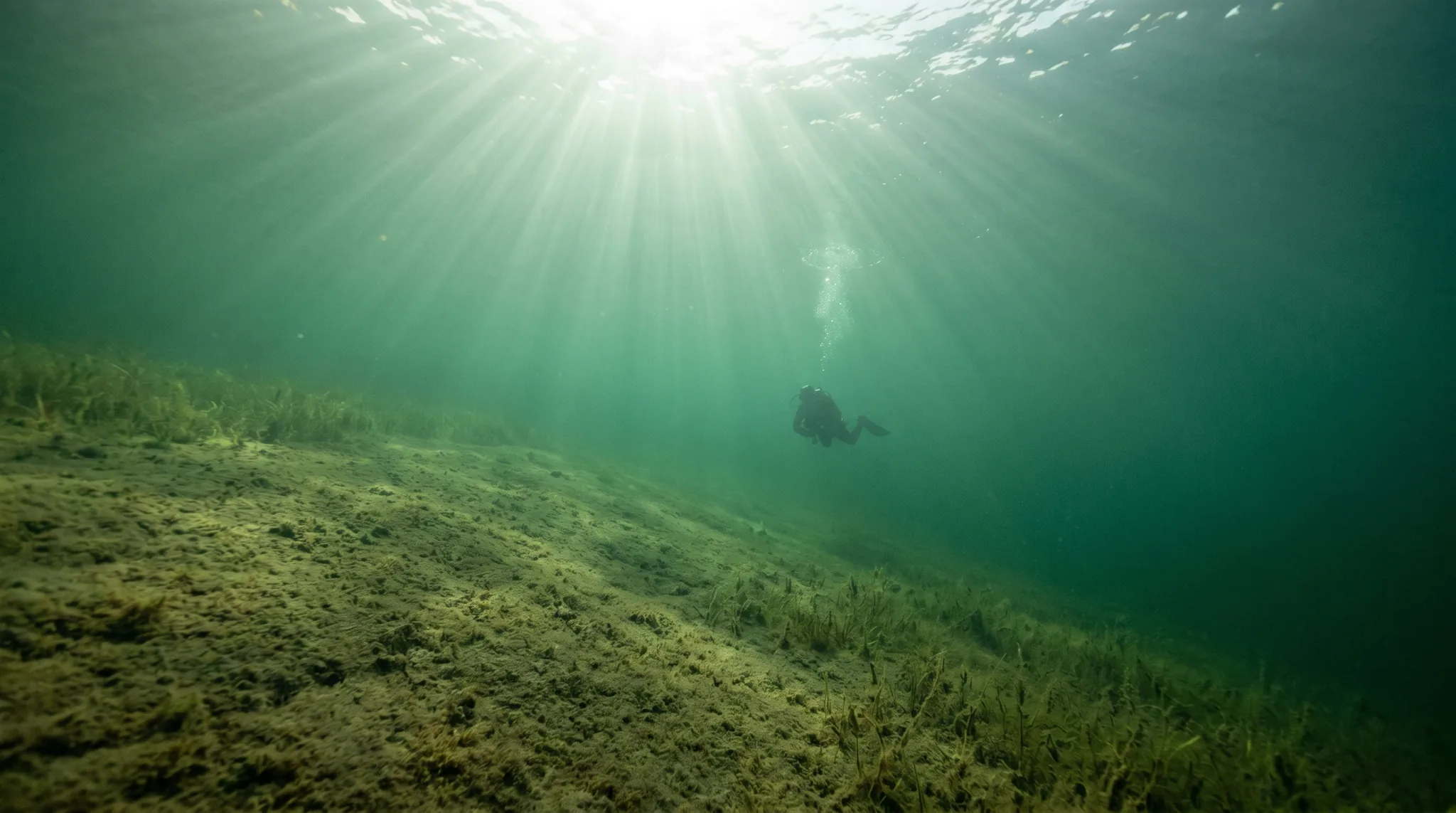
The Baltic Wrecks region covers a concentration of historic shipwrecks lying on the Polish Baltic seabed, accessible only by boat. The six sites span a wide depth range, from the relatively shallow Christa near the Hel Peninsula to the inverted Graf Zeppelin at nearly ninety metres, demanding trimix and rebreather certification. Named wrecks include the Wilhelm Gustloff and the Goya, both large vessels with significant histories. Visibility varies considerably, from poor during algae blooms to good in optimal conditions, and the water is cold throughout the year, staying below ten degrees Celsius at depth even in summer. Open-sea diving is typically organised from spring through early autumn, while the Gulf of Gdańsk sites are accessible year-round, weather permitting.
Monthly water temperature across Baltic Wrecks's sites, from satellite sea-surface data corrected for depth. The band shows the site-to-site spread.
Surface temperatures rise into the mid-teens Celsius during July and August but remain cold at depth throughout the year, where they can sit close to four degrees Celsius. Wind and sea state dictate access more than the calendar, and appropriate thermal protection is essential on every dive regardless of season.
Water temperature around Baltic Wrecks ranges from about 4°C in February to 12°C in August, based on satellite sea-temperature data for its dive sites.
In the warm season (about 12°C) a 7mm or semi-dry suit is comfortable in Baltic Wrecks; in the coldest months (about 4°C) step up to a drysuit.
Fin maps 6 sites in Baltic Wrecks (6 scuba diving sites).
6 more sites to explore