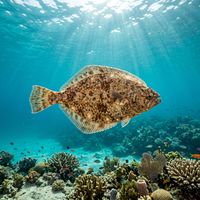
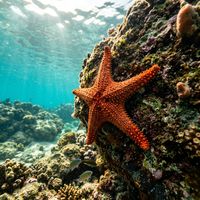
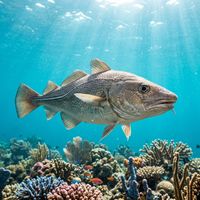
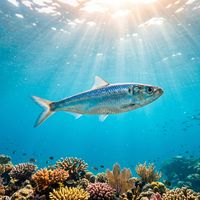
Narvik Harbour Wrecks is defined entirely by its concentration of wartime wreckage on the fjord bed. The vessels range from intermediate-depth harbour wrecks such as the Martha Heinrich Fisser, M/S Neuenfels and D/S Romanby to deep, advanced sites including the Z12 Erich Giese and HNoMS Odin. Most access is by boat. Cold water keeps visibility high, particularly in summer. Righteye Flounder, Sea Star and Herring are commonly observed among the wrecks, with Cod appearing occasionally.
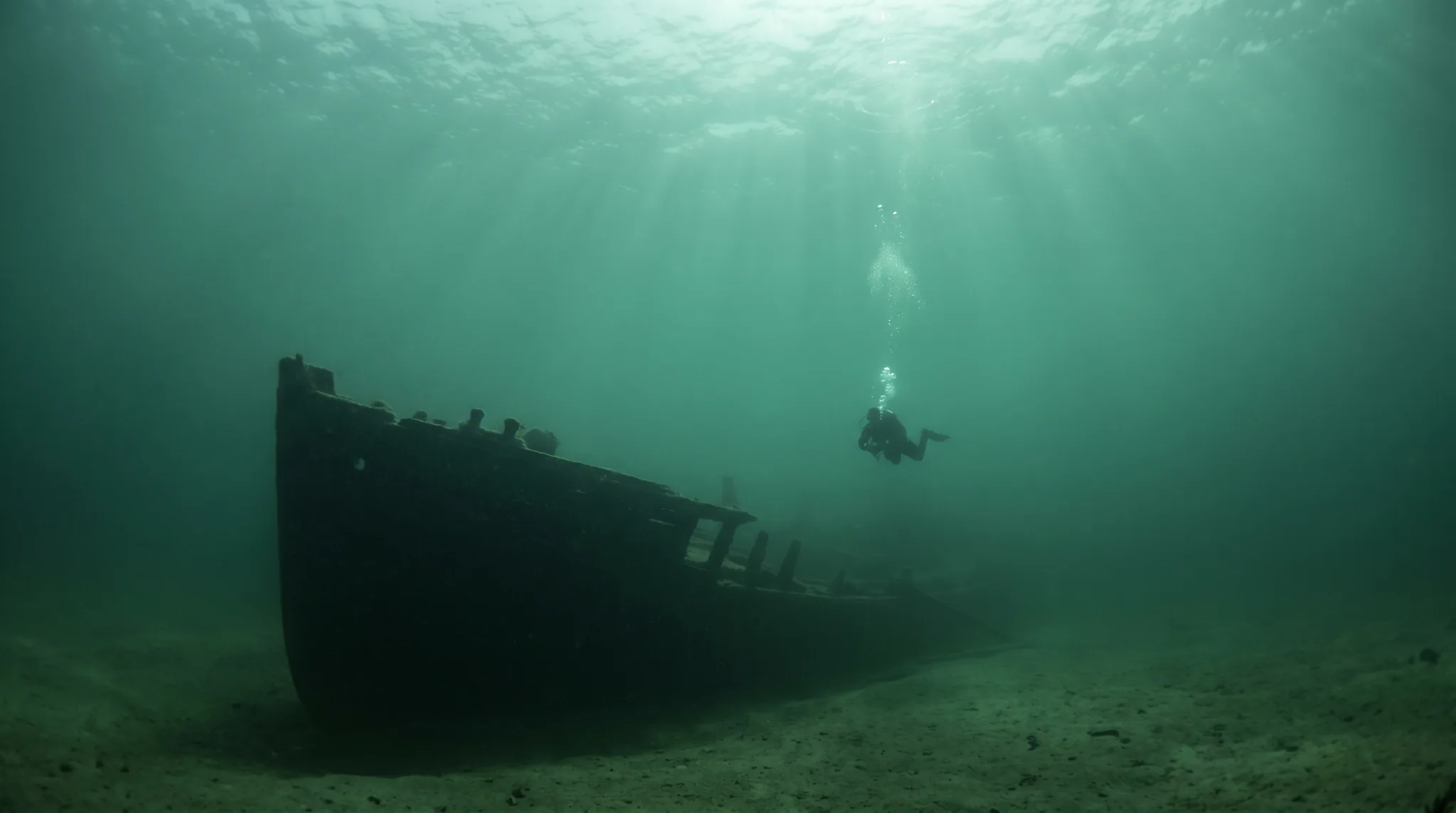
Monthly water temperature across Narvik Harbour Wrecks's sites, from satellite sea-surface data corrected for depth. The band shows the site-to-site spread.
Water temperatures are coldest from late winter into spring, then climb through June to peak in July and August, making summer the most comfortable window for extended wreck exploration. Conditions remain cool enough year-round to require drysuits or well-sealed wetsuits. The fjord setting can generate currents, most notably at Raftsundet where drift diving is also possible.
12 operators
Tromso, Norway
Myre, Norway
Narvik, Norway
4 more sites to explore
Water temperature around Narvik Harbour Wrecks ranges from about 3°C in February to 11°C in August, based on satellite sea-temperature data for its dive sites.
With water around 3–11°C, a drysuit works in Narvik Harbour Wrecks year-round.
Fin maps 16 sites in Narvik Harbour Wrecks (16 scuba diving sites).
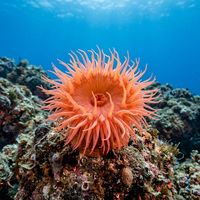
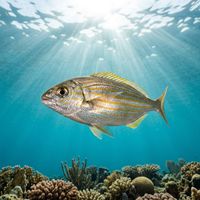
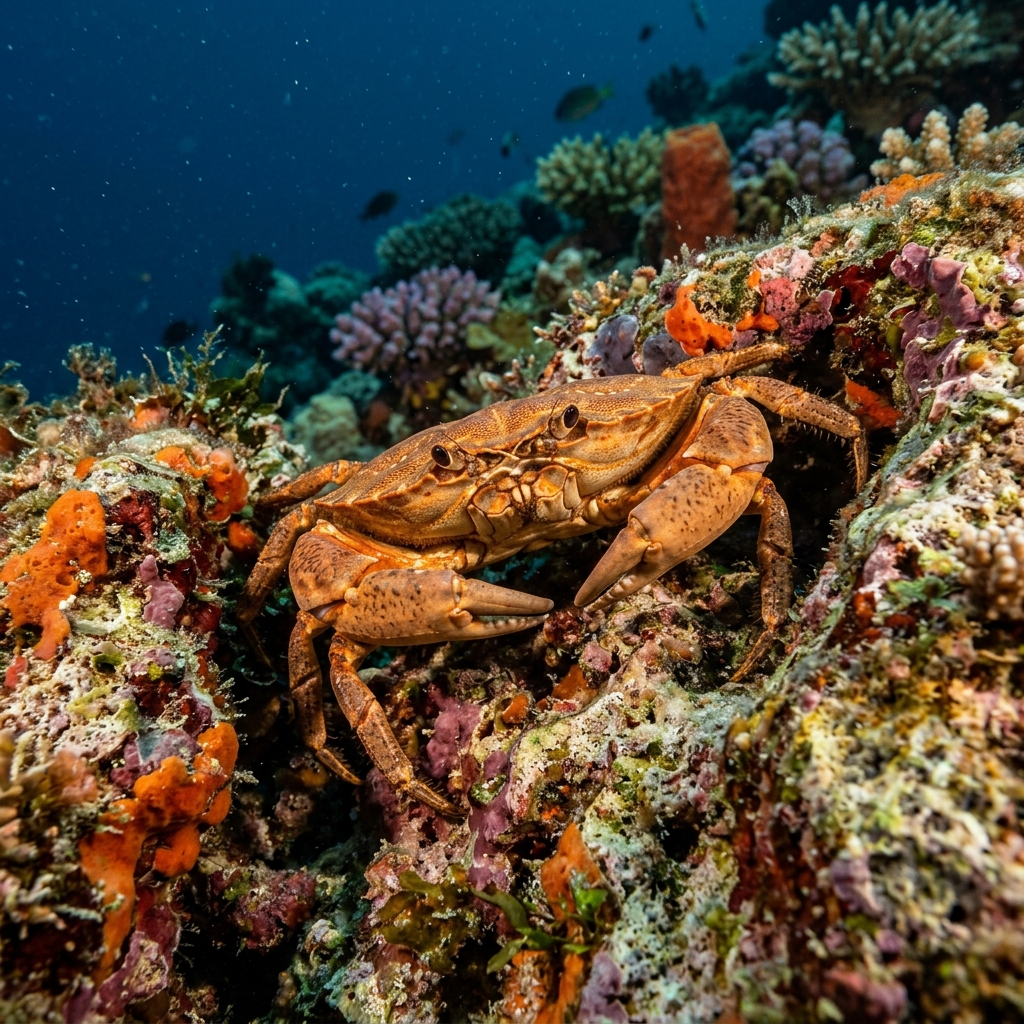
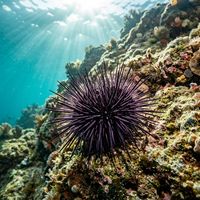
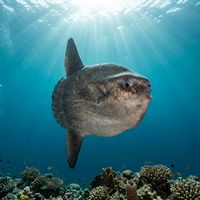
Observed species include Righteye Flounder and Sea Star, both very commonly recorded across the sites, along with Herring and Cod. Sea Anemone, Crab and Sea Urchin have also been recorded, and Orca sightings have been reported in the area, though these are infrequent.
The majority of sites are rated intermediate and are reached by boat, requiring solid buoyancy and cold-water experience. A small number of sites, including the George Thiele which is accessible from shore, have shallower sections suited to less experienced divers. The deeper destroyers such as HNoMS Odin and Z12 Erich Giese are reserved for advanced divers.
The great majority of wrecks require boat access, and several local operators including Underwater Narvik AS, Nordic-Dive and Dive Norway run guided dive trips into the harbour. The George Thiele is a notable exception, offering shore entry as an option. The Belgica can be reached from either shore or boat.
Most sites are pure wreck dives, but a few offer more variety. The Donnier 26 has developed into an artificial reef as well as a wreck. Raftsundet combines wreck structures with wall formations, reef sections and the possibility of drift diving. The Belgica pairs a wreck with a reef environment, giving intermediate divers a broader experience in a single dive.