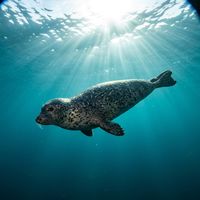
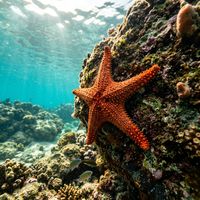
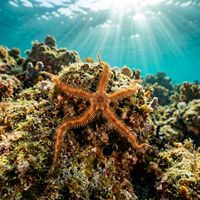
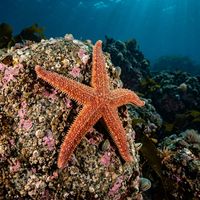
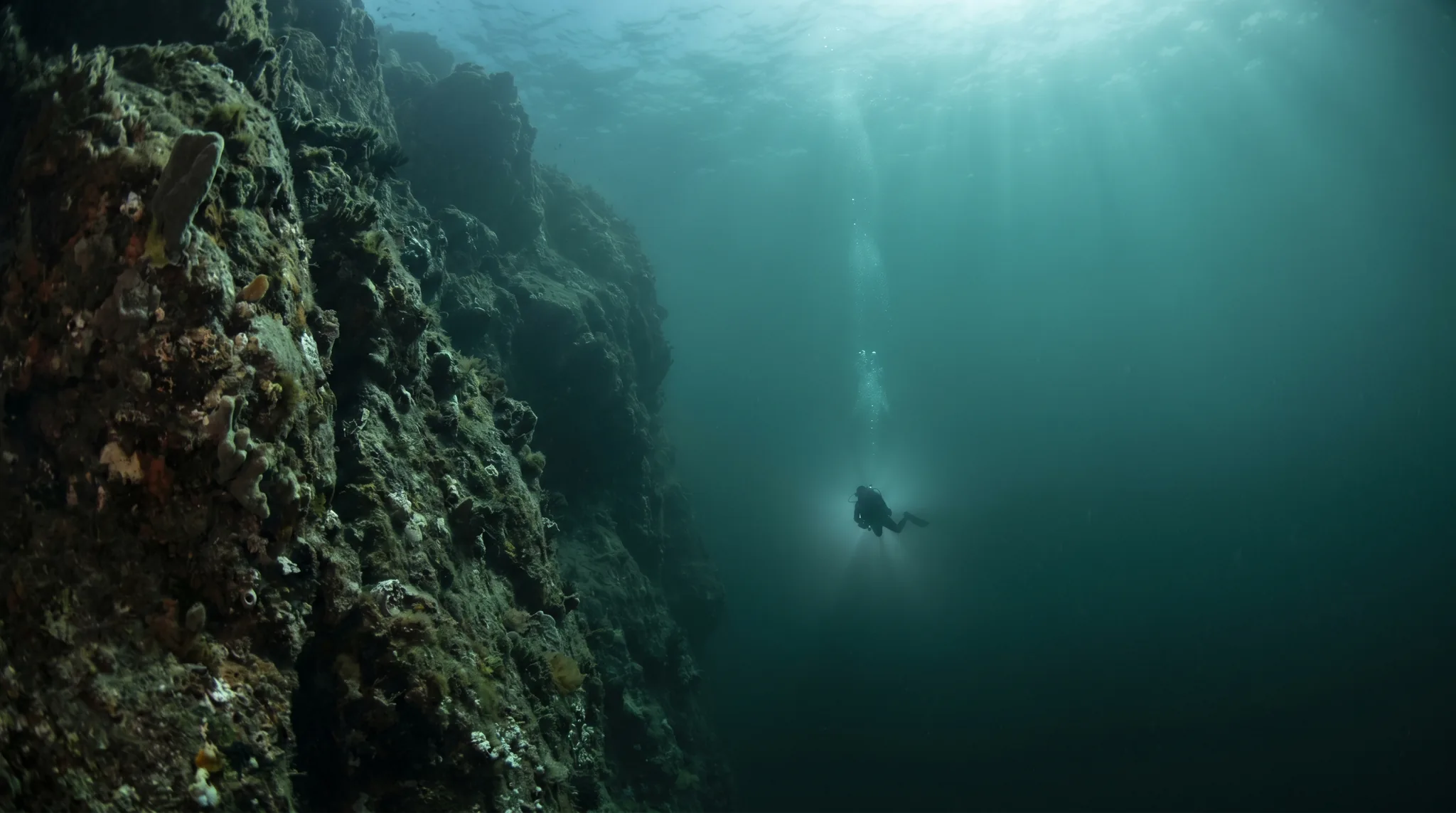
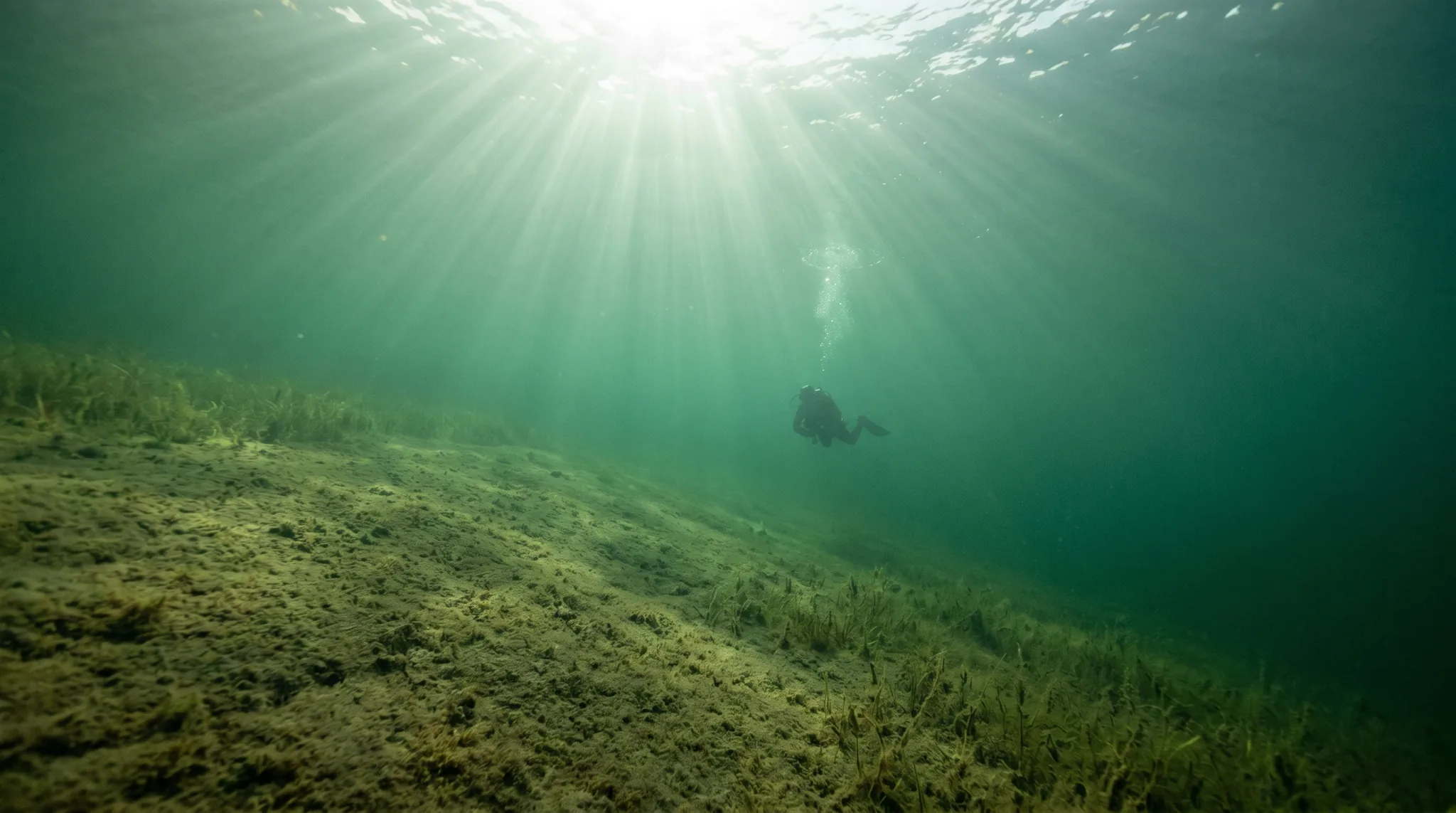
Nordland is defined by its wrecks and its cold-water life. The Narvik Harbour Wrecks sub-area holds the largest concentration of sites, including wartime destroyers and merchant vessels resting on fjord slopes. Lofoten and Vesterålen adds walls, kelp forest, and high-energy drift diving at Moskstraumen. Saltstraumen offers some of the most powerful tidal currents found anywhere. Plura stands apart entirely as a freshwater cave system suited to technical divers. Across all areas, expect Lumpfish, Monkfish, King Crab, and Brittle Star as constants, with Harbor Seal as the region's signature encounter.
4 areas
 16
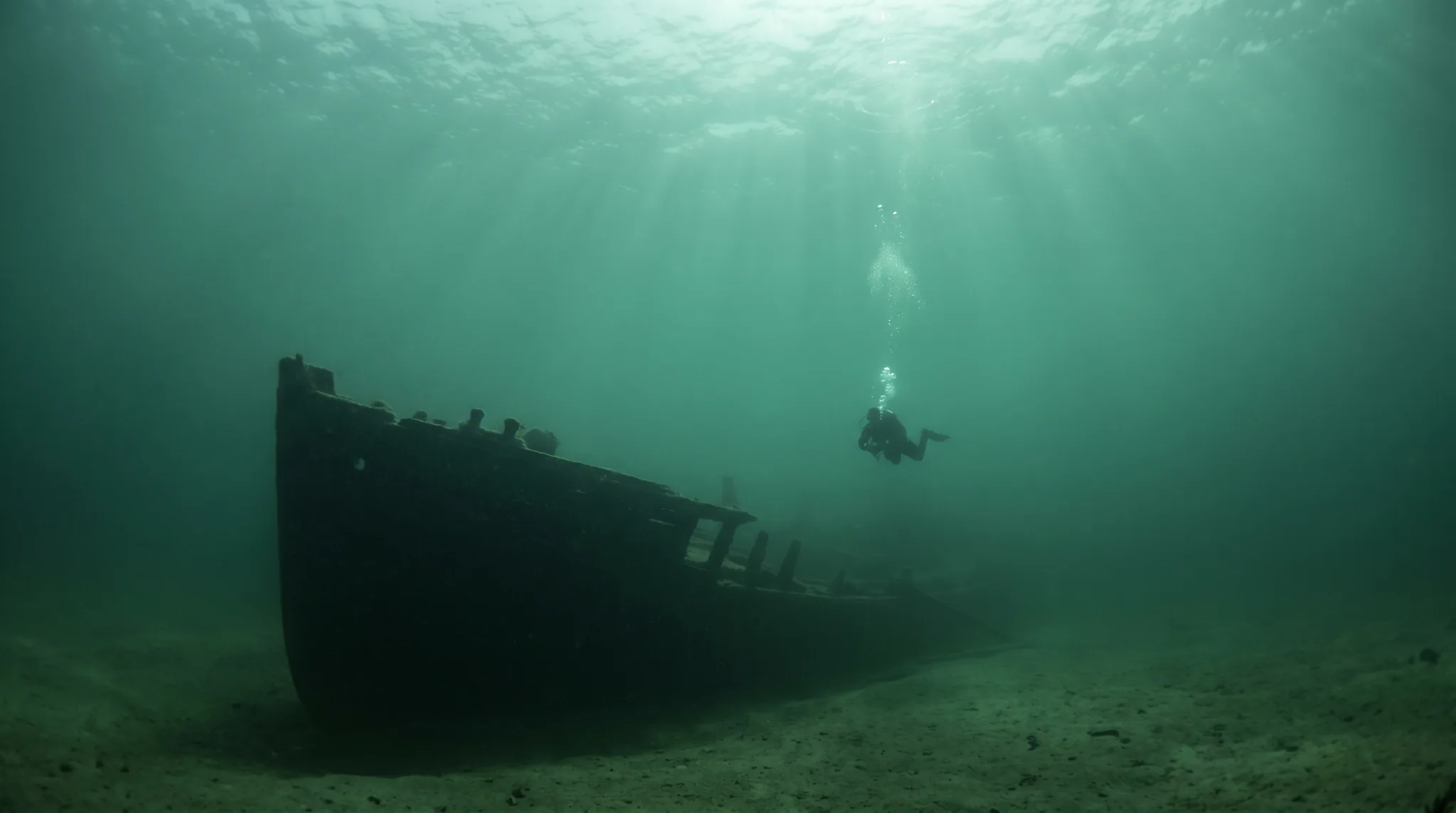
16A dense concentration of wartime wrecks on a cold Norwegian fjord bed, ranging from intermediate harbour dives to deep advanced destroyers.
 8
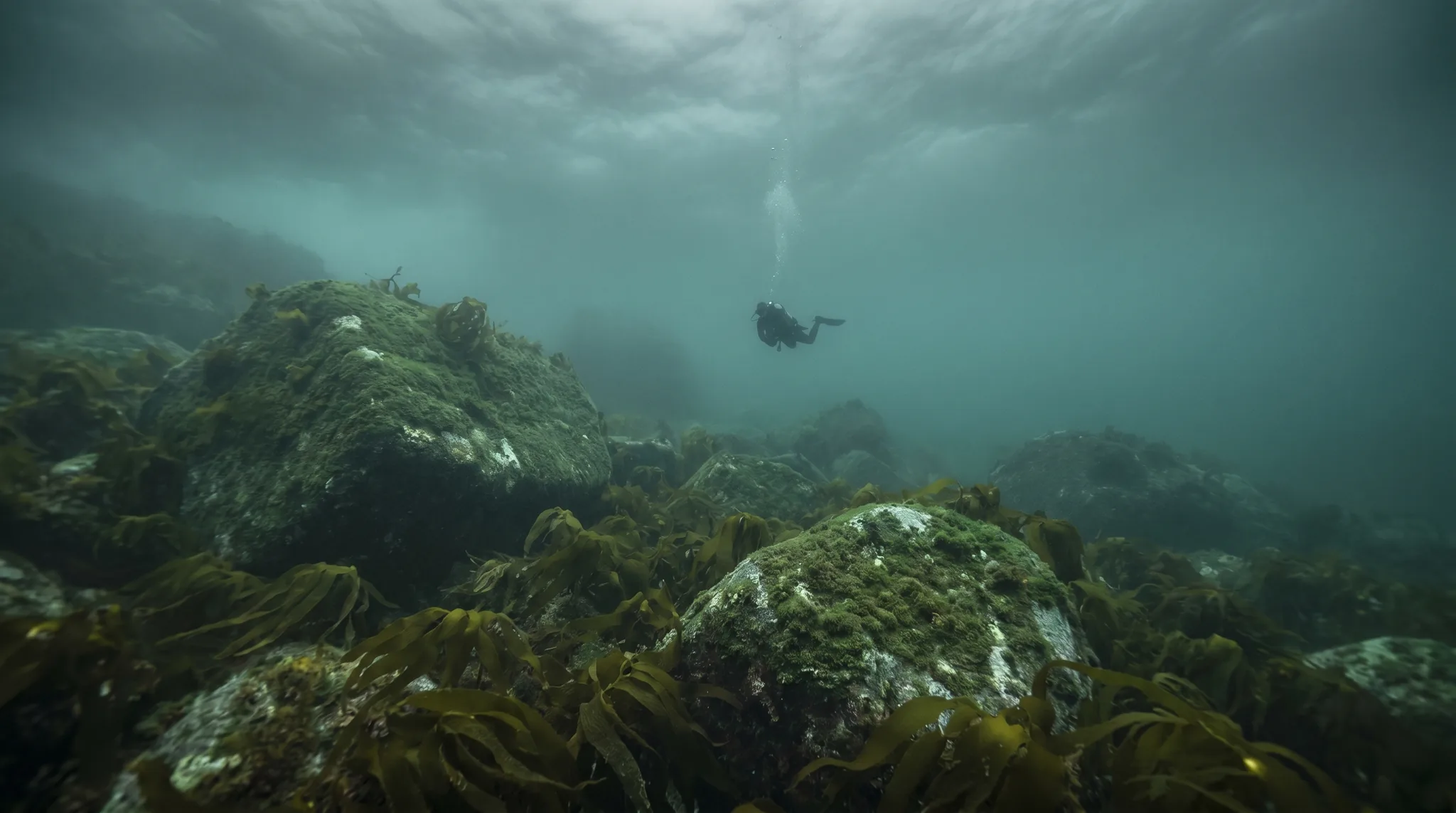
8Norwegian Sea diving in Lofoten and Vesterålen, from powerful drift dives and wrecks to kelp forests and open reefs.
 4
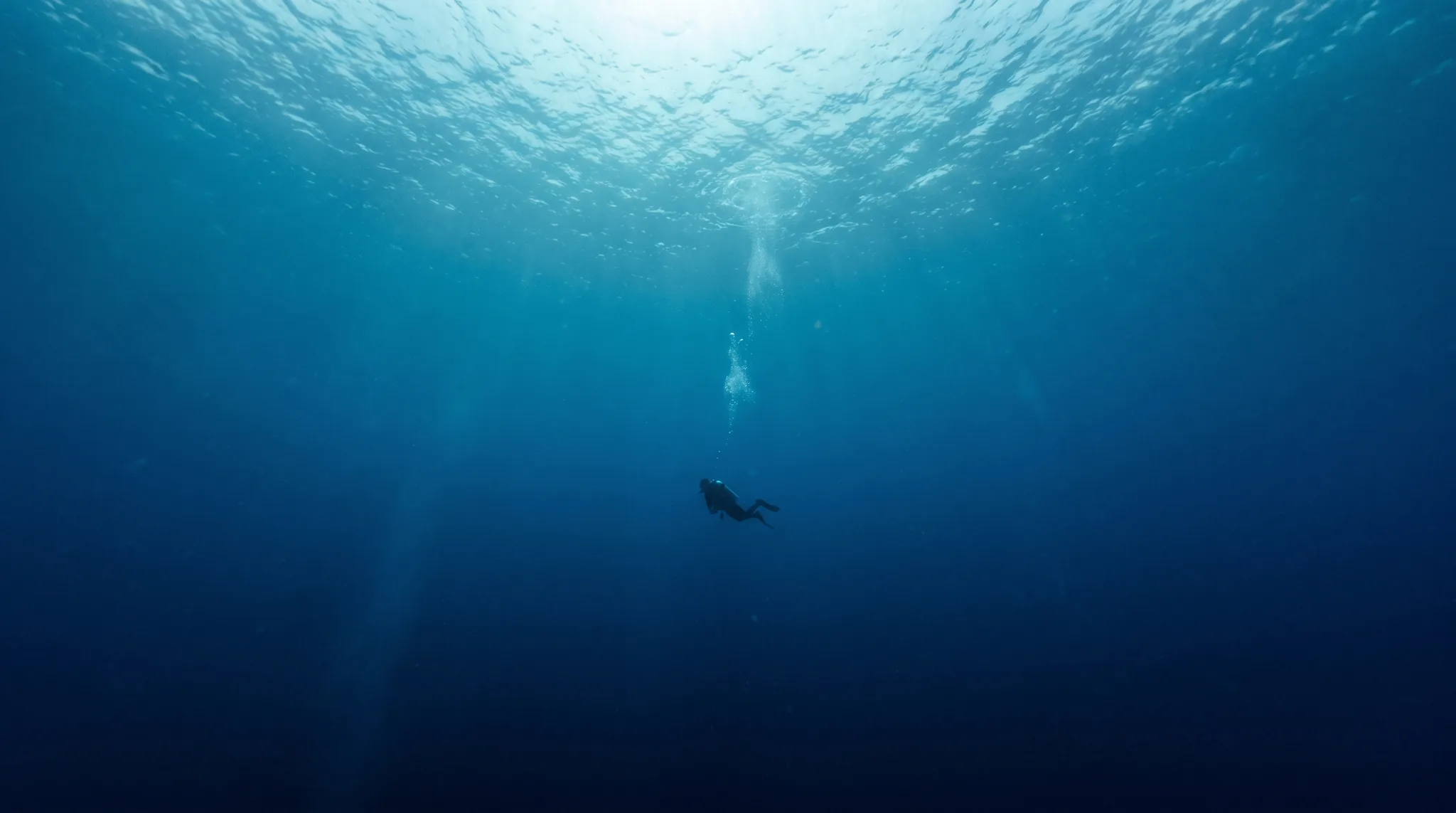
4Tide-driven drift and wreck diving in the world's strongest tidal strait, near Bodø in northern Norway.
 2
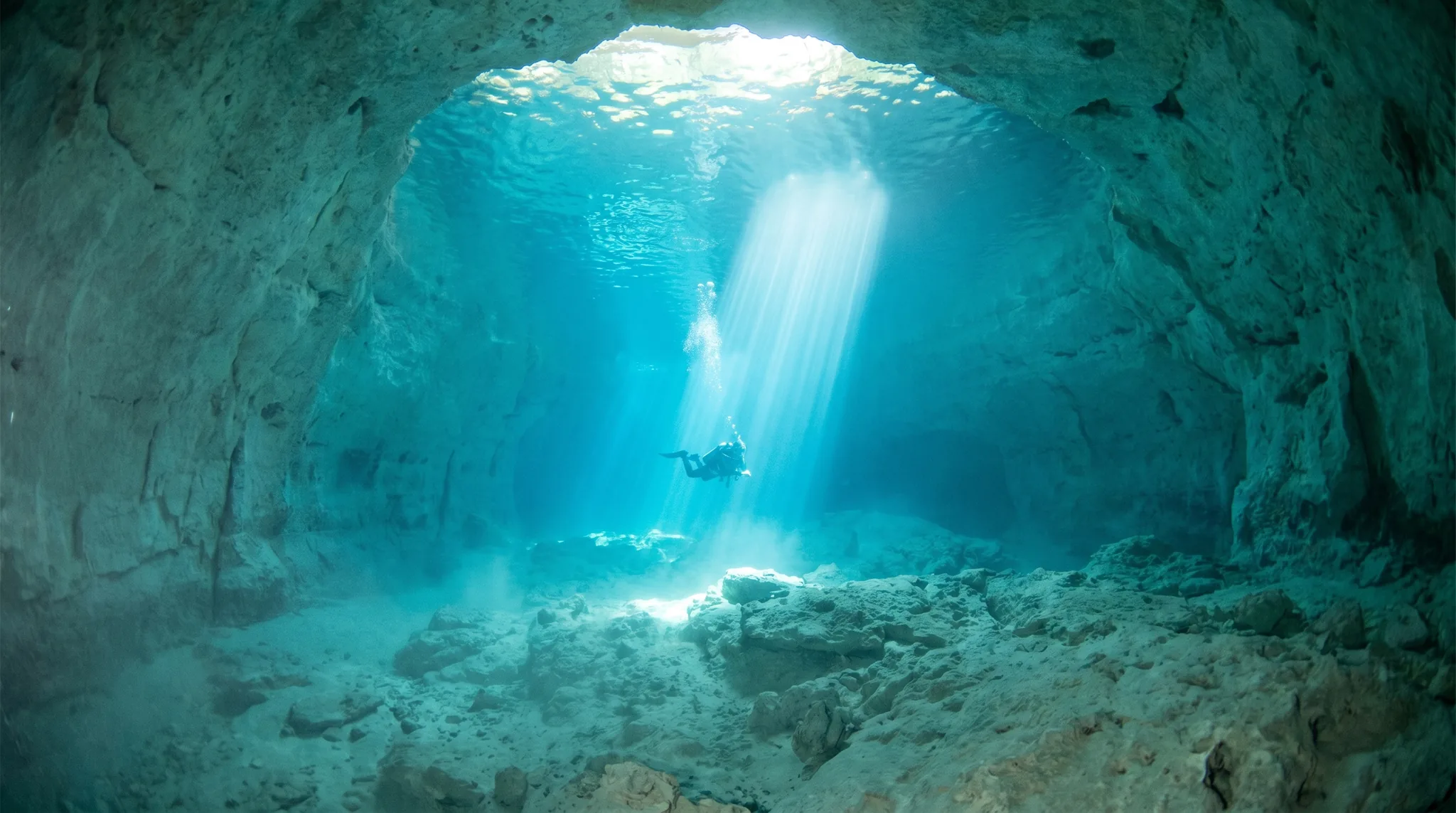
2Home to Pluragrotta, the deepest flooded cave in Northern Europe, drawing advanced and technical cave divers year-round.
Monthly water temperature across Nordland's sites, from satellite sea-surface data corrected for depth. The band shows the site-to-site spread.
Water stays cold year-round, dipping to its lowest in late winter and warming slightly through summer before easing back in autumn. The warmest months, July and August, bring the most favourable conditions overall and represent the peak of the best-months histogram. Winter diving is possible for those prepared for the cold, and the long dark months can offer exceptional visibility on the wreck sites.
17 operators
Tromso, Norway
Water temperature around Nordland ranges from about 4°C in February to 11°C in August, based on satellite sea-temperature data for its dive sites.
With water around 4–11°C, a drysuit works in Nordland year-round.
Fin maps 30 sites in Nordland (30 scuba diving sites), organised into 4 areas.
Across Nordland's dive sites, June, July and August are most often reported as the best months to visit.
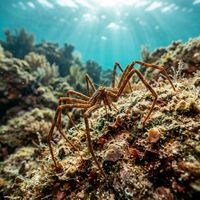
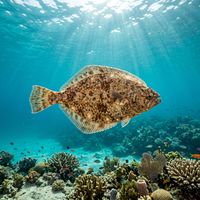
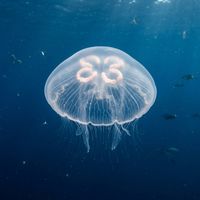
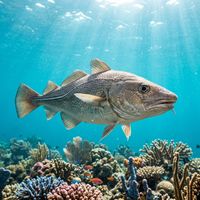
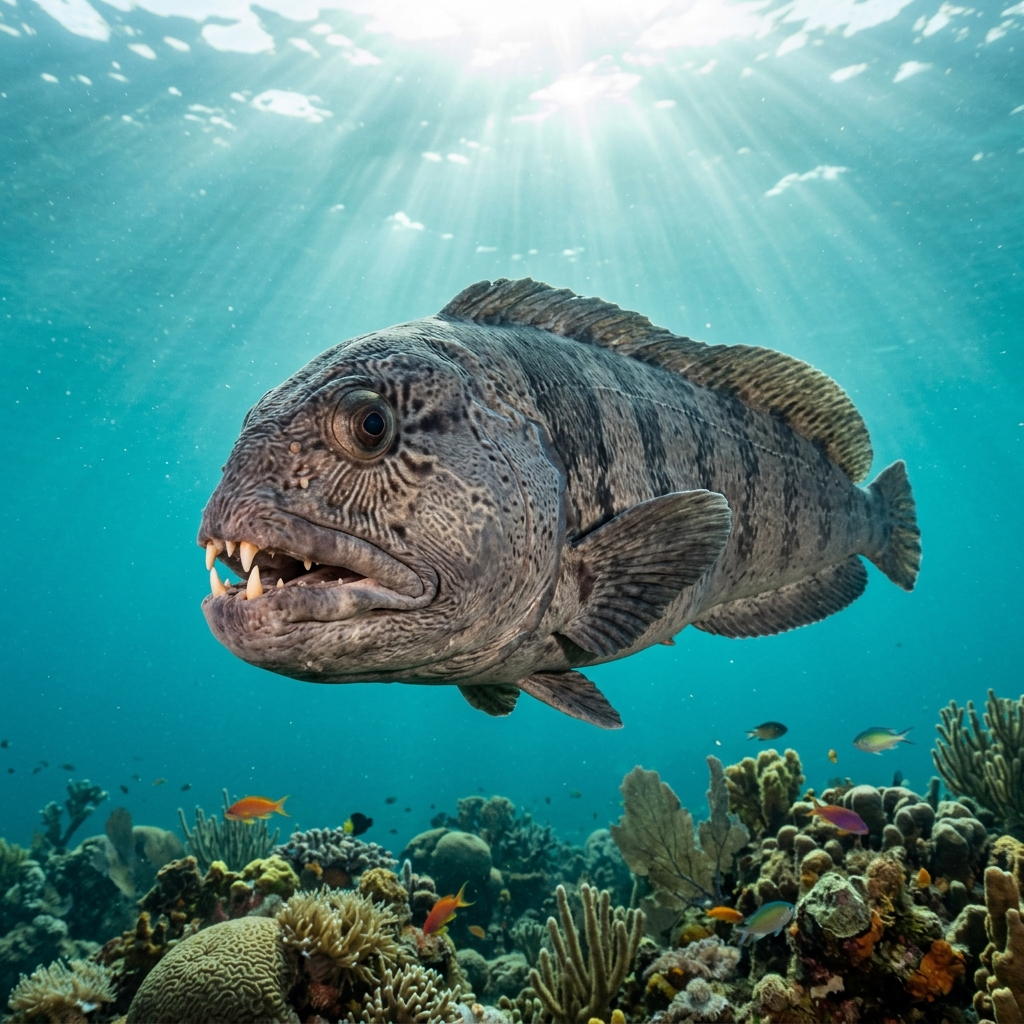
Nordland's cold fjord waters support a rich cast of bottom-dwelling and open-water species. Lumpfish, Monkfish, Brittle Star, King Crab, Common Sea Star, and Righteye Flounder are observed very commonly across sites. Cod and Sea Anemone appear regularly, and the Harbor Seal is considered the region's signature encounter. Atlantic Wolffish, Humpback Whale, and Orca have also been recorded, though less frequently.
A good portion of Nordland's sites are rated intermediate, particularly the wreck dives in Narvik Harbour, making the region accessible to divers with some experience. However, several key sites, including Saltstraumen, Moskstraumen, and Plura Cave, are strictly advanced due to extreme currents or complex cave architecture. Beginners would be better served building experience before visiting the more demanding sub-areas.
Narvik Harbour Wrecks focuses almost entirely on historical shipwrecks lying on fjord seabeds, with most sites accessible at intermediate level by boat. Lofoten and Vesterålen mixes wrecks with reef, wall, and drift diving including the intense Moskstraumen current. Saltstraumen is built around one of the strongest tidal straits on the planet, combining drift and wall diving. Plura is a unique freshwater cave system designed for technical divers.
The vast majority of Nordland's sites require boat access, including all the Narvik Harbour wrecks and the Lofoten and Vesterålen sites. Saltstraumen can be accessed by both shore and boat. Plura Cave is a shore entry. Operators including Underwater Narvik AS, Lofoten Diving, Plura Valley, and Nyksund Arctic Ocean Adventures provide guided access across the region's different sub-areas.