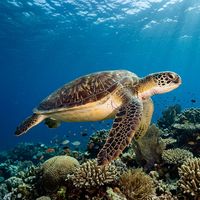
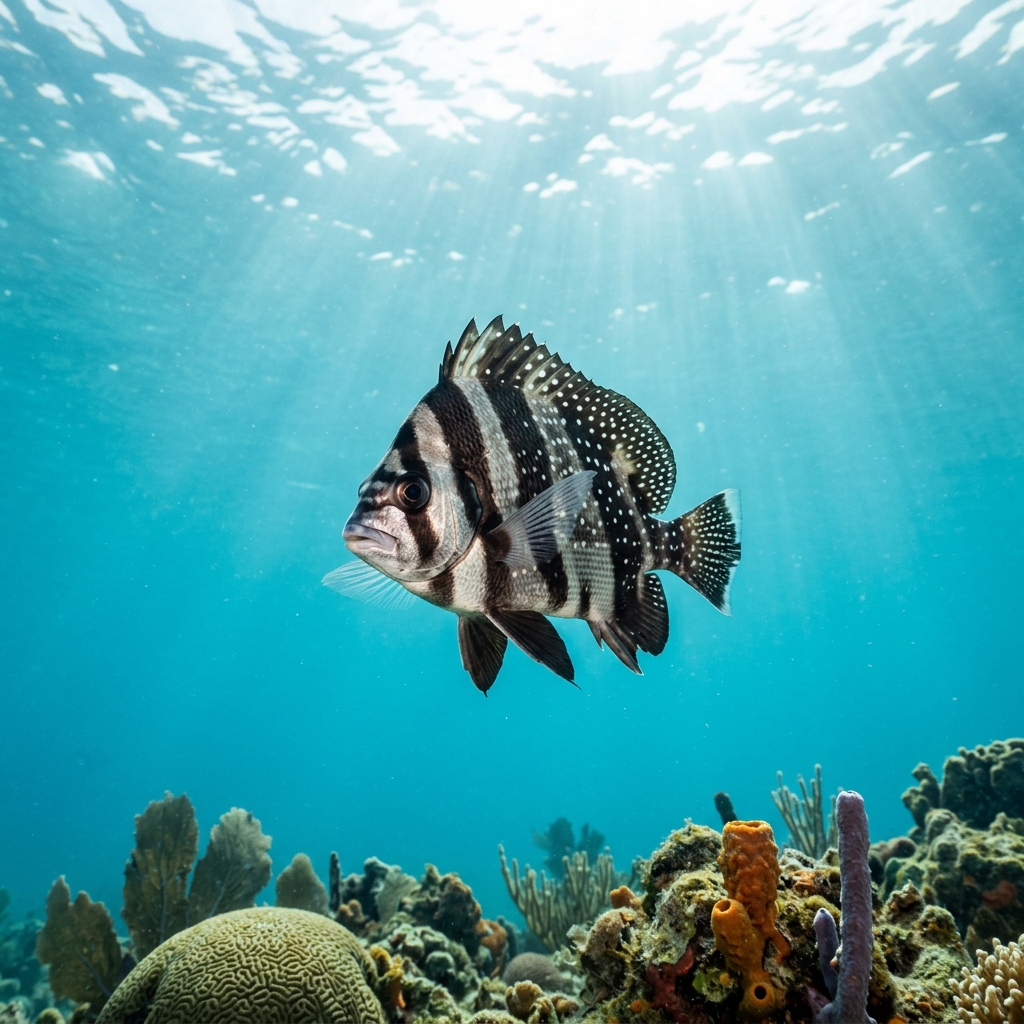
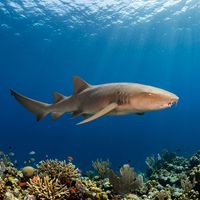
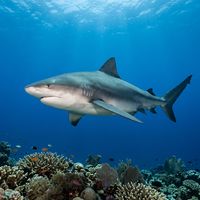
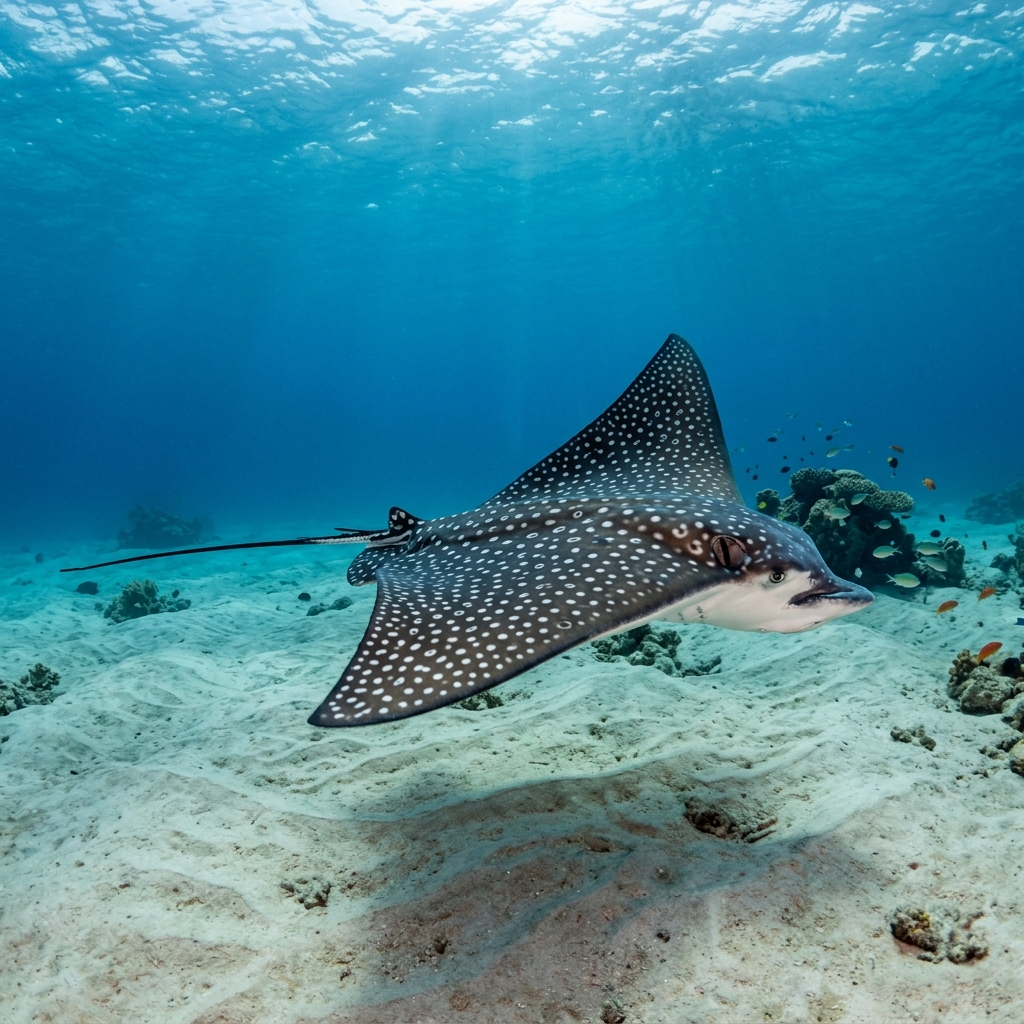
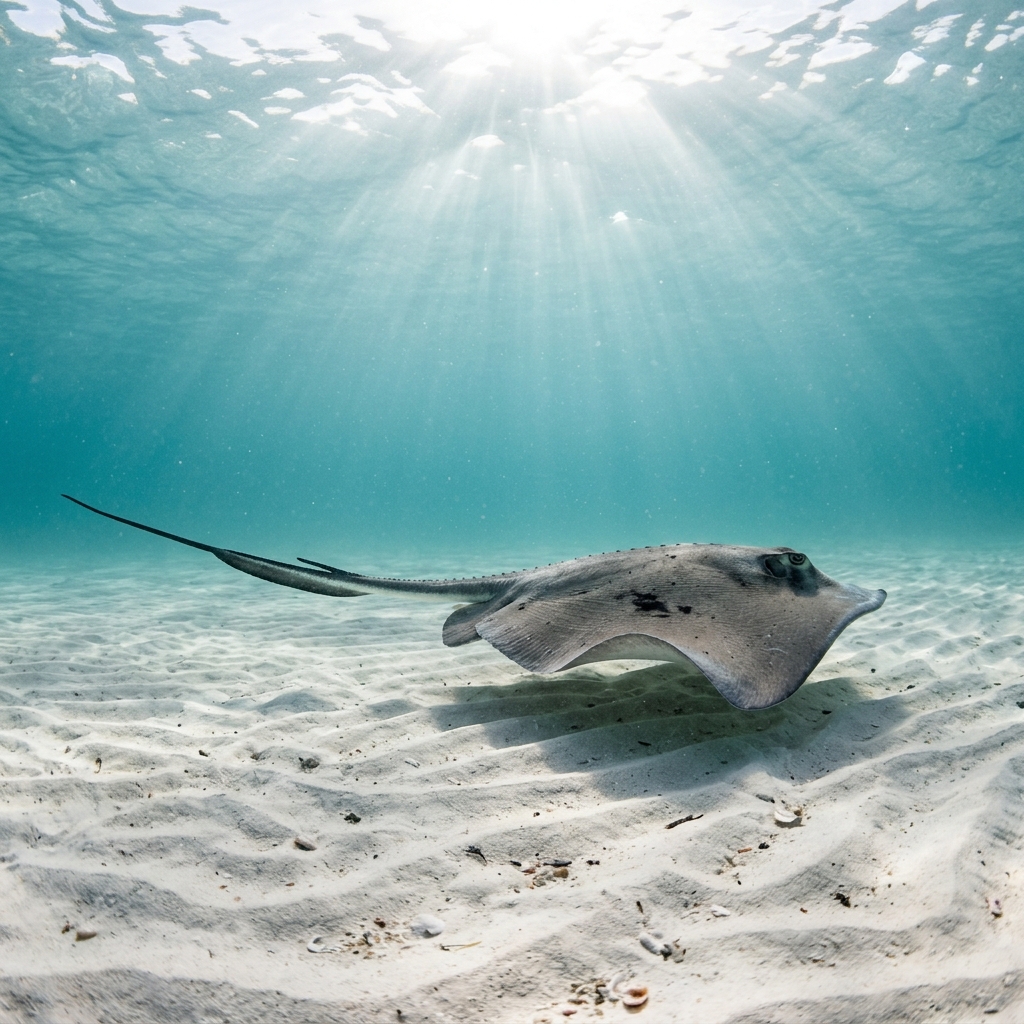
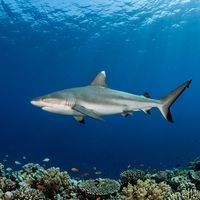
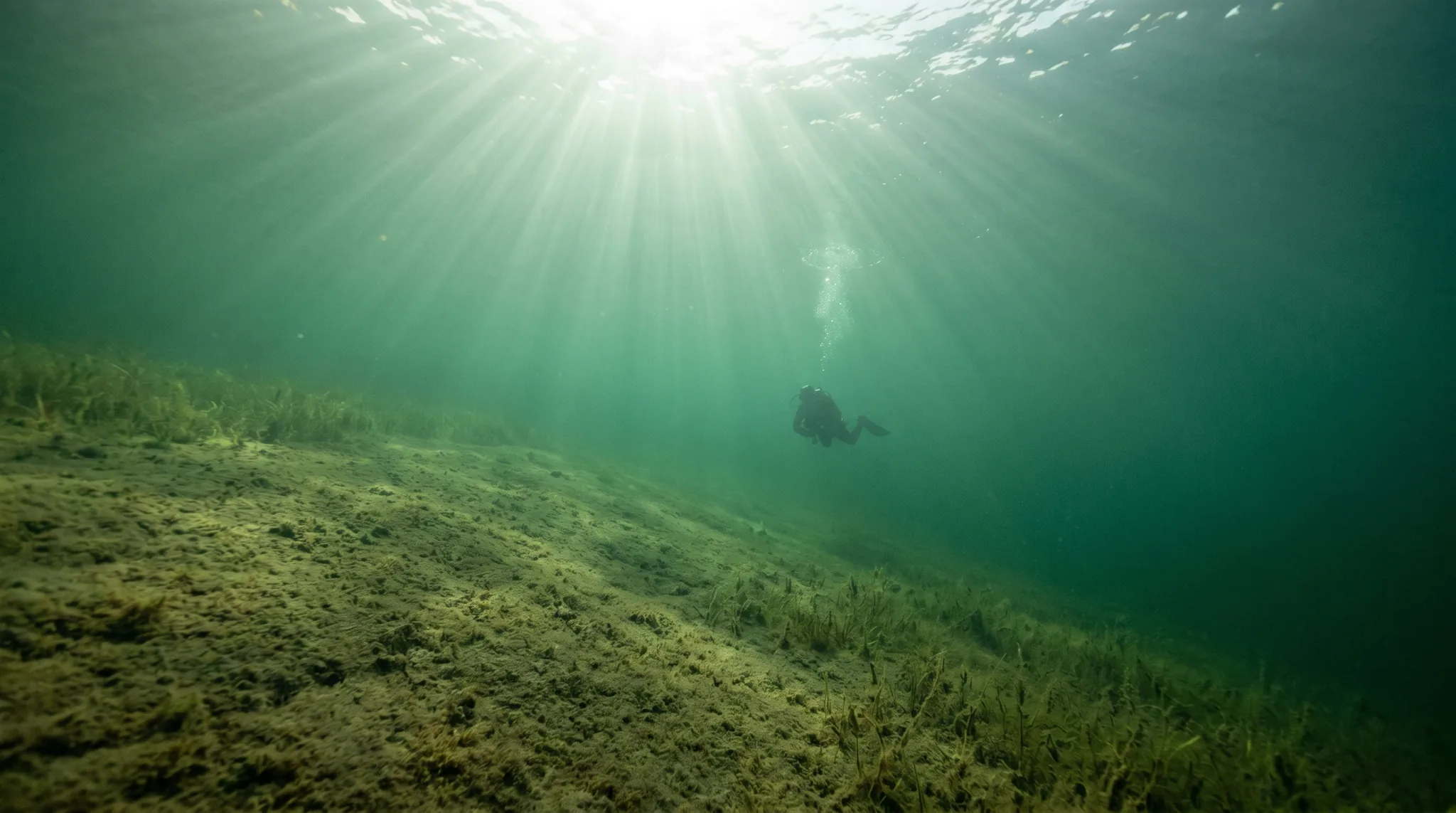
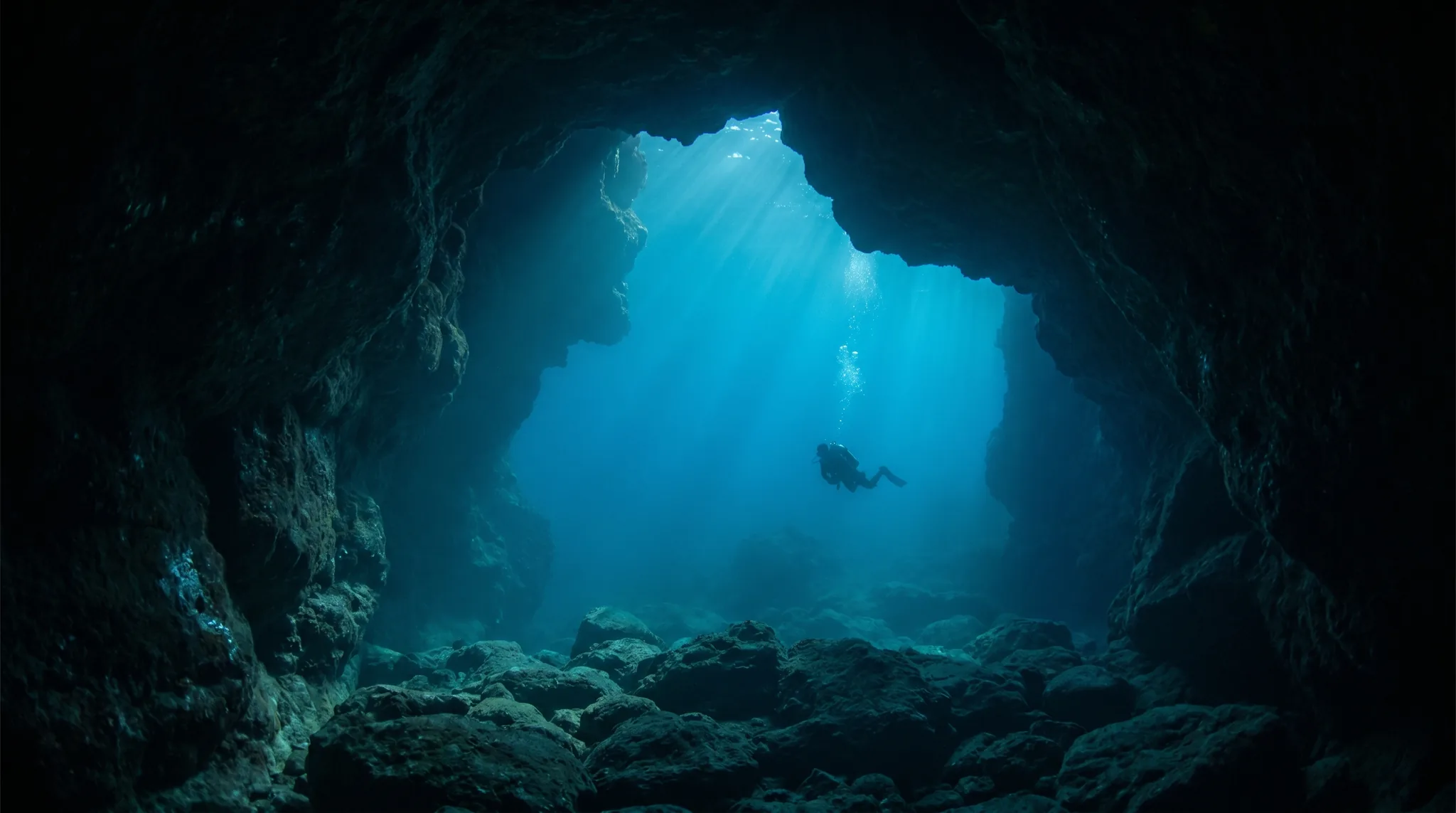
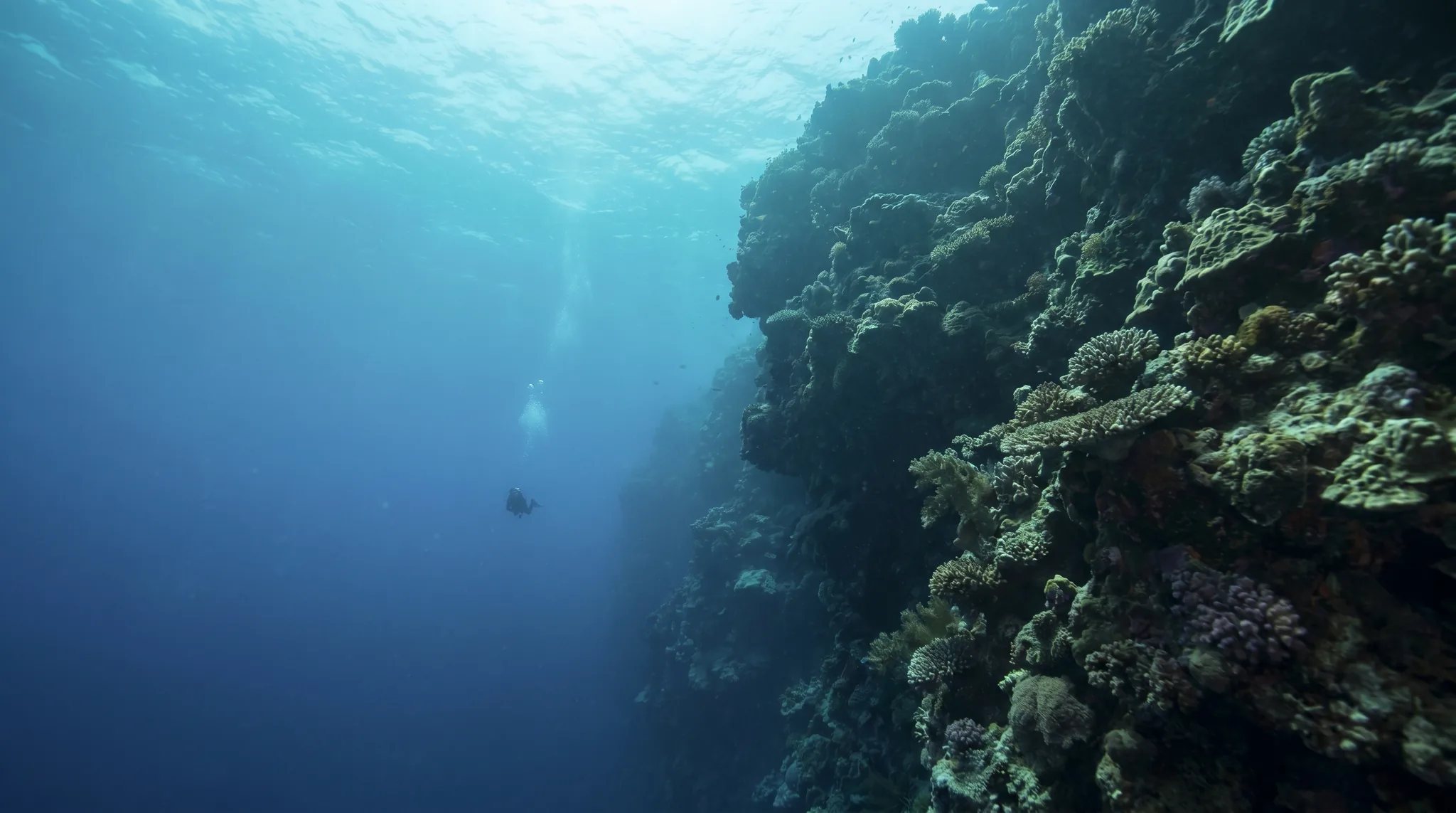
The Corn Islands sit in the Caribbean Sea off Nicaragua's east coast, and the water here stays warm year-round with temperatures peaking in the early autumn months. Sites spread across both Big Corn Island and Little Corn Island, covering reefs, walls, canyons, and caves at depths that suit beginners and intermediate divers alike. Nurse sharks, green sea turtles, Ridley turtles, Atlantic goliath grouper, and flying gurnards are all recorded here, alongside smaller finds such as cleaner shrimp, snake eels, and sea slugs. The dry season, running from late autumn through spring, brings calmer seas and the most reliable visibility. Most sites are reached by boat, and a healthy number of dive operators are based across the islands.
1 areas

Monthly water temperature across Corn Islands's sites, from satellite sea-surface data corrected for depth. The band shows the site-to-site spread.
Water temperature holds steady throughout the year, climbing slightly in the later summer and early autumn months. The dry season generally delivers the calmest conditions and clearest water, making it the most popular time to visit. A thin wetsuit or skin suit is sufficient at any time of year.
16 operators
Corn Island, Nicaragua
Corn Island, Nicaragua
Corn Island, Nicaragua
Corn Island, Nicaragua
Catarina, Nicaragua
Water temperature around Corn Islands ranges from about 28°C in January to 30°C in September, based on satellite sea-temperature data for its dive sites.
With water around 28–30°C, a rash guard or 3mm shorty works in Corn Islands year-round.
Fin maps 8 sites in Corn Islands (8 scuba diving sites and 2 snorkelling spots, with some suited to both).
Across Corn Islands's dive sites, March, April, May, June and July are most often reported as the best months to visit.