Bellapiscis medius
A small, well-camouflaged triplefin found in tide pools and shallow reef around New Zealand's North and South Islands, mostly logged as rare.
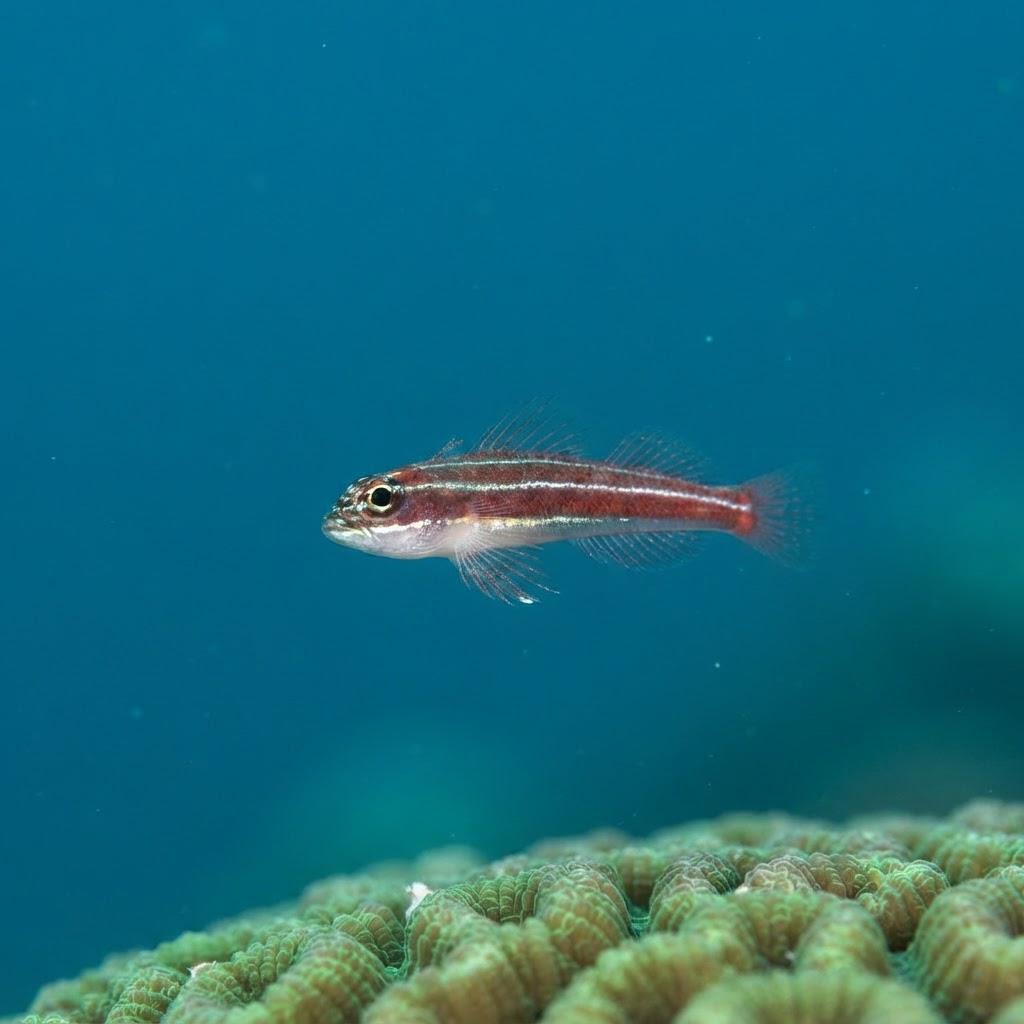
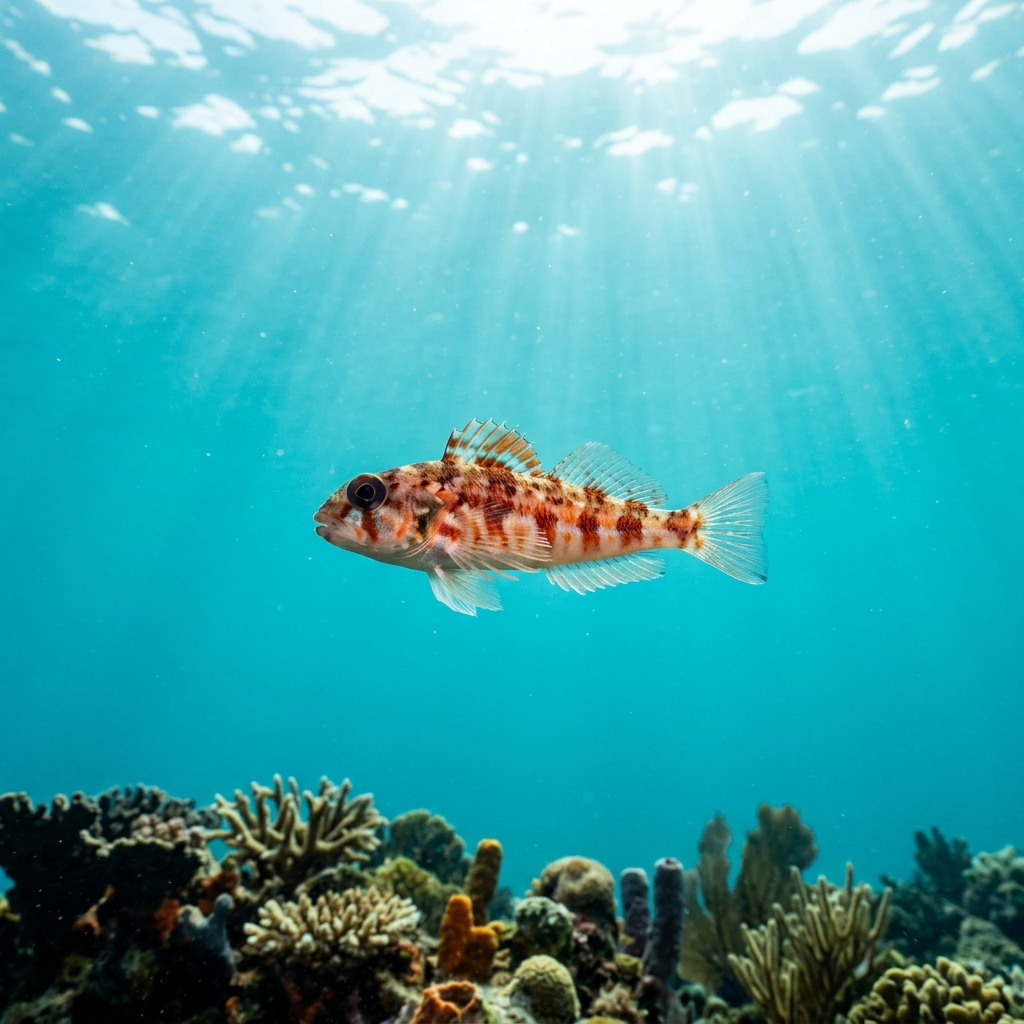
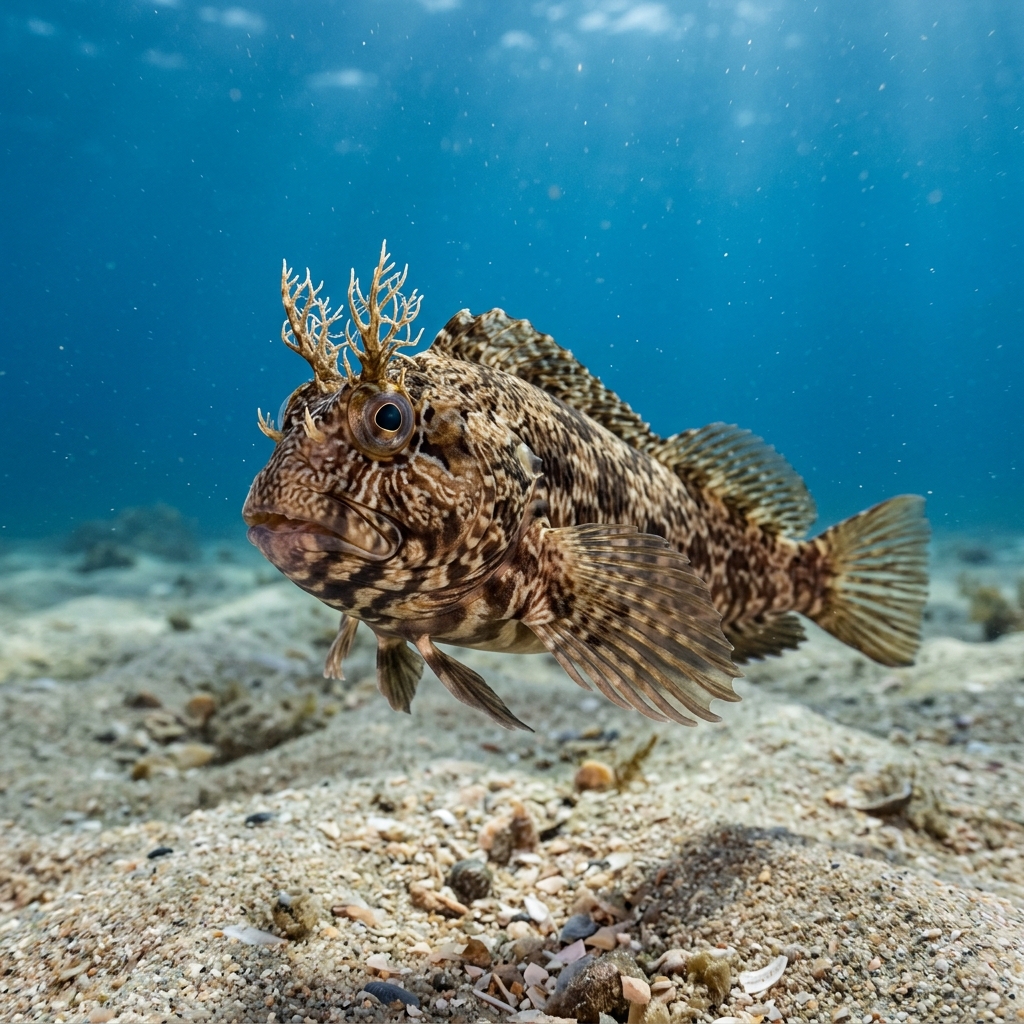
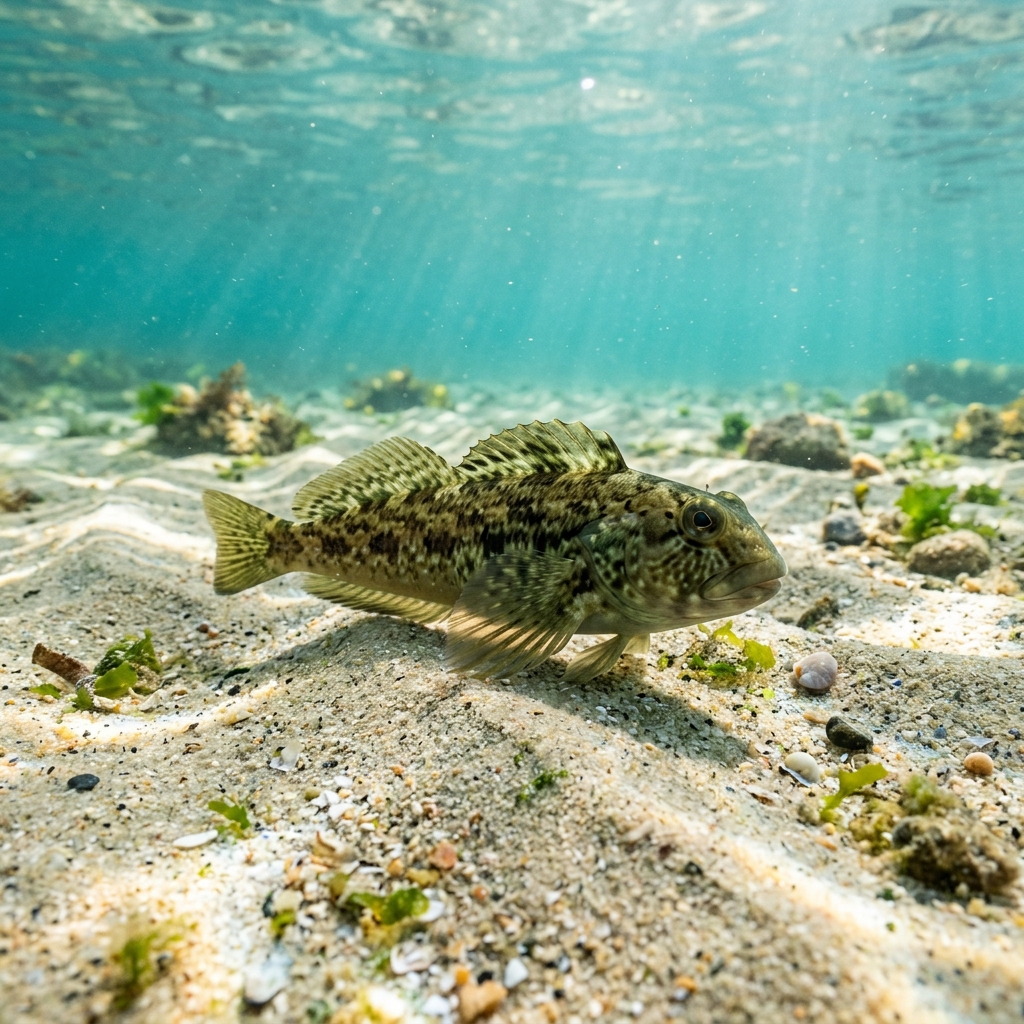
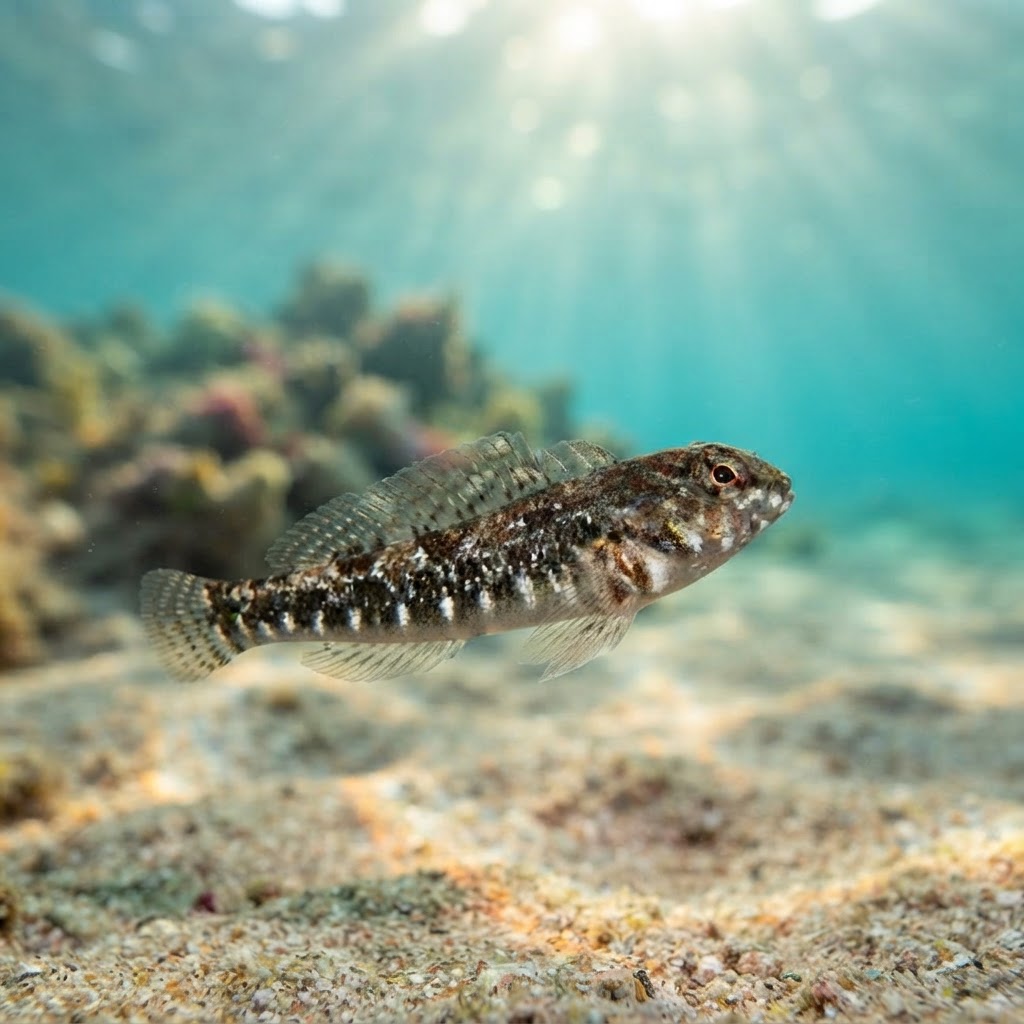
A tiny fish, only about 4 cm long, with a slender body and a mottled brown-and-cream pattern that blends into rock and algae. Look for the three separate dorsal fins typical of triplefins and a habit of perching motionless on rock rather than swimming in open water. Its small size and camouflage mean divers usually spot it only when it moves or when scanning rock crevices closely.
Spends most of its time perched still on rock or nestled among algae in very shallow water, relying on camouflage rather than fleeing when divers approach. It's a bottom-dwelling (demersal) fish, so you'll find it hugging the substrate in the top few metres rather than out in the water column. Most sightings come from patient, close-up scanning of rocky crevices rather than open-water encounters.
Its scattered, mottled pattern and habit of freezing in place make it one of those fish you're more likely to photograph by accident, most sightings come from divers who happened to be looking closely at a patch of rock rather than swimming past.
Sightings are logged year-round with no clear seasonal pattern, consistent with its wide observed temperature range of roughly 12.8 to 18.7 C. Any time you're diving shallow rocky coastline in New Zealand is worth a look.
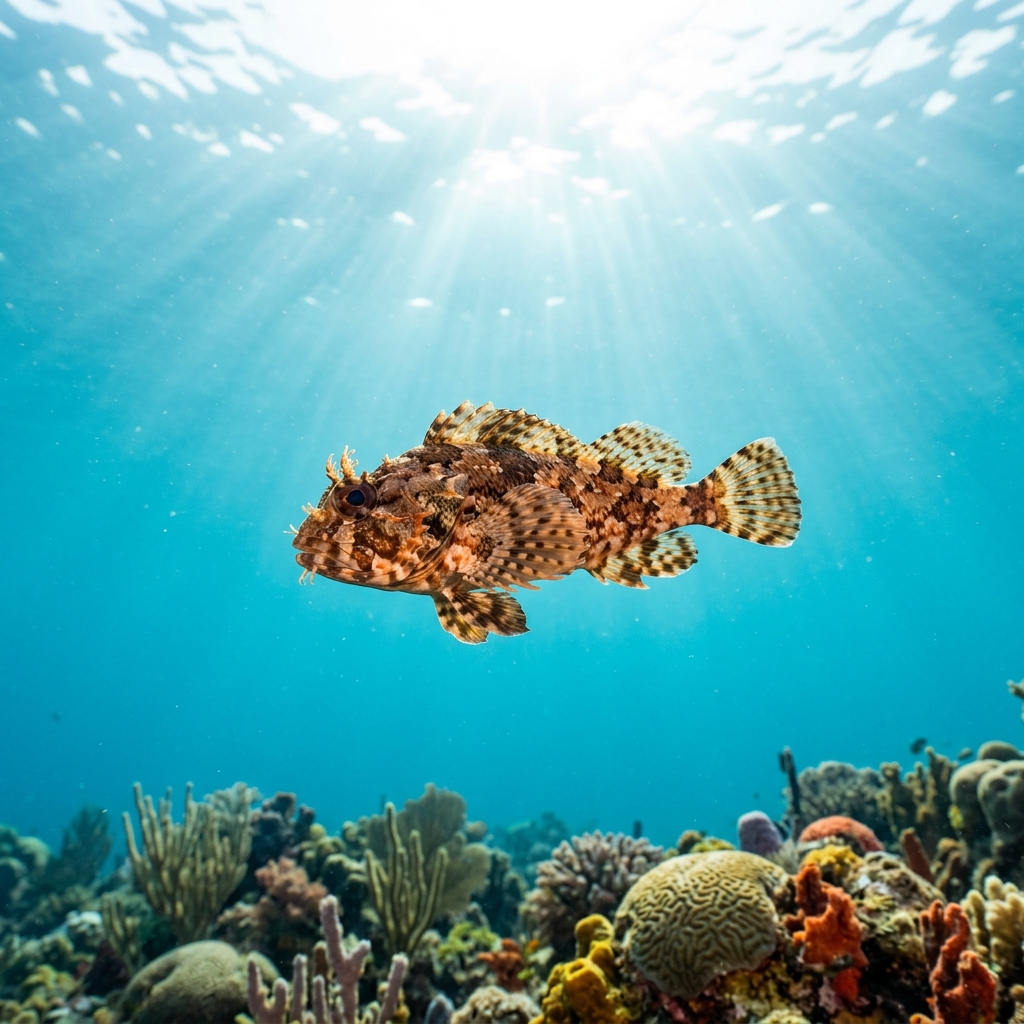
Reef neighbours a diver could mistake it for. Use the identification notes above to tell them apart.
This is a New Zealand speciality, most logged across the North Island, with a solid secondary presence on the South Island. Divers and snorkellers find it in shallow rocky habitat rather than on deep reef, so it turns up on coastal dives and tide-pool style snorkels around both islands.
Mapping where Twister is logged…
It's a New Zealand species, most commonly logged around the North Island and, to a lesser extent, the South Island. Look for it in shallow rocky habitat rather than on deeper reef dives.
There's no strong season in the data, sightings are logged year-round. It tolerates a fairly wide temperature range, from about 12.8 to 18.7 C, which likely helps it stay visible across seasons.
Look for a tiny, 4 cm fish with a mottled brown and cream body sitting still on rock or algae in shallow water. The three distinct dorsal fins mark it as a triplefin rather than a typical blenny.
They're small, reaching around 4 cm in length, which is one reason they're easy to swim past despite being logged at numerous New Zealand sites.
No, they pose no danger to divers. They are small, non-aggressive bottom-dwellers that simply hold still when approached.
Site and sighting data is aggregated from diver logs, iNaturalist and GBIF. For taxonomy and conservation status:
Rusty Blenny
2,605 sites