Notolabrus celidotus
Common on North Island reefs, this small wrasse turns up year-round in 10 to 18C water. Here's how to spot it and where.
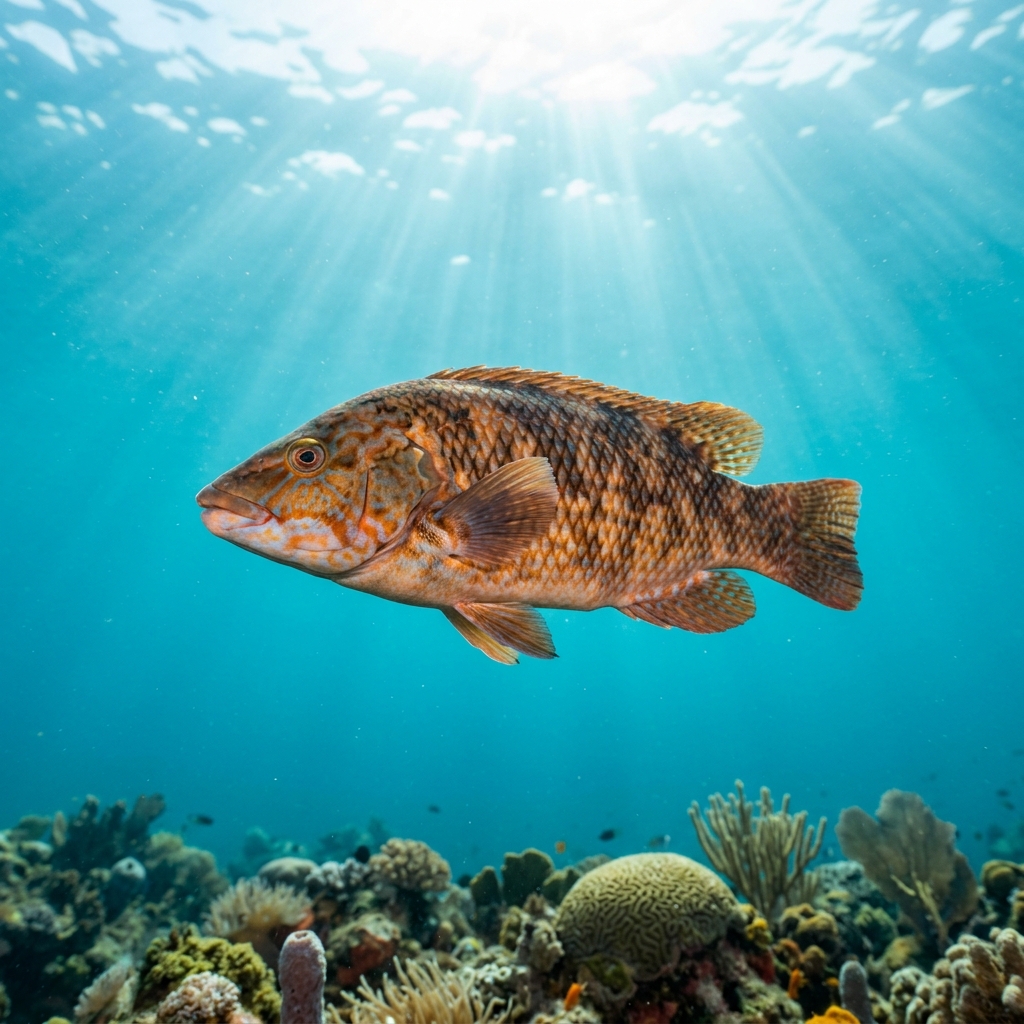
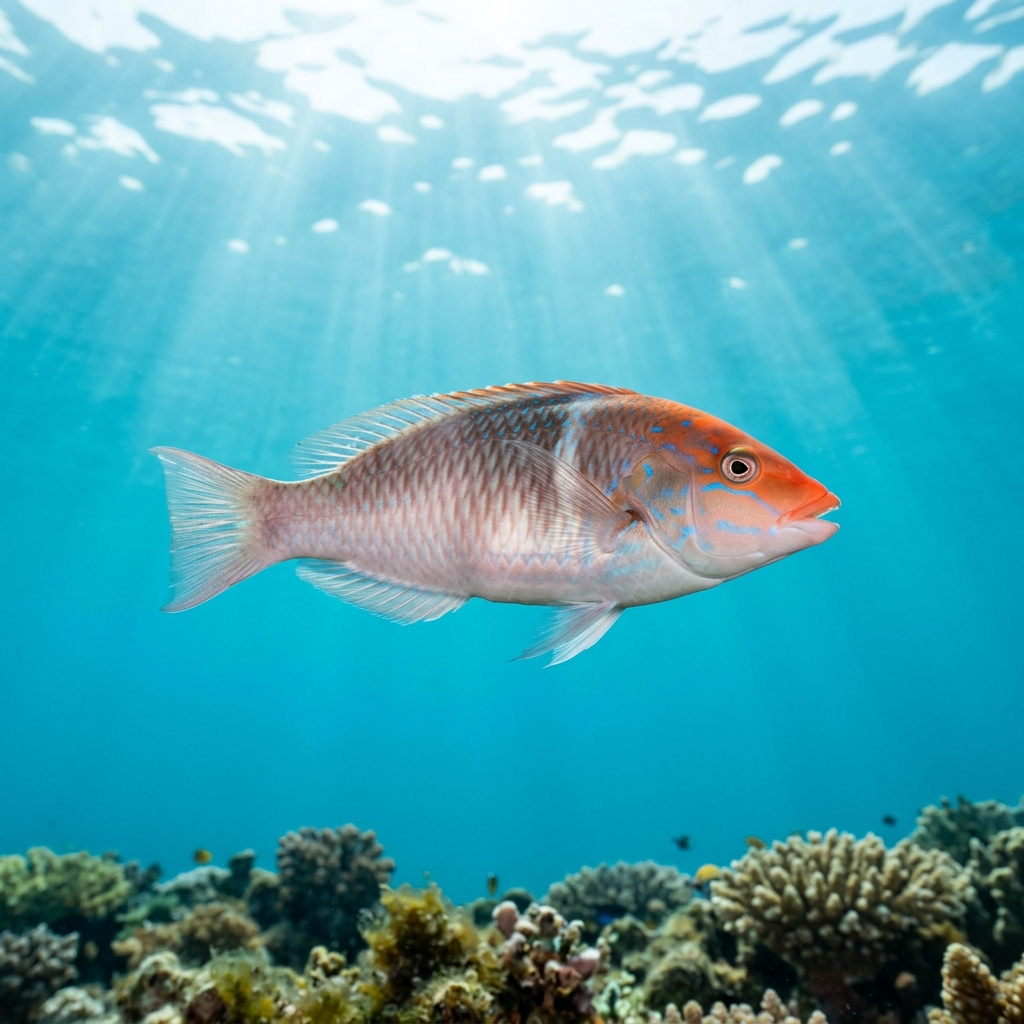
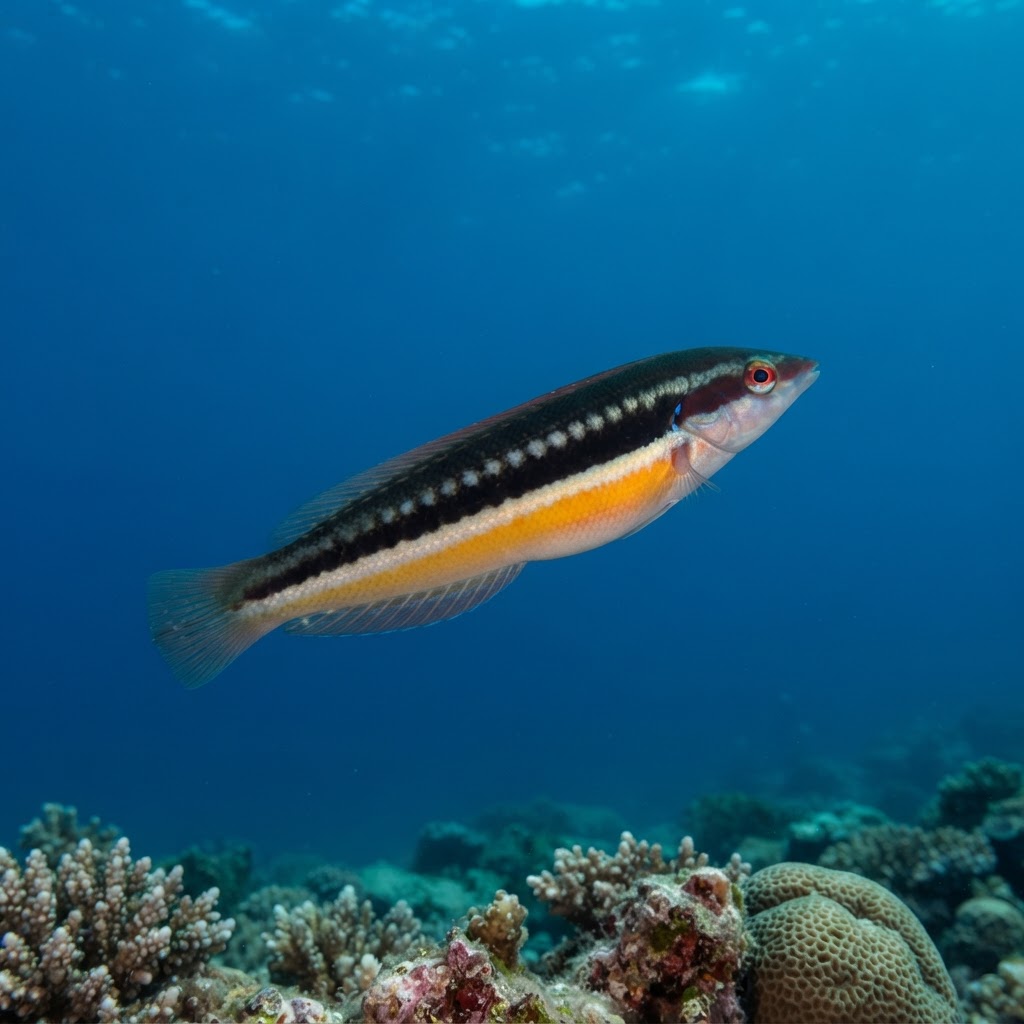
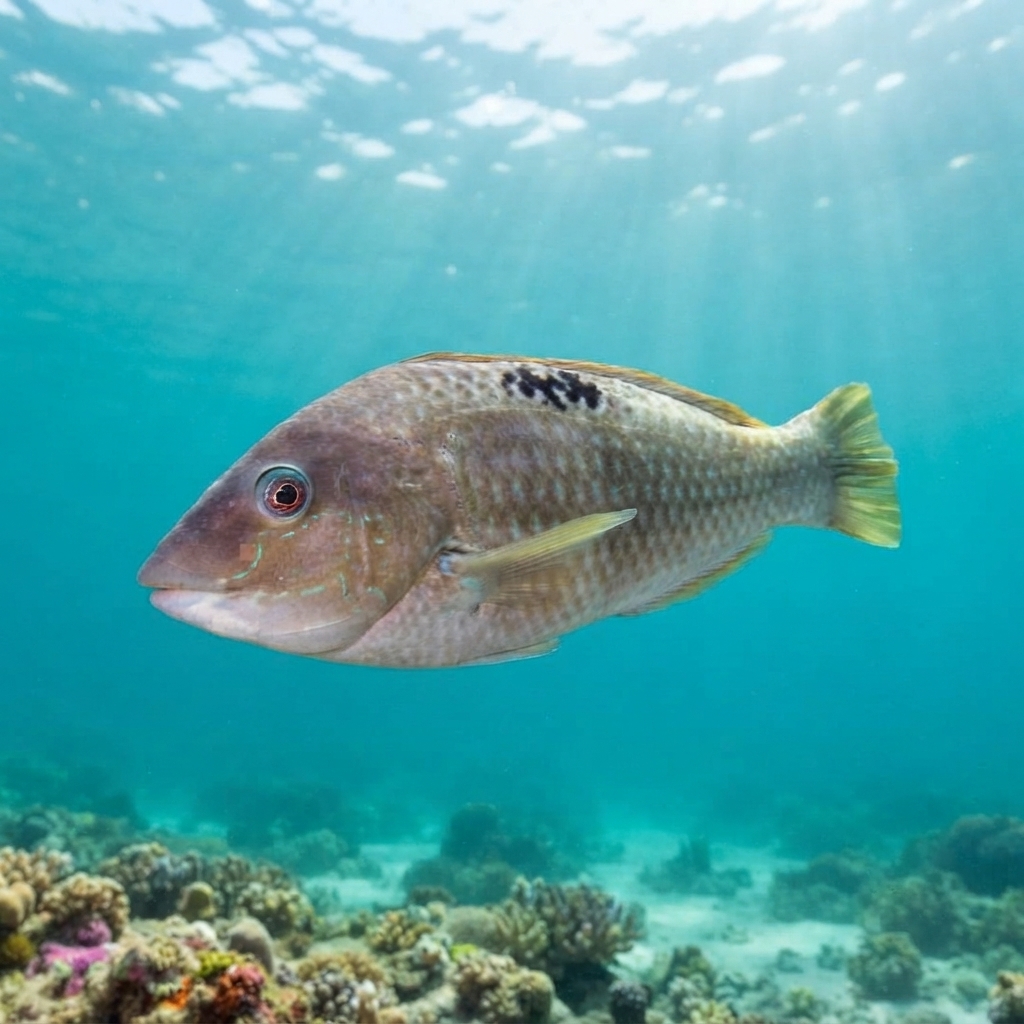
A small, slender wrasse around 17 cm, usually olive-green to brown along the back with a paler belly and a scatter of orange-to-rust spots along the flanks that give it the name. It swims with the quick, darting wrasse motion low over reef and rubble rather than in open water. Look for the mix of small dark and orange blotches rather than clean stripes or bars, which sets it apart from most other reef fish in the same waters.
Divers most often see it picking around rocky reef, kelp edges and rubble patches, foraging low down rather than schooling in midwater. It's generally unfazed by divers and will keep working a patch of reef at close range rather than bolting, making it an easy one to get a good look at. Most logs describe it as uncommon to rare at any given site, so it's a fish you notice rather than one that swarms you, though a handful of sites report it as common.
Like many wrasses, spotty change sex over their lifetime, starting out as one sex and some individuals later switching, which is part of why colour and pattern can vary between fish on the same reef.
There's no clear seasonal pattern in the sightings data, and with a comfortable range of 10 to 18C it stays active on New Zealand reefs across the year. Divers report it as a year-round find rather than a seasonal special.
This one is a New Zealand fish through and through, most reliably logged around the North Island, with strong numbers also reported from the South Island. Sites are widespread rather than concentrated in one hotspot, so it turns up on a large range of temperate reef and rocky-shore dives across both islands.
Mapping where Spotty is logged…
They're a North Island and South Island New Zealand regular, logged at a wide spread of temperate reef sites rather than one or two famous spots. The North Island has the strongest number of reported sightings.
There's no strong season in the sighting data, so they're considered a year-round fish on New Zealand reefs, comfortable across the observed 10 to 18C range.
Look for a slim wrasse about 17 cm long, olive-brown on top with a paler belly and orange-rust spots scattered along the sides. It moves in quick darts close to rock and rubble rather than schooling in open water.
Around 17 cm on average, making them one of the smaller wrasses you'll come across on a New Zealand reef dive.
Yes. Like several other wrasse species, spotty can change sex during their lifetime, which contributes to the colour and pattern variation seen between individuals on the same reef.
Site and sighting data is aggregated from diver logs, iNaturalist and GBIF. For taxonomy and conservation status:
Bird Wrasse
3,632 sites