Forsterygion lapillum
A 4cm reef fish logged at dozens of North Island sites in 10 to 18.5C water, usually perched motionless on rock rather than swimming past.
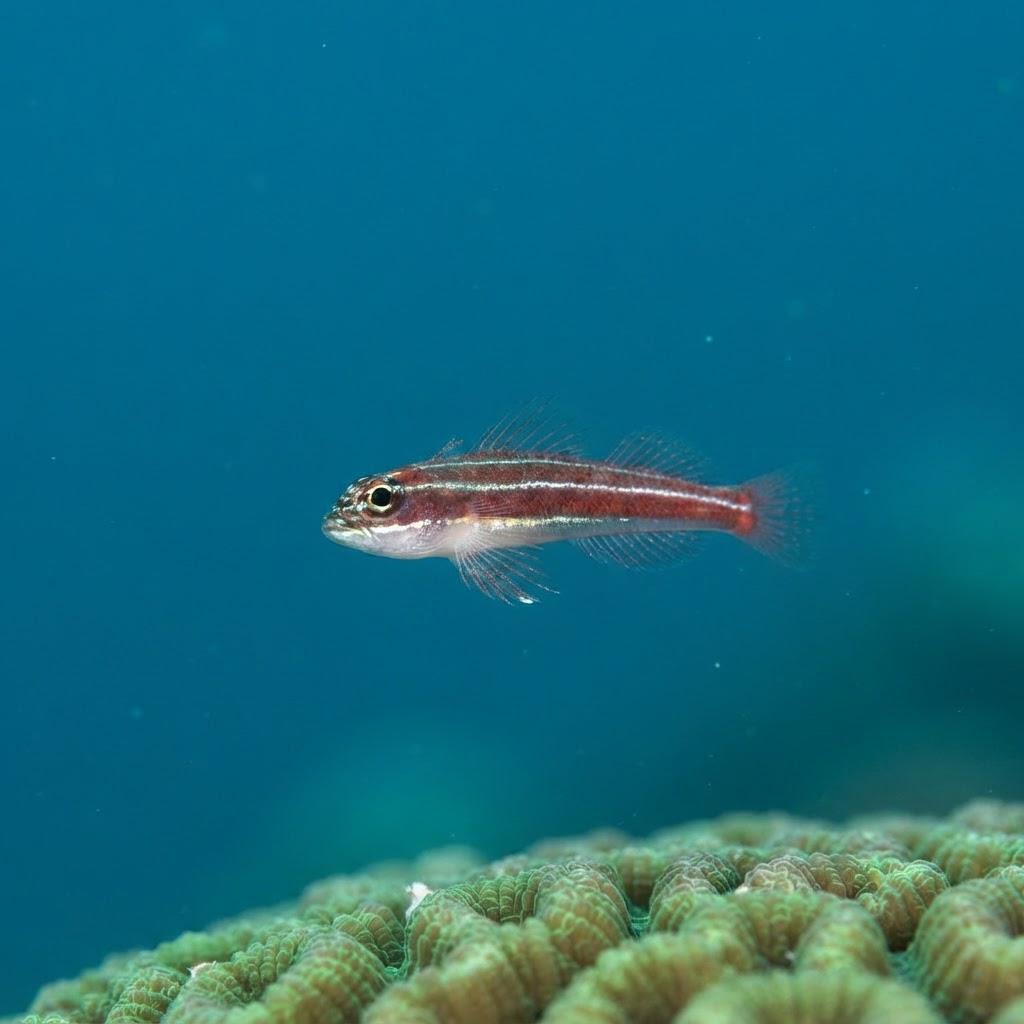
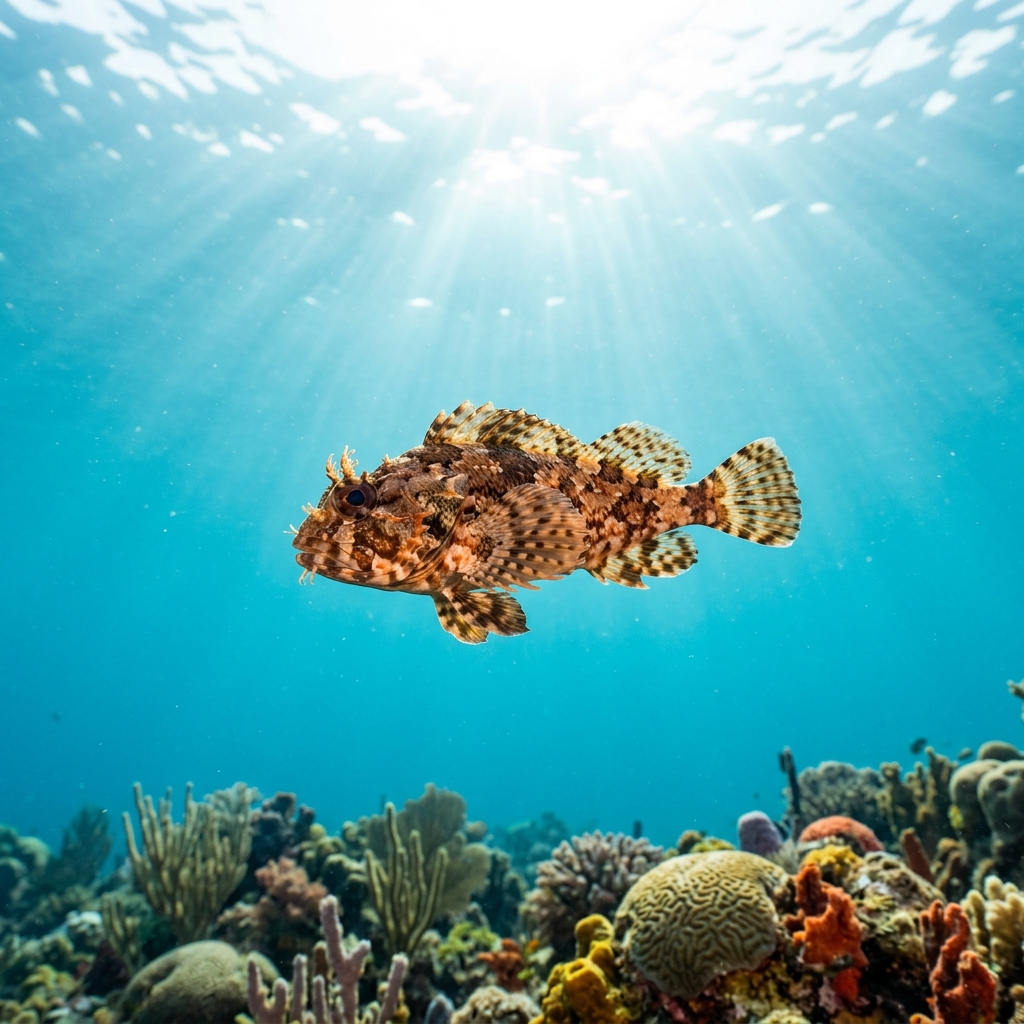
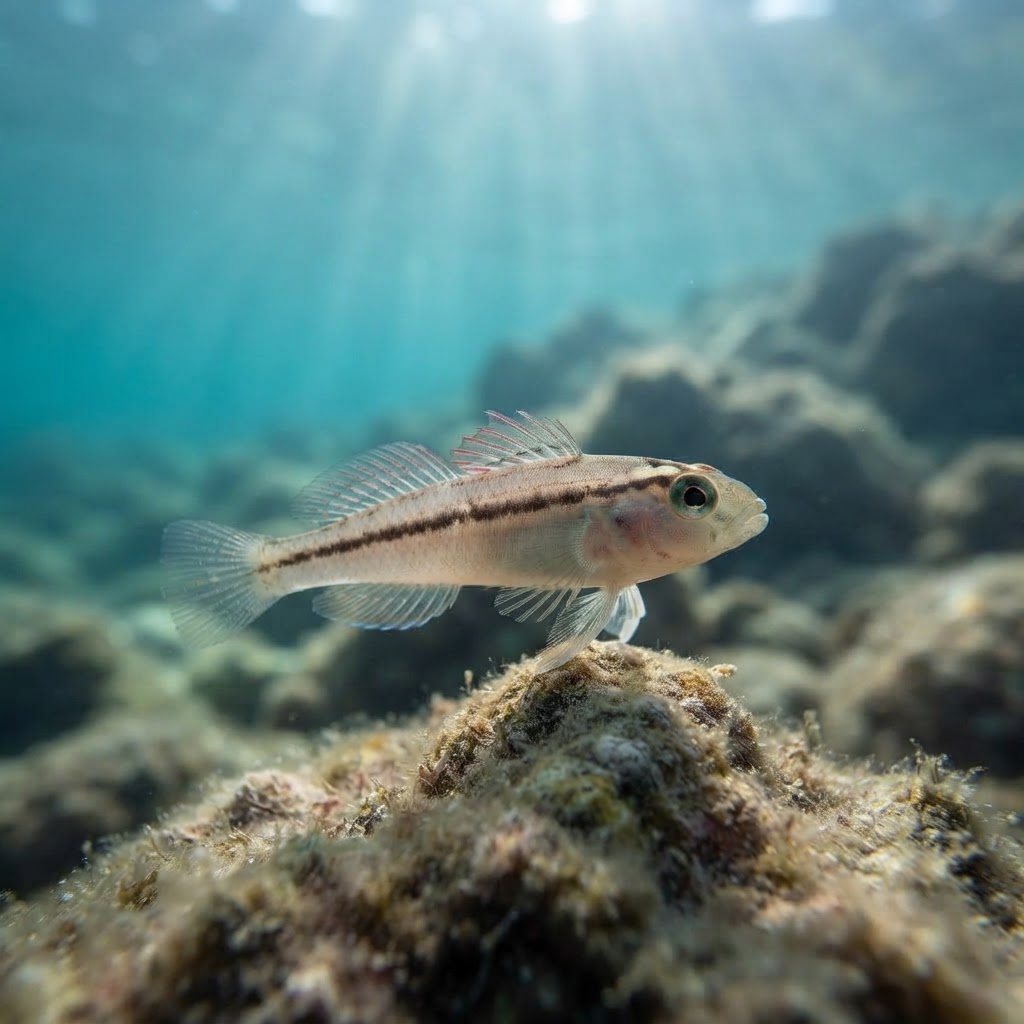
Tiny at just 4cm, this fish is easiest to spot by its posture rather than its colour: it props itself up on its pelvic fins on rock or reef surfaces instead of hovering in open water. Colouring is mottled brown to olive, giving it strong camouflage against encrusted rock, and the body is slim and tapered with a blunt head. The giveaway for the genus is the fin arrangement on its back, split into three distinct sections rather than one continuous dorsal fin.
Look down, not out: this fish sits still on rock, reef rubble or weed rather than swimming in the water column, using its pelvic fins almost like a tripod. It tends to hold its ground rather than bolt when a diver approaches slowly, which makes it a decent macro subject if you're patient and keep your torch beam steady. Most sightings come from divers working slowly along rocky reef rather than mid-water or wreck dives.
It's one of dozens of triplefin species that radiated around New Zealand's coastline, and its three-part dorsal fin (the feature the whole family is named for) is the quickest way to know you're looking at a triplefin rather than a blenny.
No clear seasonal pattern shows up in sighting data, and with a temperature niche spanning 10.4 to 18.5C it seems to tolerate both New Zealand's cooler winter water and warmer summer conditions, so it's a fair year-round target.
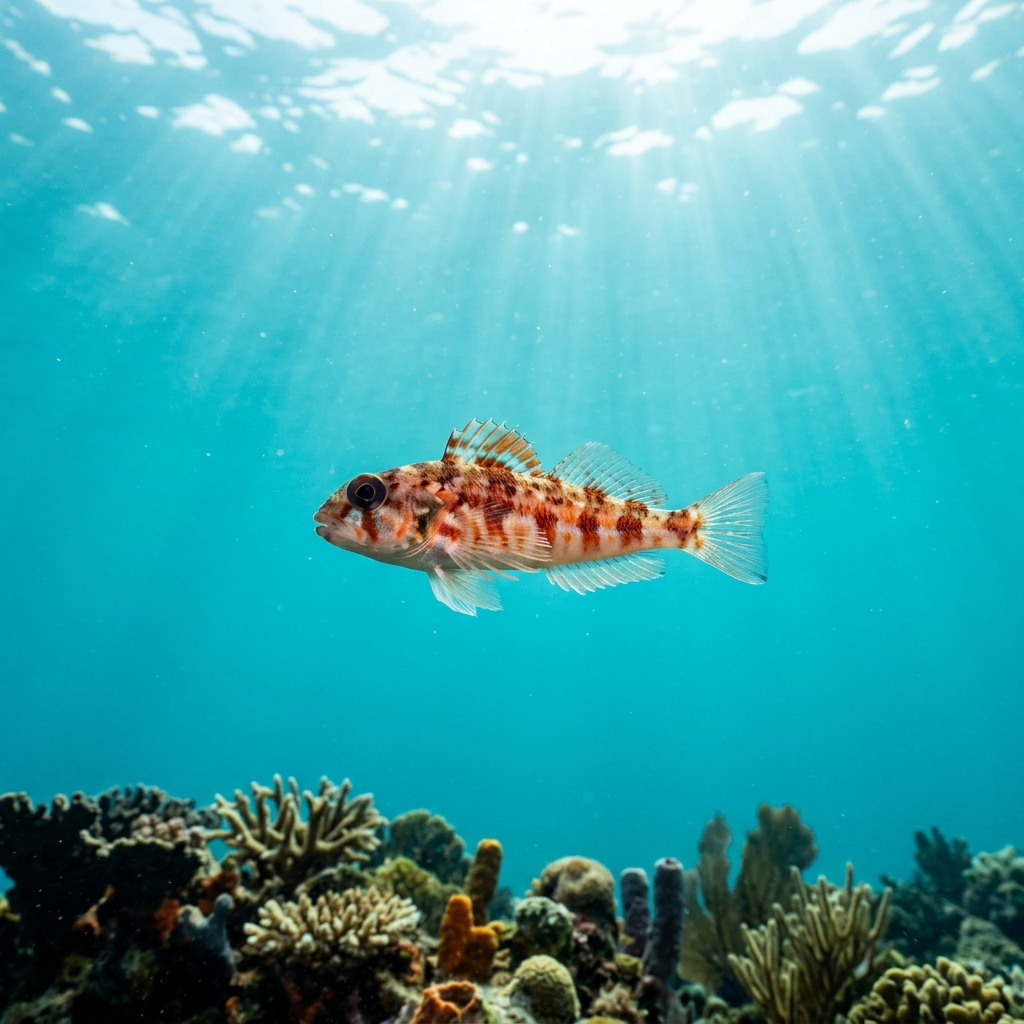
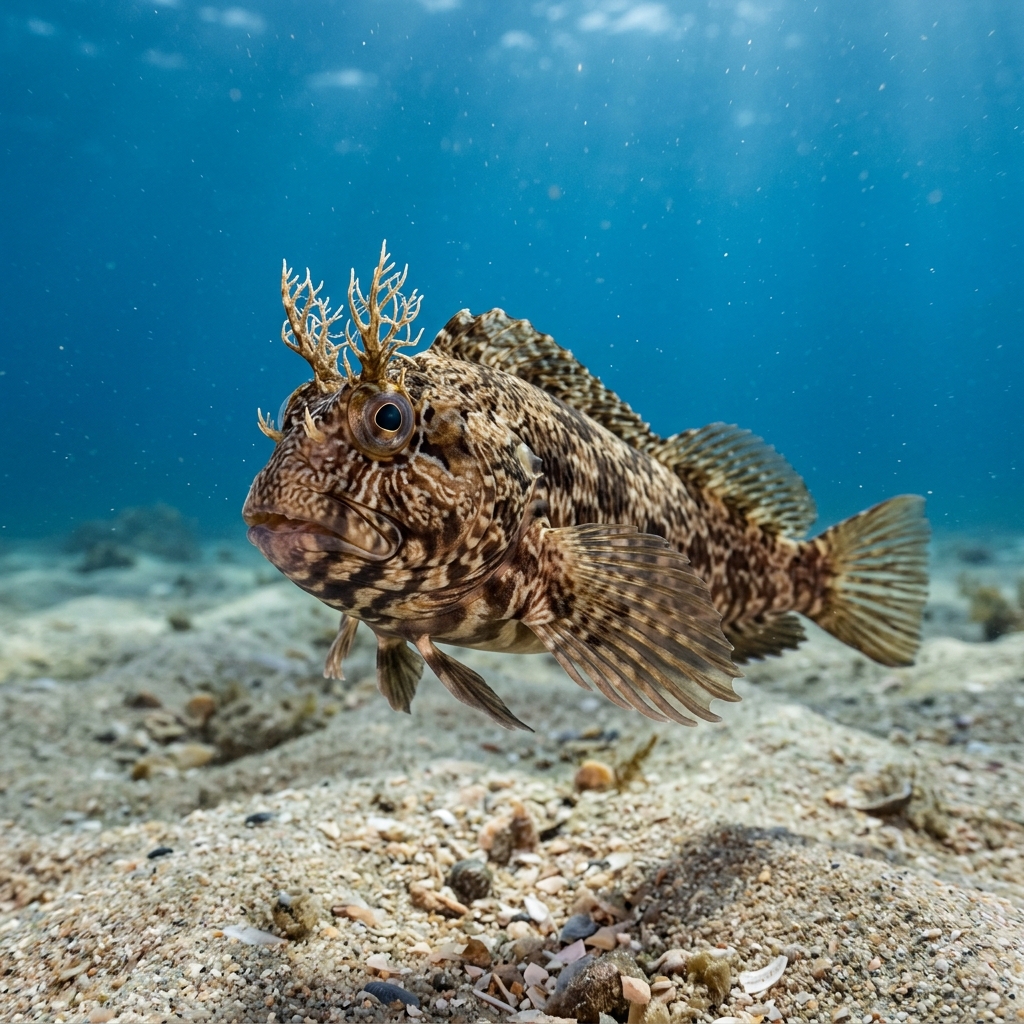
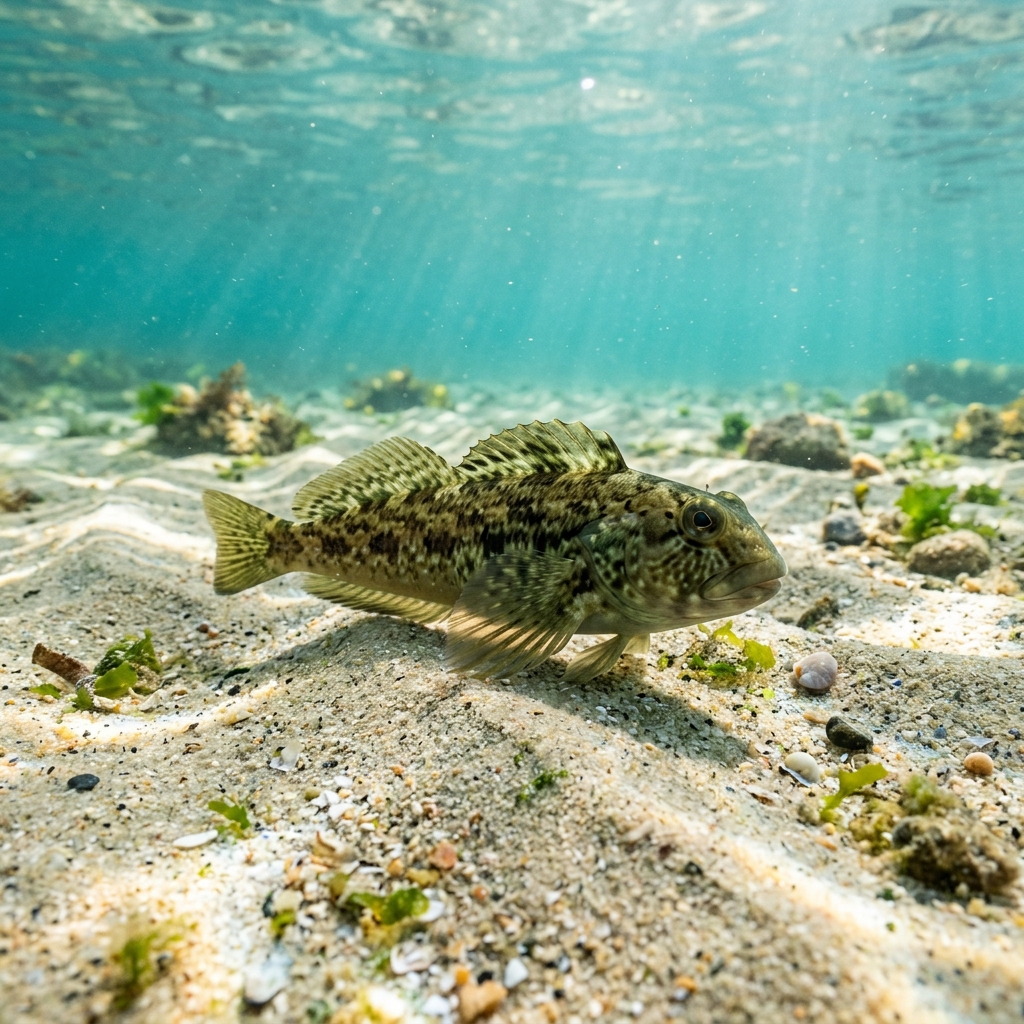
Reef neighbours a diver could mistake it for. Use the identification notes above to tell them apart.
This one is a New Zealand speciality, logged almost entirely around the North Island, with Auckland, Wellington and the wider North Island coastline producing the bulk of sightings. The South Island turns up fewer records but still holds populations worth checking, particularly on sheltered rocky reef.
Mapping where Common Triplefin is logged…
It's essentially a New Zealand fish, with most sightings from the North Island around Auckland and Wellington, and a smaller but reliable presence on South Island reefs.
There's no strong season in the sighting data, and it's recorded across a wide temperature range from about 10 to 18.5C, so it's reasonable to expect it on New Zealand reef dives at any time of year.
Look for a tiny, 4cm mottled brown fish propped on rock rather than swimming freely, with a slim tapered body and a dorsal fin split into three sections. It's usually still, camouflaged against the reef, and easy to miss unless you're scanning rock surfaces closely.
They stay small, topping out around 4cm, which puts them firmly in macro-photography territory rather than something you'll spot from a distance.
The whole triplefin family gets its name from a dorsal fin divided into three separate sections, an unusual arrangement that helps distinguish them underwater from similar-looking blennies with a single continuous dorsal fin.
No, they pose no threat to divers. At 4cm and perched motionless on rock, they're harmless and easy to observe up close.
Site and sighting data is aggregated from diver logs, iNaturalist and GBIF. For taxonomy and conservation status:
Rusty Blenny
2,605 sites