Odax pullus
Olive-green kelp specialist logged at 36 New Zealand sites, from the North Island to South Island temperate reefs at 11-19C.
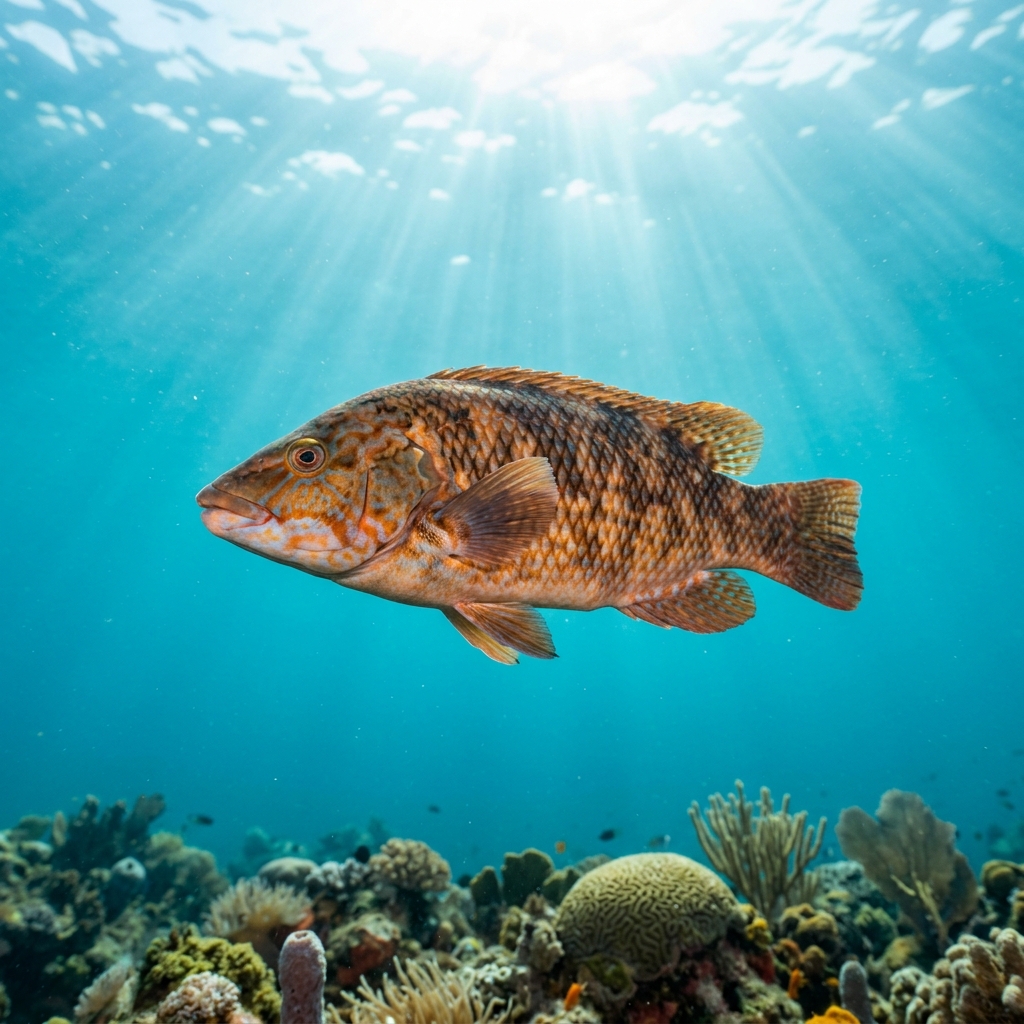
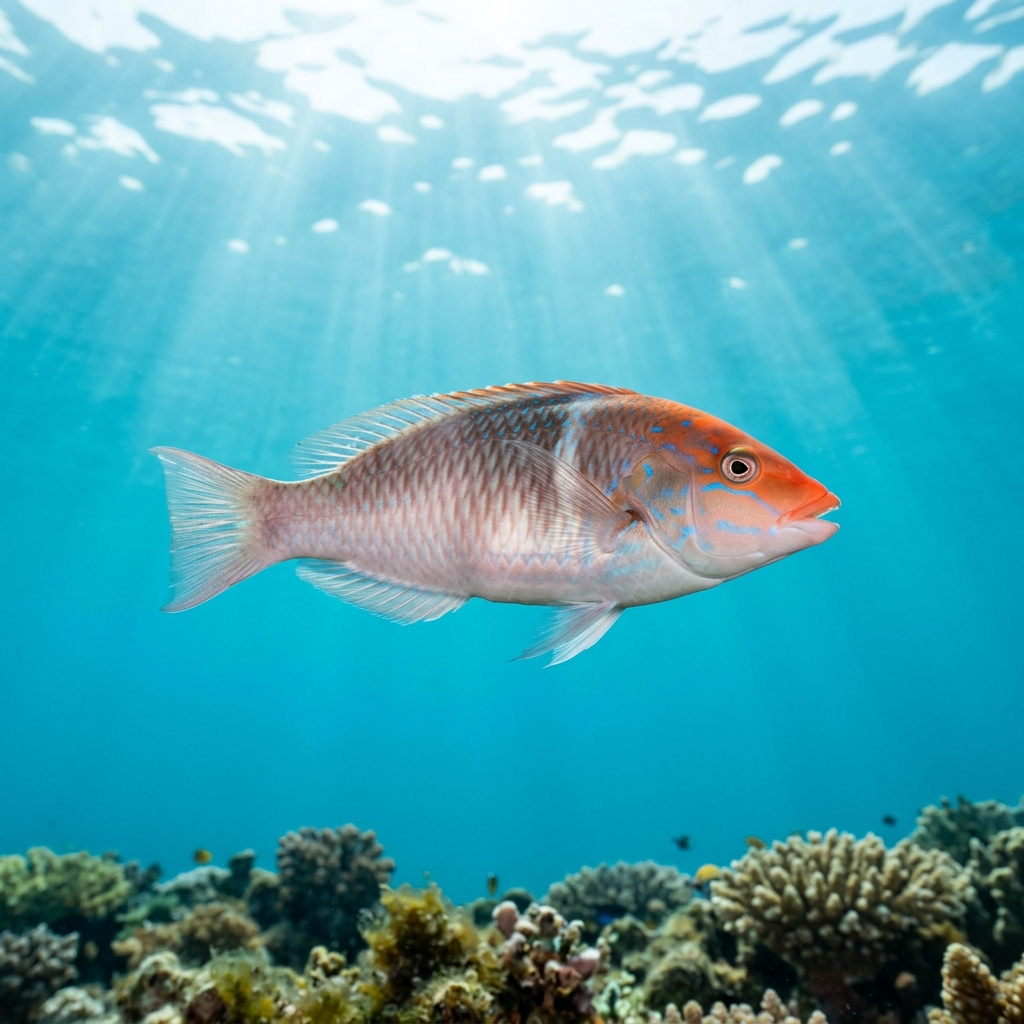
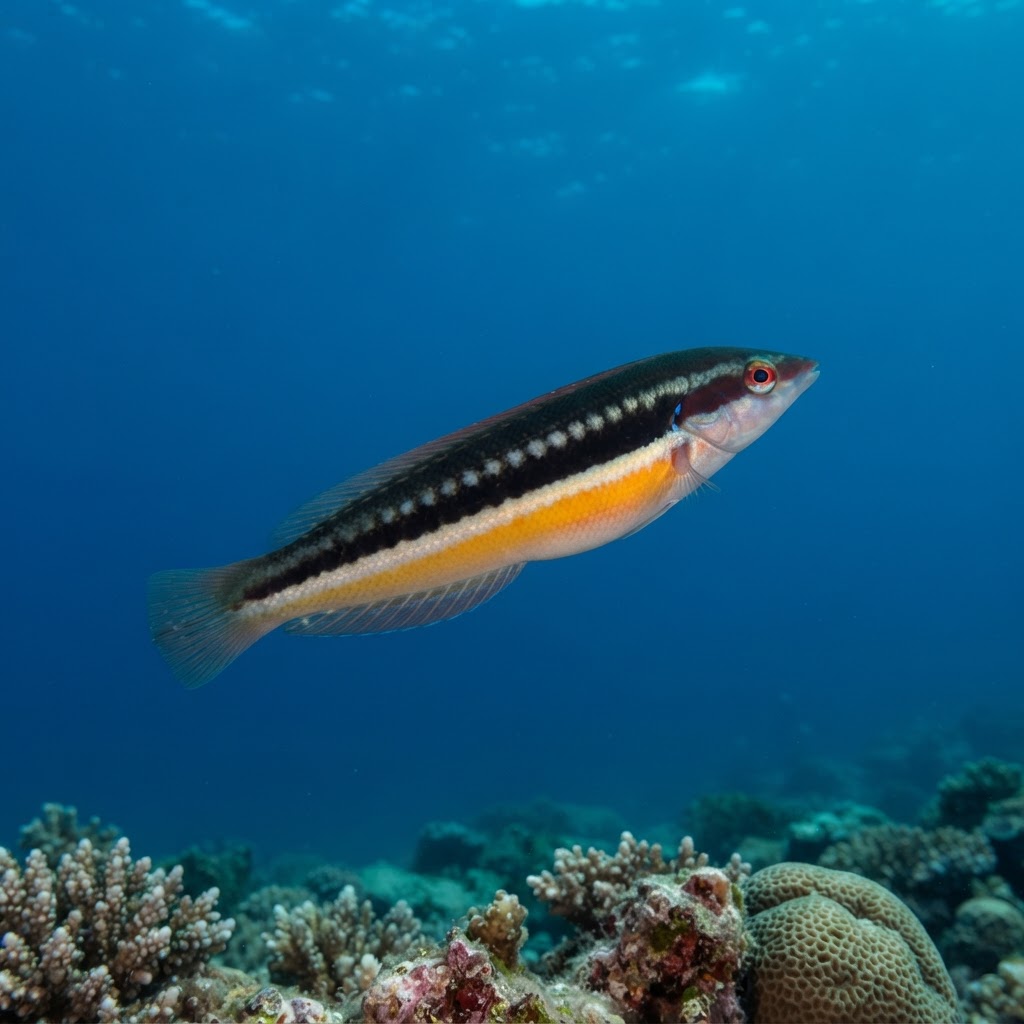
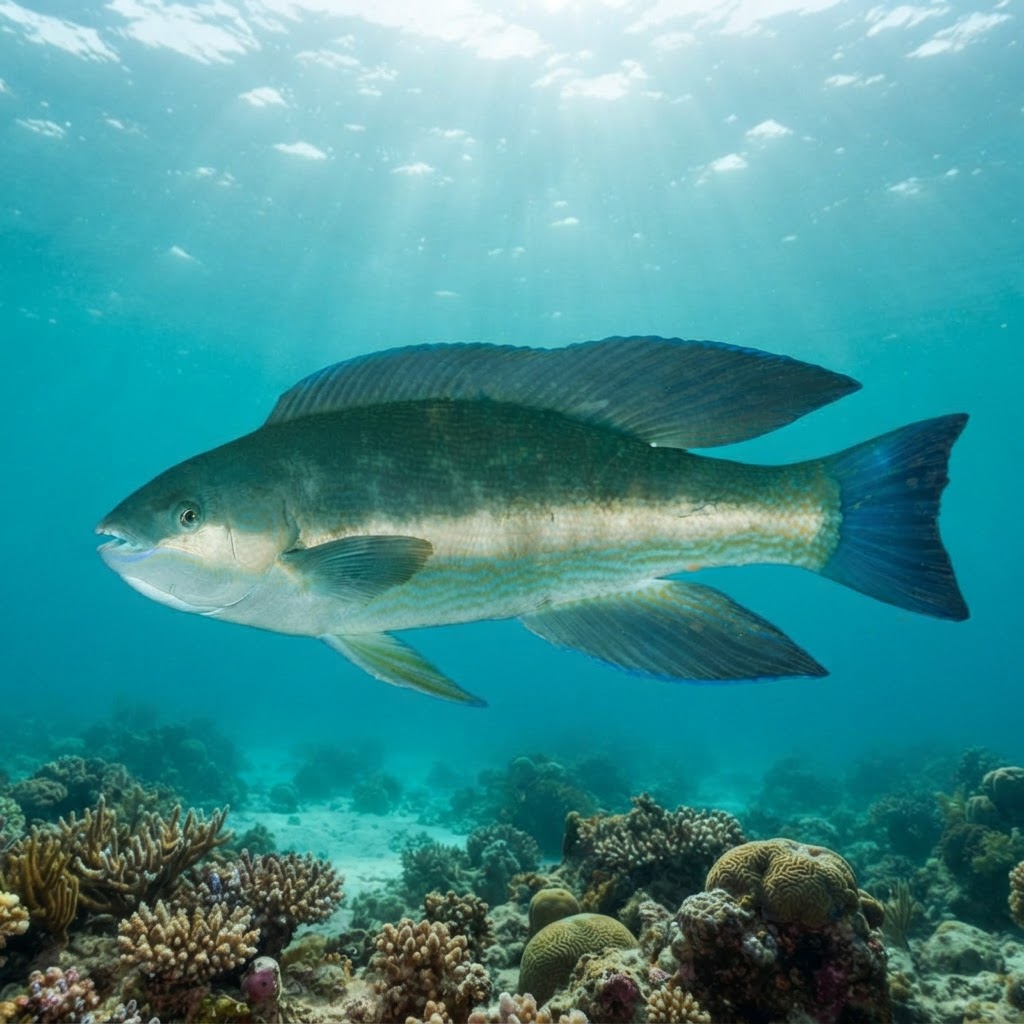
Elongate, torpedo-shaped body reaching around 28 cm, coloured olive-green to brown with faint mottling that blends into kelp and weed. Small terminal mouth built for grazing rather than biting, and a continuous dorsal fin running most of the body length. Look for it hovering low over weedy rock rather than open water, moving with slow undulating strokes rather than a typical wrasse dart.
Divers usually find it grazing slowly through kelp and weed beds, picking at algae rather than chasing prey, which makes it an easy fish to approach quietly. It tends to sit low in the water column close to rock and weed structure rather than out in open water, and most logs describe it as uncommon to rare rather than a guaranteed find, so a patient look through weedy gutters pays off. It doesn't school and isn't skittish, more likely to hold position and keep feeding than bolt when a diver drifts past.
It's one of the relatively few wrasses built specifically for eating algae and kelp, with a jaw shaped for grazing plant matter rather than the crushing or biting bite most reef wrasses use on invertebrates.
Sightings don't show a clear seasonal pattern, so it's treated as a year-round species. Its comfort range of roughly 11 to 19 C spans New Zealand's normal temperate diving conditions across the year.
Most reliably logged around New Zealand, with the North Island turning up the bulk of sightings and the South Island holding a smaller but steady share. It shows up on temperate rocky reef and kelp sites rather than tropical reef, so look for it wherever there is dense weed cover rather than coral.
Mapping where Butterfish is logged…
New Zealand is the place to look, with the North Island producing the most logged sightings and the South Island also holding a reliable but smaller number. It favours temperate rocky reef and kelp habitat rather than coral reef.
There's no strong seasonal pattern in the sighting data, so it's considered a year-round species in New Zealand waters, which sit in its comfortable 11 to 19 C range most of the time.
Look for an olive-green to brown elongate body around 28 cm long, grazing slowly through kelp with a small grazing mouth rather than darting after prey. Its steady, low-profile movement over weedy rock is a good giveaway compared to more active wrasses.
They typically reach around 28 cm, making them a modest-sized member of the wrasse family rather than a standout giant.
Unlike most wrasses that hunt small invertebrates, this species grazes on algae and kelp, with a jaw shape adapted specifically for plant feeding rather than crushing shells or biting prey.
No, they pose no threat to divers. They're slow-moving grazers that tend to hold their position in kelp rather than react defensively.
Site and sighting data is aggregated from diver logs, iNaturalist and GBIF. For taxonomy and conservation status:
Bird Wrasse
3,632 sites