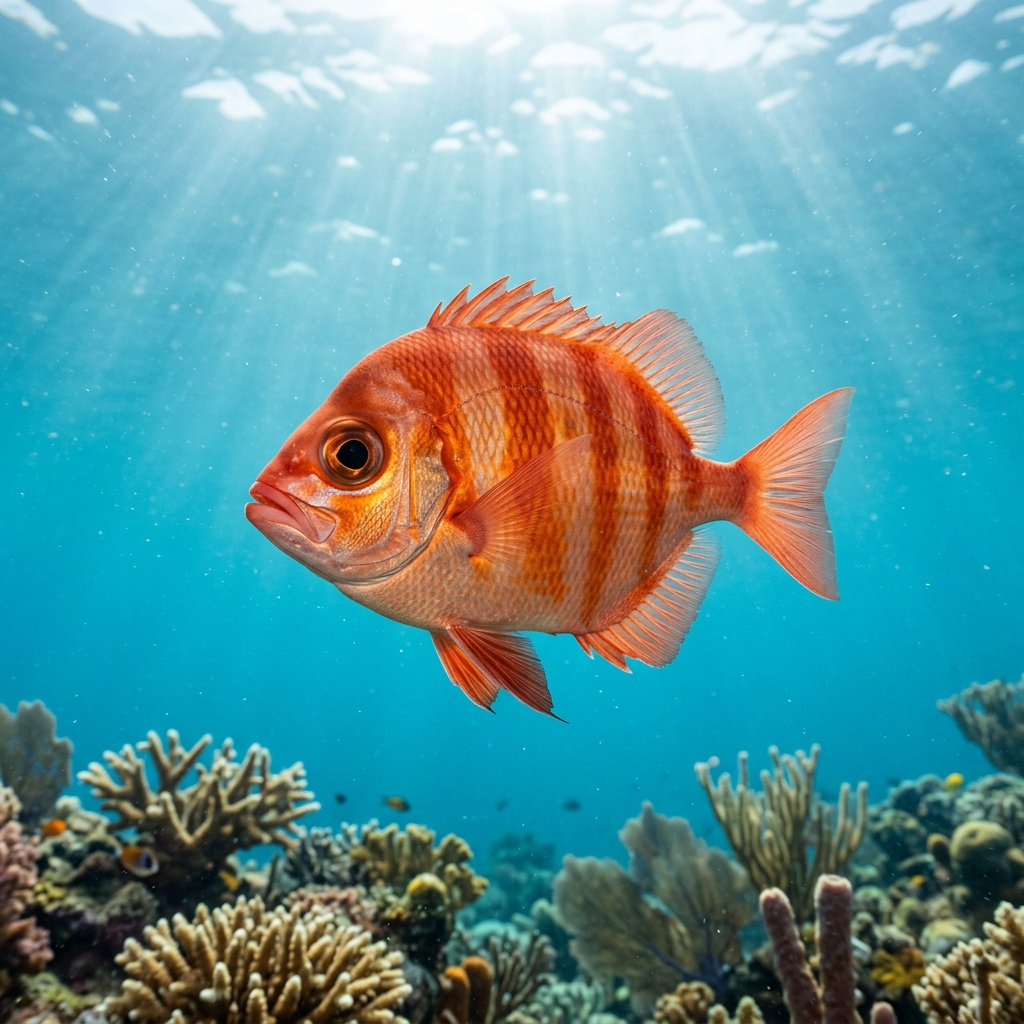
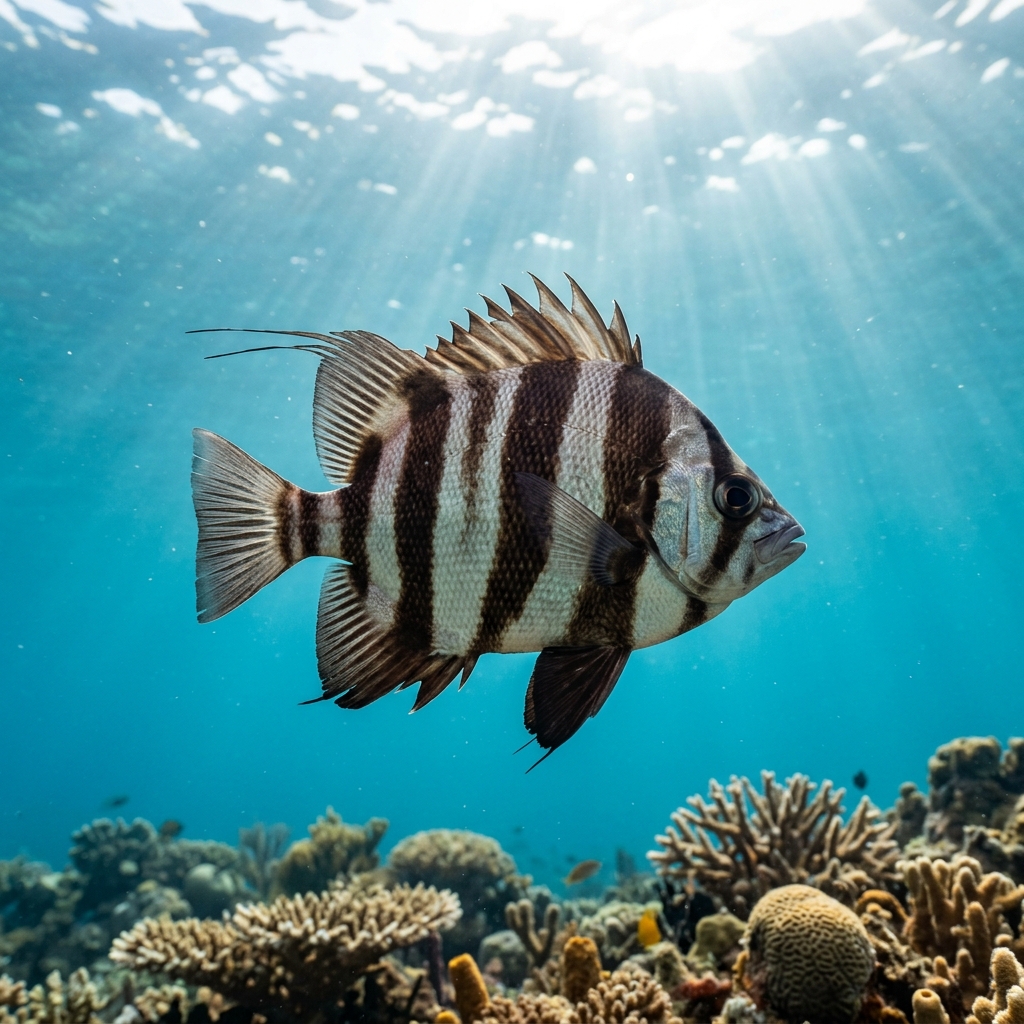
Latridopsis ciliaris
Find blue moki on cool reefs off North Island, New Zealand and Tasmania in 10.6-17.4C water, a real rare-to-uncommon find year-round.
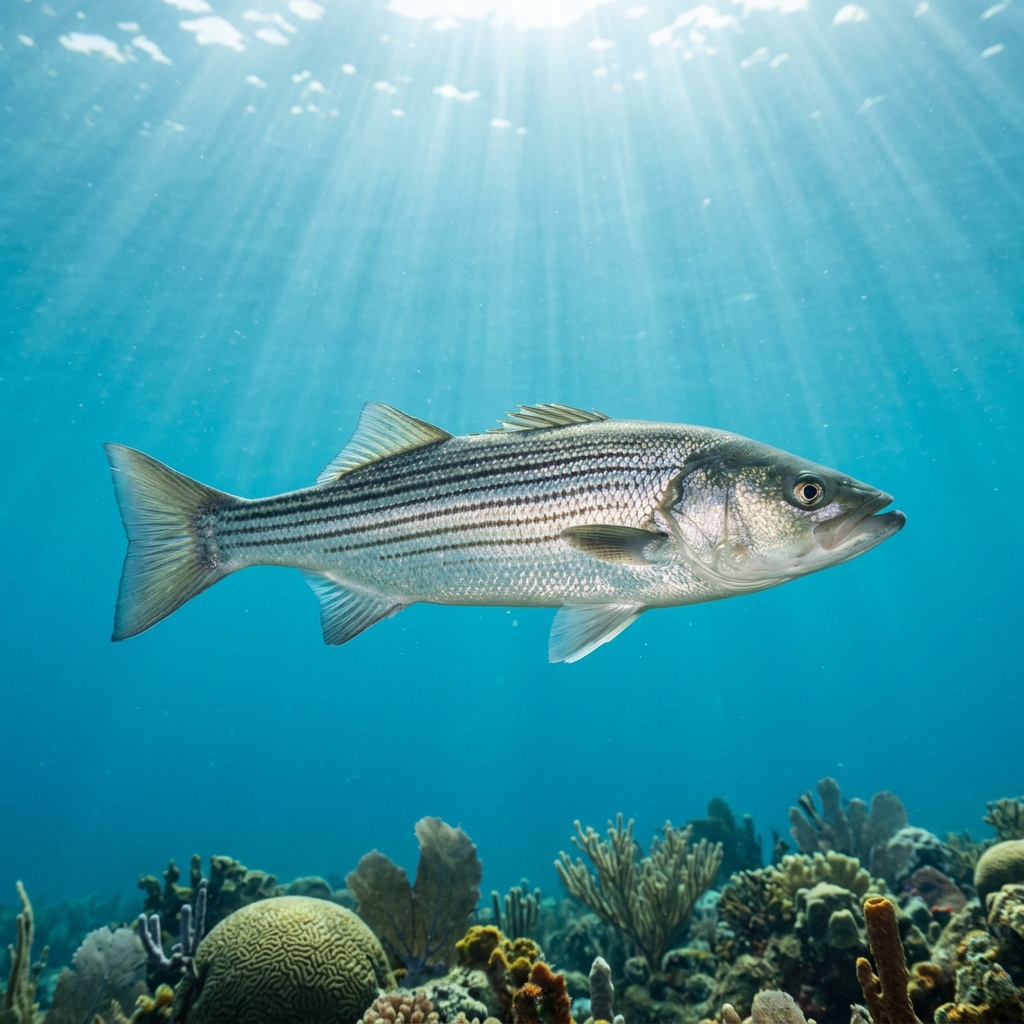
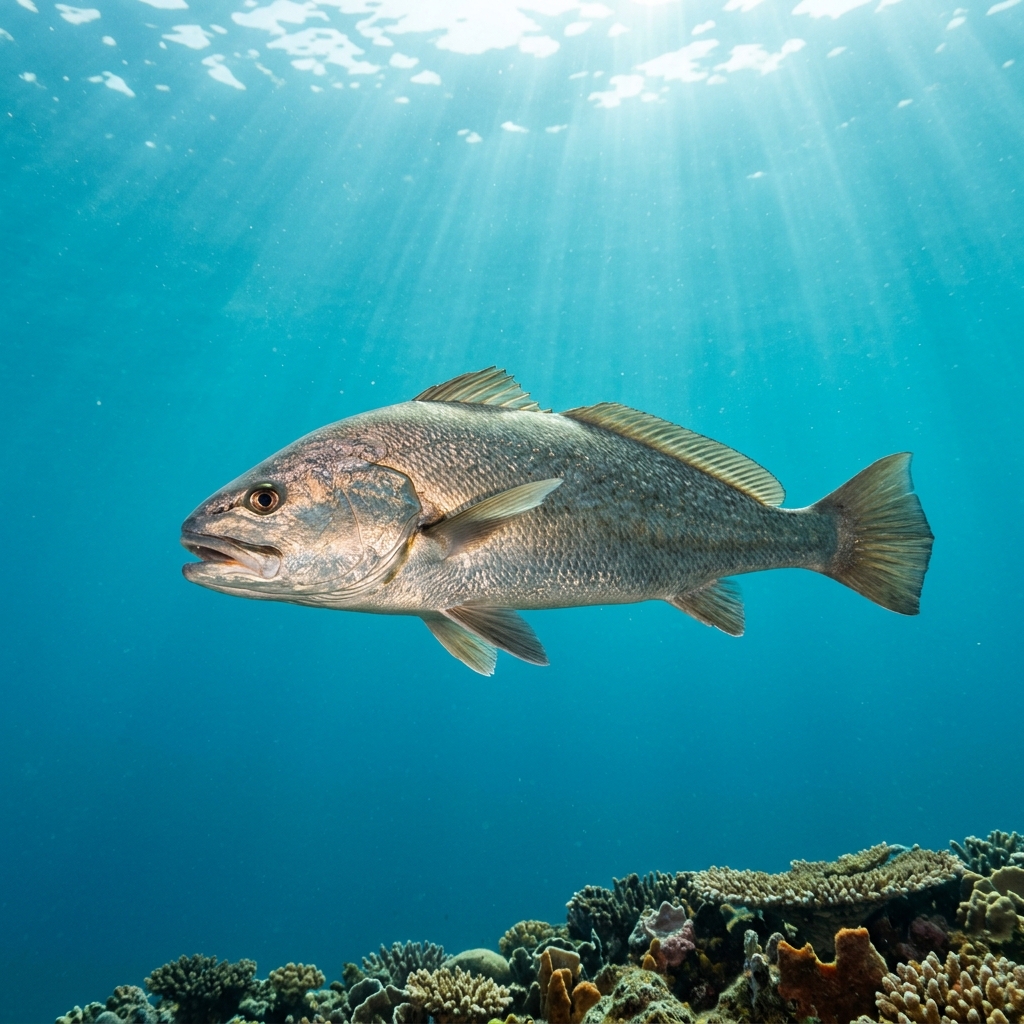
Blue moki have a deep, laterally flattened body that reads slate-grey to blue-grey underwater, often with faint darker banding across the flank. The snout is elongated and slopes down to a small, low-slung mouth built for picking at the bottom, a good tell against reef fish with upturned or terminal mouths. At up to 56 cm they are a solid mid-sized presence over rocky reef and rubble, usually seen hanging close to structure rather than out in open water.
Divers typically find blue moki working low over rocky reef and rubble patches, nose down as they probe the bottom for food rather than cruising in open water. They tend to hold near cover and can be flighty around close approaches, so most encounters are brief glimpses rather than extended interactions. Logged as rare to uncommon even at its best sites, so a sighting is more a bonus than a guarantee on any given dive.
That downturned, elongated snout is a feeding tool as much as an ID mark, built for rooting through sand and rubble for small invertebrates rather than picking prey off open rock faces.
Sightings don't show a strong seasonal pattern, and with a comfortable range of 10.6 to 17.4C it stays on these cool temperate reefs through the year, so any season is workable. Given how infrequently it's logged even at its best sites, patience matters more than timing.
Most sightings come from New Zealand, especially North Island sites, with a strong secondary population through South Island and the Subantarctic Islands. Across the Tasman it turns up on Tasmanian reefs and in smaller numbers off Victoria and South Australia, making the North Island of New Zealand and Tasmania the two most reliable places to look.
Mapping where Blue Moki is logged…
The best odds are on rocky reefs around New Zealand's North Island, with further sightings through the South Island and Subantarctic Islands. In Australia it shows up on Tasmanian reefs and less often off Victoria and South Australia.
There's no clear seasonal pattern in the sighting data, and the species tolerates a fairly wide 10.6 to 17.4C range, so it's present on these reefs year-round. Any time you're diving temperate New Zealand or Tasmanian reef is worth a look.
Look for a deep-bodied, slate-blue to grey fish with a distinctly elongated, downturned snout and small low mouth. It's usually seen hugging rocky reef or rubble bottom rather than swimming in open water.
Blue moki typically reach around 56 cm, making them a solid mid-sized fish on temperate reef compared to the smaller wrasses and triplefins sharing the same habitat.
No, they're logged as rare to uncommon even at the sites where they do turn up, so seeing one is a real highlight rather than an expected part of a dive.
Site and sighting data is aggregated from diver logs, iNaturalist and GBIF. For taxonomy and conservation status:
Meagre
1,159 sites