Nemadactylus douglasii
Blue morwong turn up on temperate reefs from New South Wales to North Island NZ, uncommon but steady in 14 to 22C water year-round.
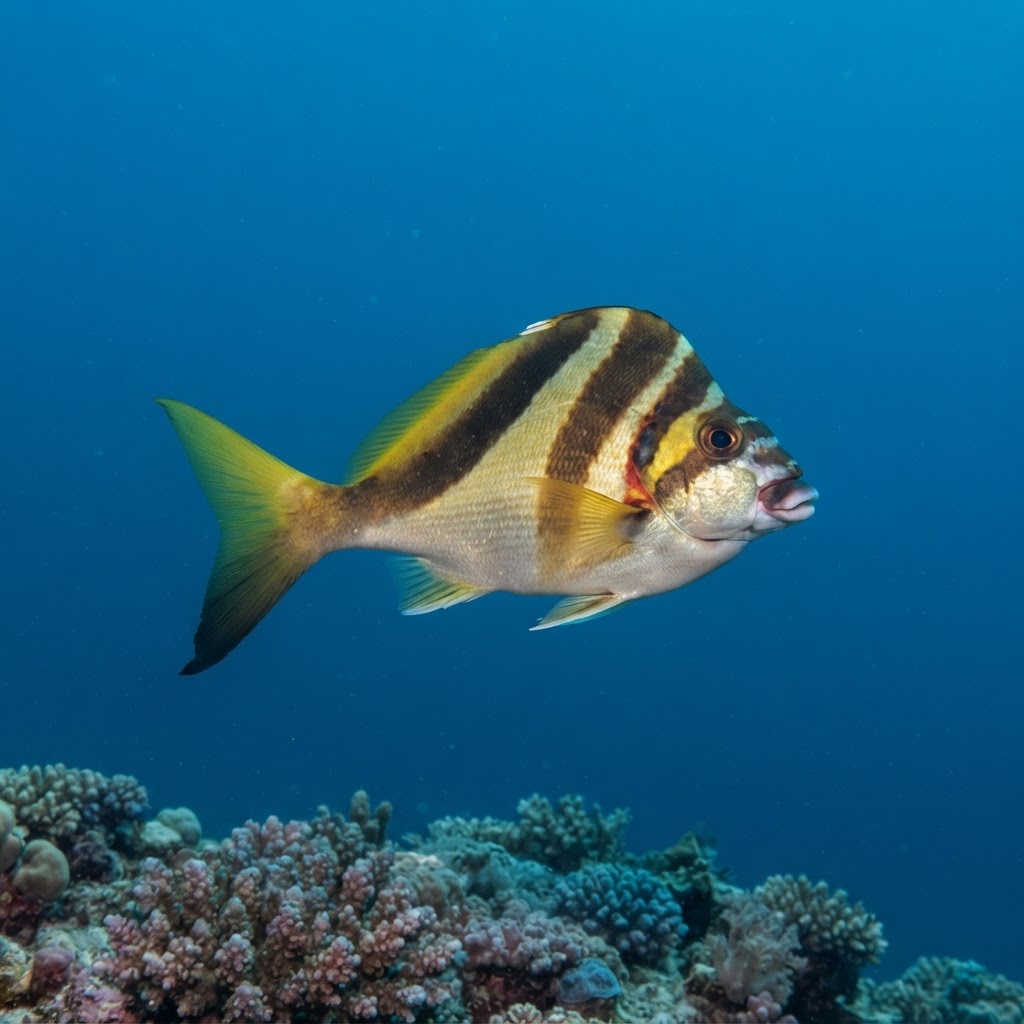
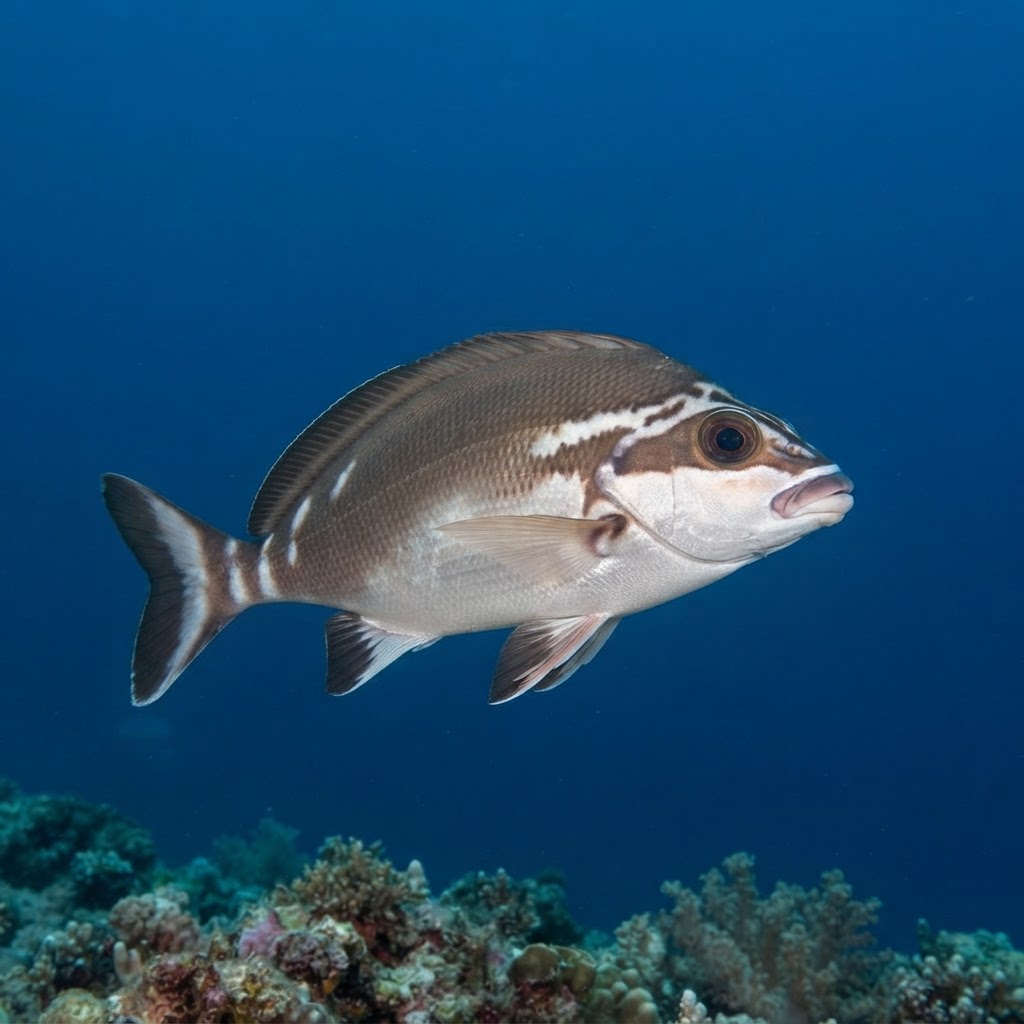
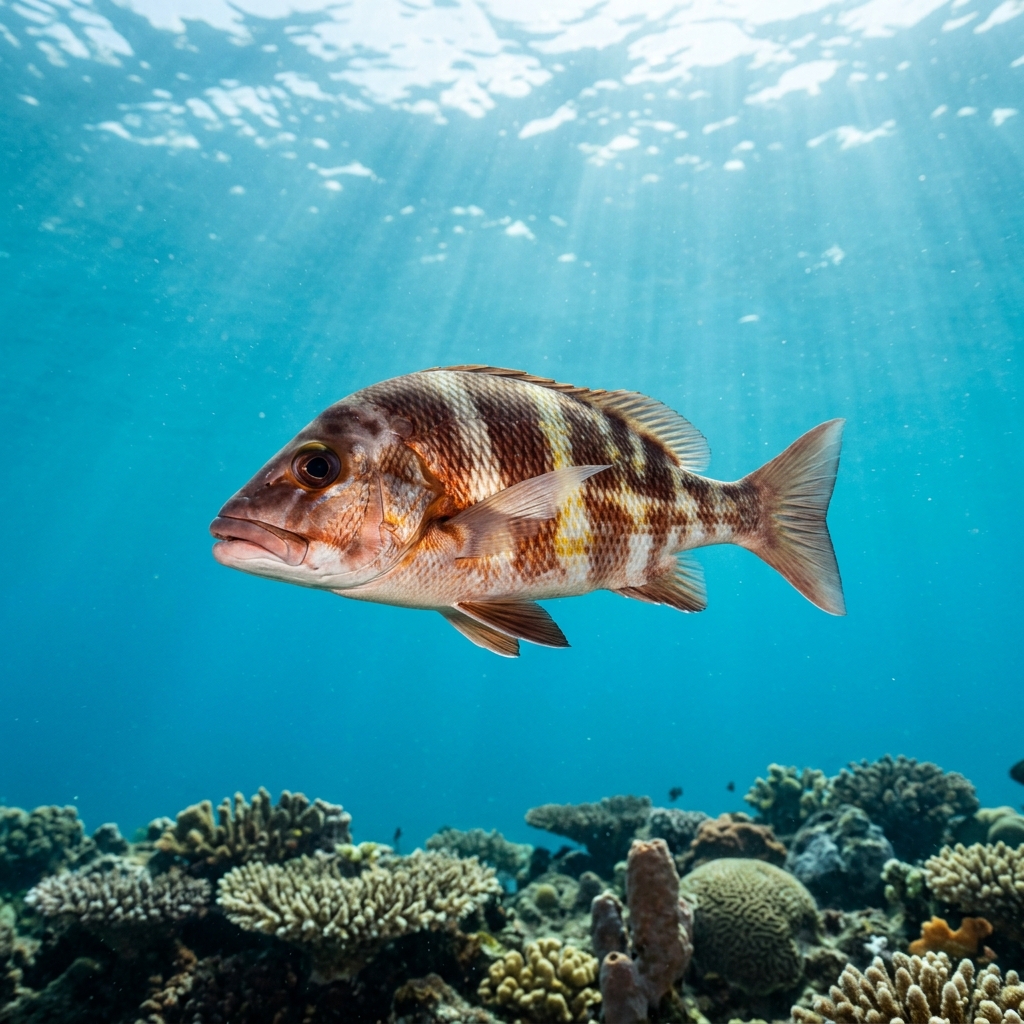
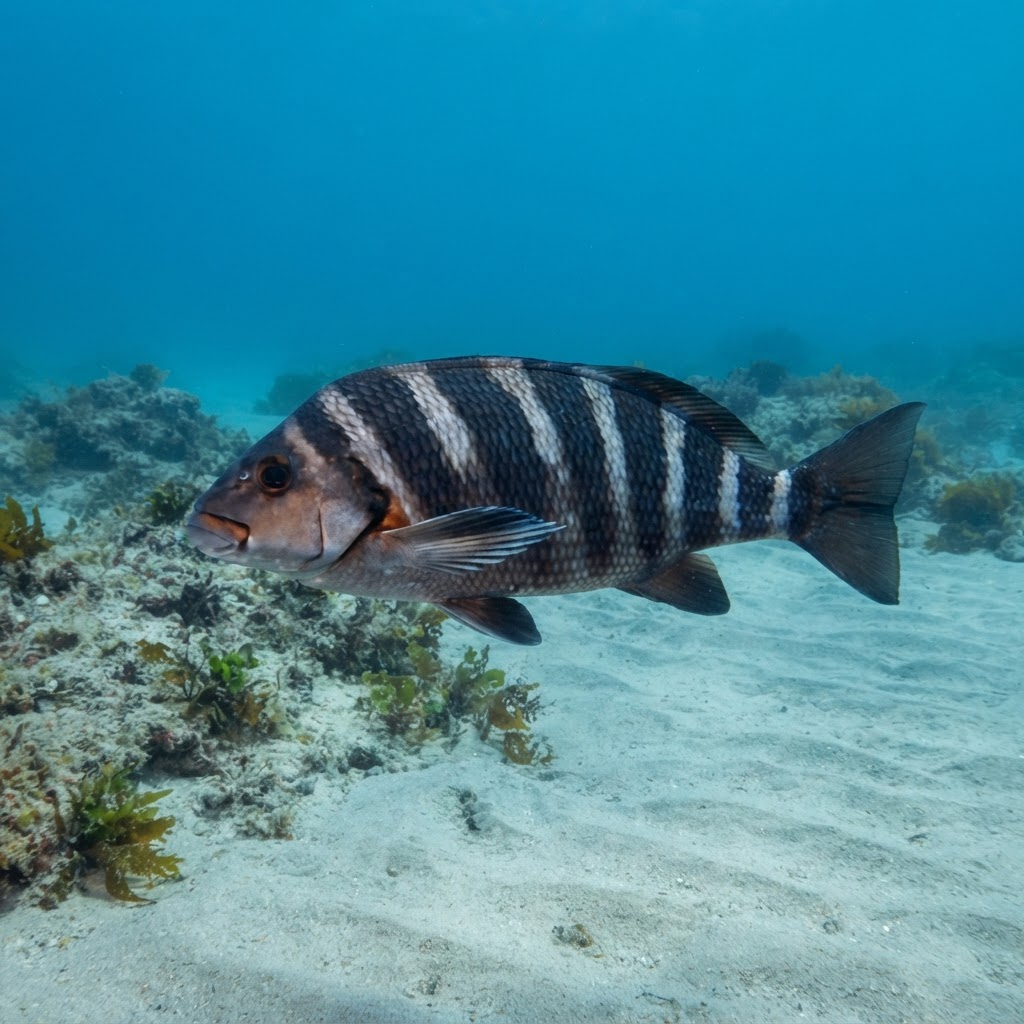
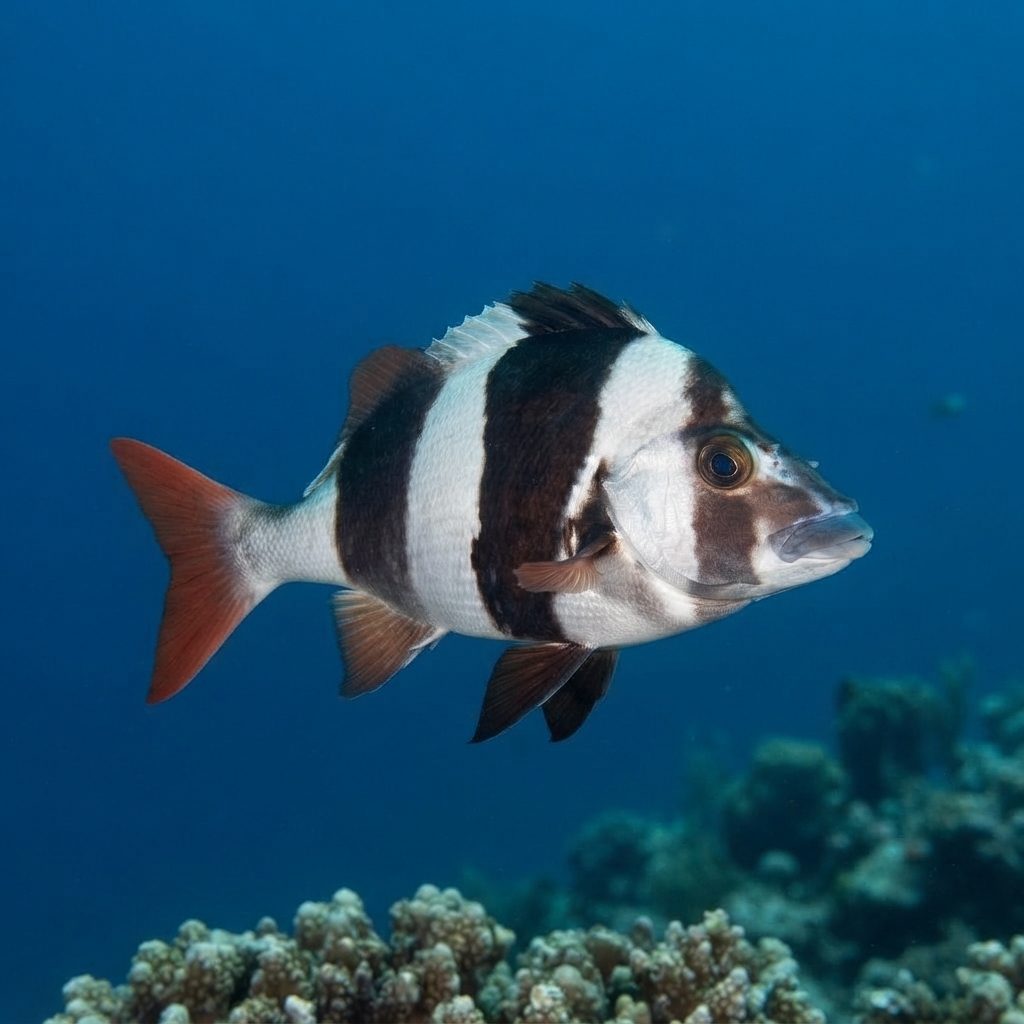
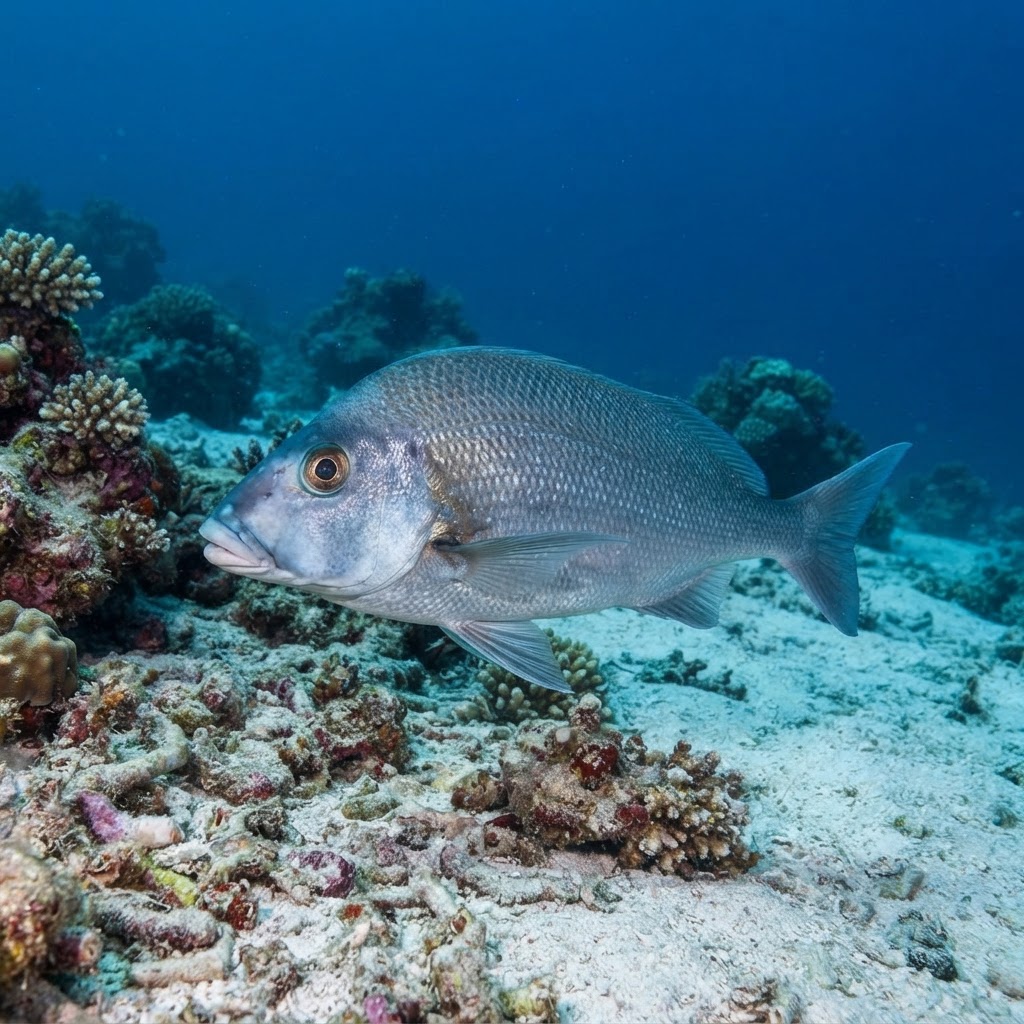
Look for a deep-bodied, laterally flattened fish around half a metre long with a silvery blue-grey body and a faint blueish sheen along the flanks. The snout is blunt and the lips fleshy, built for picking food off rock and rubble, and the dorsal fin runs long and low along the back. It usually holds itself close to reef structure rather than swimming in open water, which helps separate it from faster-moving pelagic look-alikes.
Divers most often find it hovering or slowly cruising near reef structure and rocky ledges, working the bottom for food rather than schooling in open water. It tends to hold a cautious distance from divers without bolting, making for unhurried but not especially close encounters. Most sightings come from typical daytime reef dives rather than any specific time of day noted in the data.
Its blunt snout and fleshy lips are built for grazing invertebrates off rock and rubble, which is why you'll usually spot it working the reef bottom rather than mid-water.
No clear seasonal pattern shows in the data, and with a comfortable range of roughly 14 to 22C it turns up on temperate reefs across the year rather than in a tight window.
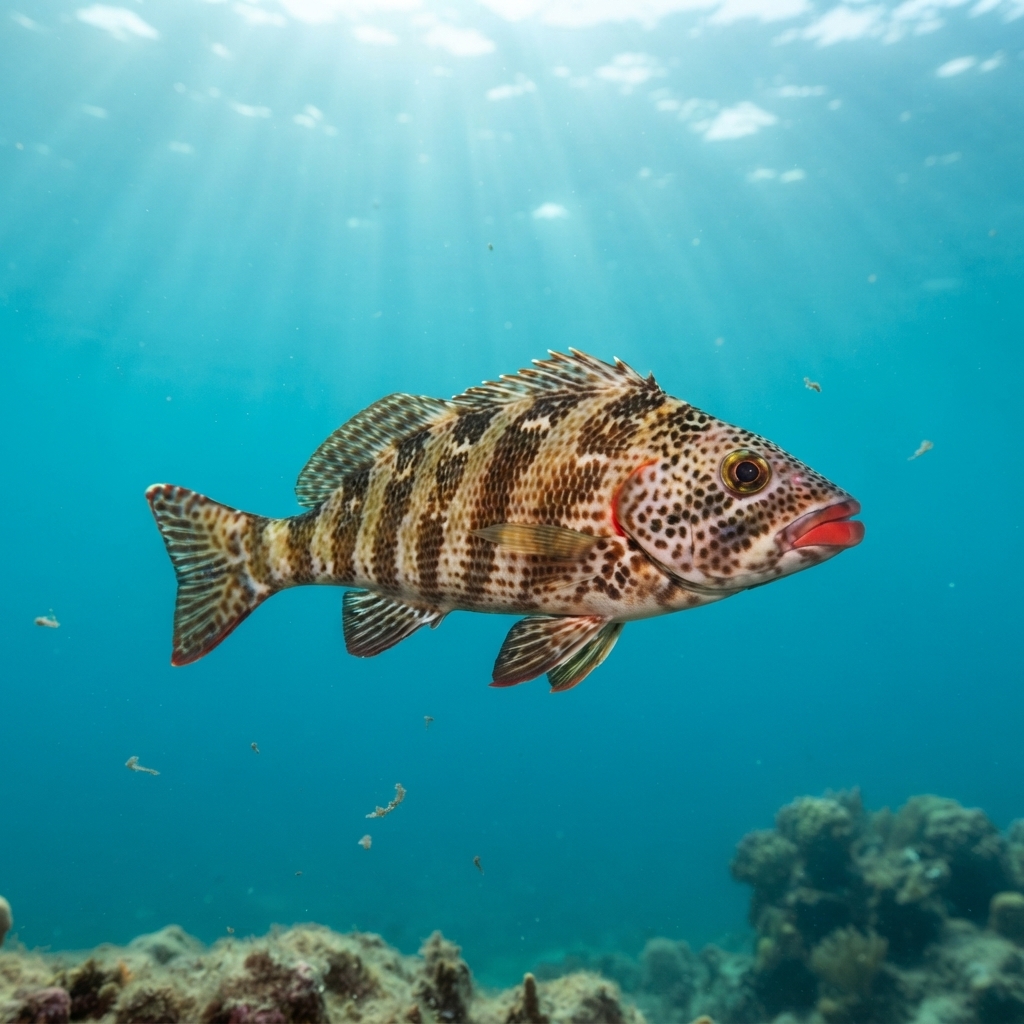
Reef neighbours a diver could mistake it for. Use the identification notes above to tell them apart.
New South Wales is the strongest bet by far, with reef and rocky headland sites right along the Australian coast producing the bulk of logged sightings. North Island, New Zealand is the other reliable region, and a smaller scatter of sightings comes from Tasmania.
Mapping where Blue Morwong is logged…
New South Wales, Australia is the strongest region, with a reliable spread of sightings along its rocky reefs. North Island, New Zealand is the other consistent area, and Tasmania adds a smaller number of sites.
There's no strong seasonal signal in the sighting data, so they're considered a year-round find on temperate reefs within their 14 to 22C comfort range.
Look for a deep, flattened silvery-blue body around 56cm long, a blunt fleshy-lipped snout, and a long low dorsal fin. It's usually seen close to rock or reef structure rather than out in open water.
They typically reach around 56cm, a solid mid-sized reef fish rather than a small one, though they're not bulky in build.
No, they're not considered a risk to divers and simply go about grazing the reef bottom when you encounter one.
Site and sighting data is aggregated from diver logs, iNaturalist and GBIF. For taxonomy and conservation status:
Crested Morwong
172 sites