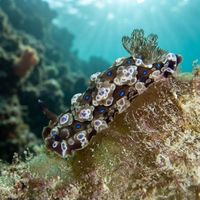
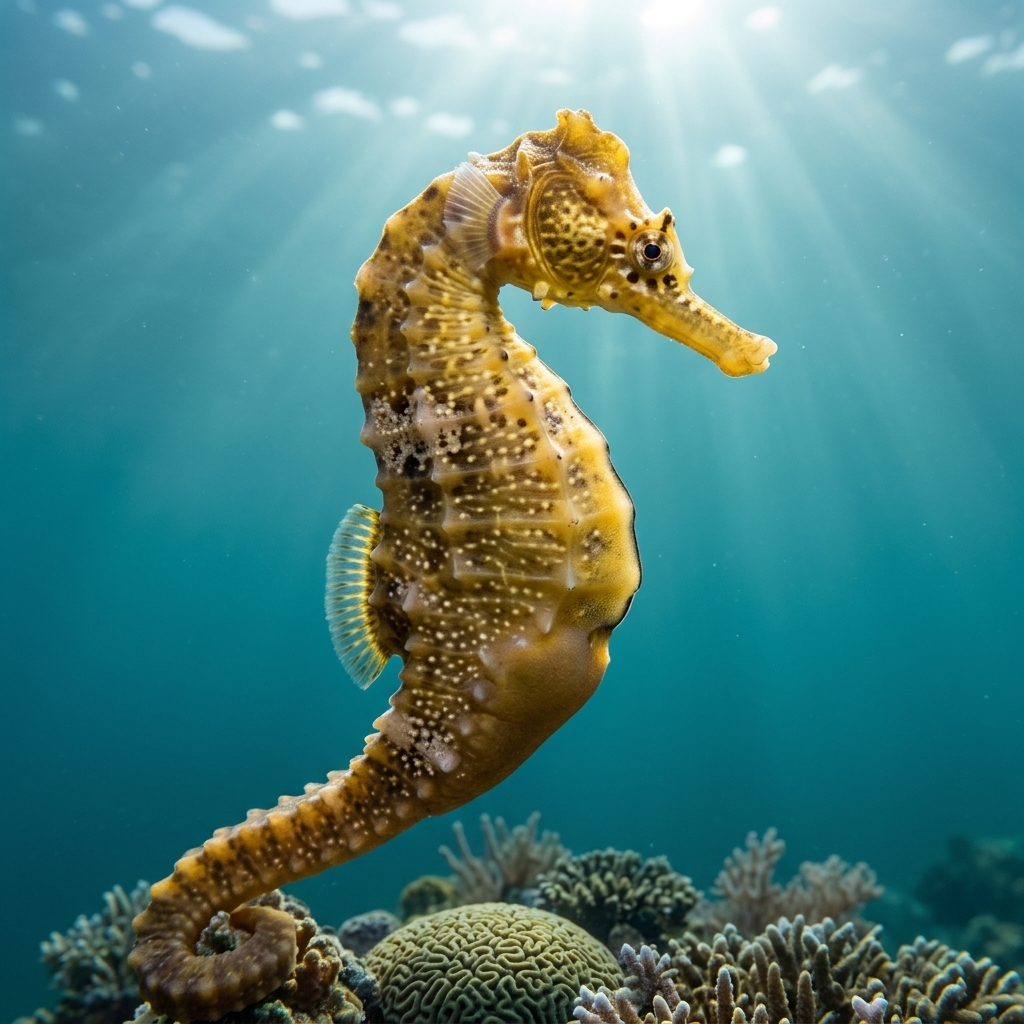
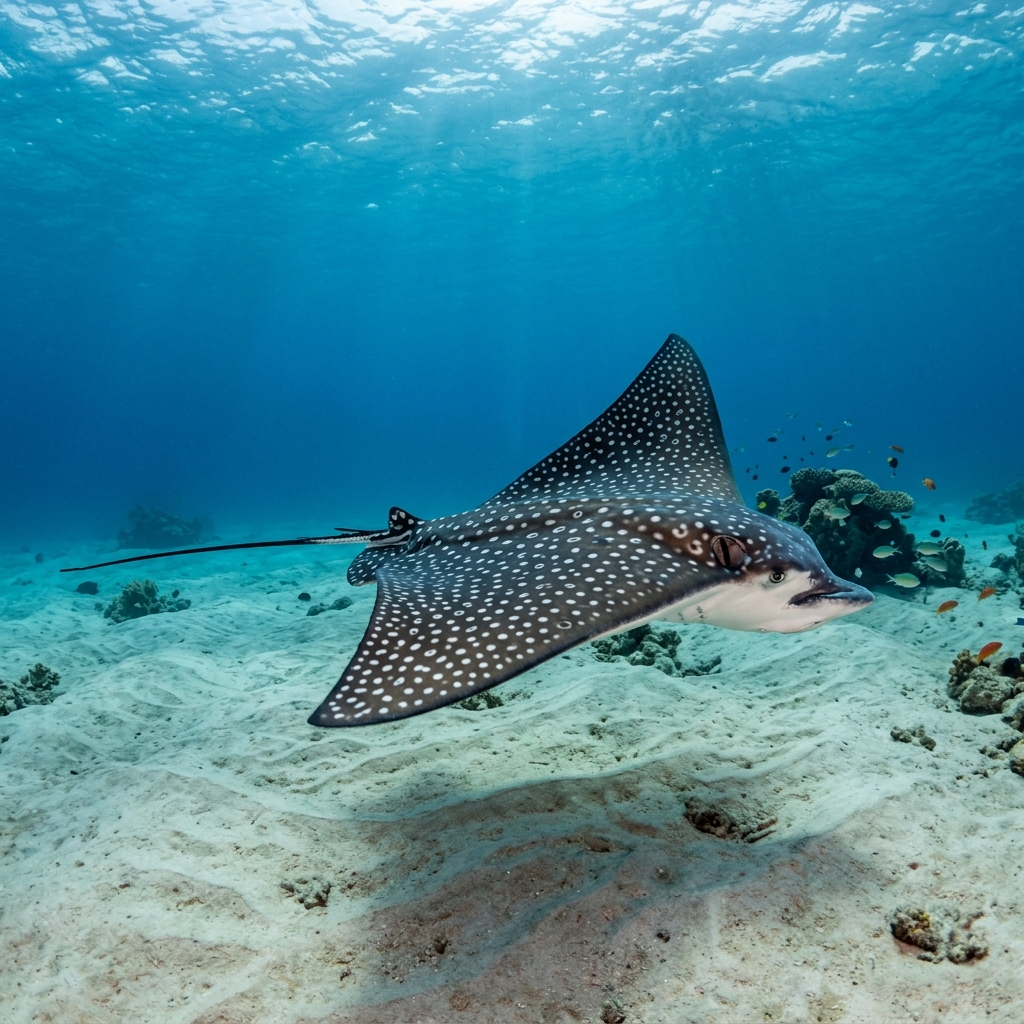
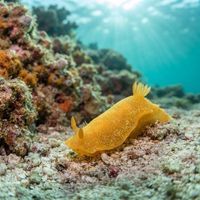
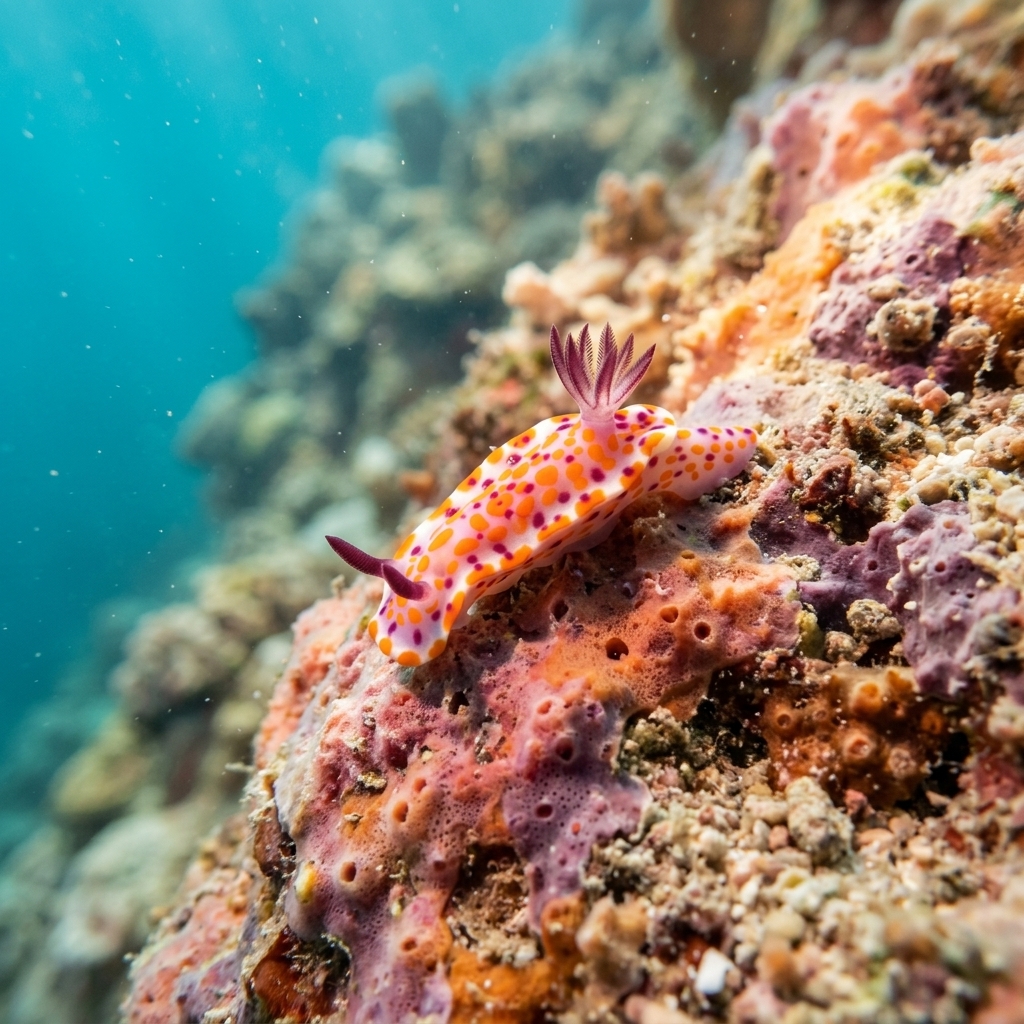
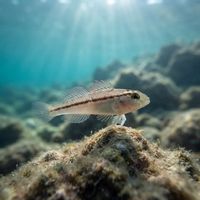
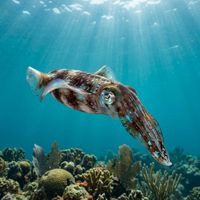
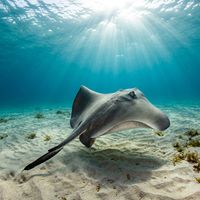
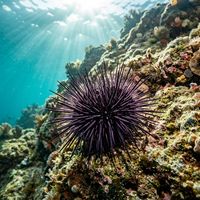
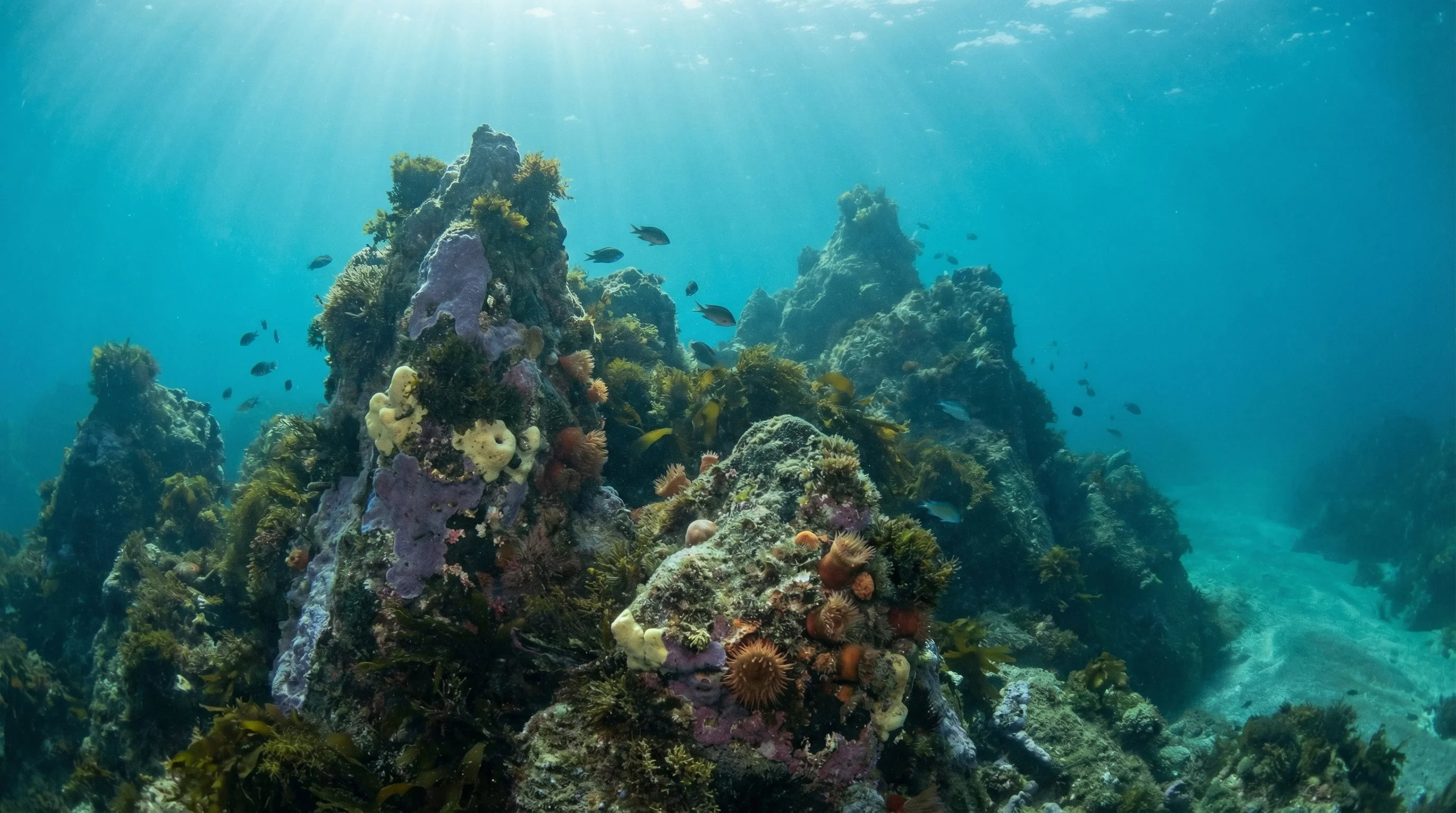
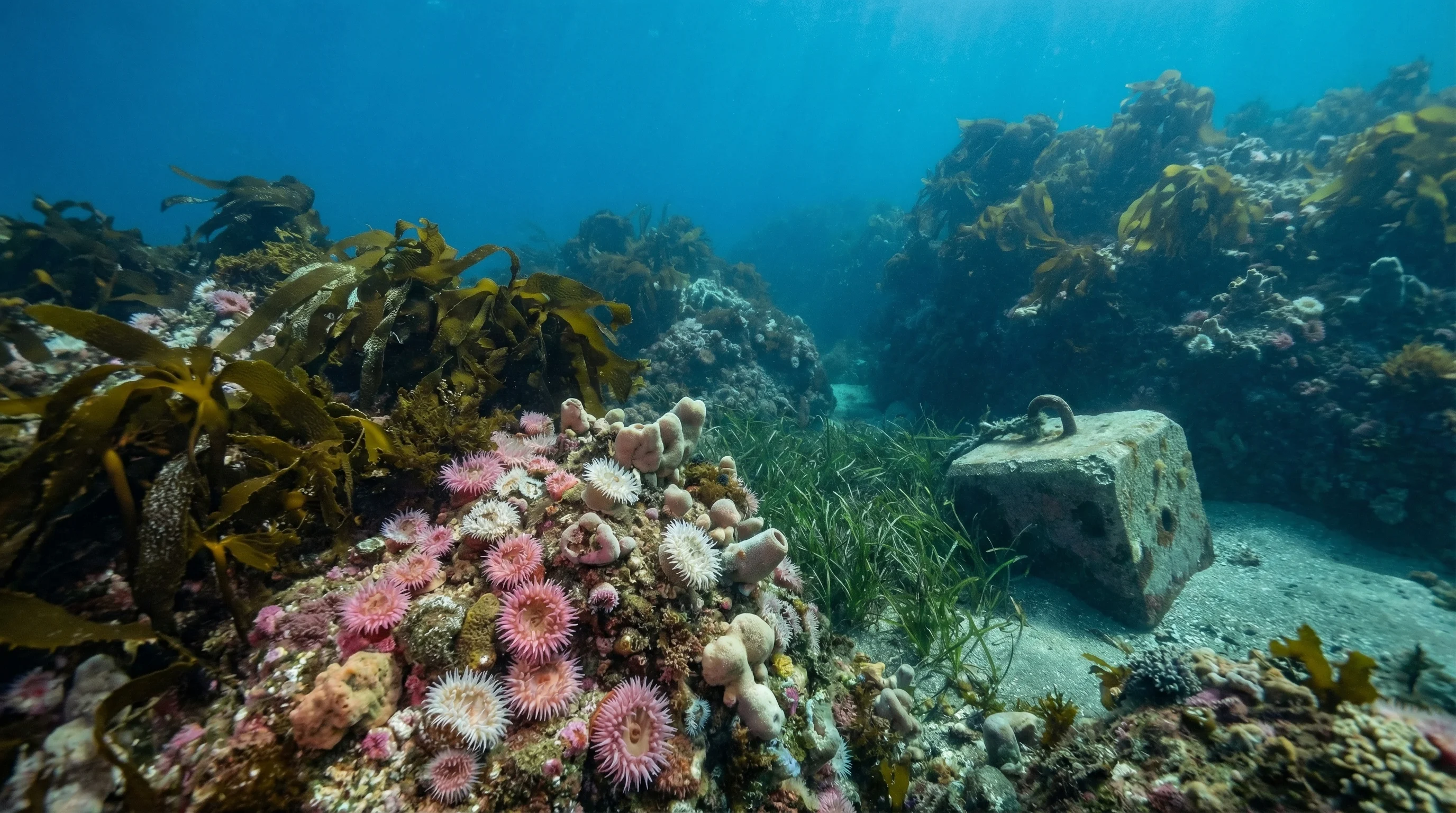
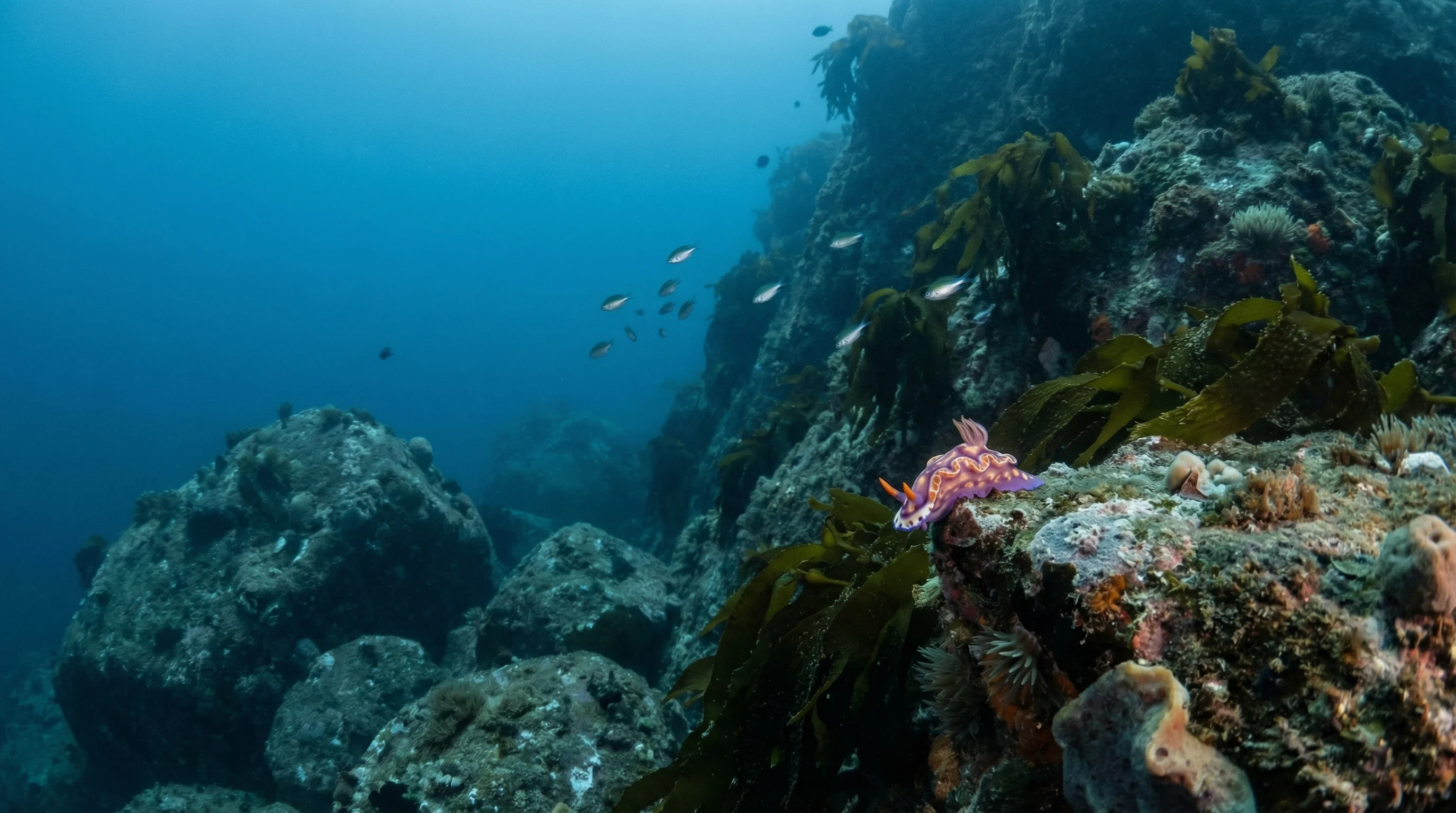
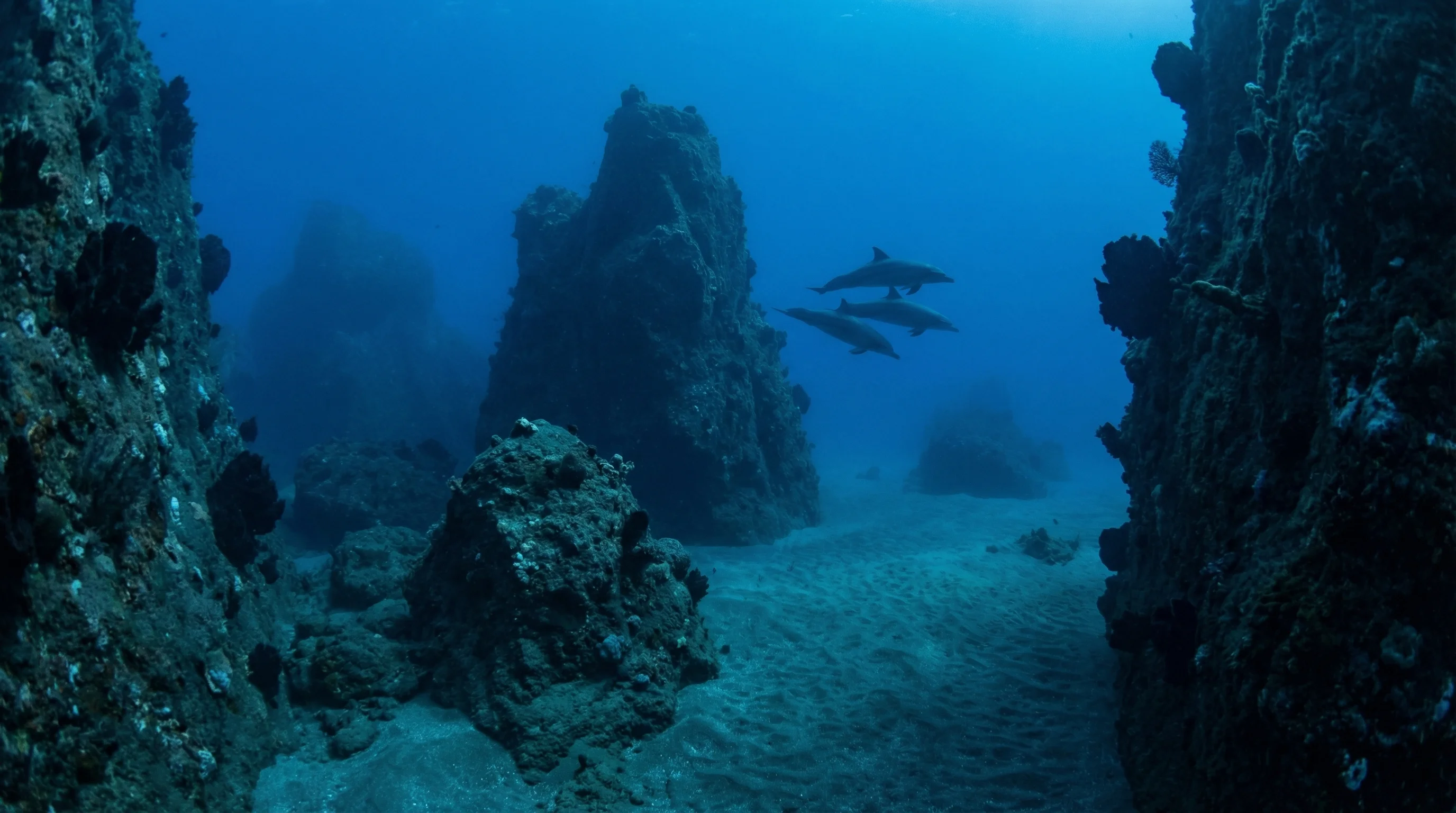
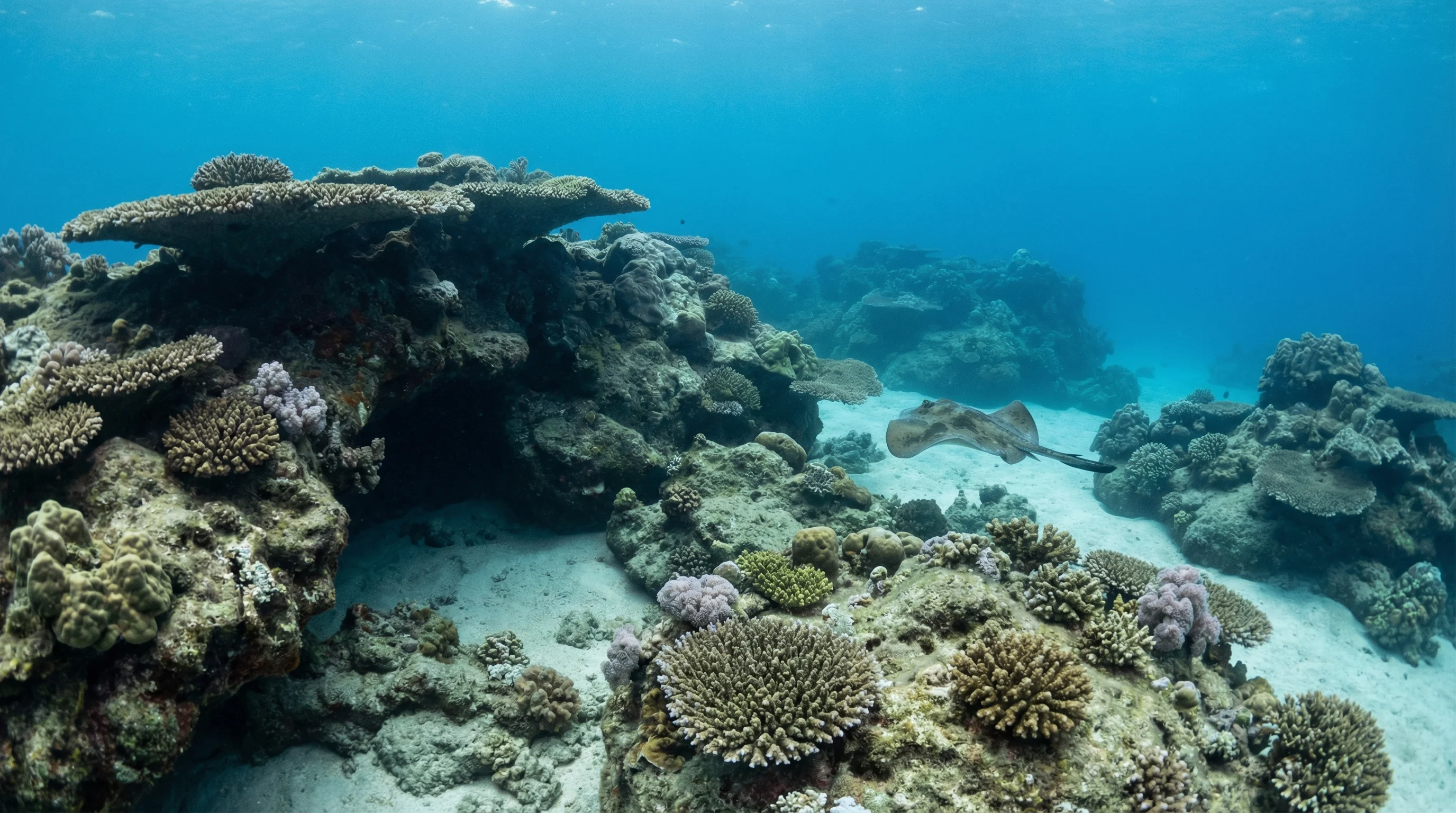
Leigh and Goat Island is defined by reef and kelp forest diving, with a strong leaning toward shore entry and beginner-friendly depths. Wall sites add variety, and the species list leans heavily on nudibranchs, rays, and cephalopods. The Clown Doris, Lemon Nudibranch, and Dendrodoris Gunnamatta appear across most sites, while the Eagle Ray and Smooth Ray are consistent presences. The Pot-bellied Seahorse is the region's standout signature sighting.
Monthly water temperature across Leigh and Goat Island's sites, from satellite sea-surface data corrected for depth. The band shows the site-to-site spread.
Water temperatures peak through summer, from December into March, making these the most comfortable months for extended dives. A gradual cool-down through autumn and into winter brings temperatures to their lowest around mid-year, which suits those happy in thicker wetsuits. The best-months data clusters around December through April, reflecting both conditions and marine life activity.
11 operators

6 more sites to explore
Water temperature around Leigh and Goat Island ranges from about 15°C in July to 22°C in February, based on satellite sea-temperature data for its dive sites.
In the warm season (about 22°C) a 3mm full suit is comfortable in Leigh and Goat Island; in the coldest months (about 15°C) step up to a 7mm or semi-dry suit.
Fin maps 18 sites in Leigh and Goat Island (18 scuba diving sites and 3 snorkelling spots, with some suited to both).
Across Leigh and Goat Island's dive sites, February, March, April and December are most often reported as the best months to visit.
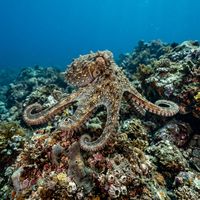
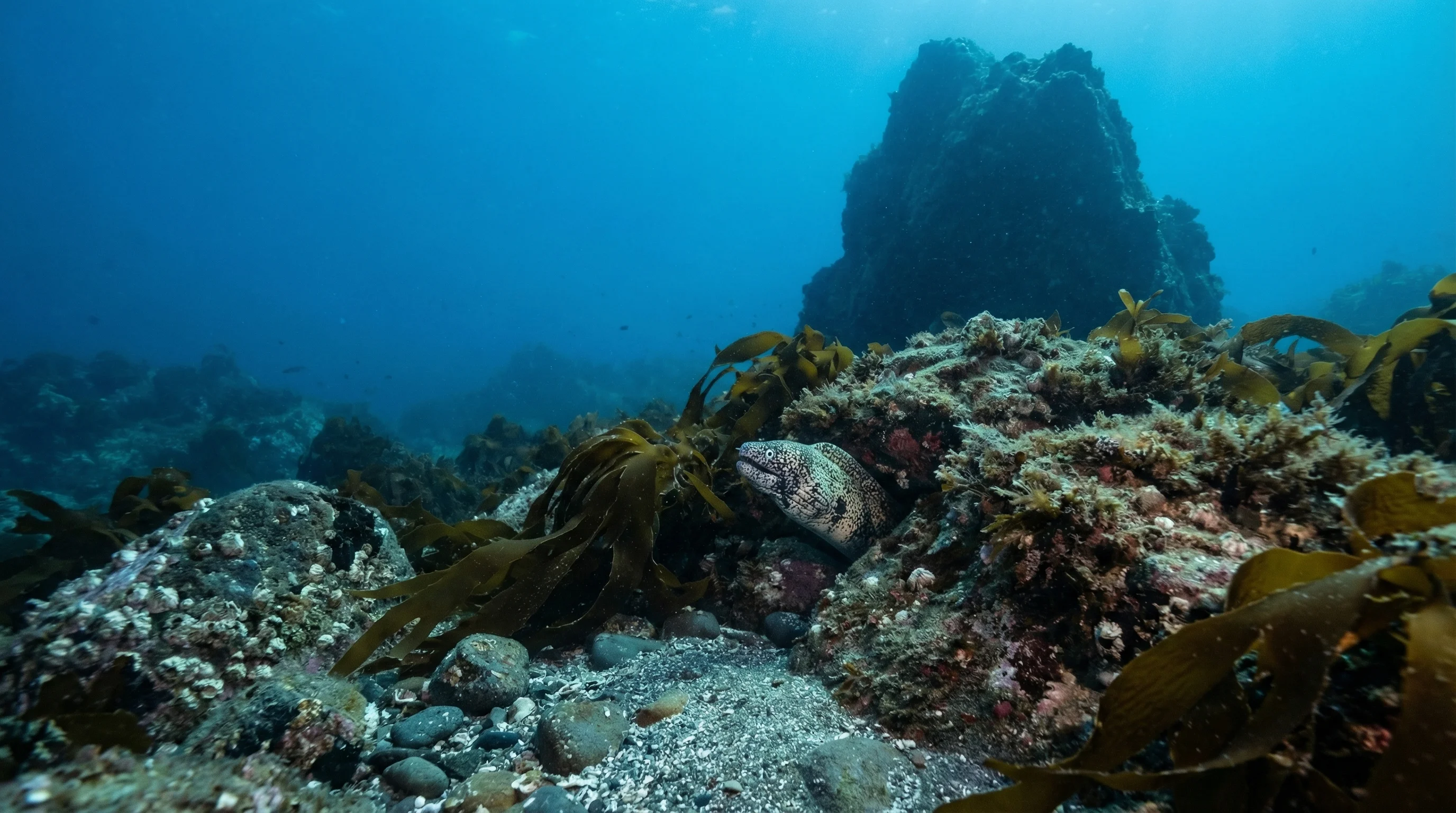
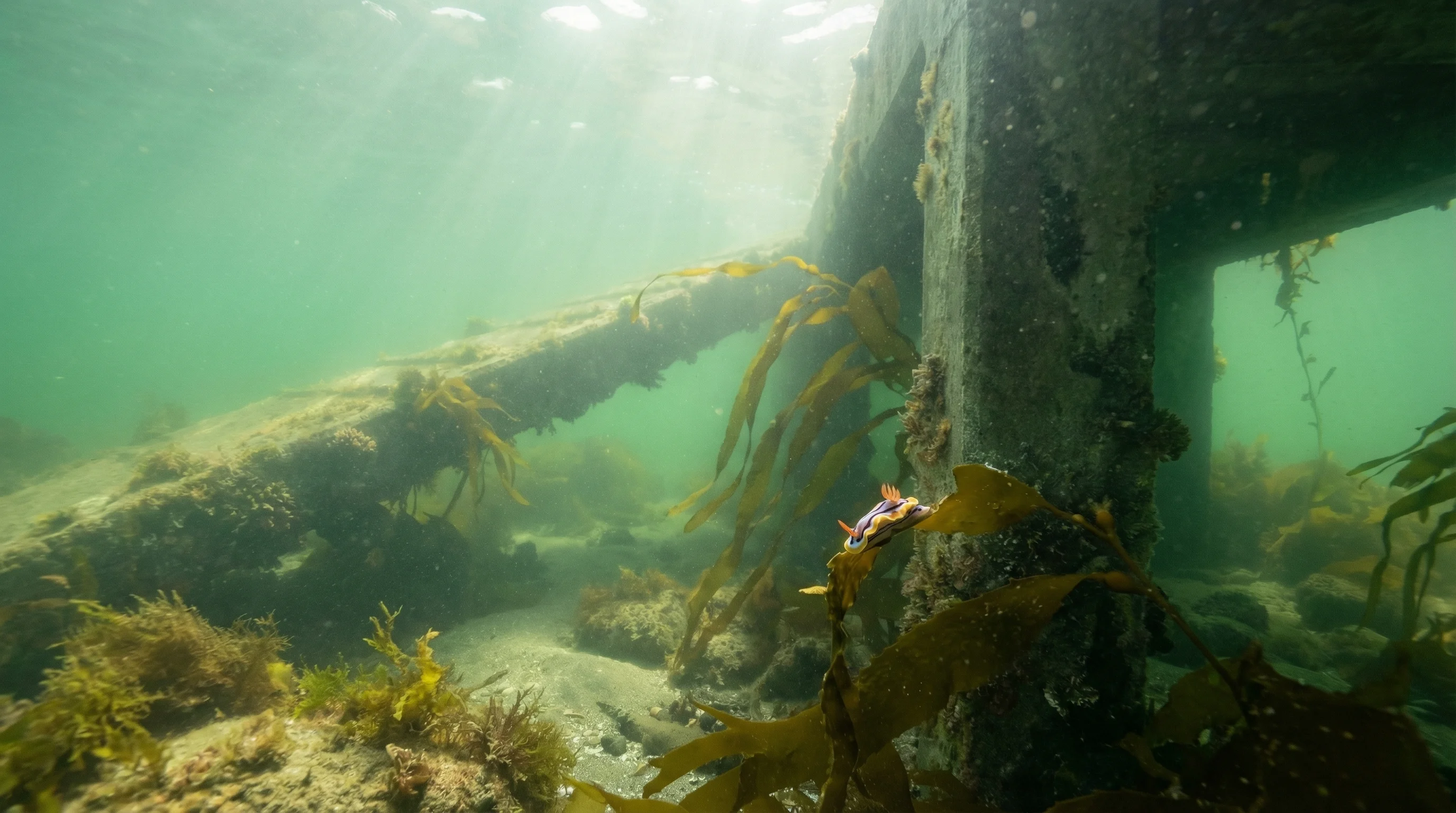
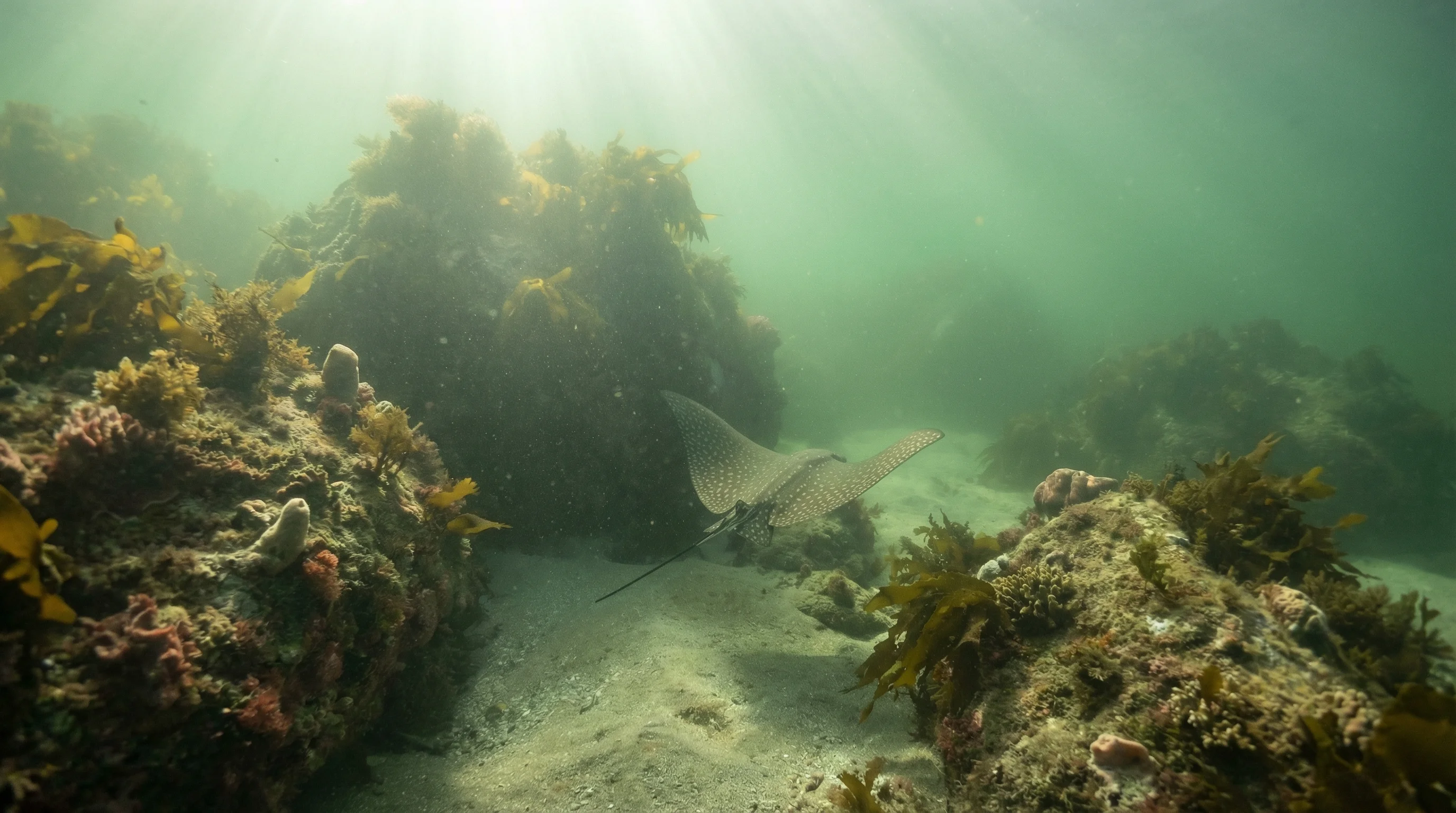
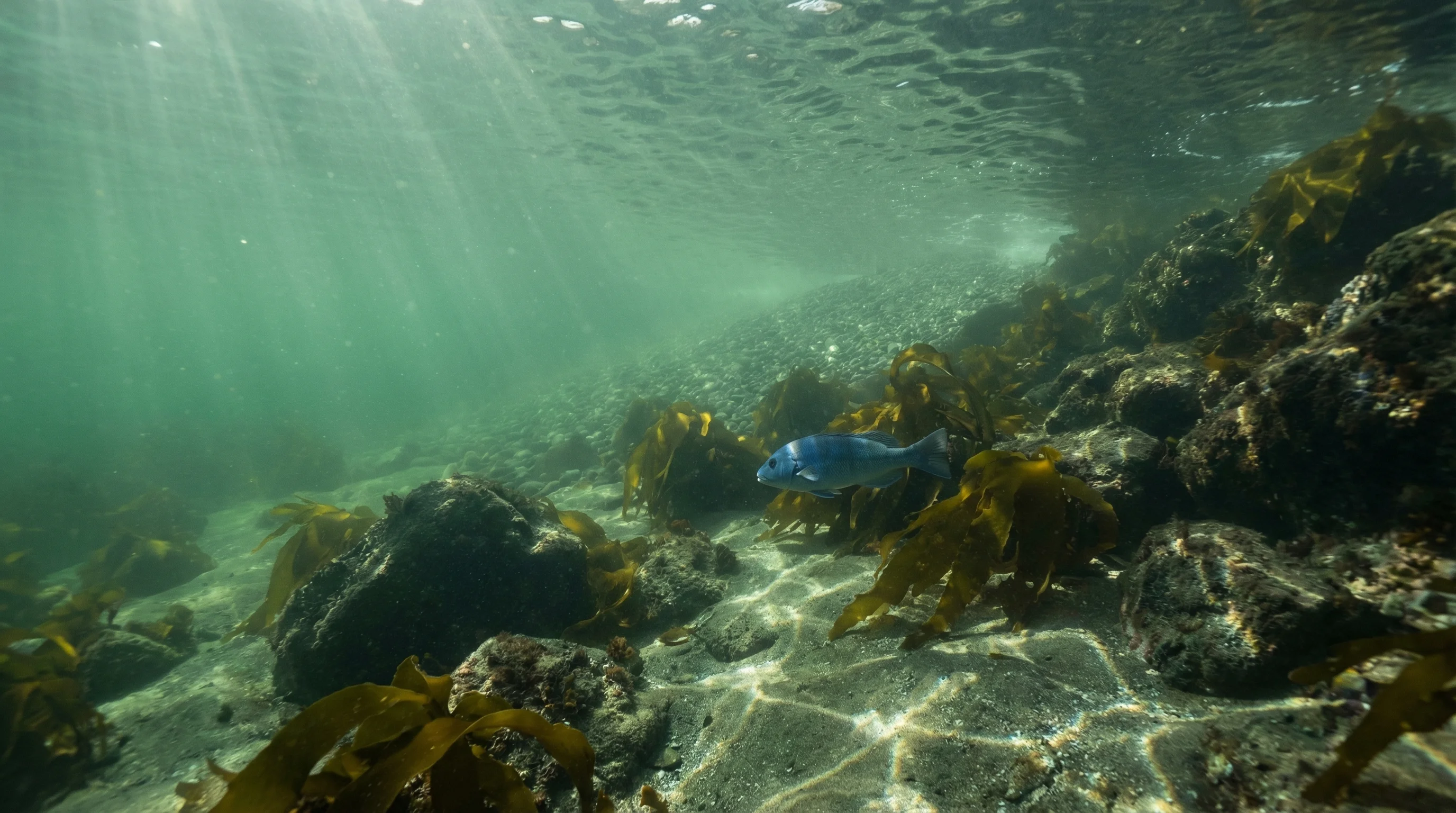
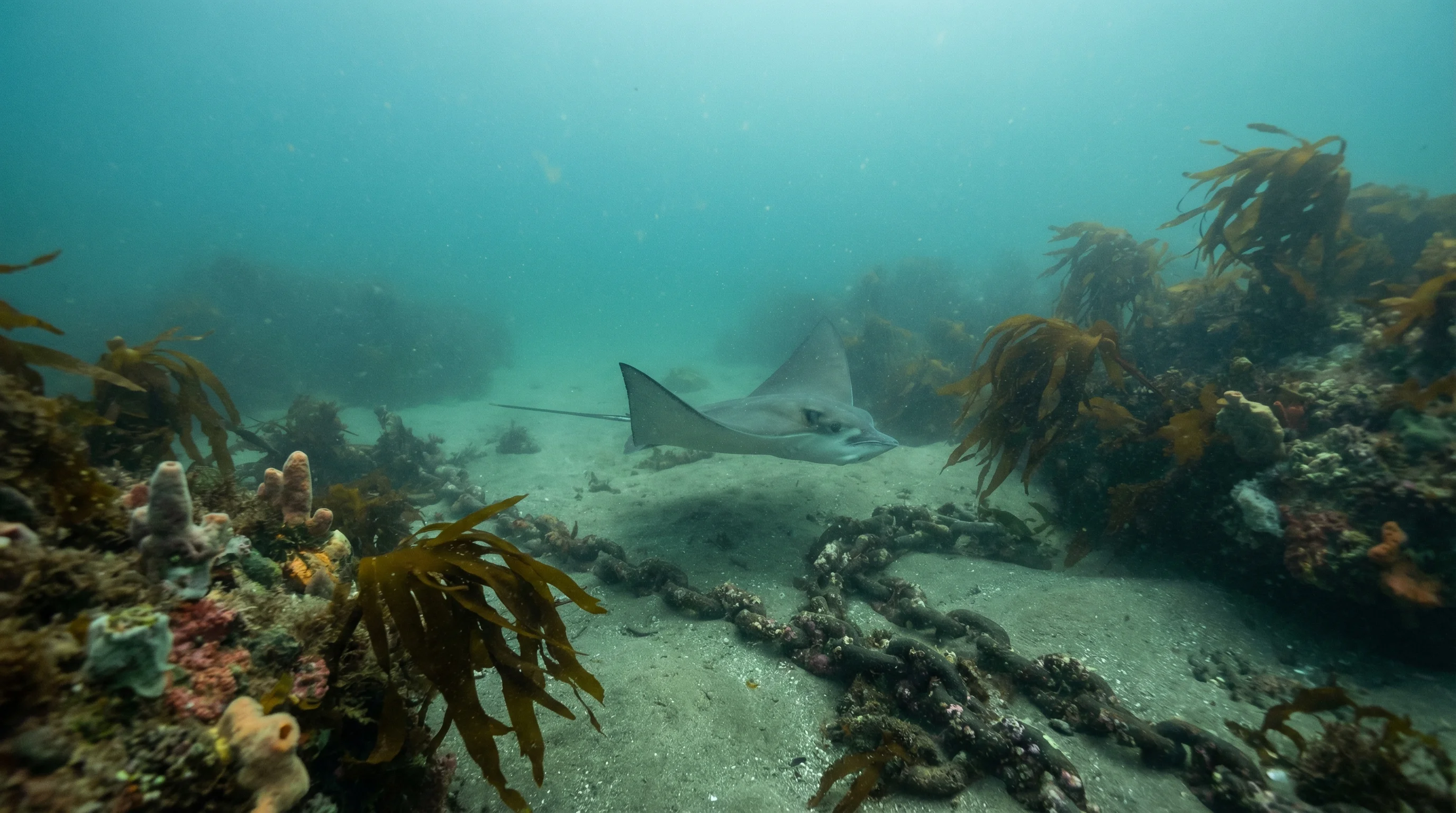
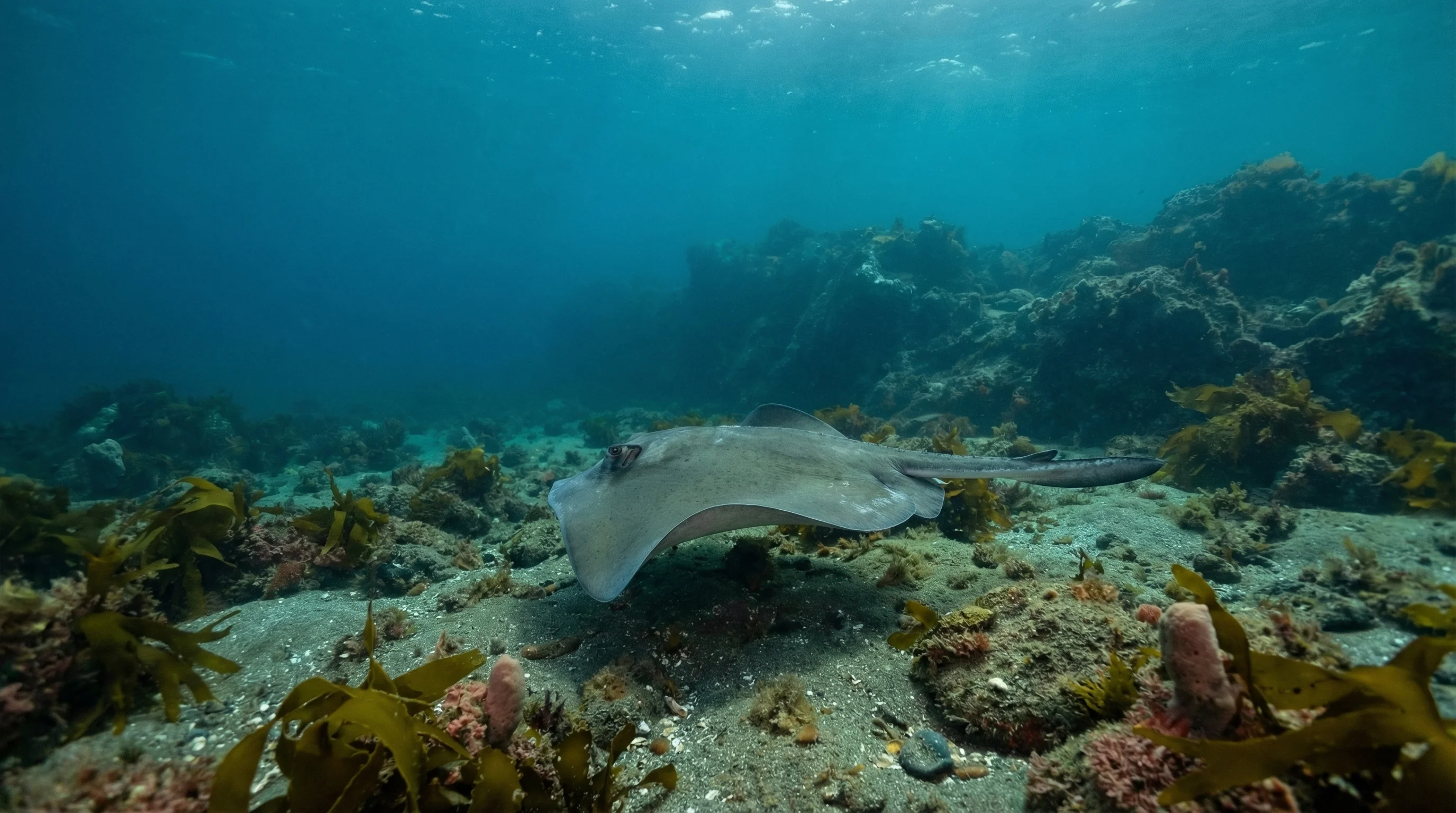
The region has a rich nudibranch scene, with the Clown Doris, Lemon Nudibranch, Dendrodoris Gunnamatta, and Grey Side-grilled Slug all observed across many sites. Rays are a highlight too, with the Eagle Ray and Smooth Ray both frequently sighted. The Pot-bellied Seahorse, Common Sydney Octopus, and Reef Squid round out some of the more distinctive encounters, alongside Sea Star and Brittle Star on almost every dive.
The majority of sites in Leigh and Goat Island are rated beginner level, including popular spots such as Goat Island, Bream Head, Ti Point, Jones Bay, and Wonderland. Several of these are shore-entry dives with shallow starting depths, making them well suited to those early in their diving journey. A small number of sites, such as Shears Rock and Fishermans Cove, are rated intermediate and offer a natural progression.
Shore entry is the dominant access type here, giving divers considerable flexibility without needing to arrange a boat. Sites like Goat Island, Matherson Bay, Bream Head, and Wonderland are all shore accessible. Boat-only sites such as Outpost, Shears Rock, and Penguin Point tend to offer wall and deeper reef profiles, and operators including Goat Island Dive and Snorkel, Global Dive, and Auckland Scuba Dive can arrange access.
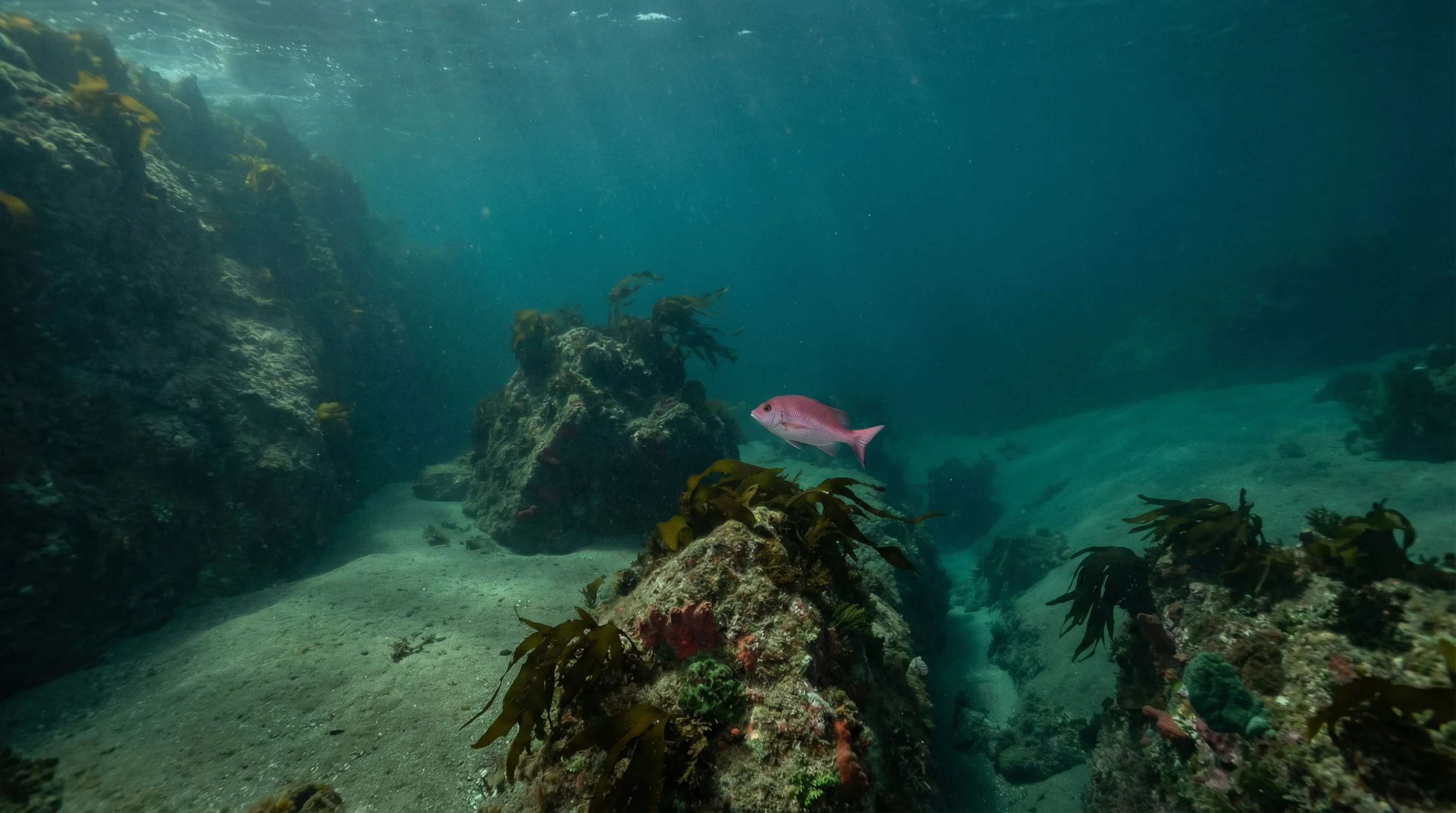
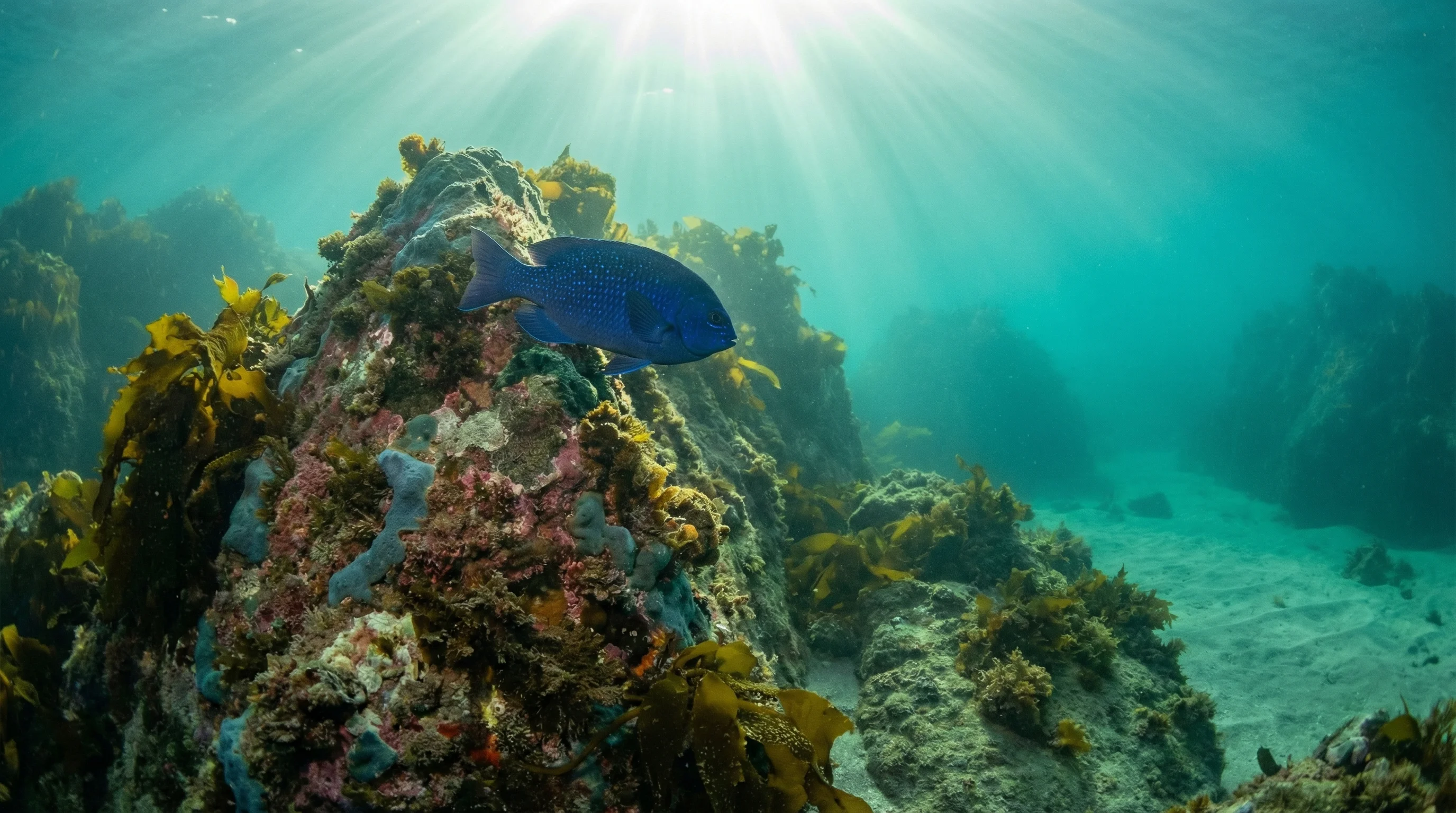
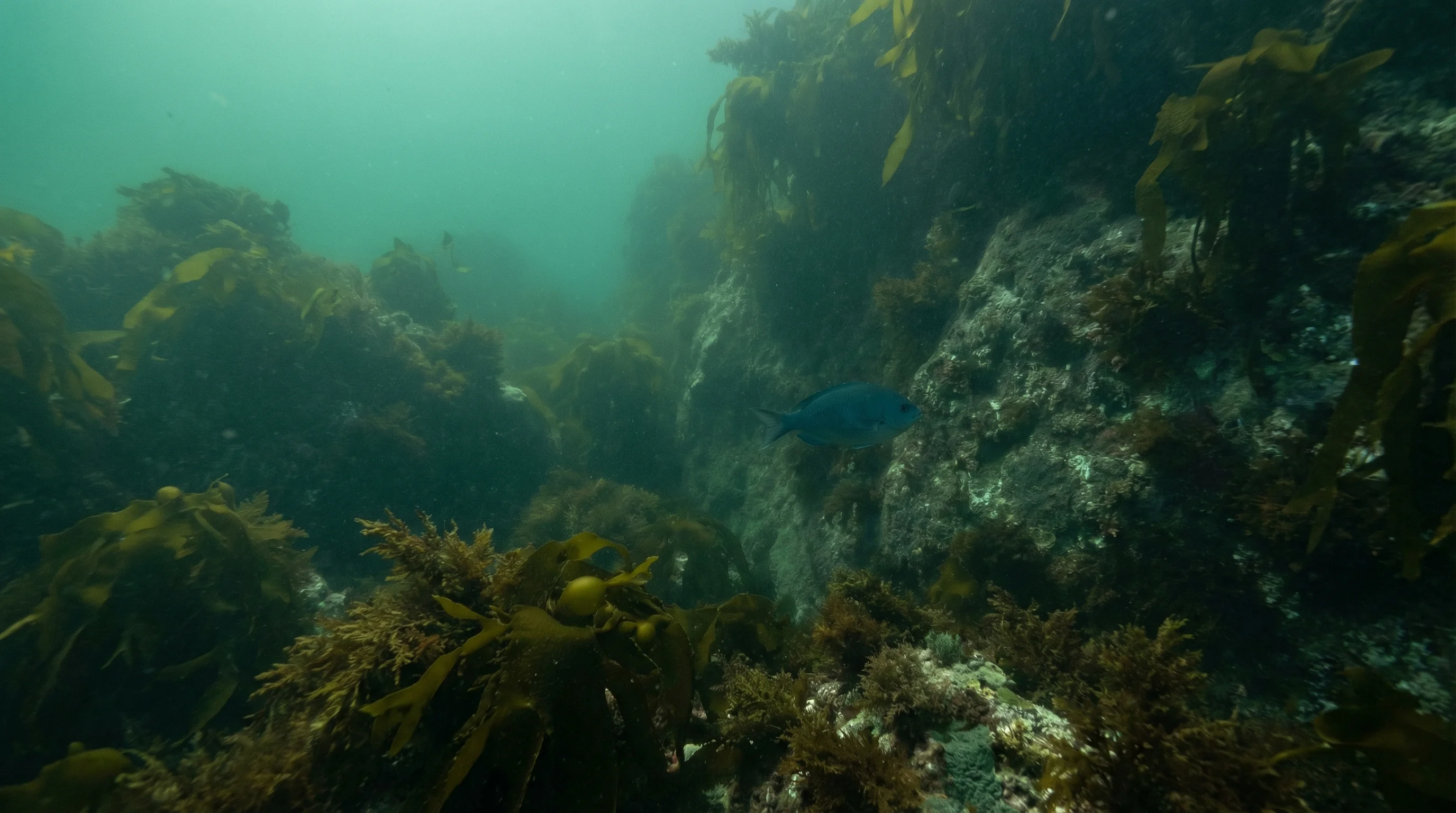
Kelp forest and natural reef make up the backbone of the diving here, appearing across sites from Goat Island to Matherson Bay. Wall diving is also well represented, with Outpost, Little Wooden Island, and Wonderland all featuring drop-off structure alongside their reef areas. Ti Point adds an artificial reef element, while Jones Bay offers a gentler sandy and reef mix suited to relaxed exploration.