Tambja tenuilineata
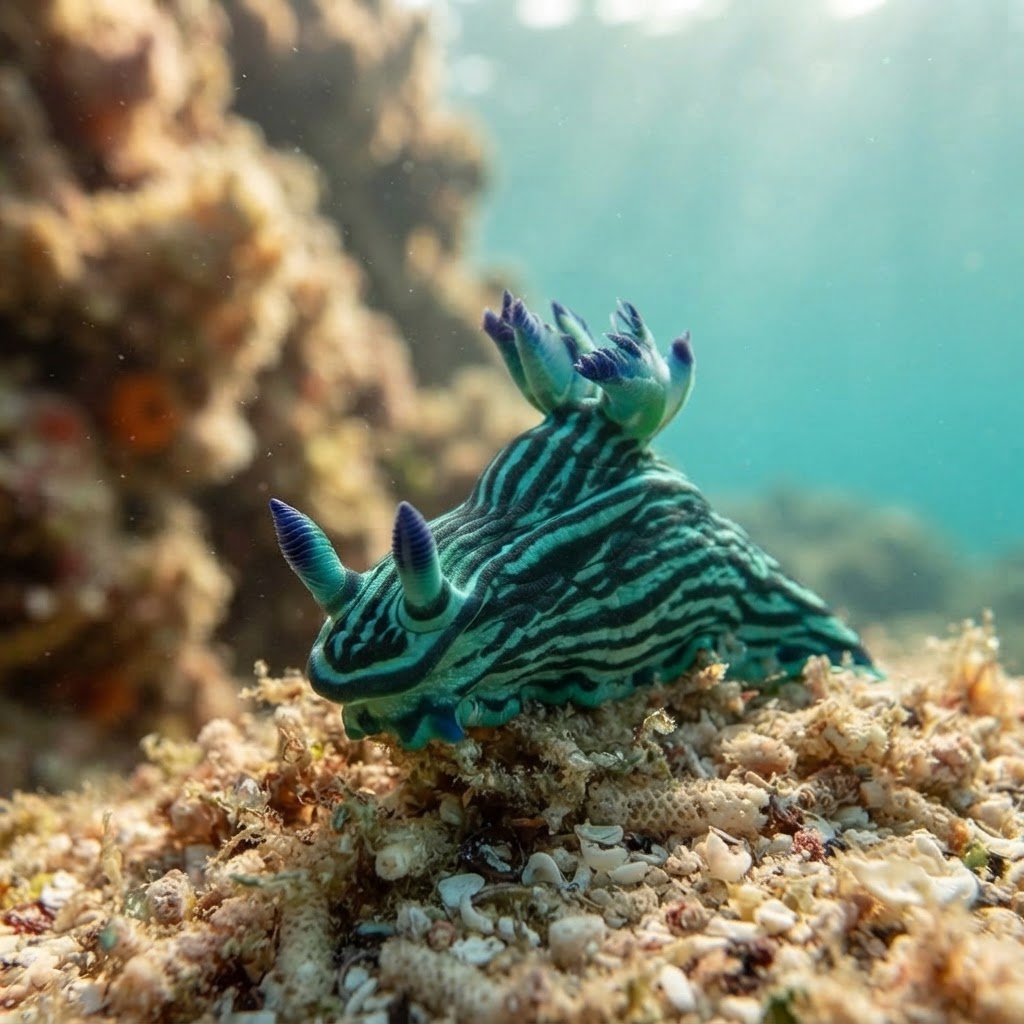
A green nudibranch with fine dark lines, most reliably logged on North Island, New Zealand reefs in 16.5-22.5C water.
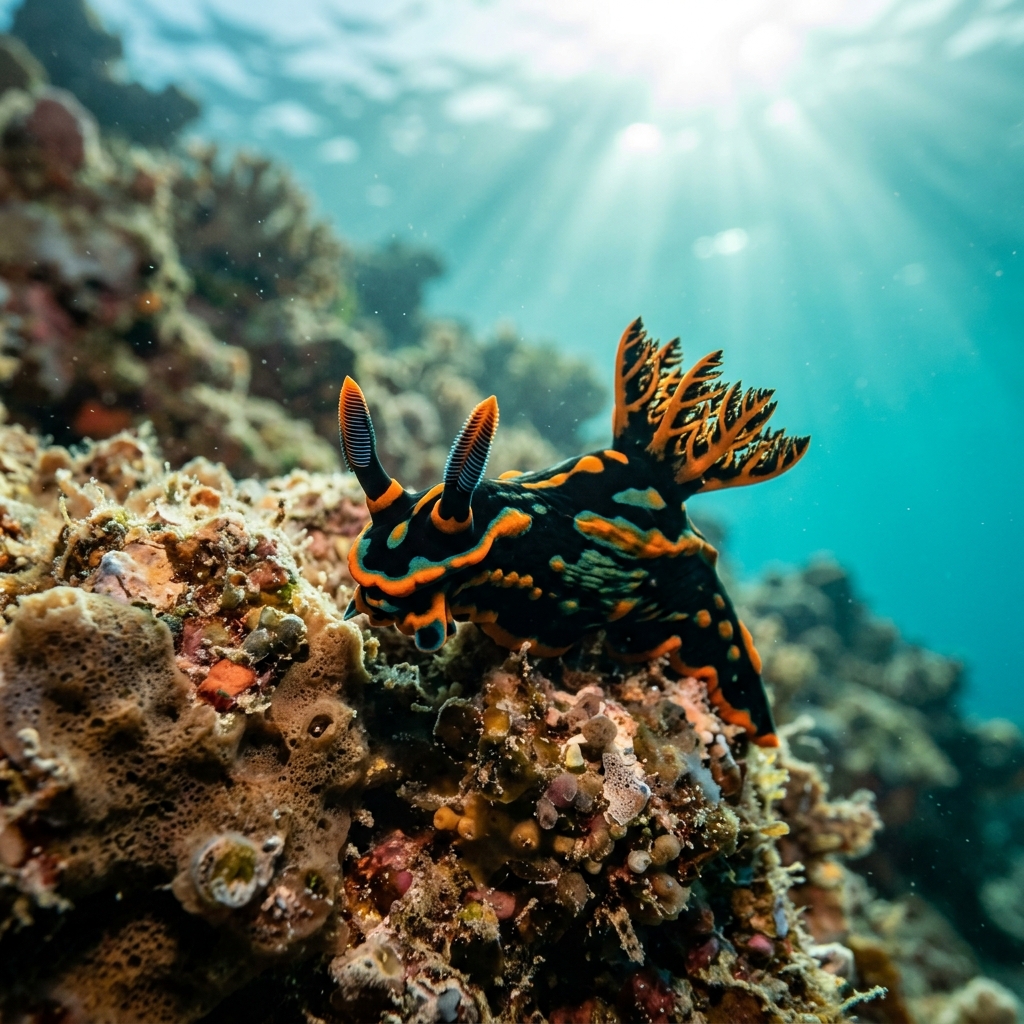
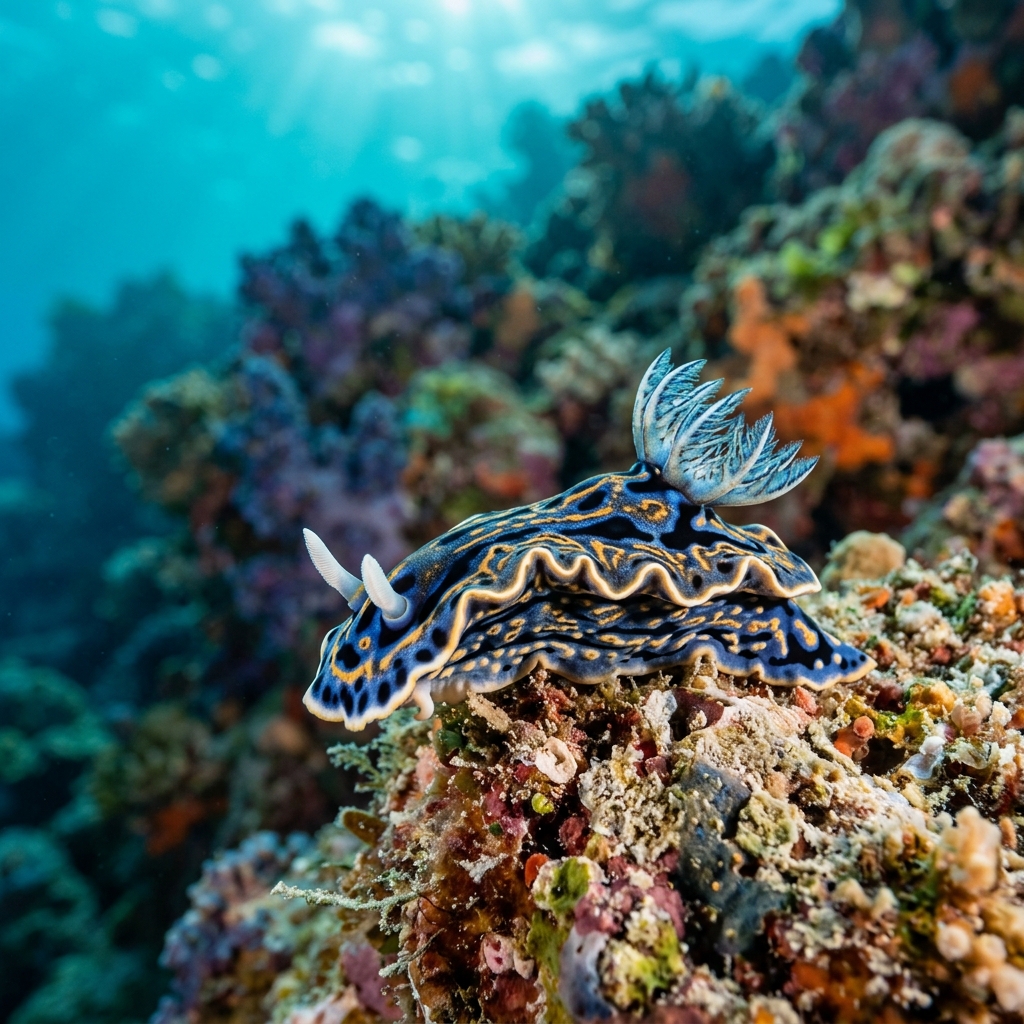
Slender, elongated nudibranch body in a green to yellow-green base colour, running with fine, closely-spaced dark lines along the length of the body, which is where the common name comes from. Grows to a modest size typical of the genus, usually spotted moving slowly across rock or algae-covered surfaces rather than sitting still. The rhinophores (paired sensory stalks on the head) and gill cluster near the rear are the two features worth a close look, as their shape and colour help separate it from similar green nudibranchs.
Divers typically find it grazing slowly across rock faces and reef structure, often tucked into the same kind of low-light, current-swept spots where its bryozoan or sponge prey grows. It shows no reaction to divers beyond its usual unhurried pace, so a close look with a torch is usually all it takes to pick out the fine line pattern. Most logs describe it as an incidental find during a macro-focused dive rather than something divers specifically hunt for.
Like other Tambja species, it's thought to feed on bryozoans and can sequester chemical compounds from its prey as a form of chemical defence, which is likely part of why it moves so unbothered across the reef.
Sightings don't show a clear seasonal pattern, and the observed temperature range of 16.5 to 22.5C spans much of the year on North Island reefs, so treat this as a year-round find rather than a seasonal target.
Reef neighbours a diver could mistake it for. Use the identification notes above to tell them apart.
This one is overwhelmingly a New Zealand species as far as logged dives go, with sightings concentrated on North Island reefs. A single confirmed sighting from New South Wales, Australia, suggests it turns up further afield too, but North Island is by far the most reliable place to look.
Mapping where Fine-lined Tambja is logged…
North Island, New Zealand is by far the most consistent place divers log this species, with a further sighting recorded in New South Wales, Australia. It's considered a common find at several North Island sites once you know where to look.
There's no strong seasonal pattern in the sighting data, and it's recorded across a wide temperature range of 16.5 to 22.5C, so it's best treated as a year-round sighting on New Zealand reefs.
Look for a slender green to yellow-green nudibranch marked with fine dark lines running along the body. Check the rhinophores and gill tuft near the tail for shape, as these help distinguish it from other green nudibranchs on the same reef.
No, it poses no danger to divers. Like most nudibranchs it relies on chemical defences against predators rather than any threat to people, so it's entirely safe to observe up close.
They're believed to feed on bryozoans, small colonial reef animals, and may take up defensive chemical compounds from this prey. This diet is typical of the Tambja genus more broadly.
Site and sighting data is aggregated from diver logs, iNaturalist and GBIF. For taxonomy and conservation status:
Blue Dragon
3,163 sites