Suezichthys aylingi
Small reef wrasse logged across North Island, New Zealand in 14 to 21.5 C water, common at half its known sites.
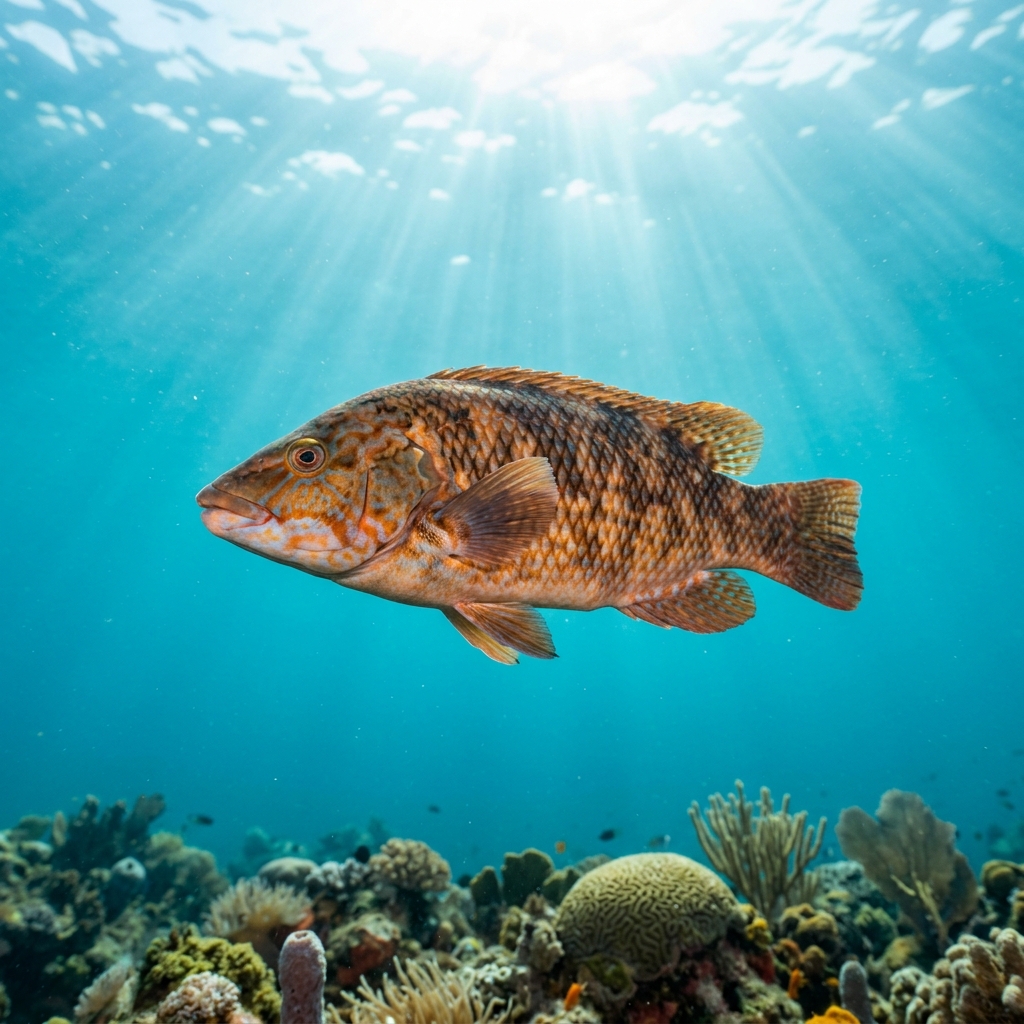
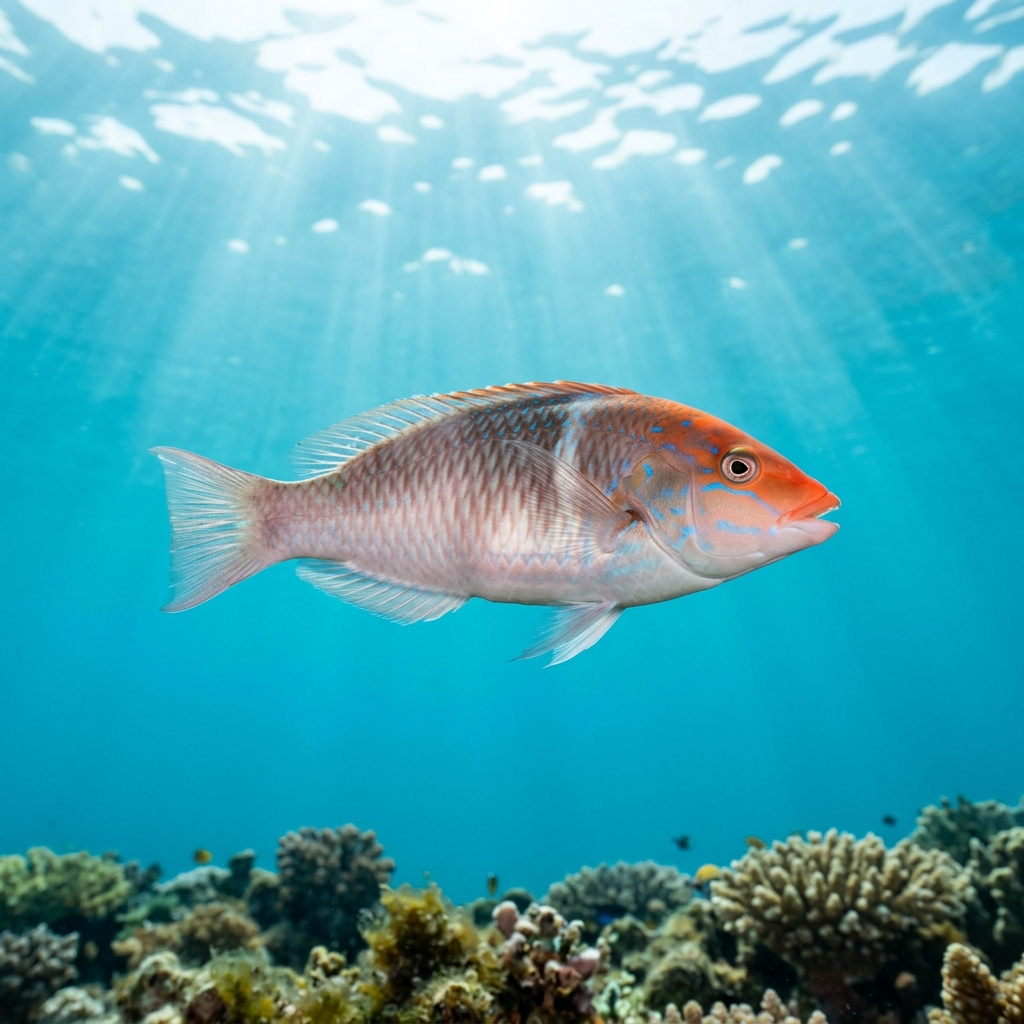
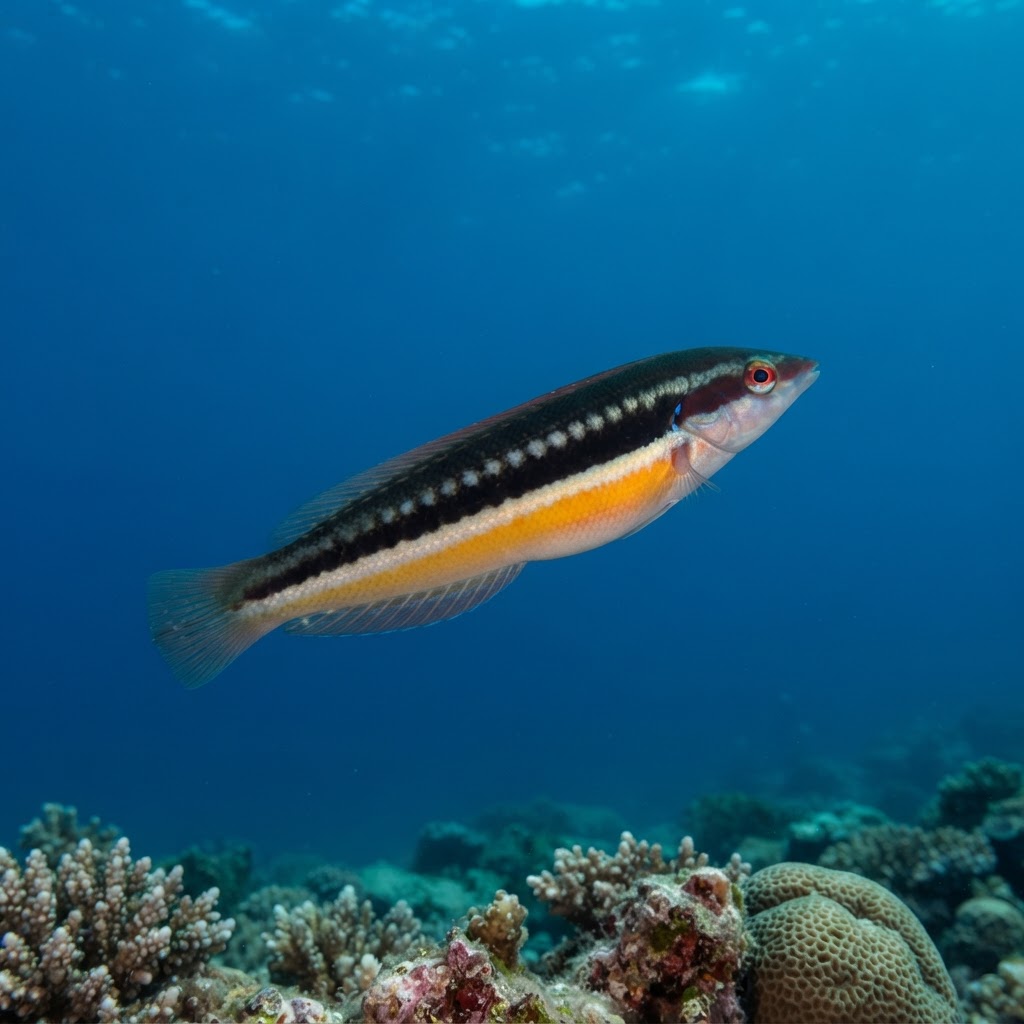
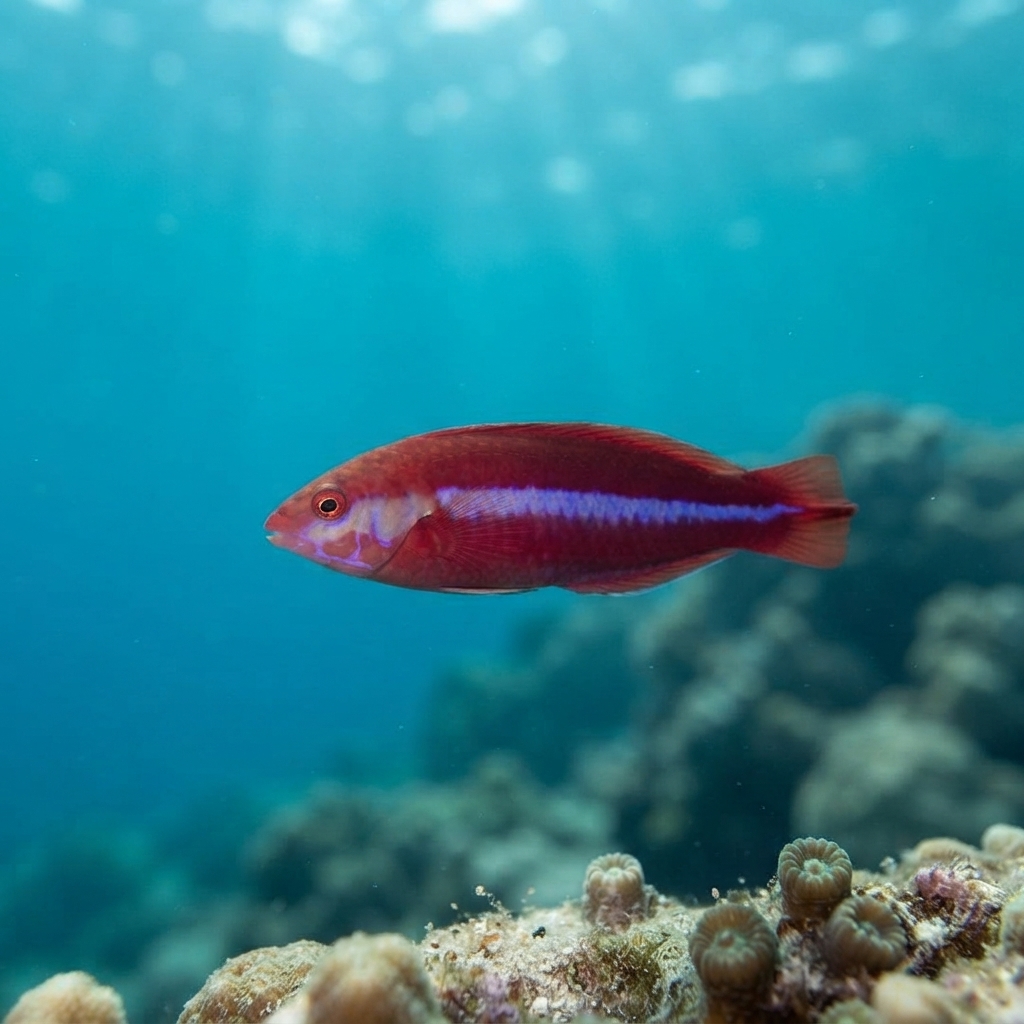
A slim, small wrasse topping out around 8 cm, with a reddish to crimson body that can look almost pink under a torch beam. It swims low over rocky reef with quick, darting movements rather than the slower cruise of larger wrasse species, and its small size alone rules out most reef fish it shares habitat with.
Divers find it holding close to rock and reef structure, moving in short quick bursts rather than lingering in open water. It is small enough to be easy to miss unless you are looking at reef detail rather than scanning for something big, and it does not appear to react strongly to divers at typical viewing distance.
It is one of a small number of wrasse species that has adapted to New Zealand's cooler temperate reefs rather than the warm tropical water most wrasses need, which is part of why it is only reported from North Island sites.
Sightings do not show a clear seasonal pattern, and with a water-temperature niche spanning 14.2 to 21.5 C it seems to tolerate a good chunk of New Zealand's annual temperature swing, so treat it as a year-round find on North Island reefs.
This one is a New Zealand speciality, logged only from sites on North Island, where it turns up on rocky temperate reefs rather than tropical coral. It is not reported outside New Zealand in current diver records, so North Island reef and pinnacle sites are the place to look.
Mapping where Crimson Cleaner Wrasse is logged…
It is most reliably logged on rocky reef sites around North Island, New Zealand, where it is the only country currently returning diver sightings for this species.
There is no strong seasonal pattern in the sighting data, so it is considered a year-round species on North Island reefs, consistent with its tolerance for water from 14.2 to 21.5 C.
Look for a small, slim wrasse around 8 cm long with a reddish crimson body, darting close to rocky reef rather than swimming in open water. Its size and colour combination is distinctive on New Zealand's temperate reefs.
They stay small, typically around 8 cm, which makes them easy to overlook against busier reef backgrounds.
No, they pose no danger to divers and simply go about their business on the reef when approached.
Site and sighting data is aggregated from diver logs, iNaturalist and GBIF. For taxonomy and conservation status:
Bird Wrasse
3,632 sites