Scorpaena papillosa
Rare, camouflaged and armed with venom spines: find Red Rock Cod on rocky reefs around North Island, New Zealand, in 14.7-22.3C water.
Safety warning
Carries venomous spines along its dorsal fin that can deliver a painful sting if you brush against it on a rock or handle it. Keep hands and knees off reef surfaces where you cannot see clearly, and give it space rather than trying to move it for a photo.
If you're stung
Venomous spinesGeneral first-aid guidance, not a substitute for professional medical care. In an emergency, call your local emergency number.
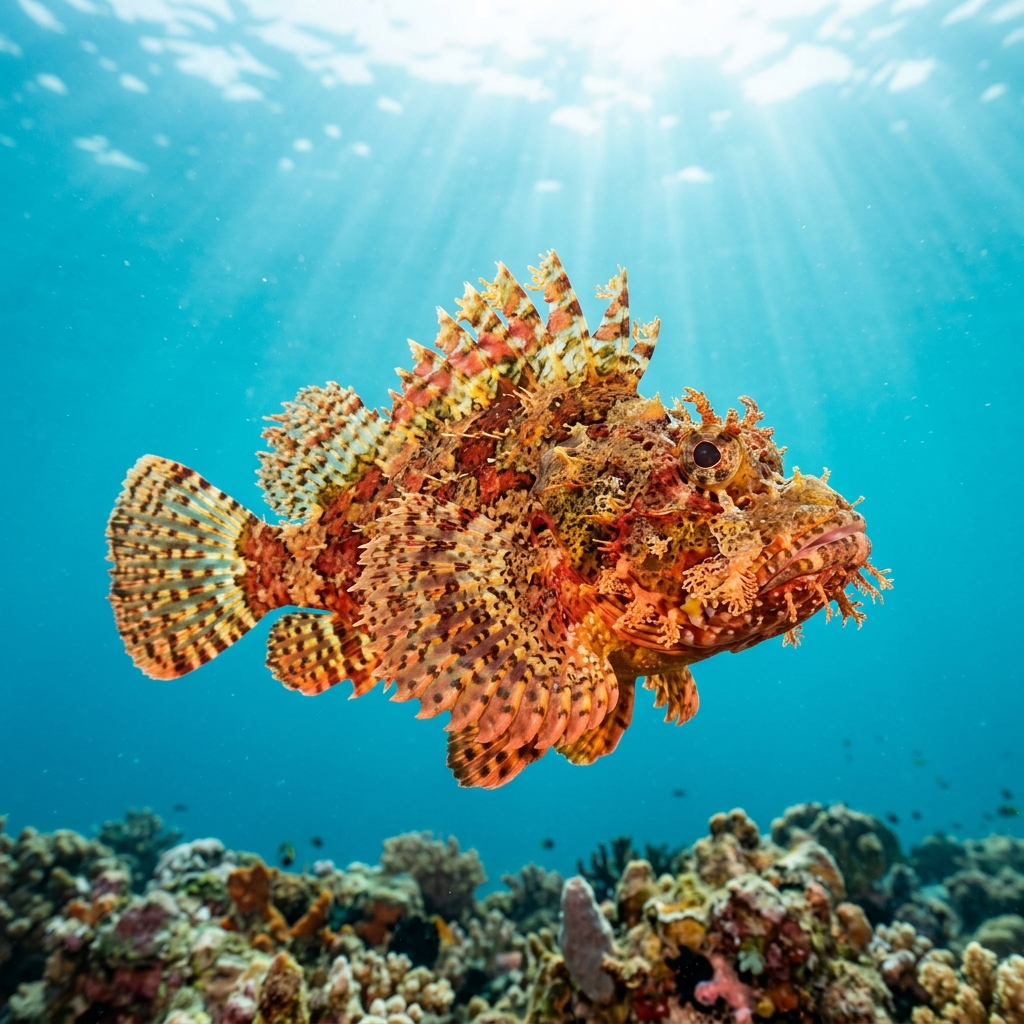
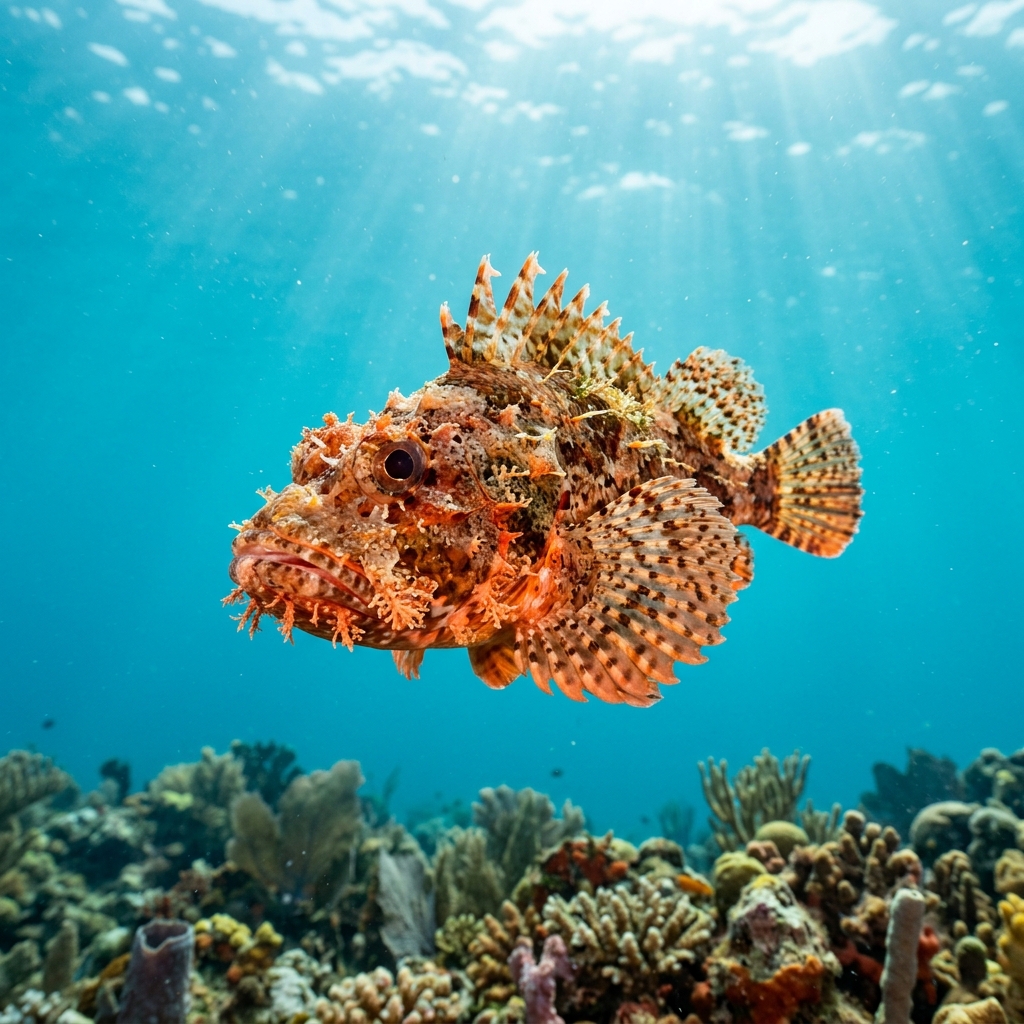
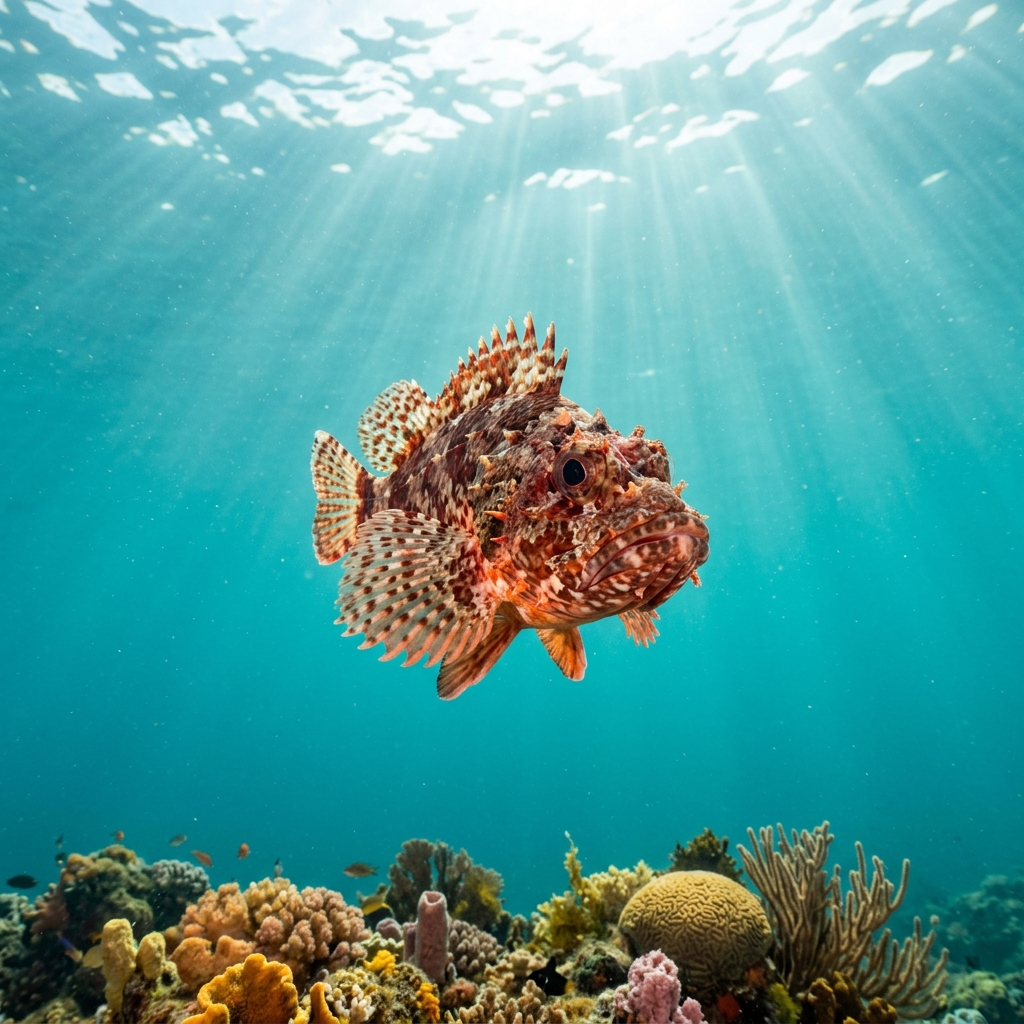
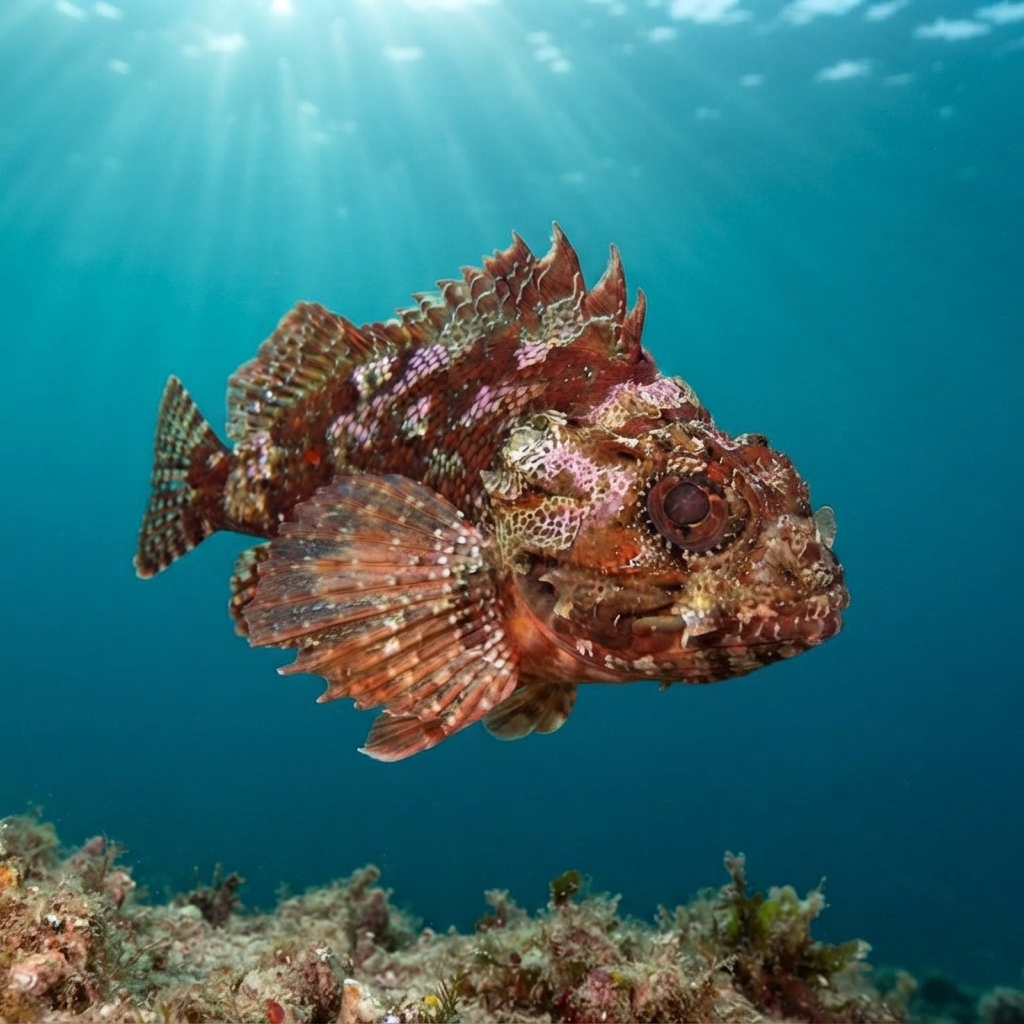
Squat, heavy-headed body to about 21cm, covered in mottled red, brown and cream blotches that break up its outline against rocky reef and algae. Look for the fleshy skin flaps (cirri) over the eyes and the spiny, ridged head typical of scorpionfish. It sits motionless on the bottom rather than swimming, which is often the only reason divers notice it at all.
Spends most of its time sitting still on rock or in crevices, relying on its blotchy camouflage rather than movement to avoid attention. Divers typically find it by scanning ledges and reef crevices closely rather than spotting it out in the open, and it will usually hold its position even as you approach, only flicking away if you get too close or touch nearby rock.
Its camouflage is good enough that most sightings logged by divers are described as rare finds even at sites where it is present, meaning it is likely under-recorded rather than scarce.
No clear seasonal pattern shows up in the sightings, and it turns up across its observed range of 14.7 to 22.3C, so it is effectively a year-round find wherever you dive temperate rocky reef in New Zealand or southern Australia.
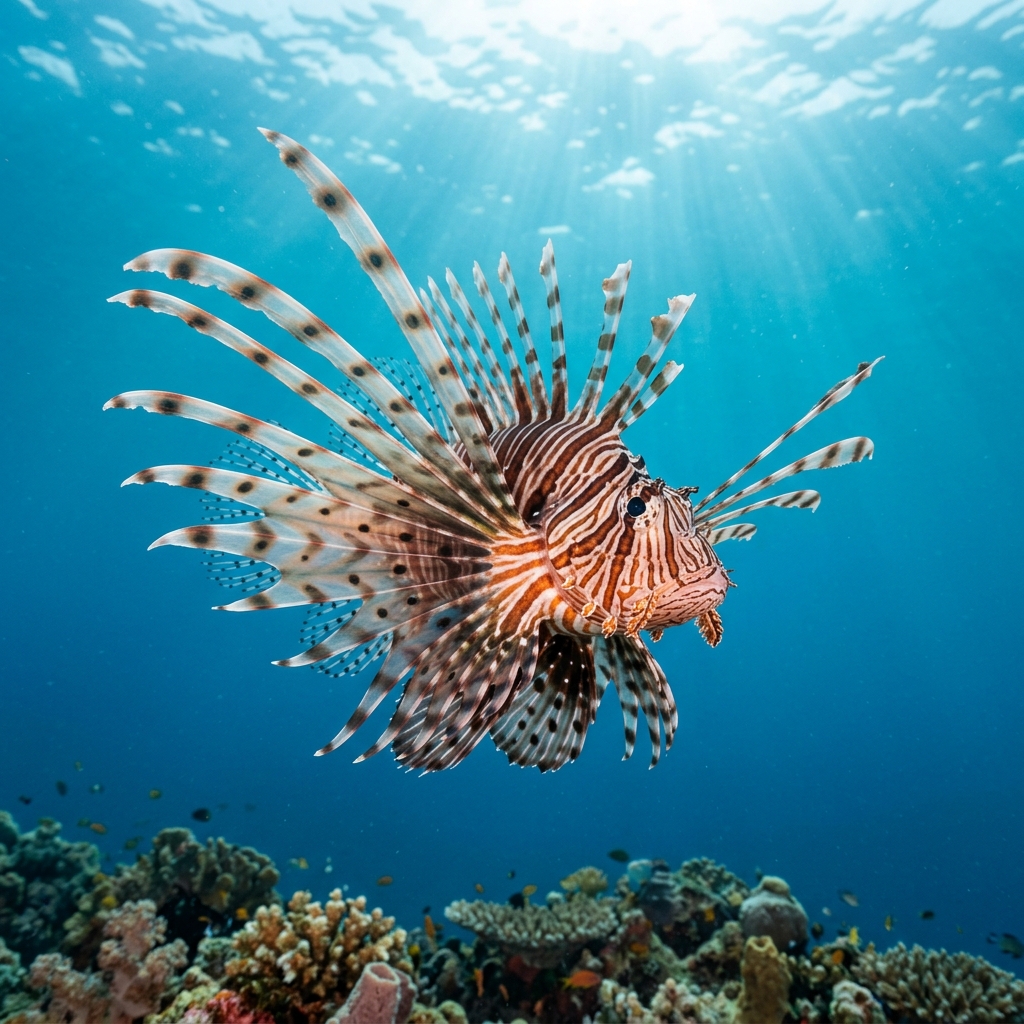
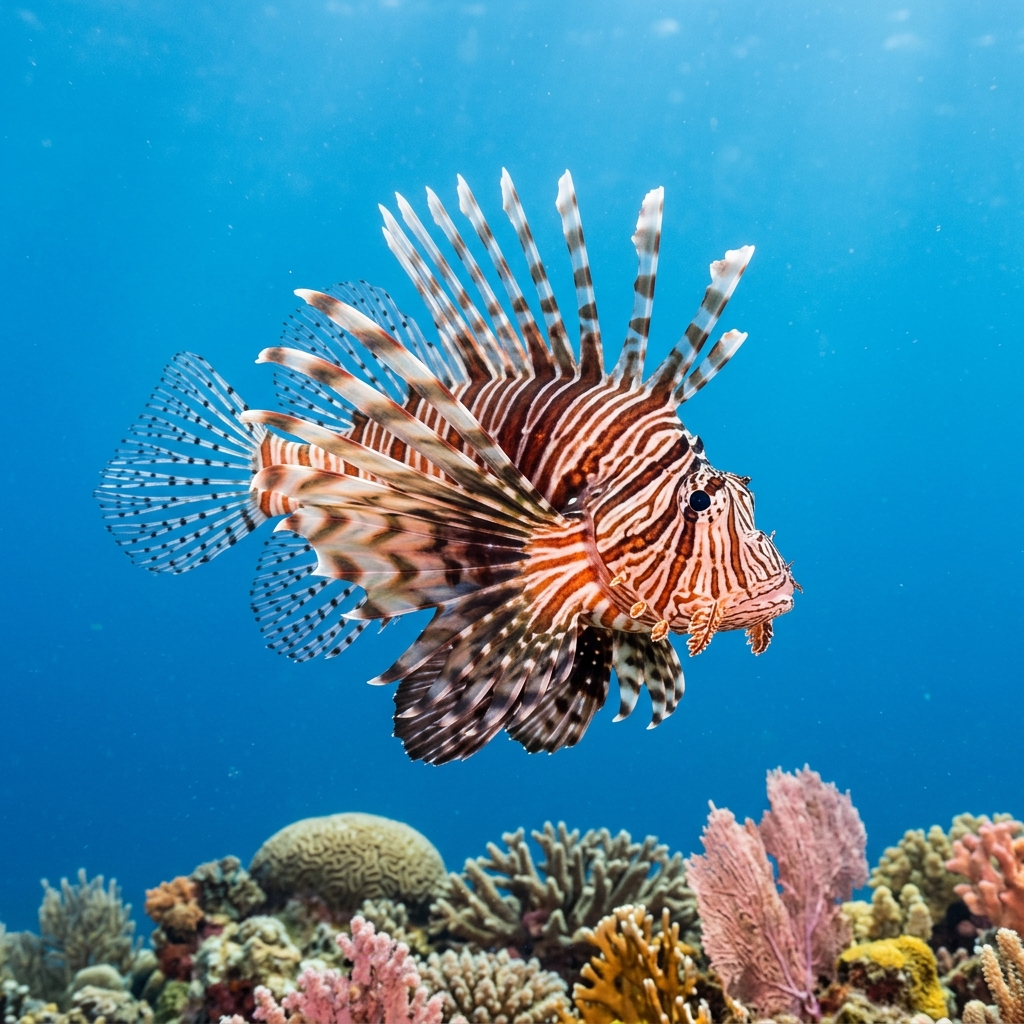
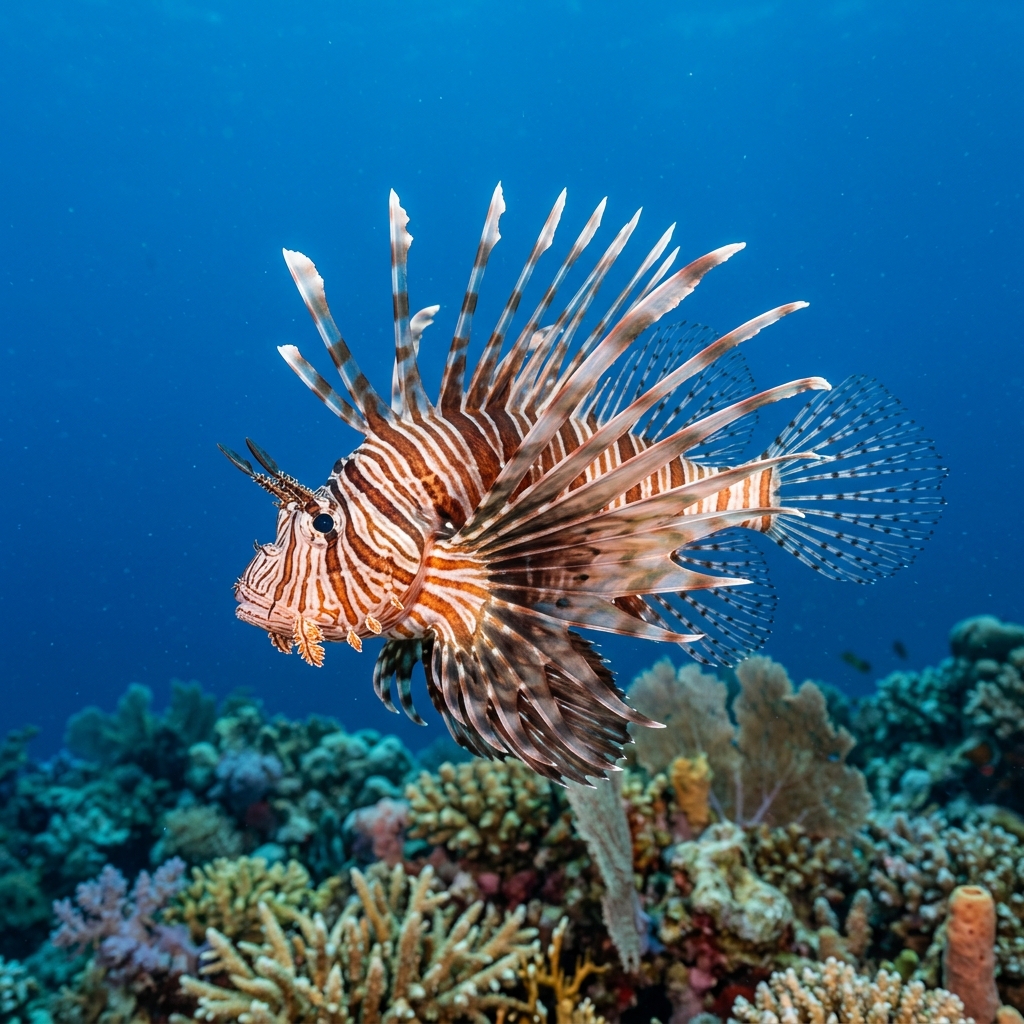
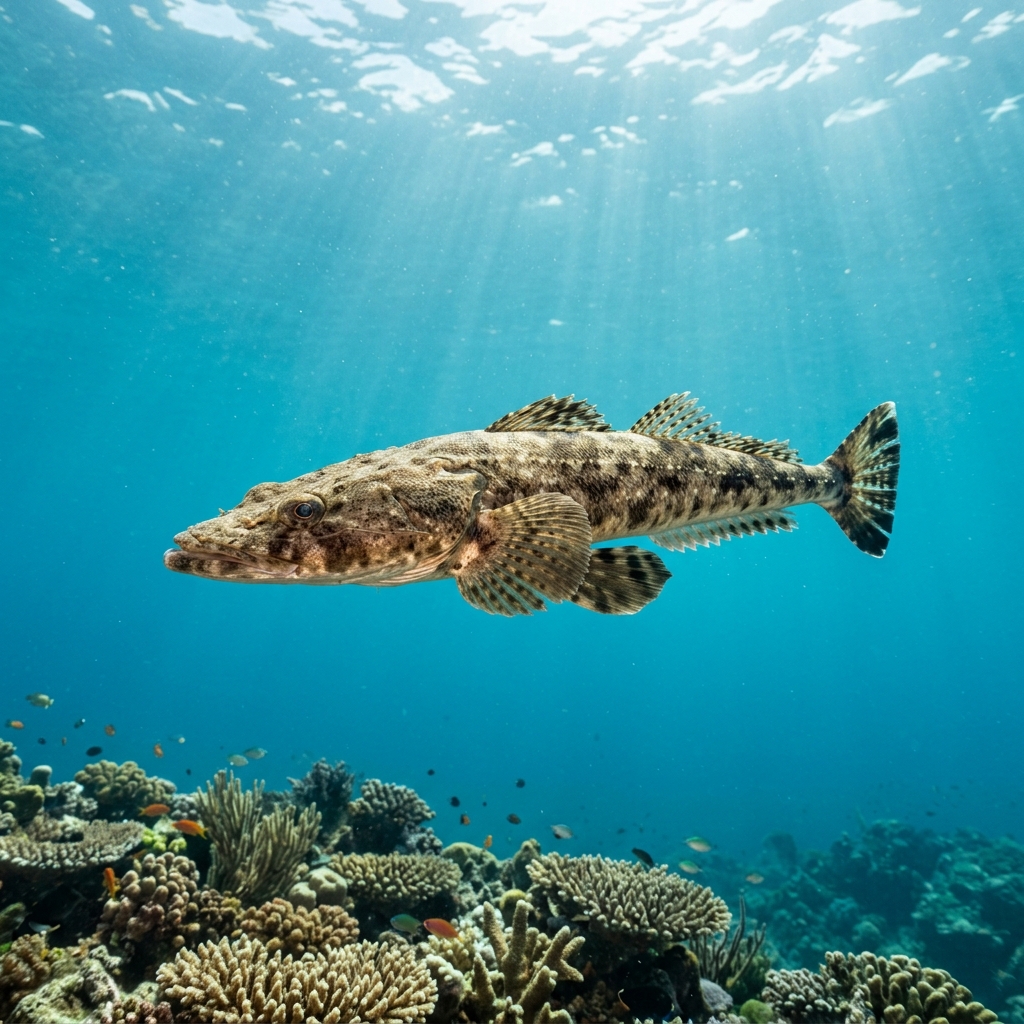
Reef neighbours a diver could mistake it for. Use the identification notes above to tell them apart.
Most reliably logged around North Island, New Zealand, which accounts for the bulk of sightings, with a further reliable population around Tasmania, Australia, and occasional records from New South Wales. It favours rocky reef and reef edges rather than sand or coral, so temperate rocky-reef sites in these regions are the places to search.
Mapping where Red Rock Cod is logged…
North Island, New Zealand is the most reliable region, with additional sightings around Tasmania and occasionally New South Wales in Australia. Look on rocky reef and reef edges rather than sand or coral.
There is no strong season in the sightings data, so it can be found year-round across its temperate range, which spans water temperatures from about 14.7 to 22.3C.
Yes, they carry venomous dorsal spines that sting if touched or brushed against accidentally. They are not aggressive and pose little risk if you avoid putting hands or knees on unseen rock surfaces.
Look for a stocky, mottled red-brown fish around 20cm long, sitting motionless on rocky reef with a spiny head and small fleshy flaps over the eyes. It relies on blending in, so it is often easier to spot by its shape than by movement.
They typically reach about 21cm in length, making them a compact, easy-to-overlook reef dweller.
Their mottled colouring and habit of staying completely still on rock and algae make them blend into the reef, so most divers who log them describe the sighting as rare even where the species is present.
Site and sighting data is aggregated from diver logs, iNaturalist and GBIF. For taxonomy and conservation status:
Madeira Rockfish
2,773 sites