Neptunazurea porterae
A cold-water nudibranch logged mostly in California and Baja, found in 14.9 to 19.2C water year-round.
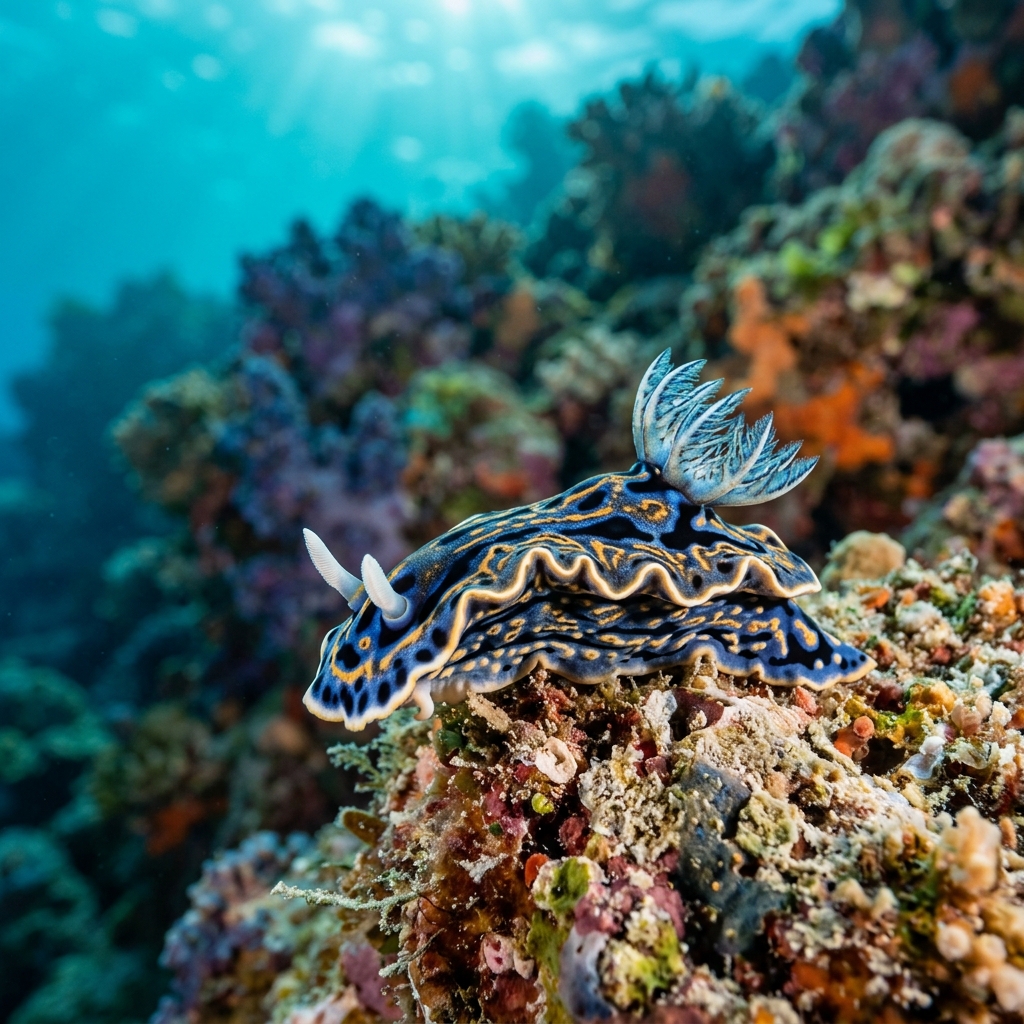
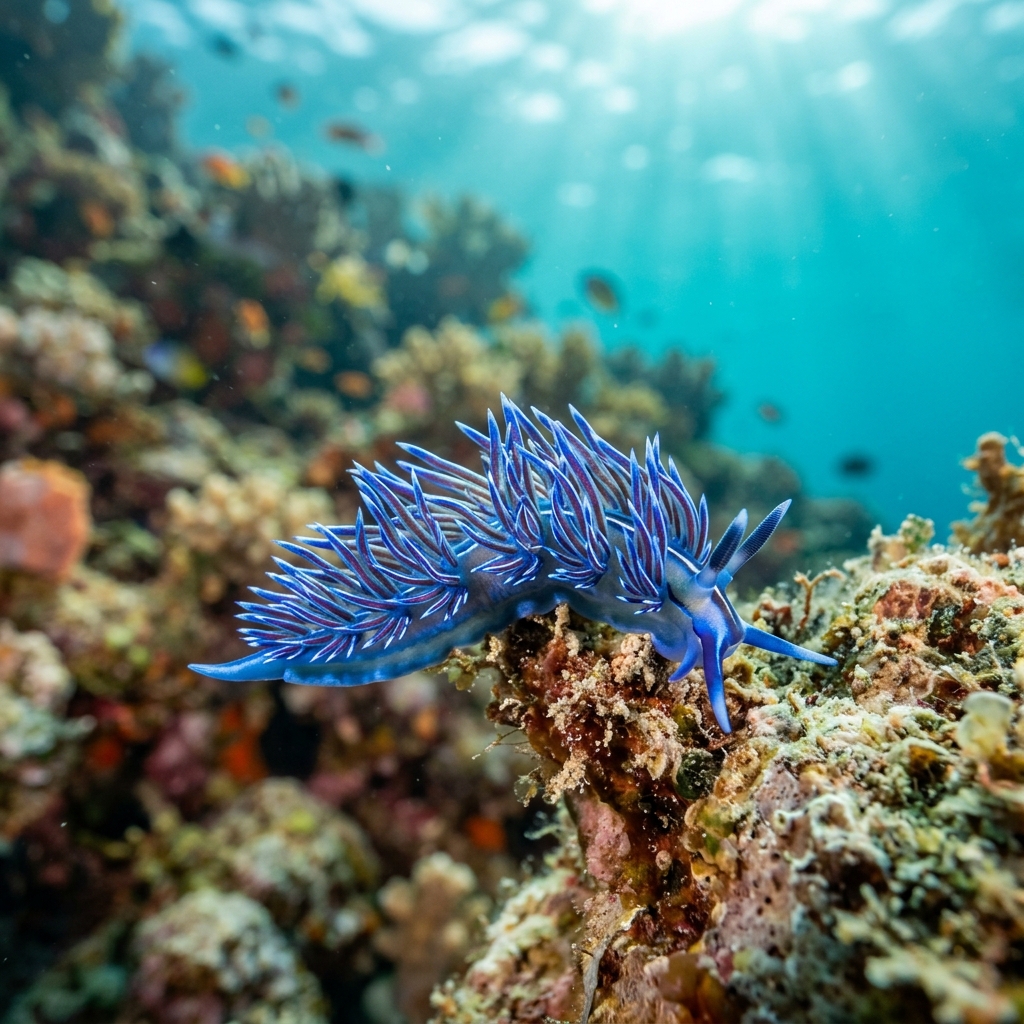
A small nudibranch (sea slug) with a saturated blue body that reads almost electric against dark rock or kelp holdfasts. Look for the raised gill cluster (the feathery tuft) near the rear and a pair of sensory tentacles (rhinophores) up front, both often edged in a contrasting tone. It moves slowly across encrusted rock, so once you spot the colour it rarely darts out of frame before you get a photo.
Divers find it parked on rocky reef and encrusted surfaces, moving at the unhurried pace typical of nudibranchs while grazing rather than swimming into open water. It shows no reaction to divers beyond continuing its slow crawl, which makes it an easy macro subject once located. Most logs describe it as uncommon to rare at a given site, so it rewards a slow, close look at the substrate rather than a swim-by.
Like other Chromodorididae, it likely gets its colour and any chemical defence from compounds absorbed through its sponge diet, a strategy this family relies on instead of a shell.
No clear seasonal pattern shows up in the sightings, and its temperature niche of 14.9 to 19.2C matches California and Baja water for most of the year, so treat it as a year-round find rather than a seasonal target.
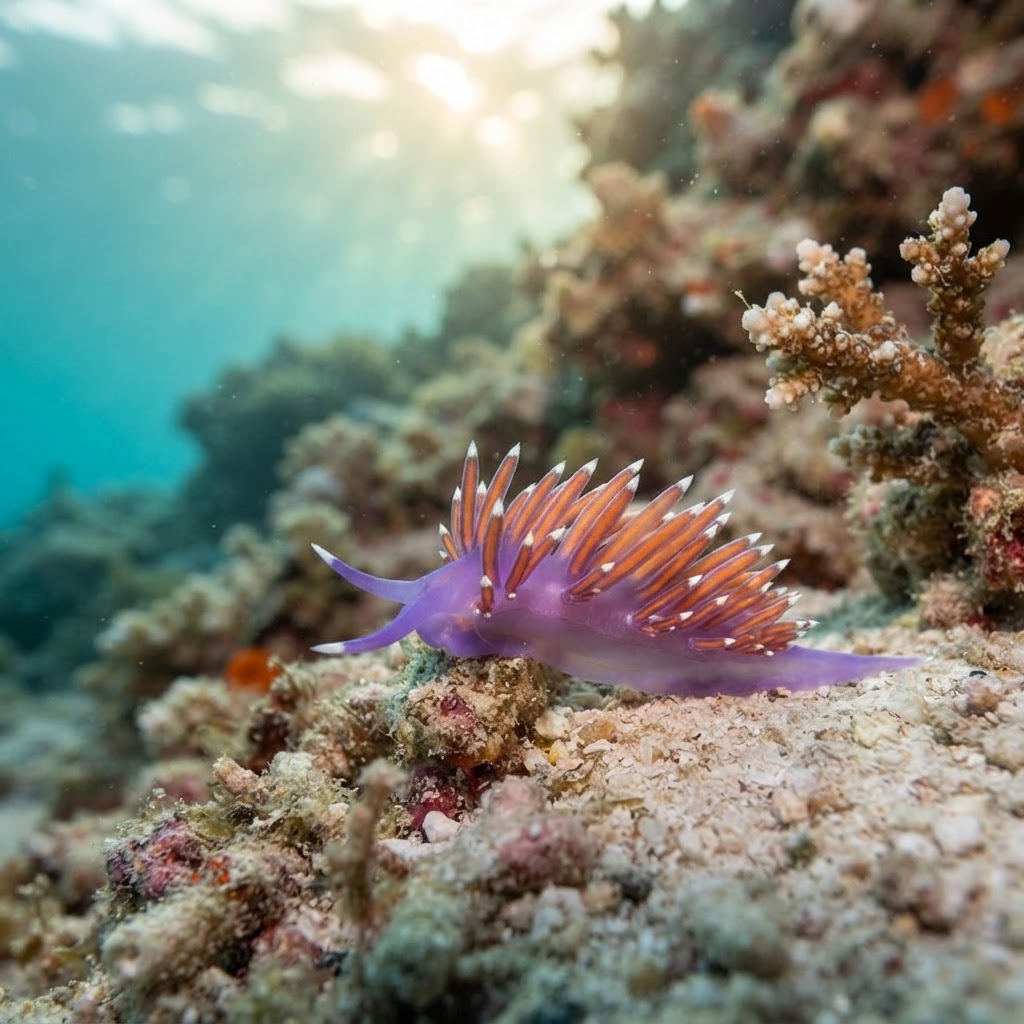
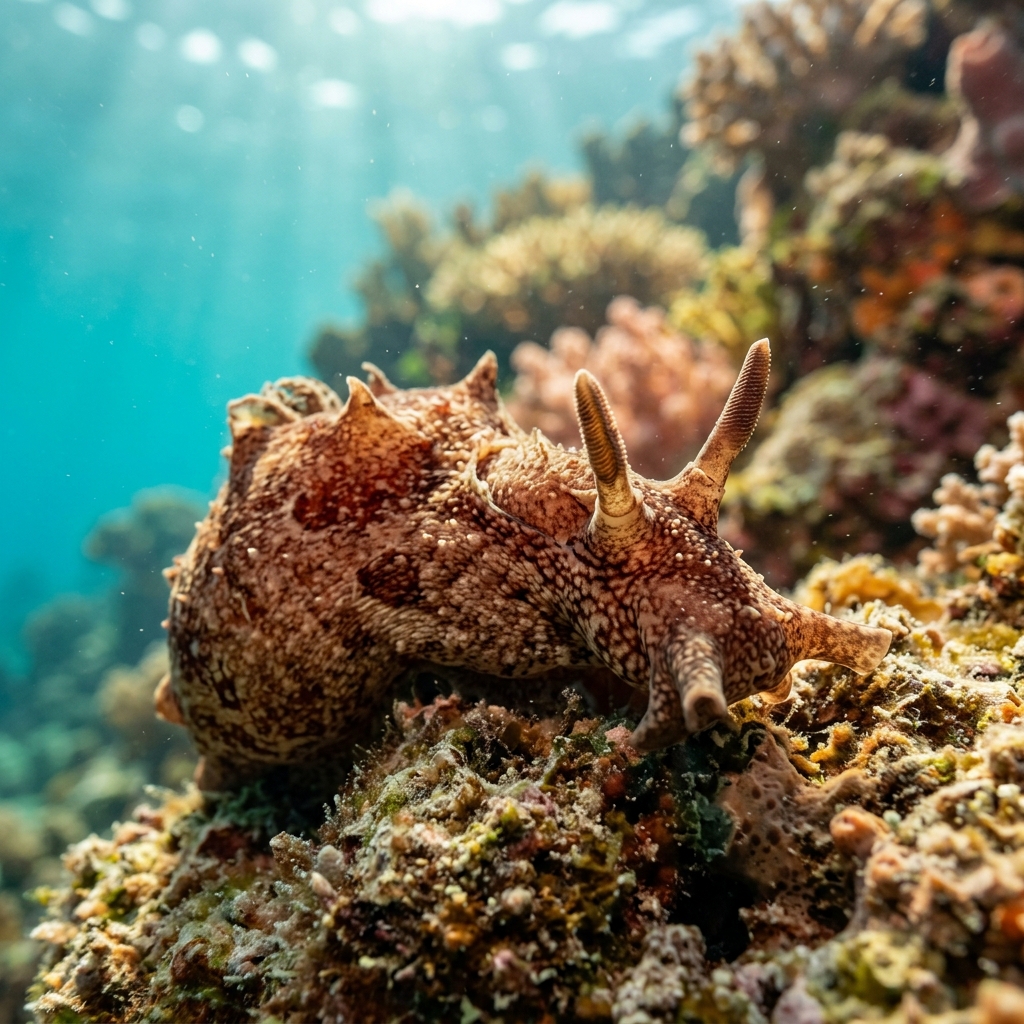
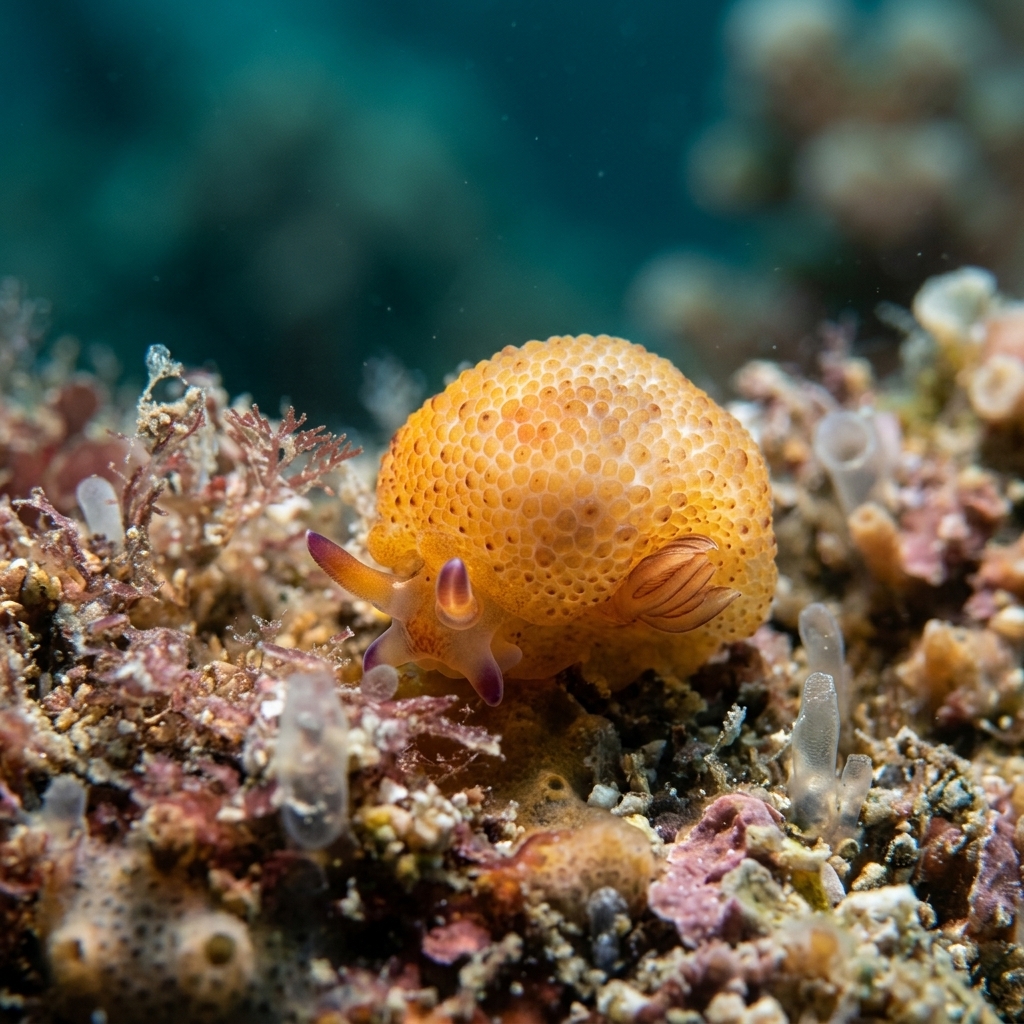
Reef neighbours a diver could mistake it for. Use the identification notes above to tell them apart.
Most reliably logged along California, particularly a dense run of sites through the state, with a second strong population across Baja California, Mexico. Smaller numbers turn up further afield in the Southwest US, Alaska, and the Mountain West, but California and Baja are where divers actually plan a search for it.
Mapping where Porter's Blue Dragon is logged…
California is the strongest bet, with a dense cluster of logged sites, followed by Baja California in Mexico. Smaller numbers of sightings extend into the Southwest US, Alaska, and the Mountain West.
There is no detected season in the sighting data, and its preferred water temperature of roughly 15 to 19C is available in California and Baja for much of the year, so it is a year-round search rather than a seasonal one.
Look for a small, slow-moving nudibranch with a vivid blue body, a feathery gill tuft near the tail, and a pair of upright rhinophores at the front. It sits on rocky, encrusted reef surfaces rather than swimming in open water.
Exact size data isn't confirmed for this species, but like most Chromodorididae nudibranchs it is a small reef macro subject best spotted with a close, slow look at the substrate.
No. It poses no threat to divers and simply grazes slowly across the reef, making it a safe and easy macro photography subject.
As a member of Chromodorididae, it most likely draws its bright colouring and possibly a chemical defence from the sponges it feeds on, a trait shared across this nudibranch family.
Site and sighting data is aggregated from diver logs, iNaturalist and GBIF. For taxonomy and conservation status:
Light-spotted Aegires
3,168 sites