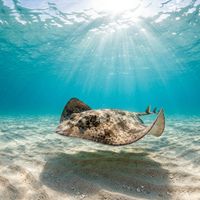
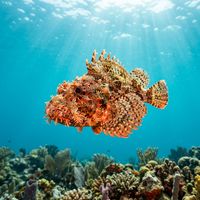
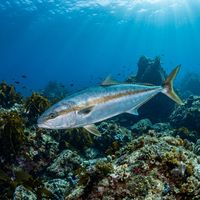
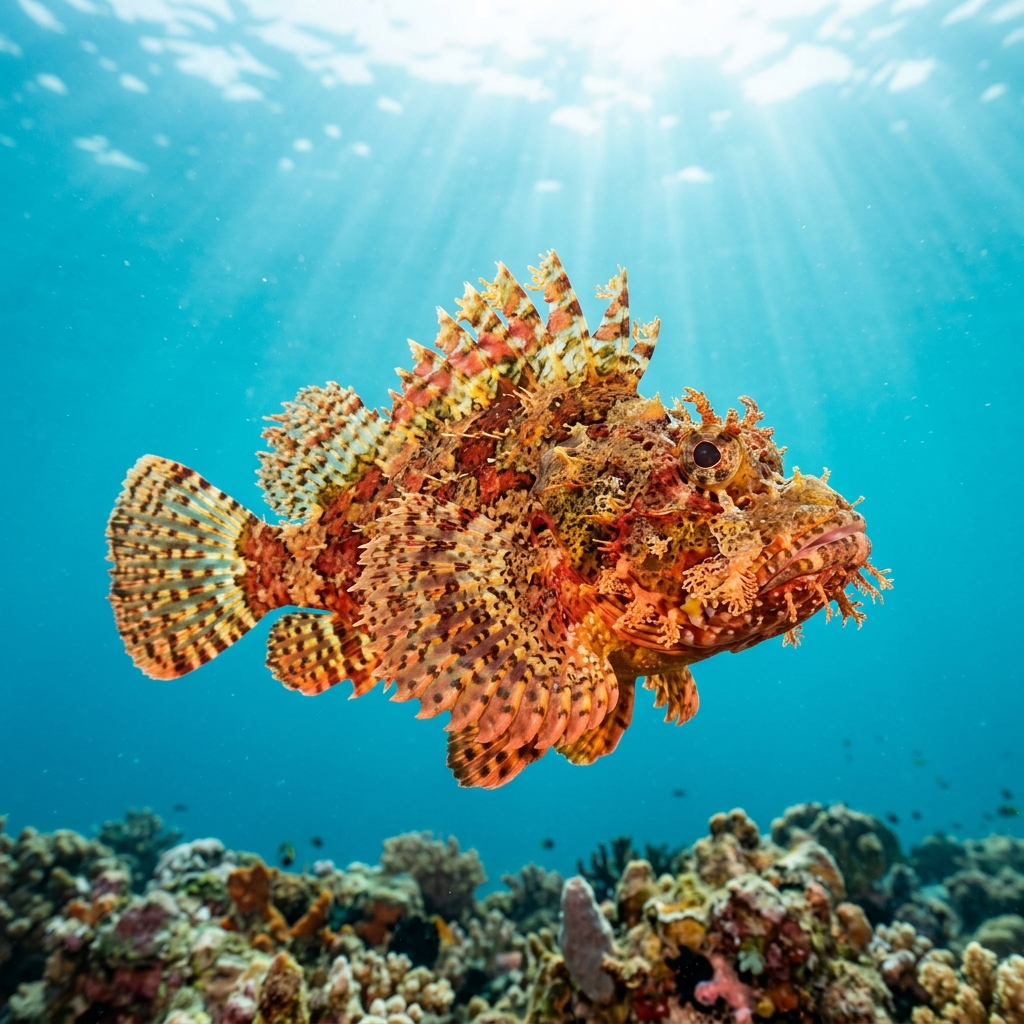
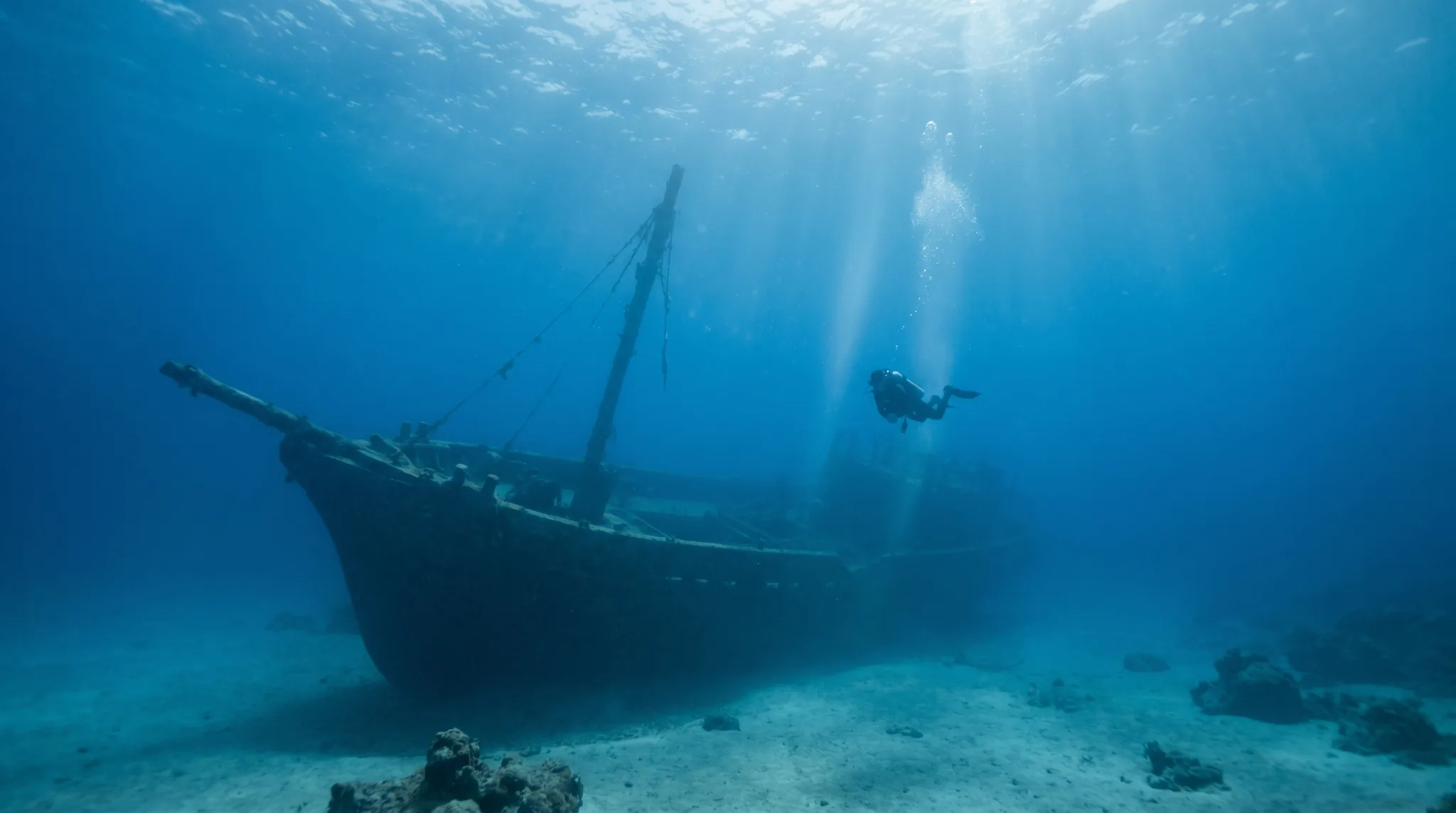
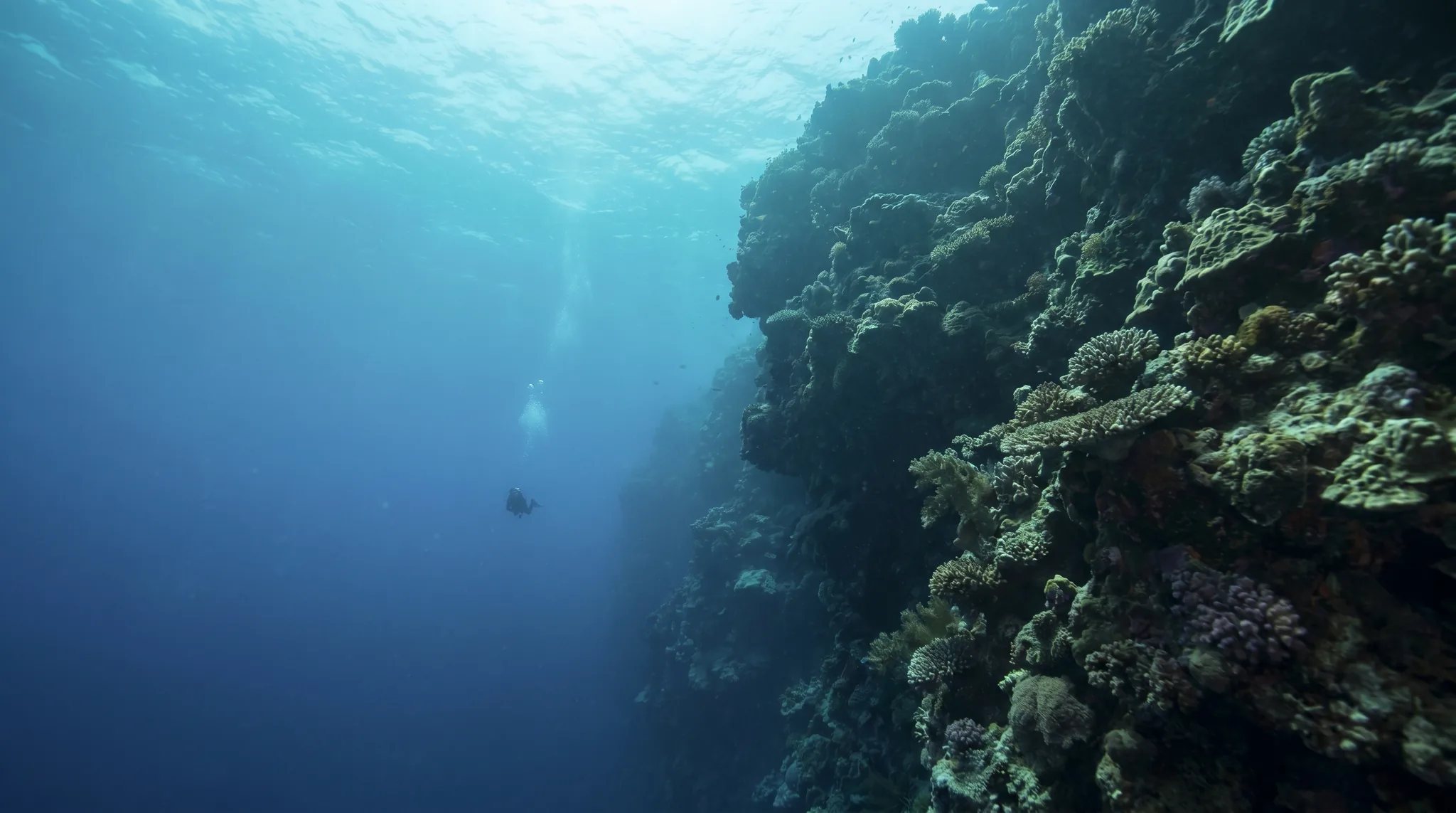
Shikoku's diving centres on the waters around Kashiwajima, where natural reef, wall, artificial reef, drift and wreck sites sit within easy boat range. The Butterfly Ray is a signature sighting across the area, with Anthias, Scorpionfish and Kingfish also observed regularly. Most sites suit beginners, though drift sites such as Kurohae and Akahae demand more experience. The Mutsu wreck and the cave system at Koyoko Island add variety for intermediate divers seeking something beyond open reef.

Monthly water temperature across Shikoku's sites, from satellite sea-surface data corrected for depth. The band shows the site-to-site spread.
Water temperatures rise through late spring into a warm summer peak, making the period from late spring through autumn the most comfortable for diving. Cooler months from winter into early spring bring the year's lowest temperatures, which suit drysuits or thicker wetsuits. Currents vary considerably by site, from mild conditions at beginner reefs to strong drift flows that define the more demanding sites.
11 operators
Japan
Japan
Takedamachi, Japan
5 more sites to explore
Water temperature around Shikoku ranges from about 18°C in January to 26°C in August, based on satellite sea-temperature data for its dive sites.
In the warm season (about 26°C) a 3mm full suit is comfortable in Shikoku; in the coldest months (about 18°C) step up to a 5mm suit.
Fin maps 17 sites in Shikoku (17 scuba diving sites and 5 snorkelling spots, with some suited to both).
Across Shikoku's dive sites, June, July, August, September, October and November are most often reported as the best months to visit.
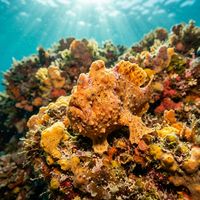
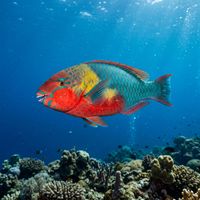
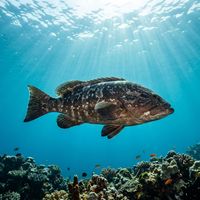
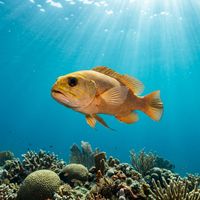
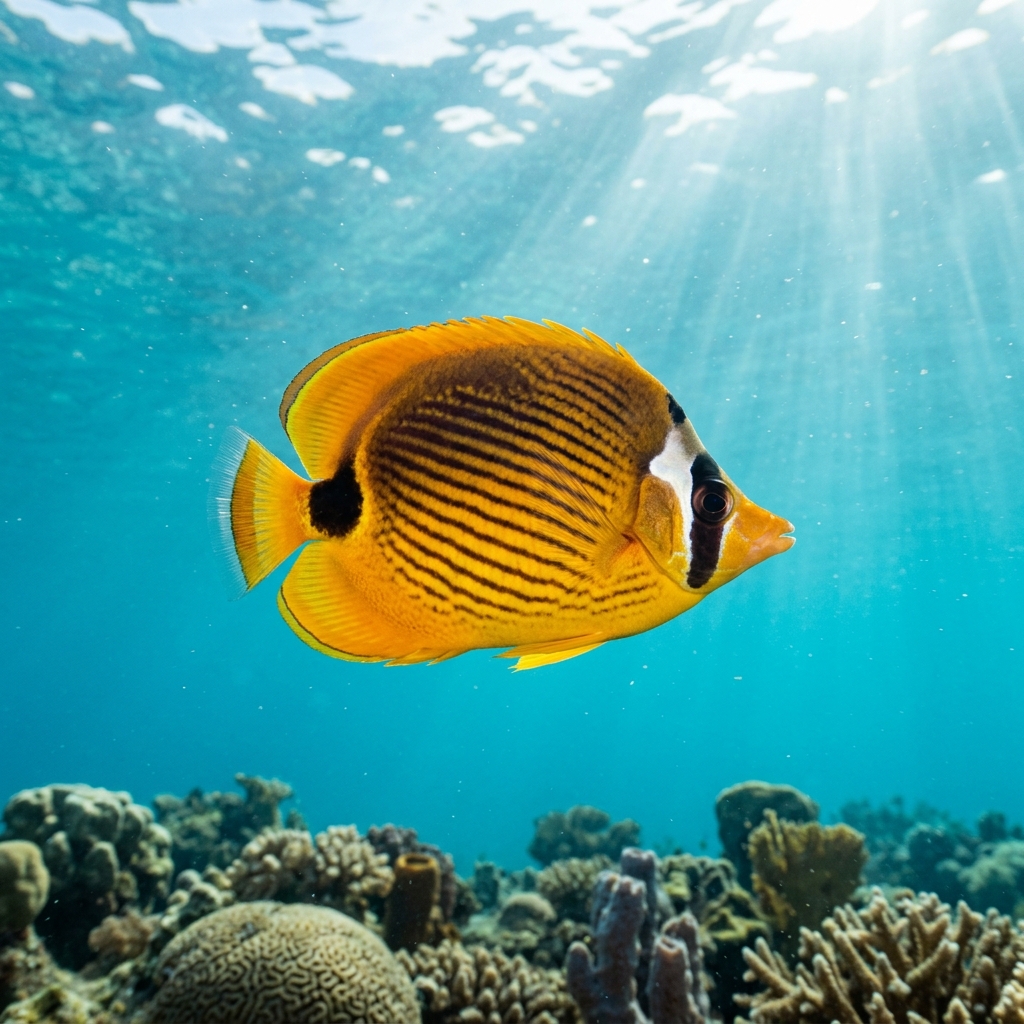
The Butterfly Ray is the signature species and has been observed across the area. Other confirmed sightings include Scorpionfish, Weedy Scorpionfish, Frogfish, Kingfish, Anthias, Grey Reef Shark, Raccoon Butterflyfish, Reef Squid and Jawfish. The mix of reef, wall and wreck habitats supports a varied cast of species.
The majority of sites around Kashiwajima are rated beginner level, including Yokoshima danso, Senohama Reef, Akehama and Nyanko Rock. These offer mild currents and clear vertical or reef references that help newer divers build confidence. Intermediate and advanced sites such as Kurohae and the Mutsu wreck are also available for those ready to progress.
Most sites are boat-access only, which is the standard arrangement through the local operators serving the Kashiwajima area. Akehama is a notable exception, offering shore entry alongside its boat option. A handful of operators run guided boat trips, including 沖の島 ダイビング黒潮, DIVE愛南, Inazumi Underwater Cave and Cave Explorers INAZUMI.
The region covers a wide range of site types: natural reef, wall, drift, artificial reef, wreck and cave. The Mutsu is a battleship wreck suited to intermediate divers, while Koyoko Island provides a reef and cave combination. Drift diving is possible at Kurohae and Akahae, where currents can run moderate to strong.