Hypselodoris apolegma
Spot the vivid Cinderella Sea Slug in the Philippines and Malaysia. Best logged in warm 27-29 °C water around Luzon, Palawan, and Sipadan.
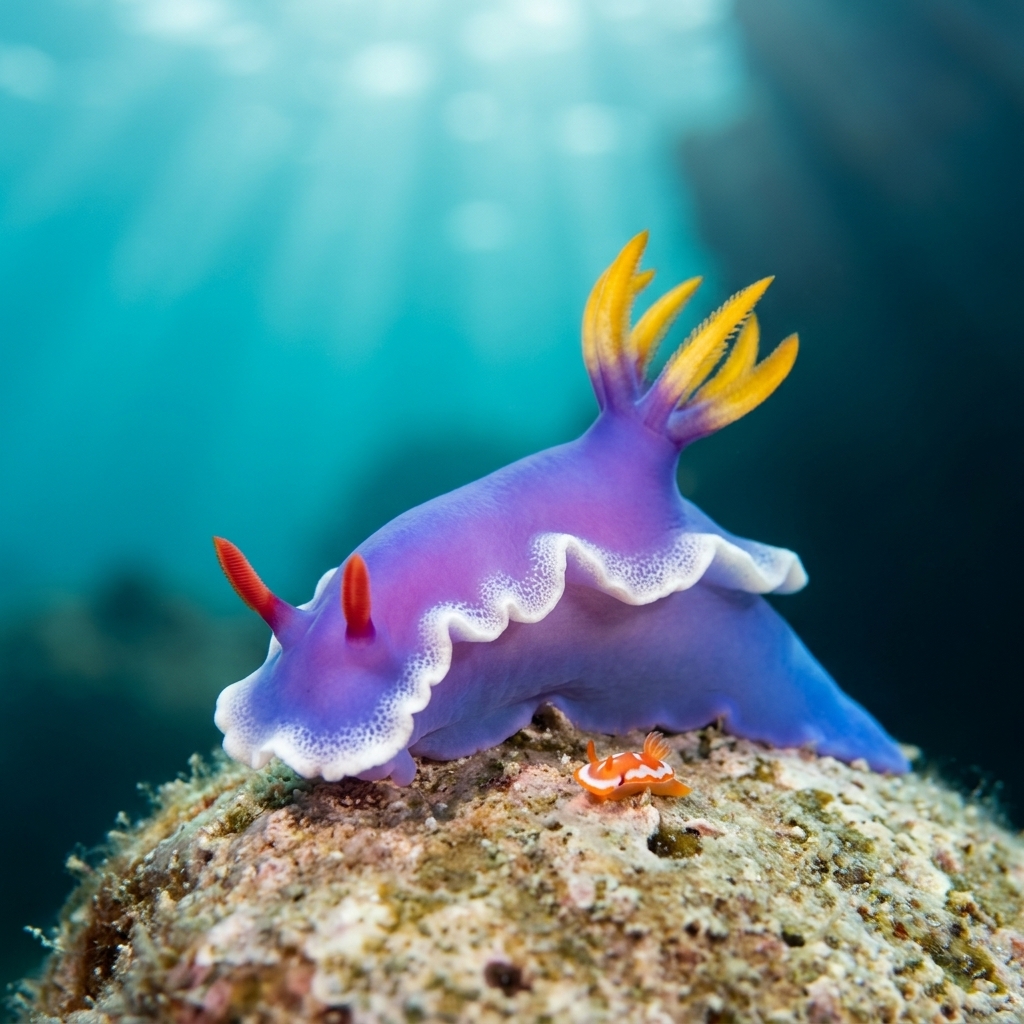
A small, vividly coloured chromodorid nudibranch, the Cinderella Sea Slug displays a deep violet-purple body edged with a pale or white margin and contrasting orange or yellow gill plumes and rhinophores (the paired sensory horns at the head). That bold colour combination, purple field, light border, flame-coloured appendages, is the quickest underwater key. It crawls slowly across reef rubble, sponges, and encrusting growth, making the full dorsal pattern easy to study.
You will almost always find one moving slowly across a sponge, tunicate, or algae-encrusted surface, grazing as it goes. It shows little reaction to divers and will continue feeding undisturbed, which makes close observation straightforward as long as you hover quietly without creating surge. Look low on the reef, in shaded crevices or along rubble slopes, where encrusting growth provides its food.
Like other chromodorids, the Cinderella Sea Slug almost certainly feeds on specific sponges and sequesters their chemical defences, making its vivid colouration a warning signal to potential predators rather than mere decoration.
In northern-hemisphere locations such as the Philippines, Okinawa, and Malaysia, sightings concentrate during January to May and again from August to October. The species favours warm water in the 27-29 °C range, which aligns with these peak periods in the Indo-Pacific tropics.
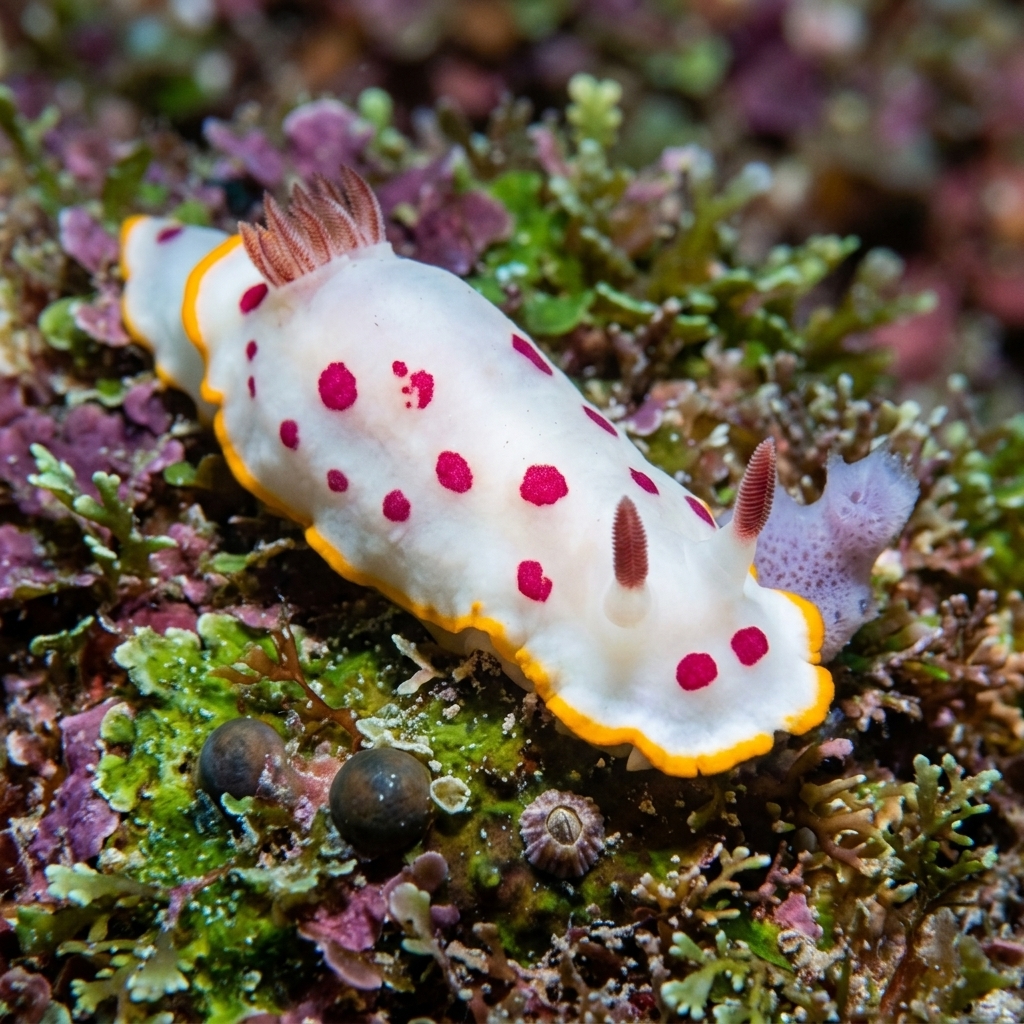
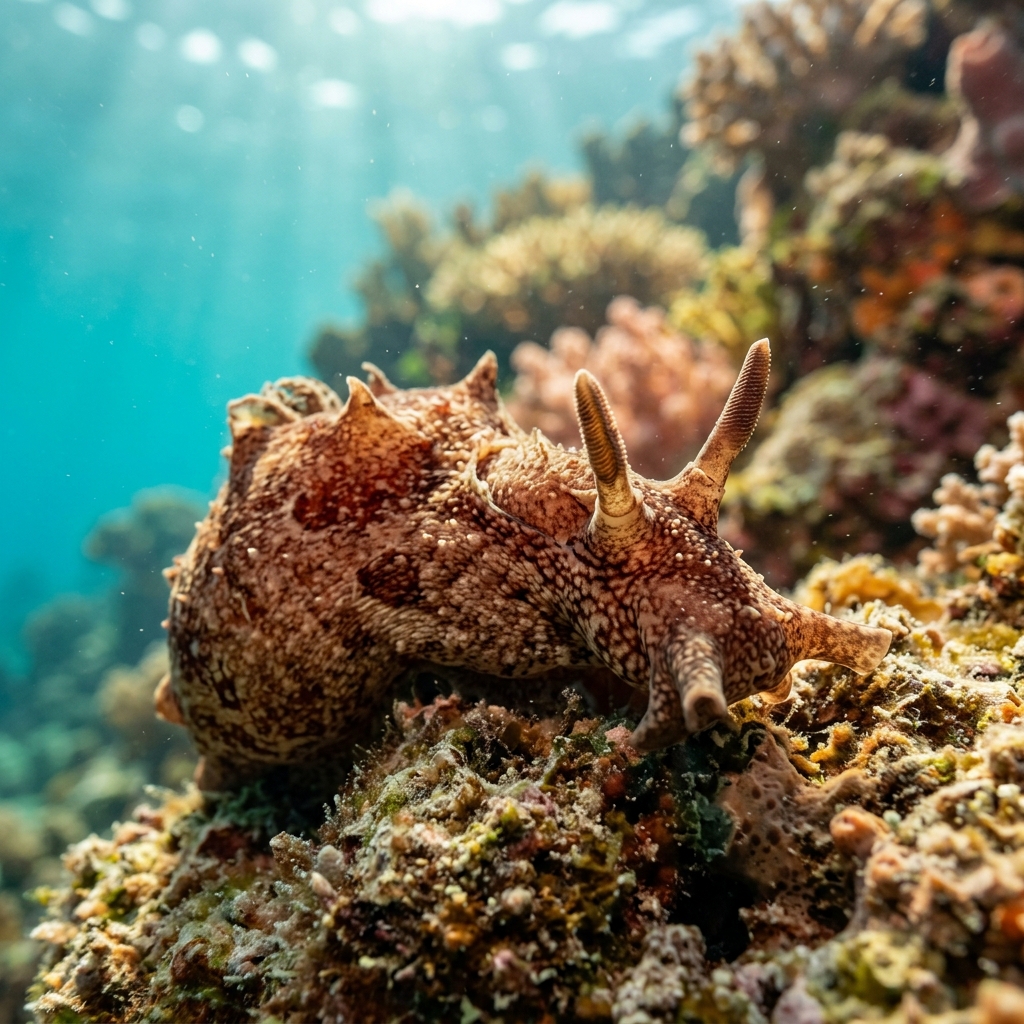
Reef neighbours a diver could mistake it for. Use the identification notes above to tell them apart.
Most sightings come from the Philippines, particularly around Luzon and the north, and around Palawan and Apo Reef, making the Philippine archipelago the strongest destination by far. Malaysia is the next best option, with solid records from Sipadan and East Sabah as well as the Perhentian and Redang islands. Japan's Okinawa Islands and parts of Indonesia round out the known range.
Mapping where Cinderella Sea Slug is logged…
The Philippines is the top destination, especially around Luzon and Palawan with Apo Reef. Malaysia's Sipadan and East Sabah region is another reliable area. Okinawa in Japan and parts of Sulawesi and Bali in Indonesia also have confirmed sightings.
In the Philippines, Malaysia, and Okinawa, sightings peak between January and May, then again from August through October. These windows coincide with calm conditions and the warm 27-29 °C water temperatures the species favours.
Look for a small nudibranch with a deep purple or violet body, a pale white margin running around the edge, and bright orange or yellow gill plumes and rhinophores on top. That three-colour combination is distinctive among Philippine reef slugs. It moves slowly, so you have time to check all the details.
It is considered rare to uncommon at most sites where it is recorded. Even in the Philippines, where it is most frequently logged, you should treat a sighting as a lucky find rather than a certainty. Slow, methodical searches on rubble and sponge-rich slopes give the best chance.
No. Cinderella Sea Slugs pose no threat to divers. They are tiny, slow-moving animals. The vivid colouration is a warning to predators, not to humans. Simply avoid touching or disturbing them.
Site and sighting data is aggregated from diver logs, iNaturalist and GBIF. For taxonomy and conservation status:
Light-spotted Aegires
3,168 sites