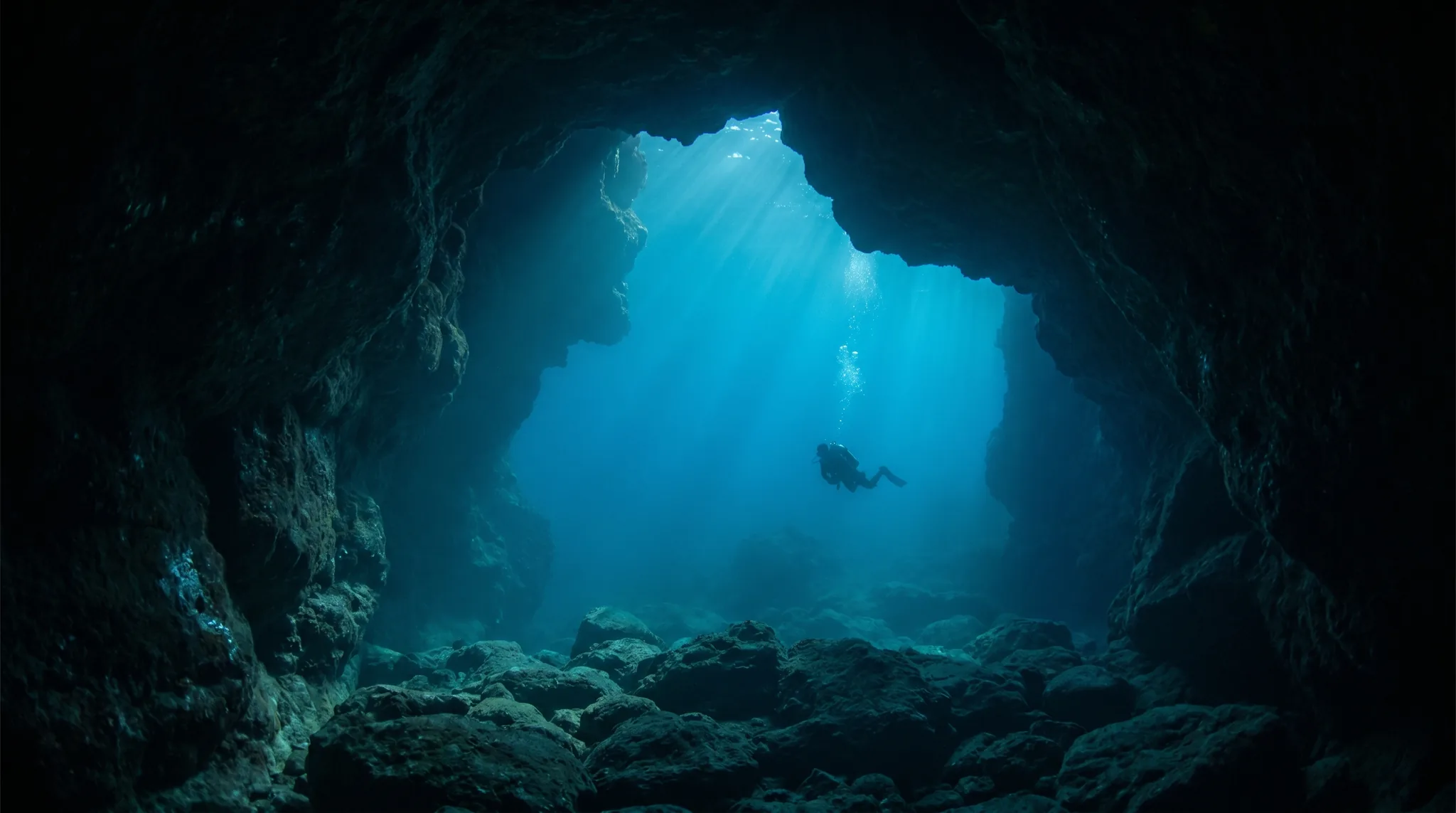
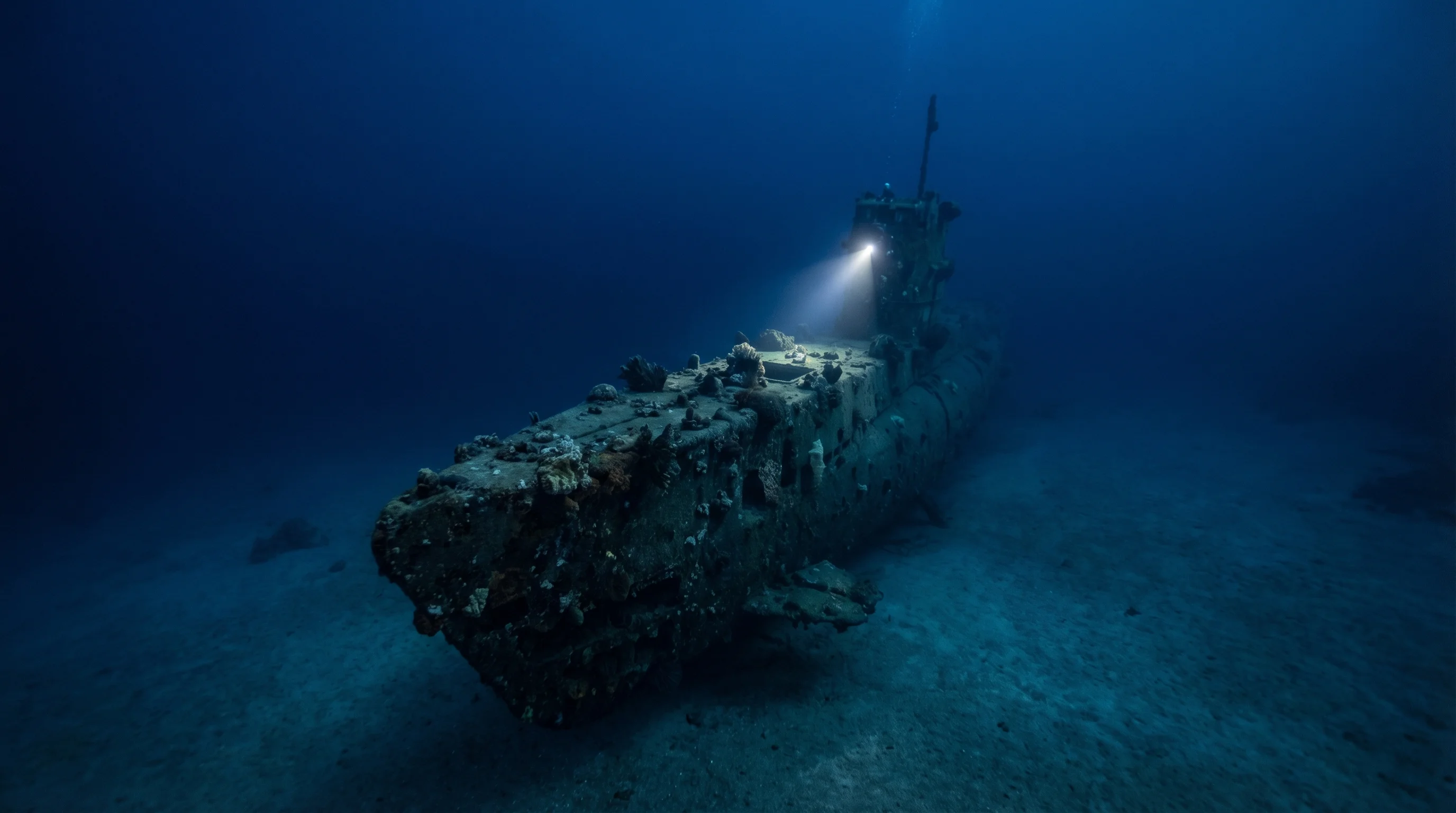
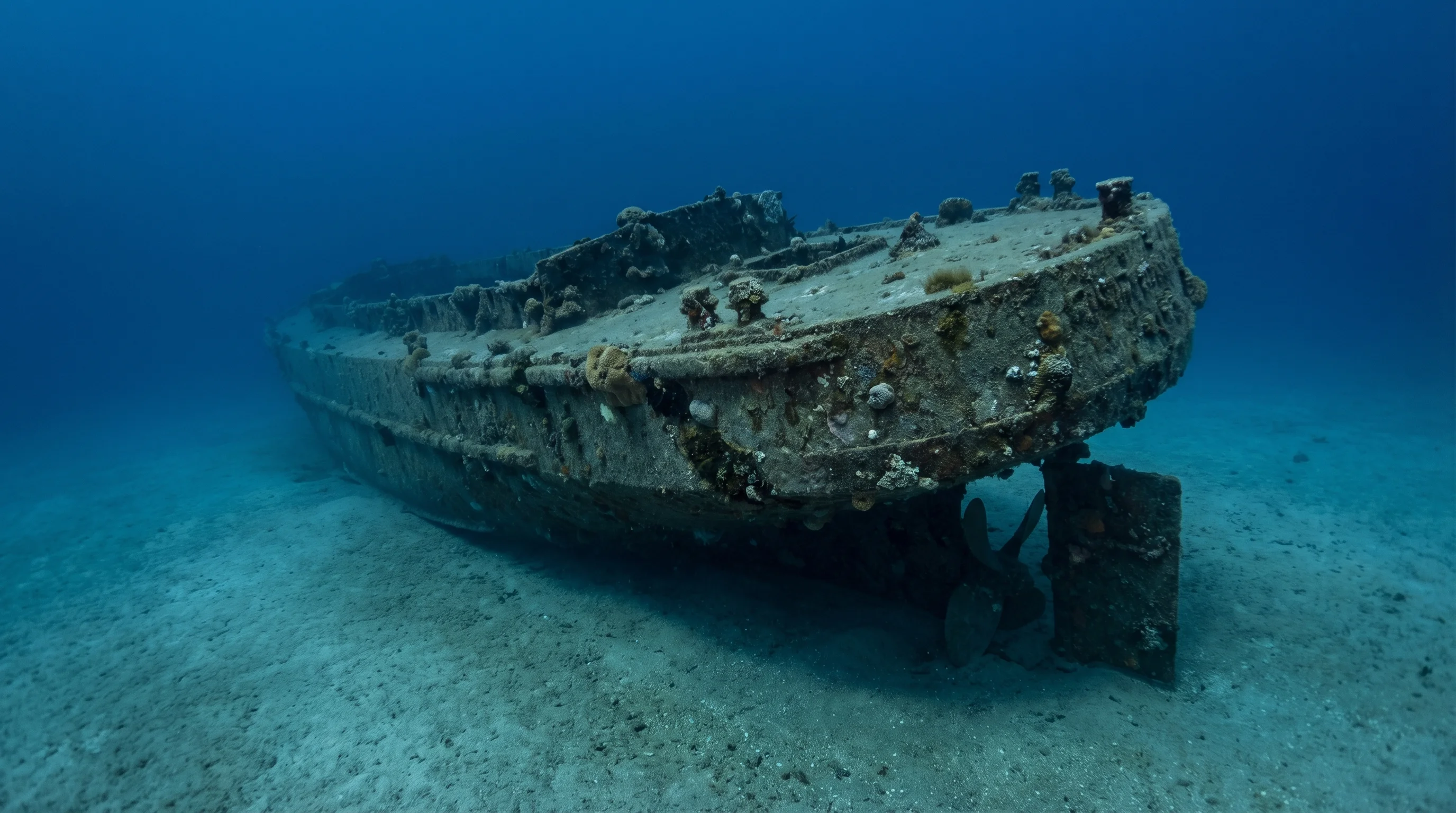
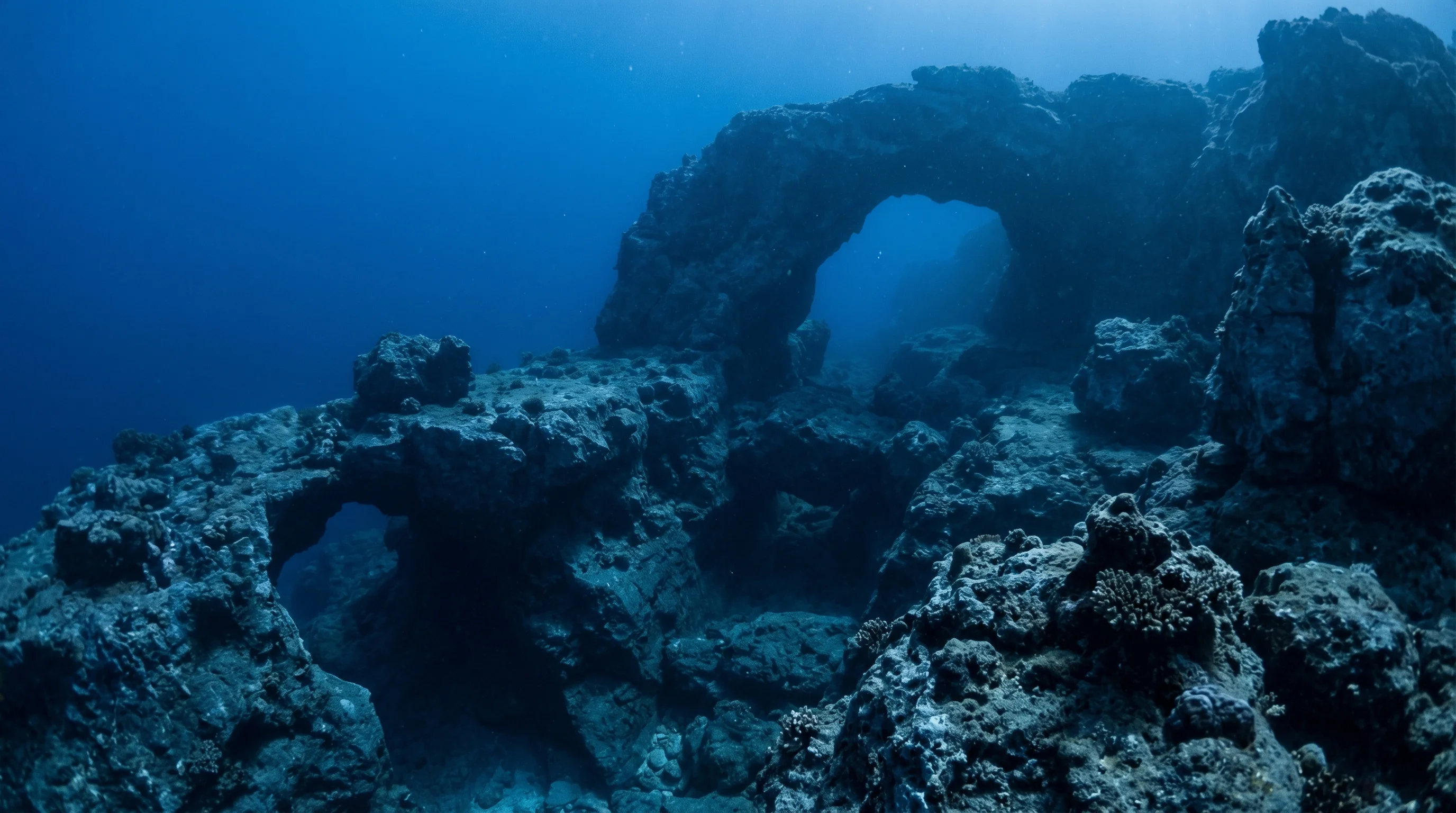
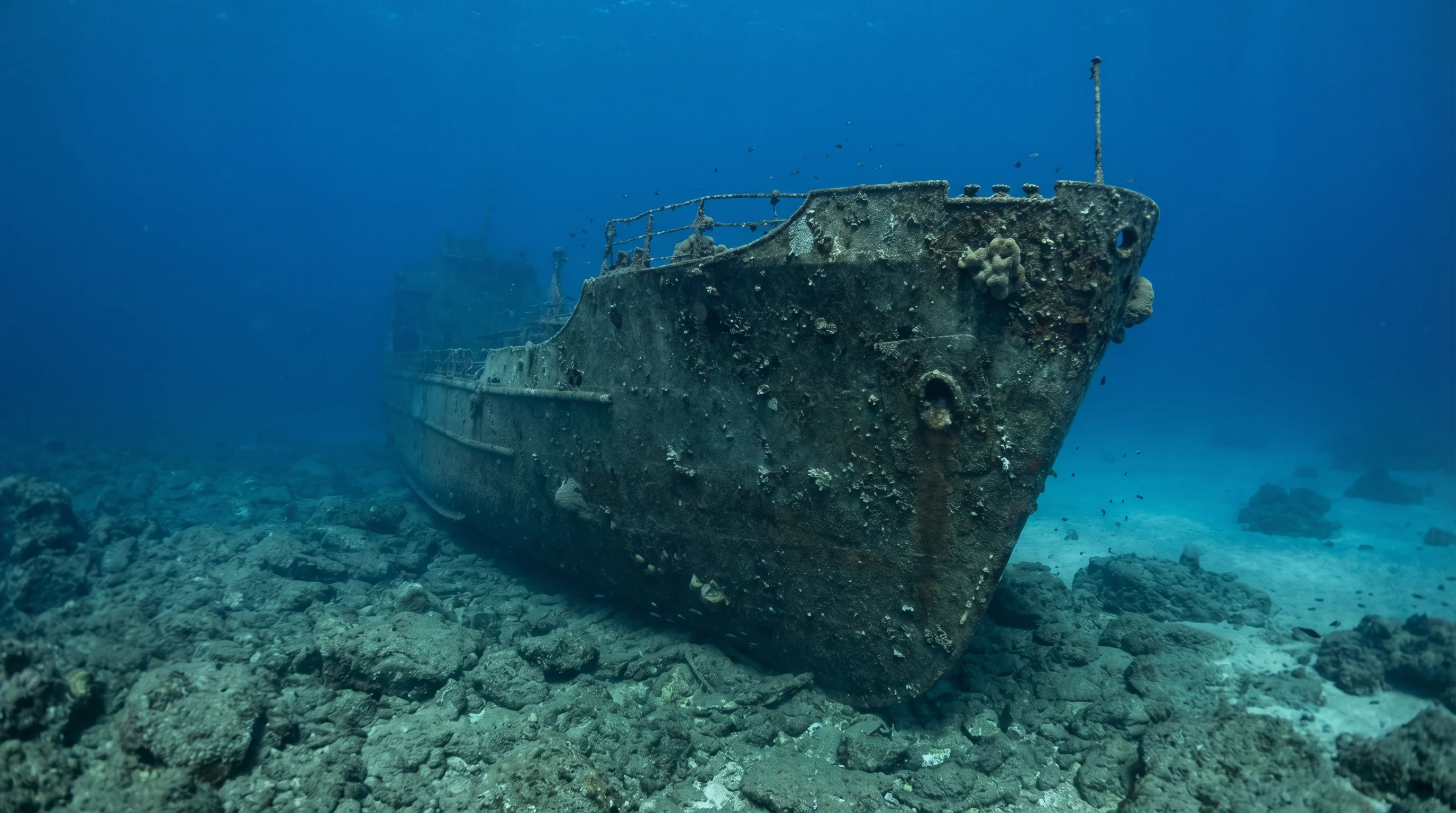
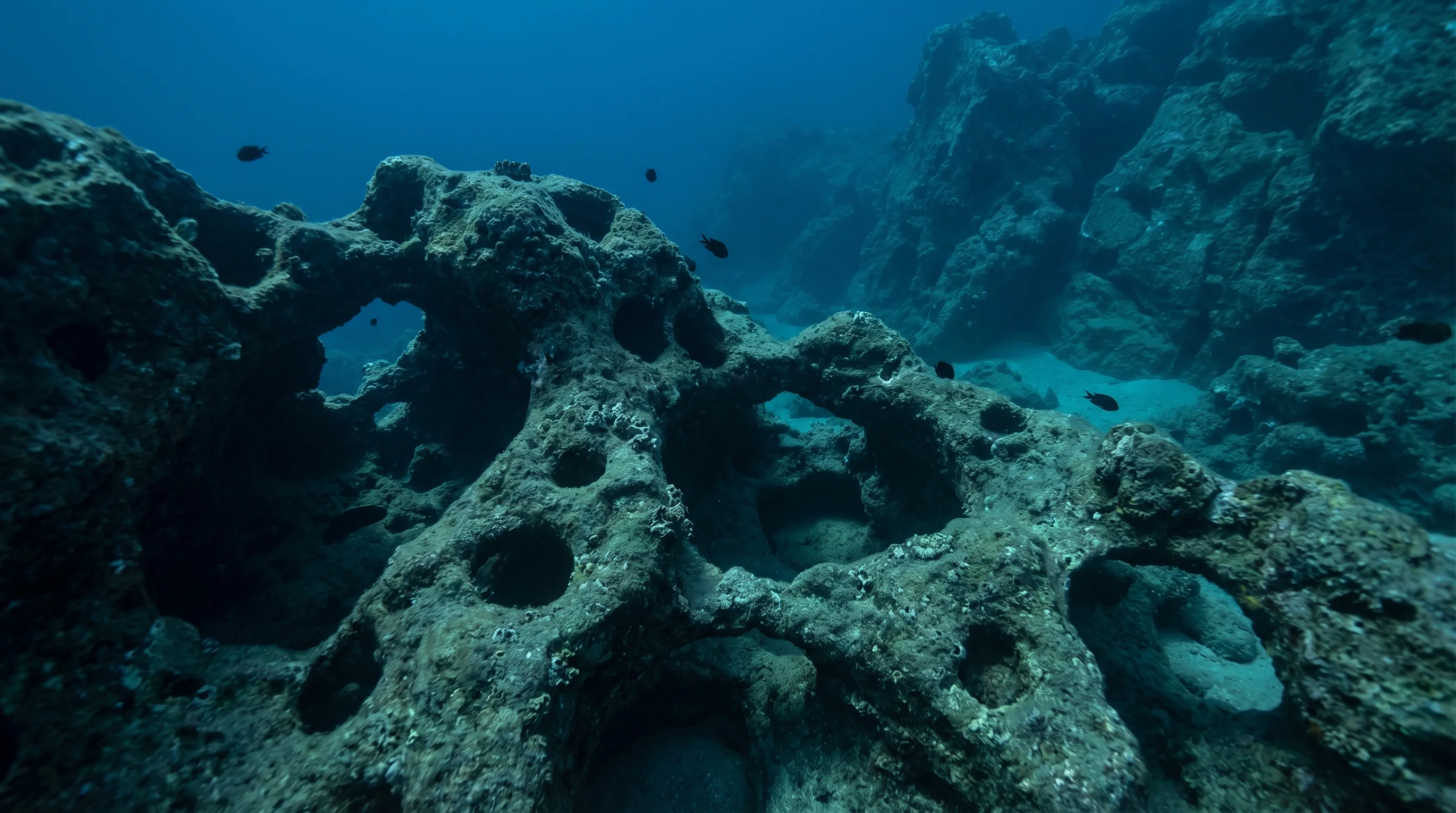
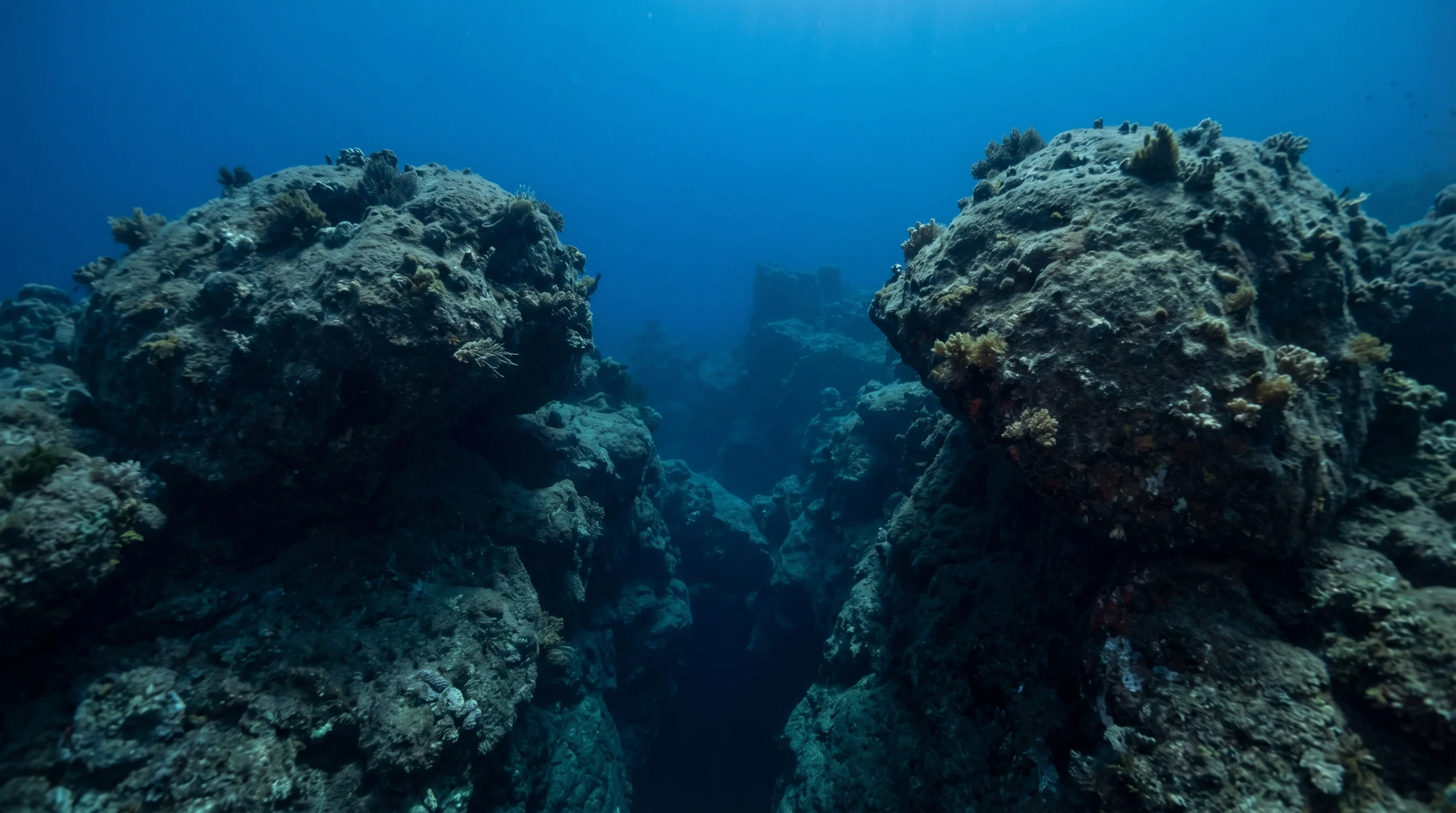
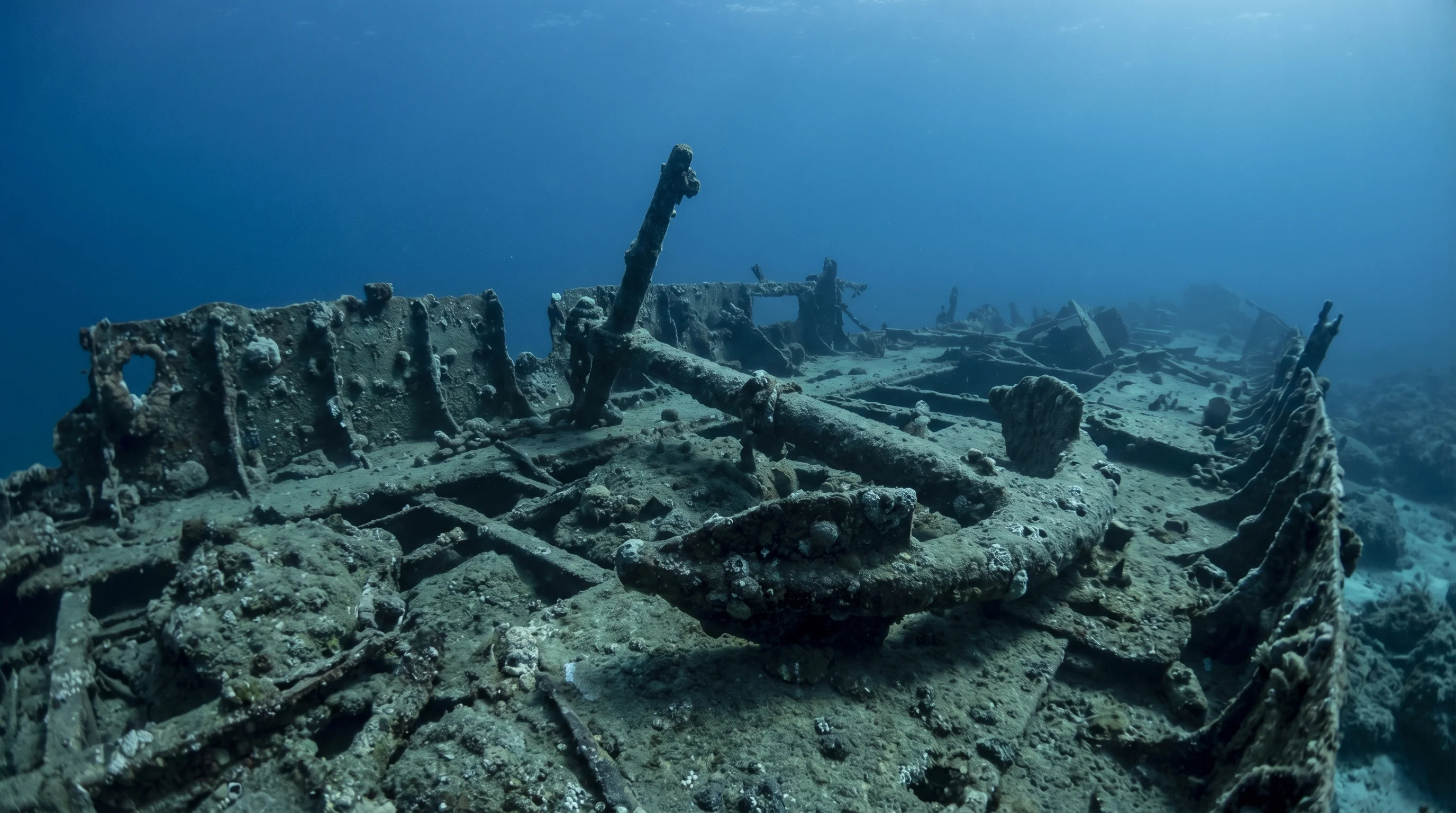
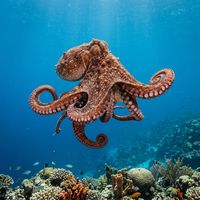
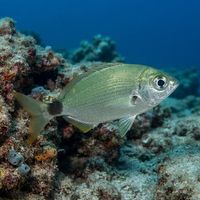
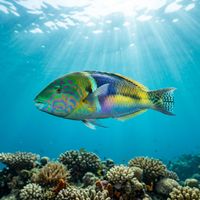
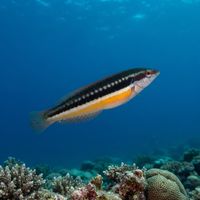
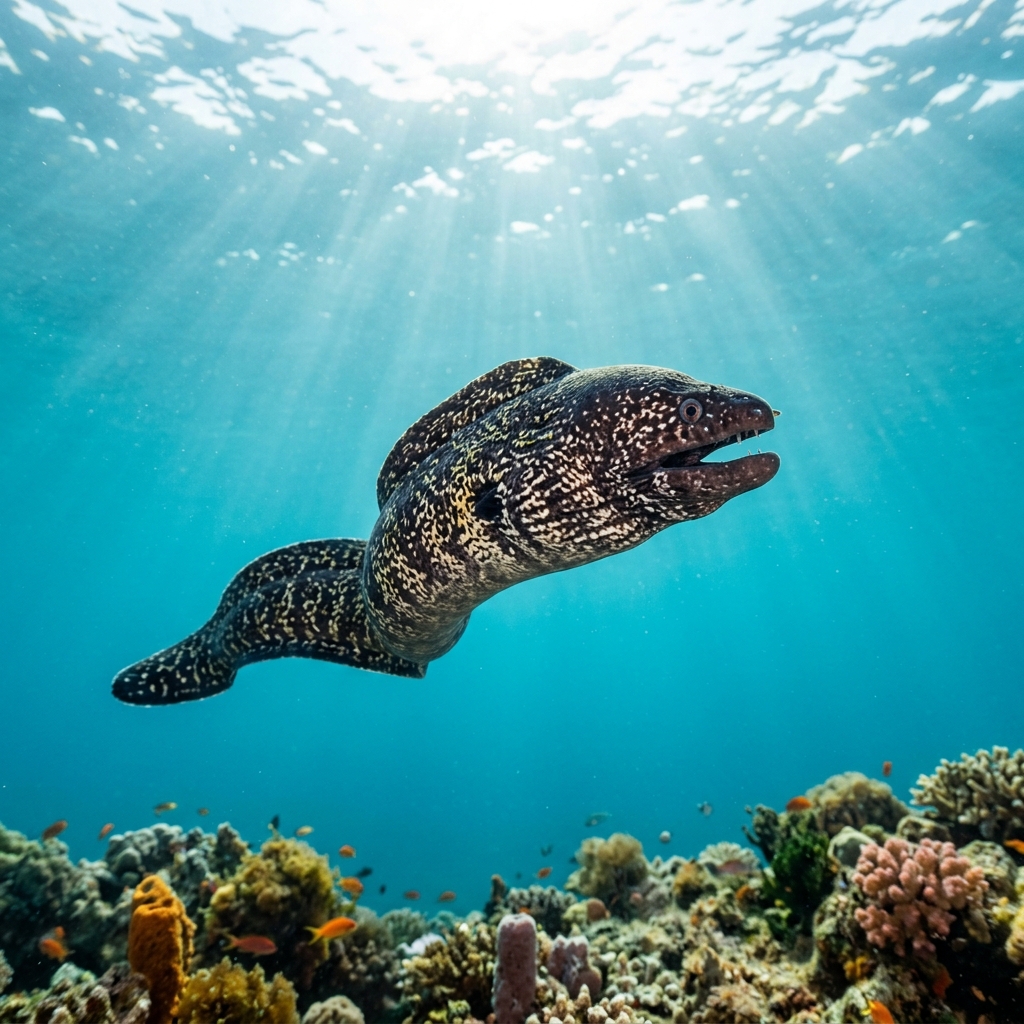
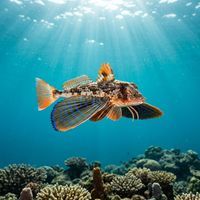
Corfu's dive sites span shallow caves, dramatic drop-offs, reef systems, and several wrecks, giving the island an unusually varied underwater character. Caves and caverns feature across many sites, from beginner-friendly Sunday Cave to the advanced Doukades Cave. Wrecks such as the Cement Wreck and Anker add a different dimension. The Common Octopus, Mediterranean Moray, and Flying Gurnard are the island's signature sightings, while Turkish Wrasse and White Seabream appear across virtually every site.
Monthly water temperature across Corfu's sites, from satellite sea-surface data corrected for depth. The band shows the site-to-site spread.
Water temperatures stay relatively stable through winter and spring before climbing noticeably in late summer and autumn, when conditions are at their warmest. The peak diving months cluster from late spring through to autumn, reflecting both comfortable temperatures and generally settled conditions. Sites range from sheltered shallow reefs to exposed drop-offs, so checking individual site conditions matters, particularly at deeper or more open locations.
10 operators
19 more sites to explore
Water temperature around Corfu ranges from about 15°C in March to 21°C in September, based on satellite sea-temperature data for its dive sites.
In the warm season (about 21°C) a 5mm suit is comfortable in Corfu; in the coldest months (about 15°C) step up to a 7mm or semi-dry suit.
Fin maps 31 sites in Corfu (27 scuba diving sites and 11 snorkelling spots, with some suited to both).
Across Corfu's dive sites, May, June, July, August, September and October are most often reported as the best months to visit.
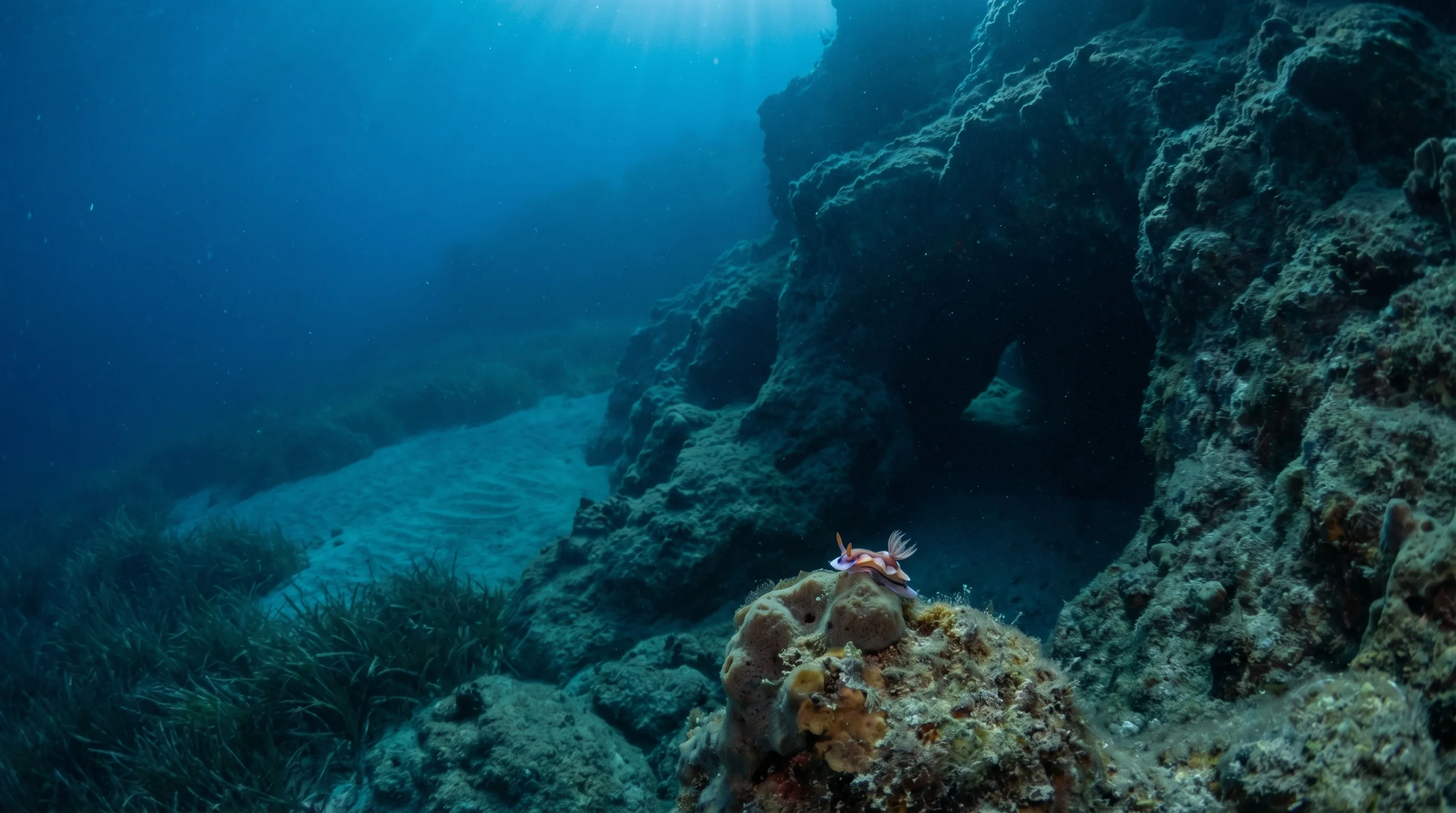
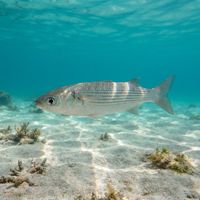
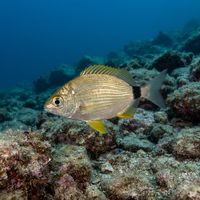
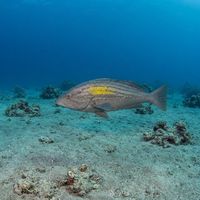
Corfu's reefs are reliably populated with Common Octopus, Mediterranean Moray, and the occasionally spotted Flying Gurnard. Wrasse species, including the Turkish Wrasse, are present across almost every site, alongside White Seabream, Bream, and the colourful European Parrotfish. Invertebrate life is also strong, with Hermit Crab, Slipper Lobster, and Sea Star commonly encountered on reef and cavern dives.
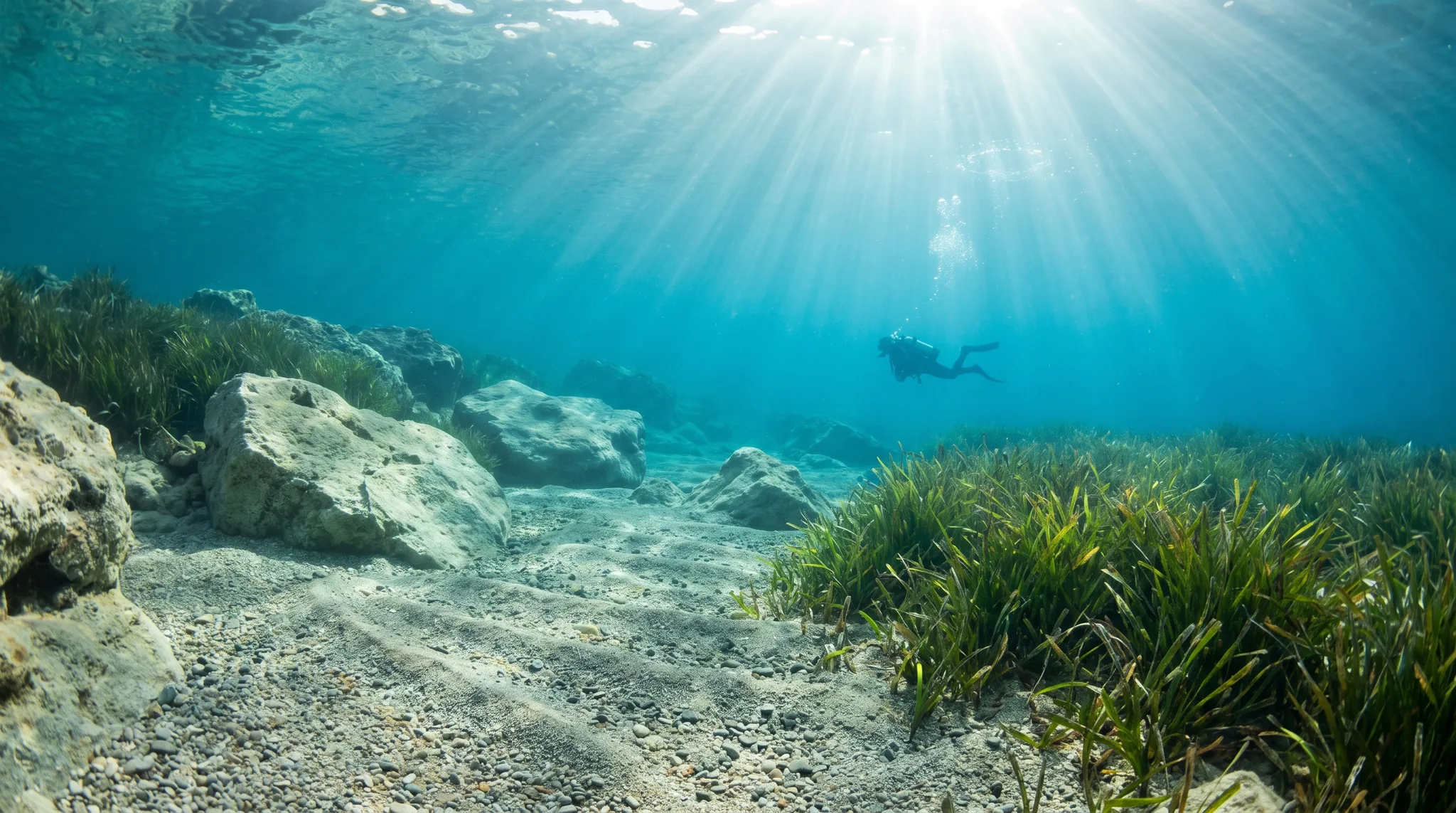
Yes, Corfu has a reasonable spread of beginner-friendly sites. Agia Triada is a shore-entry reef dive that stays shallow, while Sunday Cave offers a gentle introduction to cave environments at very shallow depths. Paralia Iliodoros suits beginners with its shallow reef and seagrass topography. Several operators on the island, including Dive Easy and Achilleon Diving Center, cater to entry-level divers.
Corfu's sites divide broadly into reef and cave dives, wreck dives, and deeper drop-offs. Sites like Kapareli and Swiss Cheese Paleo offer complex reef and cavern structures, while the Cement Wreck and Othoni Wreck appeal to those interested in artificial structures. For advanced divers, Doukades Cave and Anker combine deep water with penetrable cave systems. This range means divers of different interests and experience levels will find relevant options.
The majority of Corfu's sites are boat-access only, so joining a local operator is the most practical approach for most dives. A small number of sites, including Agia Triada and Kapareli, can be reached from shore or offer both options. Operators such as Sea World, Dive Inn Corfu, and Korfu Diving run regular boat trips to the main sites around the island.